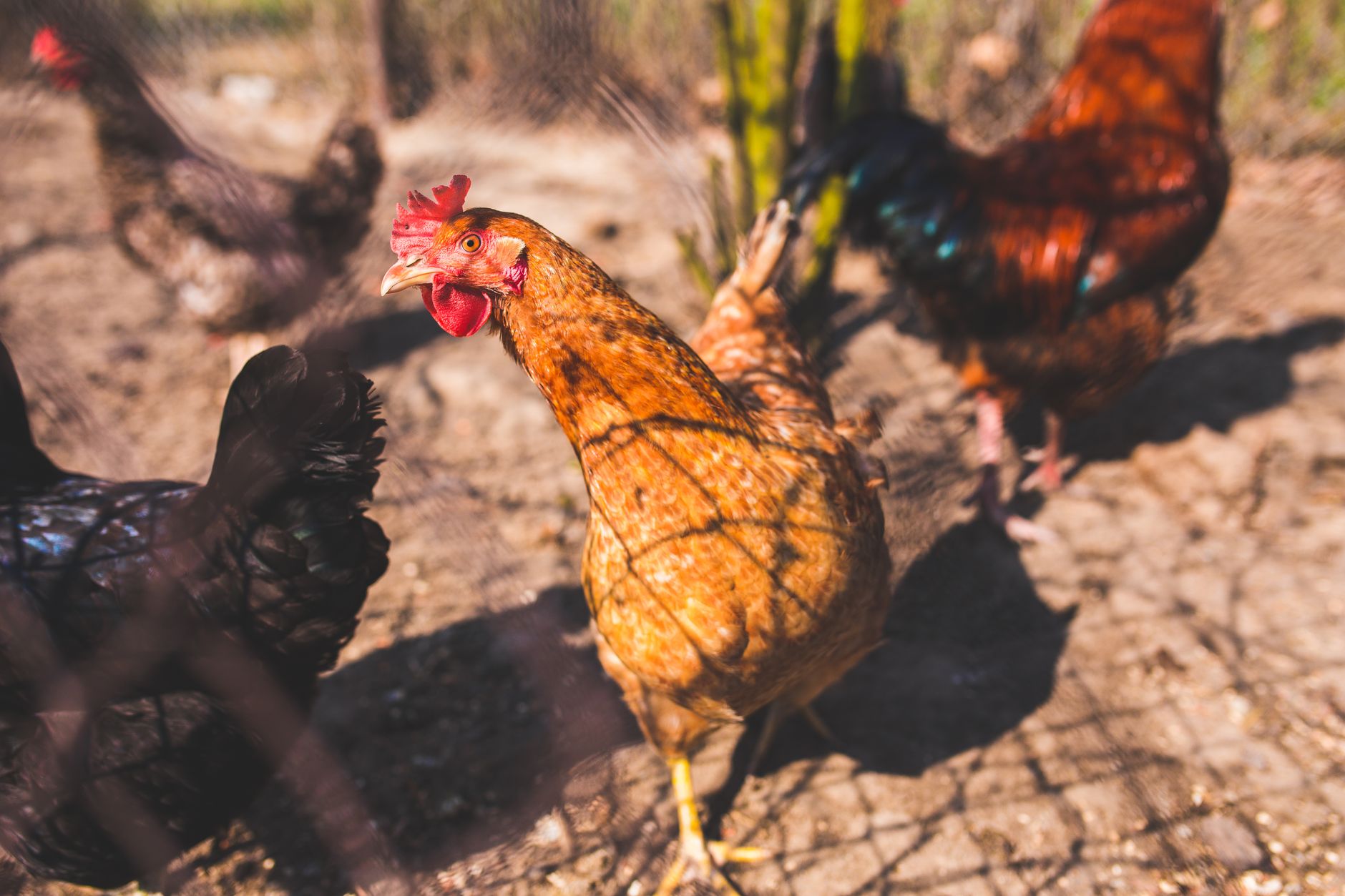
Most beginners should start with 3-6 chickens. This is enough for a daily egg supply (about 15-30 eggs per week), small enough to manage easily, and meets minimum flock size requirements. Calculate your flock size based on egg consumption: 1 hen lays about 5-6 eggs per week. For a family of 4, 4-6 hens is ideal. Also consider space—each hen needs 3-4 sq ft in the coop and 8-10 sq ft in the run. Start small and add more later—it's easier than starting too big and getting overwhelmed.
What you will need
Calculate Based on Your Egg Needs

How many eggs does your family eat? Track your egg consumption for a week. How many eggs do you eat? For baking? For cooking? This is the starting point.
1 hen = 5-6 eggs/week: At peak production (first 2 years), a hen lays about 5-6 eggs per week. This is about 250-300 eggs per year.
Example family of 4: If you eat 2 eggs per day (24 eggs/week), you need about 4-5 hens (24/6 = 4 hens).
Baking and cooking: Add extra hens if you bake or cook with eggs frequently. 1 hen = 1-2 dozen eggs per month.
Surplus: You may get more eggs than you need during peak production. You can give them away, sell them, or preserve them.
Calculate Based on Your Space

Coop space: Each hen needs 3-4 square feet inside the coop. For 4 hens, you need 12-16 sq ft (about 4x4 feet). For 6 hens, 18-24 sq ft (about 4x6 feet).
Run space: Each hen needs 8-10 square feet in the run. For 4 hens, 32-40 sq ft. For 6 hens, 48-60 sq ft.
Measure your space: Use a tape measure to determine your available space. If you have a small yard, you may be limited to fewer hens.
More space = better: If you have extra space, use it. Chickens thrive with more room.
If you have limited space: 3 hens is the minimum for a small backyard. They'll be happy and productive.
Start with the Minimum (3 Hens)
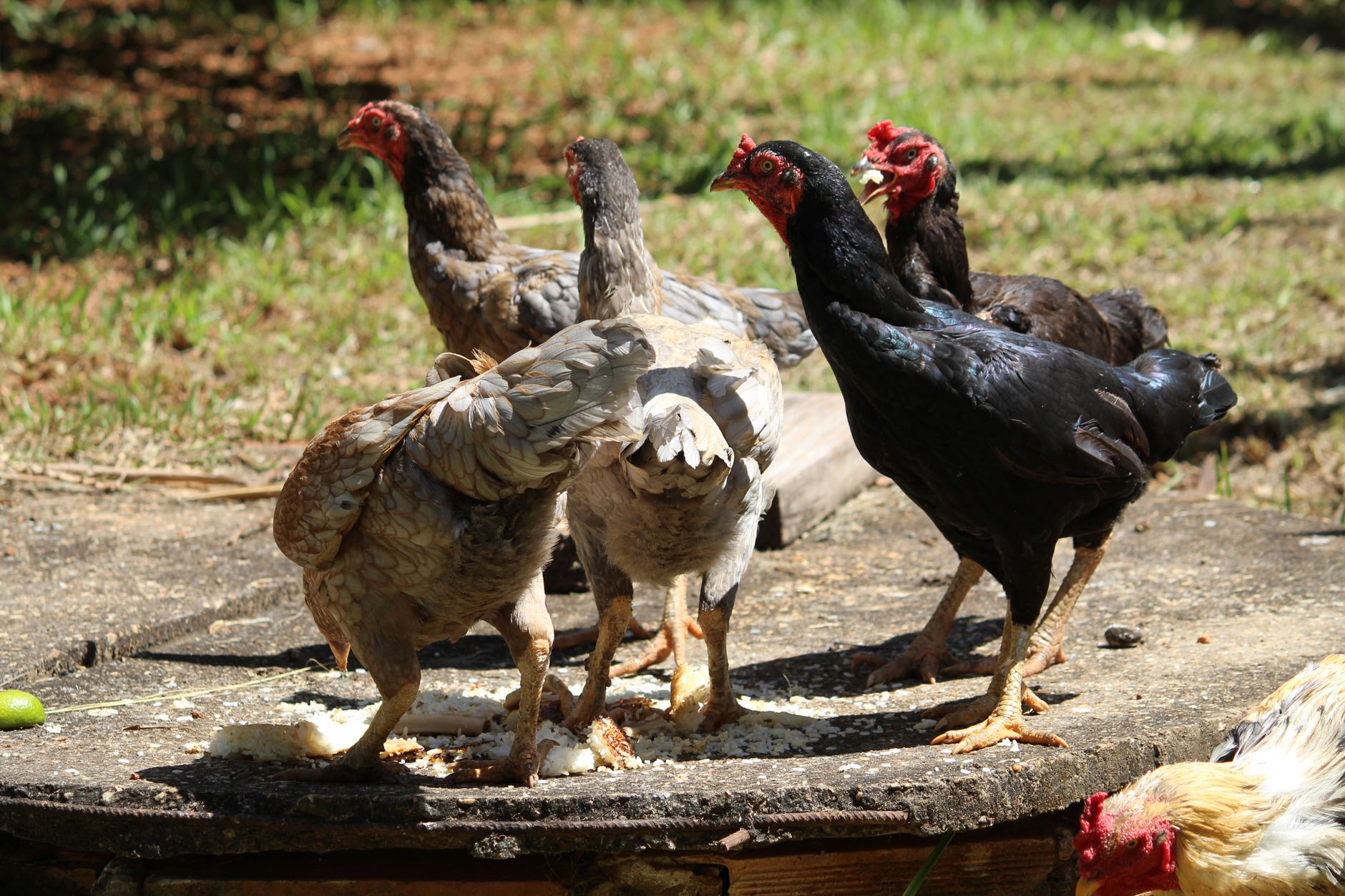
Why 3 is the minimum: Chickens are social animals. They need companionship. One chicken alone is stressed and unhappy.
3 hens = 15-18 eggs/week: Enough for a small family (2-3 people) to have eggs daily.
Easy to manage: 3 hens is manageable for beginners. Smaller learning curve.
Less investment: Lower cost for feed, bedding, and initial setup.
Start with 3 and add later: You can always add more hens later.
Consider Local Zoning and Regulations
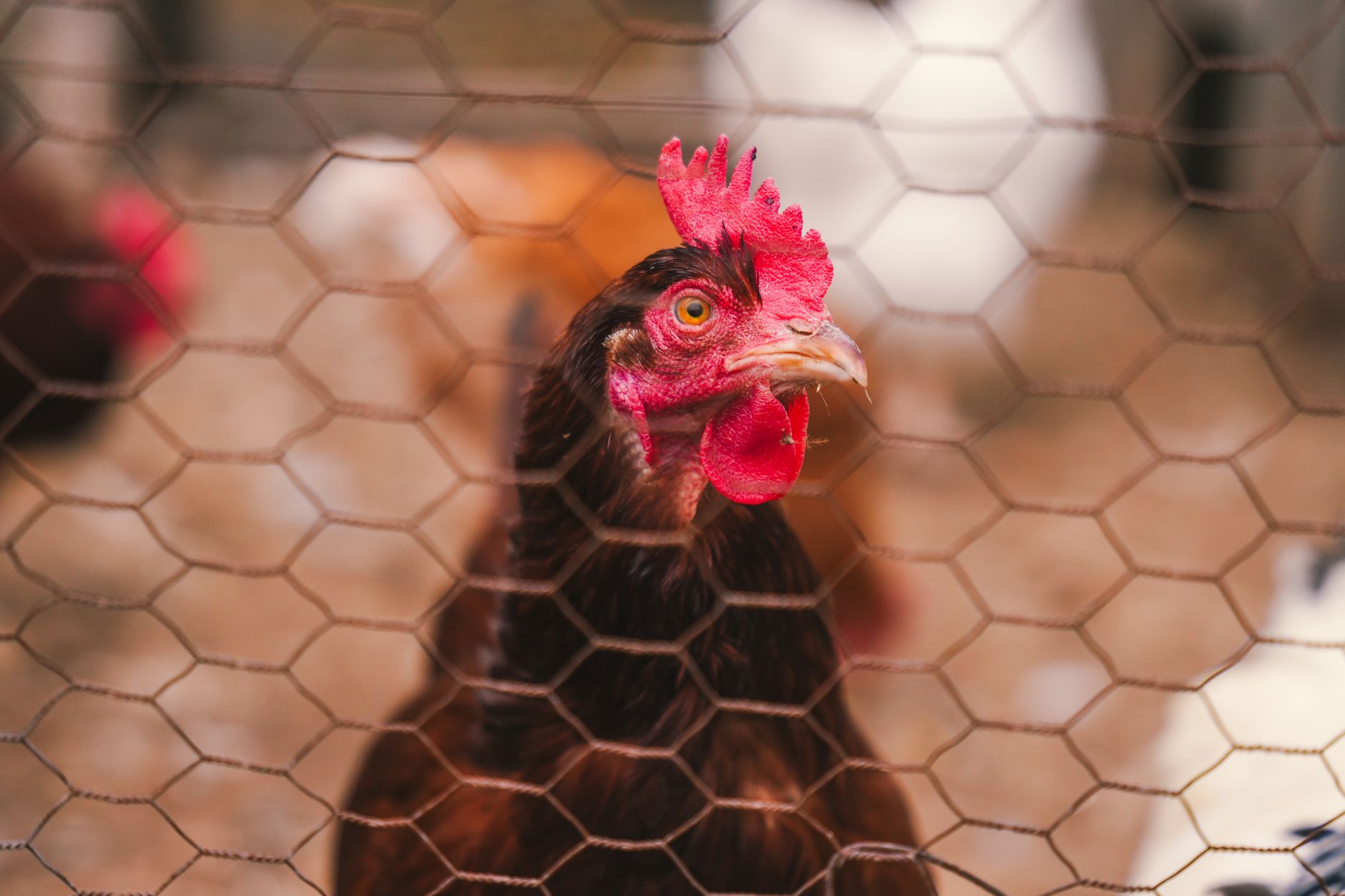
Check local laws: Many cities have restrictions on chicken keeping. Some allow up to 6 hens, others 4. Some require permits.
Roosters: Most urban and suburban areas prohibit roosters due to noise. Check before getting sexed chicks.
Setbacks: Some areas require coops to be set back a certain distance from property lines and neighbors' houses.
Homeowners associations: Some HOAs prohibit chickens entirely. Check your HOA rules.
What to check: Contact your city or county's planning department or search online for local chicken laws.
Consider Your Experience Level

Beginners: Start with 3-6 hens. This gives you experience without being overwhelming.
No experience: Start with 3 hens. Learn the basics first.
Intermediate: 6-10 hens. If you have space and experience.
Experienced: 10+ hens. Manageable if you have the space and time.
The learning curve: Chickens are relatively easy to care for, but starting with too many can be overwhelming.
Calculate Feed and Budget

Feed costs: Each hen eats about 1/4 to 1/3 pound of feed per day. For 6 hens, that's 1.5-2 pounds per day.
Monthly feed cost: 6 hens = about 45-60 pounds of feed per month. At $0.50/lb, that's $22-30 per month.
Bedding: More chickens mean more bedding. Estimate $5-10 per month for bedding.
Start-up costs: Coop, run, feeders, waterers, and chicks. Larger flocks mean larger costs.
Budgets: Plan for your budget. 3 hens costs less than 10 hens.
Plan for Egg Surplus

Egg production fluctuates: Hens lay more in summer (longer days) and less in winter.
Surplus: You may have more eggs than you need during peak production.
Options: Give eggs to friends and family, sell them at a farmer's market, preserve them (freeze, water glass), or use them in baking.
The 6-hen surplus: 6 hens = 30-36 eggs per week. A family of 4 may only need 24 eggs. Surplus eggs are a great gift.
No problem: Having too many eggs is a good problem to have.
Plan for the Future
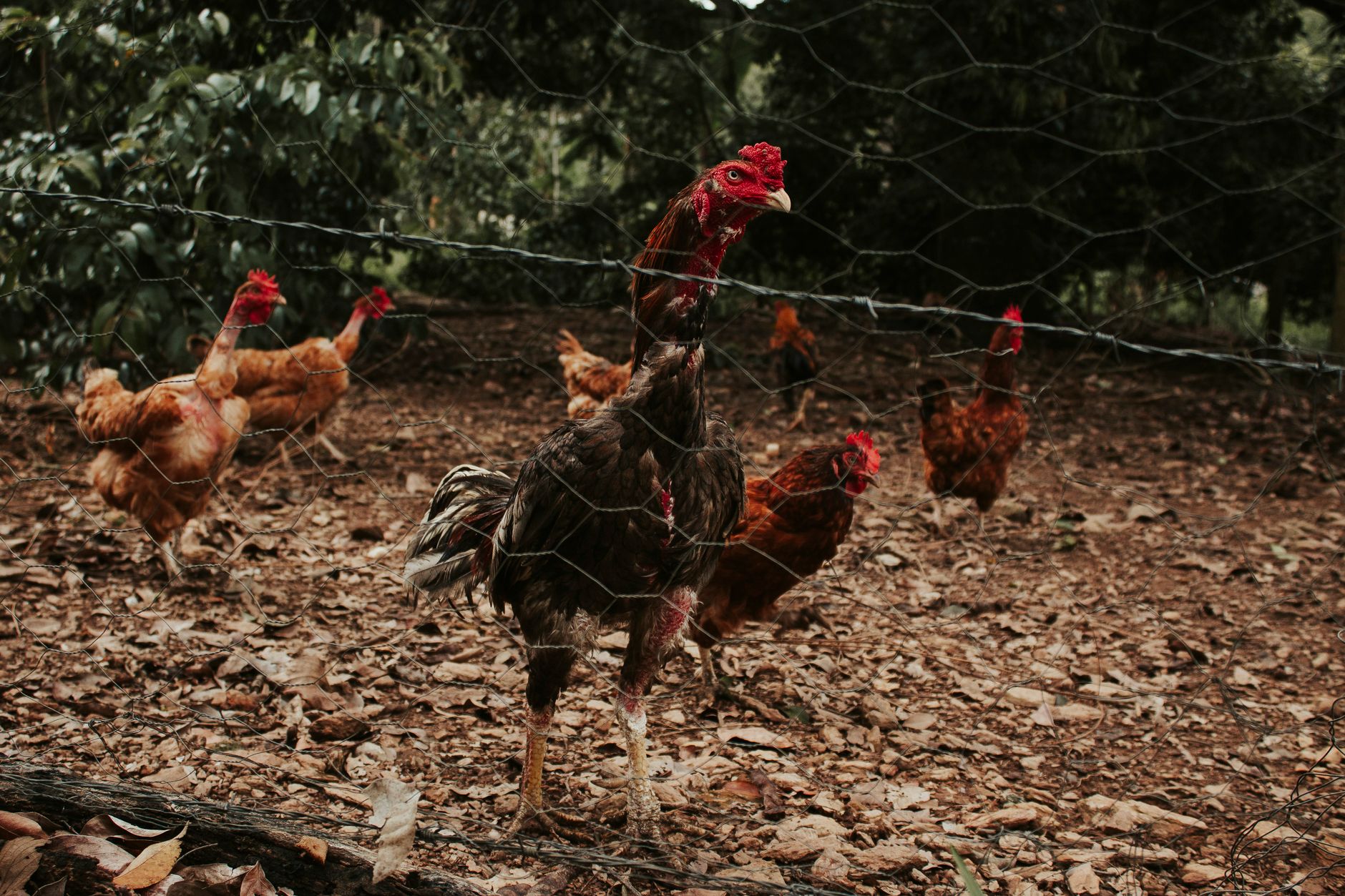
Start small: It's easier to start with 3 hens and add more later.
Integration: Adding new hens to an established flock is easier than managing a large flock from scratch.
Space: Build a coop that can accommodate expansion. A coop for 6 hens is easier to build now than to expand later.
Experience: You'll learn what works for you and what doesn't. Then you can expand.
No pressure: There's no rush. Start with what you're comfortable with.
Common problems and fixes
| Problem | What to do |
|---|---|
| Too many eggs? | Give them away to friends and family, sell them at a farmer's market, or preserve them (freeze, water glass). |
| Too few eggs? | Add more hens (if space and budget allow). Or understand that hens lay less in winter. |
| Flock is too big and overwhelming? | It happens. Reduce flock size by selling or giving away some hens. |
| Neighbors complain? | Ensure chickens are quiet (no roosters), keep the coop clean, and talk to your neighbors. |
Gardener's checklist
Test what you learned
What is the recommended minimum flock size?
Answer: 3
How many eggs does a hen lay per week at peak production?
Answer: 5-6
How many hens does a family of 4 need for daily eggs?
Answer: 4-6
What is the most common beginner mistake?
Answer: Getting too many chickens
Common questions
Can I have just 1 or 2 chickens?
Chickens are social animals and should be kept in groups of at least 3. A single chicken will be lonely and stressed. 3 is the minimum recommended.
How many chickens do I need for a dozen eggs a week?
One hen lays about 5-6 eggs per week. For a dozen eggs (12), you need about 2-3 hens. For a family of 4, 4-6 hens is ideal.
Can I mix different breeds?
Yes! Many backyard flocks have multiple breeds. They often get along well, especially if raised together from chicks.
Do I need a rooster for hens to lay eggs?
No. Hens lay eggs without a rooster. A rooster is only needed if you want to hatch chicks.
How do I introduce new chickens to an existing flock?
Introduce new hens gradually. Keep them separate but visible for a week, then allow supervised interaction. Be patient—the pecking order will sort itself out.
Choosing the right number of chickens is the first step to a successful flock. For most beginners, 3-6 hens is the ideal starting point—enough for a daily egg supply, small enough to manage easily, and meets minimum flock size requirements. Calculate based on your family's egg consumption, available space, and local regulations. Start small and add more later—it's easier than starting too big and getting overwhelmed. A happy, healthy flock of the right size will reward you with years of fresh eggs and enjoyment.
Frequently asked questions
How often should a vegetable garden be watered?
Frequency depends on weather, soil and plant size. Check the soil rather than watering on a rigid schedule.
Is compost enough fertilizer?
Compost improves soil and provides nutrients slowly. Heavy-feeding crops may still need additional feeding.

The Sproutstead Editorial Team
We create clear, practical gardening and homesteading guides designed for real homes and beginner growers.
View author profile →