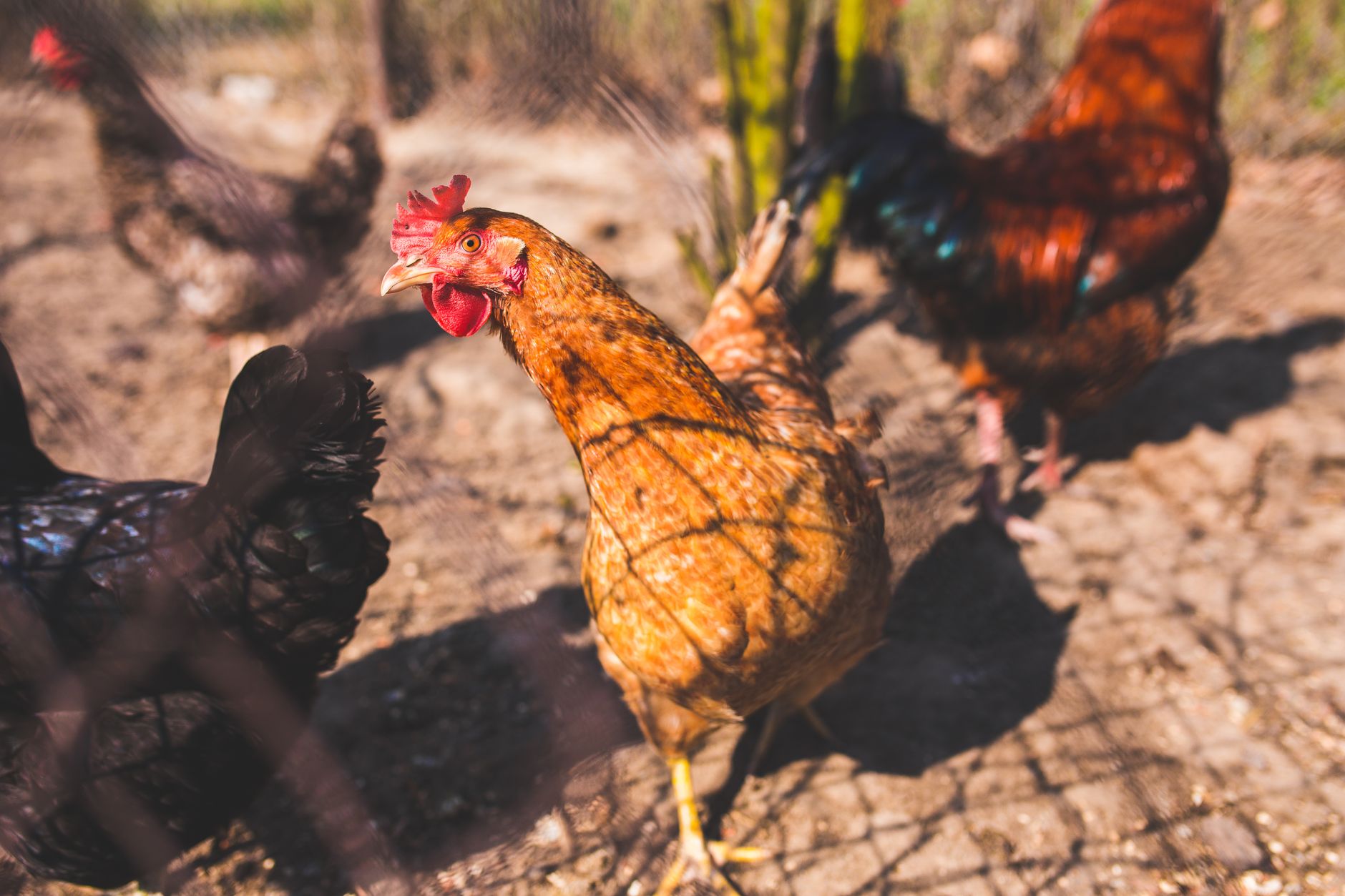
Chickens should be wormed 2-4 times per year, ideally in spring and fall. Common signs of worm infestation include weight loss, diarrhea, pale combs and wattles, reduced egg production, and lethargy. You can use natural preventatives like garlic in water (4 crushed cloves per gallon), apple cider vinegar (1 teaspoon per gallon), and diatomaceous earth (mix 100g per 1kg of feed) as part of a prevention plan.[reference:0][reference:1] For active infestations, use conventional dewormers like Fenbendazole (Safeguard), which is the most common and effective treatment.[reference:2][reference:3] Always deworm the entire flock, follow dosage instructions carefully, and repeat treatment in 10 days to break the worm life cycle.[reference:4][reference:5] Prevention through good coop hygiene is the best approach.
What you will need
Recognize the Signs of Worm Infestation
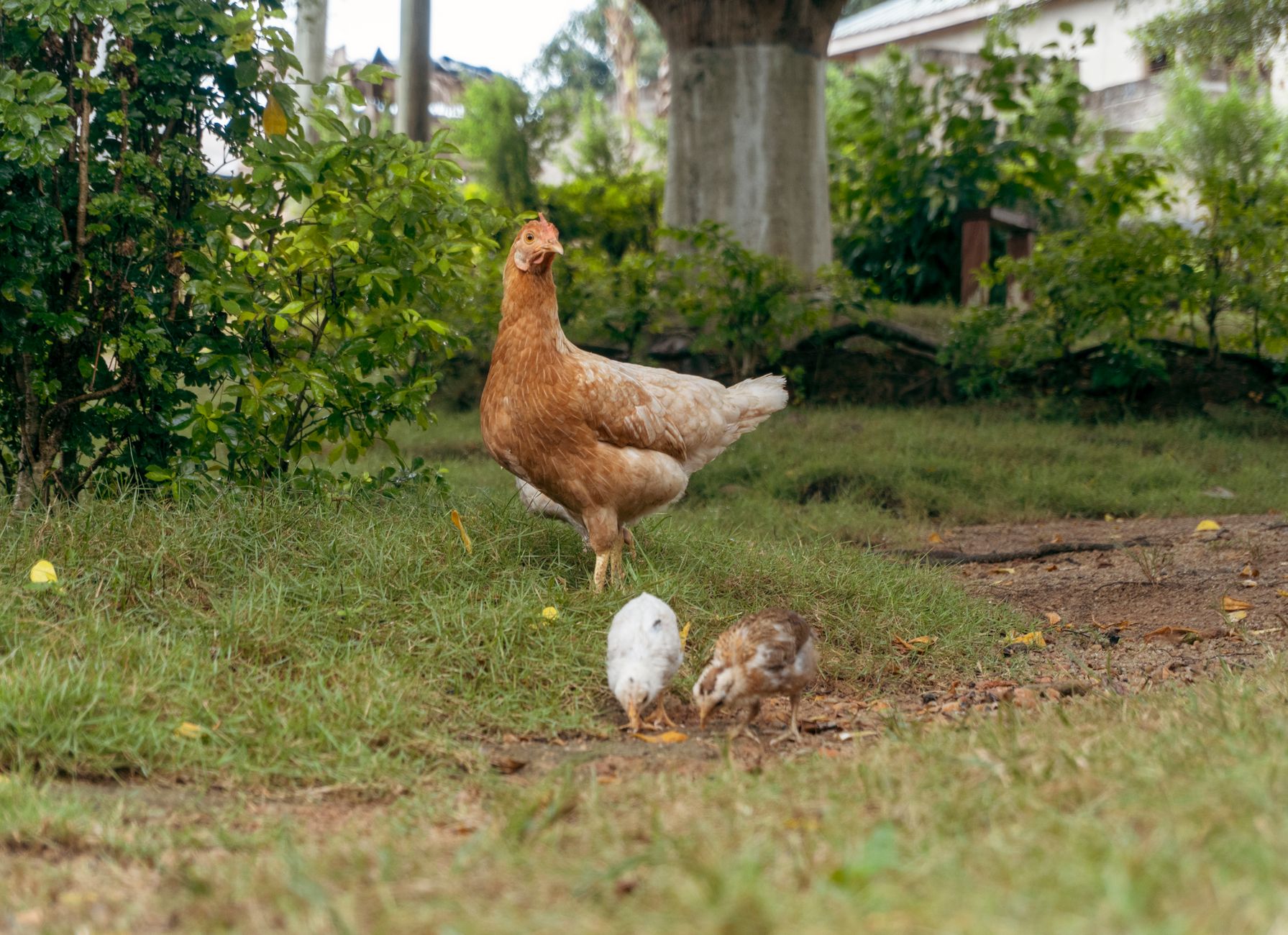
Common symptoms: Failure to thrive, decreased appetite, weight loss, prominent keel bone (breastbone sticking out), pale comb and wattles, tatty-looking feathers, decreased activity, and depression.[reference:8]
Digestive signs: Diarrhea, worms visible in droppings, reduced manure output, and general lack of thrift.[reference:9]
Production signs: Reduced egg production, smaller eggs, or eggs with worms inside.[reference:10]
Severe cases: Anemia, emaciation, drooping wings, and weakness.[reference:11]
Note: Symptoms are often vague. A heavy infestation may show pale facial features and reduced appetite.[reference:12] If you suspect worms, a fecal count by a vet can confirm the diagnosis.[reference:13]
Understand the Types of Worms That Affect Chickens
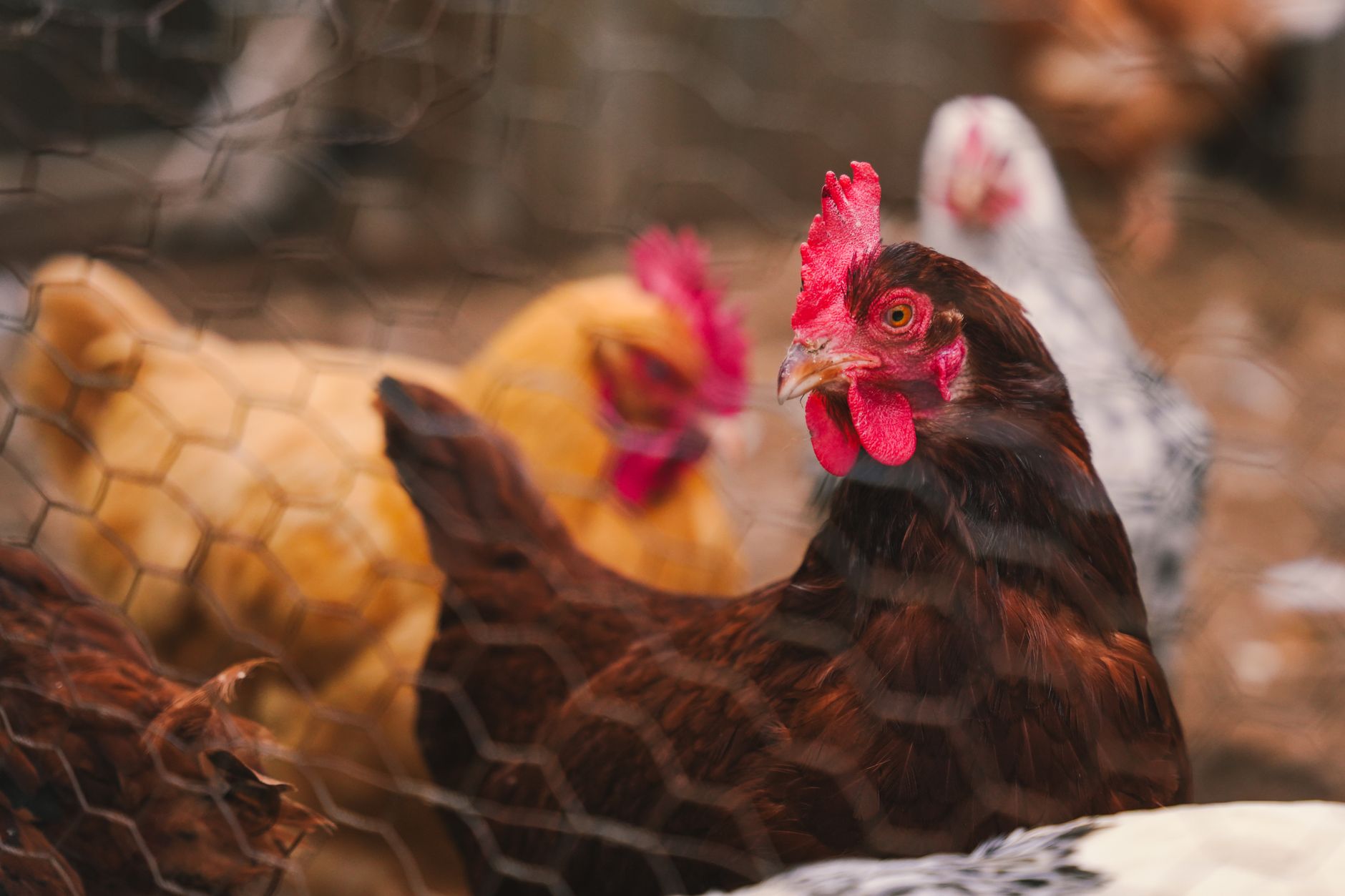
Roundworms (Ascaridia spp.): The most common intestinal parasite. Long, yellow-white worms found in the intestine. Symptoms include droopiness, weight loss, and diarrhea.[reference:14]
Cecal Worms (Heterakis spp.): Found in the ceca (pouches at the start of the large intestine). Often carried by earthworms.[reference:15]
Tapeworms: Less common but can cause weight loss and digestive issues.
Gizzard Worms: Affect the gizzard and can cause digestive problems.[reference:16]
Capillary Worms: Thread-like worms that affect the crop and esophagus.
Note: Fenbendazole is effective against roundworms and cecal worms.[reference:17] For tapeworms, you may need a different medication like praziquantel.
Use Natural Preventatives
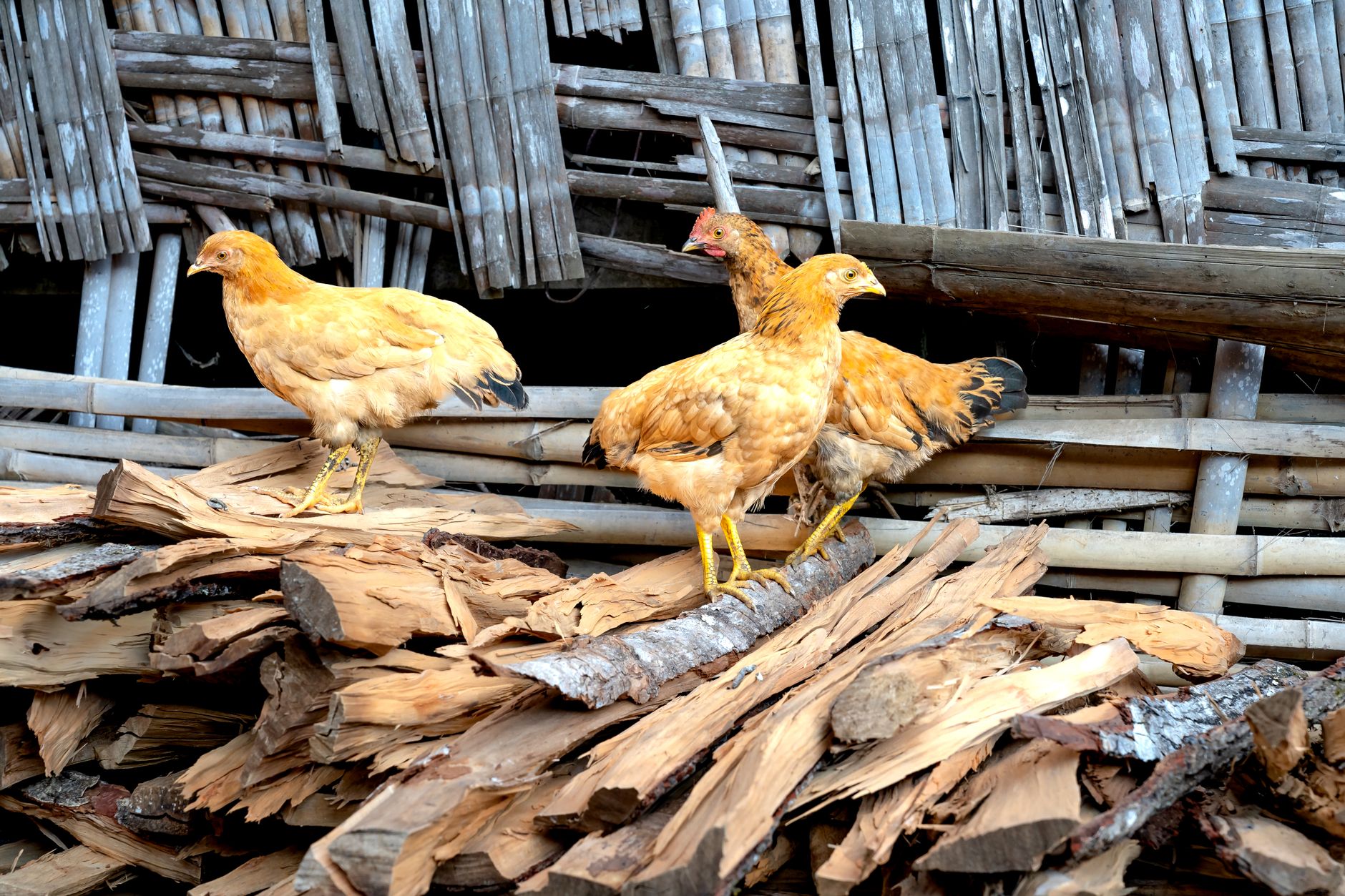
Garlic: Add crushed garlic to drinking water at the rate of 4 crushed cloves per gallon.[reference:18] Garlic creates an environment in the gut that is unwelcoming for parasites.[reference:19] It's considered an organic de-wormer and also acts as an insect repellent.[reference:20]
Apple Cider Vinegar: Add 1 teaspoon per gallon of drinking water. This creates unfavorable conditions for worms.[reference:21][reference:22]
Diatomaceous Earth: Mix 100g of diatomaceous earth per 1kg of feed.[reference:23][reference:24] It's a mineral of plant origin that helps control parasites.[reference:25]
Pumpkin Seeds: Pumpkin and cucumber seeds are sometimes mentioned as natural dewormers.[reference:26] They can be ground and added to feed.[reference:27]
Onions and Garlic: Feeding onions and garlic regularly is a natural preventative for worms.[reference:28]
Important: These natural methods are more suited to preventing worms than for treating existing infestations.[reference:29] They create an environment that is unwelcoming for parasites.[reference:30]
Choose the Right Dewormer
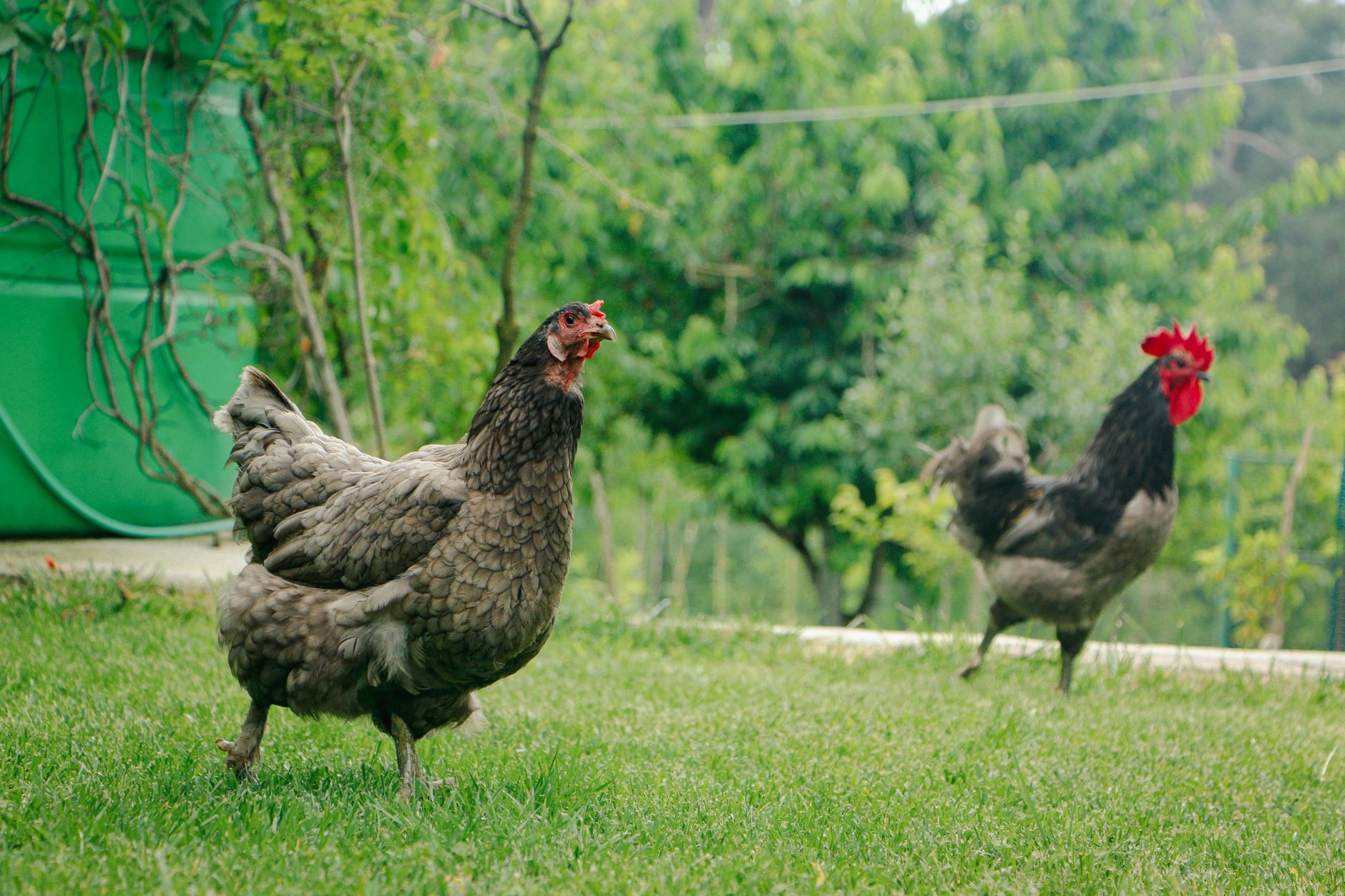
Fenbendazole (Safeguard, Panacur): The most common and effective dewormer for chickens.[reference:31] Fenbendazole is the only product approved for treatment and control of roundworms and cecal worms in chickens in the United States.[reference:32]
Dosage: For Safeguard 10% fenbendazole (goat wormer or horse paste), give 0.23 ml per pound of weight orally for 5 consecutive days.[reference:33] Alternatively, 1/4 ml per pound for 5 straight days.[reference:34]
Piperazine: A common medicine available as a 45% or 65% solution.[reference:35] The dose for 45% solution is 0.5-1 ml per bird.[reference:36]
Albendazole (Valbazen): Very effective for most worms, but avoid during molt.[reference:37]
Ivermectin: Effective for mites and some worms, but some report it's not as effective for deworming as fenbendazole.[reference:38] It may still treat roundworms.[reference:39]
Important: Always deworm the entire flock, not just one bird.[reference:40]
Administer Dewormer Correctly
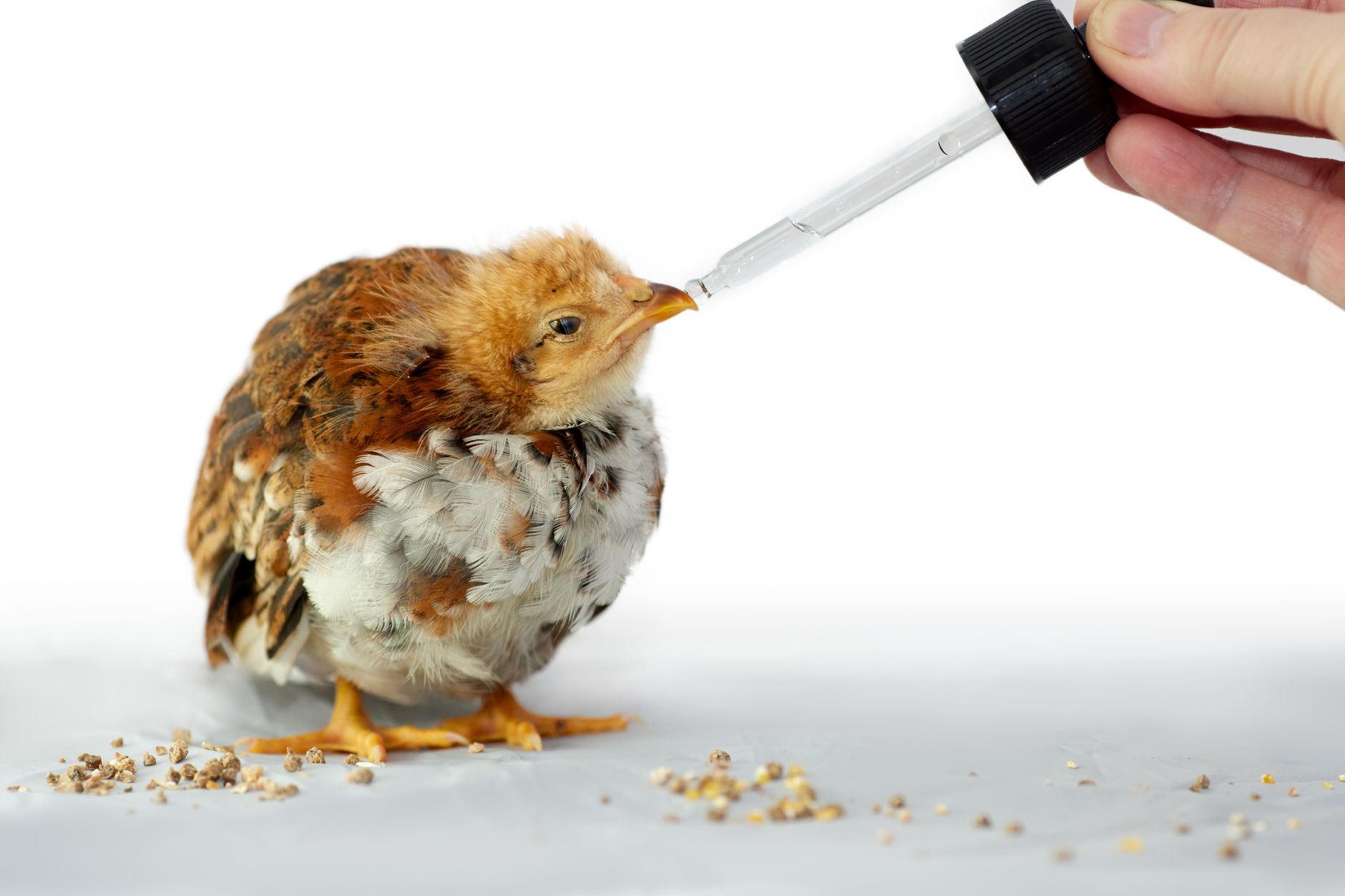
Oral administration: Use a syringe (without needle) to give the dewormer directly into the chicken's mouth. This is the most accurate method.
In feed: Mix the recommended dosage with feed. For example, one small tablespoon is enough for four chickens.[reference:41]
In water: Some dewormers are administered via drinking water. Prepare fresh medicated water daily.[reference:42] For Wazine-17, for chickens over 6 weeks, use 2 fluid ounces per 2 U.S. gallons of water for each 100 birds.[reference:43]
Dosage by weight: For fenbendazole, the dose is 0.23 ml per pound.[reference:44] Weighing your chickens ensures accurate dosing.
Repeat treatment: Repeat the dosage after 10 days to ensure full treatment and break the worm life cycle.[reference:45][reference:46]
Practice Good Coop Hygiene
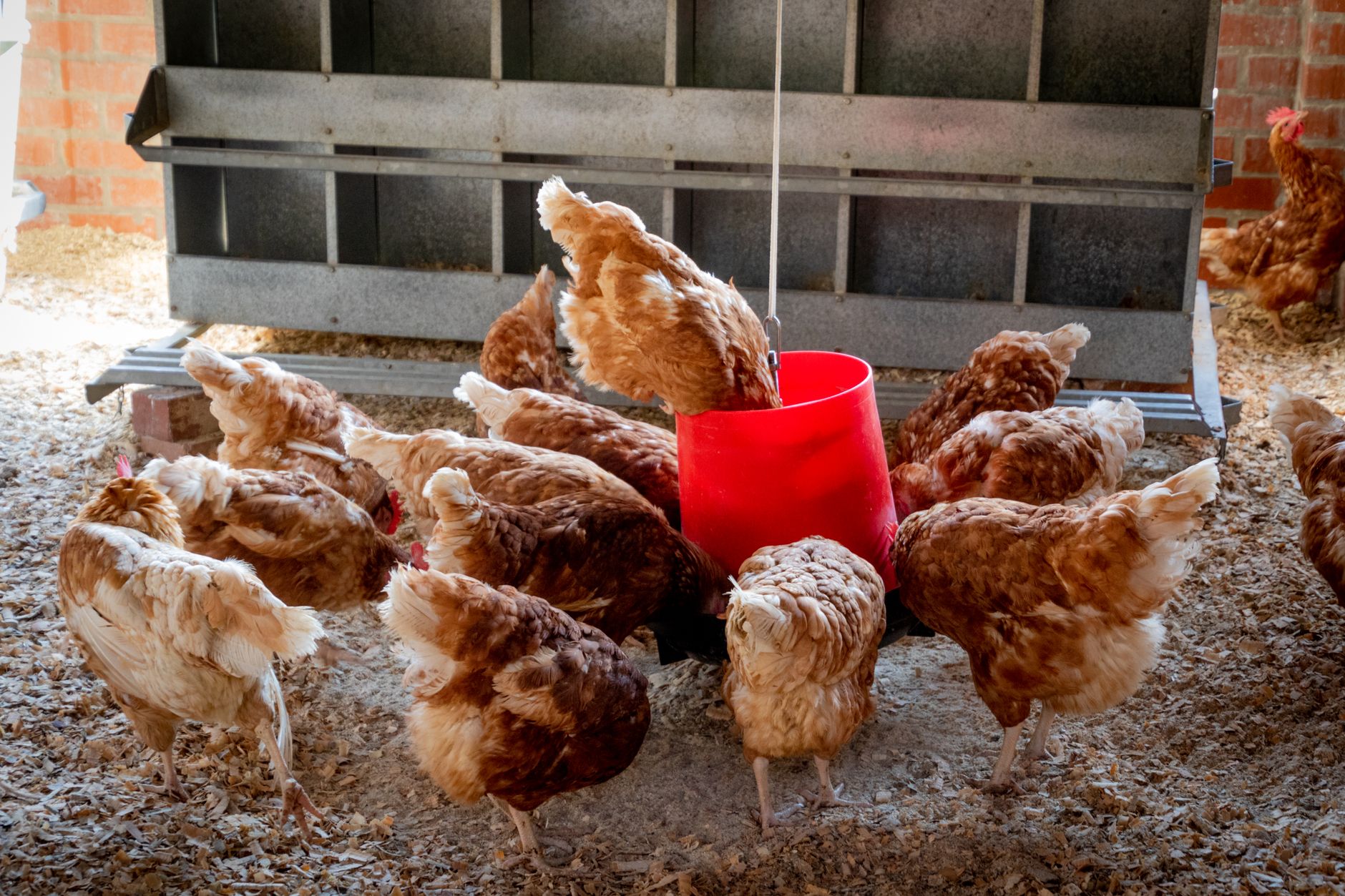
Clean regularly: Keep the coop and surrounding area clean. Remove manure and soiled bedding regularly.[reference:47]
Disinfect: Use proven disinfectants effective against parasite eggs to reduce environmental contamination.[reference:48]
Remove litter: Burn or compost all litter to kill worm eggs.[reference:49]
Dust baths: Provide dust baths with sand and diatomaceous earth. This helps chickens keep clean and naturally prevents parasites.[reference:50]
Rotate runs: If possible, rotate your chickens to different areas to break the worm life cycle.
Prevent access to wild birds: Wild birds can introduce worms to your flock. Keep feed covered and prevent wild birds from accessing the coop.
Develop a Deworming Schedule
Frequency: Deworm your flock every 3 months.[reference:51] Most experts recommend 2-4 times per year, ideally in spring and fall.
When to worm: Worm in spring (before the worm season starts) and fall (after the worm season ends). Also worm if you notice symptoms.
After treatment: Observe your flock for improvement. If symptoms persist, consult a vet.
Rotate dewormers: To prevent resistance, rotate between different classes of dewormers (e.g., fenbendazole and piperazine).
Keep records: Track when you deworm and which product you used. This helps you plan future treatments.
When to Call a Veterinarian
Severe symptoms: If a chicken is severely ill (weak, unable to stand, not eating), consult a vet immediately.
Uncertain diagnosis: If you're not sure if worms are the problem, a fecal test can confirm the diagnosis.[reference:52]
Treatment failure: If symptoms persist after deworming, there may be resistance or a different type of worm.
Dosage questions: If you're unsure about dosage, especially for small or young birds, consult a vet.
Emergency: If you suspect a severe infestation or if multiple birds are affected, seek professional help.
Common problems and fixes
| Problem | Likely cause | What to do |
|---|---|---|
| Chickens have worms despite treatment | Treatment was not repeated, or there was re-infestation from the environment. | Repeat treatment in 10 days. Clean the coop thoroughly to remove worm eggs. |
| Chickens are losing weight despite eating well | Worm infestation, or other health issue. | Deworm the flock. If symptoms persist, consult a vet. |
| Diarrhea in chickens | Worms, dietary issues, or disease. | Deworm the flock. Ensure clean water and proper nutrition. If persistent, consult a vet. |
| Reduced egg production | Worms, stress, molting, or age. | Deworm the flock. Check for other causes. If production doesn't improve, consult a vet. |
Gardener's checklist
Test what you learned
How often should you deworm chickens?
Answer: 2-4 times per year
What is the most effective dewormer for chickens?
Answer: Fenbendazole
Why should you repeat treatment in 10 days?
Answer: To break the worm life cycle
What is the best natural preventative for worms?
Answer: Garlic in water
Common questions
Can I use natural dewormers instead of medication?
Natural dewormers like garlic, apple cider vinegar, and diatomaceous earth are excellent for prevention.[reference:58] However, for active infestations, conventional dewormers like Fenbendazole are more effective.[reference:59]
Can humans get worms from chickens?
Most chicken worms are species-specific and don't infect humans. However, practice good hygiene—wash hands after handling chickens and eggs.
How do chickens get worms?
Chickens get worms from contaminated soil, feed, water, or through intermediate hosts like earthworms, insects, and slugs.
Can I eat eggs from chickens being dewormed?
Check the withdrawal period for the dewormer you're using. For many dewormers, eggs are safe to eat, but follow the manufacturer's instructions.
What is the best way to prevent worms in chickens?
The best prevention is good coop hygiene: clean the coop regularly, provide fresh bedding, use natural preventatives like garlic in water, and maintain a deworming schedule.[reference:60]
Worming chickens is an essential part of flock management. Regular deworming (2-4 times per year) prevents health issues and keeps your flock productive. Recognize the signs of worm infestation—weight loss, diarrhea, pale combs, and reduced egg production—and take action promptly. Use natural preventatives like garlic in water and diatomaceous earth as part of a prevention plan. For active infestations, use conventional dewormers like Fenbendazole, which is the most effective treatment. Always treat the entire flock, repeat treatment in 10 days, and practice good coop hygiene. With proper worm management, your chickens will stay healthy and productive.
Frequently asked questions
How often should a vegetable garden be watered?
Frequency depends on weather, soil and plant size. Check the soil rather than watering on a rigid schedule.
Is compost enough fertilizer?
Compost improves soil and provides nutrients slowly. Heavy-feeding crops may still need additional feeding.

The Sproutstead Editorial Team
We create clear, practical gardening and homesteading guides designed for real homes and beginner growers.
View author profile →