Properly home-canned food, stored in a cool, dark location, generally maintains best quality for 12-18 months, though it often remains safe well beyond that if the seal stays intact and no spoilage signs appear. High-acid foods like jams and pickles tend to last toward the shorter end, while low-acid pressure-canned vegetables can last longer. Never eat from a jar with a broken seal, bulging lid, off odor, unusual color, or spurting liquid, regardless of how long it's been stored.
What you will need
Understand General Shelf Life Guidelines
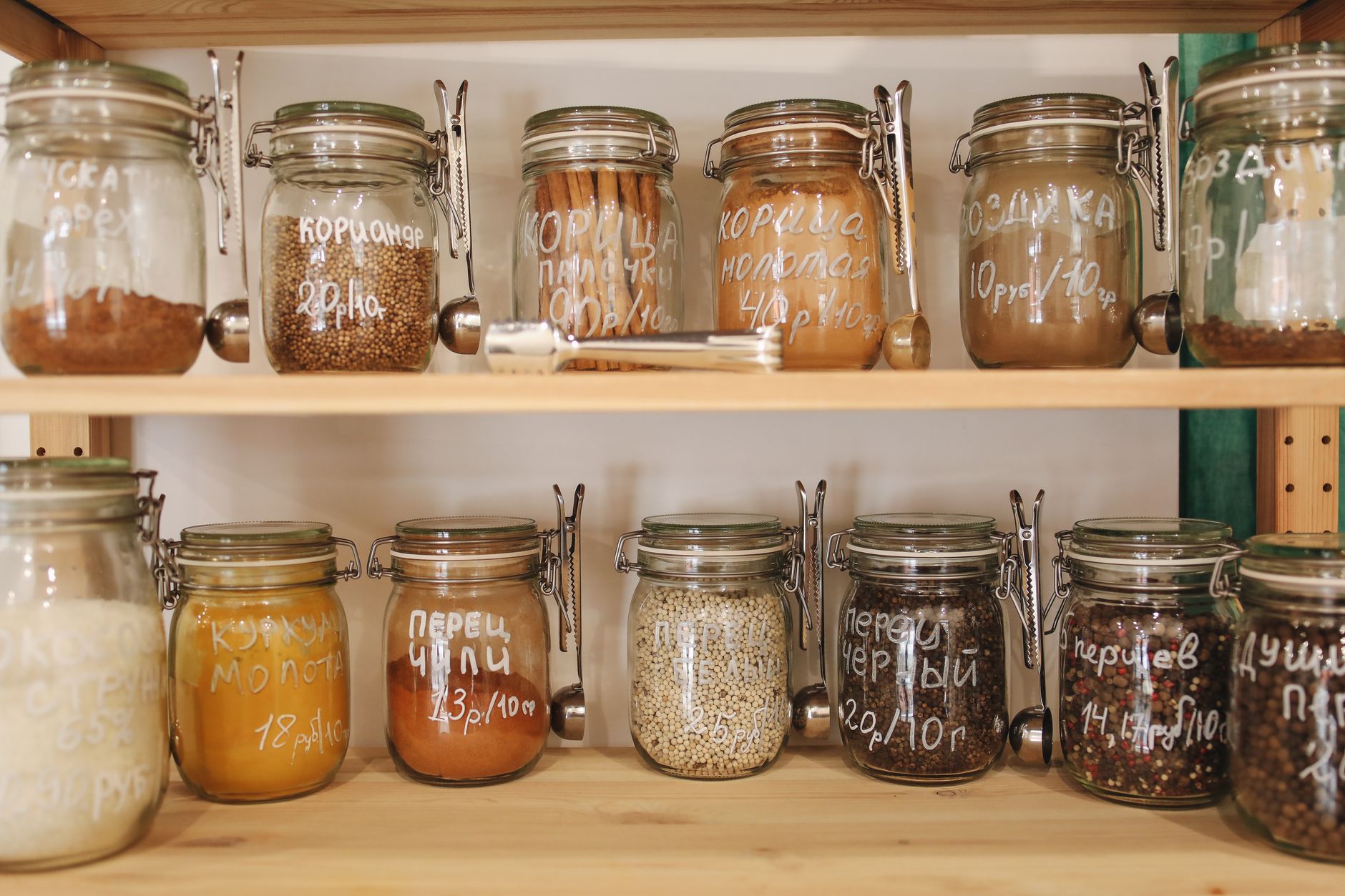
Home-canned food is generally recommended for best quality within 12-18 months of processing, a guideline that reflects gradual, natural degradation in color, texture, and flavor rather than a hard safety cutoff.
Properly sealed jars stored in appropriate conditions often remain genuinely safe to eat beyond this window, sometimes for several years, though quality (particularly texture and vibrant color) does continue to decline gradually over time.
This guideline exists partly because extension services and canning resources prefer a conservative recommendation that ensures the best possible eating experience, rather than pushing the true safety limits of well-processed, properly sealed food.
The type of food significantly affects how this general guideline applies; some categories genuinely hold quality longer than others, which the following sections address specifically.
Regardless of how long a jar has been stored, the seal integrity and any visible or olfactory signs of spoilage matter more than the calendar date alone when deciding whether a specific jar is still good to eat.
Compare Shelf Life by Food Category

High-acid foods like jams, jellies, and pickles tend to maintain quality slightly less long than low-acid foods, since their acidic environment, while excellent for safety, can gradually soften texture and affect color over time.
Low-acid, pressure-canned vegetables like green beans and corn often hold texture and color reasonably well within the standard 12-18 month window, and remain safe considerably longer if properly sealed and stored.
Canned tomatoes and tomato products generally fall in the middle range, benefiting from their acidified processing (with added lemon juice or citric acid) for both safety and reasonable shelf stability.
Canned meats and meat-containing products, always requiring pressure canning given their low acidity, should be treated with particular care regarding storage conditions and timely use within the recommended window.
Fruit canned in syrup or juice generally holds quality well within the standard timeframe, though texture can soften noticeably in fruits that were already quite soft or ripe at the time of canning.
Optimize Storage Conditions

Store canned food in a cool location, ideally below 75°F, since warmer storage temperatures accelerate the gradual quality degradation that occurs in any canned product over time.
Keep jars away from direct light, which can affect both color retention and, over very extended periods, potentially some nutrient content, making a dark pantry or cupboard preferable to an open, sunlit shelf.
Avoid storage locations with significant temperature fluctuations, such as an uninsulated garage that swings dramatically between summer heat and winter cold, since these fluctuations stress jar seals more than stable conditions.
Maintain reasonably low humidity in your storage area, since excessive moisture can promote rust on metal lids and bands, potentially compromising seal integrity over extended storage periods.
A basement, interior closet, or dedicated pantry typically offers better conditions than a kitchen cabinet near a stove or a garage exposed to outdoor temperature swings, worth considering if you have storage location options.
Recognize Signs of Spoilage

A bulging or convex lid, rather than the properly sealed concave shape, indicates gas production inside the jar, a serious warning sign that should never be ignored regardless of how the jar otherwise looks.
Any spurting or foaming liquid when opening a jar, cloudy liquid in a product that should be clear, or visible mold anywhere in the jar are all clear signs the contents should be discarded without tasting.
An off, unusual, or foul odor upon opening, different from the food's normal expected smell, is a reliable warning sign, even if the visual appearance seems otherwise acceptable.
A seal that has broken sometime during storage (lid isn't concave and flexes when pressed) means the jar's contents are no longer protected the way they were designed to be, and should generally be discarded or, if very recently broken, refrigerated and used promptly.
When genuinely uncertain about any of these signs, the standard, appropriately conservative food safety guidance is simple: when in doubt, throw it out, since the risk of foodborne illness from spoiled canned food, particularly low-acid varieties, isn't worth taking a chance on.
Follow Extra Precautions for Low-Acid Foods

For home-canned low-acid vegetables (green beans, corn, and similar), extension services recommend boiling the contents for 10 minutes before tasting or eating, as a standard precaution that would destroy any botulism toxin present even in an otherwise undetectable contamination.
This precaution applies specifically to low-acid, pressure-canned foods rather than high-acid items like jams, pickles, or properly acidified tomatoes, which don't carry the same botulism risk profile.
If the food foams excessively, smells off, or shows any other spoilage sign during this boiling step, discard it immediately rather than continuing, since these signs confirm the food shouldn't be consumed.
This boiling precaution is specifically for home-canned goods; commercially canned products undergo different, more rigorously validated processing and don't carry the same recommendation.
While this extra step might seem overly cautious for jars that look and smell completely normal, it's a low-effort, evidence-based practice specifically recommended by food safety experts for home-canned low-acid foods given the serious nature of botulism risk.
Compare Home-Canned to Commercially Canned Food

Commercially canned food typically carries a longer general shelf life recommendation, often 2-5 years, reflecting industrial processing standards, quality control testing, and typically more robust can or jar sealing than home methods achieve.
This doesn't mean home-canned food is inherently less safe when processed correctly, but rather that commercial products benefit from consistent, validated industrial processes and often more standardized ingredient acidity than variable home batches.
Both home-canned and commercially canned products should be inspected for the same spoilage signs (bulging, off odor, unusual appearance) regardless of which type you're storing or preparing to eat.
Commercially canned goods don't require the same 10-minute boiling precaution recommended for home-canned low-acid foods, since their processing has already been extensively validated for safety by food safety authorities and testing.
Rotate your canned food stock using a first-in, first-out approach for both home-canned and commercial products, using older jars before newer ones to naturally cycle through your supply within reasonable timeframes.
Organize Your Pantry for Easy Rotation

Arrange jars with the oldest at the front of each shelf and newest toward the back, a simple first-in, first-out system that naturally encourages using older stock before it exceeds the recommended quality window.
Keep a simple written or digital inventory list noting what you've canned and when, particularly useful for larger pantries with many different food types and canning dates to track.
Group similar foods together (all tomato products, all pickled items, all jams) rather than organizing purely by date, which makes meal planning and stock assessment considerably easier at a glance.
Do a seasonal pantry review, checking remaining older stock before a new canning season begins, which helps you use up older jars, identify any developing issues early, and plan appropriately for the coming season's canning volume.
Common problems and fixes
| Problem | Likely cause | What to do |
|---|---|---|
| A jar's lid appears slightly bulged | Gas production inside the jar, a serious sign of possible contamination or spoilage. | Discard the jar immediately without tasting or opening it near your face, and dispose of it in a way that prevents accidental consumption by people or pets. |
| Jar seal has broken during storage | Seal failure over time, potentially from a lid defect, storage stress, or aging gasket material. | If discovered promptly, refrigerate and use within a few days; if discovered after extended unrefrigerated storage post-seal-failure, discard the jar. |
| Canned food looks fine but you're uncertain about its age | Missing or unclear labeling on older jars. | When genuinely uncertain about a jar's age or history, apply the standard precaution: boil low-acid foods for 10 minutes, and discard anything showing any spoilage sign. |
Gardener's checklist
Test what you learned
What is the general best-quality guideline for home-canned food?
Answer: 12-18 months
What should you do with home-canned low-acid vegetables before eating them?
Answer: Boil for 10 minutes as a safety precaution
What is a serious warning sign that a canned food jar should be discarded?
Answer: A bulging lid
Common questions
Does home-canned food expire after exactly one year?
No, the 12-18 month guideline reflects best quality rather than a hard safety cutoff; properly sealed jars in good storage conditions often remain safe well beyond this window, though quality gradually declines over time.
Can I eat home-canned food that's several years old?
If the seal is intact and no spoilage signs are present (bulging, off odor, unusual color), older properly-processed jars can still be safe, though quality has likely declined; always boil low-acid vegetables for 10 minutes as a precaution regardless of age.
Why does commercially canned food last longer than home-canned?
Commercial products benefit from consistent, validated industrial processing, quality control testing, and often more robust sealing than typical home equipment achieves, allowing for longer standard shelf life recommendations.
What should I do if I find an unlabeled, undated jar in my pantry?
Inspect it carefully for any spoilage signs before use, and if it's a low-acid food, boil for 10 minutes as a standard precaution; when genuinely uncertain about age or history, err toward discarding if anything seems off.
Does freezing home-canned food extend its shelf life?
Freezing sealed canning jars isn't generally recommended, since the liquid inside expands when frozen and can crack the glass or break the seal; canned food is designed for room-temperature pantry storage rather than freezer storage.
Can I tell if canned food has spoiled just by looking at it?
Visual inspection catches many spoilage signs like bulging lids, cloudy liquid, or mold, but not all; smell is an equally important check upon opening, and when either sense raises any concern, discarding the jar is the safer choice.
Canned food's true shelf life depends more on proper storage conditions and seal integrity than on any single expiration date, and learning to recognize genuine spoilage signs gives you far more reliable guidance than a calendar alone ever could.
Frequently asked questions
How often should a vegetable garden be watered?
Frequency depends on weather, soil and plant size. Check the soil rather than watering on a rigid schedule.
Is compost enough fertilizer?
Compost improves soil and provides nutrients slowly. Heavy-feeding crops may still need additional feeding.

The Sproutstead Editorial Team
We create clear, practical gardening and homesteading guides designed for real homes and beginner growers.
View author profile →