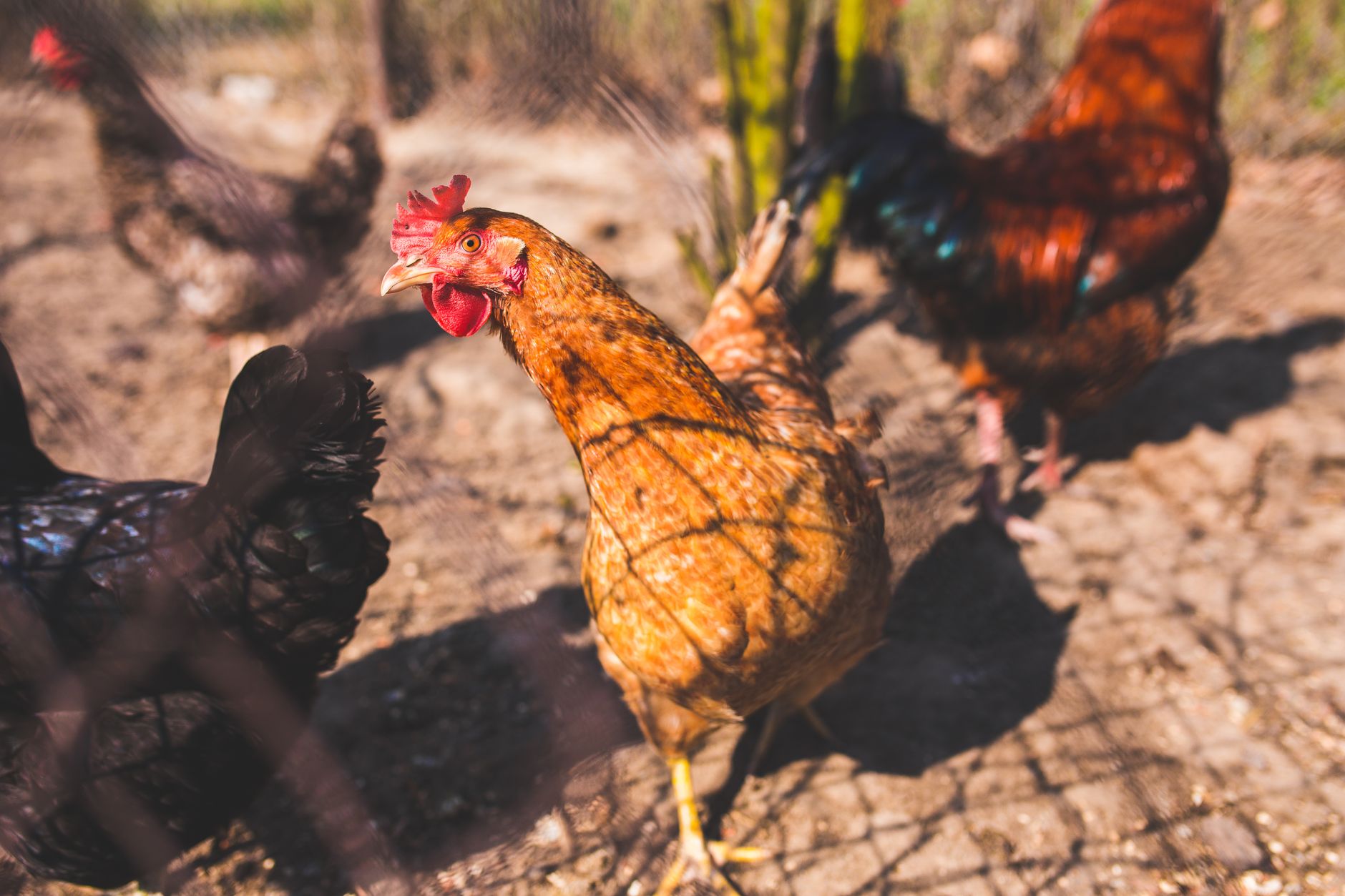
Start homesteading by setting realistic expectations, since genuine self-sufficiency develops over years, not months. Begin with skills that work on any size property, such as growing some of your own food, basic food preservation, and simple DIY projects, before considering larger commitments like livestock or extensive land. Prioritize learning one or two new skills at a time rather than attempting everything simultaneously, and connect with local homesteading communities for region-specific guidance.
What you will need
Set Realistic Expectations

Homesteading, whether on a small urban lot or acres of rural land, is fundamentally a gradual skill-building journey rather than something achieved quickly, and experienced homesteaders typically describe years, not months, of continuous learning.
Social media often presents an idealized, highlight-reel version of homesteading that doesn't reflect the genuine trial and error, occasional failures, and steady incremental progress that actually characterizes most people's experience.
Full self-sufficiency, producing all your own food and meeting all your own needs independently, is a genuinely ambitious goal that few homesteaders fully achieve, and partial self-sufficiency, contributing meaningfully to your household's needs, is itself a legitimate, worthwhile goal.
Expect setbacks along the way, whether a failed garden crop, a canning batch that didn't seal properly, or a project that takes considerably longer than anticipated, since these experiences are simply part of the genuine learning process.
Celebrate small wins throughout this journey, since a single successful tomato harvest or your first properly sealed jar of jam represents real, meaningful progress worth acknowledging rather than dismissing as insignificant.
Start With Skills That Work on Any Size Property
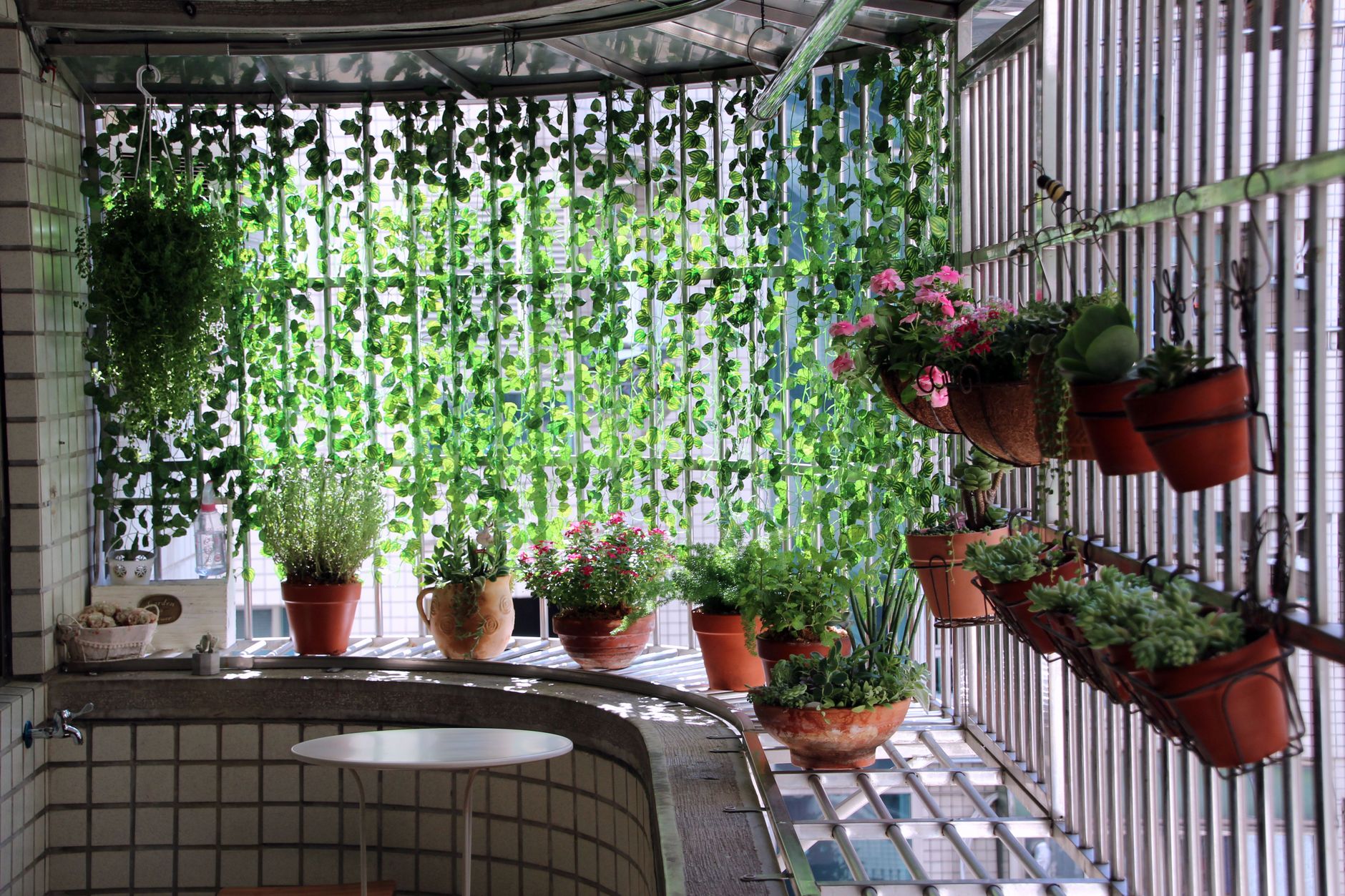
Growing food in containers or a small garden bed, even on an apartment balcony or a modest suburban yard, builds genuine gardening skill applicable to any future larger space you might eventually have.
Basic food preservation techniques like water bath canning, freezing, and dehydrating require minimal space and can be practiced in any standard kitchen, regardless of whether you own land.
Learning to cook from scratch, bake bread, and prepare meals using whole ingredients builds foundational skills that support every other homesteading pursuit, all achievable in any kitchen.
Simple DIY skills like basic sewing repairs, simple woodworking, or learning to fix household items reduce dependence on purchasing replacements and build practical self-sufficiency regardless of property size.
These foundational, location-independent skills mean you can genuinely begin homesteading today, wherever you currently live, rather than waiting for some future ideal property to start your journey.
Prioritize One or Two New Skills at a Time
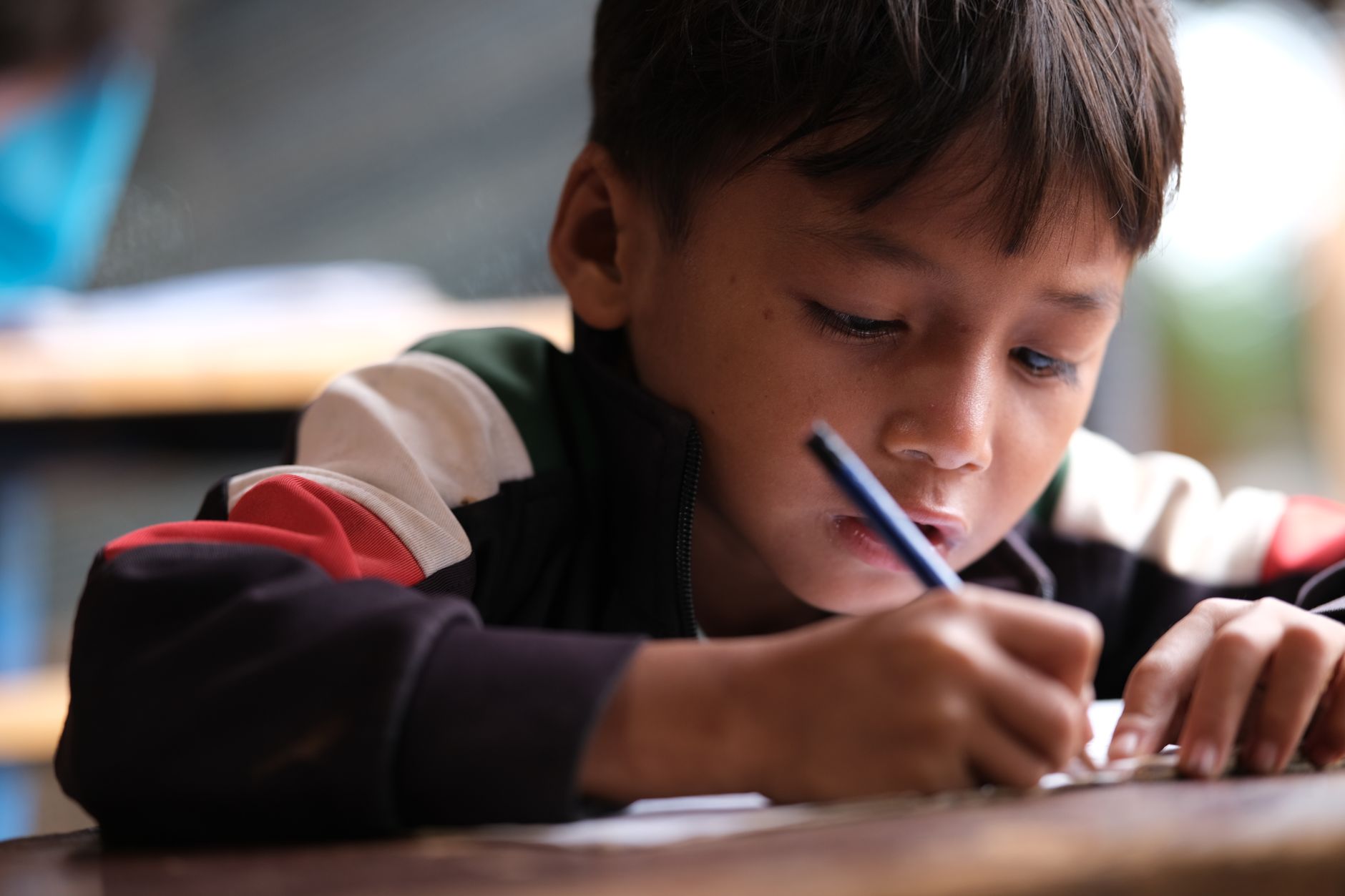
Attempting to simultaneously start a garden, raise chickens, learn canning, begin beekeeping, and master soap making in your first season is a common recipe for overwhelm and abandoned projects.
Choose one or two skills to focus on deeply in a given season, giving yourself genuine time to learn from mistakes, refine technique, and build real competence before adding another significant new undertaking.
This focused approach doesn't mean permanently limiting your homesteading scope, but rather sequencing your learning in a way that builds genuine mastery rather than superficial exposure to many things at once.
Consider which skills feel most immediately relevant or exciting to you personally, since intrinsic motivation genuinely helps sustain the effort required to push through an inevitable learning curve.
Revisit and expand your skill set each subsequent season, gradually building a broader homesteading capability over several years rather than attempting to acquire everything within your first year.
Research Before Committing to Livestock

Livestock, even something as seemingly simple as backyard chickens, represents a genuine daily commitment for feeding, care, and management that continues regardless of weather, illness, or vacation plans.
Research local zoning laws and any HOA restrictions before acquiring any livestock, since many areas have specific rules about what animals are permitted and in what quantities, even for something as common as chickens.
Calculate the genuine costs involved, including initial setup (housing, fencing), ongoing feed, veterinary care, and the value of your own time, since livestock often costs more and requires more effort than initial impressions suggest.
Consider starting with a very small number of animals, such as just a few chickens, rather than a larger flock, to genuinely test whether this particular commitment fits your lifestyle before scaling up.
Talk to experienced local livestock keepers if possible, since their firsthand, region-specific experience often reveals practical considerations that generic online advice doesn't capture.
Connect With Local Homesteading Communities
Connect with local gardening clubs, homesteading groups, or agricultural extension offices, since region-specific knowledge about your particular climate, soil, and growing conditions is considerably more valuable than generic national advice.
Local Facebook groups, farmers markets, or seed swap events often connect you with experienced homesteaders in your specific area, willing to share knowledge and sometimes even resources like extra seedlings or equipment.
Consider taking a class through your local extension office if available, whether on canning, gardening, or livestock basics, which provides structured, hands-on learning beyond what self-directed research alone can offer.
Building relationships with other local homesteaders creates a genuine support network for troubleshooting problems, sharing surplus harvests, and maintaining motivation through inevitable challenging seasons.
This community connection also often provides practical resources beyond pure knowledge, such as tool sharing, bulk seed or supply purchasing, or even hands-on help during particularly demanding tasks like a large harvest or canning session.
Build Toward Greater Self-Sufficiency Gradually

Track your progress over multiple seasons, noting new skills learned, successful projects, and areas needing continued improvement, which provides genuine perspective on how far you've come even when day-to-day progress feels slow.
Reassess your goals periodically, since your homesteading priorities and interests often shift as you gain experience and discover which aspects genuinely resonate with your lifestyle and values.
Consider that homesteading looks different for every household, and there's no single correct version of what a 'proper' homestead should include; a small apartment garden and food preservation practice represents genuine homesteading just as much as a larger rural operation.
Recognize that even partial self-sufficiency, growing some of your own food, preserving a portion of your harvest, or reducing dependence on store-bought goods in specific areas, represents meaningful, worthwhile progress.
Continue expanding your skills and scope as your circumstances, interests, and available resources allow, understanding this journey genuinely continues indefinitely rather than reaching some fixed, final endpoint of complete self-sufficiency.
Budget Realistically for Your Homesteading Journey

Many homesteading pursuits require upfront investment before they generate any savings or self-sufficiency benefit, so budget for tools, seeds, canning equipment, or other startup costs rather than assuming immediate financial return.
Some skills, like basic gardening and food preservation, offer relatively quick and modest startup costs, while others, like livestock or significant land improvements, require more substantial financial planning.
Track your actual costs versus any resulting savings honestly, since homesteading isn't always cheaper than purchasing equivalent goods, particularly in the early learning years before efficiency improves.
Consider the genuine value beyond pure cost savings, since many homesteaders find value in food quality, self-sufficiency, and the satisfaction of the process itself, factors that matter alongside strict financial calculations.
Common problems and fixes
| Problem | Likely cause | What to do |
|---|---|---|
| Feeling overwhelmed by the breadth of homesteading skills to learn | Attempting too many new pursuits simultaneously without adequate focus. | Scale back to one or two priority skills for the current season, deferring other interests to future seasons. |
| Discouraged by comparing progress to more established homesteaders | Unrealistic timeline expectations, or comparing your beginning stage to someone else's years of accumulated experience. | Focus on your own progress and small wins rather than external comparisons, recognizing that meaningful skill genuinely takes years to develop. |
Gardener's checklist
Test what you learned
What is a realistic timeline for developing meaningful homesteading skills?
Answer: 2-5 years
What is a common mistake for beginning homesteaders?
Answer: Attempting too many new skills simultaneously
Can homesteading be started without owning rural land?
Answer: Yes, many foundational skills work in any living situation
Common questions
Do I need a lot of land to start homesteading?
No, many foundational homesteading skills, including container gardening, food preservation, and cooking from scratch, can be practiced in an apartment or small suburban yard, with land requirements only becoming relevant for pursuits like larger-scale livestock or extensive crop production.
What should I learn first as a beginning homesteader?
Growing some of your own food and basic food preservation techniques (like water bath canning) are commonly recommended starting points, since they're achievable in most living situations and build foundational skills relevant to nearly every other homesteading pursuit.
Is homesteading the same as being fully self-sufficient?
Not necessarily; while full self-sufficiency is an ambitious goal few fully achieve, homesteading more broadly encompasses any meaningful movement toward growing, preserving, or producing more of what your household needs, even partial progress in this direction.
How do I avoid feeling overwhelmed when starting to homestead?
Focus on one or two new skills per season rather than attempting everything simultaneously, set realistic multi-year expectations rather than comparing yourself to idealized content, and connect with local community for support and practical guidance.
How much money does it cost to start homesteading?
Costs vary enormously based on your specific goals, but many foundational skills like container gardening and food preservation require only modest initial investment, while larger pursuits like livestock or extensive land improvements involve considerably more significant costs worth researching thoroughly beforehand.
Can I homestead while working a full-time job?
Yes, many homesteaders successfully balance these responsibilities by choosing manageable-scope projects, prioritizing skills that fit around a work schedule, and gradually expanding as time and experience allow, rather than assuming homesteading requires giving up traditional employment.
Homesteading is a genuinely accessible, gradual journey achievable by anyone willing to start small, focus on one skill at a time, and set realistic expectations for the multi-year timeline that real self-sufficiency actually requires.
Frequently asked questions
How often should a vegetable garden be watered?
Frequency depends on weather, soil and plant size. Check the soil rather than watering on a rigid schedule.
Is compost enough fertilizer?
Compost improves soil and provides nutrients slowly. Heavy-feeding crops may still need additional feeding.

The Sproutstead Editorial Team
We create clear, practical gardening and homesteading guides designed for real homes and beginner growers.
View author profile →