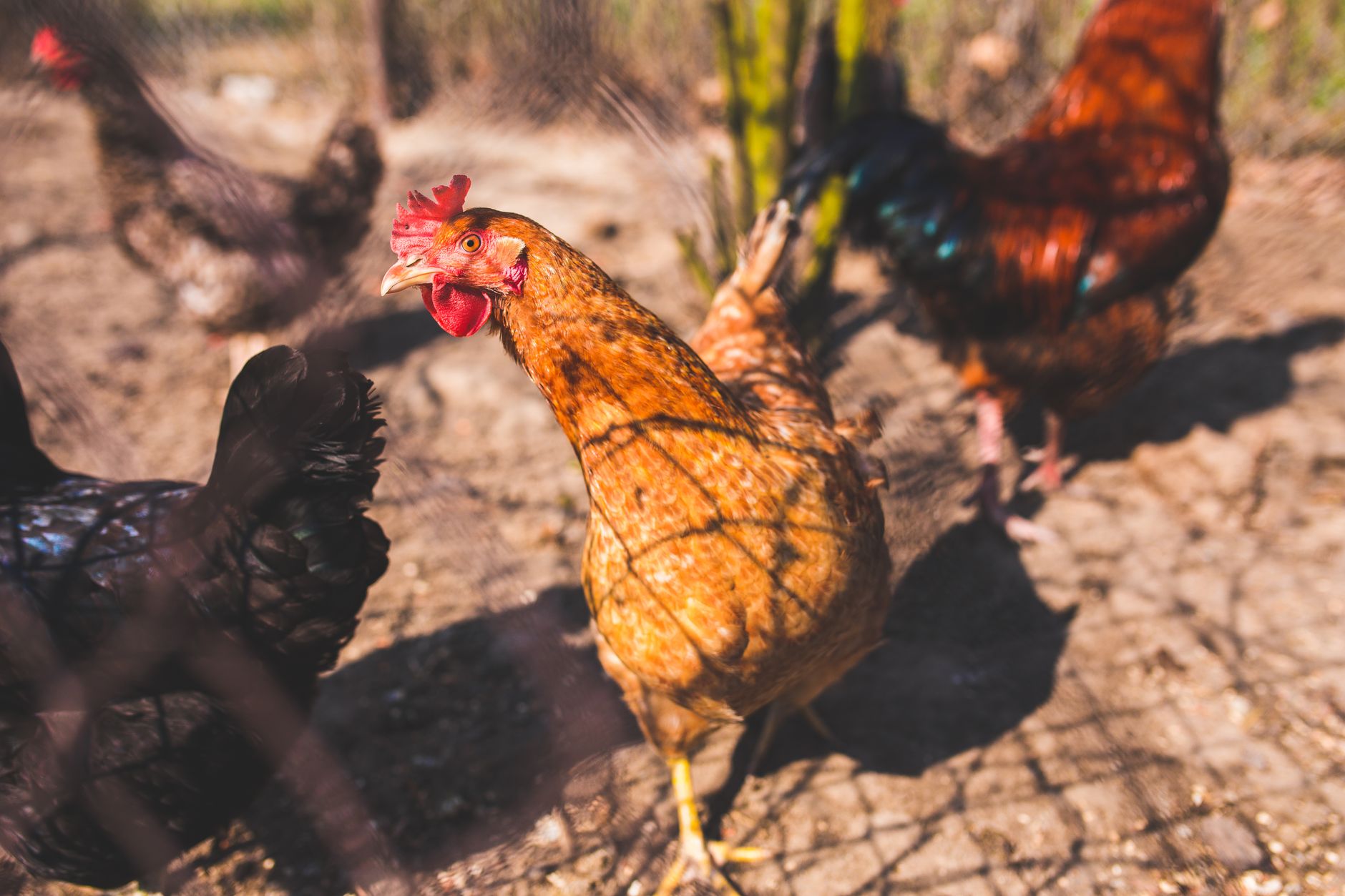
Start a homestead by first evaluating your current property's specific conditions, sunlight, soil, water access, and any zoning restrictions, then setting clear priorities for what matters most to your household. Budget realistically for both startup costs and ongoing expenses, and sequence your projects to build foundational skills and infrastructure before taking on more ambitious pursuits like livestock. This planning-focused approach applies whether you're working with a small suburban lot or several acres of rural land.
What you will need
Evaluate Your Current Property
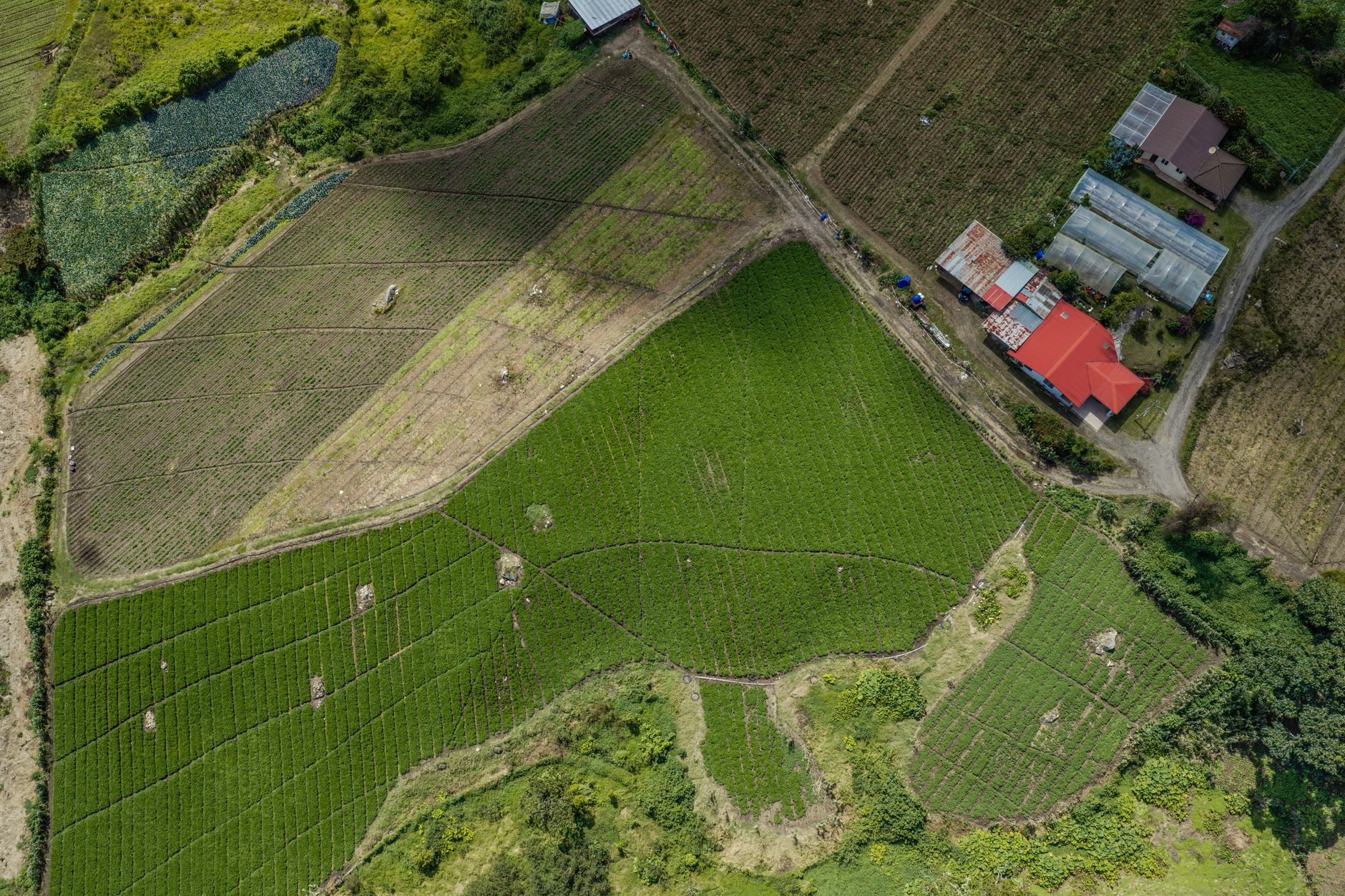
Track sunlight patterns across your property over a full day and, ideally, across different seasons, since this significantly affects where a garden or greenhouse would realistically perform best.
Test your soil, either with a simple home kit or through a professional lab test available through many extension offices, to understand your starting point for any planned growing areas.
Assess your water access, including both the location of outdoor spigots and any well or municipal water source capacity, since water availability significantly affects garden size and any livestock plans.
Note existing structures, trees, and features that could support or complicate homesteading plans, such as a sunny south-facing wall ideal for a greenhouse or a mature tree that would shade a potential garden location.
Walk your property at different times of day and in different weather conditions if possible, since drainage patterns, wind exposure, and other factors aren't always obvious from a single observation.
Check Local Zoning and Regulations
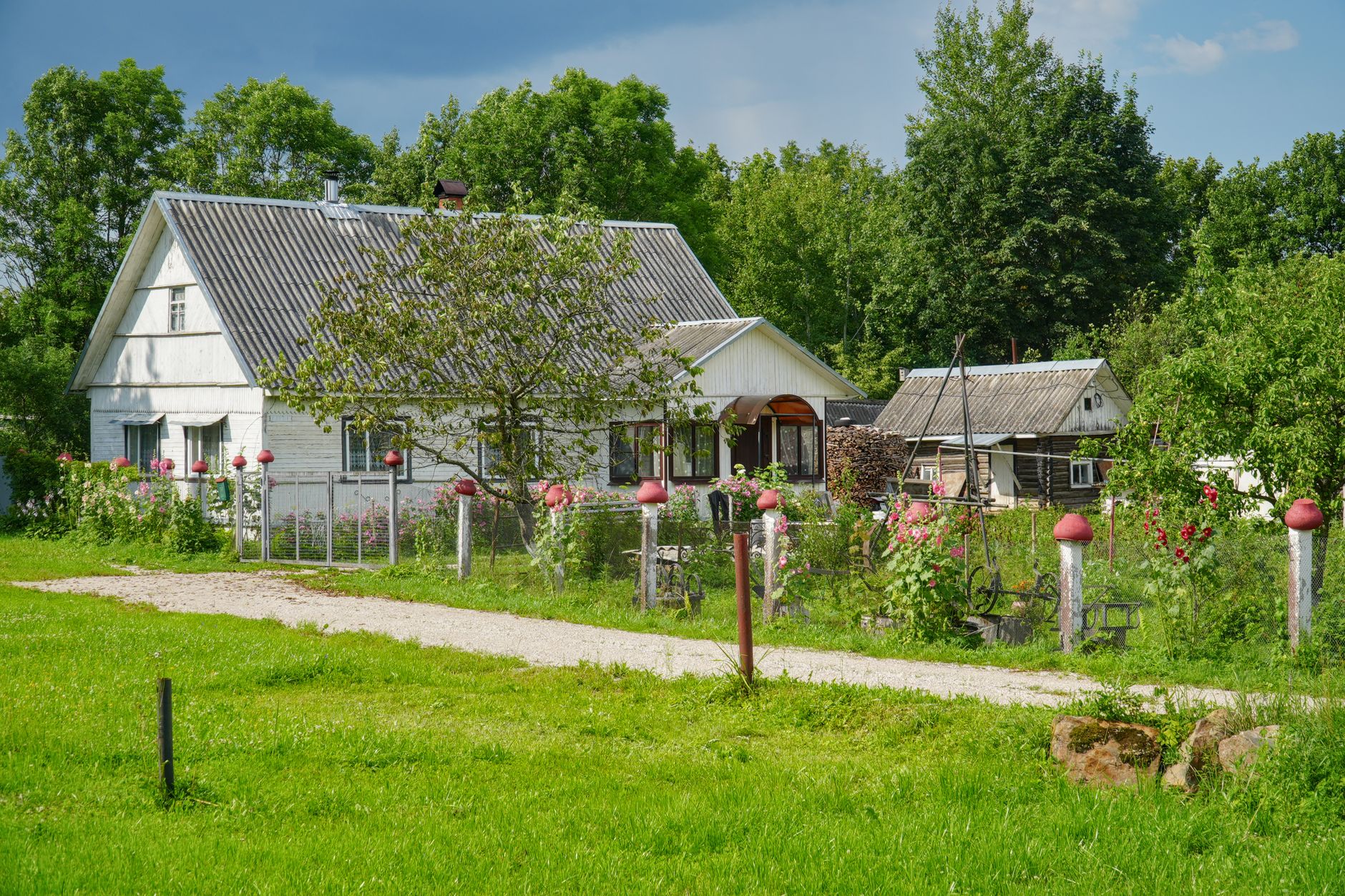
Research your local zoning ordinances specifically regarding livestock, since many residential areas restrict or prohibit animals like chickens, goats, or larger livestock, with rules varying considerably even between neighboring municipalities.
Check any HOA restrictions if applicable, since these can sometimes be even more restrictive than municipal zoning, potentially limiting garden visibility, structure types, or other homesteading activities.
Understand permit requirements for any structures you're planning, such as a greenhouse, chicken coop, or significant garden shed, since building without required permits can create problems if you later sell the property or face a neighbor complaint.
Research water rights if you're on well water or considering water catchment systems, since regulations vary considerably by region and can affect what's legally permissible for your specific situation.
Contact your local planning or zoning office directly with specific questions rather than relying solely on general online research, since regulations can be genuinely complex and vary in ways that generic information doesn't always capture.
Set Clear Priorities for Your Household
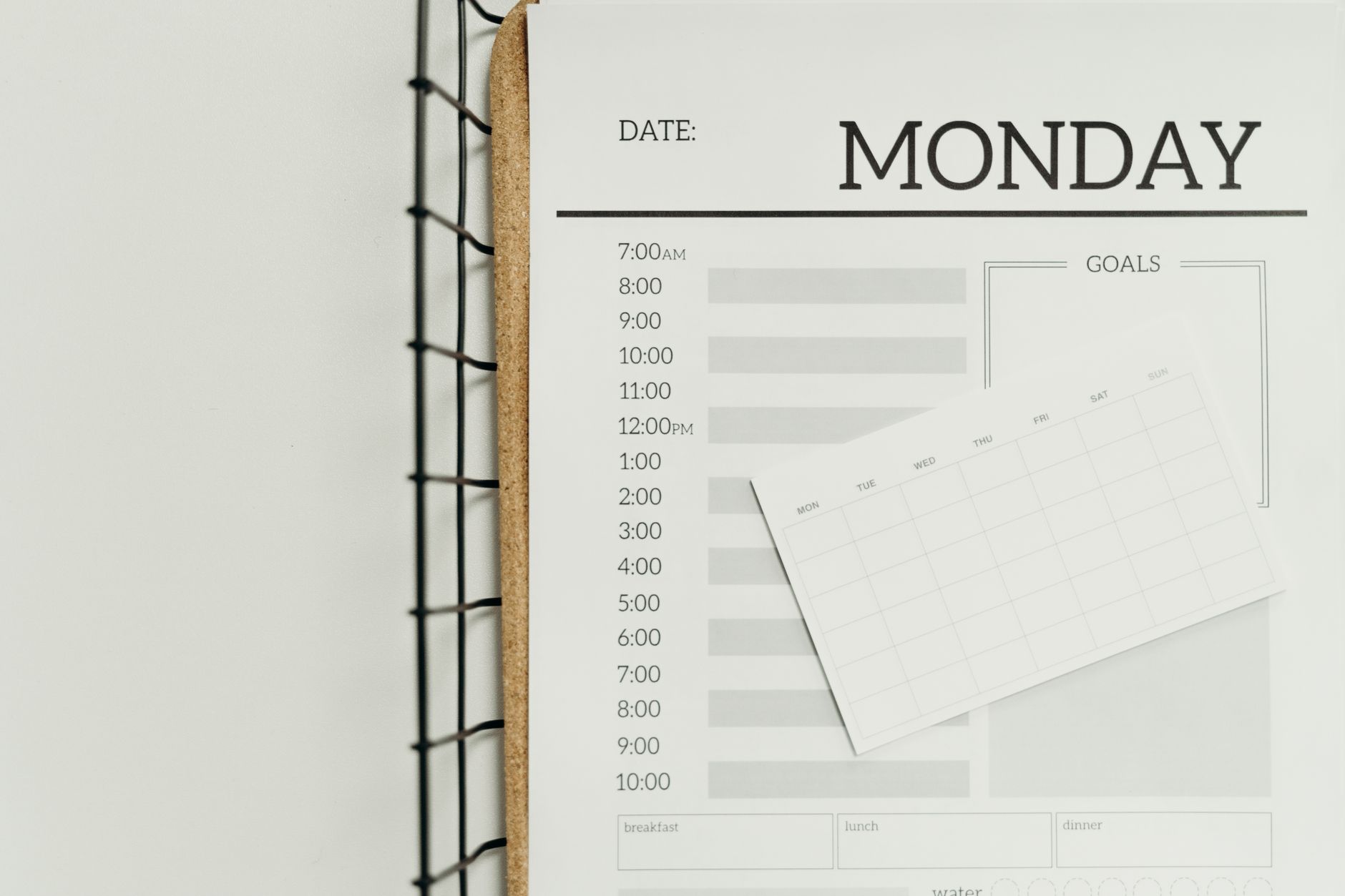
Identify what matters most to your specific household, whether that's growing fresh vegetables, reducing grocery costs, raising your own meat, or simply building practical self-sufficiency skills, since these different goals lead to genuinely different project priorities.
Discuss priorities with everyone involved if you share the property with a partner or family, since homesteading works best with genuine buy-in rather than one person's vision imposed on others who may not share the same enthusiasm or time availability.
Consider your realistic available time, since homesteading projects genuinely compete with work, family, and other commitments, and honest assessment prevents overcommitting to more than your actual schedule can support.
Rank your priorities rather than treating everything as equally important, which helps guide decisions when you inevitably can't pursue every interesting homesteading idea simultaneously.
Revisit these priorities periodically, since they often shift as you gain experience and discover which aspects of homesteading genuinely resonate with your household versus which sounded appealing in theory but don't fit your actual lifestyle.
Budget Realistically for Startup and Ongoing Costs

Calculate genuine startup costs for your priority projects, including materials, tools, and any needed infrastructure, since even modest projects like a first garden bed involve real, sometimes underestimated expenses.
Factor in ongoing costs as well, not just one-time setup, since expenses like seeds, animal feed, or canning supplies recur each season and should factor into your realistic long-term budget.
Avoid assuming homesteading will immediately reduce your grocery costs, since the learning curve years often involve investment exceeding any produced savings, with genuine cost benefits typically developing over multiple seasons of increasing efficiency.
Prioritize spending on genuinely foundational investments, like quality basic tools that will serve you for years, over less essential purchases that might feel exciting but don't support your core priorities.
Build in some budget flexibility for the inevitable unexpected costs and adjustments that come with any new pursuit, rather than planning around an unrealistically tight, zero-margin budget.
Sequence Your Projects Strategically
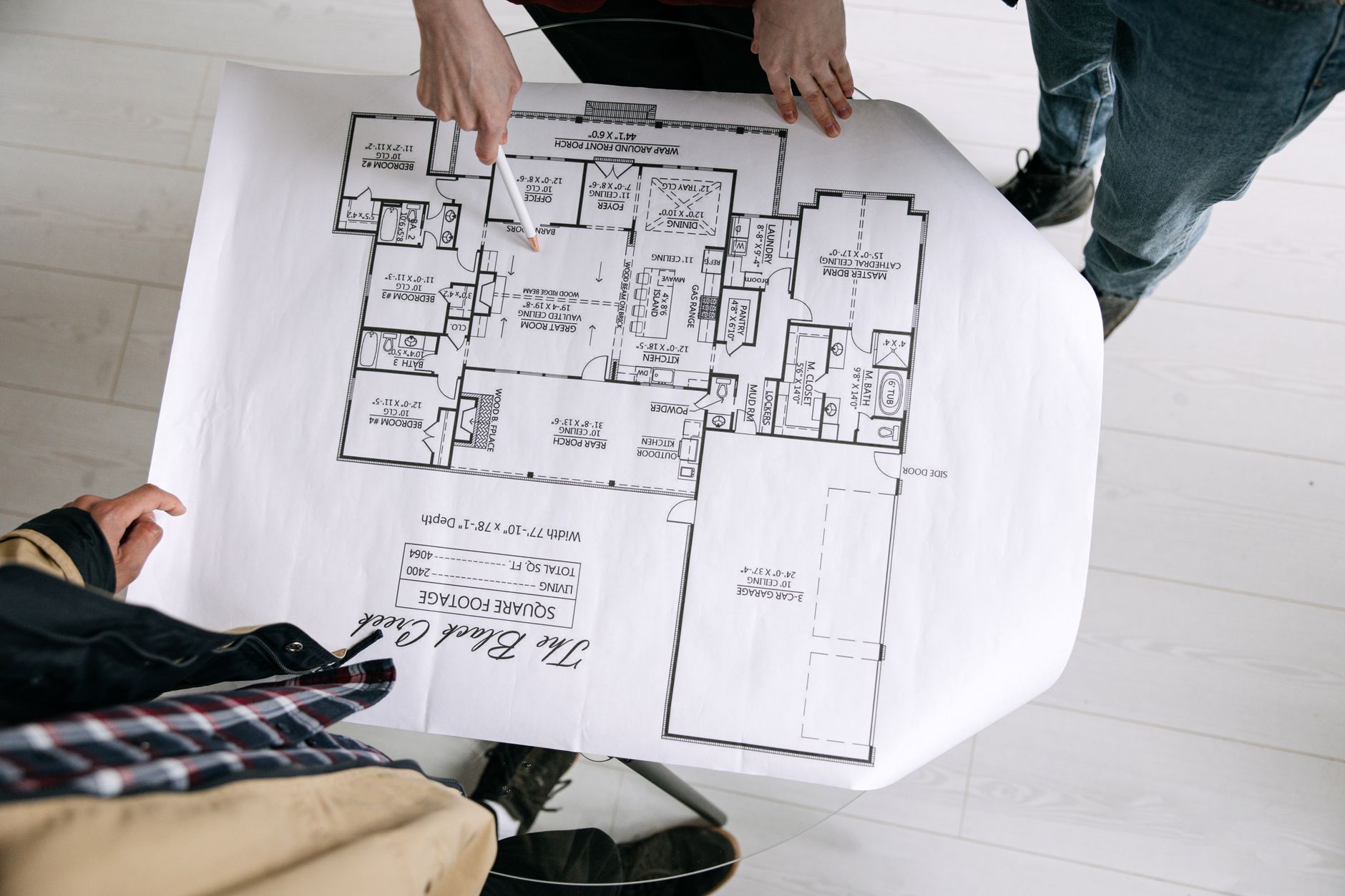
Start with foundational skills like basic gardening and food preservation before taking on more complex, resource-intensive pursuits like livestock, since these foundational skills support and inform later, more ambitious projects.
Build infrastructure incrementally, such as starting with a single raised bed before expanding to a larger garden, or adding fencing and structures only once you've confirmed a specific livestock pursuit genuinely fits your household.
Consider seasonal timing when sequencing projects, since some tasks (like fruit tree planting) have specific optimal windows, while others (like starting a compost system) can begin at any time.
Allow adequate time to learn from each project phase before moving to the next, since rushing through sequential projects without genuinely absorbing lessons from earlier ones often leads to repeated, avoidable mistakes.
Remain flexible in your sequencing plan, since unexpected opportunities (a good deal on fruit trees, an available flock of chickens from a neighbor) sometimes justify adjusting your original planned order.
Document Your Progress and Plans

Keep a simple journal or notebook tracking what you've planted, built, or attempted each season, along with results and lessons learned, which becomes an increasingly valuable personal reference over multiple years.
Sketch a rough property map showing current and planned garden areas, structures, and other features, which helps visualize your overall development plan and identify potential conflicts before they become expensive mistakes.
Photograph your property and projects periodically, since visual documentation often reveals gradual progress that's easy to overlook in day-to-day experience, providing genuine encouragement during slower periods.
Track your actual costs and any resulting savings or harvests, building an honest picture of your homestead's genuine financial and practical returns over time.
Review your documentation periodically when planning future seasons, using your own accumulated, location-specific experience as a more valuable planning resource than generic advice alone.
Connect with Local Resources and Community
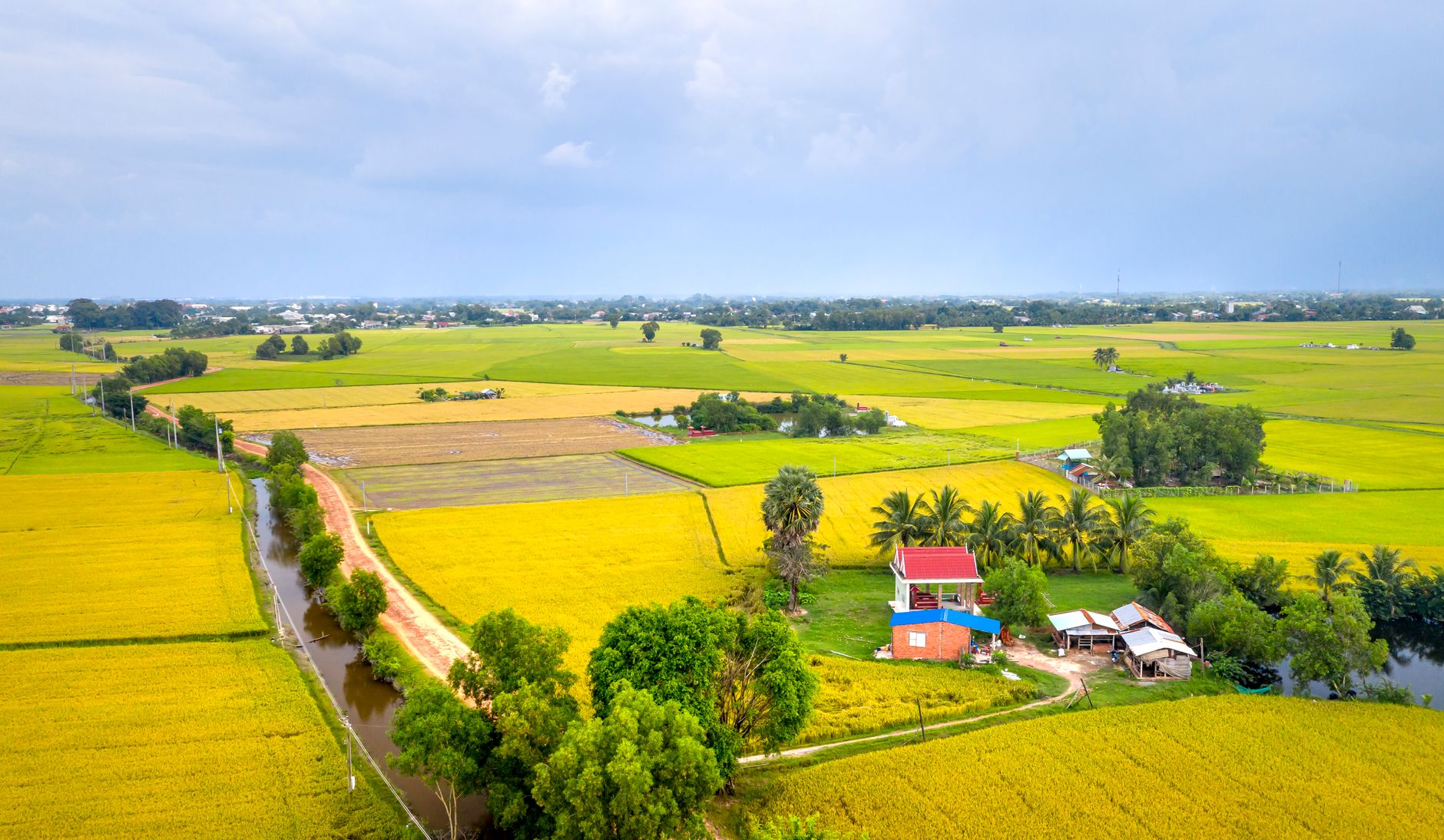
Contact your local agricultural extension office early in your planning process, since they often offer region-specific guidance, soil testing services, and sometimes classes directly relevant to new homesteaders.
Seek out local homesteading groups, whether online or in-person, since experienced neighbors often provide practical, climate-specific advice that generic national resources simply can't match.
Consider visiting established local homesteads if opportunities arise, since seeing genuine, functioning examples in your specific climate and conditions provides insight that reading alone can't fully convey.
Build relationships with local suppliers, whether a feed store, nursery, or farmers market, since these connections often become valuable resources for both materials and practical knowledge as your homestead develops.
Common problems and fixes
| Problem | Likely cause | What to do |
|---|---|---|
| Homesteading plans conflict with local zoning after significant investment | Regulations weren't researched thoroughly before committing to a specific project. | Contact your local zoning office directly for clarification and any possible variance options, and research thoroughly before future project commitments. |
| Homesteading feels financially strained rather than beneficial | Underestimated startup and ongoing costs, or attempted too many projects simultaneously. | Scale back to your highest-priority projects, and budget more conservatively for both startup and recurring costs in future planning. |
Gardener's checklist
Test what you learned
What should you check before committing to livestock on your property?
Answer: Local zoning ordinances and any HOA restrictions
What is a recommended project sequencing approach for new homesteaders?
Answer: Build foundational skills like gardening before more complex pursuits
Why is documenting homestead progress valuable?
Answer: It becomes an increasingly valuable, location-specific planning resource over time
Common questions
Do I need a lot of land to start a homestead?
No, the planning principles in this guide apply whether you're working with a small suburban lot or several acres of rural land; property evaluation, zoning research, and realistic budgeting matter regardless of your specific land size.
What should I do first when starting a homestead?
Evaluate your specific property's sunlight, soil, and water access, and research local zoning regulations, since these foundational assessments shape every subsequent planning decision you'll make.
How do I avoid overspending when starting a homestead?
Budget realistically for both startup and ongoing costs, prioritize foundational investments over less essential purchases, and sequence your projects rather than attempting everything simultaneously, which spreads out both effort and expense.
How long does it take to establish a functioning homestead?
This varies considerably by scope and goals, but most experienced homesteaders describe multiple years of gradual development, with foundational skills and infrastructure typically taking priority in the earlier years before more ambitious pursuits.
Should I involve my whole family in homestead planning?
Yes, if you share the property with a partner or family, discussing priorities and goals together genuinely improves long-term success, since homesteading works best with shared buy-in rather than one person's vision imposed on others with different time availability or interest levels.
What's the biggest planning mistake new homesteaders make?
Skipping the zoning and regulation research step is particularly costly, since committing to livestock, structures, or other significant projects before confirming they're actually permitted can lead to expensive rework or forced removal later.
Starting a homestead successfully comes down to honest upfront planning, evaluating your actual property, checking real regulations, setting genuine priorities, and budgeting realistically, all of which build a sustainable foundation for the gradual, multi-year journey ahead.
Frequently asked questions
How often should a vegetable garden be watered?
Frequency depends on weather, soil and plant size. Check the soil rather than watering on a rigid schedule.
Is compost enough fertilizer?
Compost improves soil and provides nutrients slowly. Heavy-feeding crops may still need additional feeding.

The Sproutstead Editorial Team
We create clear, practical gardening and homesteading guides designed for real homes and beginner growers.
View author profile →