
Elevated raised garden beds sit on legs at 24-36 inches high, bringing the growing surface to waist or standing height, eliminating bending and kneeling entirely. They typically hold 6-12 inches of soil depth, suited to herbs, lettuce, and most vegetables except deep-rooted crops. These beds work well on patios, decks, and hard surfaces where ground-level beds aren't practical, and are particularly valuable for gardeners with mobility limitations, back problems, or wheelchair access needs.
What you will need
Understand the Accessibility Benefits
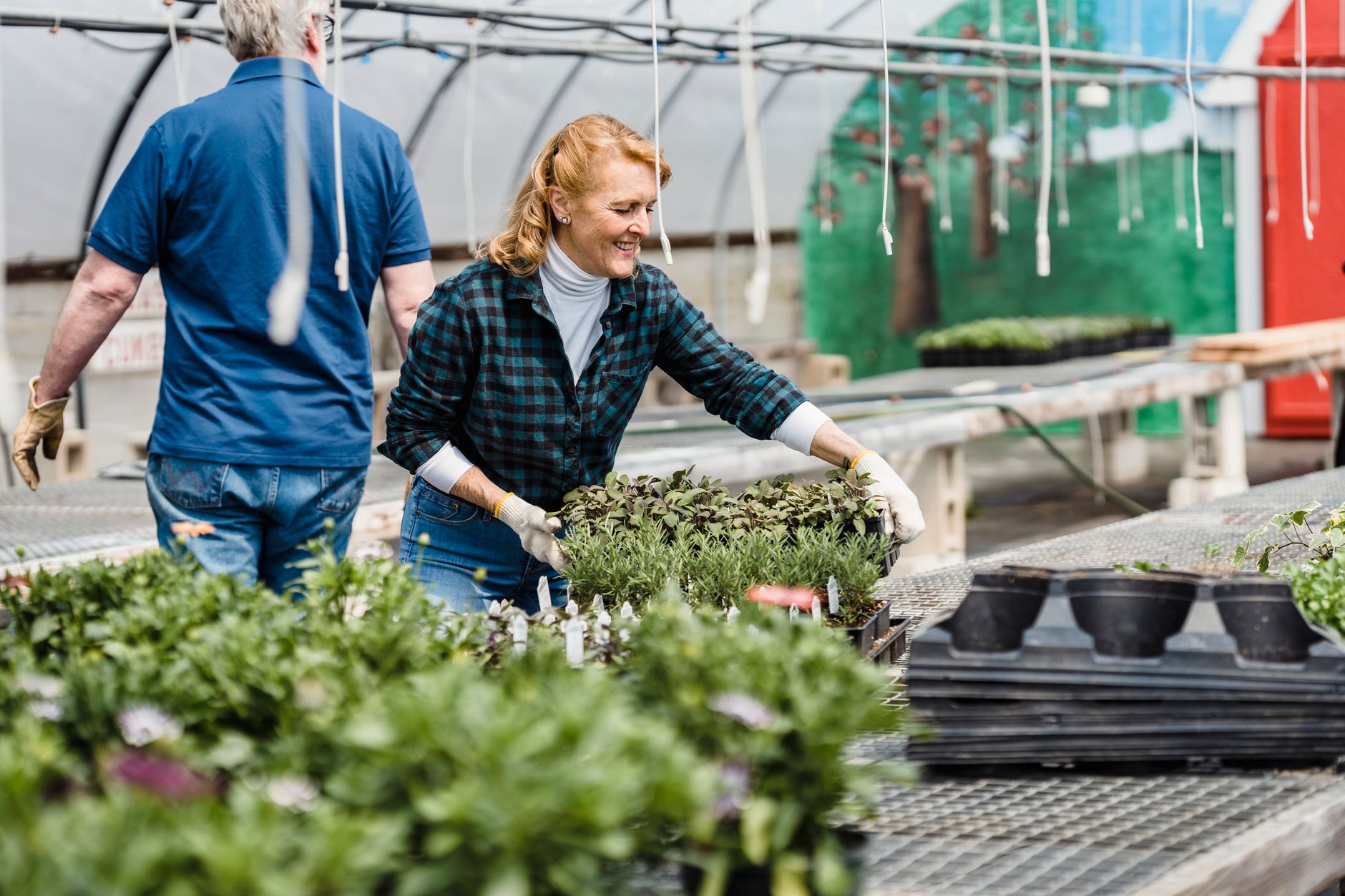
Elevated raised beds bring the growing surface up to waist or standing height, eliminating the need to bend, kneel, or crouch during planting, weeding, watering, and harvesting, tasks that can otherwise strain the back and knees over a full gardening season.
This design is particularly valuable for gardeners with chronic back pain, arthritis, or other mobility limitations that make traditional ground-level or even standard raised bed gardening physically difficult or uncomfortable.
For wheelchair users, elevated beds with adequate knee clearance underneath (typically requiring at least 24-27 inches of open space beneath the bed) can make gardening genuinely accessible in a way ground-level beds simply cannot.
Even gardeners without specific mobility limitations often find elevated beds more comfortable for extended gardening sessions, since standing upright rather than repeatedly bending reduces general physical fatigue.
The design also naturally deters some ground-dwelling pests and reduces back strain from carrying heavy watering cans or tools to ground level, offering practical benefits beyond the core accessibility advantage.
Choose the Right Height for Your Needs

For standing gardeners, a height of 30-36 inches typically positions the growing surface at a comfortable working level without needing to bend, similar to a kitchen counter height.
For wheelchair users, a lower height of 24-30 inches, combined with sufficient knee clearance beneath the bed, allows for comfortable seated access and reaching across the growing surface.
If multiple people with different height needs or physical abilities will use the same bed, consider either a moderate compromise height around 28-30 inches, or building multiple beds at different heights suited to each user.
Measure your own comfortable working height by standing as you would while gardening and noting where your hands naturally rest, which gives a more personalized guide than generic height recommendations alone.
Remember that the growing surface height, not the bed's total height including legs, is what matters for accessibility; a 12-inch-deep bed on 24-inch legs has a 36-inch total height but a growing surface starting at 24 inches.
Select Materials Suited to Elevated Construction
Cedar or redwood remains a popular choice for the bed box itself, offering the same natural rot resistance that makes these woods appealing for any raised bed application.
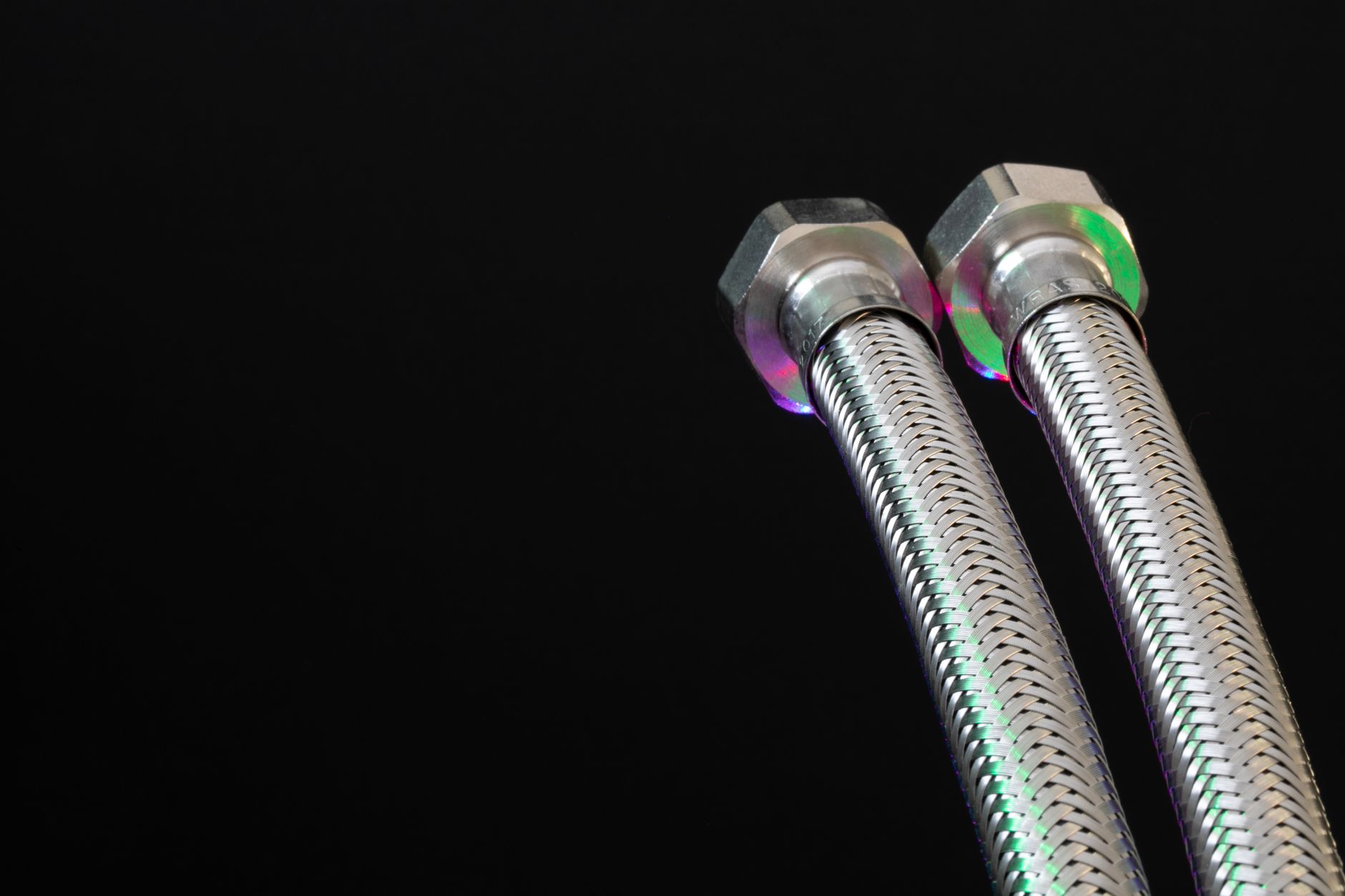
Legs need to be genuinely sturdy given the substantial weight a filled elevated bed carries; 4x4 lumber posts or welded metal legs both provide adequate support, while thinner materials risk buckling or instability over time.
Pre-made elevated bed kits, widely available and increasingly popular, take the engineering guesswork out of leg construction, typically rated for specific weight capacities that DIY builders might otherwise need to calculate themselves.
Galvanized steel elevated beds offer excellent durability for both the box and legs in one cohesive, typically pre-engineered structure, though they carry the same heat-absorption considerations as any galvanized bed material.
Whatever material you choose, confirm the design includes adequate cross-bracing between legs, which significantly improves stability compared to simple, unbraced leg attachments, particularly important given how top-heavy a filled elevated bed becomes.
Choose Appropriate Soil Depth for Your Crops
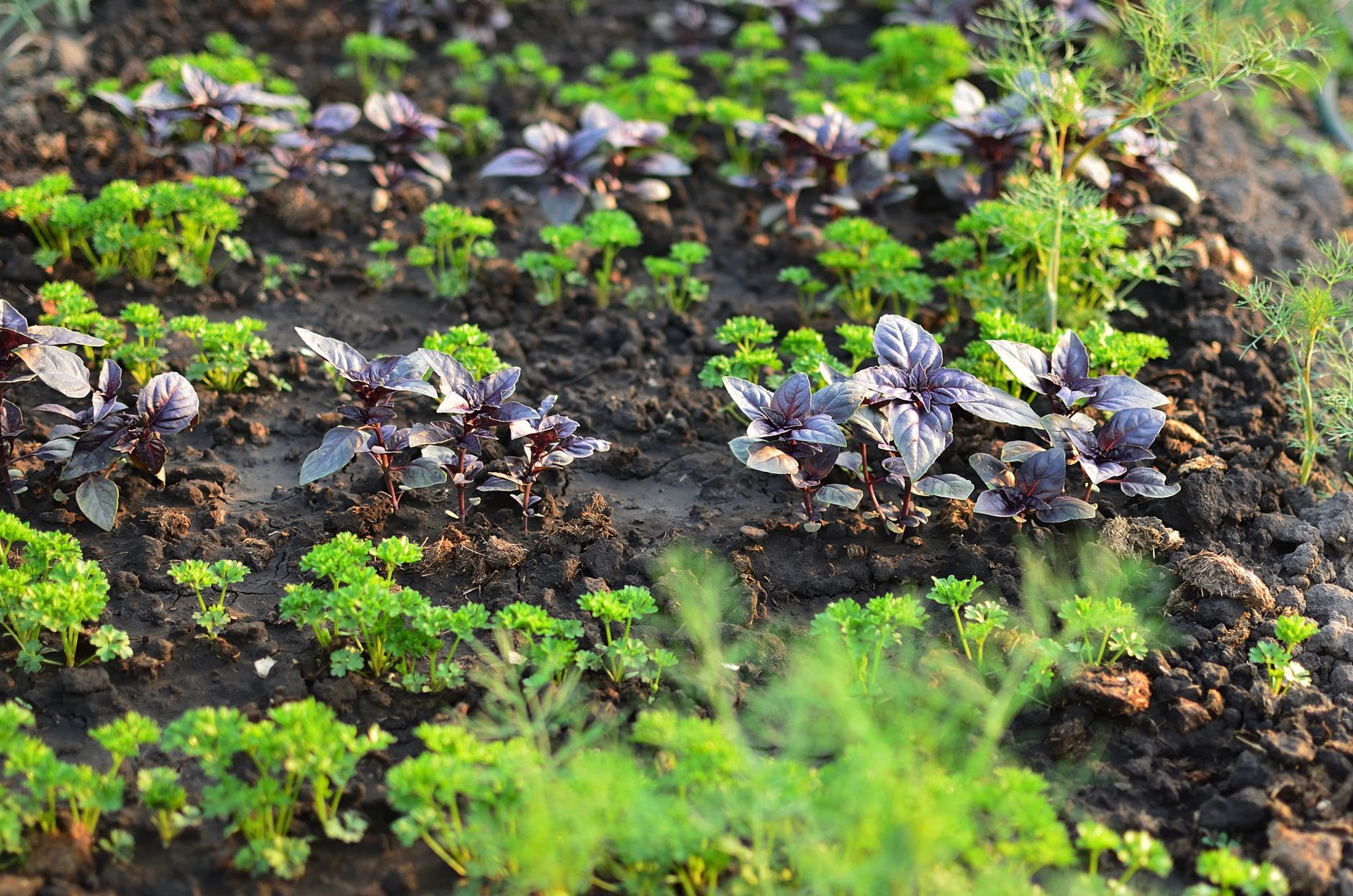
Most elevated beds offer 6-12 inches of soil depth, somewhat less than the 12-18+ inches often recommended for ground-level raised beds, since excessive depth adds considerable weight that the leg structure must support.
Herbs, lettuce, and other shallow-rooted greens perform excellently in this depth range, making them particularly well-suited crops for elevated bed gardening.
Compact or bush varieties of tomatoes, peppers, and similar vegetables generally do fine in 10-12 inches of depth, though full-size indeterminate varieties may be somewhat constrained compared to a deeper ground-level bed.
Deep-rooted crops like carrots or parsnips genuinely struggle in the shallower depth many elevated beds provide, so either choose a specifically deeper elevated model (12+ inches) for these crops or reserve them for ground-level beds instead.
If your elevated bed's depth is on the shallower end, prioritize crops that naturally suit this constraint rather than fighting the format's inherent limitations with poorly matched plant choices.
Position and Fill Your Elevated Bed

Position the empty bed on its final, level surface before filling, since a filled elevated bed becomes extremely heavy (often 100-300+ pounds) and essentially impossible to relocate without emptying it first.
Confirm the surface beneath the bed's legs is stable and level; on decks or patios, use a level to check each leg makes solid, even contact, adjusting with shims if needed for stability.
For decks specifically, confirm the structure can support the additional weight, similar to the consideration needed for balcony gardens, since a filled elevated bed represents concentrated weight on just a few leg contact points rather than distributed across a larger footprint.
Fill with a lightweight potting mix rather than heavier garden soil-based blends where possible, both for the plants' benefit and to reduce total weight on the structure and supporting surface.
Water thoroughly after filling to help soil settle, checking that the bed's drainage (typically holes in the base similar to a container) functions properly before beginning to plant.
Water and Maintain More Attentively
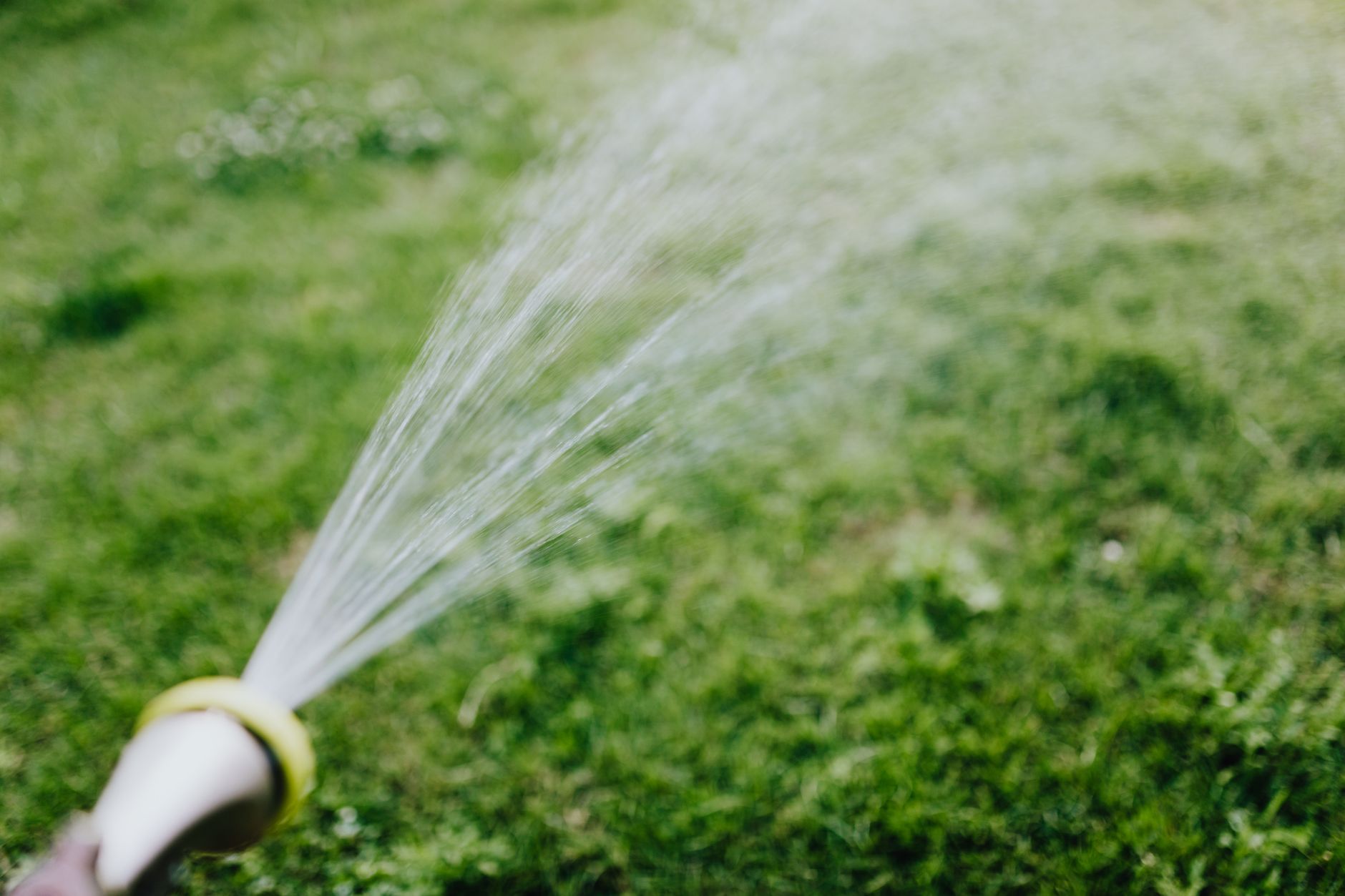
Elevated beds dry out even faster than standard ground-level raised beds, since they're exposed to airflow from all sides, including underneath, compounding the drainage and evaporation tendencies already present in raised bed gardening generally.
Check soil moisture daily during the growing season, and expect to water more frequently than you would for either an in-ground garden or a standard ground-level raised bed.
Consider a simple drip irrigation or self-watering reservoir system specifically designed for elevated beds, which can meaningfully reduce the daily watering burden this format's faster drying tendency creates.
Mulch the soil surface to help retain moisture between waterings, following the same principle used for any raised bed, though recognize this alone won't fully offset an elevated bed's inherently faster drying pattern.
Feed on the same schedule you'd use for any container or raised bed, roughly every 2-3 weeks with a balanced fertilizer, since the more frequent watering also washes nutrients out faster than less-frequently-watered ground beds.
Plan for Seasonal Use and Winter Care
Elevated beds lose heat faster in winter than ground-level beds, since they lack the insulating mass of surrounding earth and are exposed to cold air circulating beneath them as well as around the sides.
In colder USDA zones, perennial plants in elevated beds may need additional winter protection, such as extra mulch or a temporary cold frame cover, compared to the same plants grown at ground level.
Consider using elevated beds primarily for annual crops in genuinely cold climates, reserving any perennial plantings for ground-level beds where they'll have more natural insulation through winter.
Some gardeners in moderate climates successfully use elevated beds year-round by rotating cool-season crops like lettuce and spinach into the space once summer vegetables finish, taking advantage of the format's convenient height regardless of season.
Common problems and fixes
| Problem | Likely cause | What to do |
|---|---|---|
| Bed feels wobbly or unstable once filled | Insufficient leg bracing or an uneven supporting surface. | Add cross-bracing between legs if not already present, and re-level the supporting surface, using shims if needed. |
| Plants dry out unusually quickly | Elevated beds' inherently faster drying tendency from exposure on all sides, including underneath. | Increase watering frequency, add mulch, and consider a drip irrigation system to reduce daily manual watering demands. |
Gardener's checklist
Test what you learned
What height range is typical for a standing-accessible elevated bed?
Answer: 30-36 inches
Why do elevated beds typically need more frequent watering than ground-level raised beds?
Answer: They're exposed to airflow from all sides, including underneath
What crops are best suited to an elevated bed's typically shallower soil depth?
Answer: Herbs, lettuce, and shallow-rooted greens
Common questions
Are elevated raised beds good for wheelchair users?
Yes, particularly models with 24-30 inch height and adequate knee clearance (typically 24-27 inches) beneath the bed, which allows comfortable seated access and reaching across the growing surface.
How much weight can a deck support for an elevated raised bed?
This varies significantly by deck construction and age, so checking with a structural professional or your deck's documented weight rating is worthwhile before placing a filled bed, which can weigh 100-300+ pounds depending on size.
Can I grow tomatoes in an elevated raised bed?
Yes, particularly compact or determinate varieties, which generally do well in the 10-12 inches of depth most elevated beds provide, though full-size indeterminate varieties may be somewhat more constrained than in a deeper ground-level bed.
Do elevated raised beds need to be assembled by a professional?
No, most kits are designed for DIY assembly with basic tools, though confirming the finished structure feels genuinely stable before filling with soil is an important safety check regardless of who assembles it.
Can elevated raised beds be used indoors?
Some smaller elevated designs work well on sunny indoor porches or sunrooms with adequate light, though most are intended for outdoor use, and indoor placement requires confirming the floor can support the substantial filled weight.
How do elevated beds compare in cost to ground-level raised beds?
Elevated beds typically cost more than an equivalent ground-level bed due to the additional leg structure and engineering required, though the accessibility benefits often justify this premium for gardeners who need or prefer the increased working height.
Elevated raised beds genuinely transform gardening accessibility, eliminating bending and kneeling entirely, and choosing the right height, sturdy leg construction, and crops matched to the available soil depth ensures this format delivers on its comfort and convenience promise.
Frequently asked questions
How often should a vegetable garden be watered?
Frequency depends on weather, soil and plant size. Check the soil rather than watering on a rigid schedule.
Is compost enough fertilizer?
Compost improves soil and provides nutrients slowly. Heavy-feeding crops may still need additional feeding.

The Sproutstead Editorial Team
We create clear, practical gardening and homesteading guides designed for real homes and beginner growers.
View author profile →

