
Apartment gardening without outdoor space relies on bright windows (south-facing ideal), supplemental grow lights for low-light units, and compact containers suited to windowsills, shelves, or small stands. Herbs, microgreens, and leafy greens are the most reliable indoor crops, while renters with any balcony or patio access can expand into more vegetables using lightweight containers. Community garden plots offer an alternative for apartment dwellers wanting a full outdoor growing space.
What you will need
Assess Your Available Light
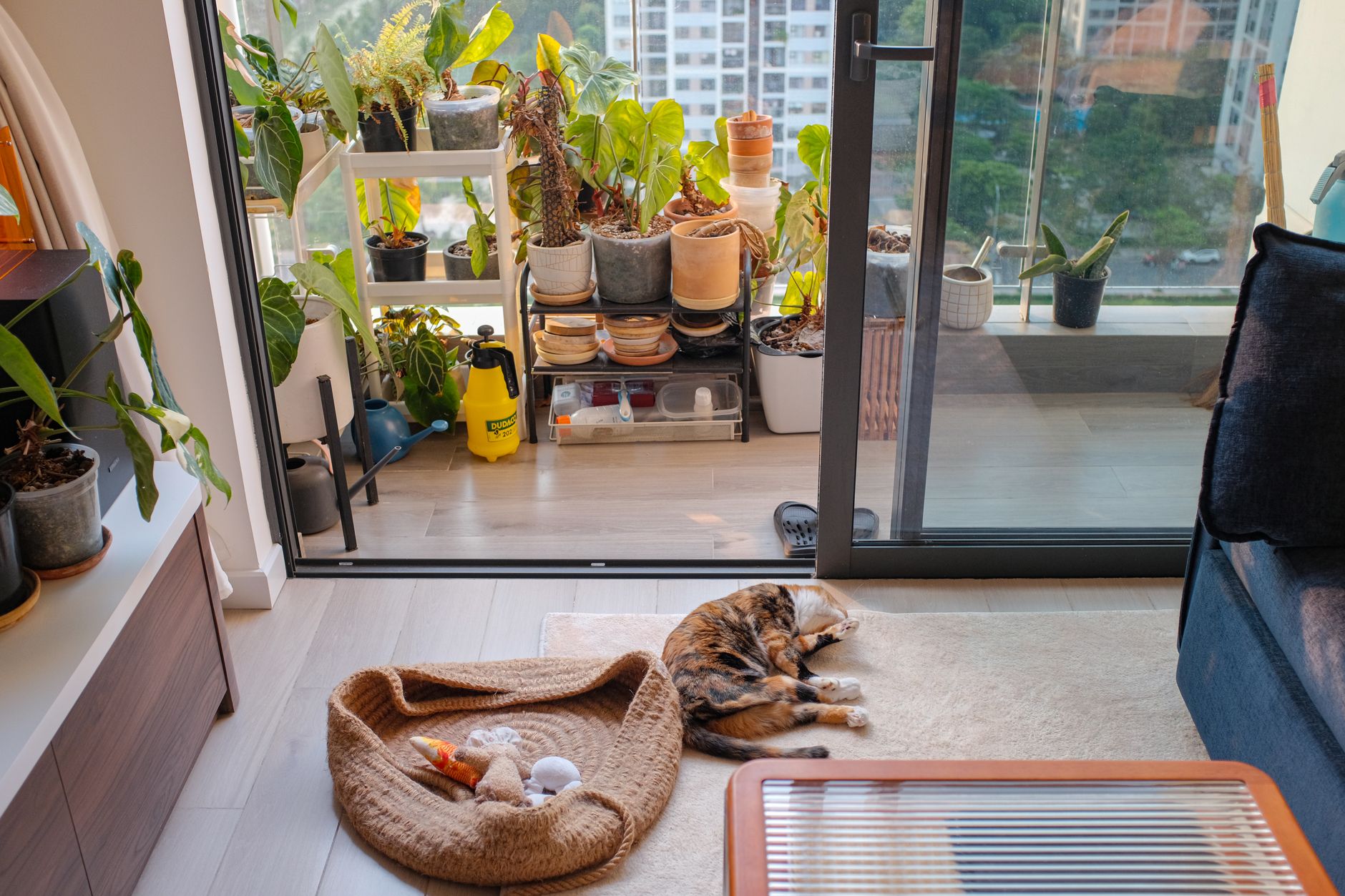
South-facing windows (in the northern hemisphere) typically offer the most consistent, direct light throughout the day, making them the best starting point for any apartment growing plans.
East-facing windows provide good morning light, well-suited to herbs and leafy greens, while west-facing windows offer intense afternoon sun that can work well for fruiting plants but may require some protection from midday heat buildup.
North-facing windows receive the least direct light and are generally only suitable for very shade-tolerant houseplants rather than food crops, unless supplemented with grow lights.
Account for external obstructions like neighboring buildings, balconies above your window, or mature trees, which can significantly reduce actual light reaching your plants regardless of your unit's technical orientation.
Track actual sunlight hours reaching your specific windowsill over a full day before committing to ambitious growing plans, since apartment light conditions are often more limited than gardeners initially assume.
Use Grow Lights for Low-Light Units
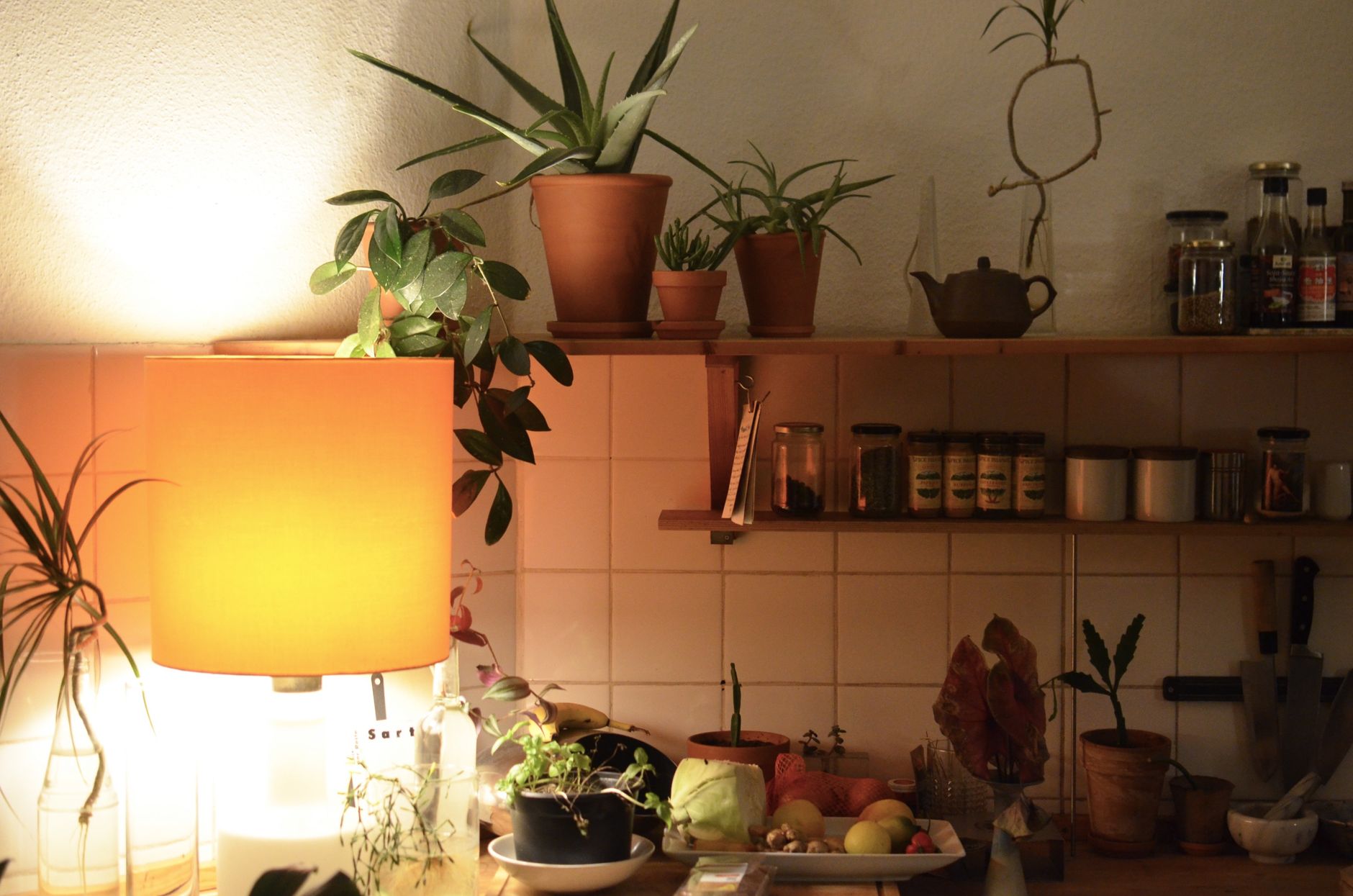
LED grow lights have become increasingly affordable and energy-efficient, making them a practical solution for apartments with inadequate natural light for successful food crop growing.
Position lights 6-12 inches above plants, adjusting as they grow to maintain this distance, since too much distance reduces light intensity while too little can potentially scorch sensitive foliage.
Run grow lights for 12-16 hours daily to compensate for limited or absent natural sunlight, using a simple timer to automate this schedule without needing to remember manual on/off switching.
Full-spectrum LED grow lights, designed to mimic natural sunlight's wavelength range, generally produce better results for food crops than lights designed purely for houseplant maintenance or aesthetic purposes.
Small clip-on or desk-style grow lights work well for a compact herb setup, while larger shelf units with multiple integrated lights support a more substantial indoor growing operation for gardeners wanting to scale up.
Choose Compact, Appropriate Containers

Choose containers sized appropriately for your specific windowsill, shelf, or available surface, since apartment growing often works within genuinely tight space constraints compared to a full outdoor garden.
Herb pots as small as 4-6 inches in diameter work well for individual plants, while a slightly larger window box style container can support several herbs together in a single, space-efficient unit.
Always ensure containers have drainage holes and a saucer to protect windowsills, floors, or furniture from water damage, an especially important consideration when growing indoors near finished surfaces.
Consider self-watering containers for apartment growing specifically, since they reduce the daily watering burden and provide more forgiving moisture consistency for gardeners with busier or less predictable schedules.
Vertical wall-mounted planters or hanging systems can add growing space without consuming any counter or windowsill area, particularly valuable in genuinely small apartments where floor and surface space is at a premium.
Start with the Most Reliable Indoor Crops

Herbs like basil, mint, chives, and parsley are among the most successful apartment crops, tolerating the somewhat limited light many indoor spaces provide while still producing a useful, regular harvest.
Microgreens, harvested just days after sprouting, are exceptionally well-suited to apartment growing, requiring minimal space and light while providing fast, reliable results even on a modest windowsill setup.
Loose-leaf lettuce and other quick-growing greens perform reasonably well indoors, particularly with grow light supplementation, offering a genuine fresh salad contribution from even a small apartment growing space.
Avoid attempting fruiting vegetables like tomatoes or peppers without genuinely strong light (either an excellent south-facing window or dedicated grow lights), since these crops have considerably higher light demands than most apartment conditions naturally provide.
Green onions regrown from kitchen scraps (placing the root end in water) offer an extremely low-effort, high-success entry point for apartment gardeners just getting started with growing any of their own food.
Explore Balcony or Patio Options if Available

If your apartment includes a balcony or patio, even a small one, this outdoor access genuinely expands your growing possibilities beyond what indoor windowsill space alone can support.
Follow standard balcony gardening guidance regarding weight limits, wind exposure, and container selection, since these considerations apply equally whether your outdoor space is attached to a house or an apartment building.
Check your lease agreement for any restrictions on balcony gardening, since some buildings have specific rules about what can be grown, displayed, or attached to railings in these shared-adjacent spaces.
Even a narrow balcony can support a meaningful selection of compact vegetables, herbs, and even some fruiting crops like cherry tomatoes or peppers, given the additional light and space compared to indoor-only growing.
Consider a hybrid approach, using indoor windowsills for herbs and quick greens while reserving any balcony space for the sun-hungry fruiting vegetables that need more light than most indoor spots can provide.
Consider Community Garden Plots

Community gardens, widely available in most cities and many suburban areas, offer apartment residents access to a genuine outdoor plot, often for a modest annual fee or in exchange for some communal maintenance work.
This option allows growing the full range of vegetables that need more space, sun, and root depth than any apartment container setup could realistically provide, from sprawling squash to deep-rooted carrots.
Search for community gardens through your city's parks department, local gardening organizations, or online community garden directories, since availability and waitlists vary considerably by location and demand.
Community gardens also offer a genuine social benefit, connecting apartment-dwelling gardeners with a broader gardening community and often providing informal mentorship from more experienced plot-holders nearby.
Consider combining a community garden plot for larger, sun-hungry crops with apartment windowsill growing for herbs and greens you want readily accessible in your kitchen, getting the benefits of both approaches simultaneously.
Build Sustainable Apartment Gardening Habits

Establish a brief daily check-in routine, even just a minute or two while making coffee, to glance at soil moisture and plant health, catching small problems before they become significant setbacks in your limited space.
Keep apartment gardening supplies (watering can, small trowel, fertilizer) in a convenient, visible spot rather than tucked away, since easy access genuinely increases how consistently you'll actually tend to your plants.
Start smaller than your ambitions suggest, since a few well-maintained herb pots that actually thrive provide more satisfaction and food than an overly ambitious setup that becomes neglected under the pressures of apartment life and limited time.
Document what works in your specific space through a simple note or photo log, since apartment light and conditions can be idiosyncratic, and your own direct observation over a season or two becomes more valuable than generic advice alone.
Common problems and fixes
| Problem | Likely cause | What to do |
|---|---|---|
| Indoor plants grow leggy and weak despite regular watering | Insufficient light, causing plants to stretch toward whatever light source is available. | Move plants closer to the brightest available window, or add a grow light positioned appropriately close to the foliage. |
| Herbs decline after a few weeks despite initial success | Nutrient depletion in the limited soil volume of small indoor containers. | Begin regular liquid feeding every 2-3 weeks, since small containers deplete nutrients faster than larger outdoor beds. |
Gardener's checklist
Test what you learned
Which window orientation typically offers the best light for apartment growing?
Answer: South-facing
How many hours daily should grow lights typically run to compensate for limited natural light?
Answer: 12-16 hours
What crops are generally most successful for apartment growing?
Answer: Herbs, microgreens, and leafy greens
Common questions
Can I grow vegetables in an apartment with no outdoor space?
Yes, though options are more limited to herbs, microgreens, and leafy greens that tolerate indoor conditions, especially with a bright south-facing window or supplemental grow lights to boost available light.
Do I need special grow lights for apartment gardening?
Only if your natural light is insufficient; a genuinely bright south-facing window may support herbs and greens without additional lighting, but most fruiting vegetables need grow light supplementation in typical apartment conditions.
How do I find a community garden near my apartment?
Search through your city's parks department, local gardening organizations, or online community garden directories, since availability, cost, and waitlists vary considerably by location and local demand.
Can I grow tomatoes in my apartment?
Only with genuinely strong light, either an excellent south-facing window with several hours of direct sun or a dedicated grow light setup, since tomatoes have considerably higher light demands than most indoor apartment conditions naturally provide.
What's the easiest crop to start with as a complete apartment gardening beginner?
Green onions regrown from kitchen scraps, simply placing the root end in a glass of water, offer an almost foolproof starting point, followed closely by basil and other herbs that tolerate a wide range of light conditions.
How much does it cost to set up a basic apartment grow light system?
Basic LED grow light setups for a small windowsill herb garden are widely available at accessible price points, making this a relatively low-cost way to significantly expand what you can successfully grow indoors compared to relying on natural light alone.
Apartment gardening, even without any outdoor space, can genuinely produce a useful harvest of herbs and greens with the right combination of available light, appropriately sized containers, and realistic crop expectations, while any balcony access or community garden plot substantially expands what's possible.
Frequently asked questions
How often should a vegetable garden be watered?
Frequency depends on weather, soil and plant size. Check the soil rather than watering on a rigid schedule.
Is compost enough fertilizer?
Compost improves soil and provides nutrients slowly. Heavy-feeding crops may still need additional feeding.

The Sproutstead Editorial Team
We create clear, practical gardening and homesteading guides designed for real homes and beginner growers.
View author profile →

