
Grow carrots (Daucus carota subsp. sativus) in a container at least 12 inches deep for standard varieties, or 8-10 inches for shorter round varieties, filled with loose, stone-free potting mix rather than garden soil. Direct-sow seeds a quarter-inch deep, keep soil consistently moist during the 2-3 week germination period, thin seedlings to 2-3 inches apart, and harvest 60-80 days later once roots reach the desired size.
What you will need
Choose a Container Deep Enough for Straight Roots
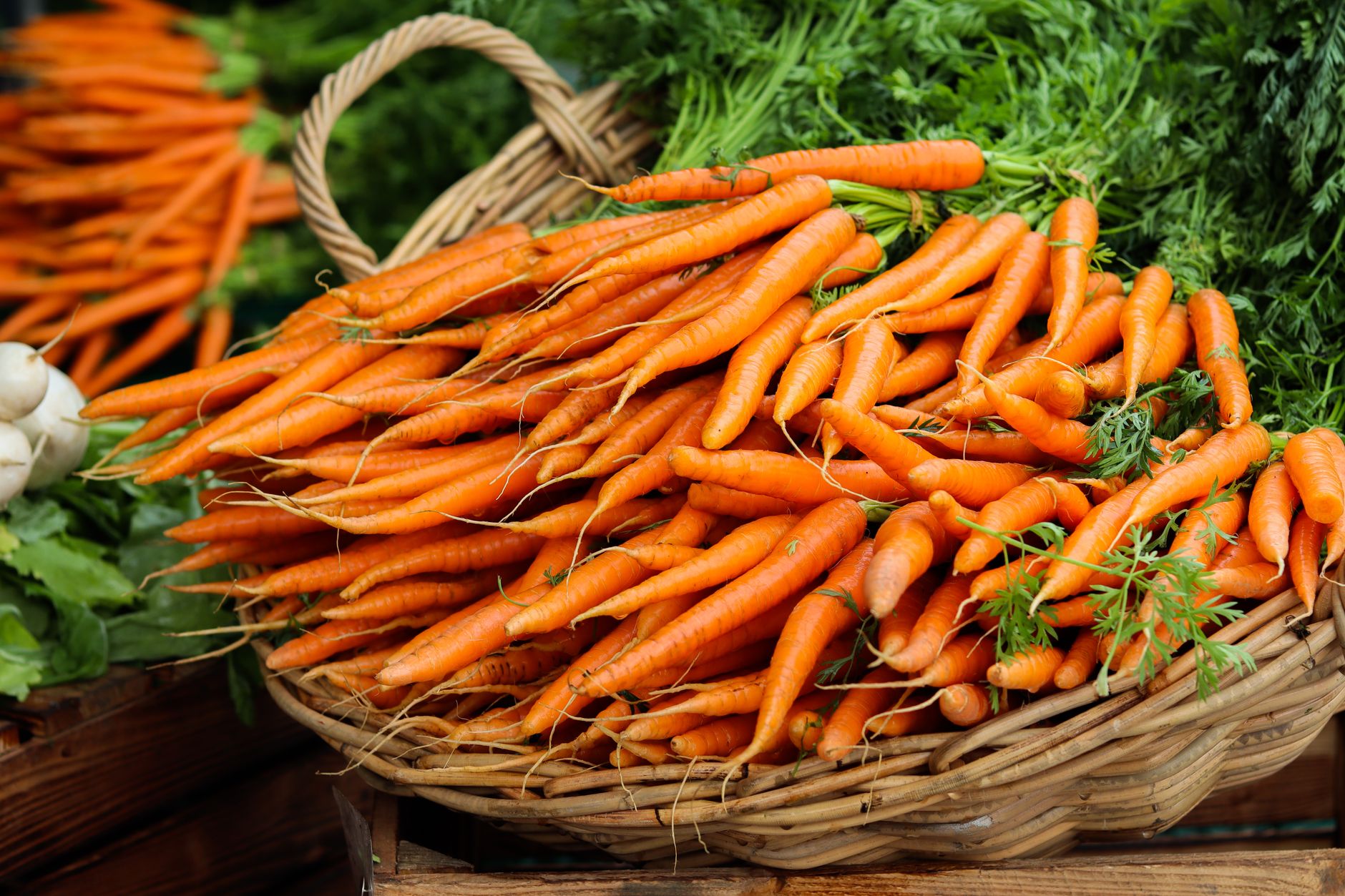
Choose a container at least 12 inches deep for standard long carrot varieties like Danvers or Imperator, since these need genuine depth to develop their full, straight length without hitting the container bottom and forking or stunting.
Round or short varieties like Parisian, Thumbelina, or Chantenay can succeed in containers as shallow as 8-10 inches, making them a better choice if you only have access to shallower containers.
Width matters too, though less critically than depth; a container at least 6-8 inches wide per carrot allows adequate room, with wider containers accommodating multiple rows of properly spaced plants.
Ensure the container has adequate drainage holes, since carrots, like most root vegetables, are prone to rot in waterlogged conditions despite needing consistently moist soil.
Grow bags work particularly well for carrots, since their flexible fabric structure can accommodate the necessary depth without the bulk or cost of an equivalently deep rigid container.
Use Loose, Stone-Free Potting Mix
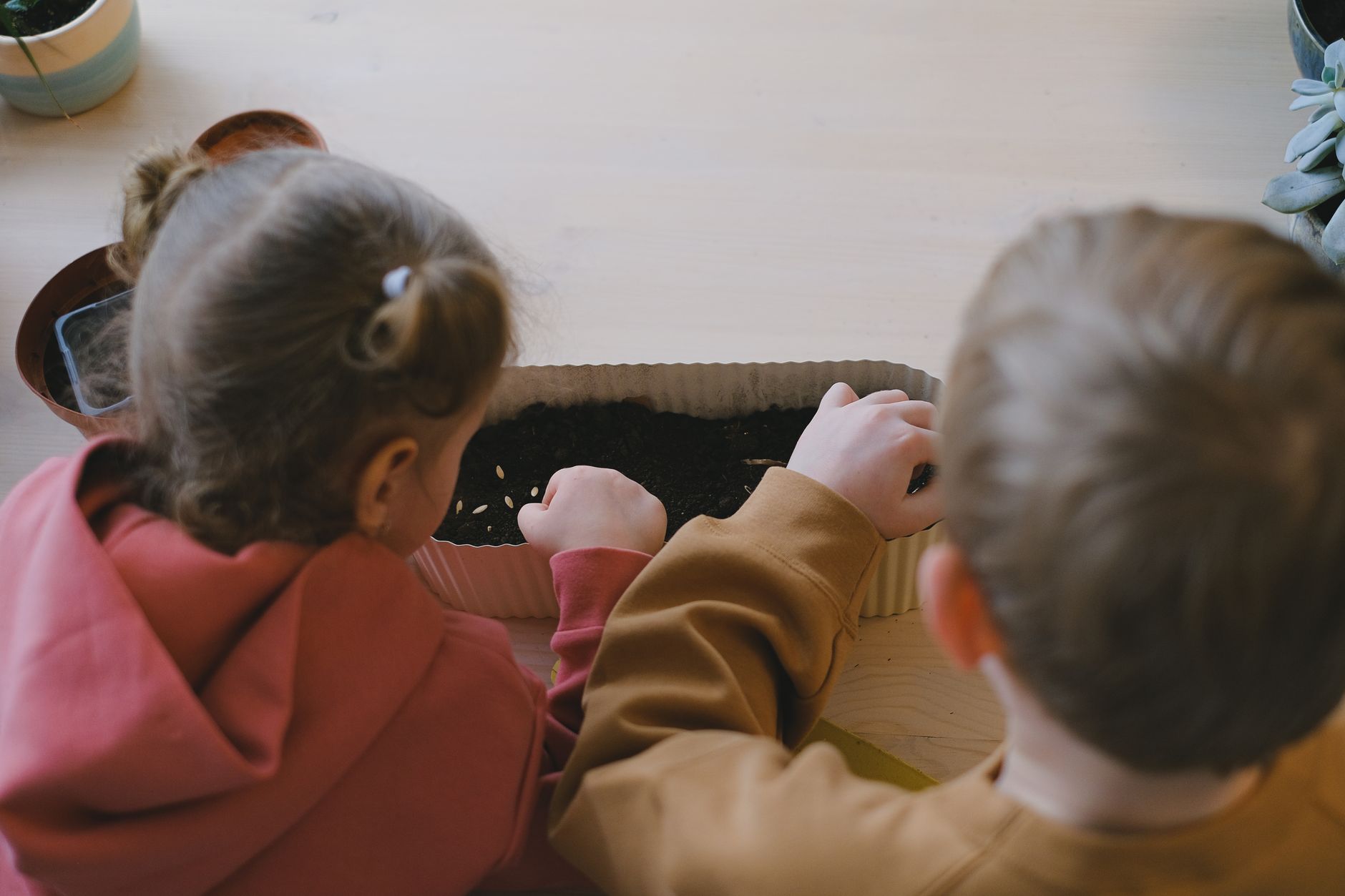
Use a quality potting mix rather than garden soil, which is especially important for carrots, since any clumps, rocks, or dense compacted areas will cause roots to fork, twist, or stop growing entirely.
Choose a potting mix with good aeration, ideally one containing perlite or vermiculite, which helps maintain the loose texture carrots need throughout their entire growing depth.
Sift out any larger particles or debris from your potting mix before filling the container if you notice anything that could obstruct a developing root, since even small obstructions matter more for carrots than bulkier root vegetables.
Avoid adding fresh compost or manure directly to the carrot container, since high-nitrogen fresh organic matter can cause excessive leafy top growth at the root's expense and can also contribute to forked, hairy roots.
A soil pH between 6.0 and 6.8 suits carrots well; most quality potting mixes fall within or close to this range without needing specific adjustment.
Direct-Sow Seeds and Maintain Moisture
Sow seeds directly into the container, since carrots don't transplant well at all due to their sensitive taproot, which is easily damaged or deformed by the disturbance of transplanting.
Plant seeds a quarter-inch deep, spacing them about an inch apart initially, planning to thin to a final spacing of 2-3 inches once seedlings establish their first true leaves.
Keep the soil surface consistently moist throughout the 2-3 week germination period, which is typically slower than many other vegetables and genuinely unforgiving of any dry spells during this critical window.
Consider covering the freshly seeded container with a light layer of damp burlap or a humidity dome until germination begins, which helps maintain consistent surface moisture without needing constant manual attention.
Container carrots may germinate somewhat faster than in-ground plantings if your container sits in a warm spot, since containers often warm up more quickly than garden soil in spring.
Thin Seedlings for Proper Development
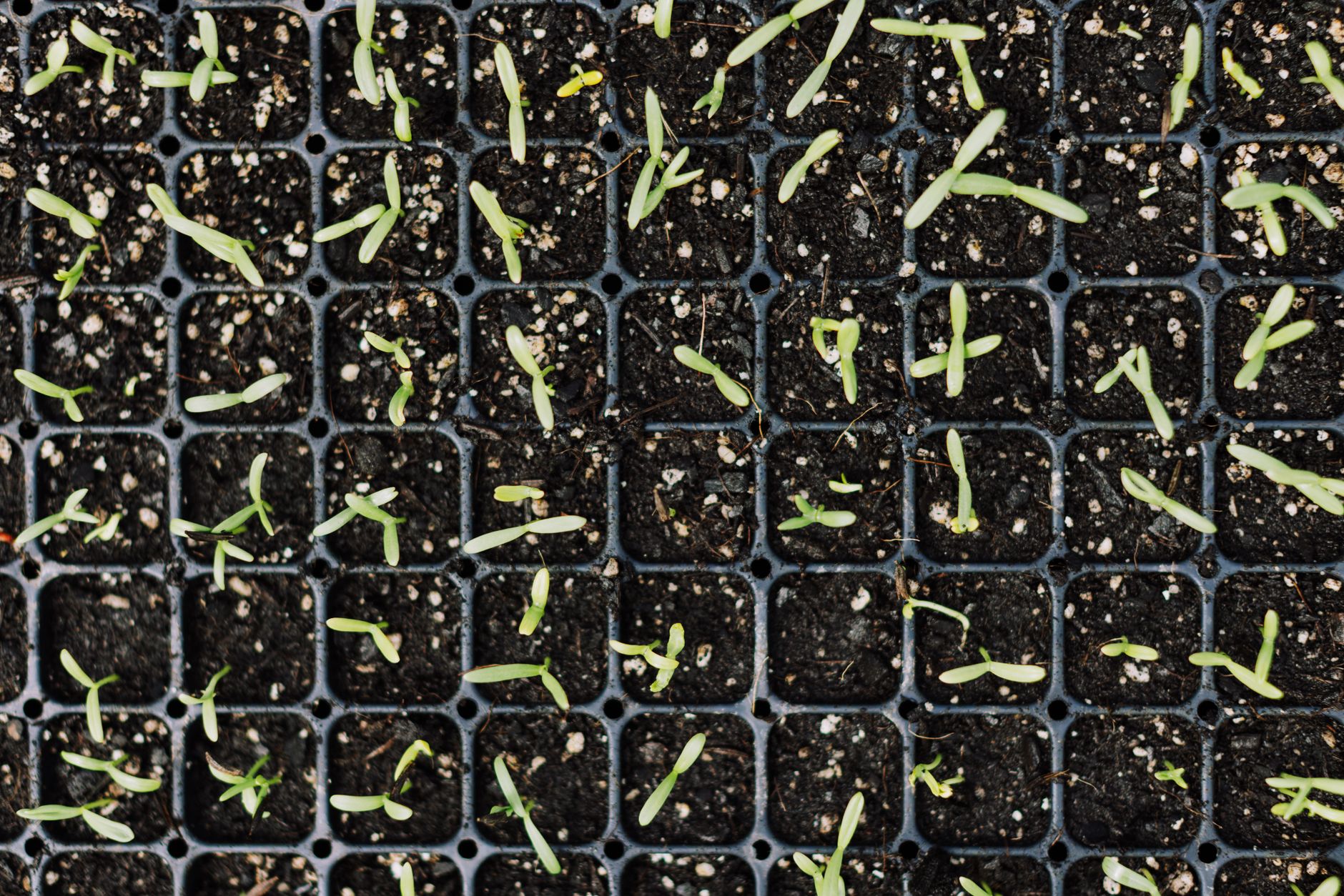
Once seedlings reach about 2 inches tall, thin them to 2-3 inches apart, snipping unwanted seedlings at soil level with small scissors rather than pulling, which could disturb the roots of neighboring seedlings you're keeping.
Given the limited soil volume in a container compared to an open garden bed, overcrowding has an even more pronounced negative effect on root development than it would in ground-level plantings.
Save thinned seedlings for salads if desired, since young carrot greens and their tiny developing roots are perfectly edible, offering a small bonus harvest from the thinning process.
Perform a second light thinning a few weeks later if plants still seem crowded as roots begin sizing up, ensuring adequate final spacing for the container's more limited capacity.
Water Consistently Throughout the Season
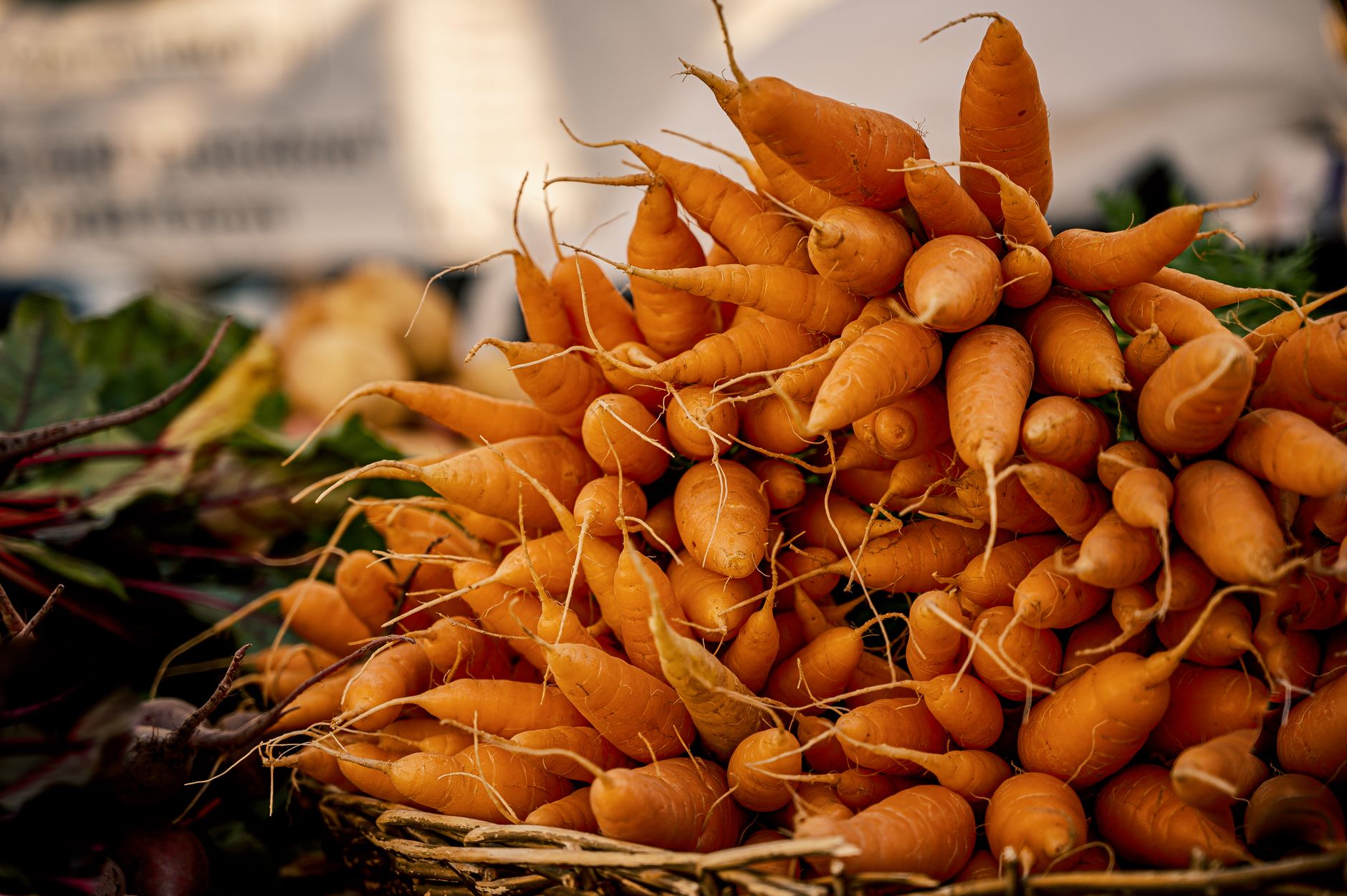
Water consistently, checking soil moisture more frequently than you would for an in-ground planting, since container soil dries out considerably faster, especially in a container as deep as carrots require.
Avoid letting soil swing dramatically between very dry and very wet conditions, since this fluctuation is a leading cause of split or cracked roots at harvest, an issue that affects container carrots just as much as in-ground plantings.
Mulch the soil surface lightly with straw or fine bark once seedlings are established, which helps retain moisture between waterings and reduces how often you need to check and water manually.
During hot summer stretches, container carrots may need daily watering to maintain consistent moisture, more frequent than the roughly weekly deep watering that satisfies in-ground plantings.
Avoid heavy additional fertilization beyond what's in your potting mix; too much nitrogen encourages leafy growth at the root's expense, similar to the concern with fresh compost or manure.
Harvest When Roots Reach Desired Size
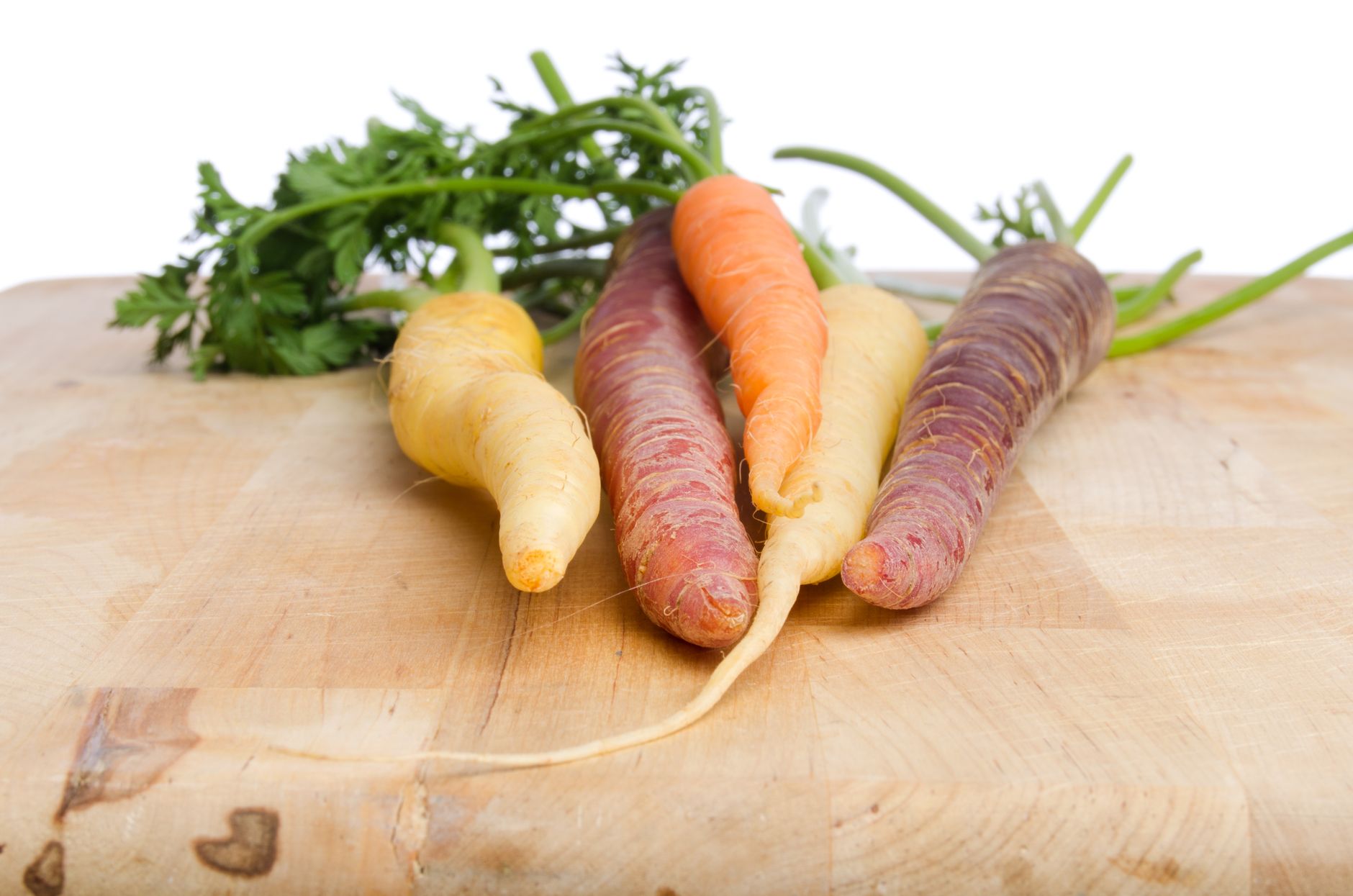
Harvest carrots once roots reach about an inch in diameter, typically 60-80 days after sowing, checking the top of the root, often visible slightly above the soil line, to gauge size.
Container-grown carrots are often notably easier to harvest than in-ground plantings, since the loose potting mix provides less resistance when pulling compared to garden soil that may still have some compaction.
Pull gently and steadily, and if any resistance is felt, loosen the surrounding soil slightly with your fingers rather than pulling forcefully, which risks snapping the root and leaving part of it behind.
Harvest the entire container's crop before the first hard frost in most climates, since container roots have less insulation from cold than in-ground plantings protected by surrounding earth mass.
After harvesting, refresh the container's potting mix before reusing it for a new planting, since a full carrot crop draws meaningfully on the container's limited nutrient reserves.
Plan for Succession Planting in Containers
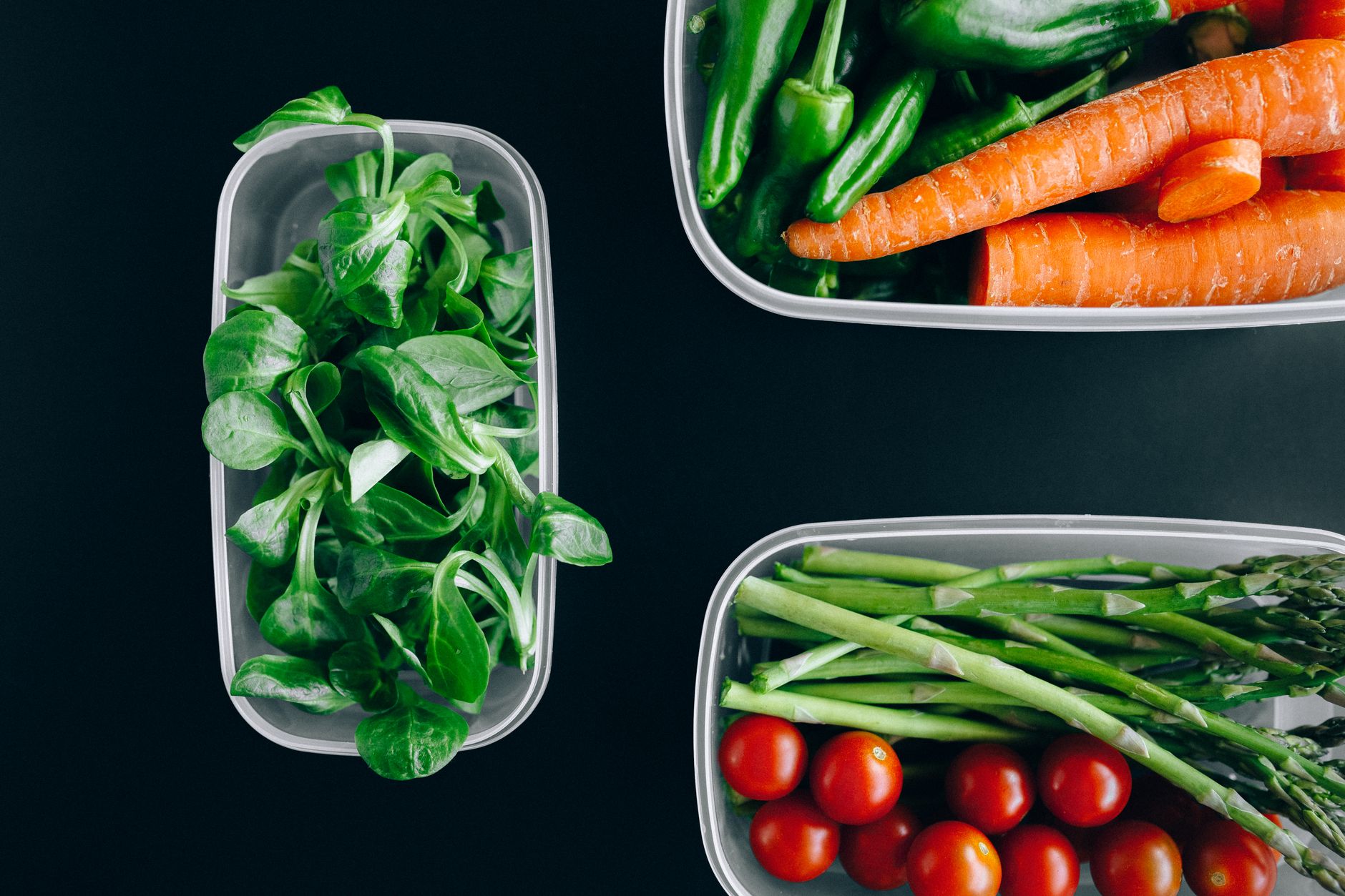
Sow a new container every 2-3 weeks through the cool spring or fall growing season, taking advantage of containers' modular nature to stagger harvests rather than getting one large batch all at once.
This approach works particularly well for container growing, since moving individual containers in and out of prime growing spots is far easier than managing succession plantings within a single large in-ground bed.
Reuse the same containers for successive plantings by refreshing the potting mix between rounds, maintaining good fertility and structure for each new batch of seeds.
Consider dedicating a few containers specifically to a rotating carrot succession while using others for different crops entirely, building a flexible, modular container garden system that adapts to your changing needs through the season.
Common problems and fixes
| Problem | Likely cause | What to do |
|---|---|---|
| Roots come out short, forked, or stunted | Container too shallow for the variety, or obstructions like clumps or debris in the potting mix. | Use a deeper container for future plantings, and ensure potting mix is genuinely loose and debris-free throughout its full depth. |
| Seeds fail to germinate evenly | Inconsistent soil moisture during the multi-week germination period. | Water more consistently, checking daily if needed, and consider a humidity dome or damp covering until germination begins. |
| Container carrots dry out and wilt quickly | Container soil drying faster than expected, especially during hot weather. | Increase watering frequency, potentially to daily during summer heat, and add a light mulch layer to help retain moisture. |
Gardener's checklist
Test what you learned
What minimum container depth is recommended for standard carrot varieties?
Answer: 12 inches
Why should garden soil be avoided for container carrots specifically?
Answer: It compacts and can cause forked or stunted roots
What variety type works best in shallower containers (8-10 inches)?
Answer: Round or short varieties like Parisian
Common questions
Can I grow carrots in a container that's not very deep?
Yes, if you choose round or short varieties like Parisian or Thumbelina specifically bred for shallow growing, which can succeed in containers as shallow as 8-10 inches, unlike standard long varieties that genuinely need 12+ inches.
How often should I water container carrots?
Check soil moisture frequently, since container soil dries faster than garden beds; during hot weather, container carrots may need daily watering to maintain the consistent moisture their developing roots require.
Can I use a fabric grow bag for carrots?
Yes, grow bags work particularly well for carrots, since their flexible structure easily accommodates the necessary depth without the bulk or expense of an equivalently deep rigid container.
Why did my container carrots come out small and forked?
This is most often caused by insufficient container depth for the variety planted, or obstructions like clumps and debris within the potting mix; both issues have an outsized effect on carrots specifically compared to most other root vegetables.
Can I grow multiple rows of carrots in one large container?
Yes, as long as the container is wide enough to accommodate proper spacing between rows, generally at least 6-8 inches between rows, while still maintaining the same depth requirements for whichever variety you're growing.
Do container carrots taste different from garden-grown carrots?
Not inherently; flavor depends more on consistent watering and proper harvest timing than on growing method, so well-cared-for container carrots taste comparable to those grown in a traditional garden bed.
Container depth is the defining factor for success with carrots, and matching your container size to the right variety, combined with loose, debris-free potting mix and consistent watering, produces genuinely straight, sweet roots even without a traditional garden bed.
Frequently asked questions
How often should a vegetable garden be watered?
Frequency depends on weather, soil and plant size. Check the soil rather than watering on a rigid schedule.
Is compost enough fertilizer?
Compost improves soil and provides nutrients slowly. Heavy-feeding crops may still need additional feeding.

The Sproutstead Editorial Team
We create clear, practical gardening and homesteading guides designed for real homes and beginner growers.
View author profile →

