
The best soil for raised beds is a blend of roughly 60% quality topsoil, 30% compost, and 10% aeration material like perlite or coarse sand, sometimes called 'Mel's Mix' when using specific equal-parts ratios of compost, peat moss or coco coir, and vermiculite. This blend provides good drainage, fertility, and root-friendly structure. Avoid using pure garden soil or pure compost alone, both of which cause long-term problems.
What you will need
Understand Why Garden Soil Alone Doesn't Work
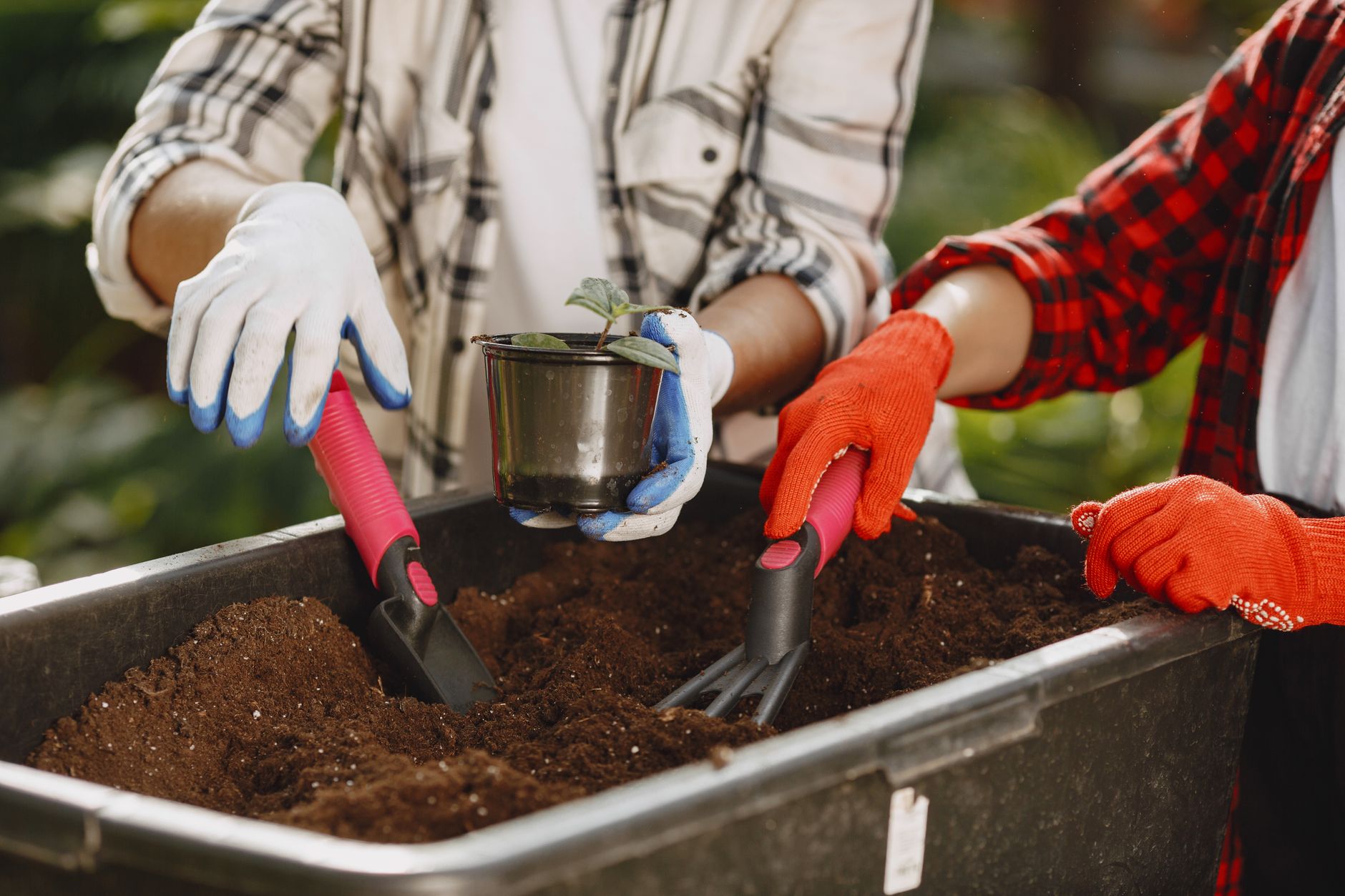
Garden soil that performs perfectly well in the open ground often compacts significantly when used alone in a raised bed, since the confined space and repeated watering compress it more than it would experience in an unconfined garden area.
This compaction restricts oxygen to plant roots and can create drainage problems, even if the same soil drained adequately when it was part of a larger, unconfined area with more natural drainage pathways through surrounding soil.
Native soil, however, isn't useless in raised beds; it can be a valuable component of a blended mix, contributing minerals and existing soil biology, as long as it's not used as the sole fill material without other amendments.
This is why the standard recommendation blends topsoil (which may include garden soil) with compost and aeration material, rather than using any single component alone, ensuring the finished mix retains loose, root-friendly structure over time.
Understanding this distinction upfront saves considerable frustration; many first-time raised bed gardeners assume that simply digging up soil from elsewhere in the yard is sufficient, only to discover compaction and drainage issues developing within the first season.
Follow the Standard 60-30-10 Ratio
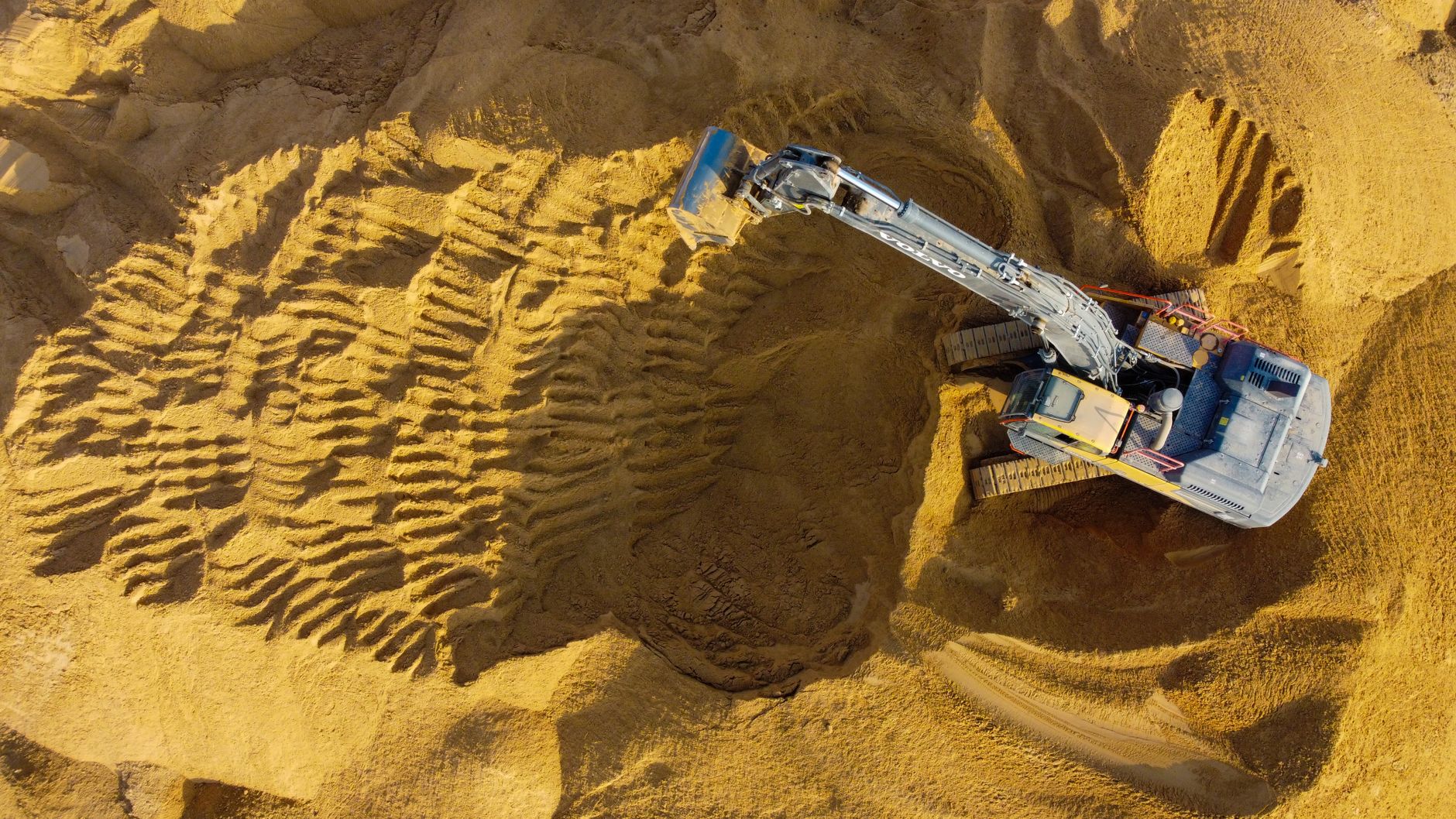
A blend of roughly 60% quality topsoil, 30% compost, and 10% aeration material like perlite, vermiculite, or coarse sand provides the structural bulk, fertility, and drainage most vegetables need throughout a full growing season.
The topsoil provides mineral content and overall soil structure, the compost adds organic matter and nutrients, and the aeration material prevents the compaction that would otherwise occur over time as the bed settles and is repeatedly watered.
Mix these components together thoroughly rather than layering them, since a well-blended mix provides more consistent growing conditions throughout the bed's depth, avoiding the awkward transitions roots would otherwise encounter between distinct layers.
This ratio works well as a general-purpose mix for most vegetables; specific crops with unusual soil preferences (like blueberries needing acidic soil, or Mediterranean herbs preferring leaner, less fertile conditions) may benefit from targeted adjustments to this baseline recipe.
For heavy feeding crops like tomatoes and corn, some gardeners increase the compost percentage slightly to 35-40%, while for root vegetables prioritizing looser structure, increasing the aeration material component can help prevent forked or misshapen roots.
Consider Mel's Mix for a Compost-Forward Alternative
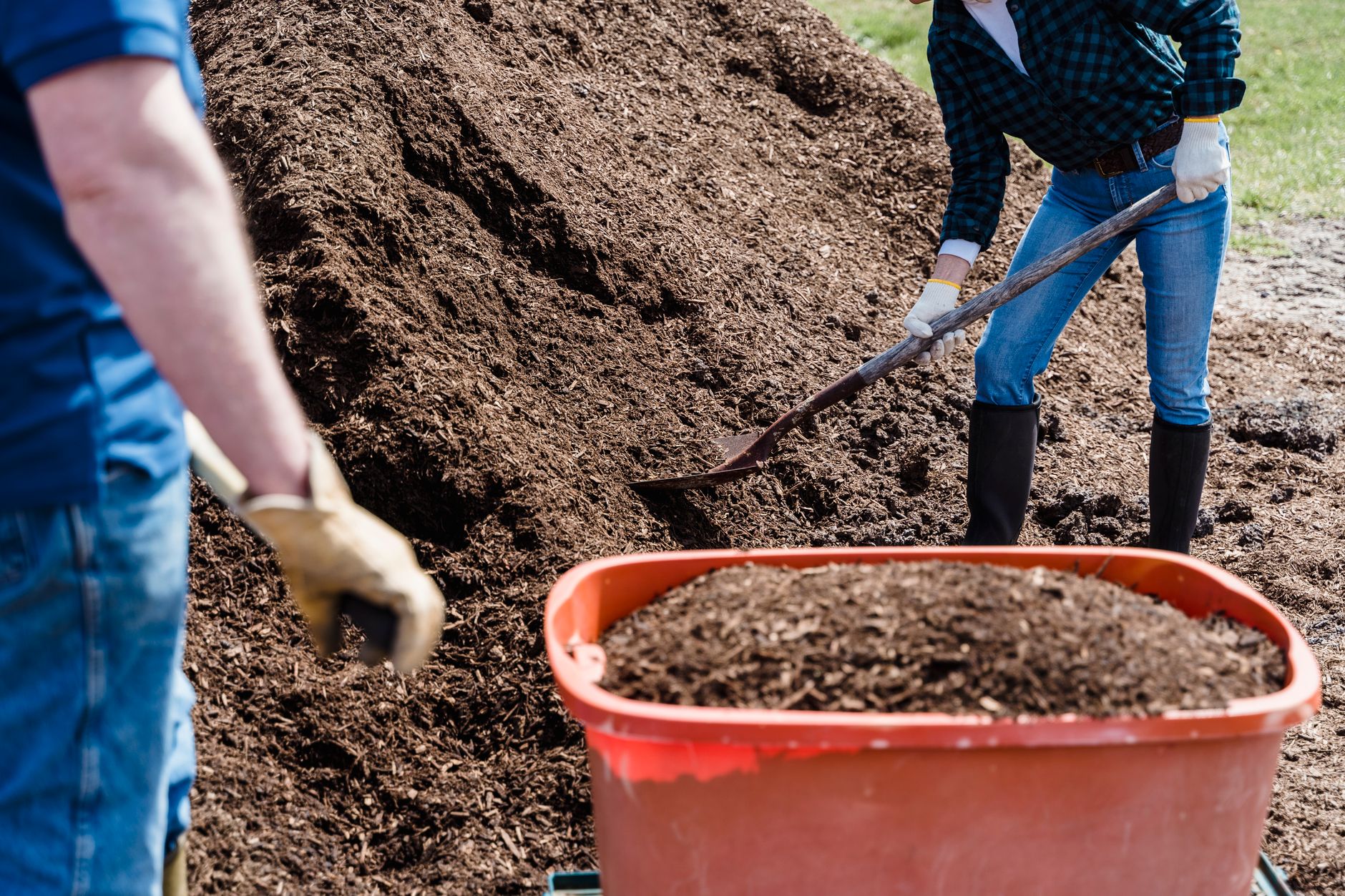
Mel's Mix, popularized by the square foot gardening method, uses equal parts (by volume) compost, peat moss or coco coir, and coarse vermiculite, skipping topsoil entirely in favor of this lighter, more consistent blend.
This mix tends to be lighter and more consistent than topsoil-based blends, though it can be more expensive per cubic foot given the cost of vermiculite and quality compost purchased at the scale needed to fill a full bed.
Using multiple different compost sources (rather than a single type) is specifically recommended within this method, since blending compost varieties provides a broader range of nutrients than any single source alone, whether that's mushroom compost, manure-based compost, or leaf mold.
This approach works particularly well for smaller raised beds where the higher cost per cubic foot is less of a factor than it would be for a large garden requiring many cubic yards of fill material.
Coco coir has become an increasingly popular substitute for peat moss within this mix, since it's considered a more environmentally sustainable resource and offers similar water-retention properties without the environmental concerns associated with peat bog harvesting.
Choose Between Bagged and Bulk Soil
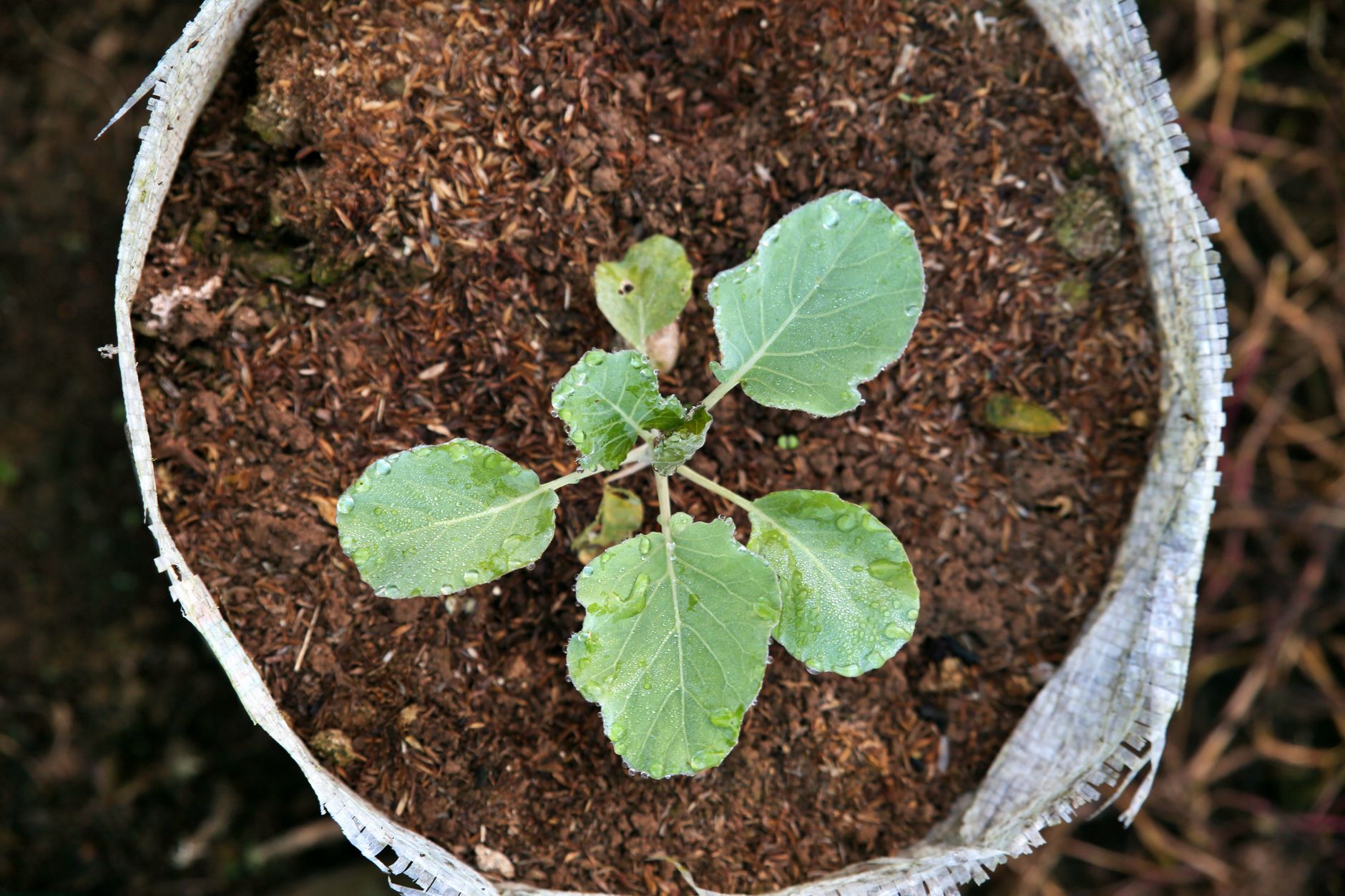
For small raised beds or a handful of containers, bagged soil and compost from a garden center offers convenience and precise quality control over what you're buying, since each bag typically lists its exact composition and source.
For larger gardens needing more than roughly 30 cubic feet (about one cubic yard) of fill material, bulk delivery from a landscape supplier is typically significantly cheaper per cubic foot than buying equivalent bagged material, sometimes by half or more.
When ordering bulk soil, ask the supplier specifically for a screened topsoil or garden blend product, and inquire about their quality testing, since bulk soil quality can vary more than standardized bagged products from major manufacturers.
Combining approaches, bulk topsoil supplemented with bagged compost and aeration material, often provides the best balance of cost savings and quality control for medium to large raised bed projects.
Request a soil sample or ask about recent testing results before committing to a large bulk order, particularly if the supplier's source soil comes from a site with any history of industrial use or contamination concerns.
Test and Adjust Soil pH
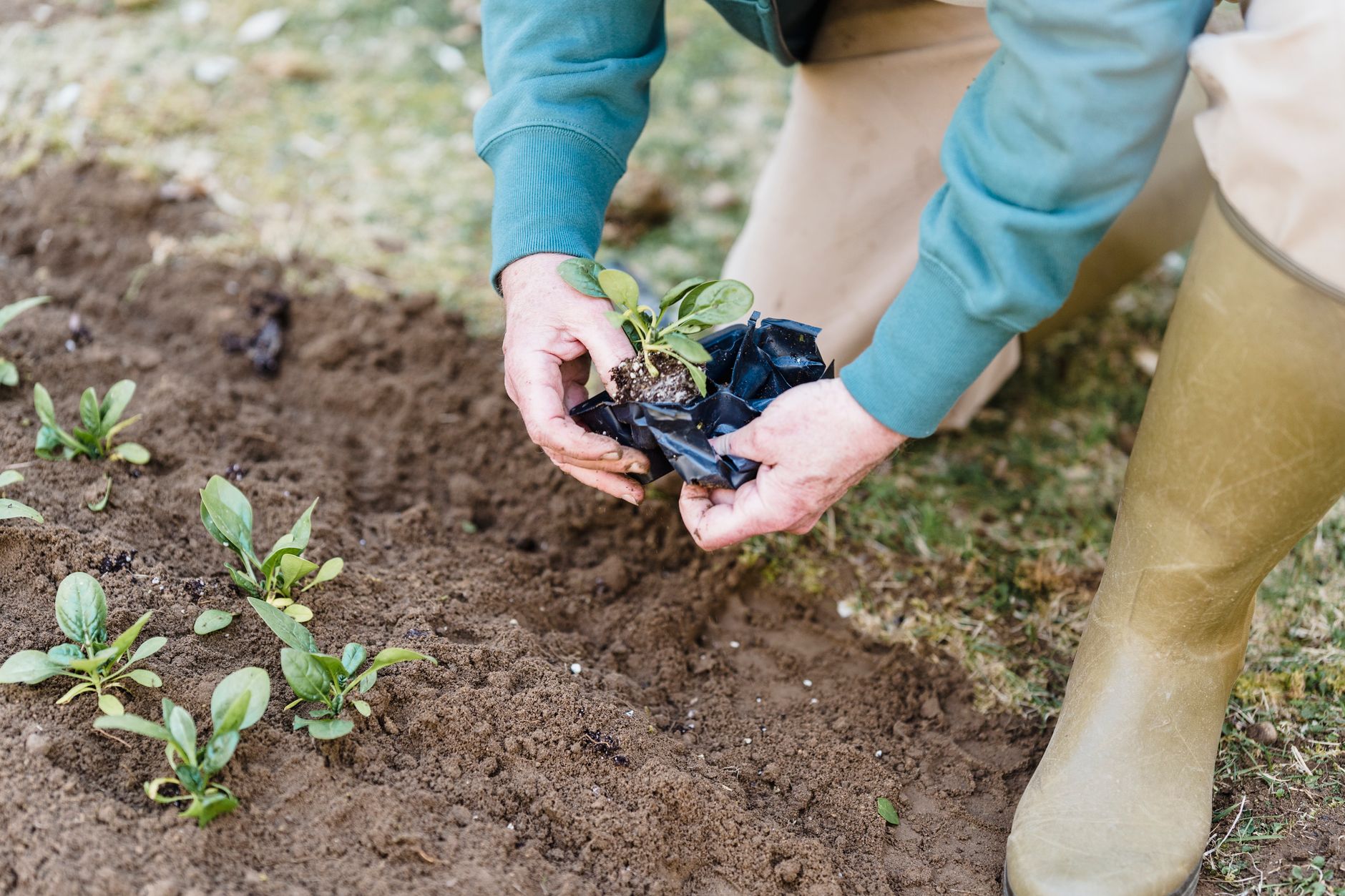
Test your finished soil mix's pH using a simple home test kit or by sending a sample to a local extension office, aiming for a range of 6.0-7.0, which suits most common vegetables including tomatoes, peppers, and leafy greens.
If pH tests too acidic (below 6.0), work in garden lime according to package directions to raise it gradually, retesting after a few weeks to confirm the adjustment took effect before planting.
If pH tests too alkaline (above 7.0), working in elemental sulfur or additional compost can help lower it over time, though pH adjustments generally happen more slowly than gardeners initially expect.
Retest periodically, since soil pH can shift gradually over multiple growing seasons as amendments break down and different crops are grown, particularly if you're using well water with unusual mineral content for irrigation.
Keep in mind that some crops have distinctly different pH preferences than the general 6.0-7.0 range; if you're growing blueberries or other acid-loving plants in a dedicated raised bed, target a lower pH of 4.5-5.5 specifically for that bed.
Build Fertility Over Time
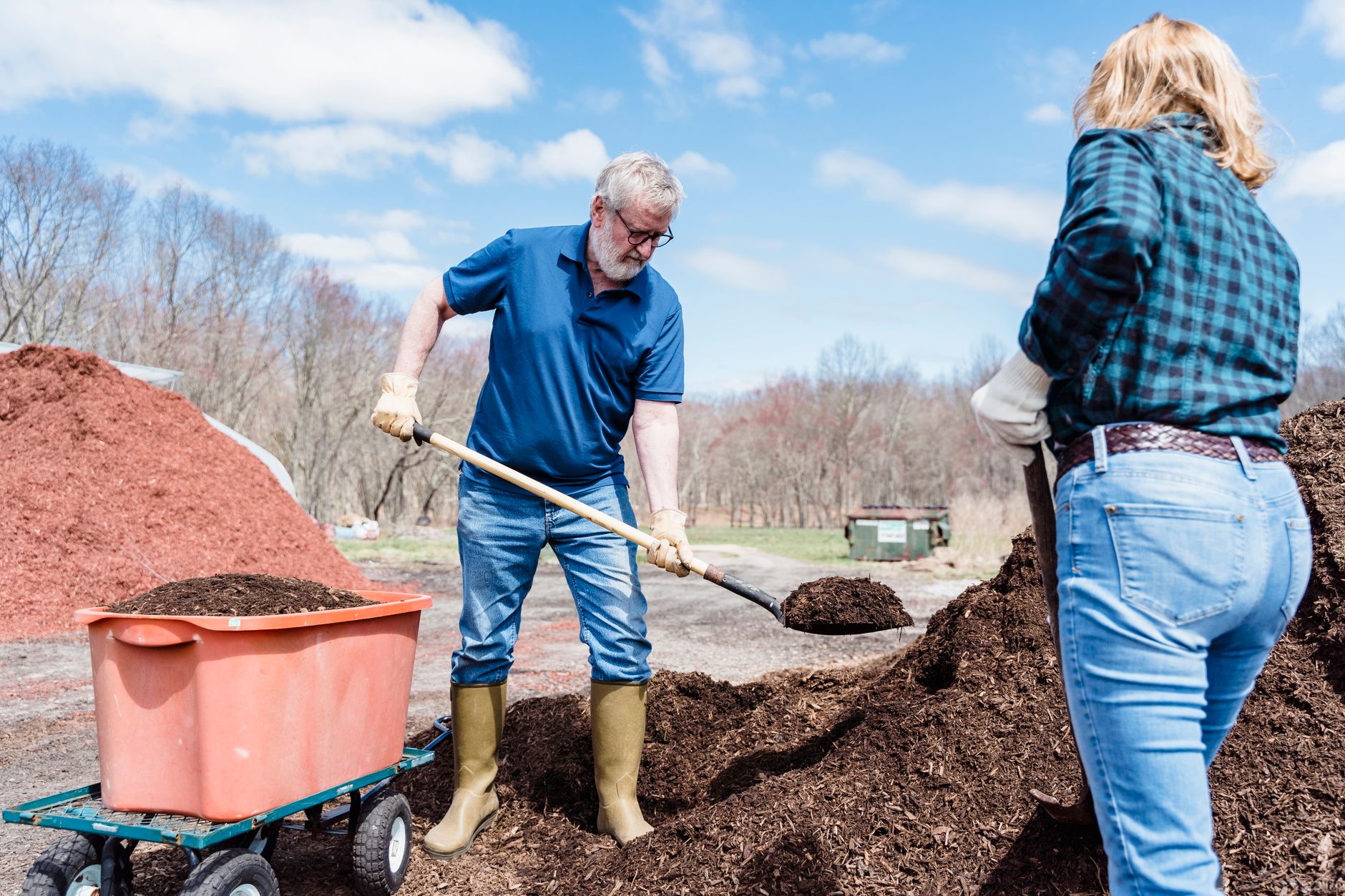
Add 1-2 inches of fresh compost to the bed surface each spring before planting, which replenishes nutrients drawn out by the previous season's crops and helps maintain the loose, aerated structure your original mix provided.
Practice crop rotation within the bed, since even excellent soil can develop imbalances or pest and disease issues if the same plant family is grown in the same spot repeatedly year after year.
Consider cover cropping a bed between major plantings, particularly with nitrogen-fixing options like clover, which naturally builds soil fertility during otherwise unused periods rather than leaving beds bare and exposed.
Over several years of consistent compost additions and good practices, raised bed soil typically becomes noticeably richer and more productive than its initial fill, representing genuine long-term investment value that compounds season after season.
Consider soil testing every 2-3 years even after your initial pH check, since ongoing amendments and crop production can shift both pH and nutrient levels in ways that a single initial test won't capture.
Common problems and fixes
| Problem | Likely cause | What to do |
|---|---|---|
| Soil compacts and drains poorly despite following a blend ratio | Insufficient aeration material, or topsoil that was already heavy clay before blending. | Work in additional perlite or coarse sand, and consider a topsoil source with a lighter, loamier starting texture. |
| Plants show nutrient deficiency symptoms despite a good initial mix | Nutrients depleted after a full growing season without replenishment. | Add fresh compost each spring and consider supplemental fertilizing during the growing season for heavy-feeding crops. |
| Certain crops perform poorly despite otherwise healthy-looking soil | Soil pH outside the ideal range for that specific crop. | Test pH specifically and adjust with lime or sulfur, checking whether the crop in question has unusual pH preferences compared to typical vegetables. |
Gardener's checklist
Test what you learned
What is the standard recommended soil ratio for raised beds?
Answer: 60% topsoil, 30% compost, 10% aeration material
What ideal soil pH range suits most vegetables?
Answer: 6.0-7.0
When is bulk soil typically more cost-effective than bagged soil?
Answer: For beds needing more than about 30 cubic feet
Common questions
Can I use regular garden soil in a raised bed?
Garden soil can be a component of a blended mix, but using it alone typically leads to compaction and poor drainage once confined in a raised bed. Blend it with compost and aeration material for better results.
How much does it cost to fill a raised bed with good soil?
Costs vary by region and sourcing method, but bulk delivery is typically significantly cheaper per cubic foot than bagged soil for beds needing more than about one cubic yard (27 cubic feet) of material.
Do I need to replace raised bed soil every year?
No, with annual compost top-ups and good practices like crop rotation, the same soil base can remain productive for many years, gradually becoming richer rather than needing full replacement.
What's the difference between topsoil and compost?
Topsoil is primarily mineral-based soil material providing structure and bulk, while compost is fully decomposed organic matter providing concentrated nutrients and biological activity. A good raised bed mix needs both, since neither alone provides everything plants need.
Should I adjust the soil ratio for different crops?
The standard 60-30-10 ratio works well for most vegetables, but heavy feeders like tomatoes and corn can benefit from slightly more compost (35-40%), while root vegetables often do better with additional aeration material to prevent forked or misshapen roots.
The best raised bed soil is always a thoughtful blend rather than a single material, and investing in the right ratio upfront, then maintaining it with annual compost additions and periodic pH checks, builds increasingly productive soil year after year.
Frequently asked questions
How often should a vegetable garden be watered?
Frequency depends on weather, soil and plant size. Check the soil rather than watering on a rigid schedule.
Is compost enough fertilizer?
Compost improves soil and provides nutrients slowly. Heavy-feeding crops may still need additional feeding.

The Sproutstead Editorial Team
We create clear, practical gardening and homesteading guides designed for real homes and beginner growers.
View author profile →

