
A productive balcony garden starts with assessing weight limits (typically 30-50 lbs per square foot for residential balconies), sunlight exposure (track hours across a full day), and wind exposure, which is often more intense at height than ground level. Use lightweight containers, prioritize vertical growing with trellises and hanging planters, and choose compact or dwarf vegetable varieties suited to container life. Herbs, salad greens, cherry tomatoes, and peppers are among the most reliably productive balcony crops.
What you will need
Assess Weight Limits Before You Start
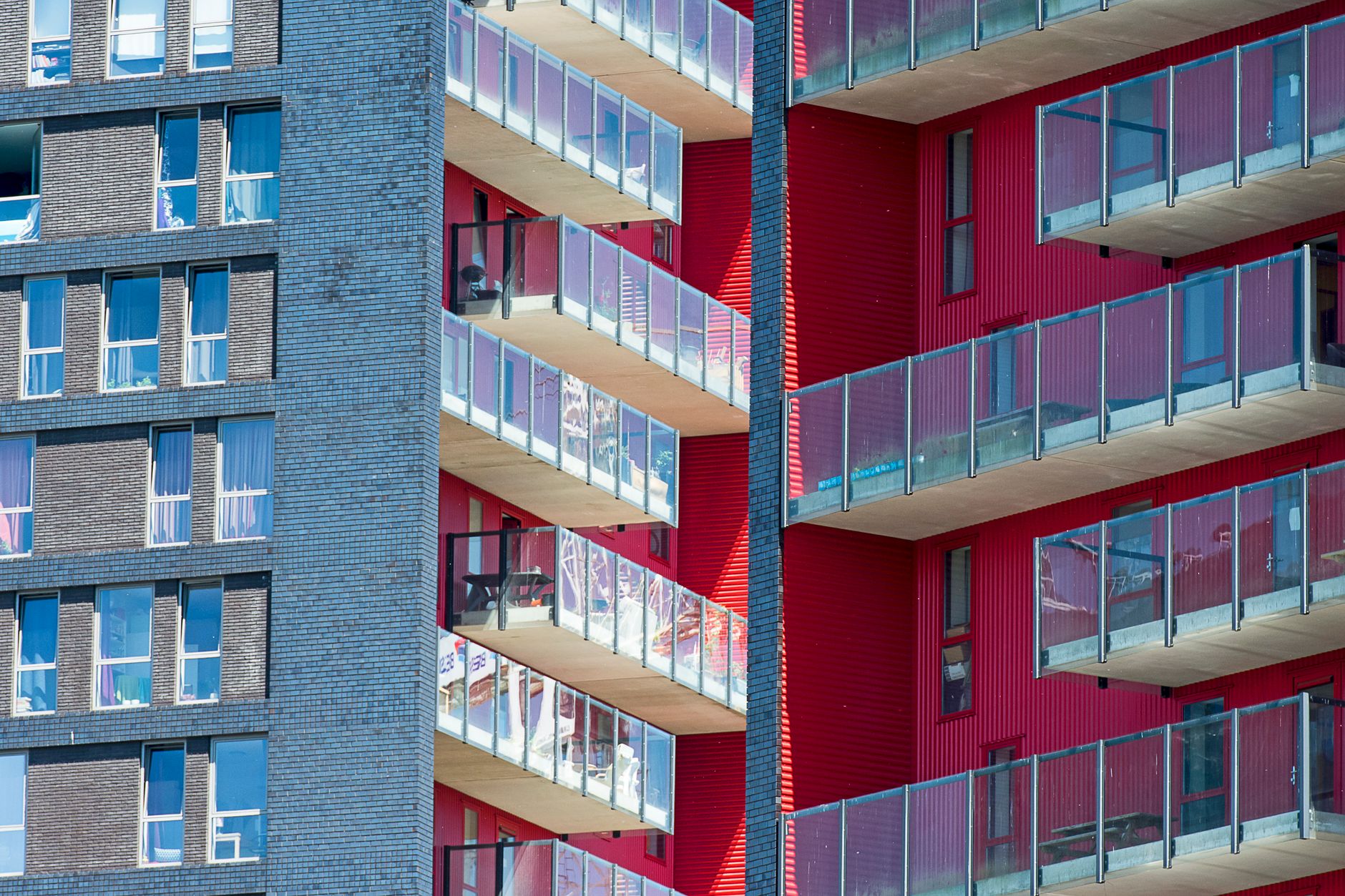
Most residential balconies are rated for roughly 30-50 pounds per square foot of live load, but this varies by building age, construction, and local building codes, so check with your building management or a structural professional if you're planning a substantial garden.
Remember that soil, especially when thoroughly watered, is considerably heavier than it appears; a filled 15-gallon container can weigh 80-100 pounds or more once soil is saturated with water.
Distribute container weight across the balcony's structural support points (typically along the perimeter near the building wall) rather than concentrating heavy containers in the center, where support is often weaker.
Choose lightweight materials like fabric grow bags or plastic containers over heavy ceramic or concrete pots, which can meaningfully reduce your garden's total weight without sacrificing growing capacity.
For renters or those in older buildings with uncertain weight ratings, err toward a more conservative garden size and lighter materials rather than assuming a large-scale garden is automatically safe.
Map Your Balcony's Sunlight
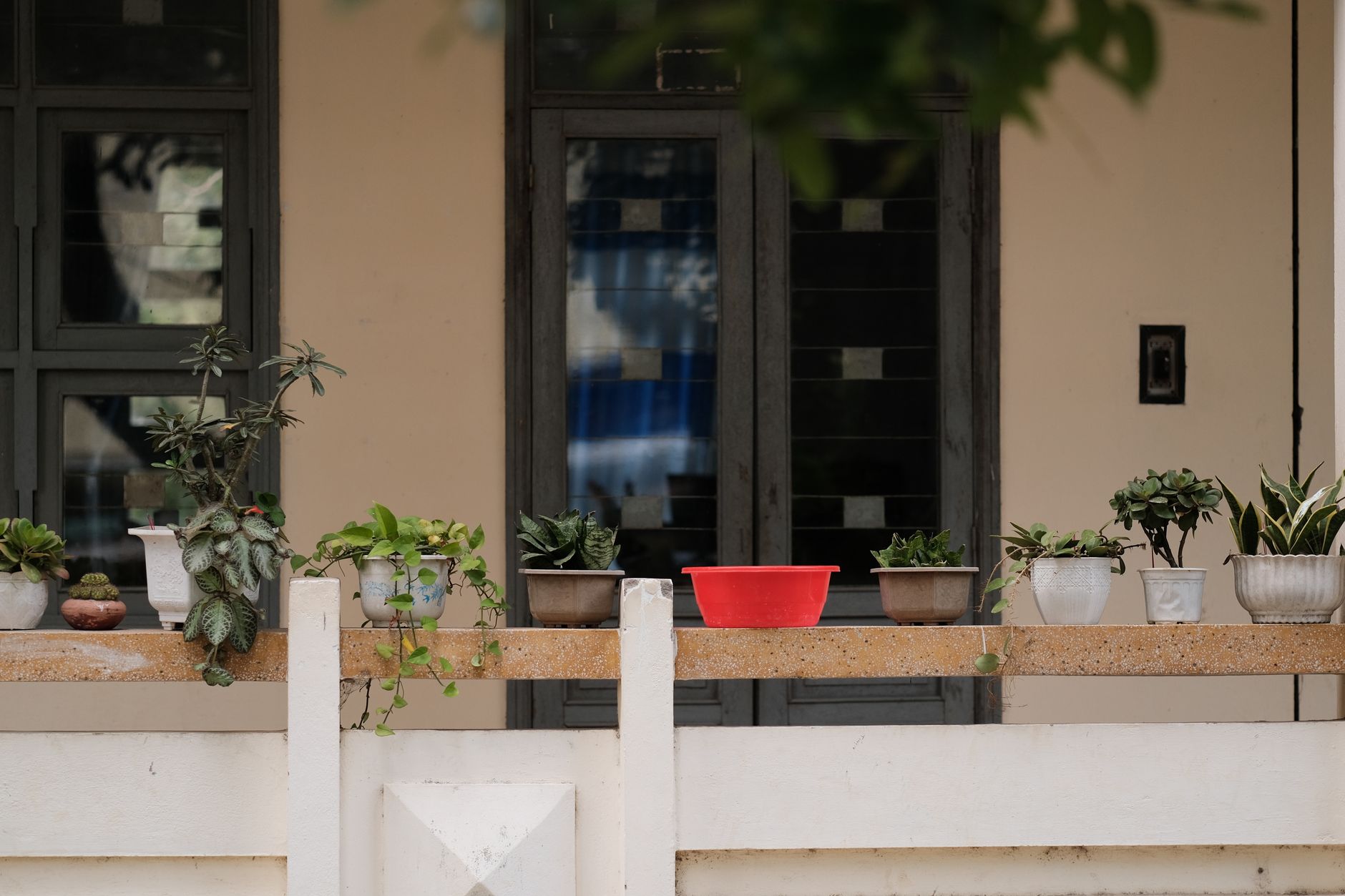
Track sunlight across your balcony over a full day, noting which areas receive direct sun and for how many hours, since balconies often have more complex shade patterns from adjacent buildings, overhangs, or railings than an open garden would.
Fruiting vegetables like tomatoes, peppers, and cucumbers need 6-8 hours of direct sun to produce well, which many balconies, particularly those facing north or heavily shaded by nearby structures, simply can't provide.
Leafy greens, herbs, and lettuce tolerate significantly less light, often thriving with just 3-4 hours of direct sun, making them a more realistic choice for partially shaded balconies.
South-facing balconies (in the northern hemisphere) typically receive the most consistent sun throughout the day, while north-facing balconies often support only shade-tolerant plants, so factor your balcony's orientation into crop selection from the start.
Reflected light and heat from light-colored building walls or nearby glass can sometimes provide bonus warmth and brightness beyond what direct measurement alone suggests, worth observing over a few different days before finalizing your plant choices.
Choose Lightweight, Appropriately Sized Containers
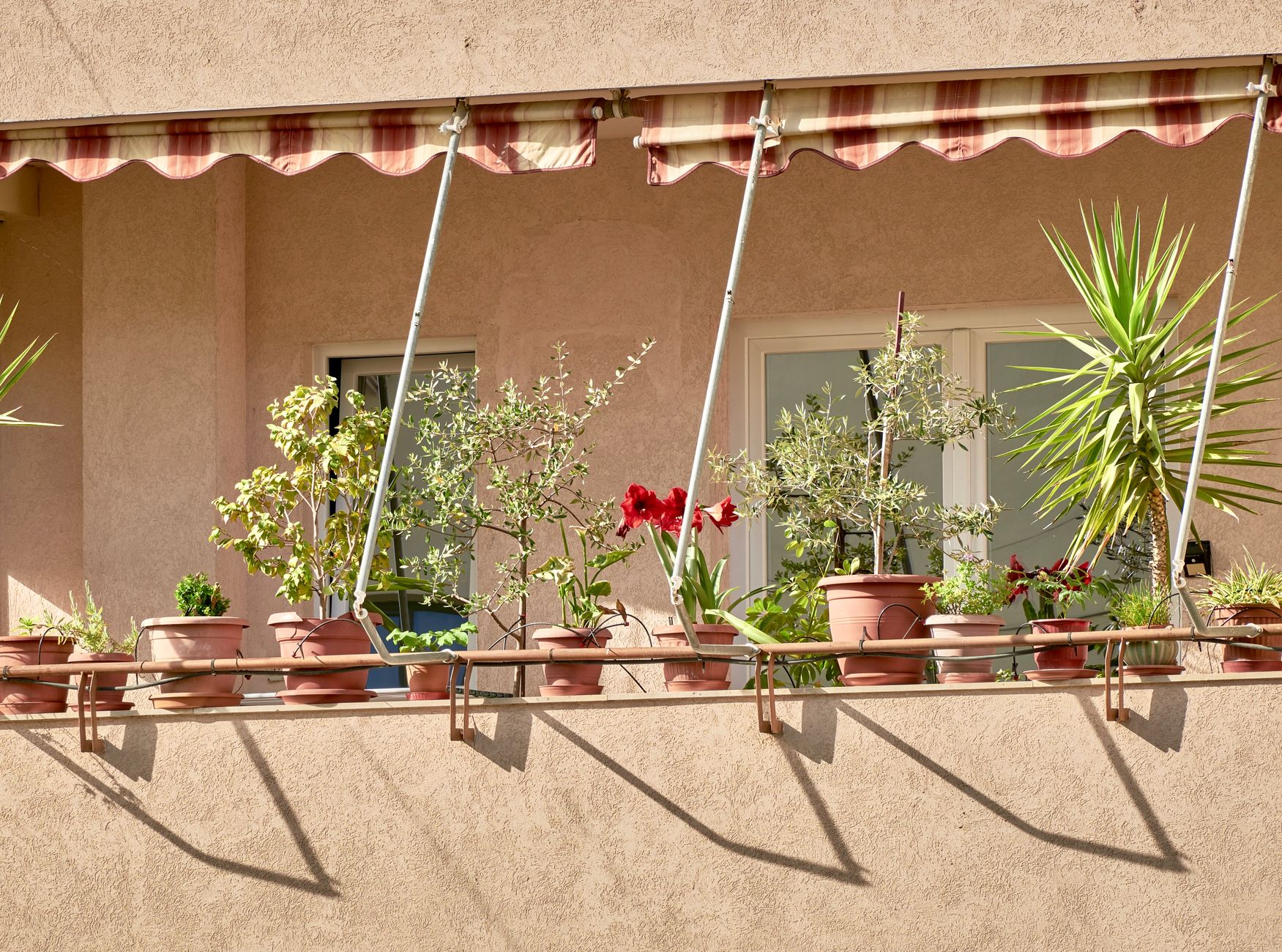
Fabric grow bags offer an excellent lightweight option for balconies, providing good root health benefits while weighing considerably less than ceramic or heavy plastic alternatives of equivalent size.
Standard plastic nursery containers, while less attractive than decorative options, are lightweight, affordable, and functional, making them a practical choice for a productive rather than purely ornamental balcony garden.
Self-watering containers can be particularly valuable on balconies, where wind and heat often dry soil faster than in a ground-level garden, reducing how often you need to manually water during busy weeks.
Match container size to your intended crop just as you would with any container gardening: 3-5 gallons for herbs and lettuce, 7-10 gallons for peppers and dwarf tomatoes, and 15+ gallons only if your weight budget genuinely allows for full-size tomato varieties.
Consider railing planters specifically designed to hang over or clamp onto a balcony railing, which add growing space without consuming floor area, though confirm your specific railing can support the additional weight and that building rules permit this installation.
Use Vertical Growing to Maximize Limited Space
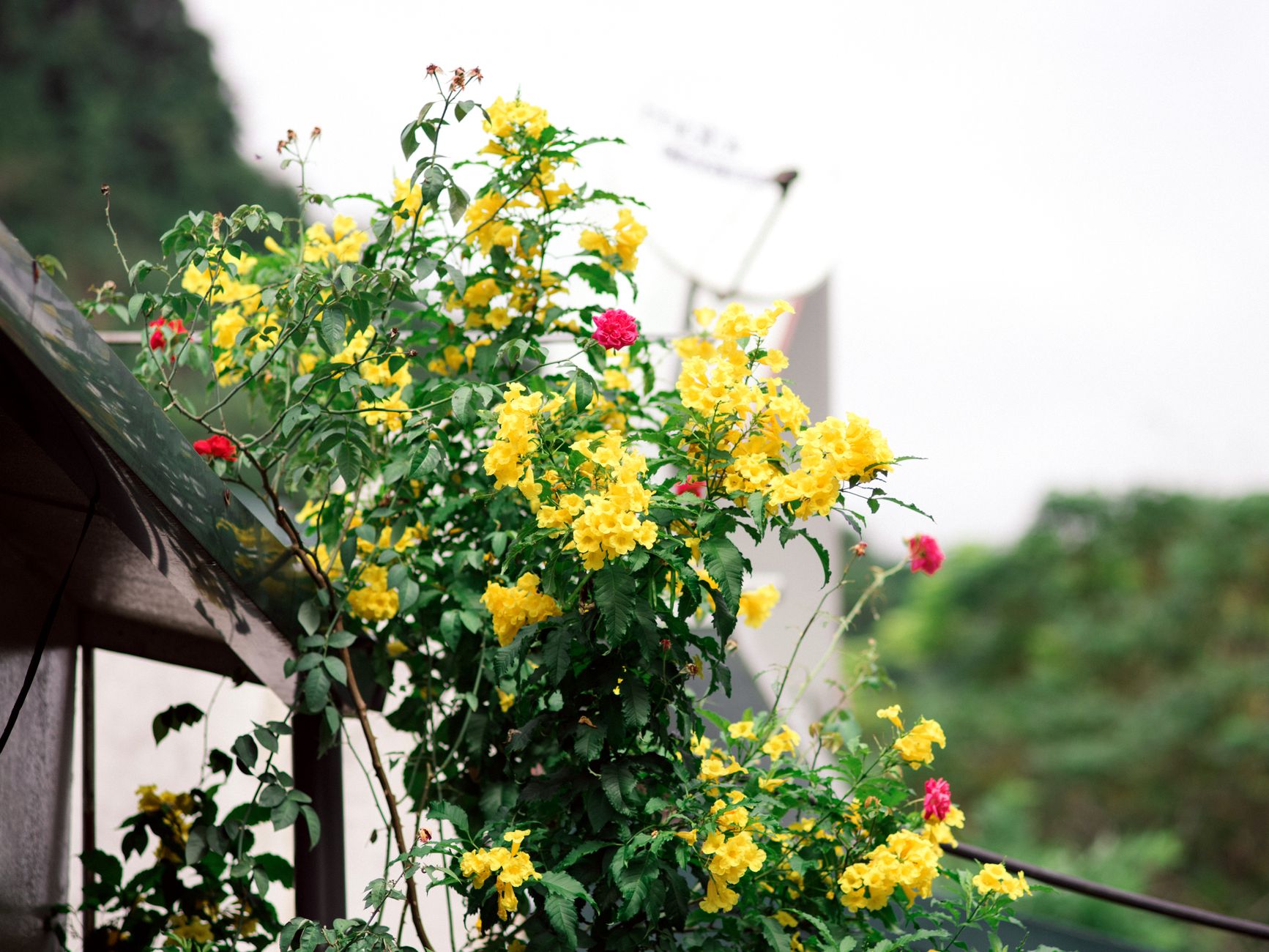
Install a trellis or vertical support structure for climbing crops like pole beans, cucumbers, or small squash varieties, which produce a substantial harvest from a relatively small footprint of floor space.
Wall-mounted planters, tiered plant stands, or hanging baskets add growing area above your existing containers without requiring additional floor space, effectively multiplying your balcony's usable growing area.
Position taller vertical elements carefully so they don't shade shorter, sun-loving containers behind them, applying the same sun-mapping principles used for a full in-ground garden layout.
Secure all vertical structures firmly against wind, which is often significantly stronger at balcony height than at ground level, particularly on upper floors where a loose trellis or hanging planter could become a genuine hazard if it fell.
Consider a simple ladder-style shelf unit specifically designed for small-space gardening, which provides multiple planting levels in a compact footprint ideal for a narrow balcony.
Protect Plants from Wind

Wind at balcony height, particularly on higher floors, is often noticeably stronger and more constant than ground-level exposure, which can dry soil faster, damage tender foliage, and topple lightweight containers.
Install a simple windbreak, such as a mesh screen, lattice panel, or dense planting of wind-tolerant plants along the most exposed edge, which can meaningfully reduce wind stress on more delicate crops behind it.
Choose sturdier, more wind-tolerant varieties for particularly exposed balconies, since some tall, top-heavy plants like full-size tomatoes struggle more with consistent wind than compact or dwarf alternatives.
Secure taller plants with stakes even earlier and more thoroughly than you might in a ground-level garden, anticipating that wind exposure will test support structures more rigorously.
Group containers together where practical, since plants clustered near each other provide some mutual wind protection compared to isolated containers spread individually across the balcony.
Choose the Best Crops for Balcony Success

Herbs like basil, chives, mint (contained separately to prevent spreading), and parsley are among the most reliable balcony crops, tolerating container life well and providing consistent, useful harvests from a small footprint.
Cherry and grape tomatoes, along with compact pepper varieties, perform notably better on balconies than full-size beefsteak tomatoes, which struggle more with both weight and wind constraints in this setting.
Lettuce, spinach, and other leafy greens grow quickly and tolerate the partial shade many balconies experience, making them a particularly forgiving choice for gardeners still learning their space's specific sun and wind patterns.
Strawberries adapt well to hanging baskets or railing planters, taking advantage of vertical space while producing a genuinely enjoyable, low-maintenance harvest throughout their season.
Avoid space-hungry, sprawling crops like winter squash, pumpkins, or full-size melons, which need considerably more room than most balconies can practically provide, regardless of weight limits.
Plan for Seasonal Changes and Weather Extremes
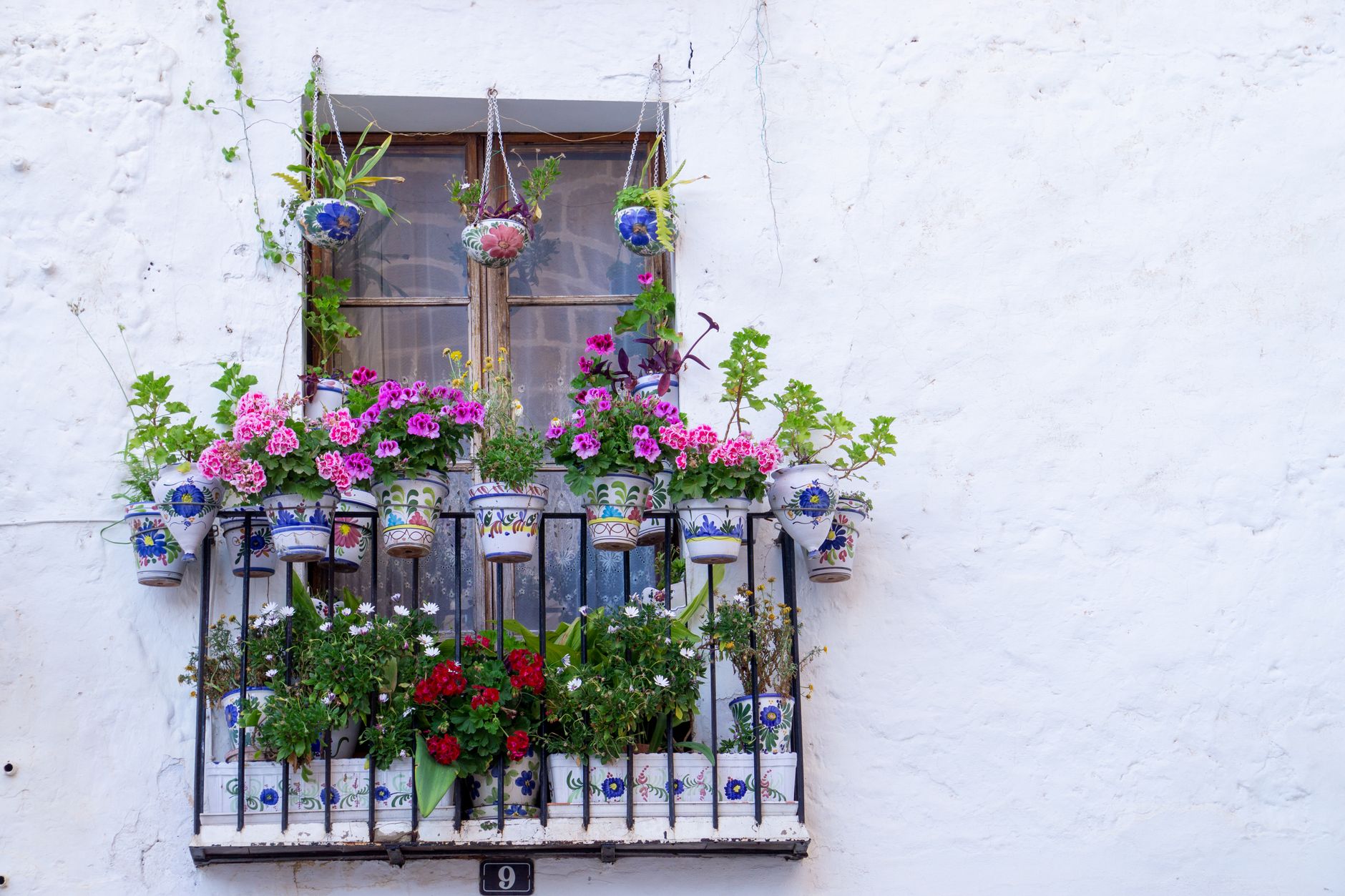
Balconies, particularly those with concrete or dark flooring, can experience more intense heat buildup during summer than an equivalent ground-level garden, since reflected and radiated heat from surrounding hard surfaces adds to direct sun exposure.
In hot climates, consider light-colored containers, which absorb less heat than dark ones, and position the most heat-sensitive plants where they get some relief from the most intense afternoon sun and reflected warmth.
For balconies in colder USDA zones, container plants are more vulnerable to freeze damage than in-ground plants, since their roots aren't insulated by the surrounding earth mass; move tender perennials indoors or to a sheltered spot before hard freezes.
Plan for seasonal container rotation, swapping in cool-season crops like lettuce and spinach for spring and fall, and heat-loving crops like tomatoes and peppers for the peak summer months, maximizing your balcony's productivity across the full growing season.
Common problems and fixes
| Problem | Likely cause | What to do |
|---|---|---|
| Containers tip over or plants suffer wind damage | Insufficient wind protection or unstable, top-heavy container placement. | Install a windbreak, group containers together, and choose sturdier, more compact plant varieties for exposed areas. |
| Plants seem to dry out unusually fast | Increased wind exposure at height accelerating soil moisture loss compared to ground-level conditions. | Water more frequently than you would in a ground-level garden, and consider self-watering containers or mulching container surfaces. |
Gardener's checklist
Test what you learned
What is a typical weight limit for residential balconies?
Answer: 30-50 lbs per square foot
Why is wind often a bigger challenge on balconies than ground-level gardens?
Answer: Wind is often stronger and more constant at height
Which crops generally perform better on balconies: full-size or compact varieties?
Answer: Compact or dwarf varieties
Common questions
Can I grow vegetables on a north-facing balcony?
Yes, though your options are more limited to shade-tolerant crops like lettuce, spinach, and many herbs, since north-facing balconies (in the northern hemisphere) typically don't receive the 6-8 hours of direct sun that fruiting vegetables like tomatoes need.
How much weight can a typical balcony support?
Most residential balconies are rated for roughly 30-50 pounds per square foot, though this varies by building, so checking with building management is worthwhile before committing to a large-scale garden, especially in older buildings.
What are the easiest crops to start with on a balcony?
Herbs like basil and chives, along with lettuce and cherry tomatoes, are among the most forgiving and reliably productive choices for beginning balcony gardeners, tolerating the space and light constraints better than many alternatives.
Do I need permission from my landlord or building to have a balcony garden?
This varies by building and lease terms, so it's worth checking your specific rental agreement or condo association rules, particularly regarding weight limits, railing attachments, and any restrictions on visible plantings.
How do I water a balcony garden efficiently without a hose?
A watering can works fine for a modest balcony garden, though for larger setups, consider a simple drip irrigation kit connected to an indoor faucet with a long hose, or self-watering containers that reduce how often you need to manually water each plant.
Can I compost on a balcony?
Yes, small-scale composting is possible using a compact worm bin (vermicomposting) or a sealed bokashi bin, both of which work in limited space without the odor or pest issues that might concern balcony gardeners about traditional outdoor compost piles.
A productive balcony garden comes down to respecting real constraints, weight, sunlight, and wind, while making the most of vertical space and choosing crop varieties genuinely suited to container life at height.
Frequently asked questions
How often should a vegetable garden be watered?
Frequency depends on weather, soil and plant size. Check the soil rather than watering on a rigid schedule.
Is compost enough fertilizer?
Compost improves soil and provides nutrients slowly. Heavy-feeding crops may still need additional feeding.

The Sproutstead Editorial Team
We create clear, practical gardening and homesteading guides designed for real homes and beginner growers.
View author profile →

