
Cedar and redwood are the best wood choices for raised garden beds due to their natural rot resistance, typically lasting 10-15 years untreated. Douglas fir and pine are more affordable but last only 3-6 years without treatment. Avoid older pressure-treated lumber containing arsenic compounds; modern pressure-treated wood (ACQ-treated) is generally considered safe for food gardening but cedar remains the preferred natural option for most home gardeners.
What you will need
Choose Cedar for the Best Balance of Durability and Cost
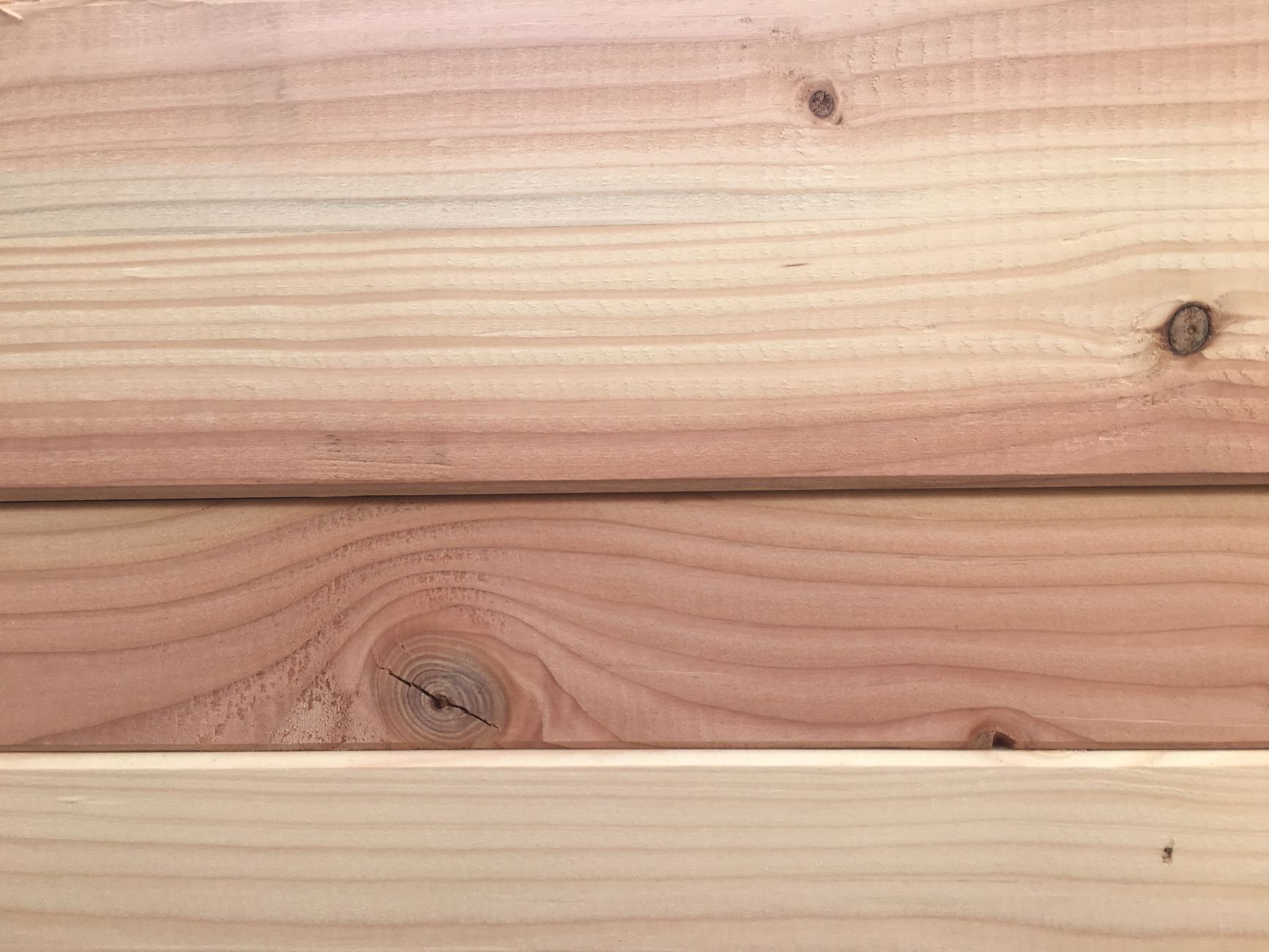
Cedar contains natural oils and tannins that resist rot, insects, and decay, allowing untreated cedar beds to last 10-15 years, sometimes longer with good drainage and minimal direct ground contact.
Western red cedar is the most commonly available and widely recommended type, offering a good balance of durability, workability, and cost compared to other naturally resistant woods available at most lumber yards and garden centers.
Cedar costs more upfront than basic pine or fir, but its extended lifespan often makes it more cost-effective over a decade of use, especially when factoring in the labor of rebuilding a shorter-lived bed multiple times over the same period.
No chemical treatment or sealant is strictly necessary with cedar, though some gardeners apply a food-safe linseed oil finish to further extend the wood's appearance and lifespan, particularly in regions with intense sun exposure that can gray untreated wood over time.
Cedar's aromatic oils, the same compounds providing rot resistance, also naturally deter some insects, adding a modest pest-resistance benefit beyond just decay prevention.
Consider Redwood as a Comparable Alternative
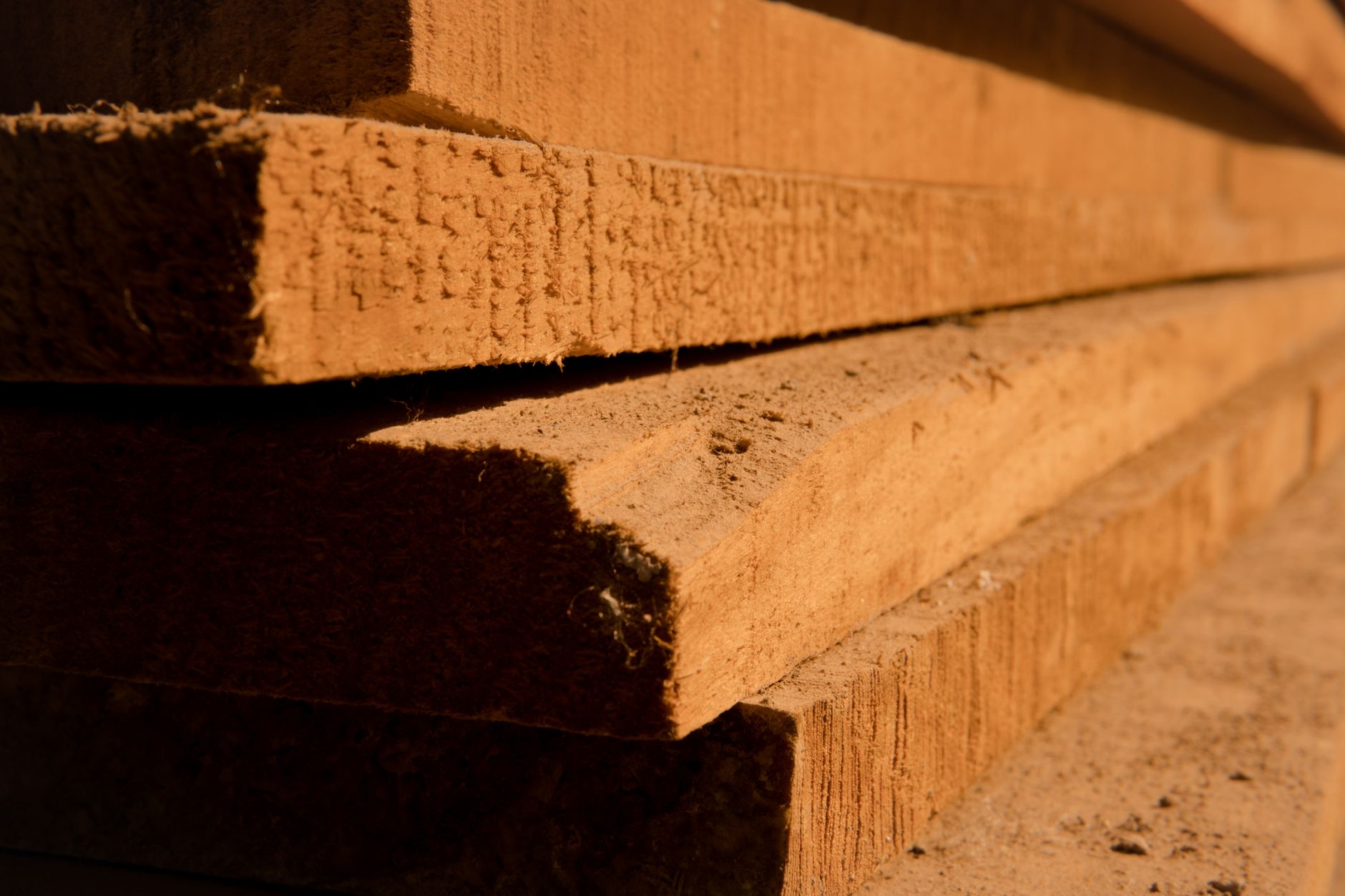
Redwood offers rot resistance comparable to cedar, also lasting 10-15 years untreated, and is a popular choice particularly in western regions where it's more locally available and often more affordable relative to shipping-inflated cedar prices.
Redwood tends to be somewhat more expensive than cedar in most markets outside its native growing regions, since transportation costs add up considerably for materials sourced from further away, particularly on the East Coast.
Both cedar and redwood share similar natural insect resistance, discouraging termites and carpenter ants that can more readily damage untreated pine or fir over time.
Choose whichever is more locally available and reasonably priced in your region, since the practical performance difference between the two is minimal, and both offer genuinely excellent durability for raised bed construction.
Old-growth redwood, increasingly rare and expensive due to conservation restrictions, offers even greater durability than commercially farmed second-growth redwood, though the price difference rarely justifies it for typical home garden applications.
Availability and pricing for cedar versus redwood shift considerably by region: Pacific Northwest and Northern California gardeners often find redwood more competitively priced given its local growing range, while cedar tends to be more economical across most of the rest of the country where it needs to travel a shorter distance to reach local suppliers.
Gardeners in the Southeast and Gulf Coast, where humidity accelerates wood decay regardless of species, sometimes find that even naturally resistant cedar and redwood don't quite reach their full typical lifespan, making the added durability of pressure-treated lumber especially worthwhile in these consistently damp climates.
Understand Pine and Fir as Budget Options

Standard pine and Douglas fir, common at most hardware stores, cost significantly less than cedar or redwood but lack the natural rot resistance, typically lasting only 3-6 years before boards begin deteriorating and structurally weakening.
These woods work well for gardeners on a tight budget or those testing out raised bed gardening before committing to a more expensive, longer-lasting material for their eventual permanent garden layout.
Applying a food-safe sealant can extend pine or fir's lifespan somewhat, though it won't match cedar or redwood's inherent durability, and the sealant itself typically needs reapplication every 1-2 years to remain effective.
Some gardeners intentionally choose pine specifically because they plan to rebuild or reconfigure their garden layout within a few years anyway, making the shorter lifespan less of a practical drawback than it might seem at first.
If choosing pine or fir, consider it a genuinely temporary solution rather than a long-term investment, and budget mentally for eventual replacement or upgrade to a more durable material once your garden layout is established.
Evaluate Pressure-Treated Lumber Safety

Older pressure-treated lumber, manufactured before residential CCA treatment was phased out in 2003, commonly used chromated copper arsenate, which contains arsenic and raised legitimate safety concerns for food garden use.
Modern pressure-treated lumber uses alkaline copper quaternary (ACQ) or copper azole instead, which the EPA and most horticultural extension offices consider safe for garden bed construction, since these compounds don't contain arsenic and pose minimal leaching risk.
If you're uncertain about lumber source or age, particularly with older beds or reclaimed material, lining the inside of a pressure-treated bed with heavy plastic sheeting or landscape fabric provides an additional precautionary barrier between the wood and soil.
Pressure-treated lumber offers durability comparable to or exceeding cedar, often lasting 15-20+ years, at a cost typically between basic pine and premium cedar, making it a reasonable middle-ground choice for cost-conscious gardeners still prioritizing longevity.
When purchasing new pressure-treated lumber specifically for a raised bed, ask your supplier to confirm it's rated for residential and ground-contact use with modern ACQ or copper azole treatment, which most current lumber yard stock will be by default.
Consider Board Thickness and Construction

Choose 2-inch thick boards over thinner 1-inch options where budget allows, since thicker lumber resists warping and structural failure considerably longer regardless of wood species used.
Use corner brackets or reinforced joinery rather than simple butt joints held only by a few screws, which improves the bed's ability to resist the outward pressure soil exerts against the walls, particularly once fully filled and watered.
Elevate the bed slightly or ensure good drainage beneath it, since constant ground contact accelerates rot in any wood type, even naturally resistant cedar and redwood, by keeping the lowest boards persistently damp.
Consider a simple cap board along the top edge, which both improves appearance and protects the end grain of vertical boards, often the first place rot begins since end grain absorbs moisture far more readily than the flat board face.
For taller beds (over 18 inches), add vertical support stakes at intervals along the walls, since the increased soil depth and weight put more outward pressure on the structure than a shorter bed of the same wood type would experience.
Maintain Wood Beds for Maximum Lifespan

Keep soil from piling directly against the outside of the bed walls where possible, since this traps moisture against the wood and accelerates rot compared to walls with some airflow around their exterior.
Reapply a food-safe sealant every 1-2 years on pine or fir beds if you're using one, since these treatments wear off considerably faster than cedar's natural oils last and need consistent reapplication to remain effective.
Replace individual failing boards as needed rather than waiting for the entire bed to fail, which extends the overall structure's functional life considerably and spreads replacement costs out over time rather than requiring a full rebuild at once.
Monitor corners and joints specifically, since these connection points typically show wear and structural weakness before the flat board surfaces do, making them a useful early-warning sign for overall bed condition.
Consider the bed's specific microclimate when assessing wear; beds in consistently shaded, damp locations will show rot signs faster than identical beds in sunnier, better-ventilated spots, regardless of wood species chosen.
Common problems and fixes
| Problem | Likely cause | What to do |
|---|---|---|
| Boards are warping or bowing outward | Insufficient board thickness or inadequate corner reinforcement to resist soil pressure. | Add corner brackets or additional support stakes, and consider upgrading to thicker boards for future rebuilds. |
| Wood is rotting faster than expected | Constant ground contact, poor drainage, or a non-rot-resistant wood species used without treatment. | Improve drainage beneath the bed, keep exterior soil clear of the walls, and consider a food-safe sealant if using pine or fir. |
| Corner joints are loosening or separating | Simple screw or nail joints without bracket reinforcement, stressed by soil weight and pressure over time. | Add metal corner brackets to reinforce existing joints, or plan for bracket reinforcement in future bed construction. |
Gardener's checklist
Test what you learned
Which two wood types offer the best natural rot resistance for raised beds?
Answer: Cedar and redwood
What chemical in older pressure-treated lumber raised food-safety concerns?
Answer: Arsenic (from CCA treatment)
How long does untreated pine typically last in a raised bed?
Answer: 3-6 years
Common questions
Is pressure-treated wood safe for vegetable gardens?
Modern pressure-treated lumber, manufactured after 2003 using ACQ or copper azole treatments, is generally considered safe for food gardens by the EPA and most horticultural experts. Older CCA-treated lumber containing arsenic should be avoided or lined if already in use.
Is cedar worth the extra cost compared to pine?
For most gardeners, yes; cedar's 10-15 year lifespan compared to pine's 3-6 years often makes it more cost-effective over time, in addition to saving the labor of rebuilding a bed multiple times.
Do I need to line a wood raised bed?
Lining isn't necessary for cedar or redwood beds, though some gardeners with older pressure-treated lumber choose to line the interior with landscape fabric or plastic sheeting as an extra precaution.
Can I use reclaimed or recycled wood for a raised bed?
This depends heavily on the wood's source and history; avoid any reclaimed lumber that may have been treated with older chemical preservatives or exposed to industrial contaminants, and when in doubt, choose new material specifically rated for garden use.
How thick should raised bed boards be?
Two-inch thick boards are recommended for durability and resistance to warping, though 1-inch boards can work for shorter, smaller beds on a tighter budget, provided the corners are well reinforced.
Cedar and redwood offer the best combination of natural durability and food-safety peace of mind for raised garden beds, though modern pressure-treated lumber and budget-friendly pine both remain reasonable choices depending on your priorities, budget, and how long you expect the bed to remain in its current location.
Frequently asked questions
How often should a vegetable garden be watered?
Frequency depends on weather, soil and plant size. Check the soil rather than watering on a rigid schedule.
Is compost enough fertilizer?
Compost improves soil and provides nutrients slowly. Heavy-feeding crops may still need additional feeding.

The Sproutstead Editorial Team
We create clear, practical gardening and homesteading guides designed for real homes and beginner growers.
View author profile →

