Crop rotation is important because it prevents pests and diseases specific to one plant family from building up in the same soil year after year, while also balancing soil nutrients, since different plant families use and contribute different nutrients. Rotating on a 3-4 year cycle, moving plant families to different garden sections each year, is the standard, effective approach for most home gardens.
What you will need
Understand How Soil-Borne Pests and Diseases Build Up

Many common garden pests and diseases are specific to particular plant families; the fungus causing early blight, for example, primarily affects nightshades like tomatoes and potatoes, while clubroot specifically targets brassicas like cabbage and broccoli.
When the same plant family is grown in the same soil year after year, these specific pests and pathogens have a reliable, uninterrupted host present every single season, allowing their populations to build up progressively larger and more difficult to manage over time.
Many soil-borne pests, including certain nematodes, and pathogens, including several fungal diseases, can persist in soil for multiple years even without a host plant present, which is precisely why a single year without the susceptible crop often isn't enough; a genuine multi-year gap is needed to meaningfully reduce their populations.
By moving susceptible plant families to different garden sections each year, rotation interrupts this cycle, denying pests and pathogens the consistent host they need to maintain and grow their populations in one location.
Understand How Rotation Balances Soil Nutrients

Different plant families draw different nutrients from the soil in different amounts; leafy greens and brassicas are notably heavy nitrogen feeders, root vegetables draw more heavily on potassium and phosphorus, and fruiting crops like tomatoes have their own distinct nutrient demands that shift through their growing cycle.
Growing the same heavy-feeding family in the same spot repeatedly depletes those specific nutrients progressively over time, even with regular fertilizing, since fertilizer additions don't always keep pace with what a demanding crop draws out season after season.
Legumes, including beans and peas, uniquely add nitrogen back to the soil through a symbiotic relationship with nitrogen-fixing bacteria in their roots, which is why rotating a heavy-feeding crop like corn or tomatoes with a following season of legumes is a classic, effective soil-building sequence.
This natural nutrient cycling through rotation reduces the garden's overall dependence on purchased fertilizer, since the rotation itself does some of the work of maintaining balanced soil fertility across different plant families' needs.
Group Vegetables by Plant Family
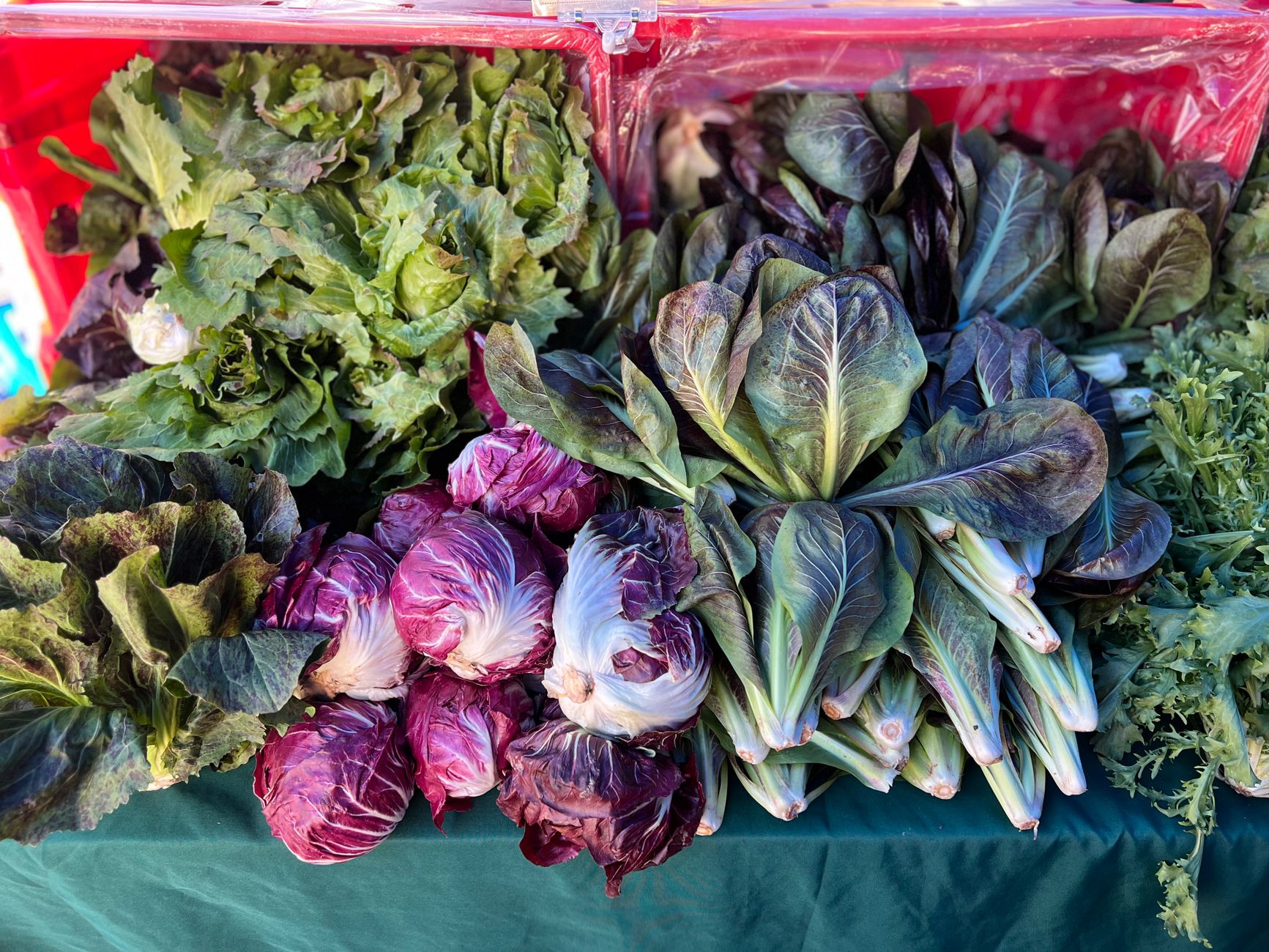
Nightshades include tomatoes, peppers, eggplant, and potatoes, all sharing similar nutrient needs and susceptibility to diseases like early and late blight, making this one of the most important families to track carefully in a rotation plan.
Brassicas include broccoli, cabbage, cauliflower, kale, Brussels sprouts, turnips, radishes, and kohlrabi, all vulnerable to similar pests like cabbage worms and diseases like clubroot, and all benefiting from similar soil preparation.
Legumes include beans and peas, valuable specifically for their nitrogen-fixing ability, making them an excellent crop to follow heavy feeders in a rotation sequence rather than needing to be rotated away from something themselves.
Alliums include onions, garlic, leeks, and shallots, sharing vulnerability to certain soil-borne rots and pests, while cucurbits include squash, cucumbers, melons, and pumpkins, all susceptible to similar pests like squash bugs and diseases like powdery mildew.
Root vegetables like carrots and beets, along with less commonly grouped crops, round out the major categories; keeping a simple reference list of which common vegetables belong to which family makes planning a rotation considerably more manageable.
Build a Simple 3-4 Year Rotation Plan
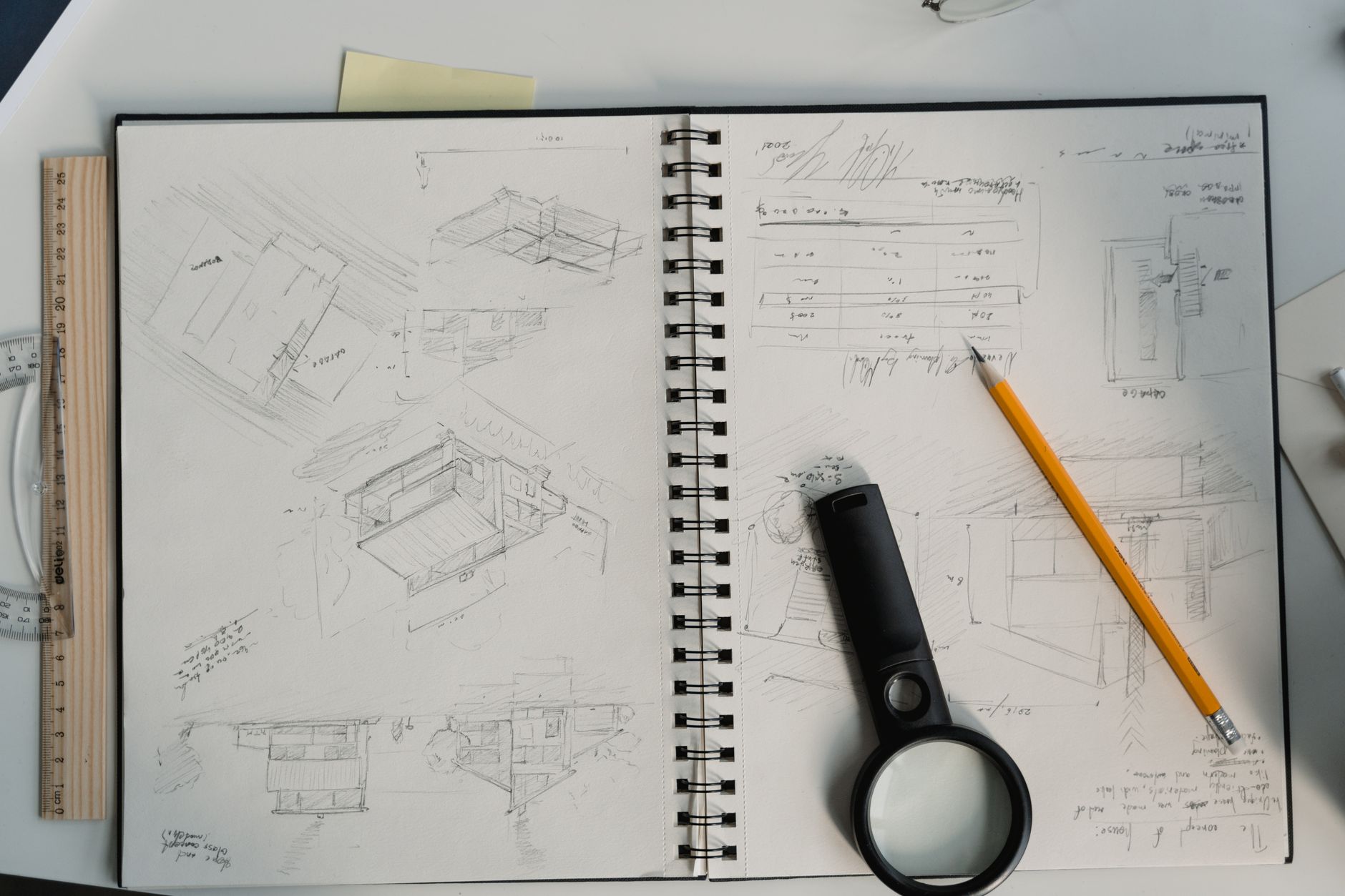
Divide your garden into distinct sections, which can be separate beds or simply divided portions of a larger continuous garden, and assign one major plant family to each section for the coming season.
Plan a sequence for each section over 3-4 years, ideally following heavy feeders like nightshades or brassicas with a season of nitrogen-fixing legumes, then perhaps root vegetables or alliums, before eventually cycling back to the original heavy-feeding family.
Keep a simple garden journal or sketch noting exactly what was planted in each section every year, since it's remarkably easy to forget the specific details by the time next spring arrives, especially once managing more than a couple of distinct garden sections.
A rotation doesn't need to be complicated to be effective; even a basic plan that simply avoids repeating the same family in the same spot for at least 2-3 years provides meaningful benefit over no rotation at all.
Adapt Rotation for Small Gardens
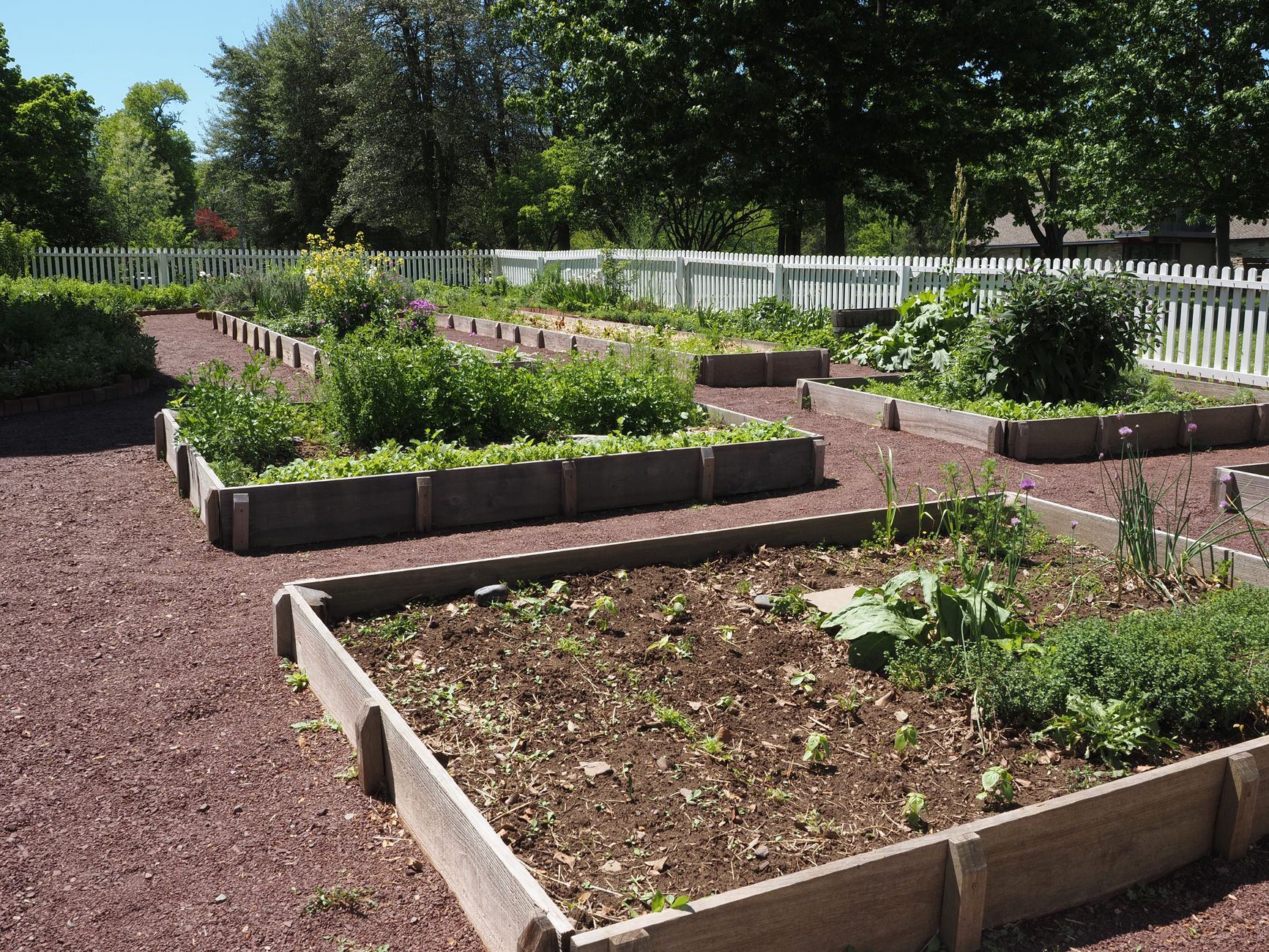
Gardeners with only one or two beds can still practice meaningful rotation by dividing a single bed into sections and rotating plant families within those smaller divisions, rather than assuming rotation requires a large, multi-bed garden.
Container gardening offers a particularly flexible approach to rotation, since containers can simply be filled with fresh potting mix each season, though rotating which containers hold which plant families still offers some benefit if using the same containers repeatedly with garden soil.
For very small spaces, prioritizing rotation for the plant families most prone to serious soil-borne problems, particularly nightshades and brassicas, while being somewhat more flexible with lower-risk families, is a reasonable compromise.
Even imperfect rotation, simply avoiding the exact same spot for the exact same family two years running, provides real benefit over no rotation planning at all, so don't let an inability to achieve a perfect 4-year cycle discourage the practice entirely.
Combine Rotation with Other Soil Health Practices

Combine rotation with regular compost additions, which continue building overall soil fertility and structure regardless of which plant family is currently occupying a given section, complementing rather than replacing what rotation accomplishes on its own.
Consider cover crops, like clover or winter rye, planted in a bed between vegetable seasons rather than left bare, which can further improve soil structure and, in the case of legume cover crops, add additional nitrogen beyond what a food-crop legume rotation alone provides.
Remove and destroy, rather than compost, any severely diseased plant material at the end of a season, since home compost piles don't always reach temperatures high enough to reliably kill plant pathogens, which could otherwise be reintroduced to the garden later.
View rotation as one part of an integrated approach to garden health, working alongside good watering practices, appropriate spacing, and companion planting, rather than a single solution expected to solve every possible pest or soil fertility issue on its own.
Common problems and fixes
| Problem | Likely cause | What to do |
|---|---|---|
| Recurring pest or disease problems in the same garden area year after year | Lack of crop rotation, allowing pests and pathogens specific to one plant family to build up in the soil over successive seasons. | Implement a documented 3-4 year rotation plan, tracking plantings so the sequence is followed consistently rather than relying on memory. |
| Soil seems progressively less fertile in one section despite regular fertilizing | The same heavy-feeding plant family has likely been grown there repeatedly, depleting specific nutrients faster than fertilizer alone replaces them. | Rotate that section to a different plant family, ideally following with nitrogen-fixing legumes to help rebuild soil fertility naturally. |
Gardener's checklist
Test what you learned
Why can't a single year without a susceptible crop always eliminate a soil-borne pest problem?
Answer: Many pests and pathogens can persist in soil for multiple years without a host
Which plant family is known for naturally adding nitrogen back to the soil?
Answer: Legumes
What is a reasonable rotation cycle length for most home gardens?
Answer: 3-4 years
Common questions
Can I still practice crop rotation with only a small garden?
Yes, even a single bed divided into sections can support meaningful rotation. The key principle, avoiding the same plant family in the same spot repeatedly, applies at any garden scale, even if a perfect large-scale 4-year cycle isn't practical.
How long do soil-borne diseases actually persist without a host plant?
This varies significantly by specific pathogen, but many common ones can survive in soil for 2-7 years or longer, which is why a genuine multi-year rotation cycle, rather than just a single off-year, is generally recommended for meaningful protection.
Does crop rotation eliminate the need for fertilizer?
No, rotation helps balance and naturally replenish some soil nutrients, particularly nitrogen through legume rotations, but it works best alongside regular compost and appropriate fertilizing rather than replacing those practices entirely.
What vegetables should never follow each other in the same spot?
Avoid planting the same plant family consecutively; for example, don't follow tomatoes with peppers or potatoes (all nightshades), and don't follow broccoli with cabbage or kale (all brassicas), since these share the same pest and disease vulnerabilities.
Crop rotation is one of the simplest, lowest-cost practices available to a home gardener, and its dual benefit, preventing pest and disease buildup while naturally balancing soil nutrients, makes it worth implementing at any garden size, even if the plan starts out imperfect.
Frequently asked questions
How often should a vegetable garden be watered?
Frequency depends on weather, soil and plant size. Check the soil rather than watering on a rigid schedule.
Is compost enough fertilizer?
Compost improves soil and provides nutrients slowly. Heavy-feeding crops may still need additional feeding.

The Sproutstead Editorial Team
We create clear, practical gardening and homesteading guides designed for real homes and beginner growers.
View author profile →