
Yellow leaves are a common sign that your plant is stressed. The most common causes are overwatering, underwatering, insufficient light, nutrient deficiencies, temperature stress, pests, or natural aging. To diagnose, look at the pattern: are all leaves yellowing or just a few? Is the yellowing on old or new leaves? Are the leaves also drooping or curling? Adjust watering, move to a brighter location, fertilize if needed, and check for pests. Some yellowing is normal as old leaves die off. With proper diagnosis, most yellow leaf problems are fixable.
What you will need
Check Your Watering Habits
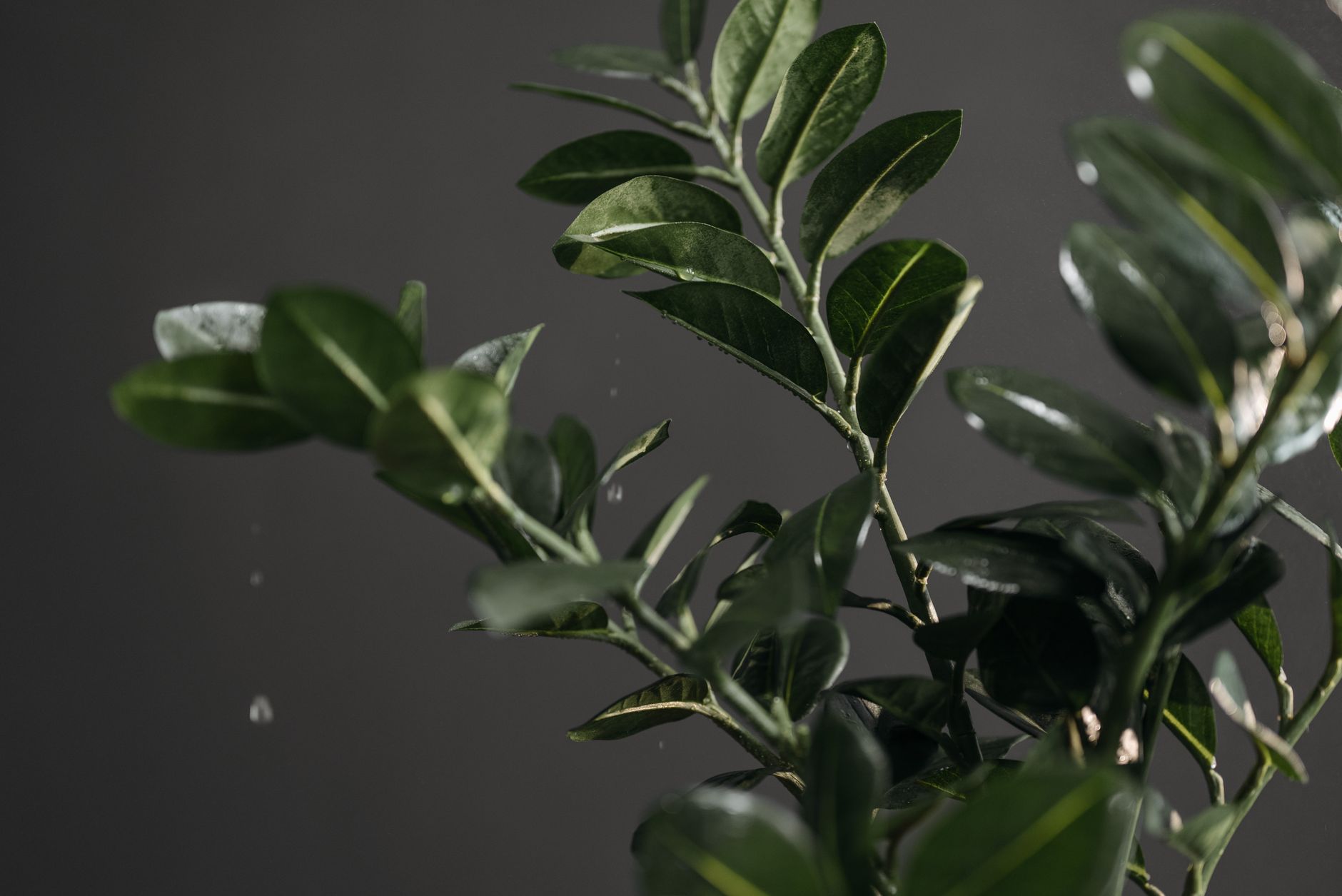
Overwatering is the number one cause of yellow leaves. When roots are constantly wet, they suffocate and rot. The plant cannot take up nutrients, and leaves turn yellow. Symptoms include yellow, drooping leaves, soft and mushy leaves, and wet soil. If the soil is soggy, stop watering immediately. Let the soil dry out. In severe cases, repot in fresh, dry soil.
Underwatering also causes yellow leaves. When a plant is too dry, it cannot transport nutrients to the leaves. Leaves turn yellow and brittle, starting at the edges. Symptoms include dry, crispy leaves, yellow leaves starting from the edges, and dry soil. Water thoroughly and consistently. Increase watering frequency.
To check soil moisture, insert your finger 1-2 inches into the soil. If it feels wet, hold off watering. If it feels dry, it is time to water. A moisture meter can also help.
Different plants have different water needs. Succulents need less water. Tropical plants need more. Know your plant's specific needs.
Evaluate Light Conditions

Insufficient light is a common cause of yellow leaves. When a plant does not get enough light, it cannot photosynthesize properly. Leaves turn pale yellow and the plant becomes leggy. If yellowing is accompanied by stretched stems and small new leaves, your plant needs more light. Move it to a brighter location or use grow lights.
Too much light can also cause yellowing. Direct sunlight can scorch leaves, causing them to turn yellow or brown. Symptoms include yellow leaves with brown spots or edges, leaves that look bleached or faded, and yellowing on the side facing the window. Move your plant to a location with bright, indirect light.
Rotate your plants regularly so all sides receive even light exposure. This prevents one-sided yellowing.
Different plants have different light needs. Know your plant's specific requirements.
Check for Nutrient Deficiencies

Nitrogen deficiency is common. Older, lower leaves turn yellow first while the veins remain green. The yellowing then spreads to the rest of the leaf. This happens because nitrogen is mobile and moves from older leaves to newer growth. Solution: fertilize with a balanced fertilizer high in nitrogen.
Iron deficiency causes young leaves to turn yellow while the veins stay green. This is called chlorosis and is often caused by alkaline soil pH that locks up iron. Solution: apply chelated iron or lower soil pH.
Magnesium deficiency causes yellowing between the veins on older leaves. The veins stay green while the tissue between them turns yellow. Solution: apply Epsom salts (magnesium sulfate) diluted in water.
Potassium deficiency causes yellowing at the edges of leaves, starting with older leaves. The edges turn yellow and brown, and leaves may curl. Solution: use a fertilizer with higher potassium.
If you are not sure which nutrient is deficient, use a balanced fertilizer. This provides all essential nutrients and is the safest option.
Inspect for Pests
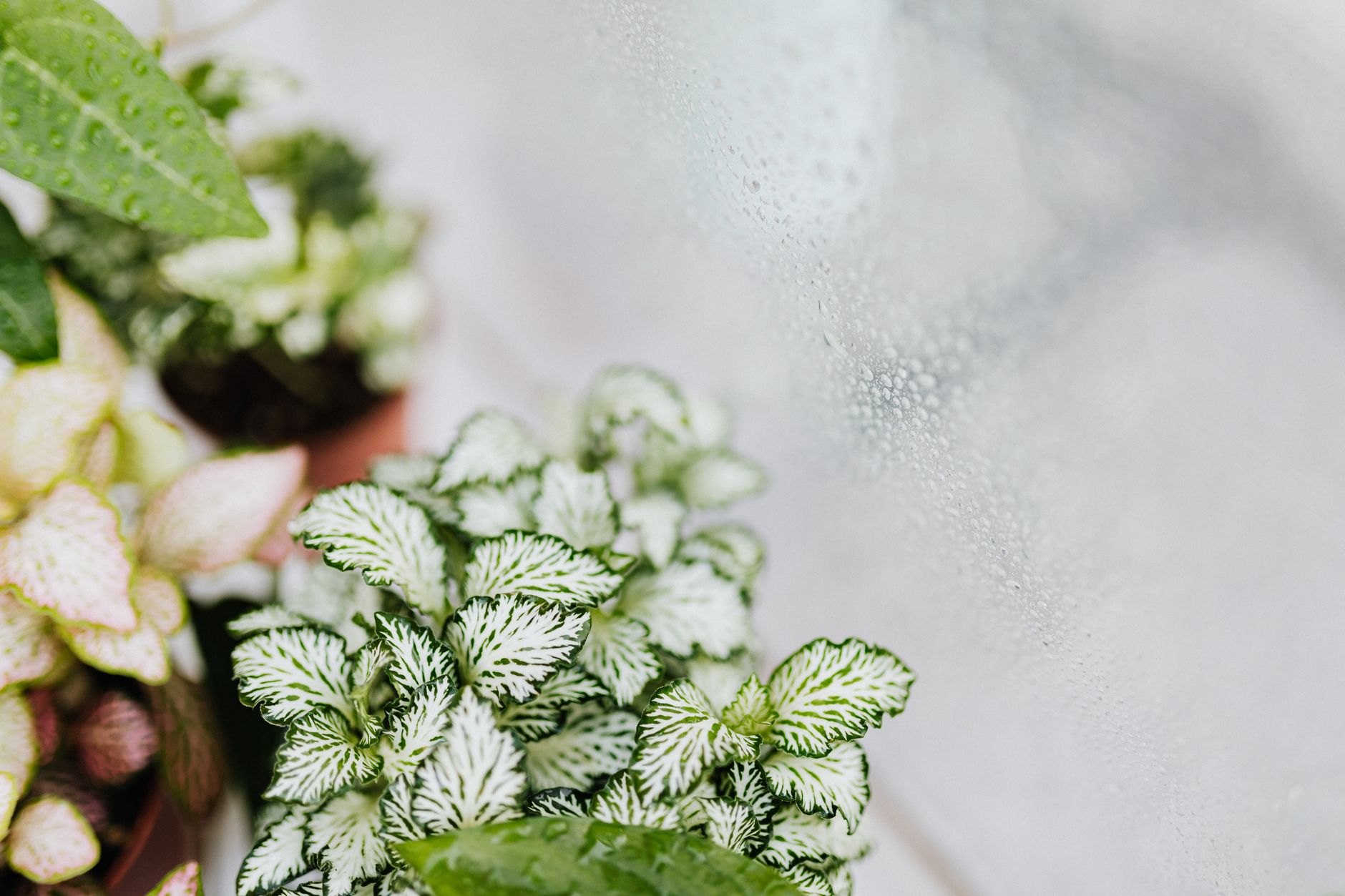
Spider mites are tiny pests that suck sap from leaves. They cause yellow speckling and fine webbing on the undersides of leaves. They are hard to see but leave telltale webbing. Wipe leaves with a damp cloth. Use insecticidal soap or neem oil for severe infestations.
Aphids are small soft-bodied insects that cluster on new growth. They suck sap and cause yellowing and curling leaves. They can be green, black, or brown. Spray with water or use insecticidal soap. Encourage natural predators like ladybugs.
Mealybugs look like white cottony masses on stems and leaf axils. They suck sap and cause yellowing. Wipe with a cotton swab dipped in rubbing alcohol. Use insecticidal soap for severe infestations.
Scale insects appear as small brown or black bumps on stems and leaves. They suck sap and cause yellowing and leaf drop. Remove them by hand or use insecticidal soap.
Regularly check the undersides of leaves and stem joints for pests. Early detection makes treatment easier.
Assess Temperature and Humidity

Temperature stress causes yellow leaves. Most houseplants prefer 60-75°F. Cold drafts, air conditioning vents, and heaters can cause temperature fluctuations that stress the plant.
Cold damage causes yellowing leaves, leaf drop, and dark mushy spots. If your plant is near a drafty window or door, move it to a warmer location.
Heat stress causes yellowing, wilting, and leaf scorch. If your plant is near a heat vent or in direct sun, move it to a cooler location.
Low humidity causes yellow and brown leaf tips. Most houseplants prefer 40-60% humidity. Increase humidity by misting, using a pebble tray, or running a humidifier.
Sudden temperature changes shock the plant. Avoid moving plants from hot to cold areas quickly. Acclimate plants gradually to new conditions.
Check Soil pH
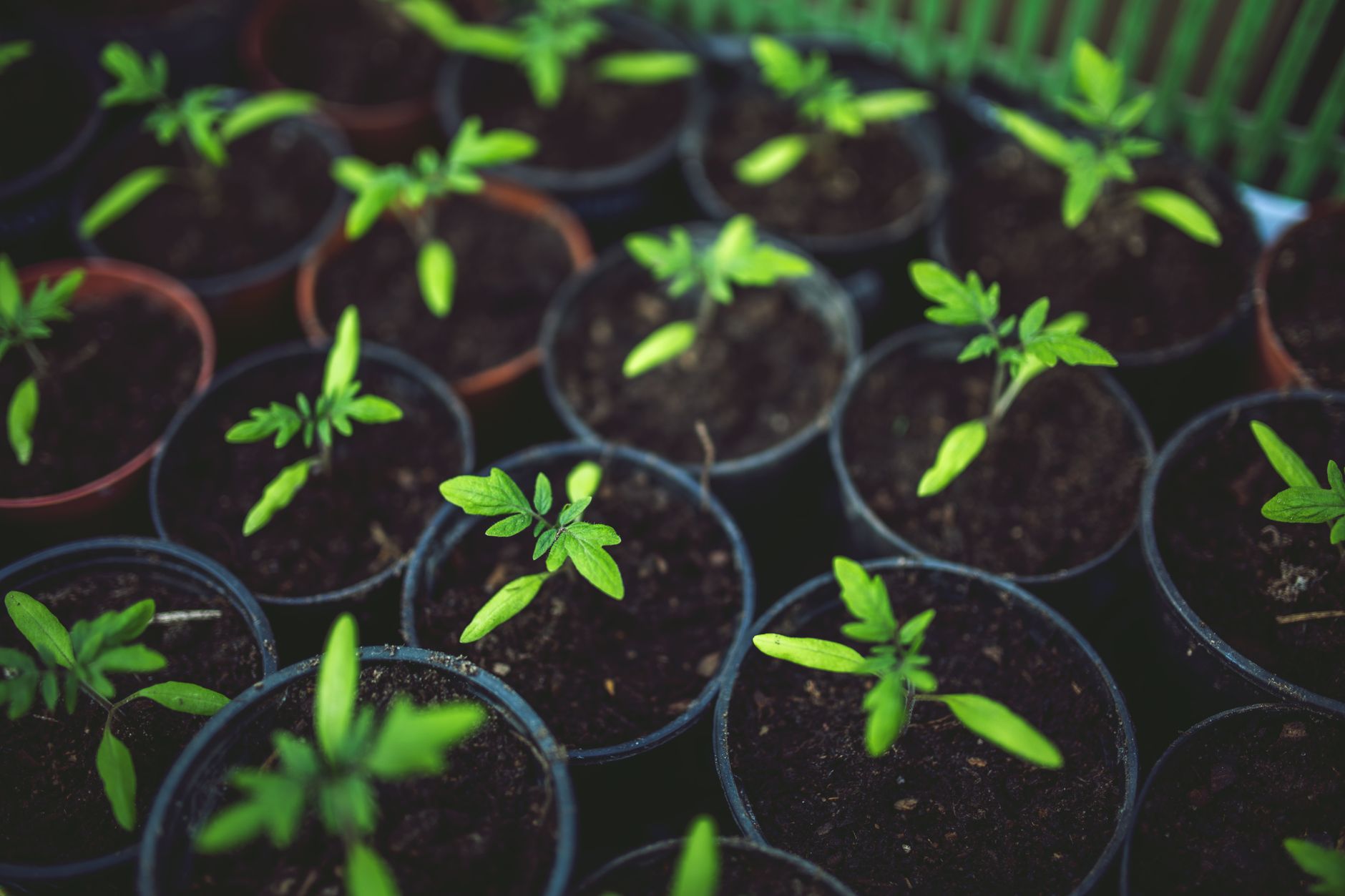
Incorrect soil pH locks out nutrients. Most houseplants prefer slightly acidic soil (pH 6.0-6.5). If the pH is too high or too low, the plant cannot absorb nutrients even if they are present in the soil.
Alkaline soil (pH above 7.0) causes iron deficiency. New leaves turn yellow while veins stay green. Add sulfur or peat moss to lower pH.
Acidic soil (pH below 5.5) causes calcium and magnesium deficiency. Add lime to raise pH.
Test your soil pH with a simple test kit or meter. Adjust as needed.
If you are unsure, repot with fresh potting mix. Fresh mix usually has the correct pH for houseplants.
Recognize Natural Aging

Natural aging is a normal process. Lower, older leaves turn yellow and die off as the plant puts energy into new growth. This is especially common in fast-growing plants.
If only the oldest, lowest leaves are turning yellow, and the rest of the plant is healthy, it is natural aging. Simply remove the yellow leaves.
If yellowing starts in the middle of the plant or affects new growth, it is a problem that needs attention.
Remove yellow leaves to keep the plant looking tidy and prevent disease.
Take Action to Fix Yellow Leaves

Remove yellow leaves. Prune them off with clean scissors or shears. This improves the plant's appearance and prevents disease.
Adjust your care routine. If the soil is too wet, water less. If it is too dry, water more. If the plant is in low light, move it to a brighter location.
Fertilize if needed. Use a balanced fertilizer and follow package instructions. Do not over-fertilize because this can cause further damage.
Treat pests immediately. Use insecticidal soap, neem oil, or rubbing alcohol.
Be patient. Plants take time to recover. New growth will be green and healthy once the problem is fixed.
Common problems and fixes
| Problem | Likely cause | What to do |
|---|---|---|
| All leaves turning yellow. | Overwatering or root rot. | Stop watering. Let soil dry. Repot in fresh soil if needed. |
| Lower leaves yellow, upper leaves green. | Natural aging or nitrogen deficiency. | Remove yellow leaves. Fertilize with balanced fertilizer. |
| Yellow leaves with brown edges. | Underwatering or low humidity. | Water thoroughly. Increase humidity with misting. |
| Yellow leaves with spots. | Pests or fungal disease. | Inspect for pests. Treat with insecticidal soap or neem oil. |
Gardener's checklist
Test what you learned
What is the most common cause of yellow leaves?
Answer: Overwatering
What does yellowing of lower leaves with green veins indicate?
Answer: Nitrogen deficiency
What is the best way to check soil moisture?
Answer: Insert finger into the soil
What causes yellow leaves with green veins on new growth?
Answer: Iron deficiency
Common questions
Is it normal for plant leaves to turn yellow?
Yes. Some yellowing is normal, especially on older, lower leaves. If yellowing is widespread or affects new growth, it indicates a problem that needs attention.
Should I remove yellow leaves?
Yes. Remove yellow leaves to improve the plant's appearance and prevent disease. Use clean scissors or pruning shears.
Can yellow leaves turn green again?
No. Once a leaf turns yellow, it will not turn green again. Remove it and focus on preventing further yellowing.
How long does it take for a plant to recover from yellowing?
Recovery time depends on the cause and the plant. New growth should be green and healthy within 2-4 weeks of fixing the problem. Be patient.
Can overwatering cause yellow leaves?
Yes. Overwatering is the number one cause of yellow leaves. When roots are constantly wet, they suffocate and rot, causing leaves to turn yellow.
Yellow leaves are a common sign that your plant is stressed. The most common causes are overwatering, underwatering, insufficient light, nutrient deficiencies, temperature stress, pests, or natural aging. To diagnose, look at the pattern of yellowing: are the old or new leaves affected? Is there a specific pattern? Adjust watering, move to a brighter location, fertilize if needed, and check for pests. Remove yellow leaves to improve appearance and prevent disease. With proper diagnosis and care, most yellow leaf problems are fixable and your plant will return to health.
Frequently asked questions
How often should a vegetable garden be watered?
Frequency depends on weather, soil and plant size. Check the soil rather than watering on a rigid schedule.
Is compost enough fertilizer?
Compost improves soil and provides nutrients slowly. Heavy-feeding crops may still need additional feeding.

The Sproutstead Editorial Team
We create clear, practical gardening and homesteading guides designed for real homes and beginner growers.
View author profile →

