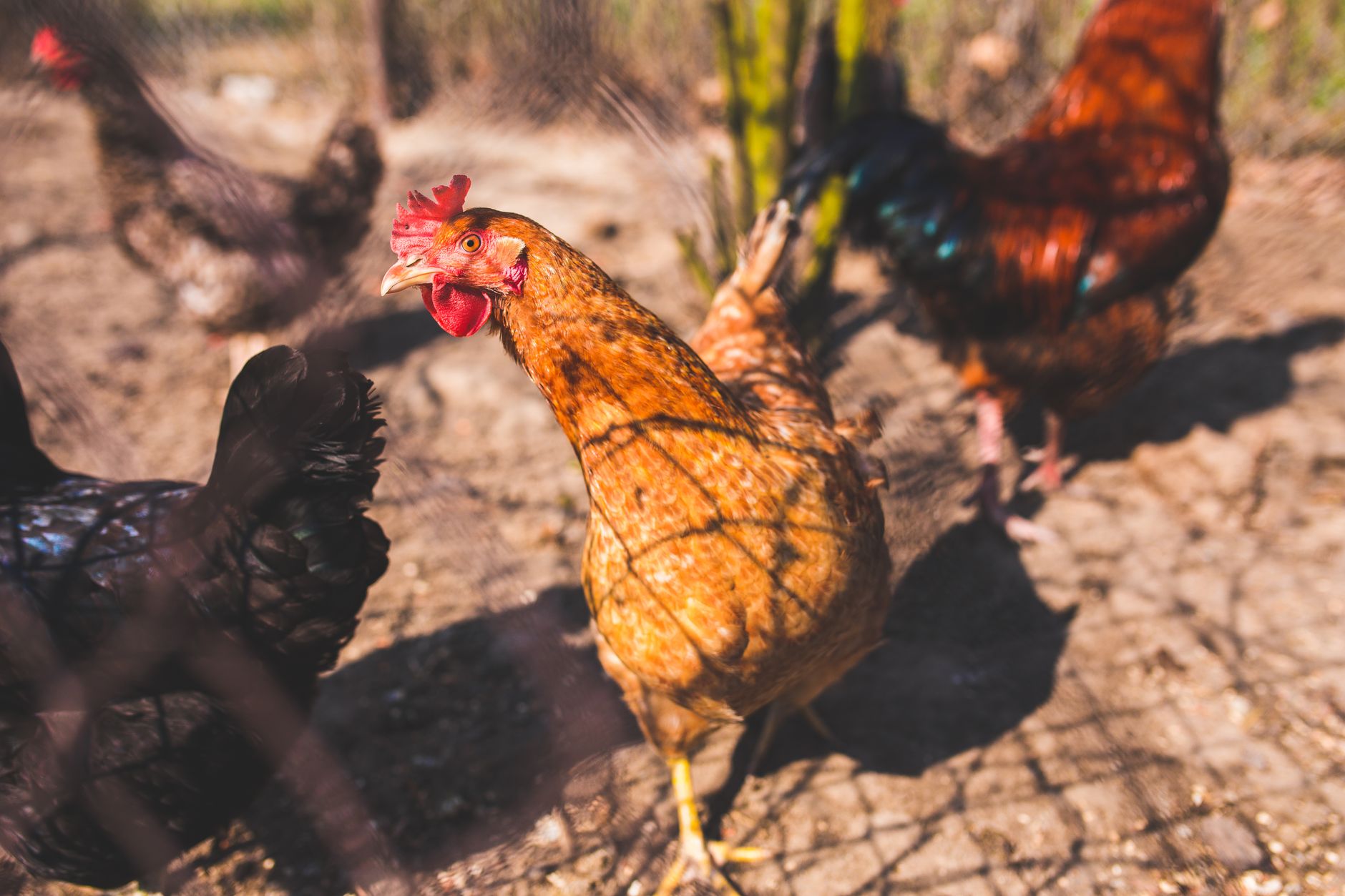
Chickens can eat a wide variety of vegetables, including leafy greens (lettuce, spinach, kale), root vegetables (carrots, beets, sweet potatoes), squash (zucchini, pumpkin, butternut), and cruciferous vegetables (broccoli, cauliflower, cabbage). Always wash vegetables thoroughly, chop them into manageable pieces, and serve in moderation (treats should be limited to 10% of their diet). Avoid raw potatoes, onion (in large amounts), avocado, and rhubarb. Cook hard vegetables (like sweet potatoes and winter squash) to make them easier to digest. Fresh, raw vegetables are best—they provide vitamins, minerals, and enrichment.
What you will need
Understand Why Vegetables Are Good for Chickens

Nutritional benefits: Vegetables provide vitamins (A, C, K), minerals, fiber, and antioxidants that support immune health, egg quality, and overall well-being.
Enrichment: Foraging for vegetables provides mental stimulation and prevents boredom. Chickens love to peck and scratch at fresh greens.
Variety: A varied diet is more interesting and nutritious than a monotonous one. Treats add excitement to their day.
Egg quality: A diet rich in vegetables can improve egg yolk color and nutritional content (especially dark leafy greens).
Supplement: Vegetables should be a supplement to their main diet (layer feed), not the main diet itself.
Know the Best Vegetables to Feed

Leafy Greens: Lettuce (all types), spinach, kale, Swiss chard, collard greens, cabbage. Excellent sources of vitamins A and K. Chickens love them.
Root Vegetables: Carrots, beets, turnips, parsnips, sweet potatoes. Rich in beta-carotene and fiber. Grate or chop them.
Squash: Zucchini, yellow squash, butternut squash, pumpkin, acorn squash. Good source of vitamins A and C. Cook hard squash before feeding.
Cruciferous Vegetables: Broccoli, cauliflower, Brussels sprouts, cabbage. High in vitamins C and K. Chickens love the stems and leaves.
Other Vegetables: Cucumbers, bell peppers (all colors), peas, corn (cooked or raw), green beans, celery.
Herbs: Parsley, basil, oregano, thyme, mint. Good for health and pest control.
Know What Vegetables to AVOID

Raw Potatoes: Contain solanine, which is toxic. Only feed cooked potatoes (and in moderation). Green potatoes are especially toxic.
Onions (Large Amounts): Onions contain thiosulfate, which can cause anemia in large quantities. A small piece occasionally is fine, but avoid regular feeding.
Avocado: The skin and pit contain persin, which is toxic. The flesh is OK in small amounts, but it's best to avoid entirely.
Rhubarb: Contains oxalic acid, which can be toxic. Avoid completely.
Raw Beans: Contain lectins, which are toxic. Only feed cooked beans.
Tomato Leaves and Stems: Contain solanine (like potatoes). The fruit is fine, but the plant parts are toxic.
Citrus Peels: Some chickens avoid citrus, and the peels can be too acidic. Avoid large amounts.
Prepare Vegetables Properly

Wash thoroughly: Wash vegetables to remove dirt, pesticides, and chemicals. Even if you grow them yourself, wash them.
Chop into manageable pieces: Chickens don't have teeth. Chop vegetables into bite-sized pieces (about 1 inch) so they can peck and swallow easily.
Cook hard vegetables: Hard vegetables (sweet potatoes, winter squash, raw potatoes) should be cooked (boiled or roasted) to soften them.
Peel if needed: Root vegetables (carrots, beets) can be peeled or scrubbed. Peeling isn't necessary but can make them more appealing.
Remove seeds: Remove seeds from peppers, squash, and cucumbers—they're not toxic, but they can be a choking hazard.
Serve Vegetables Correctly

How to serve: Place vegetables in a clean bowl or scatter them in the run. Scattering encourages natural foraging behavior.
When to serve: Feed vegetables in the afternoon (after they've eaten their layer feed). This ensures they get their complete nutrition first.
How much: Limit treats (including vegetables) to 10% of their daily diet. For 6 chickens, that's about 1-2 cups of vegetables per day.
Freshness: Chickens prefer fresh vegetables. Don't leave wilted or spoiled vegetables in the run—remove uneaten portions after a few hours.
Variety: Rotate different vegetables to provide variety and prevent boredom.
Use Vegetables as Enrichment

Hanging treats: Hang a head of cabbage, lettuce, or corn on a string. Chickens will peck at it all day—great enrichment.
Foraging treats: Scatter chopped vegetables in the run. Chickens love to search for food.
Puzzle feeding: Place vegetables in a treat ball or puzzle feeder. This challenges their intelligence.
Rotating vegetables: Offer different vegetables each day to keep things interesting.
Seasonal treats: In summer, offer frozen vegetables (watermelon, cucumber) to help them cool down.
Use Garden Surplus and Scraps
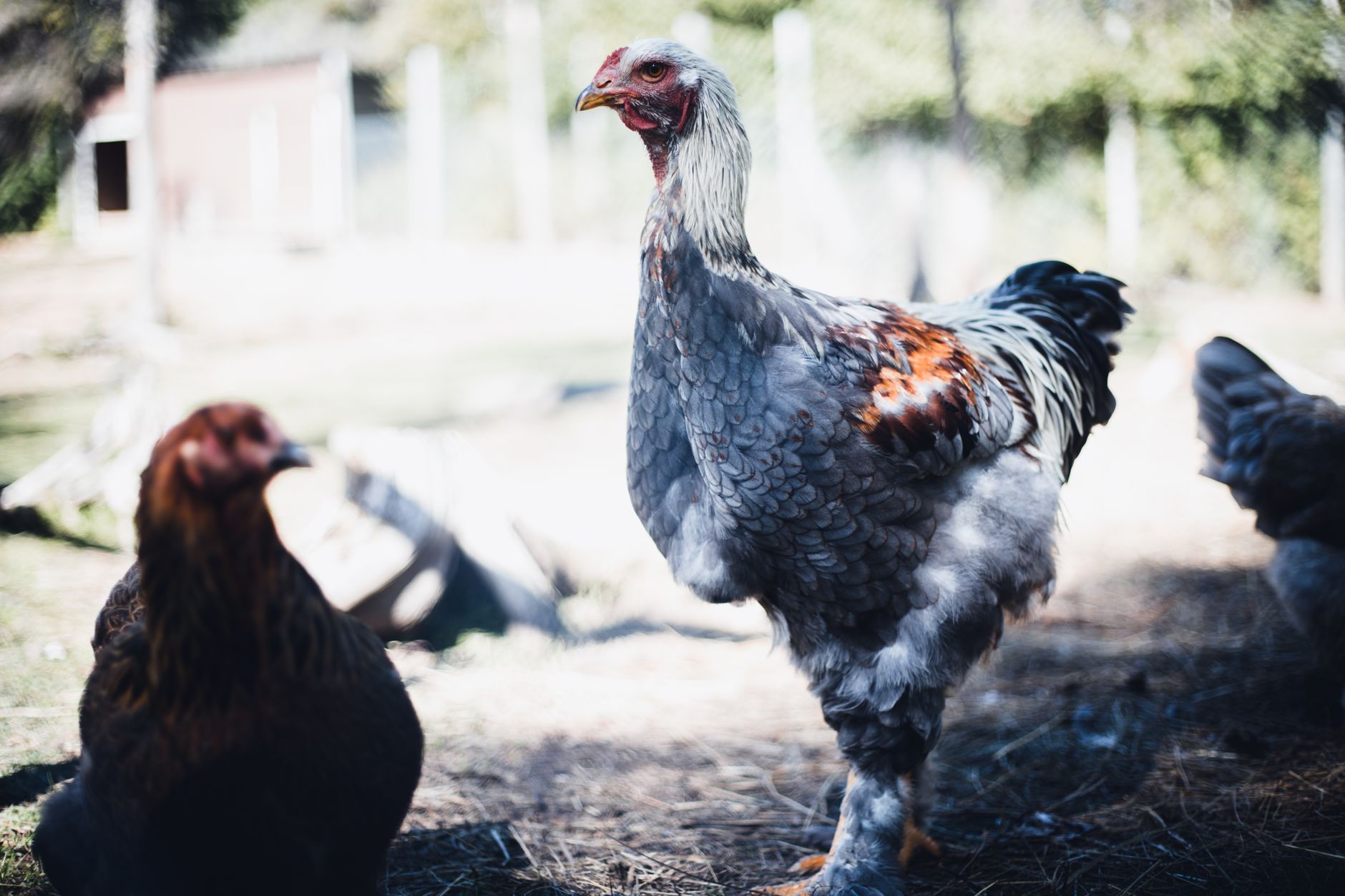
Garden surplus: If your garden produces more than you can eat, the chickens will gladly eat it. Zucchini, cucumbers, and greens are favorites.
Vegetable scraps: Use scraps from the kitchen—peels, ends, and trimmings. Avoid moldy or spoiled vegetables.
Leftovers: Cooked vegetables from your own meals (without seasoning) are fine. Avoid processed foods.
Composting: If you don't have chickens, you'd compost these. With chickens, you're feeding them instead.
Waste reduction: Chickens are excellent at converting food waste into eggs.
Avoid Overfeeding Vegetables

Nutritional balance: Vegetables are treats, not a complete diet. Layer feed provides the protein, calcium, and nutrients chickens need.
Limit treats: Treats (including vegetables) should be limited to 10% of the daily diet. For 6 chickens, that's about 1-2 cups per day.
Why it matters: If chickens fill up on vegetables, they'll eat less layer feed, leading to nutritional deficiencies and reduced egg production.
Egg quality: Too many treats can lead to lower egg production, thinner shells, and reduced yolk color.
Signs of overfeeding: Chickens eating less layer feed, reduced egg production, or watery droppings.
Common problems and fixes
| Problem | Likely cause | What to do |
|---|---|---|
| Chickens won't eat certain vegetables | Texture or taste preference. Chickens have individual preferences. | Try different vegetables. Some prefer leafy greens, others prefer root vegetables. |
| Vegetables are left uneaten | Too much food, or they didn't like it. | Offer smaller amounts. Try a different vegetable. Always remove uneaten food after a few hours. |
| Chickens have diarrhea after eating vegetables | Too many watery vegetables (like cucumber or lettuce) or overfeeding. | Reduce the amount of watery vegetables. Limit treats to 10% of diet. |
| Chickens eat their layer feed less | They're filling up on vegetables. | Reduce vegetables. Feed treats only in the afternoon. |
Gardener's checklist
Test what you learned
What is the best way to serve vegetables to chickens?
Answer: Washed, chopped into 1-inch pieces
Which vegetable is toxic to chickens?
Answer: Raw potatoes
How much of a chicken's diet should be treats?
Answer: 10%
What vegetable should be cooked before feeding?
Answer: Sweet potatoes
Common questions
Can chickens eat cucumber?
Yes! Cucumbers are safe and chickens love them. They're mostly water, so they're good for hot weather. Chop them into pieces.
Can chickens eat tomato leaves or stems?
No. Tomato leaves and stems contain solanine, which is toxic. Only feed the fruit (ripe tomatoes).
Can chickens eat potato peels?
Avoid raw potato peels—they contain solanine. Cooked potatoes (without seasoning) are fine in moderation.
Can chickens eat onion?
Onions can be fed in very small amounts occasionally. Large amounts can cause anemia. It's best to avoid feeding them regularly.
Can chickens eat all types of lettuce?
Yes, all types of lettuce are safe. Romaine, iceberg, and leaf lettuce are all fine. They're healthy and a favorite treat.
Chickens love vegetables—and they're a healthy, nutritious addition to their diet. Leafy greens, root vegetables, squash, and cruciferous vegetables are all safe and beneficial. Always wash vegetables thoroughly, chop them into manageable pieces, and cook hard vegetables (like sweet potatoes) before feeding. Treats should be limited to 10% of their diet—layer feed should always be the main food. By offering a variety of vegetables, you'll keep your chickens healthy, happy, and enriched.
Frequently asked questions
How often should a vegetable garden be watered?
Frequency depends on weather, soil and plant size. Check the soil rather than watering on a rigid schedule.
Is compost enough fertilizer?
Compost improves soil and provides nutrients slowly. Heavy-feeding crops may still need additional feeding.

The Sproutstead Editorial Team
We create clear, practical gardening and homesteading guides designed for real homes and beginner growers.
View author profile →