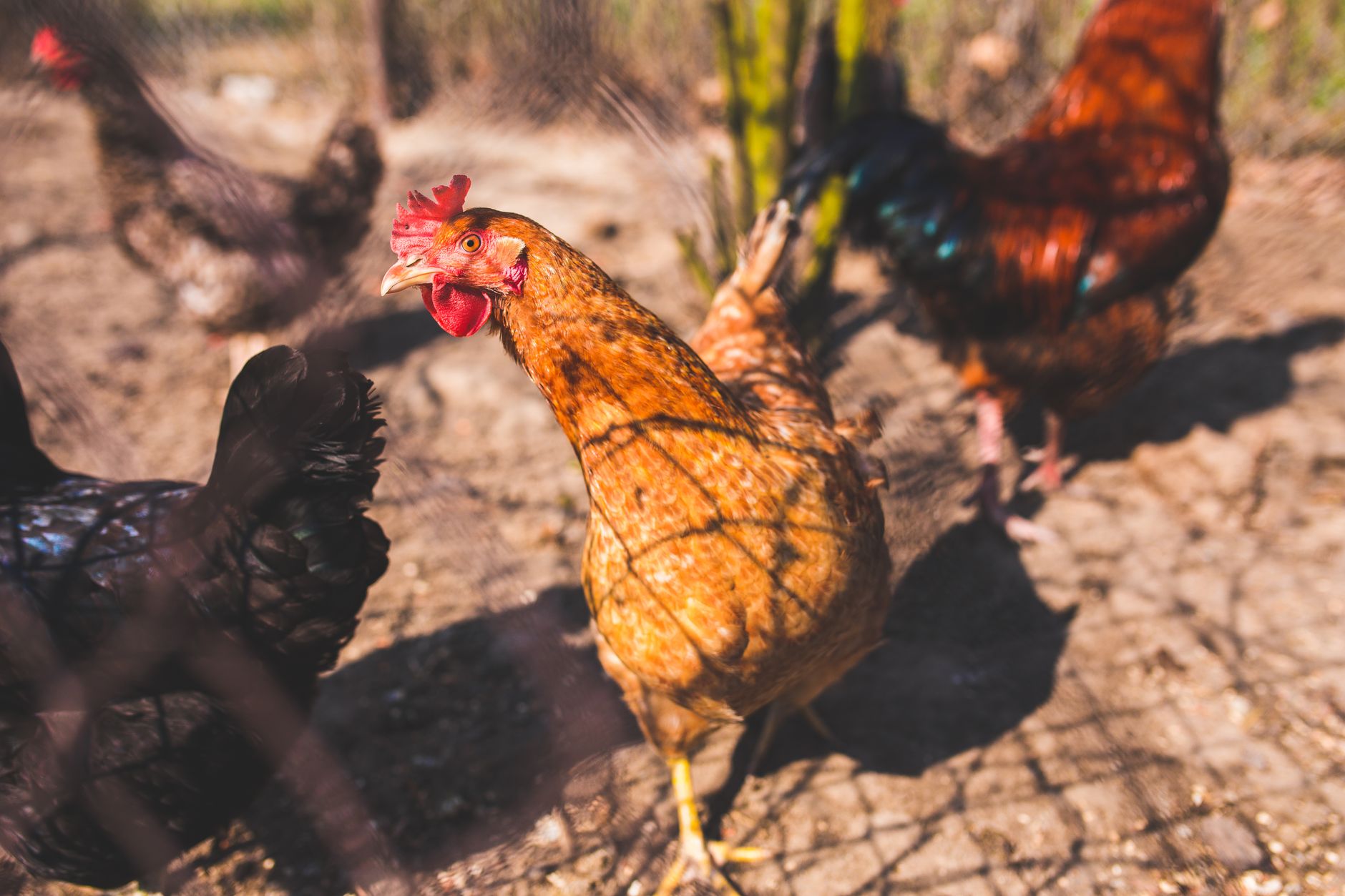
Chickens need a balanced diet consisting of 16-18% protein layer feed (for laying hens), 18-20% protein starter/grower feed (for chicks), and 20-22% protein meat bird feed (for broilers). Provide calcium supplements (crushed oyster shells) separately for laying hens. Fresh water must be available at all times. Treats like fruits, vegetables, and scratch grains should be limited to 10% of their diet. Avoid feeding chocolate, avocado, raw beans, onion, garlic (in large amounts), and moldy food.
What you will need
Choose the Right Feed for Your Flock
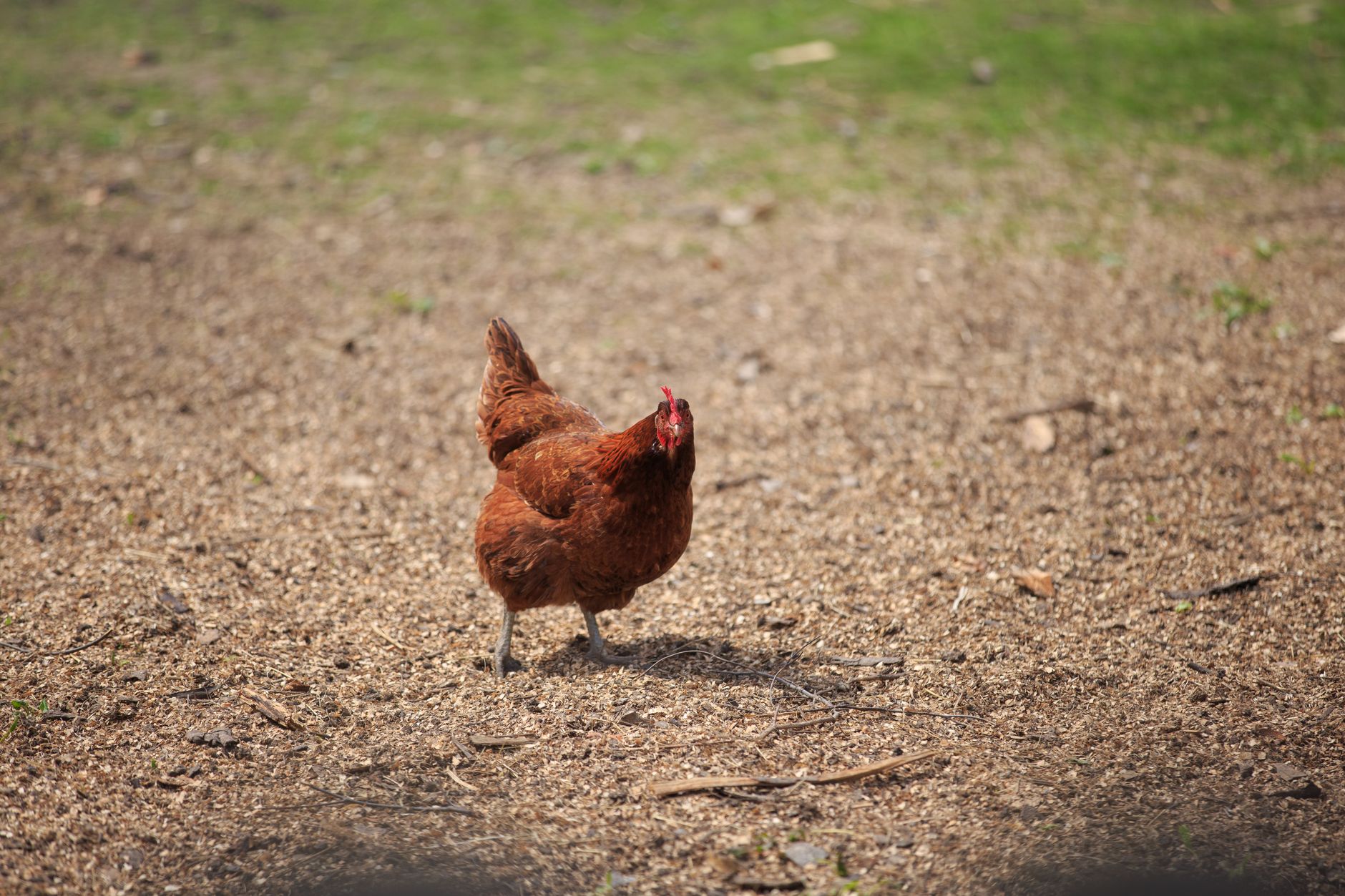
Layer Feed (16-18% protein): For hens 18 weeks and older that are laying eggs. Provides the right balance of protein, calcium, and nutrients for egg production.
Starter/Grower Feed (18-20% protein): For chicks from hatch to 18 weeks. Higher protein supports rapid growth. Available as crumbles or mash.
Broiler Feed (20-22% protein): For meat birds. Higher protein promotes fast growth and proper muscle development.
All-Flock Feed (16% protein): A balanced feed suitable for mixed flocks (hens, roosters, and growing birds). Often used when you have a mixed-age flock.
Scratch Grains: A mix of cracked corn, wheat, and other grains. This is a treat, not a complete feed—too much can cause nutritional deficiencies.
Understand Feed Forms: Pellets, Crumbles, and Mash
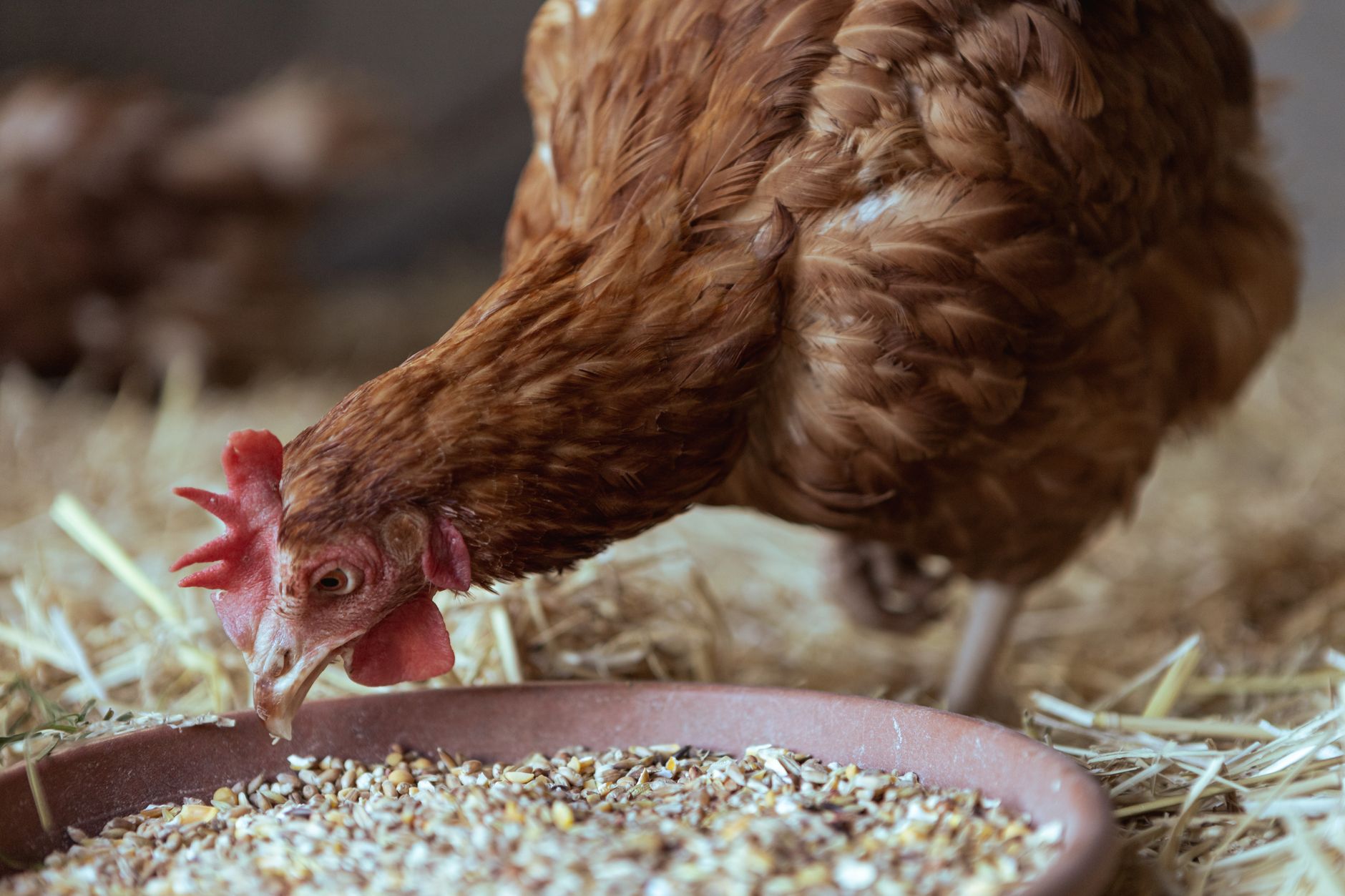
Pellets: Compressed feed in small cylinder shapes. Less waste than crumbles or mash. Chickens eat them easily. Most popular choice.
Crumbles: Pellets broken into smaller pieces. Good for chicks and small-breasted breeds. More waste than pellets.
Mash: Ground feed with a flour-like texture. Least expensive but most wasteful—chickens scratch and scatter it. Good for mixing with other ingredients.
Choosing: Start with pellets for adult layers. Use crumbles for chicks (they can't eat pellets). Mash is often used by commercial operations.
Switching feeds: Transition slowly over 5-7 days, mixing increasing amounts of the new feed with the old to prevent digestive upset.
Provide Calcium and Grit Separately
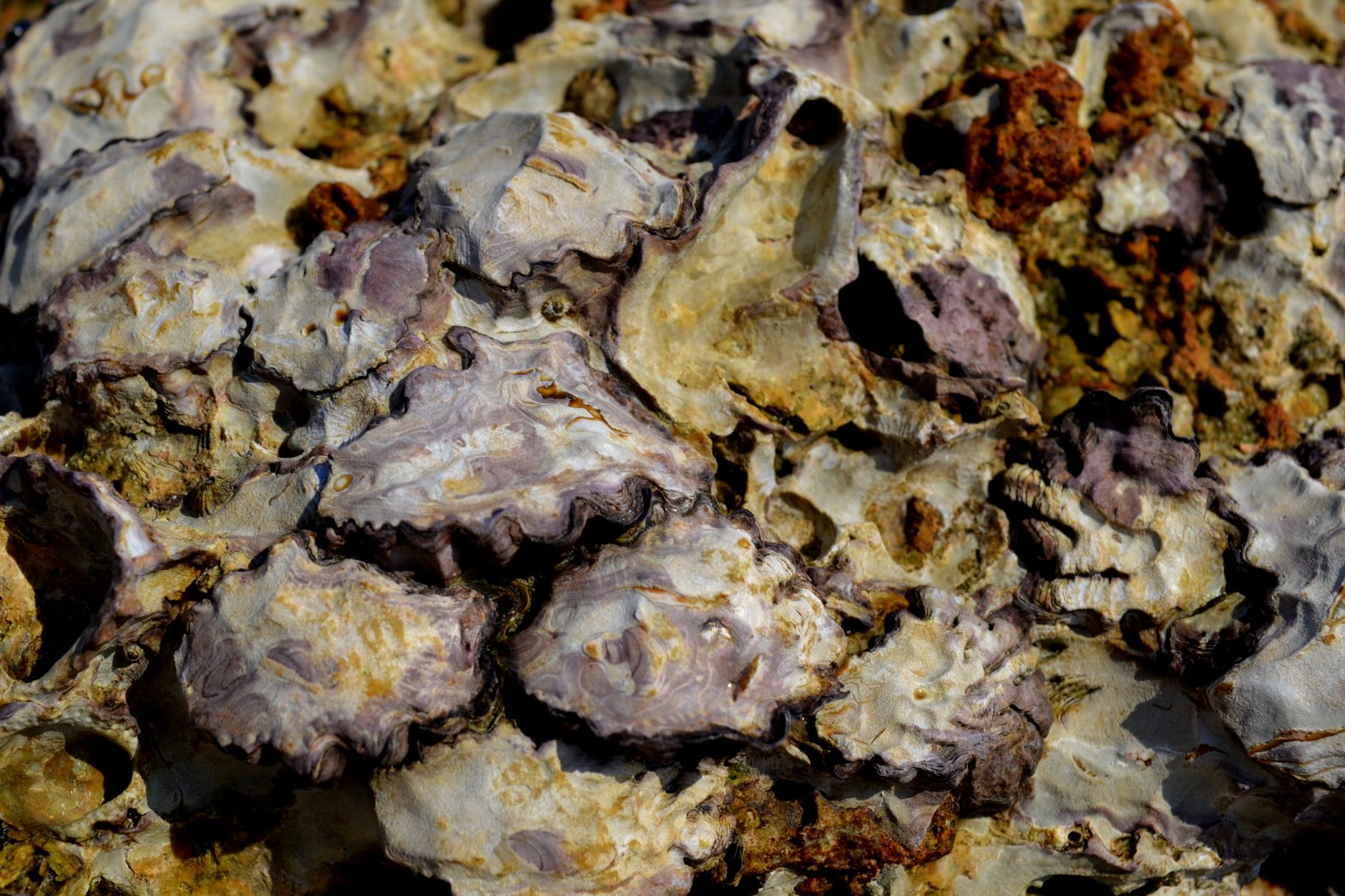
Calcium (Oyster Shells): Provide crushed oyster shells in a separate container. Laying hens need extra calcium for strong eggshells. Let them eat as needed.
Grit: Chickens don't have teeth—they use grit in their gizzard to grind food. Provide insoluble grit (small stones) if they don't have access to the ground.
Why separate? If you mix calcium into the feed, young birds or roosters can get too much calcium, which is harmful. Offering it separately lets them regulate their intake.
How much? Layer feed already has some calcium, but hens that lay daily benefit from extra. Offer free-choice oyster shells and they'll eat what they need.
Signs of calcium deficiency: Thin-shelled eggs, soft-shelled eggs, or hens eating their own eggs.
Set Up a Proper Feeding Station
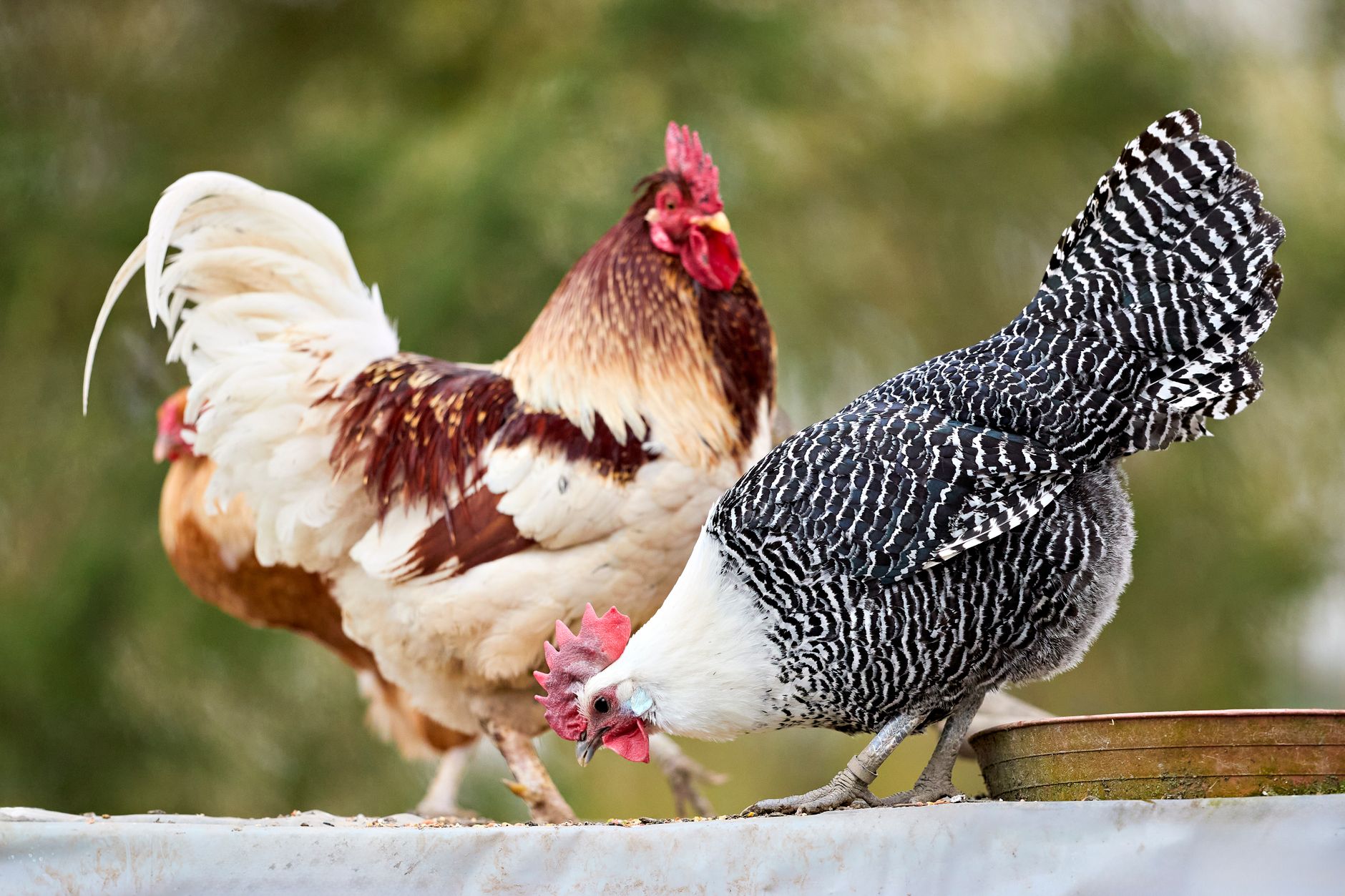
Feeder height: Hang or place feeders at the height of your chickens' backs. This reduces waste and prevents them from scratching feed out.
Treadle feeders: Step-on feeders that only open when a chicken steps on them. These are mouse-proof and reduce feed waste significantly.
Waterers: Use nipple waterers or trough waterers. Nipple waterers keep water cleaner. Trough waterers are easier for chicks.
Clean regularly: Clean feeders and waterers weekly to prevent mold, bacteria, and disease. Use a mild bleach solution and rinse thoroughly.
Location: Place feeders and waterers in the run (not the coop) to reduce moisture and ammonia inside the coop.
Offer Safe Treats in Moderation
Safe vegetables: Lettuce, spinach, kale, cabbage, broccoli, carrots, cucumbers, zucchini, pumpkin, sweet potatoes (cooked).
Safe fruits: Apples (no seeds), berries, watermelon, bananas, grapes, peaches, pears.
Safe grains: Oats, corn, barley, wheat, quinoa (cooked).
Safe protein: Mealworms (dried or live), black soldier fly larvae, scrambled eggs (cooked), fish (cooked, no bones).
Safe herbs: Oregano, thyme, mint, parsley, basil—these can have health benefits and help repel pests.
How to serve: Chop or grate large pieces to prevent choking. Serve in small amounts in the afternoon.
Know What NOT to Feed Chickens
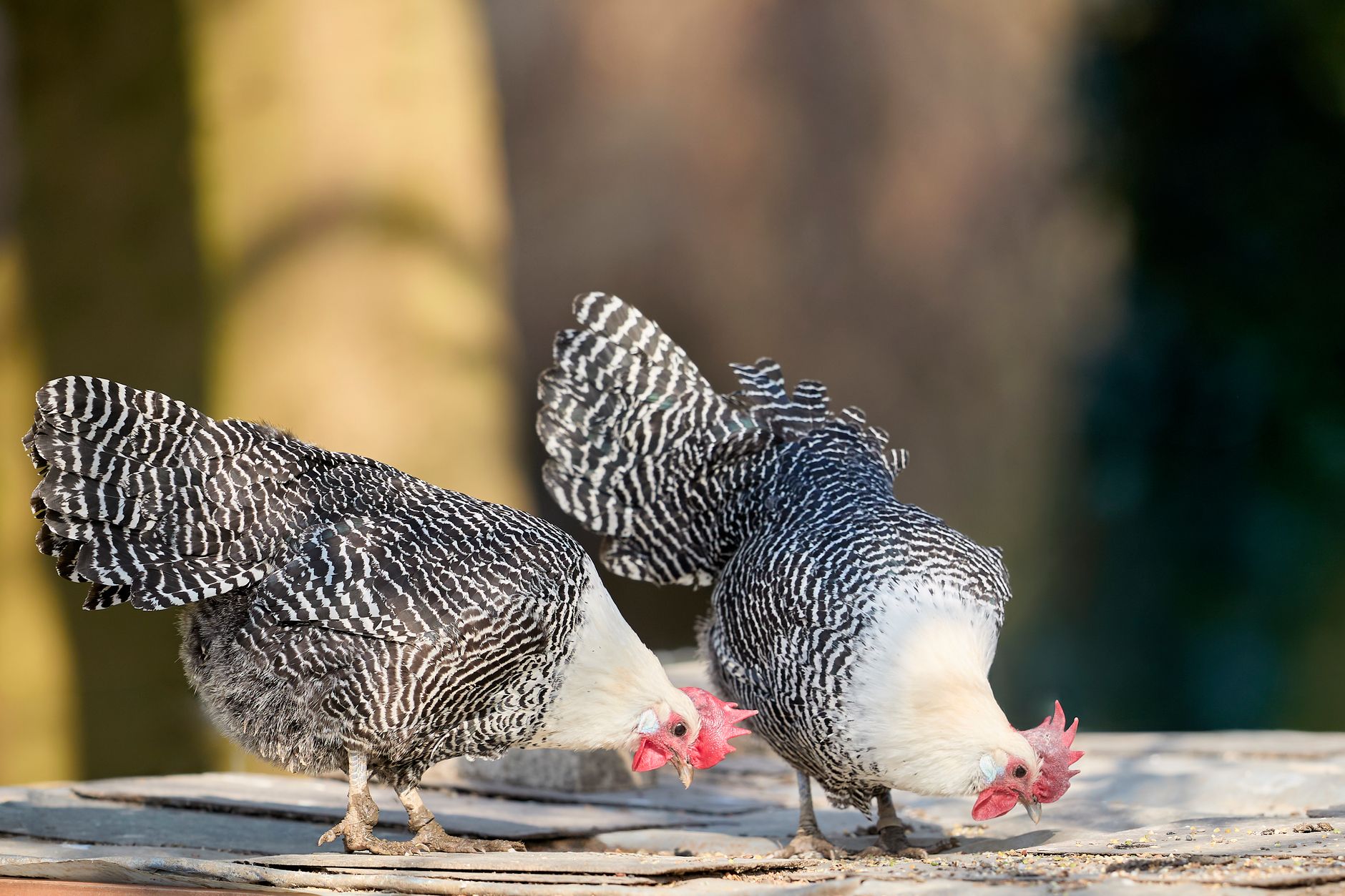
DO NOT FEED: Chocolate (theobromine is toxic), avocado (persin is toxic, especially the pit and skin), raw beans (lectins are toxic), raw potatoes and potato peels (solanine is toxic).
DO NOT FEED: Onions and garlic (in large amounts—can cause anemia), citrus fruits (can cause digestive upset), salty foods, sugary foods (candy, baked goods).
DO NOT FEED: Moldy or spoiled food (can cause mycotoxin poisoning), uncooked rice (can cause digestive issues), coffee grounds (caffeine is toxic).
DO NOT FEED: Rhubarb (oxalic acid is toxic), tomato leaves (solanine), eggplant leaves, green potatoes.
If you're unsure: Stick to commercial feed, common safe vegetables, and fruits. Avoid processed human foods.
Follow a Feeding Schedule
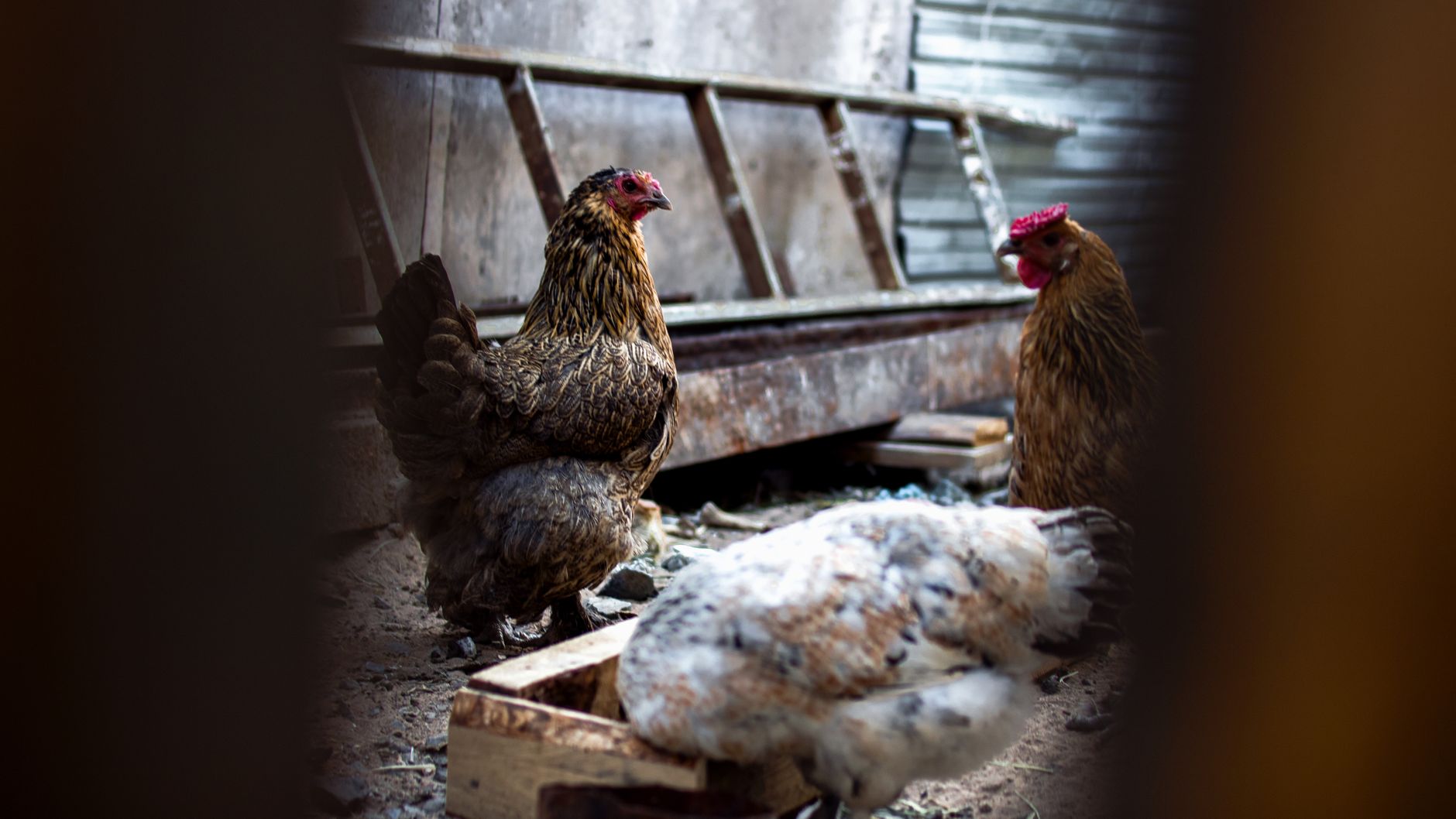
Morning: Provide fresh layer feed. Fill feeders so chickens can eat throughout the day.
Afternoon (optional): Offer treats (vegetables, fruits, scratch grains). Keep this to 10% of daily intake.
Evening: Collect eggs, check water levels, and ensure feeders have enough feed for the night.
Amount: A laying hen eats about 1/4 to 1/3 pound of feed per day. For 6 hens, that's about 1.5-2 pounds daily.
Free-choice feeding: Chickens are good at regulating their intake. Keep feed available at all times. They'll eat when they're hungry.
Ensure Access to Fresh Water
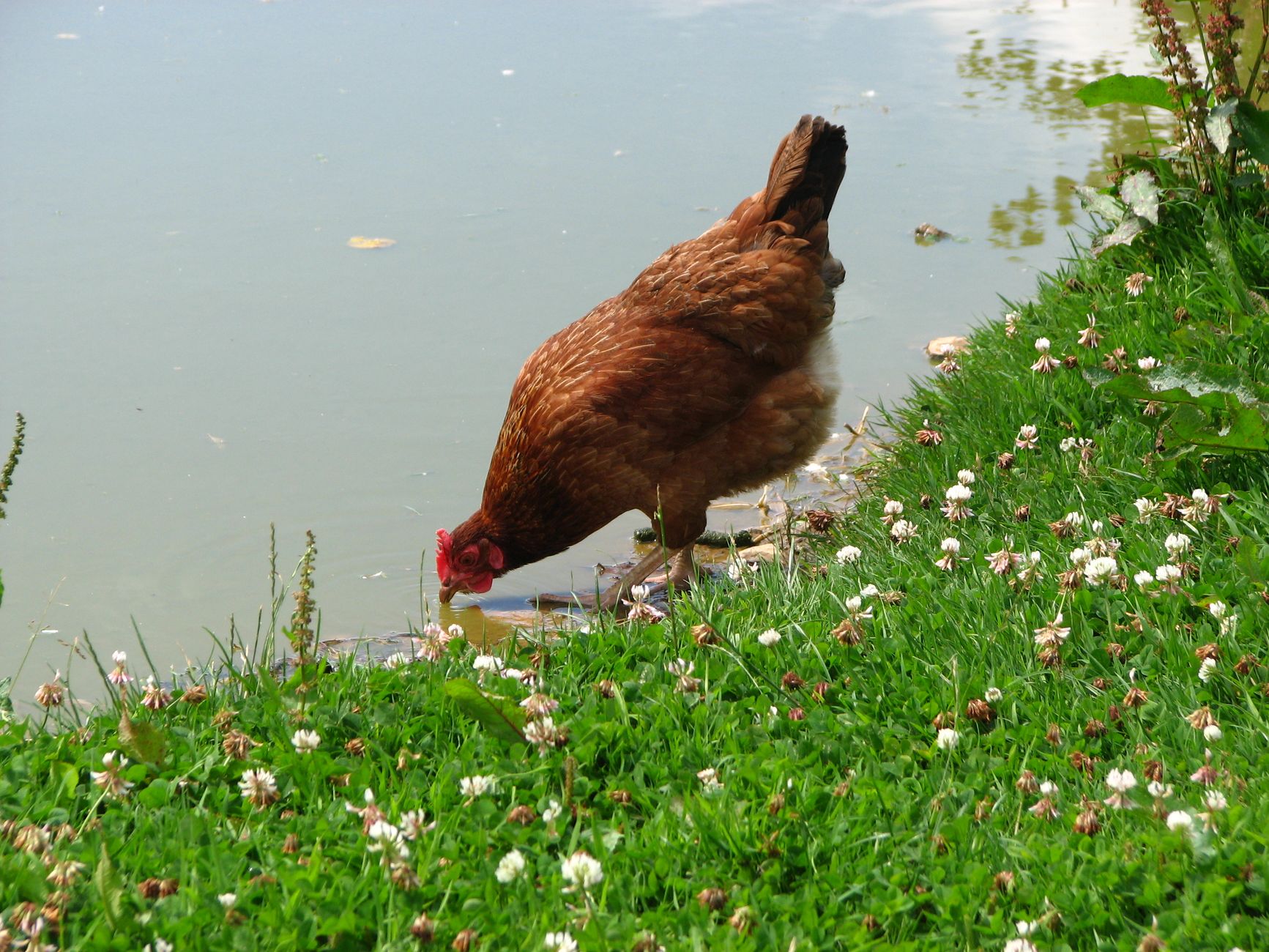
Amount: A laying hen drinks about 1 pint of water per day. In hot weather, this increases significantly.
Accessibility: Ensure water is always available, clean, and fresh. Check waterers twice daily.
Winter: Prevent water from freezing using heated water bases, or bring waterers inside overnight.
Summer: Provide multiple waterers and add ice cubes to keep water cool. Consider shaded water locations.
Cleanliness: Clean waterers weekly to prevent algae and bacterial growth. Use a brush to scrub inside.
Common problems and fixes
| Problem | Likely cause | What to do |
|---|---|---|
| Chickens are not laying eggs or laying soft-shelled eggs | Calcium deficiency, too many treats, or insufficient protein. | Provide oyster shells (calcium) separately. Reduce treats to 10%. Check feed protein content (16-18% for layers). |
| Chickens are picking at each other | Stress, overcrowding, or protein deficiency. | Increase space, provide enrichment, and ensure feed has adequate protein (18%+). |
| Chickens are eating eggs | Calcium deficiency, or eggs are cracked and they've learned to eat them. | Provide oyster shells. Collect eggs frequently. If they've learned the habit, it's hard to break—consider artificial eggs or roll-away nest boxes. |
| Chickens are losing feathers or stopped laying | Molting (natural) or protein deficiency. | Molting is normal (usually in fall). Increase protein during molt (18-20%) to support feather regrowth. |
Gardener's checklist
Test what you learned
What protein percentage should layer feed have?
Answer: 16-18%
What should be offered separately for laying hens?
Answer: Oyster shells
What percentage of diet should treats make up?
Answer: 10%
Which food is toxic to chickens?
Answer: Chocolate
Common questions
Can chickens eat table scraps?
Yes, but only safe scraps. Avoid processed foods, salty foods, sugary foods, chocolate, avocado, and raw beans. Stick to vegetables, fruits, and grains.
Do chickens need grit?
Only if they eat whole grains, seeds, or treats. Pellets are already ground and don't need grit. If they free-range, they'll find their own grit.
Can chickens eat bread?
Yes, in small amounts. Bread has little nutritional value—treat it as a treat, not a main feed. Whole grain bread is better than white bread.
Why are my chickens not laying eggs?
Could be molt (fall), winter (less daylight), stress, poor nutrition, calcium deficiency, or age. Check all factors and adjust accordingly.
Can chickens eat eggs?
They shouldn't. If a hen breaks an egg and eats it, she may develop a habit. Collect eggs frequently to prevent this. Cooked eggs are a safe treat.
Feeding chickens correctly is one of the most important aspects of keeping a healthy, productive flock. Choose the right feed for their age and purpose, offer calcium and grit separately, limit treats to 10% of their diet, and always provide fresh, clean water. Avoid toxic foods and maintain a consistent feeding routine. A well-fed chicken is a healthy chicken—and healthy chickens lay more and better eggs.
Frequently asked questions
How often should a vegetable garden be watered?
Frequency depends on weather, soil and plant size. Check the soil rather than watering on a rigid schedule.
Is compost enough fertilizer?
Compost improves soil and provides nutrients slowly. Heavy-feeding crops may still need additional feeding.

The Sproutstead Editorial Team
We create clear, practical gardening and homesteading guides designed for real homes and beginner growers.
View author profile →