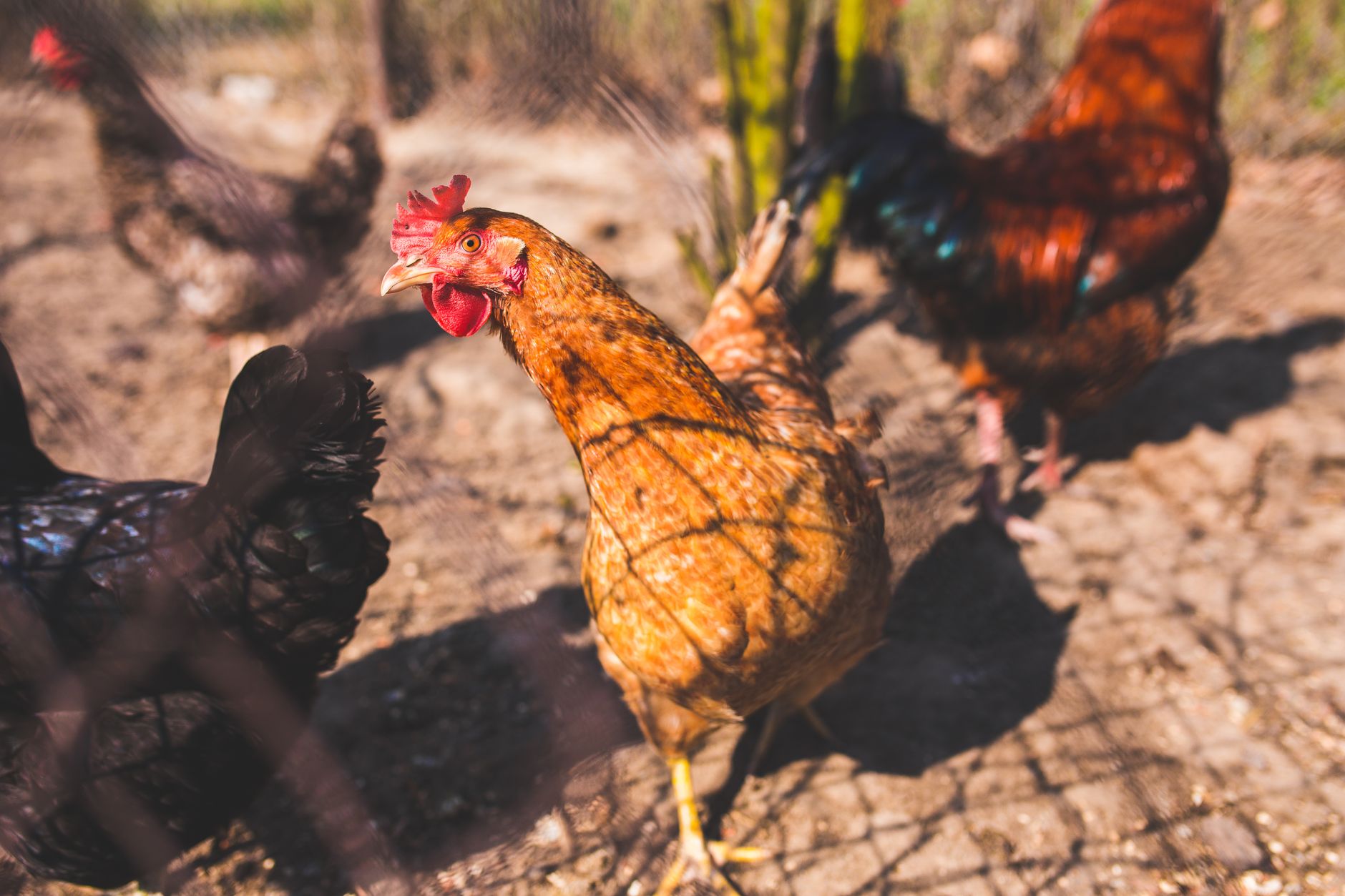
Chickens stop laying eggs for many reasons—most are temporary and fixable. Common causes include molting (annual feather loss, takes 4-12 weeks), reduced daylight (winter), poor nutrition (especially calcium and protein), stress (predators, overcrowding, weather extremes), age (hens lay fewer eggs after 2-3 years), or illness. The first step is to check for signs of illness, ensure they have 14-16 hours of light, provide proper nutrition (16-18% protein layer feed with calcium), reduce stress, and wait out the molt. If you've checked all these, your hens are likely taking a natural break.
What you will need
Check for Molting (Feather Loss)

What is molting? Molting is the annual process where chickens lose old feathers and grow new ones. It typically happens in the fall (August-November).
How long does it last? Molting lasts 4-12 weeks. During this time, egg production stops completely. Feather regrowth takes energy—egg production is put on hold.
What does it look like? You'll see missing feathers, bare patches, and new pin feathers (small, spiky feathers) growing. Your chickens may look ragged and less active.
Can I prevent molting? No—molting is natural and necessary. However, providing extra protein (18-20%) during molt helps feathers regrow faster, reducing the non-laying period.
What to do: Wait it out. Increase protein (mealworms, scrambled eggs, or higher protein feed). Hens will resume laying when the molt is complete.
Check for Insufficient Daylight
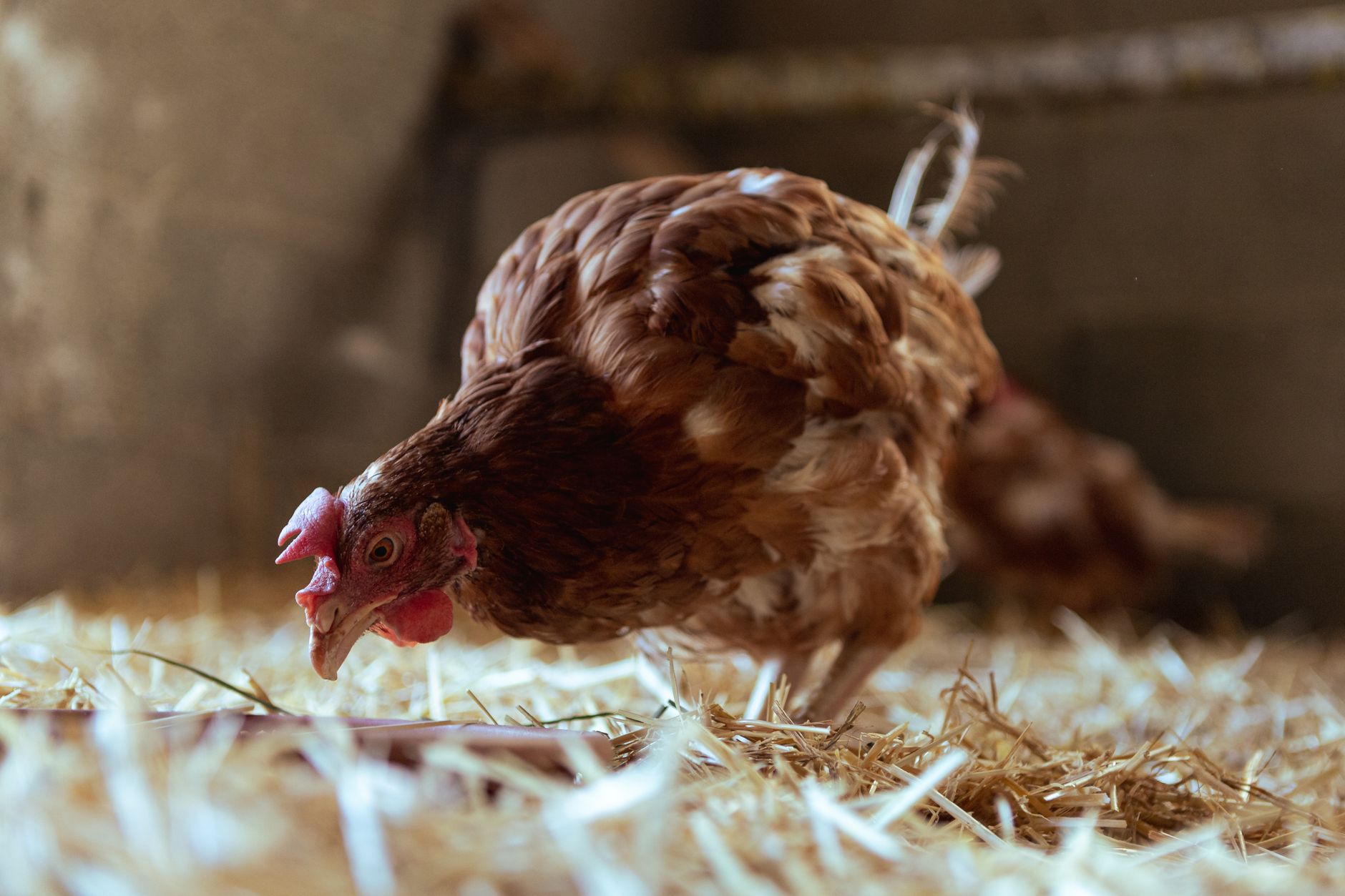
How light affects laying: Chickens need 14-16 hours of daylight to stimulate the hormones that trigger egg production. As winter approaches and days get shorter, egg production naturally declines.
Natural winter dip: In winter (November-February), many hens take a natural break. This is normal—egg production will resume in spring as days get longer.
Supplemental lighting: You can add artificial light to extend the day to 14-16 hours. Use a timer to turn lights on at dawn or dusk (NOT 24/7—chickens need a dark period to rest).
How to add light: A 40-60 watt LED bulb is usually enough for a standard backyard coop. Use a timer to provide 14-16 hours of light daily.
Safety: Ensure light fixtures are safe and away from flammable bedding. LED bulbs are cooler and safer than incandescent.
Check Nutrition and Water

Layer feed: Hens need 16-18% protein layer feed for consistent egg production. If you're feeding lower protein feed (or not feeding layer feed), production drops.
Calcium: Laying hens need 3-4% calcium in their diet for strong eggshells. Provide oyster shells separately so they can regulate their intake.
Water: Chickens need constant access to fresh, clean water. Dehydration, even mild, stops egg production within days. Check water daily and ensure it's accessible.
Treats: Too many treats (scratch grains, vegetables, table scraps) can dilute the nutritional value of their diet, reducing protein and calcium intake. Limit treats to 10% of total diet.
What to check: Is your feed fresh? Are you using layer feed? Is calcium available? Is water clean and unfrozen? Are treats limited?
Check for Stress Factors
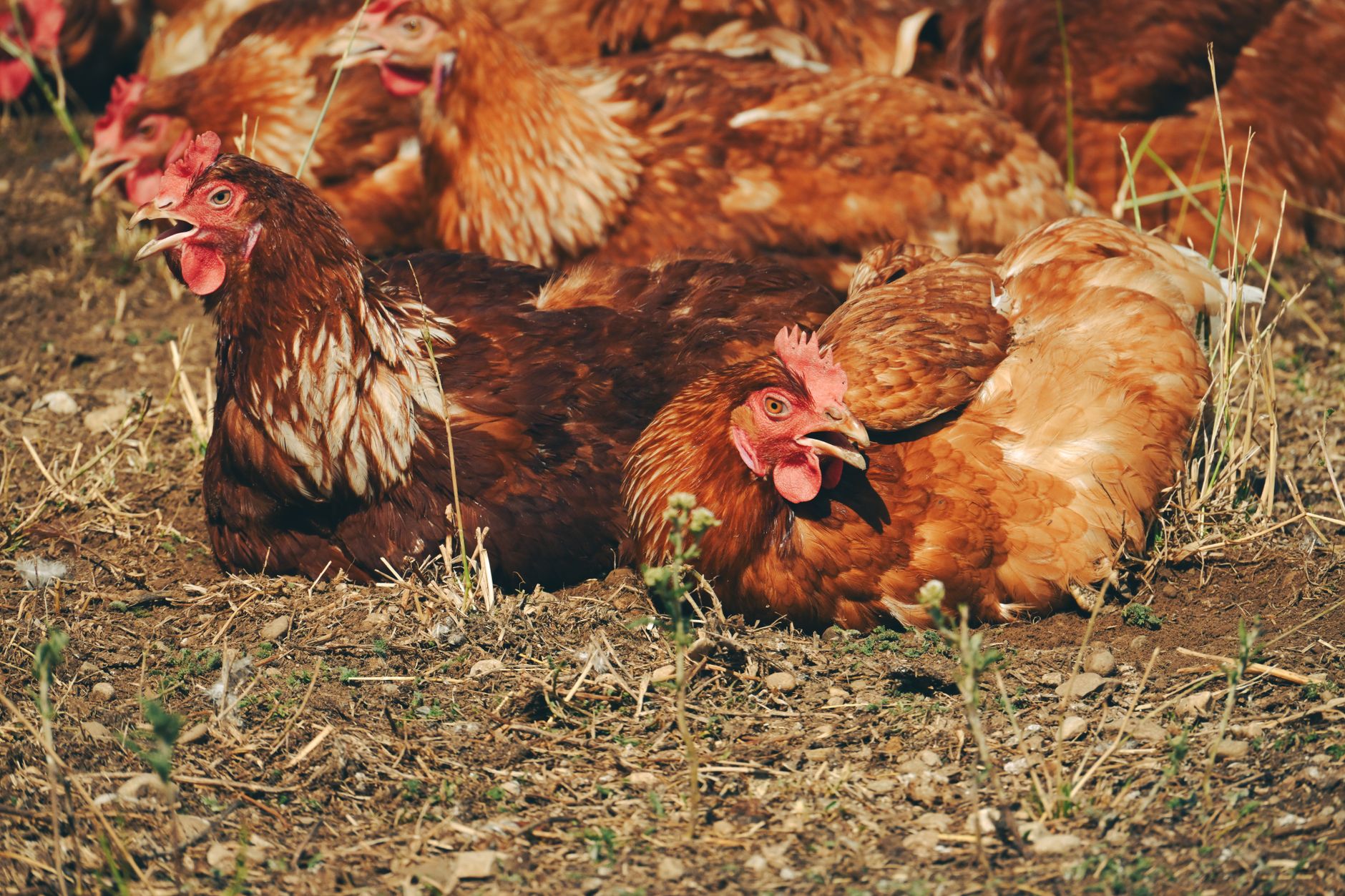
Predators: Even the sight of a predator can stress chickens, stopping egg production for days. Ensure your coop and run are secure.
Overcrowding: Too many chickens in too little space causes stress, feather pecking, and reduced laying. Provide 3-4 sq ft per chicken in the coop and 8-10 sq ft in the run.
Environmental changes: Moving to a new coop, introducing new chickens, or changing the routine can cause a temporary pause in laying.
Weather extremes: Heat waves (over 90°F) and severe cold (below 10-15°F) can cause stress and stop laying. Provide shade in summer and warm shelter in winter.
How to fix: Remove the stressor if possible. Add more space, secure the run, provide shade/heat protection, and let the flock settle.
Check for Age-Related Decline
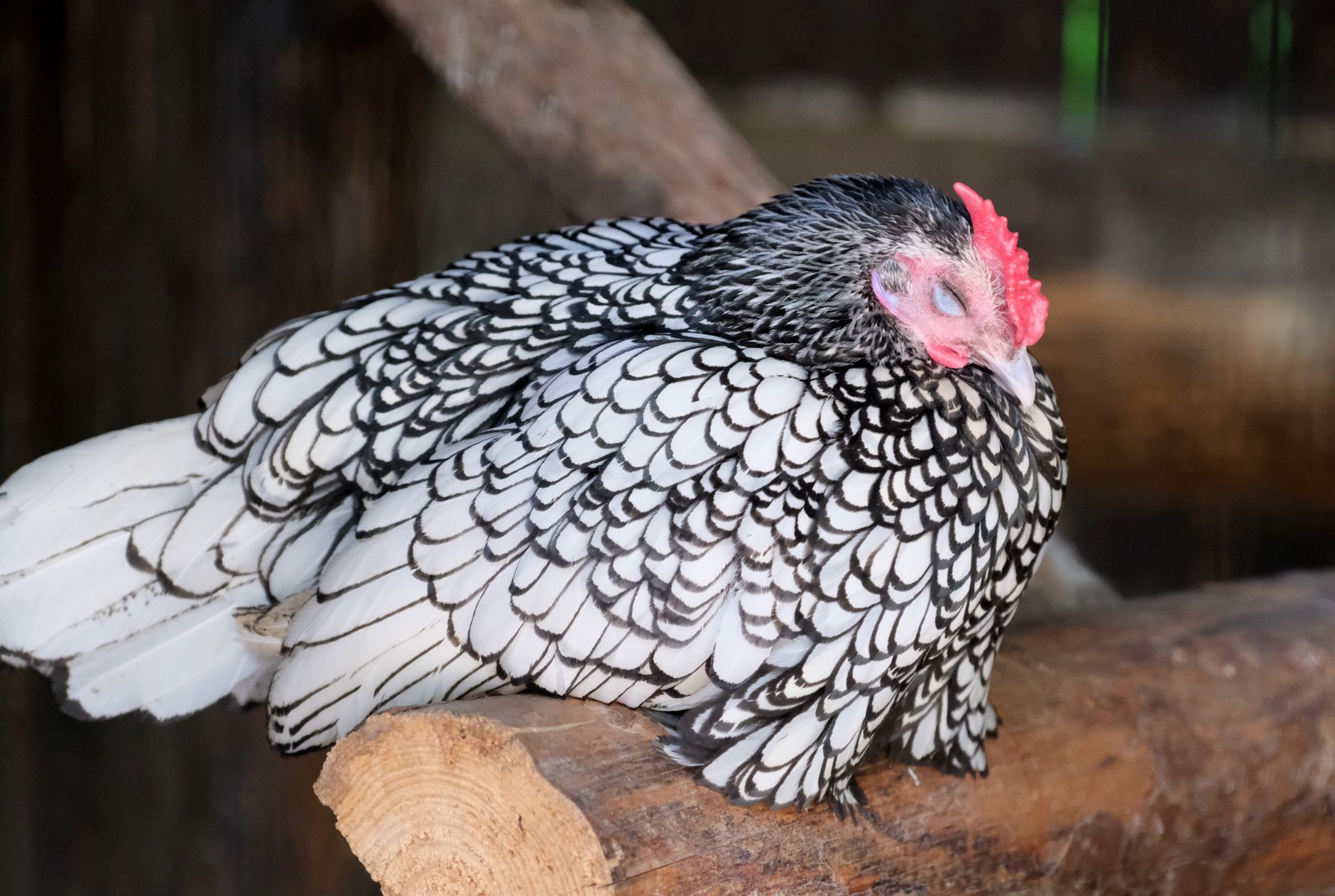
Peak production: Hens are most productive at 1-2 years of age. They lay at their peak during this period.
Decline: After 2-3 years, egg production naturally declines. A 3-year-old hen may lay 30-40% fewer eggs than she did as a pullet.
Lifespan: Hens can live 5-8+ years, but they lay fewer eggs each year. Many backyard keepers keep older hens for companionship and the occasional egg.
What to do: If you have older hens (3+ years), reduced laying is normal. You can add new pullets to maintain egg production for the flock.
Don't cull just for age: Many older hens are sweet pets and continue to lay occasionally. They're valuable for flock harmony and pest control.
Check for Illness or Parasites

Signs of illness: Lethargy, loss of appetite, sneezing, coughing, diarrhea, droopy wings, or hiding. These all indicate health issues that stop laying.
External parasites: Mites and lice feed on chickens, causing stress, anemia, and reduced laying. Check for parasites under wings, around the vent, and on the skin.
Internal parasites: Worms can cause weight loss, poor feathering, and reduced egg production. Regular worming (every 3-4 months) helps prevent this.
What to do: If you suspect illness, isolate the hen, consult a vet if possible, and treat for parasites. Ensure clean bedding and good nutrition.
Prevention: Keep the coop clean, provide good nutrition, and monitor your flock daily for signs of illness.
Check for Broodiness
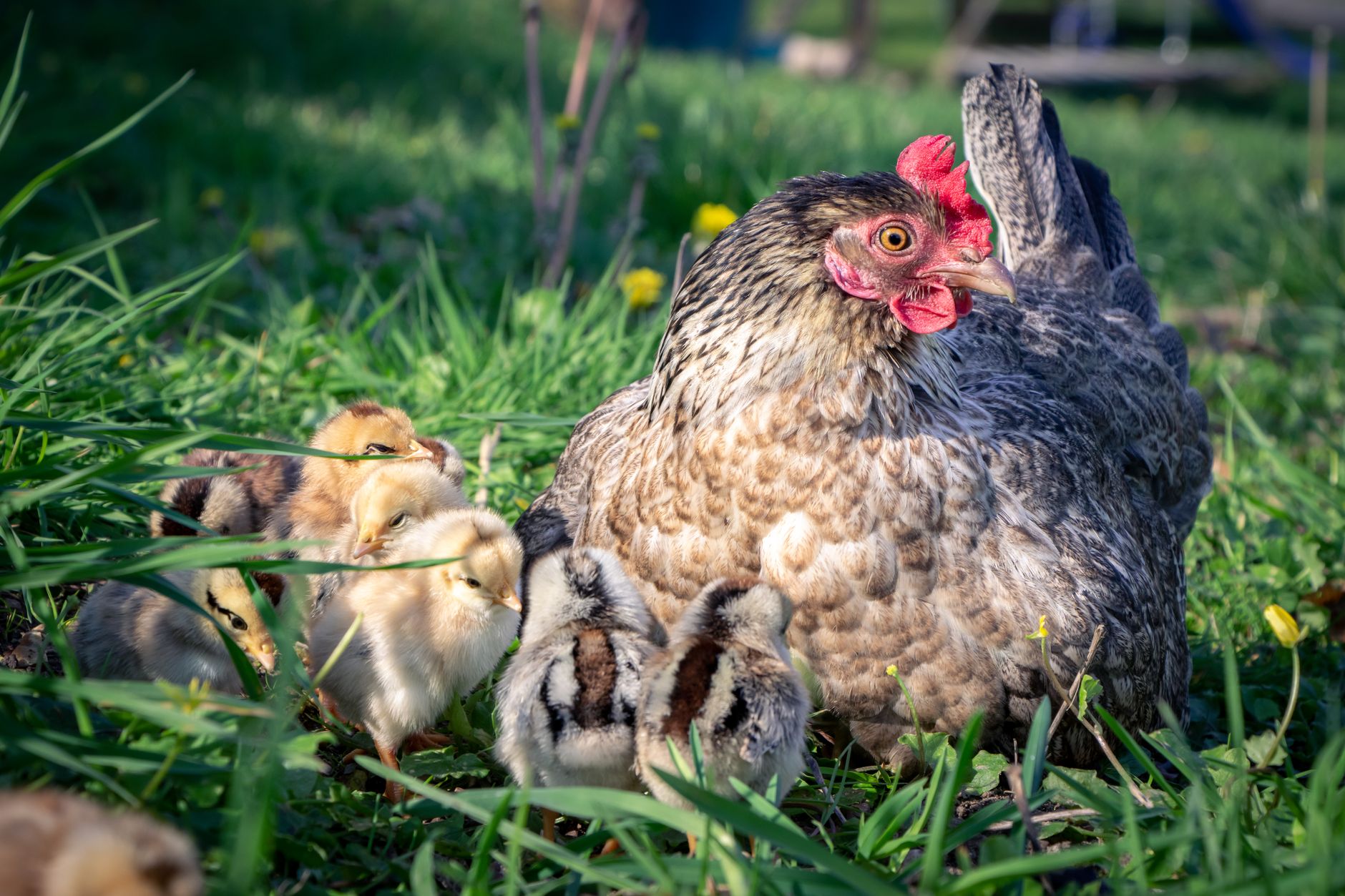
What is broodiness? A broody hen sits on eggs (or imaginary eggs) and refuses to leave the nest. She stops laying and becomes protective of the nest.
Signs: She stays on the nest, puffs up her feathers, makes a clucking noise, and pecks at you if you reach for her. She may also pluck feathers from her chest to keep eggs warm.
Duration: Broodiness lasts 3-8 weeks. Some breeds are more prone to broodiness (Silkies, Orpingtons, Brahmas).
What to do: If you don't want chicks, break the broodiness by: collecting eggs frequently, removing her from the nest, or placing her in a wire-bottom cage (with food and water) for a few days.
Natural process: Broodiness is natural for some breeds. If you want chicks, let her sit on fertile eggs for 21 days.
Check for Hidden Egg Laying (Egg Eating)

The problem: Your hens are laying eggs, but they're eating them before you collect them. This results in no eggs in the nesting boxes.
How to check: Look for eggshell fragments in the nesting boxes. Notice hens hanging around the nesting boxes longer than usual.
Causes: Boredom, overcrowding, calcium deficiency (they eat eggs to get calcium), or an egg broke and they learned to eat it.
Solutions: Collect eggs multiple times a day. Provide calcium (oyster shells) separately. Use roll-away nesting boxes (eggs roll into a separate compartment). Add fake eggs (ceramic or wooden eggs) to discourage pecking—they'll peck the hard egg and lose interest.
If it persists: Isolate the hens that eat eggs, or consider a more aggressive approach—some egg eaters never stop.
Common problems and fixes
| Problem | Likely cause | What to do |
|---|---|---|
| No eggs from any hen (sudden stop) | Molting, winter light reduction, or stress (predator visit). | Check for molting signs, add supplemental light (14-16 hours), and eliminate stress factors. |
| One hen stopped laying, others still laying | Age, illness, or broodiness in that specific hen. | Check the individual hen for signs of illness or broodiness. If healthy and not broody, she may be older—production declines with age. |
| Eggs are thin-shelled or missing shells | Calcium deficiency. | Provide oyster shells separately. Ensure they're eating them. Check feed for proper calcium levels. |
| Eggs are irregular or oddly shaped | Stress, age, or nutritional imbalance. | Reduce stress, provide balanced nutrition, and give it time. If persists, consult a vet. |
Gardener's checklist
Test what you learned
What is the most common cause of temporary egg cessation in fall?
Answer: Molting
How many hours of daylight do hens need to maintain laying?
Answer: 14-16 hours
What protein percentage should layer feed contain?
Answer: 16-18%
How long does molting typically last?
Answer: 4-12 weeks
Common questions
Can chickens stop laying eggs in winter?
Yes, this is common. Shorter days naturally reduce egg production. Adding supplemental light (14-16 hours) can maintain production, but many keepers allow hens to take a winter break.
How long does it take for a chicken to start laying again after molting?
Once the molt is complete (4-12 weeks), laying usually resumes within 1-2 weeks. New feathers signal that the hen is ready to start laying again.
Should I be worried if my hen stops laying for a few days?
No, it's normal for hens to skip a day or two occasionally. If it lasts more than a week, investigate potential causes.
Can stress stop egg production immediately?
Yes—even a single stressful event (predator visit, moving, new chicken) can stop laying within 24-48 hours. Chickens are sensitive to stress.
How long will hens lay eggs?
Peak laying is at 1-2 years. They'll lay for 3-5 years but with decreasing numbers. Some hens lay eggs into their 6th or 7th year, just less frequently.
If your chickens have stopped laying eggs, don't panic—most causes are temporary and fixable. The most common reasons are molting (fall), reduced daylight (winter), poor nutrition, stress, or age. Start by checking for molting signs, ensuring 14-16 hours of light, providing proper nutrition (16-18% protein layer feed with calcium), and minimizing stress. If your hens are healthy, well-fed, and in a secure environment, they will likely resume laying when conditions improve. For older hens, a gradual decline is natural. The key is patience—chickens are resilient and will reward good care with years of eggs.
Frequently asked questions
How often should a vegetable garden be watered?
Frequency depends on weather, soil and plant size. Check the soil rather than watering on a rigid schedule.
Is compost enough fertilizer?
Compost improves soil and provides nutrients slowly. Heavy-feeding crops may still need additional feeding.

The Sproutstead Editorial Team
We create clear, practical gardening and homesteading guides designed for real homes and beginner growers.
View author profile →