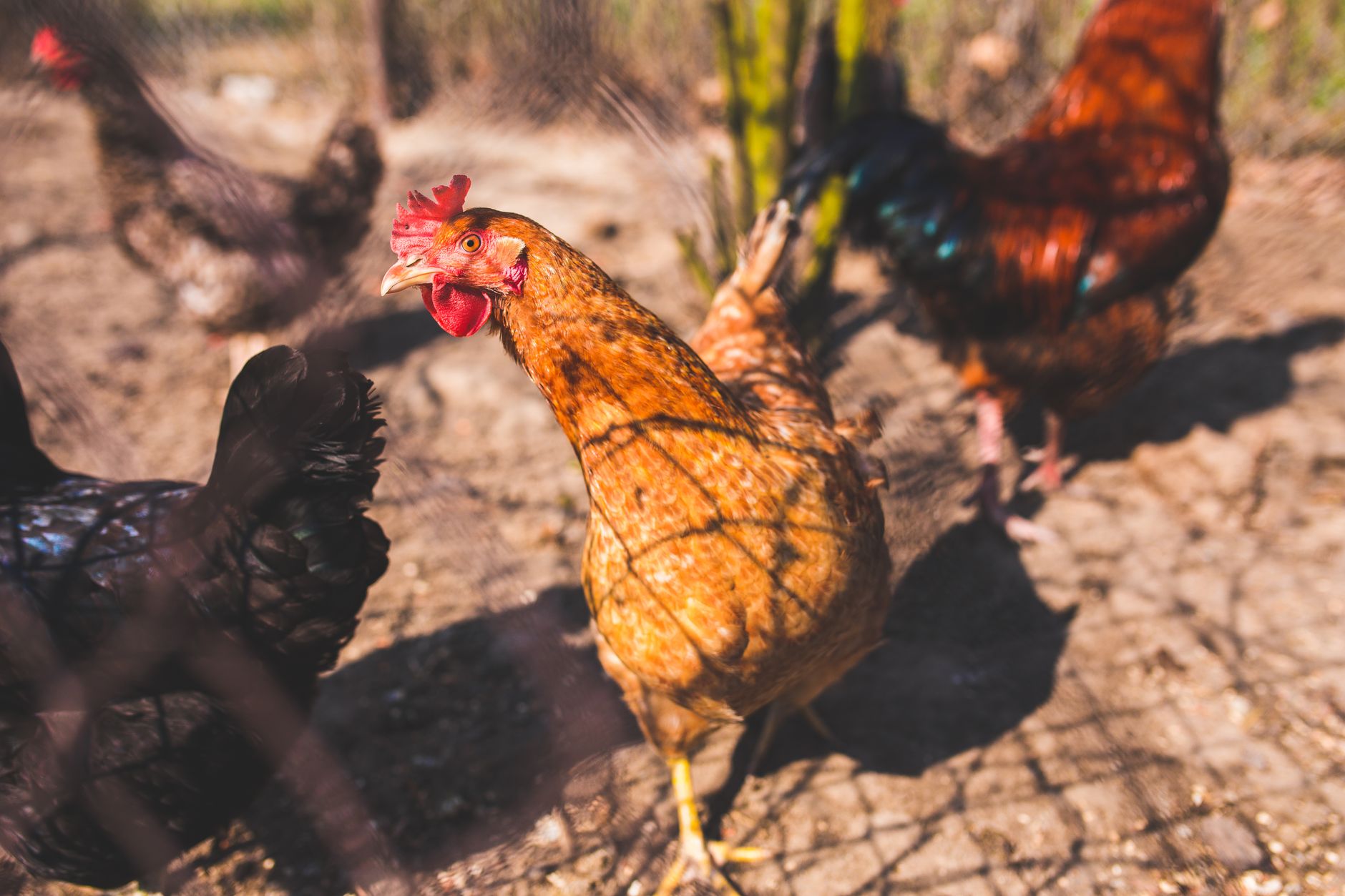
Baby chicks need a high-protein starter feed (18-20% protein) specifically formulated for their rapid growth. Offer it as crumbles in a shallow feeder, and provide fresh, clean water in a chick waterer (not a deep bowl). For the first 1-2 days, you can also offer a small amount of boiled egg yolk or chick starter gel to help them learn to eat. Avoid giving treats (like scratch grains) for the first 2-3 weeks—chicks need complete nutrition. Transition to grower feed at 6-8 weeks and layer feed at 18-20 weeks.
What you will need
Choose the Right Starter Feed

Medicated vs. Non-Medicated: Medicated starter feed contains amprolium, which helps prevent coccidiosis (a common parasitic disease in chicks). Use medicated if your chicks haven't been vaccinated. If they were vaccinated at the hatchery, use non-medicated.
Protein content: Starter feed should have 18-20% protein. This supports rapid feather and muscle development in the first weeks of life.
Crumbles vs. Mash: Starter feed comes in crumbles or mash (fine powder). Crumbles are best—they're easy for chicks to pick up and digest, with less waste than mash.
Organic options: Organic chick starter is available but more expensive. It follows the same nutritional requirements but uses organic ingredients.
When to feed: Keep starter feed available at all times (free-choice). Chicks will eat when they're hungry.
Set Up the Feeder Properly

Use a shallow feeder (1-2 inches deep) so chicks can easily reach the feed. Deep feeders can make it difficult for them to eat and can lead to starvation in the first few days.
Place the feeder in the brooder on paper towels or clean bedding. Avoid placing it directly under the heat lamp—the feed can get too hot.
Keep the feeder clean. Remove any wet or soiled feed daily to prevent mold and bacterial growth.
For the first day or two, you can spread a thin layer of feed on a paper towel or cardboard. This helps chicks learn to peck and find the food.
Fill the feeder only about halfway to reduce waste. Chicks will scratch and scatter feed if it's too full.
Provide Clean Water at All Times

Use a chick waterer with small drinking openings. This prevents chicks from falling in and drowning—a common cause of death in the first week.
Place the waterer on a raised platform (like a small tile or brick) to keep bedding out of the water. This keeps it cleaner for longer.
Change water daily. Chicks poop and scratch bedding into their water, which can contaminate it quickly.
Dip each chick's beak in the water when they first arrive to teach them where to drink. Hold them gently and dip their beak briefly.
Add 1 tablespoon of apple cider vinegar per gallon of water for the first week—this can help support digestive health and prevent pasty butt.
Offer a Starter Gel or Boiled Egg (First 1-2 Days)

Chick starter gel: This is available at feed stores. It provides hydration, calories, and nutrients in a gel form that chicks can easily peck at.
Boiled egg yolk: Hard-boil an egg, mash the yolk, and sprinkle it on a paper towel or shallow dish. This is a highly nutritious first meal for chicks.
Why only 1-2 days: These are transitional foods—they help chicks learn to eat. After 2 days, transition to chick starter feed as the primary food.
Serve on paper towels: Spread the gel or egg yolk on a paper towel or shallow dish in the brooder. Chicks will naturally peck at it.
Observation: Watch to ensure all chicks are eating. If some are not eating, gently dip their beak in the gel or egg to encourage them.
Avoid Treats for the First 2-3 Weeks

Why no treats: Chicks have tiny digestive systems and need the complete nutrition of starter feed. Treats don't provide the right balance of protein, vitamins, and minerals.
When to start treats: After 2-3 weeks, you can introduce small amounts of treats like scrambled eggs, mealworms, or finely chopped greens.
Amount: Treats should be limited to a tiny amount (a few pieces per chick). More than that can lead to nutritional deficiencies.
What not to feed: Avoid scratch grains, bread, or processed foods for young chicks. They don't provide the nutrients chicks need.
Observe their eating: Even after introducing treats, starter feed should still make up at least 90% of their diet.
Monitor Eating and Growth

Check crops: After eating, a healthy chick's crop (the pouch at the base of the neck) should feel full and slightly rounded. This indicates they're eating well.
Weight gain: Chicks should double their weight in the first week. Use a small kitchen scale to weigh a few chicks every few days to track growth.
Activity level: Healthy chicks are active, curious, and pecking at food regularly. Lethargic chicks may not be eating enough.
Feather development: By 2-3 weeks, chicks should have visible feathers on their wings. Good nutrition supports rapid feather growth.
If a chick isn't eating: Check the feeder—it might be too deep or in the wrong spot. Dip the chick's beak in the feed or water to encourage eating.
Transition to Grower Feed

When to transition: At 6-8 weeks of age, chicks are ready to transition from starter feed to grower feed (16-18% protein).
Gradual transition: Mix the new grower feed with the old starter feed in increasing amounts over 5-7 days. Day 1: 25% new, 75% old. Day 3: 50/50. Day 5: 75% new, 25% old. Day 7: 100% new.
Why slow: A sudden change in feed can cause digestive upset, diarrhea, and reduced appetite. Gradual transition gives their digestive system time to adjust.
Watch for problems: During transition, monitor for changes in appetite, droppings, or behavior. If you see problems, slow the transition.
Next transition: At 18-20 weeks, transition again to layer feed (16-18% protein) for laying hens.
Common problems and fixes
| Problem | Likely cause | What to do |
|---|---|---|
| Chicks not eating | Feeder too deep, wrong location, or chicks haven't learned to eat yet. | Spread feed on a paper towel for the first day. Dip beaks in water and feed to teach them. |
| Pasty butt (poop stuck to vent) | Stress, dehydration, or improper diet. | Clean with a warm, damp cloth. Ensure water is available and add apple cider vinegar to water. |
| Chicks are lethargic | Not eating, cold, or disease. | Check temperature (95°F for week 1). Check crops to see if they're eating. Consult a vet if persistent. |
| Mold in feeder or waterer | Not cleaning regularly or wet feed. | Clean feeders and waterers daily. Remove any wet or soiled feed immediately. |
Gardener's checklist
Test what you learned
What protein percentage should starter feed have?
Answer: 18-20%
Why should you use a chick waterer instead of a bowl?
Answer: It prevents drowning
When should you start giving treats to chicks?
Answer: After 2-3 weeks
How should you transition chicks to a new feed?
Answer: Gradually over 5-7 days
Common questions
Can baby chicks eat adult chicken feed?
No. Adult feed (layer feed) has too much calcium for chicks and not enough protein for their rapid growth. Always use starter feed for the first 6-8 weeks.
Do baby chicks need grit?
Not for the first few weeks—starter feed is already ground and easy to digest. If you give treats (after 2-3 weeks), offer chick-sized grit separately.
How much does a baby chick eat per day?
A chick eats about 1/4 to 1/2 cup of starter feed per day in the first week, increasing as they grow. Always offer feed free-choice.
Can chicks eat scrambled eggs?
Yes, from 2-3 weeks onward. Scrambled eggs are a great treat—they're packed with protein. Offer small pieces and remove uneaten portions after a few hours.
What is pasty butt and how do I treat it?
Pasty butt is when poop sticks to the chick's vent, potentially blocking it. Clean gently with a warm, damp cloth. Prevent it by keeping chicks hydrated and reducing stress.
Feeding baby chicks properly in their first few weeks sets the foundation for a lifetime of health and productivity. Starter feed with 18-20% protein provides the complete nutrition they need for rapid growth. Keep feed available free-choice, provide fresh water daily, and avoid treats for the first 2-3 weeks. Transition gradually to grower feed at 6-8 weeks. By paying attention to these details, you'll raise strong, healthy chickens that will reward you with years of eggs and companionship.
Frequently asked questions
How often should a vegetable garden be watered?
Frequency depends on weather, soil and plant size. Check the soil rather than watering on a rigid schedule.
Is compost enough fertilizer?
Compost improves soil and provides nutrients slowly. Heavy-feeding crops may still need additional feeding.

The Sproutstead Editorial Team
We create clear, practical gardening and homesteading guides designed for real homes and beginner growers.
View author profile →