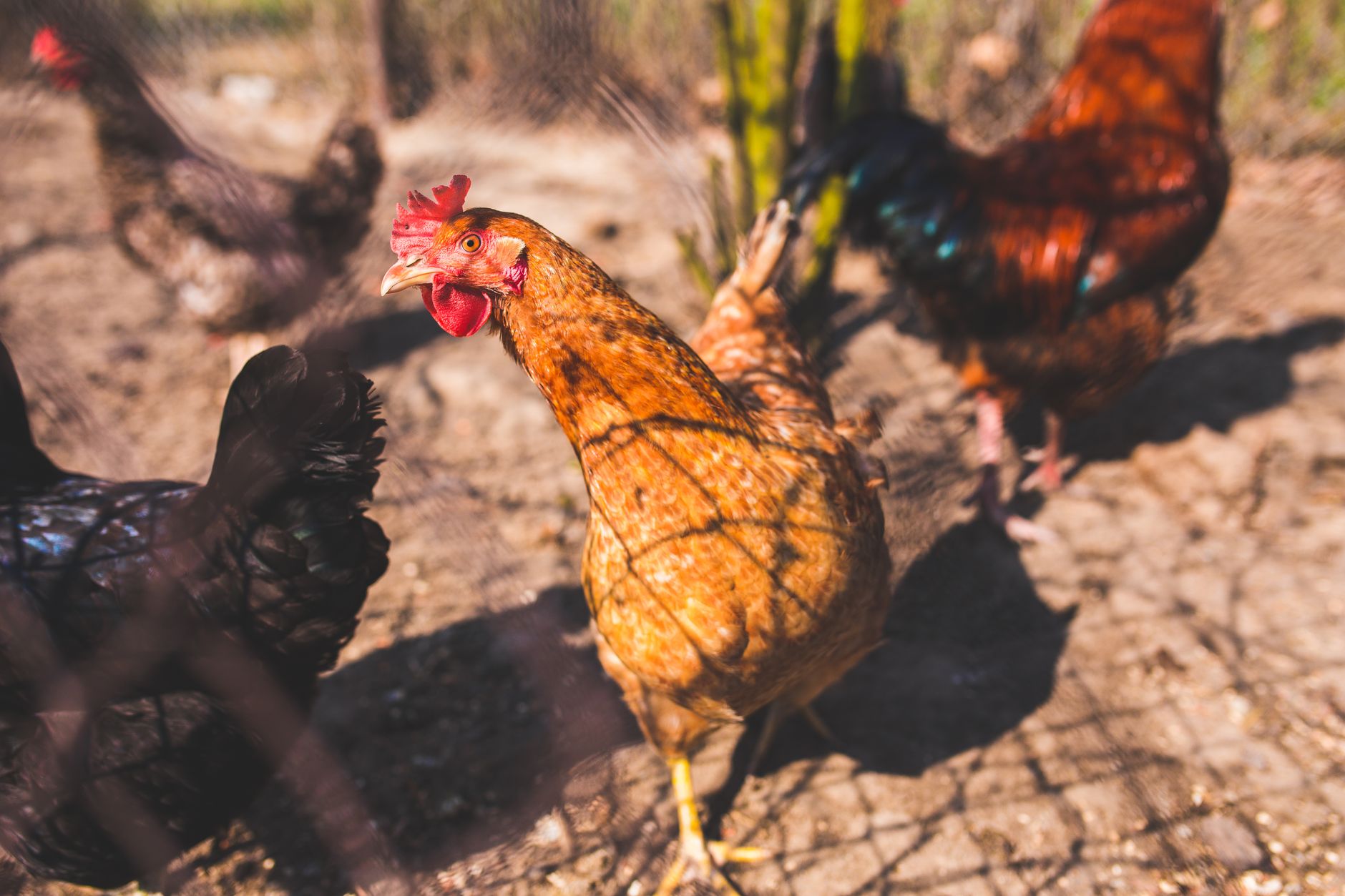
Several common foods are toxic or harmful to chickens. Never feed: chocolate (theobromine is toxic), avocado (persin is toxic, especially the pit and skin), raw beans (lectins are toxic), raw potatoes and potato peels (solanine is toxic), onions and garlic (in large amounts—can cause anemia), citrus fruits (can cause digestive upset), moldy or spoiled food (mycotoxins), and rhubarb (oxalic acid). Also avoid: salty foods, sugary foods, processed human foods, and coffee grounds. When in doubt, stick to layer feed, safe vegetables, and fruits. A healthy diet is essential for egg production and overall chicken health.
What you will need
Understand Why Some Foods Are Toxic
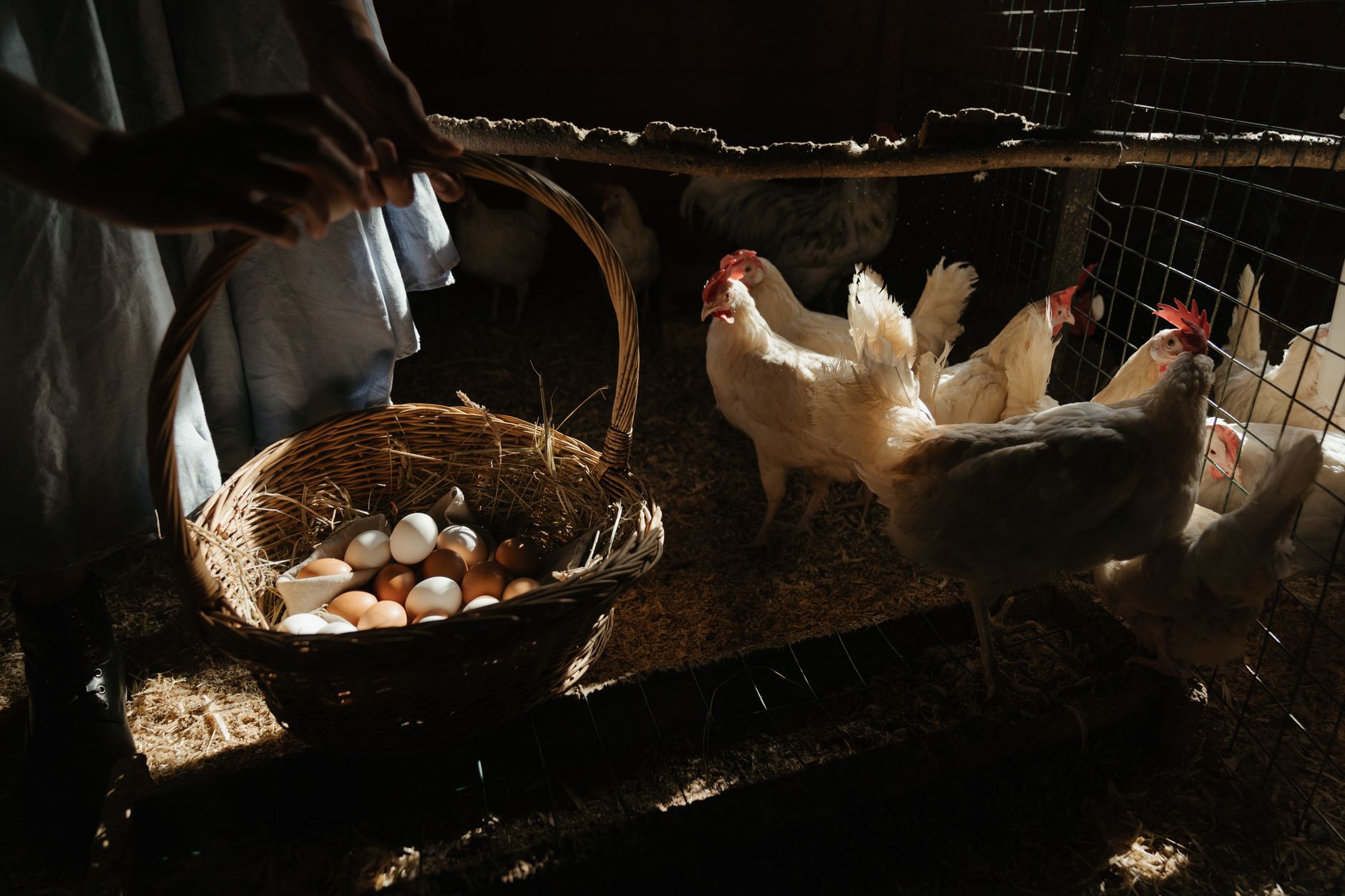
Different metabolisms: Chickens process foods differently than humans. Some compounds that are harmless to us are toxic to birds.
Small size: Chickens are small—even a small amount of a toxic food can be dangerous.
Sensitive digestive system: Chickens have a sensitive digestive system. Some foods can cause digestive upset, diarrhea, or more serious issues.
Cumulative effect: Some foods (like onions) are toxic in large amounts but safe in small amounts. It's best to avoid them entirely.
When in doubt: If you're unsure whether a food is safe, don't feed it. It's not worth the risk.
Foods to NEVER Feed (Toxic)
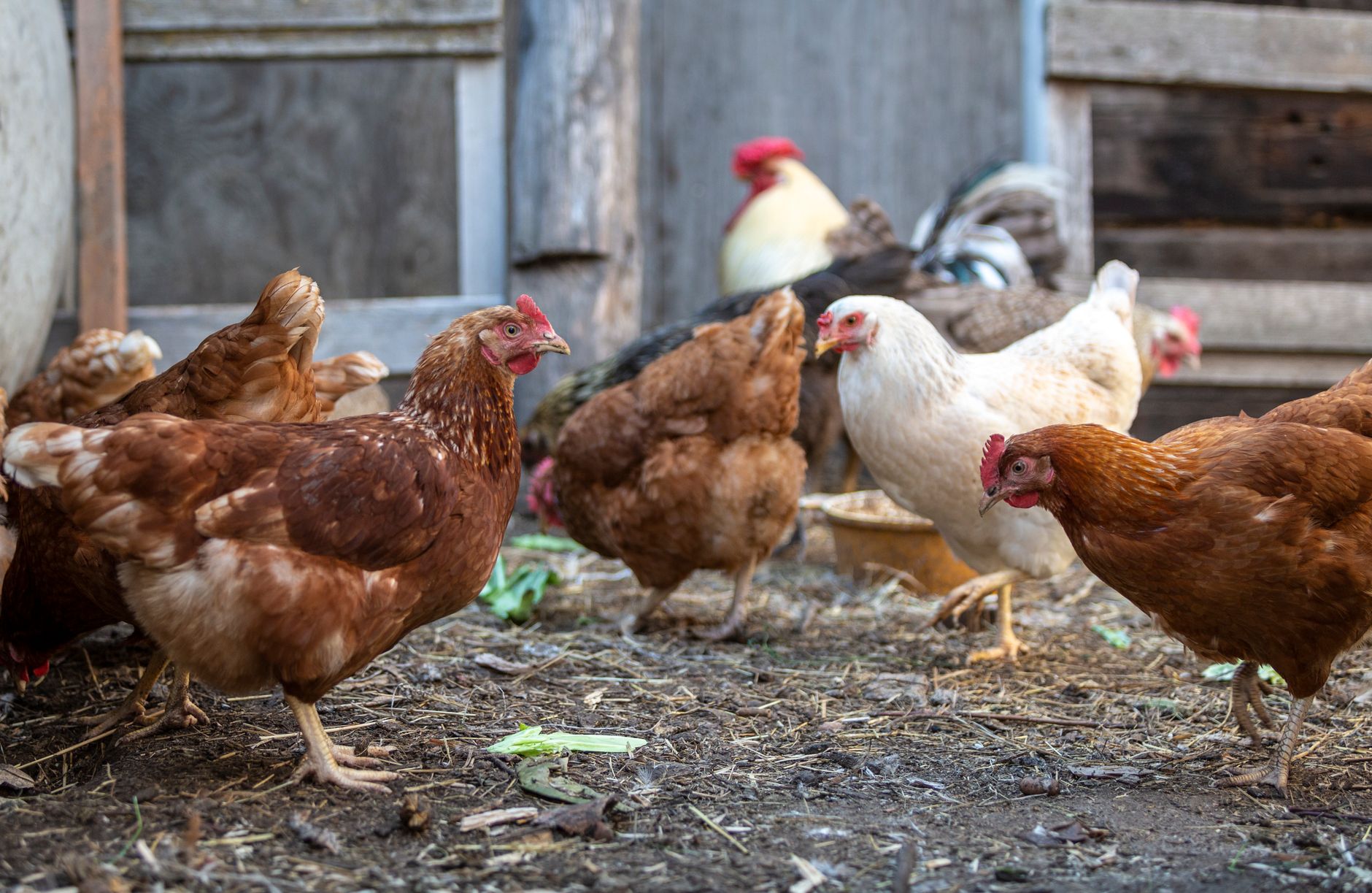
Chocolate: Contains theobromine, which is toxic to chickens. Even small amounts can cause heart problems and death.
Avocado: Contains persin, which is toxic, especially in the pit and skin. The flesh is less toxic but still best to avoid.
Raw Beans: Contain lectins, which are toxic. Only feed cooked beans.
Raw Potatoes: Contain solanine, which is toxic. Cooked potatoes are fine in moderation. Green potatoes are especially toxic.
Rhubarb: Contains oxalic acid, which is toxic. Avoid all parts of the plant.
Moldy Food: Contains mycotoxins, which can be fatal. Don't feed any moldy or spoiled food.
Coffee Grounds: Contain caffeine, which is toxic to chickens.
Alcohol: Toxic to chickens. Never give alcohol.
Foods to Avoid or Limit
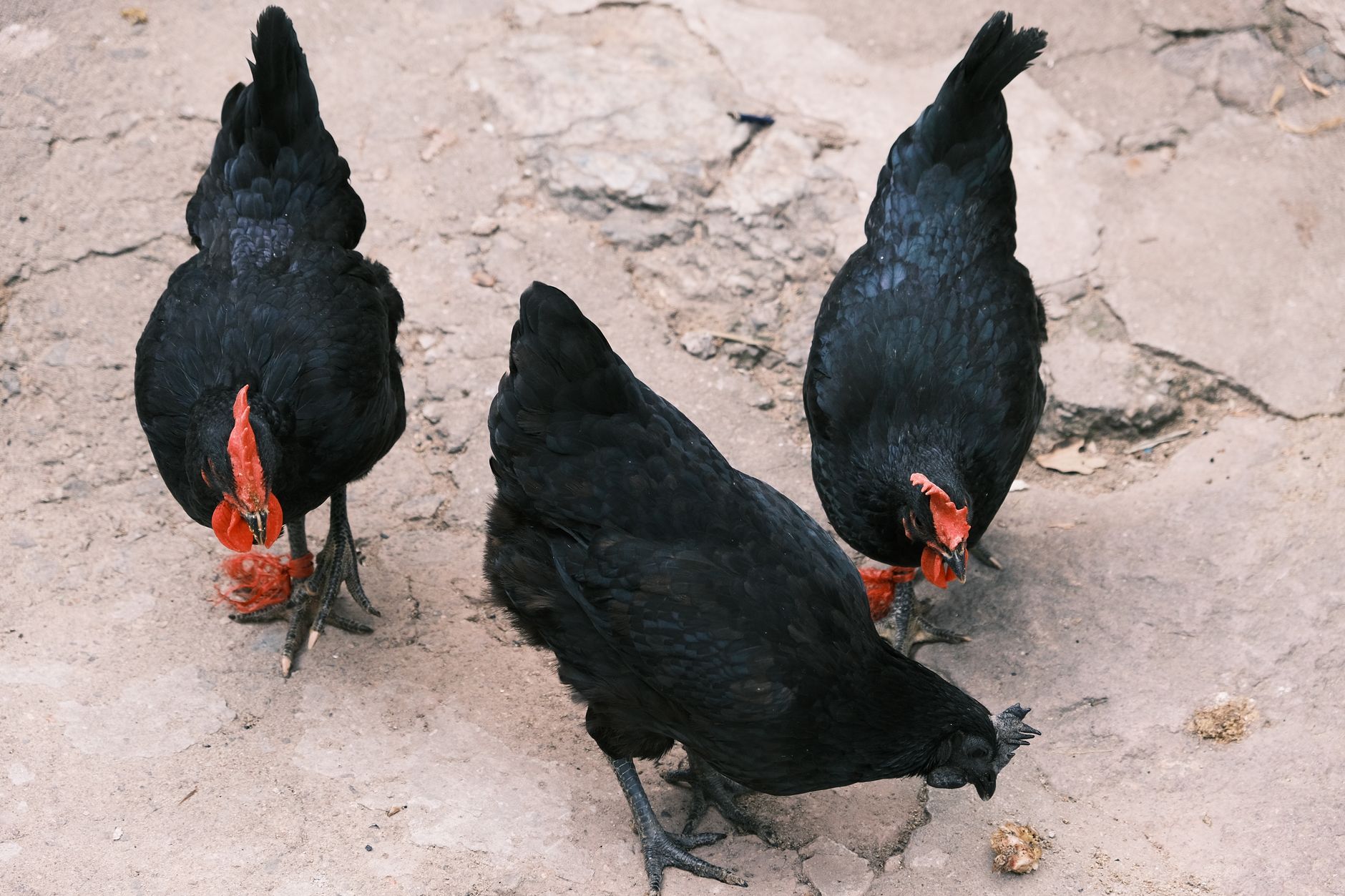
Onions and Garlic: In large amounts, they can cause anemia. A small piece occasionally is fine, but avoid regular feeding.
Citrus Fruits: Oranges, lemons, and limes can cause digestive upset. Some chickens avoid them naturally.
Tomato Leaves and Stems: Contain solanine (like potatoes). The fruit is fine, but the plant parts are toxic.
Raw Potato Peels: Contain solanine. Cooked potato peels are fine.
Eggplant Leaves: Contain solanine. The fruit is fine.
Green Potatoes: Very toxic—don't feed them to chickens.
Foods to Avoid (Unhealthy)
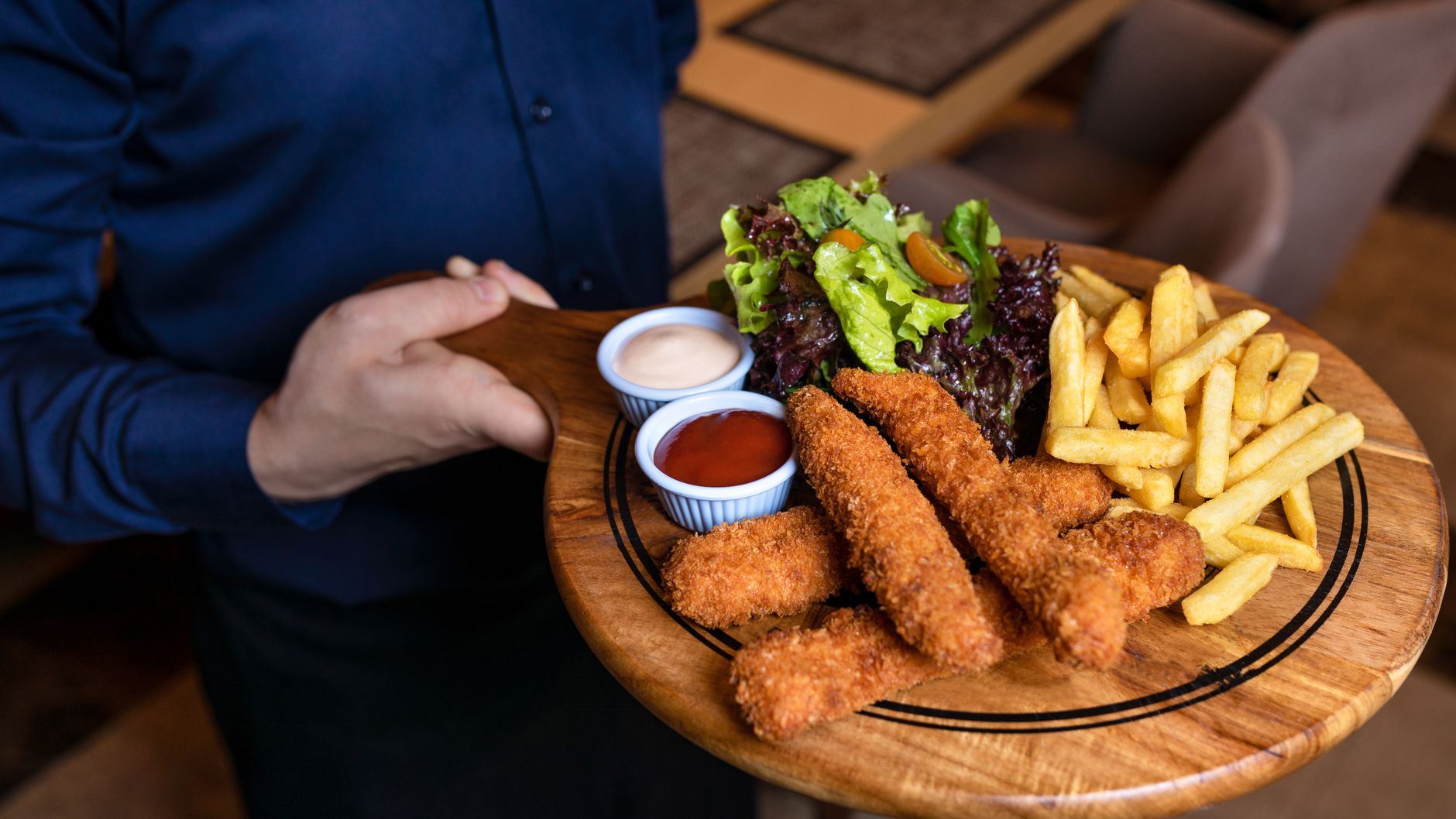
Salty Foods: Chickens can't handle excess salt. Avoid chips, pretzels, and processed meats.
Sugary Foods: Candy, baked goods, and sugary cereals have no nutritional value and can cause digestive issues.
Processed Foods: Avoid anything with preservatives, artificial colors, or additives.
Bread and Baked Goods: Low in nutrition and can cause digestive problems if fed in large amounts.
Fried Foods: Too much fat and salt.
Dairy Products: Chickens are lactose intolerant. Small amounts of cheese or yogurt are fine, but avoid milk and cream.
Know the Symptoms of Poisoning
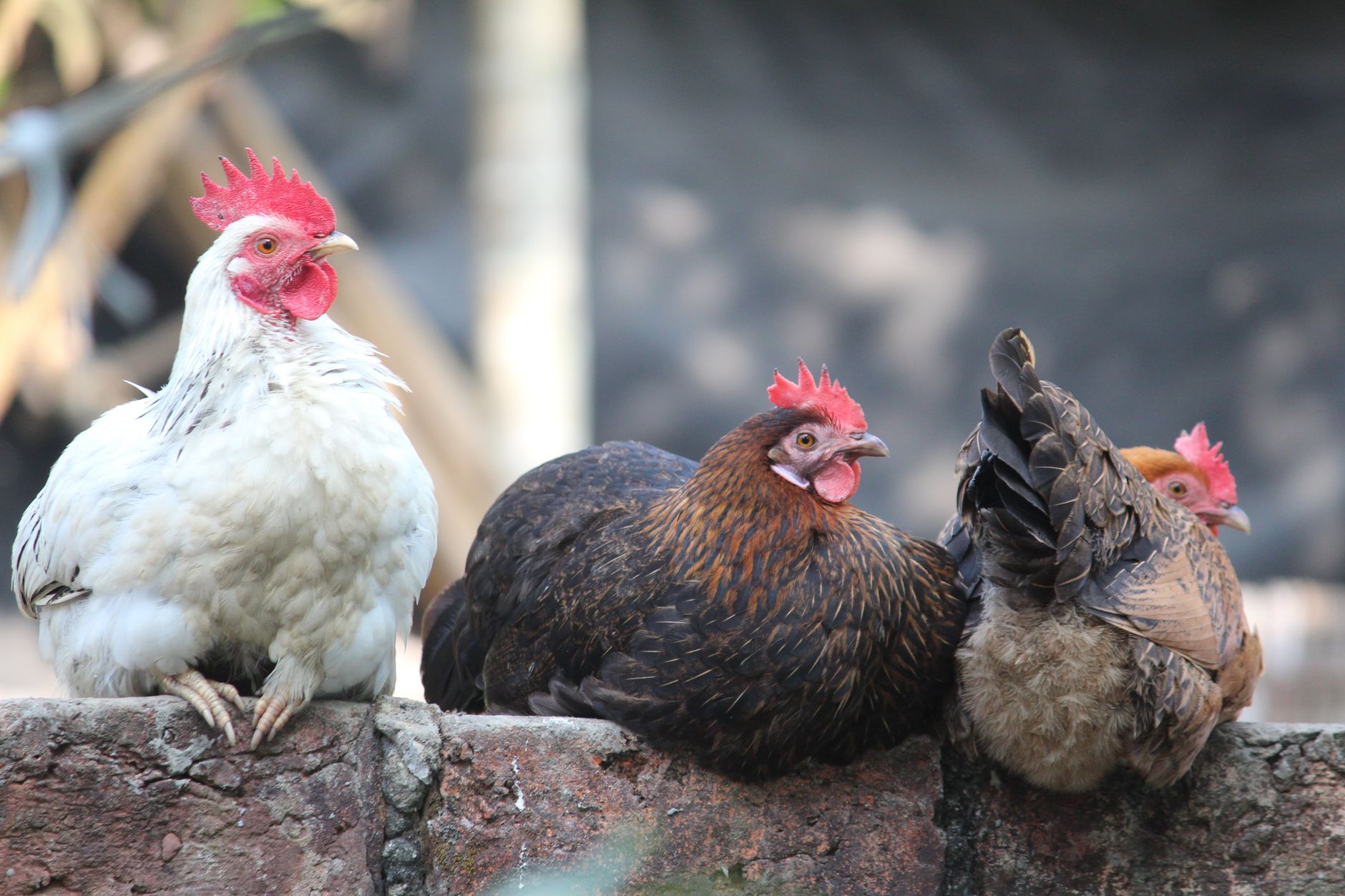
Lethargy: A normally active chicken that becomes weak, tired, or listless.
Loss of appetite: Refusing to eat or drink.
Diarrhea: Watery or abnormal droppings.
Vomiting: Chickens can vomit—it's a sign of distress.
Breathing difficulties: Labored breathing or gasping.
Tremors or seizures: In severe cases.
Sudden death: In the worst cases, death can occur quickly.
If you see symptoms: Remove the food immediately. Provide fresh water. Contact a vet if symptoms are severe.
What to Do If Your Chicken Eats Something Toxic
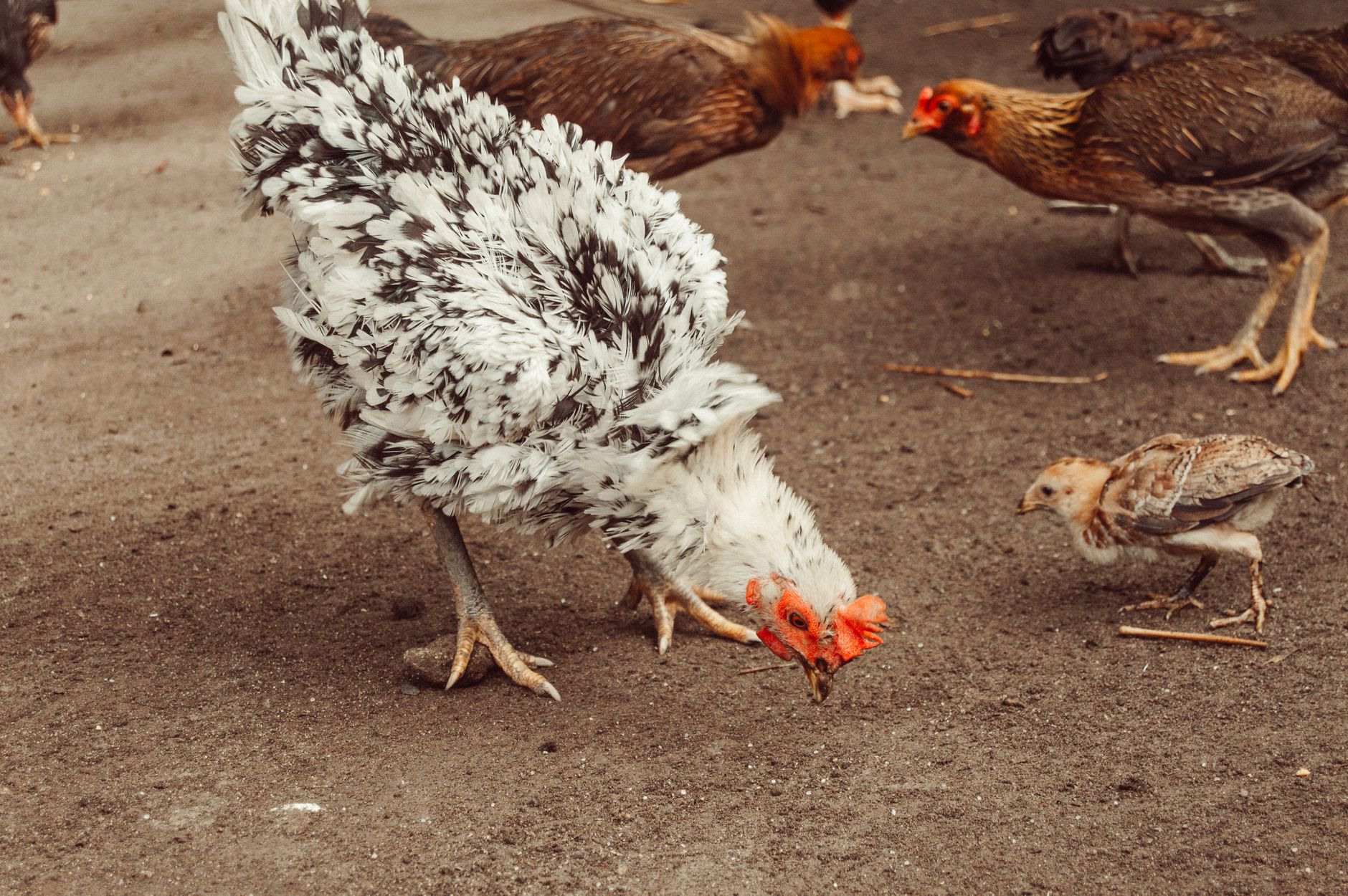
Step 1: Remove the food. Immediately remove any remaining toxic food from the coop or run.
Step 2: Provide fresh water. Ensure the chicken has access to clean, fresh water. This helps flush the system.
Step 3: Observe. Watch for symptoms. If symptoms are mild, they may resolve on their own.
Step 4: Call the vet. If symptoms are severe (lethargy, vomiting, seizures), contact a veterinarian immediately.
Step 5: Don't induce vomiting. Never try to induce vomiting in a chicken without professional guidance.
Prevention: The best treatment is prevention. Keep toxic foods away from your chickens.
Know What to Feed Instead
Layer feed (16-18% protein): This is the foundation of a healthy diet.
Safe vegetables: Leafy greens (lettuce, spinach, kale), carrots, cucumbers, zucchini, squash, broccoli, cauliflower.
Safe fruits: Apples (no seeds), berries, watermelon (no rind), bananas, grapes, peaches.
Safe grains: Oats, corn, barley, wheat (in moderation).
Safe herbs: Oregano, thyme, mint, parsley, basil.
Safe protein: Mealworms, black soldier fly larvae, scrambled eggs (cooked).
The 10% rule: Treats (including vegetables and fruits) should be limited to 10% of the diet.
Use Common Sense and Caution
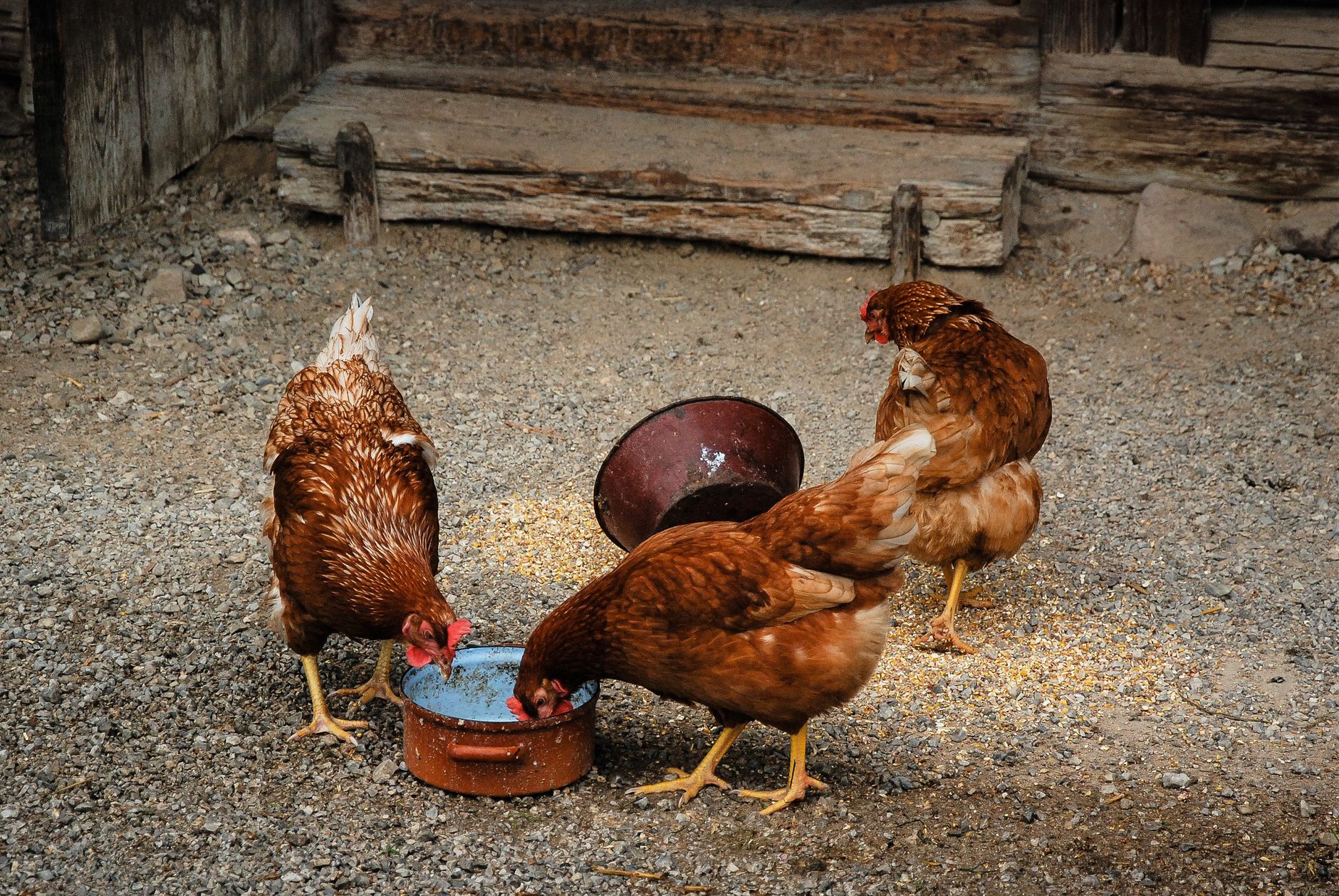
When in doubt: If you're not sure whether a food is safe, don't feed it. It's better to be safe than sorry.
Stick with what you know: Layer feed, safe vegetables, and fruits are always safe.
Limit treats: Treats should be limited to 10% of the diet. Too many treats, even safe ones, can cause nutritional deficiencies.
Observe your chickens: Watch how they react to new foods. Some chickens may have individual sensitivities.
Keep toxic foods away: Store toxic foods (chocolate, avocado, raw beans) securely away from chickens.
Common problems and fixes
| Problem | Likely cause | What to do |
|---|---|---|
| Chicken ate chocolate | Chocolate left within reach. | Remove remaining chocolate. Provide water. Watch for symptoms (lethargy, vomiting). Contact a vet. |
| Chicken ate avocado | Avocado skin or pit left out. | Remove remaining avocado. Provide water. Watch for symptoms. Contact a vet. |
| Chicken ate raw beans | Raw beans left in the garden or kitchen. | Remove remaining beans. Provide water. Watch for symptoms. |
| Chicken has diarrhea after eating something | Food intolerance or mild toxicity. | Remove the food. Provide water and electrolytes. Monitor. |
Gardener's checklist
Test what you learned
Which food is toxic to chickens?
Answer: Chocolate
Why shouldn't you feed raw beans to chickens?
Answer: They contain toxins (lectins)
What should you do if your chicken eats something toxic?
Answer: Remove the food and provide fresh water
What percentage of the diet should treats be?
Answer: 10%
Common questions
Can chickens eat chocolate?
No. Chocolate contains theobromine, which is toxic to chickens. Even small amounts can be fatal.
Can chickens eat avocado?
No. Avocado contains persin, which is toxic, especially in the pit and skin. The flesh is less toxic but best to avoid entirely.
Can chickens eat raw potatoes?
No. Raw potatoes contain solanine, which is toxic. Cooked potatoes are fine in moderation. Green potatoes are especially toxic.
Can chickens eat onion?
Onions can be fed in very small amounts occasionally. Large amounts can cause anemia. It's best to avoid feeding them regularly.
Can chickens eat moldy food?
No. Moldy food contains mycotoxins, which can be fatal. Never feed moldy or spoiled food to chickens.
Knowing what NOT to feed your chickens is just as important as knowing what to feed them. Several common foods—chocolate, avocado, raw beans, raw potatoes, rhubarb, and moldy food—are toxic and can be fatal. Onions, garlic, and citrus are harmful in large amounts. The golden rule: when in doubt, don't feed it. Stick to layer feed, safe vegetables, fruits, and grains. By keeping toxic foods away from your flock, you'll keep them healthy, happy, and productive.
Frequently asked questions
How often should a vegetable garden be watered?
Frequency depends on weather, soil and plant size. Check the soil rather than watering on a rigid schedule.
Is compost enough fertilizer?
Compost improves soil and provides nutrients slowly. Heavy-feeding crops may still need additional feeding.

The Sproutstead Editorial Team
We create clear, practical gardening and homesteading guides designed for real homes and beginner growers.
View author profile →