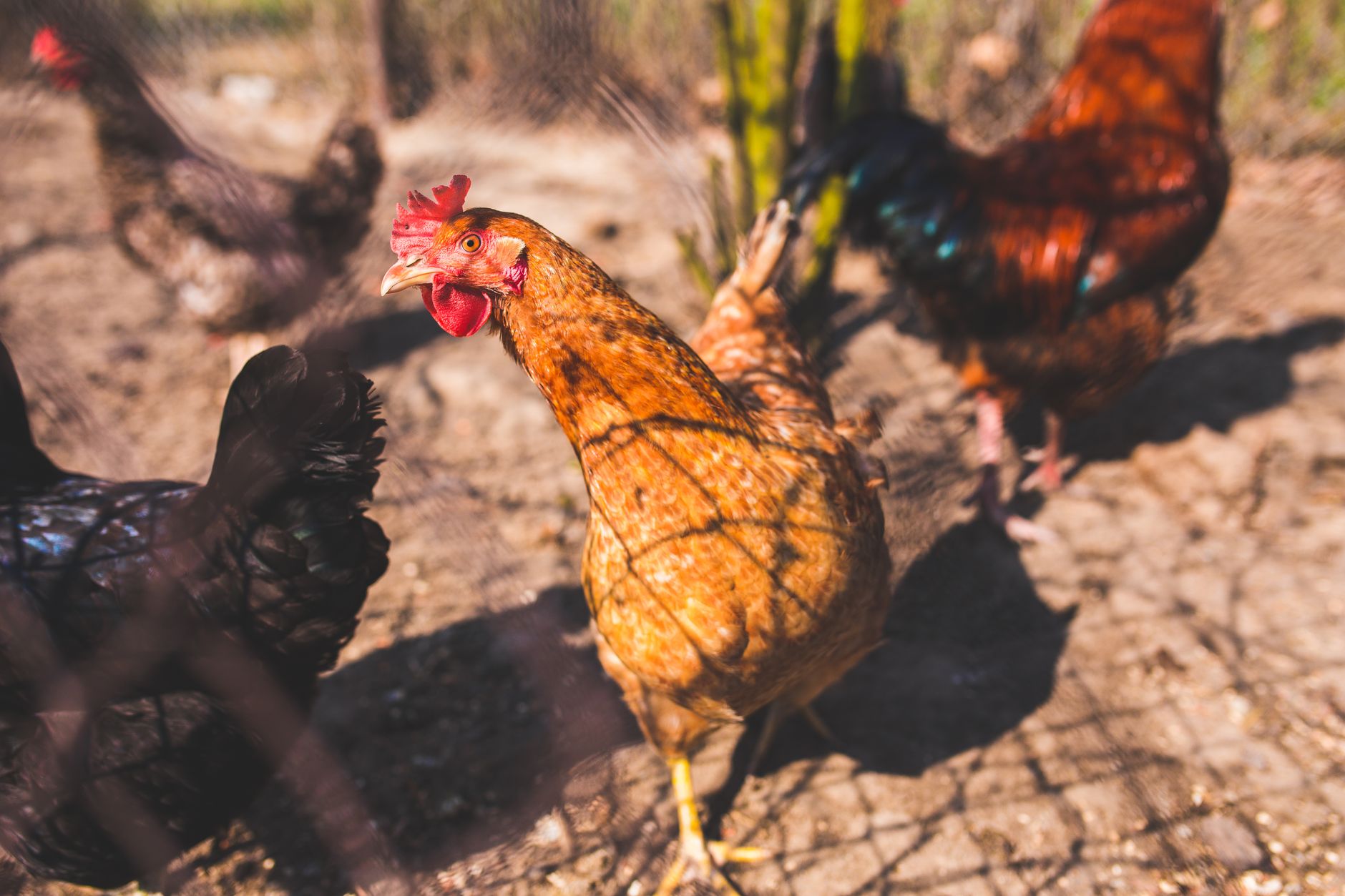
The four main types of beehives are Langstroth (most common, vertical, stackable boxes with frames), Top-Bar (horizontal, simple, natural comb), Warré (vertical top-bar, natural, minimal intervention), and Flow Hive (modern, with a tap for harvesting honey without opening the hive). Langstroth is recommended for beginners—it's the most common, parts are widely available, and there's extensive information and support. Top-Bar and Warré are good for natural beekeeping. Flow Hive is innovative but expensive and less conventional. Choose based on your budget, beekeeping style, and how much intervention you want.
What you will need
Langstroth Hive — The Standard Choice
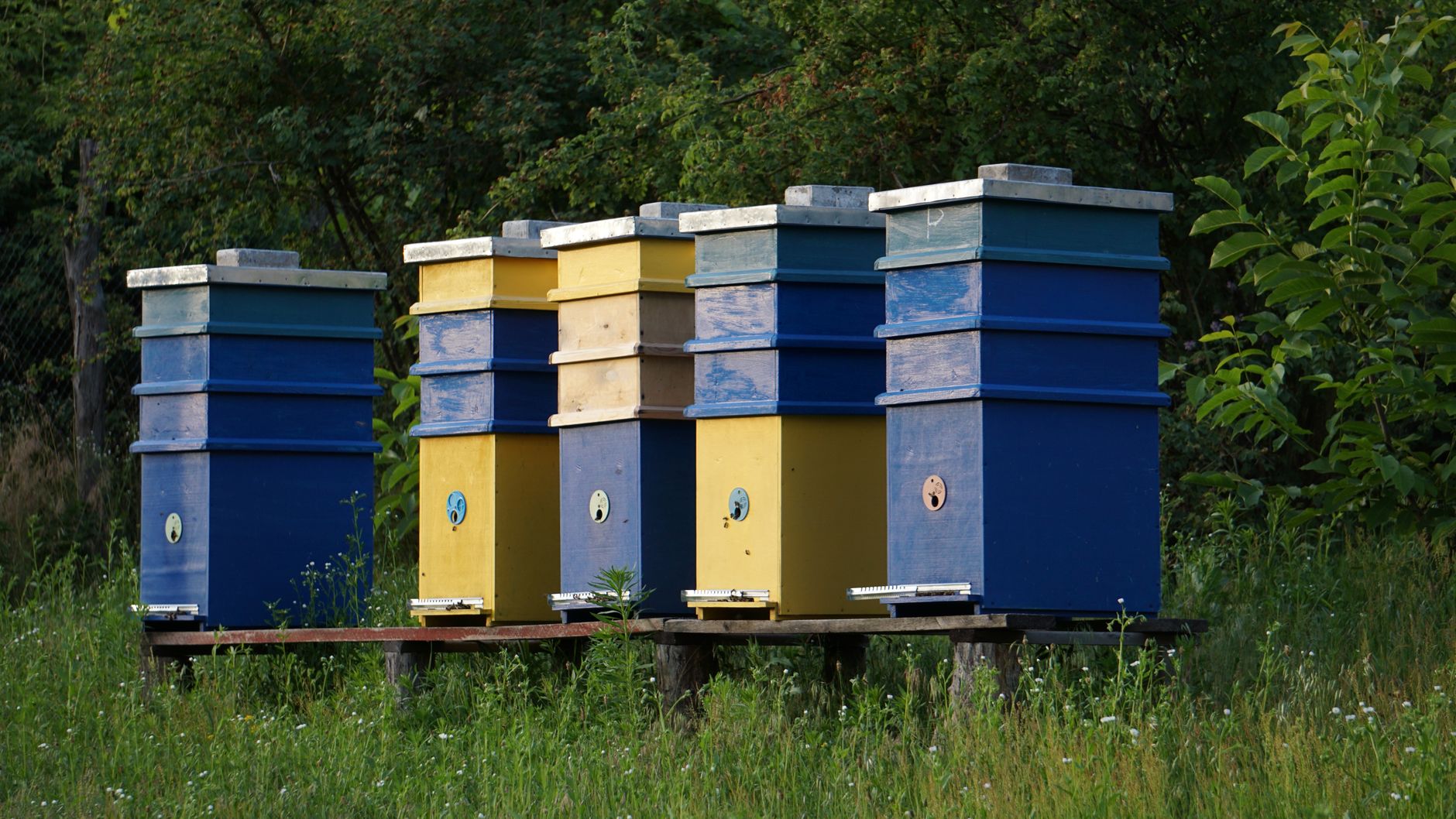
What it is: A vertical hive with stackable boxes. Each box contains removable frames where bees build comb. Standard sizes: deep (brood box) and medium (honey supers).
How it works: The queen lives in the bottom boxes (brood chamber). The upper boxes (honey supers) are where bees store honey. A queen excluder can be used to keep the queen from laying eggs in the honey supers.
Pros: Most common—parts are widely available. Standardized, easy to manage, and best for honey production. Easy to inspect and harvest. Queen excluders allow you to control where the queen lays.
Cons: Heavy—a full deep box can weigh 80+ pounds. More expensive than top-bar hives. Requires more equipment (boxes, frames, foundation).
Best for: Beginners, honey production, commercial beekeeping, and beekeepers who want a conventional approach.
Cost: $150-$300 per hive (new).
Top-Bar Hive — The Natural Choice
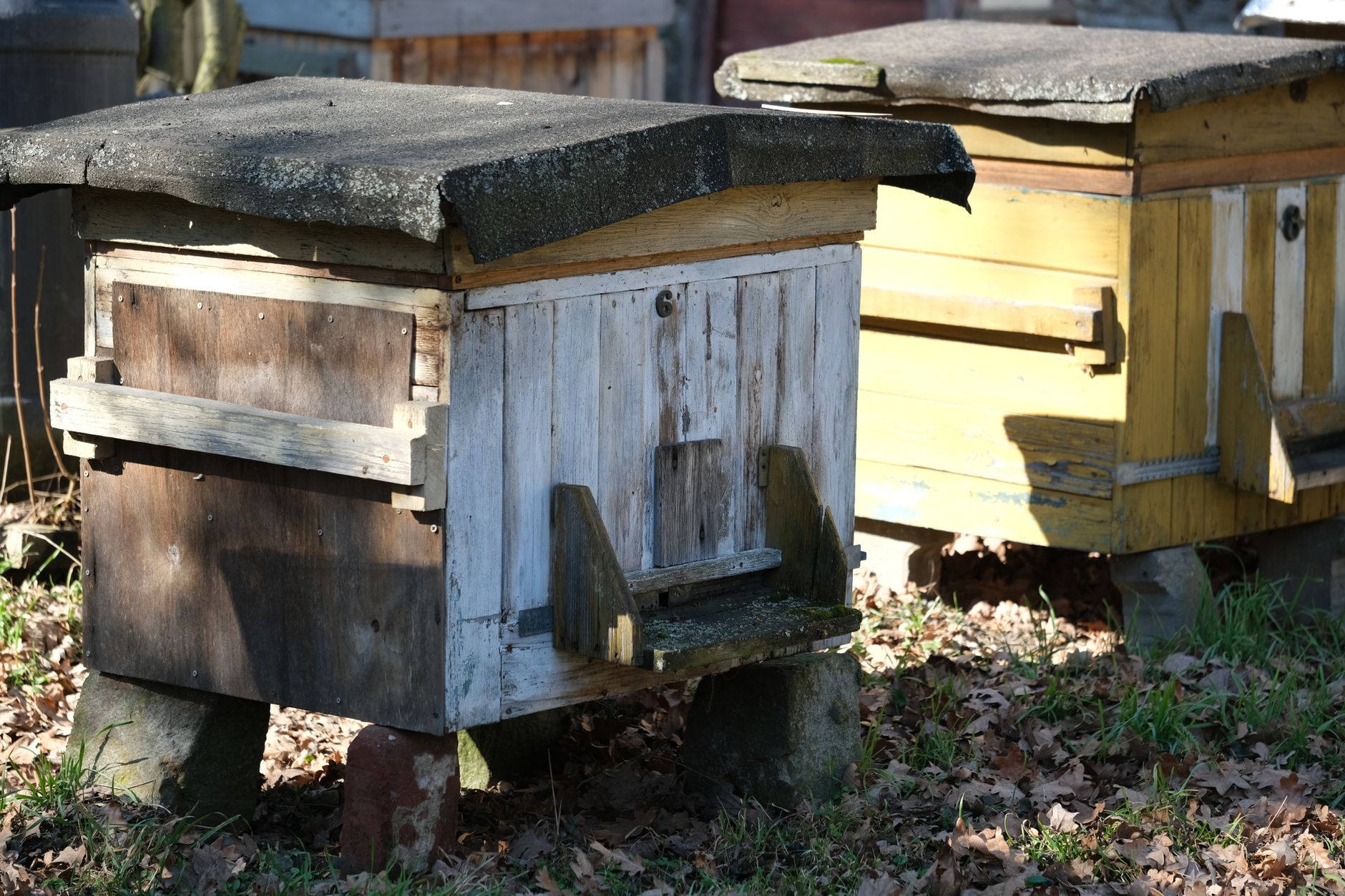
What it is: A horizontal hive with bars (instead of frames) across the top. Bees build comb naturally from the bars. No foundation or pre-formed comb.
How it works: The bars are spaced to allow bees to build comb. You can inspect by lifting individual bars. When you harvest, you cut the comb off the bars.
Pros: Simple and inexpensive. No heavy lifting (horizontal). More natural—bees build comb to their own specifications. Good for small-scale beekeeping. DIY is easy.
Cons: Less honey production (20-60 lbs/year vs 40-100+). Comb is destroyed during harvest (bees must rebuild). Less standardized (fewer resources).
Best for: Hobbyists, natural beekeepers, small spaces, and beekeepers who want minimal intervention.
Cost: $100-$200 (or less if DIY).
Warré Hive — The Minimal Intervention Hive
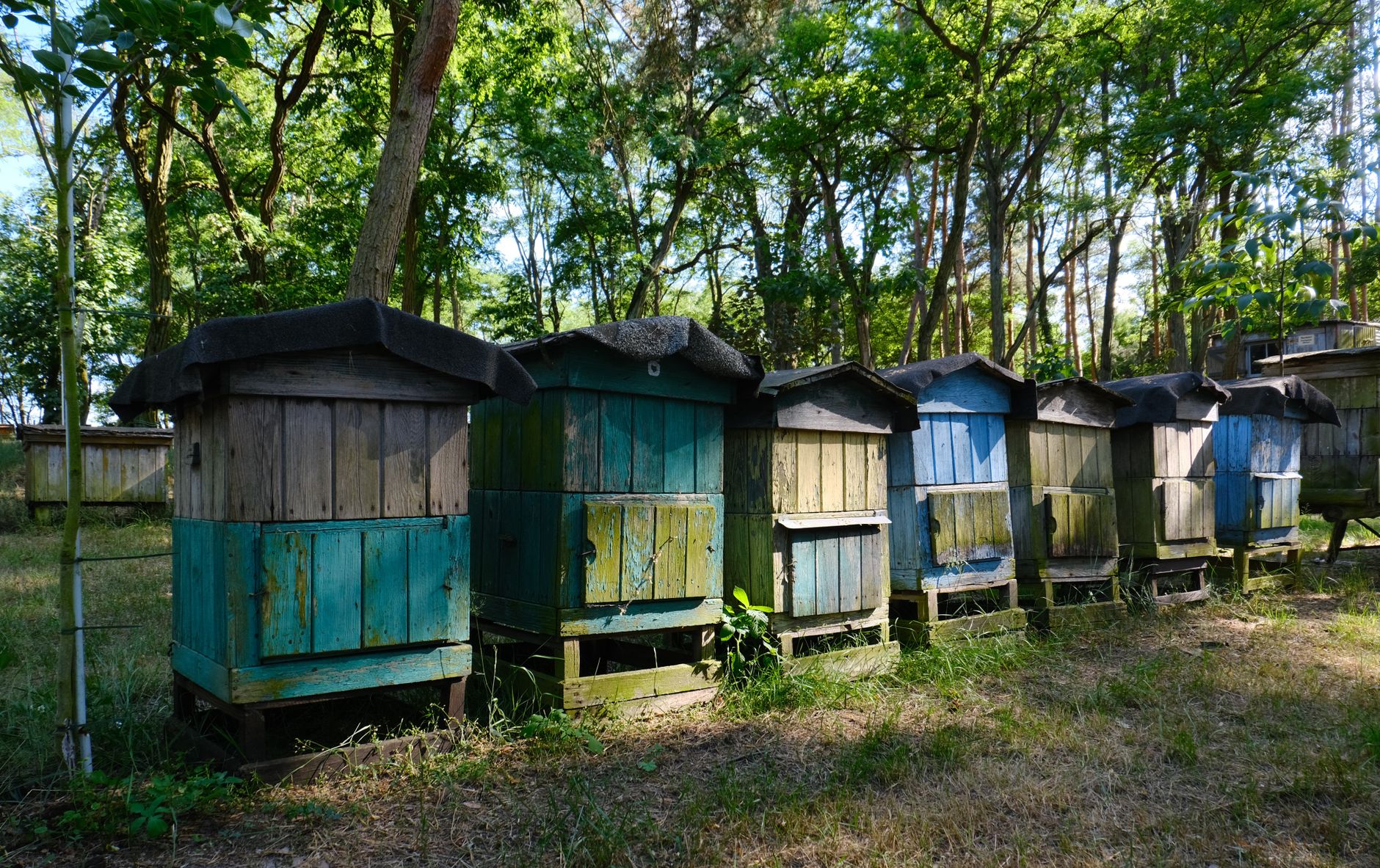
What it is: A vertical top-bar hive. Similar to Langstroth but uses top-bars instead of frames. It's a vertical version of the top-bar hive.
How it works: The hive is built from stackable boxes (like Langstroth) but with top-bars. Bees build comb naturally. The quilt box at the top controls moisture.
Pros: More natural—bees build comb to their own specifications. No foundation needed. Less invasive inspection. Good for bees' health.
Cons: Less honey production (30-60 lbs/year). Harder to find parts and information. The queen is harder to find (no frames).
Best for: Natural beekeepers, minimal intervention beekeepers, and those who want a less commercial approach.
Cost: $150-$300 (similar to Langstroth).
Flow Hive — The Modern Innovation
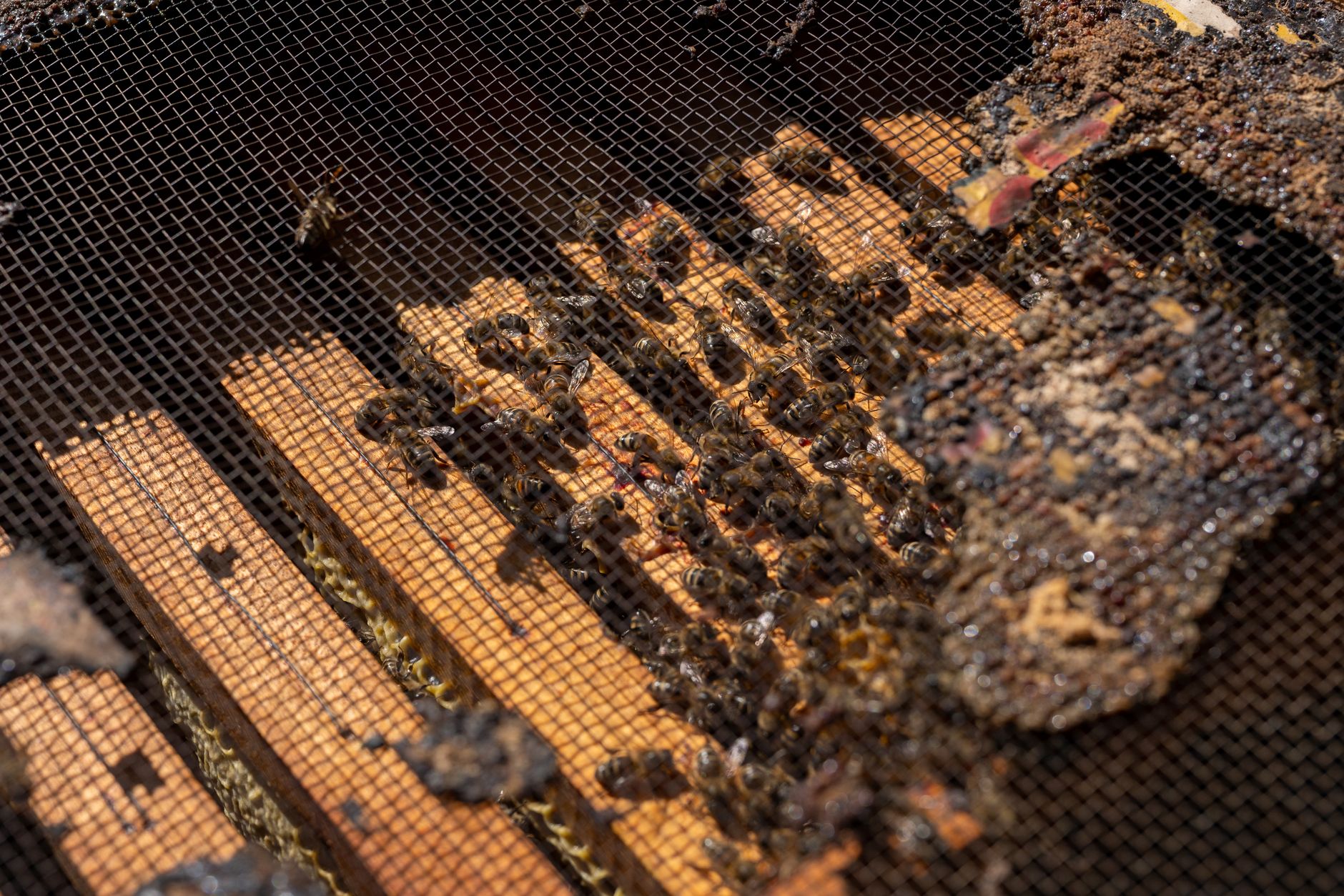
What it is: A Langstroth-style hive with specially designed Flow Frames. These frames have a tap that allows you to harvest honey without opening the hive.
How it works: You turn a tap, and the honey flows out through a tube into a jar. The bees don't need to be disturbed during harvest.
Pros: Easy honey harvesting—no extractor needed. Less disturbance to bees. Great for urban beekeepers.
Cons: Expensive ($400-$800+). Some beekeepers find it gimmicky. The frames are expensive to replace. Less conventional.
Best for: Urban beekeepers, hobbyists who want an easy harvest, and those with a bigger budget.
Cost: $400-$800+ (complete hive).
Compare the Hive Types
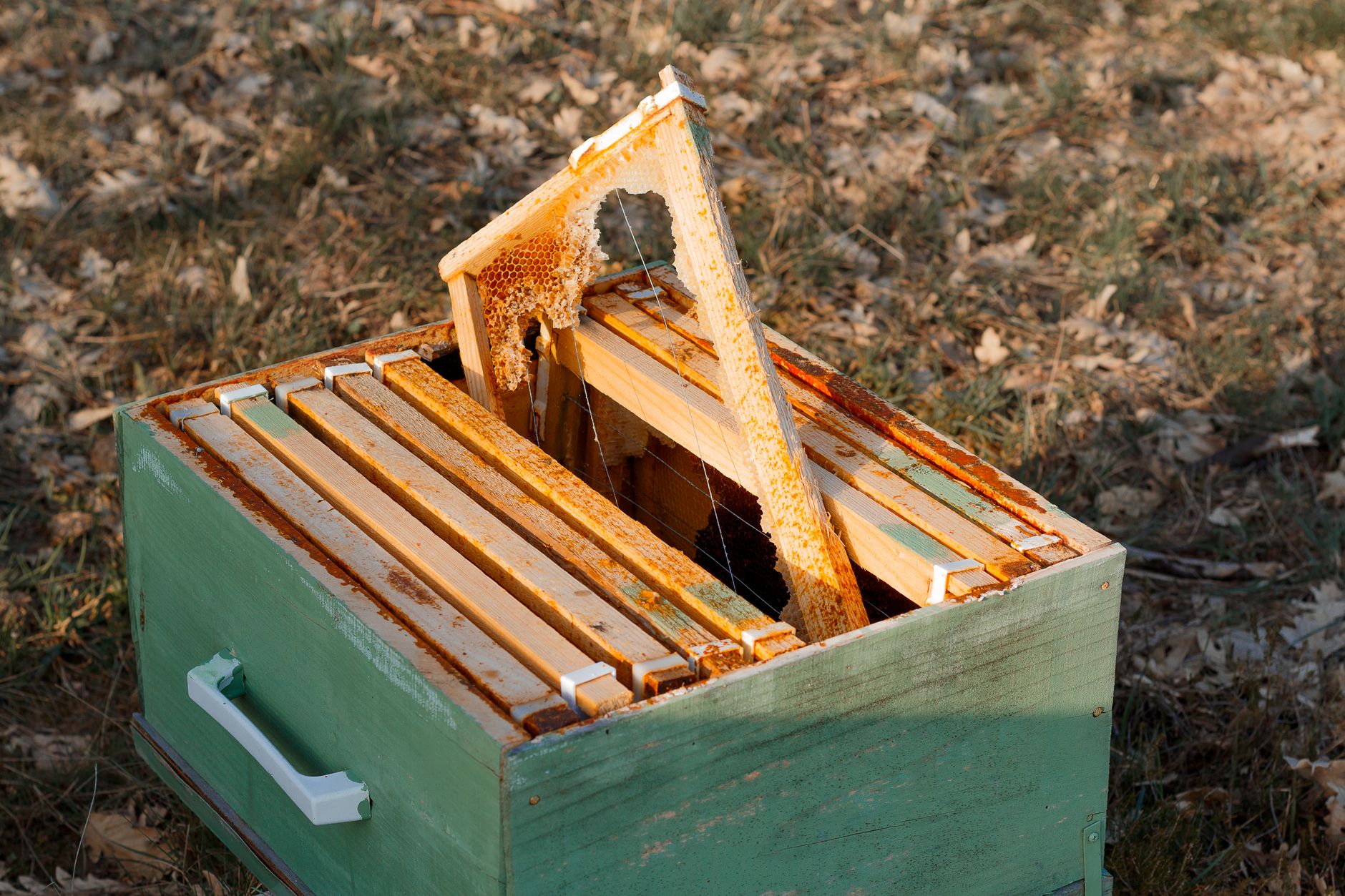
Langstroth: Most common, highest honey production, easy to inspect, heavy, expensive. Best for beginners and honey production.
Top-Bar: Simple, inexpensive, no heavy lifting, natural comb, less honey, comb is destroyed at harvest. Best for hobbyists and natural beekeeping.
Warré: Natural comb, minimal intervention, vertical (like Langstroth), less honey, harder to find parts. Best for natural beekeeping.
Flow Hive: Easy harvest, modern, expensive, innovative. Best for those with a bigger budget and wanting to harvest easily.
Recommendation for beginners: Langstroth. It's the most common, there's the most information, and parts are widely available. You can always try other hives later.
Consider Your Goals and Budget

What's your goal? Honey production? Natural beekeeping? Low intervention? Education?
What's your budget? Langstroth is moderately expensive. Top-bar is cheap. Flow Hive is expensive.
What's your space? Vertical hives (Langstroth, Warré) take less ground space. Horizontal hives (Top-Bar) take more space.
How much time do you have? All hives need regular inspections (every 7-10 days). Warré and Top-Bar require less equipment but still need monitoring.
What's your skill level? If you're a beginner, Langstroth is the easiest to learn. Top-Bar and Warré are less standardized but can be learned.
Assemble and Set Up Your Hive
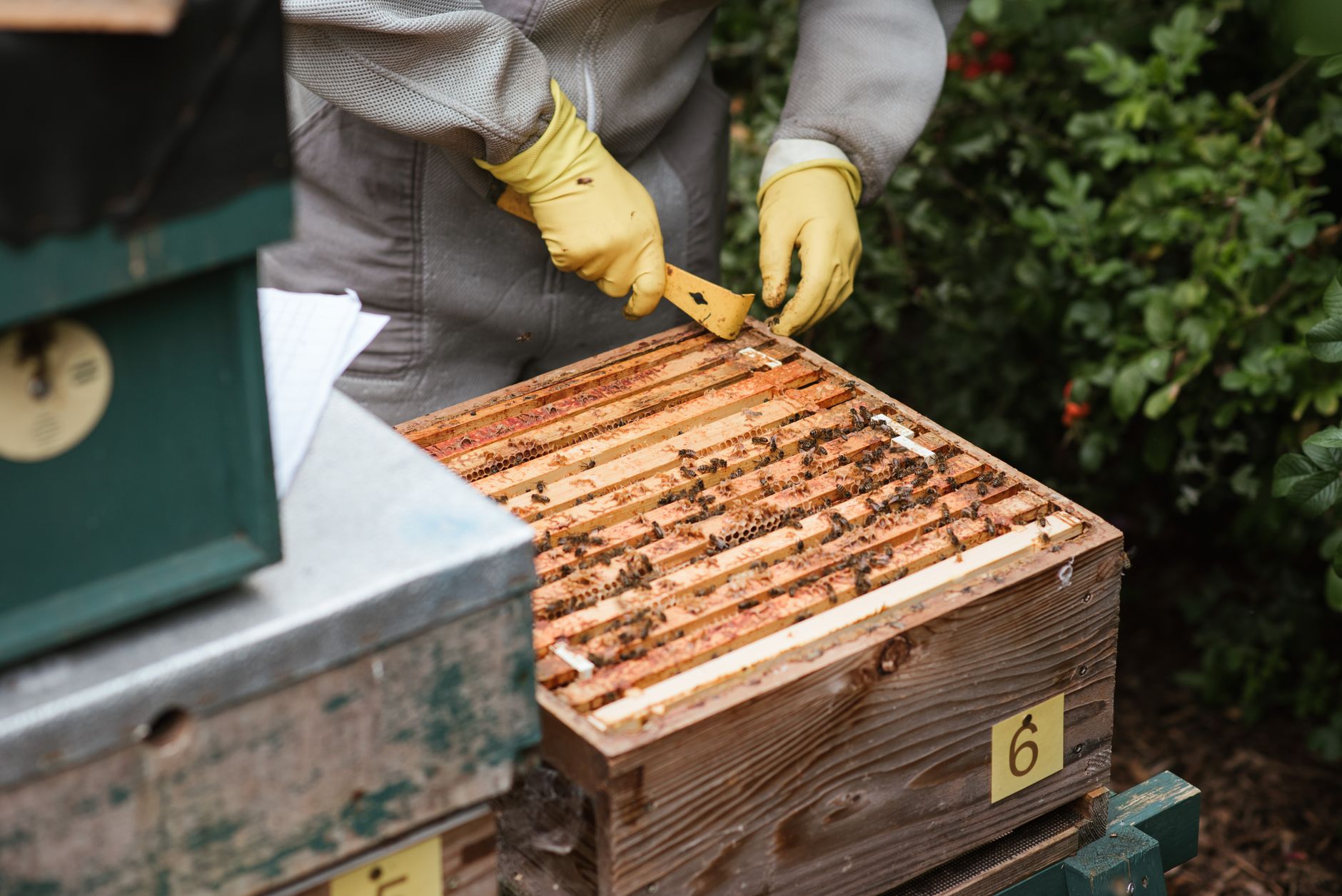
Assemble: Follow the manufacturer's instructions for your hive type. Use wood glue and nails for Langstroth. Top-bar hives are usually just box construction.
Placement: Choose a sunny, sheltered location with access to water. Face the entrance away from foot traffic.
Foundation: For Langstroth, you'll need foundation (wax or plastic). Top-bar and Warré don't need foundation—bees build naturally.
Paint: Paint the exterior (not the interior) to protect the wood. Use a non-toxic paint.
Getting bees: Order package bees or a nuc from a local supplier. Install them in the spring.
Maintain Your Hive
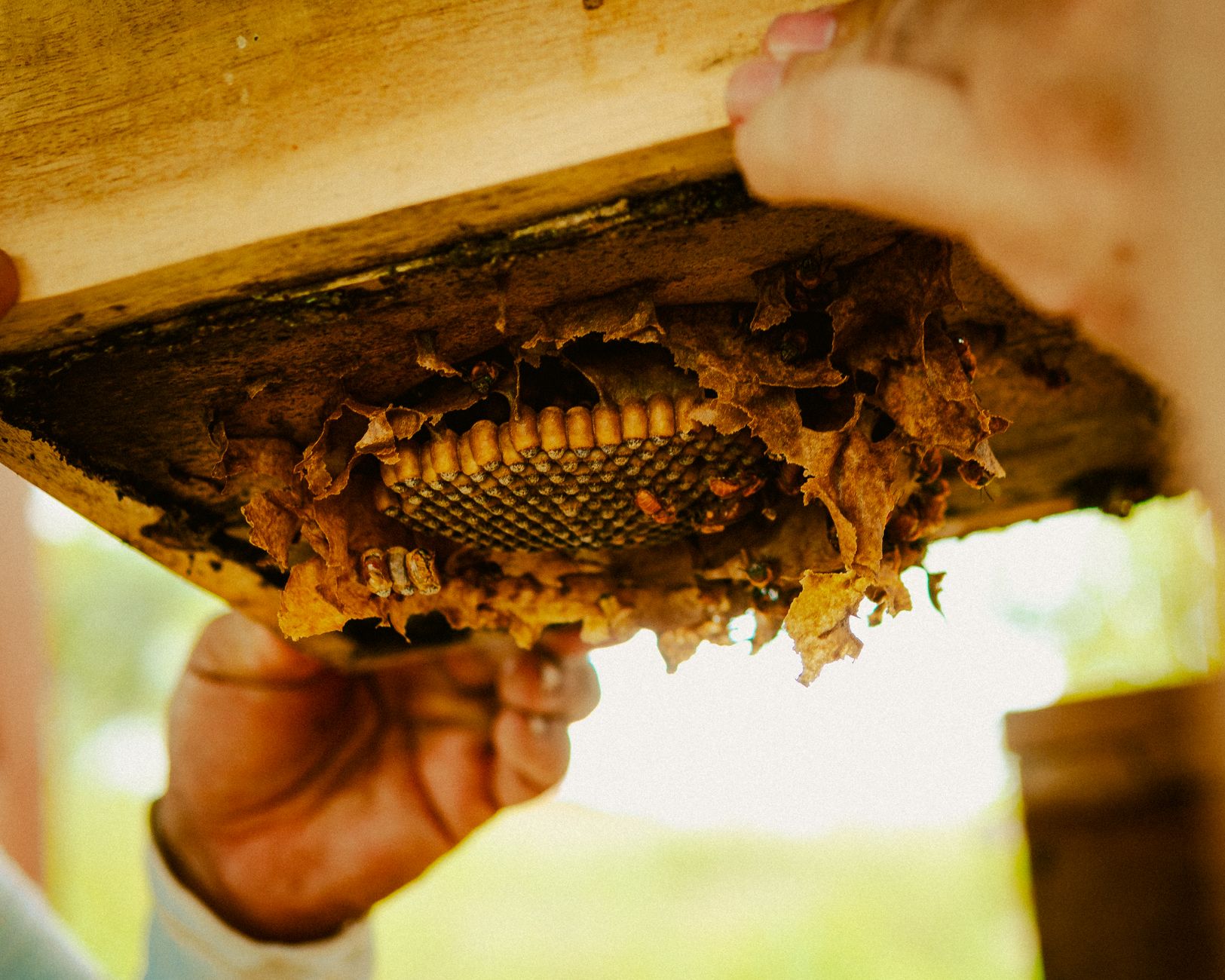
Regular inspections: Inspect every 7-10 days during the active season. Check for queen activity, disease, and food stores.
Feeding: Feed new colonies (1:1 sugar syrup) in spring. Feed in fall if stores are low (2:1 syrup).
Pest management: Monitor for varroa mites (the #1 pest). Treat when levels are high.
Adding supers: For Langstroth and Flow Hive, add supers when the hive is 70-80% full. For Warré, add boxes as needed.
Winter preparation: Ensure 40-60 pounds of honey stores. Provide moisture control and ventilation.
Common problems and fixes
| Problem | Likely cause | What to do |
|---|---|---|
| Hive is too heavy to lift (Langstroth) | Full deep box is 80+ pounds. | Use 8-frame boxes instead of 10-frame. Use medium boxes instead of deeps. Consider switching to Top-Bar. |
| Bees won't draw comb on foundation (Langstroth) | Foundation is too old or wrong type. | Use fresh foundation. Consider using wax foundation (bees prefer it). Feed 1:1 syrup to encourage comb building. |
| Bees build cross-comb (Top-Bar or Warré) | Bars are too far apart, or not straight. | Space bars correctly (1.25-1.5 inches). Ensure bars are straight and level. |
| Flow Hive tap doesn't produce honey | Honey isn't ripe yet, or frames aren't fully capped. | Wait until honey is capped (70-80%). Flow Hive works best with capped honey. |
Gardener's checklist
Test what you learned
What is the most common beehive type?
Answer: Langstroth
Which hive is best for natural beekeeping?
Answer: Top-Bar or Warré
What is the main advantage of the Flow Hive?
Answer: It allows easy honey harvesting without opening the hive
Which hive is recommended for beginners?
Answer: Langstroth
Common questions
What is the best beehive for beginners?
The Langstroth hive is the best choice for beginners. It's the most common, there's the most information available, parts are widely available, and it's the most researched. You can always try other hives later.
How much does a beehive cost?
Costs vary: Langstroth ($150-$300), Top-Bar ($100-$200, less if DIY), Warré ($150-$300), Flow Hive ($400-$800+).
Which hive produces the most honey?
The Langstroth hive produces the most honey (40-100+ lbs/year). Top-Bar produces 20-60 lbs, and Warré produces 30-60 lbs.
Do I need a Flow Hive to harvest honey easily?
No. Many beekeepers have been harvesting honey for centuries without a Flow Hive. A Flow Hive makes harvesting easier but is not necessary.
Can I build my own beehive?
Yes! Top-Bar hives are particularly easy to build. Langstroth hives can also be built. Just ensure you use the correct dimensions and materials. Many plans are available online.
Choosing the right beehive is one of the most important decisions in beekeeping. The Langstroth is the best choice for most beginners—it's common, well-supported, and produces the most honey. Top-Bar and Warré hives are excellent for natural beekeepers who want minimal intervention. The Flow Hive is innovative but expensive and less conventional. Consider your goals, budget, and space before making a decision. No matter which hive you choose, the most important factor is your commitment to learning and caring for your bees.
Frequently asked questions
How often should a vegetable garden be watered?
Frequency depends on weather, soil and plant size. Check the soil rather than watering on a rigid schedule.
Is compost enough fertilizer?
Compost improves soil and provides nutrients slowly. Heavy-feeding crops may still need additional feeding.

The Sproutstead Editorial Team
We create clear, practical gardening and homesteading guides designed for real homes and beginner growers.
View author profile →