
Avoid composting meat, fish, and dairy products (decompose poorly, attract pests), oily or greasy foods, diseased or heavily pest-infested plants, pet waste from carnivorous animals, chemically treated wood or materials, coal ash, and glossy or heavily printed paper. These materials either decompose poorly in typical home conditions, pose potential health risks, or can introduce contaminants into your finished compost and eventual garden soil.
What you will need
Avoid Meat, Fish, and Dairy Products
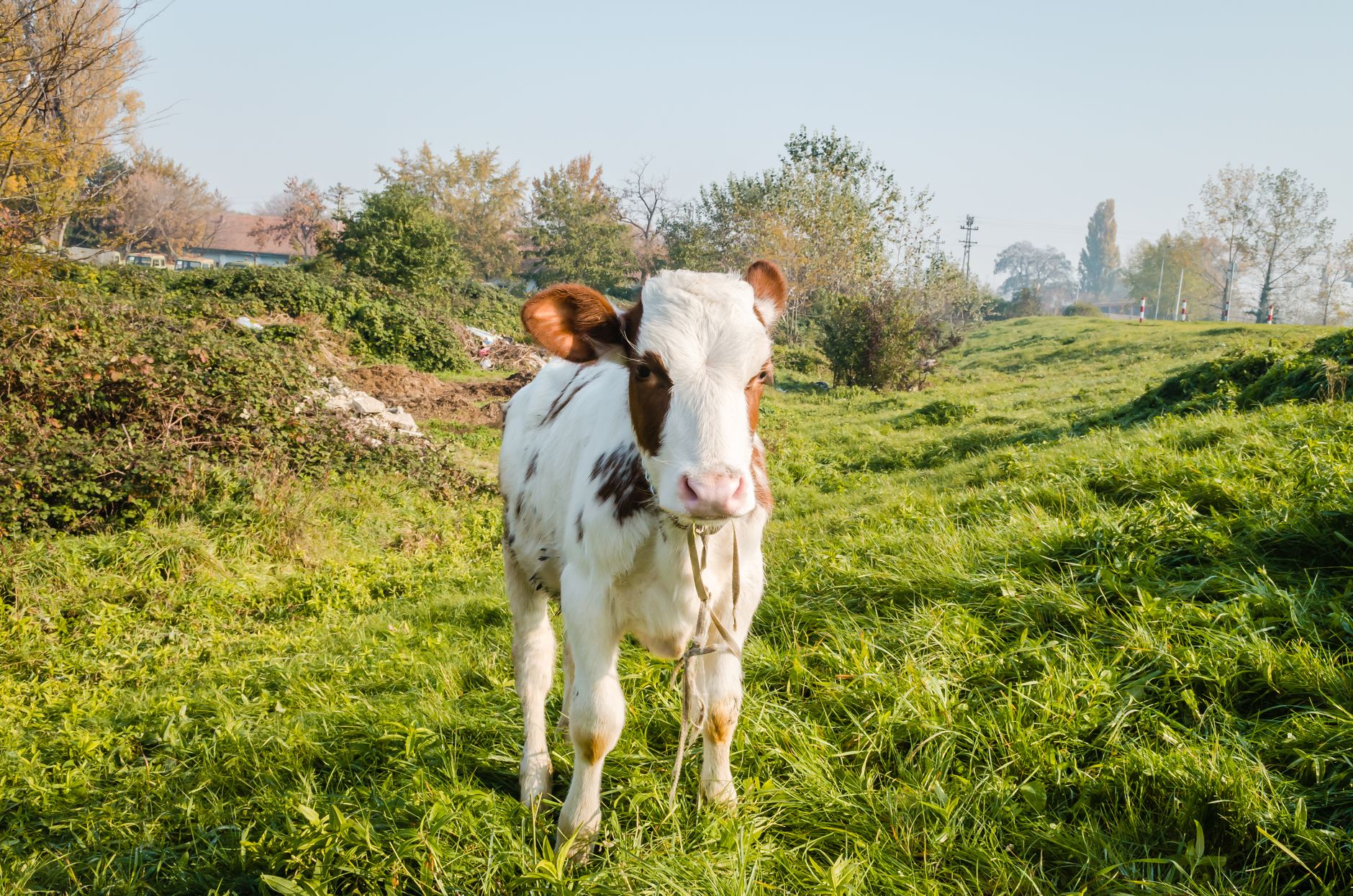
Meat, fish, and dairy products decompose poorly in standard home compost conditions, since typical backyard piles don't consistently reach the high temperatures needed for these materials to break down cleanly and safely.
These materials also produce strong, unpleasant odors as they decompose incompletely, creating a genuinely off-putting compost experience compared to typical fruit and vegetable scraps.
The odor and decomposing animal protein also attract unwanted pests, including rodents, flies, and other scavengers drawn to the scent, potentially creating a broader pest problem beyond just the compost pile itself.
Some specialized composting systems (like Bokashi fermentation or professionally managed hot composting operations) can handle these materials more effectively, but typical home backyard composting isn't suited to them.
Dispose of meat, fish, and dairy scraps through regular trash collection or, where available, municipal food waste programs specifically designed to handle these materials through more controlled, industrial-scale processing.
Avoid Oily and Greasy Foods
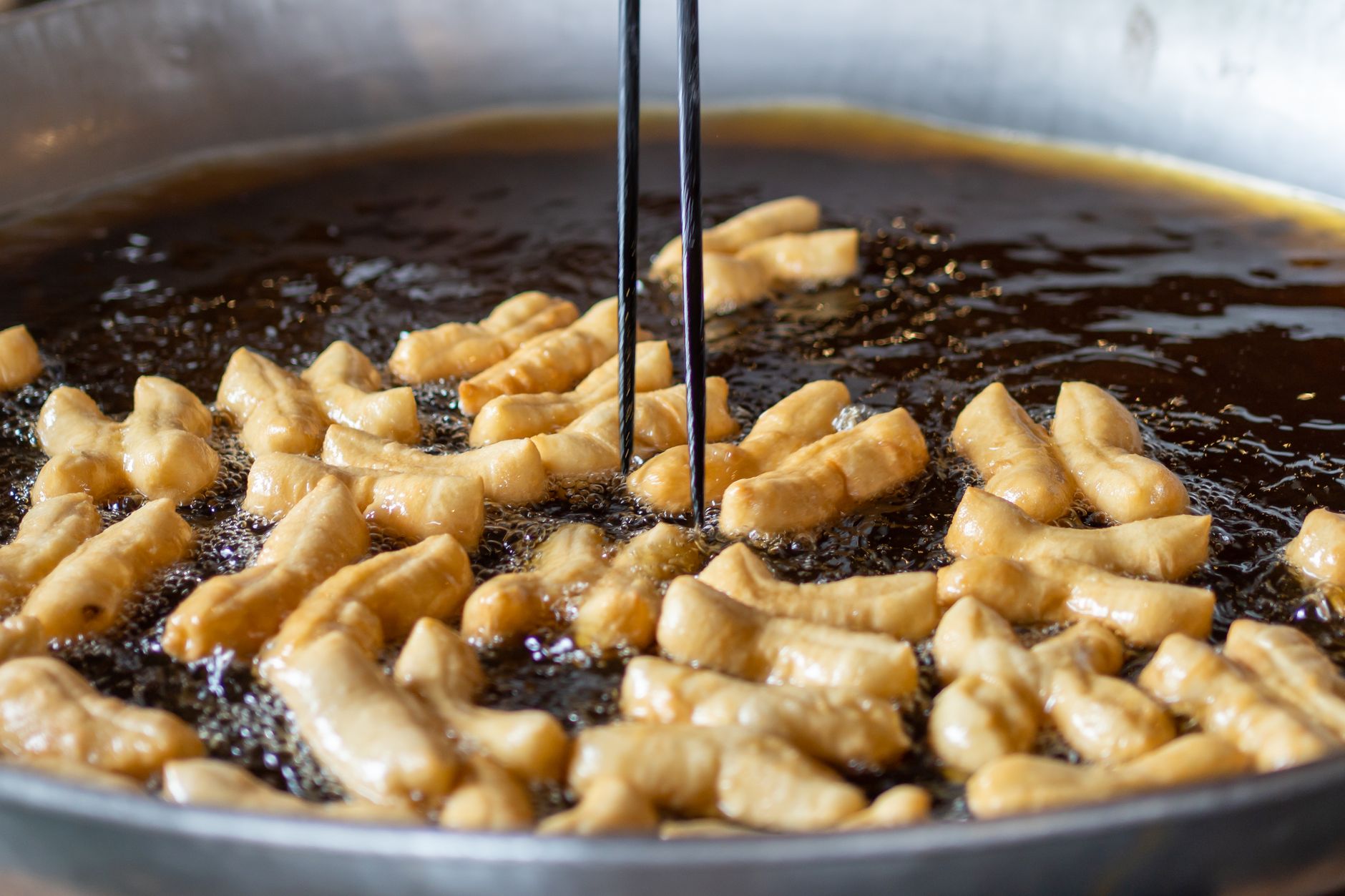
Cooking oil, salad dressing, fried food remnants, and other greasy or oily food waste coat surrounding compost materials, creating a barrier that slows the decomposition process for everything nearby.
This coating effect also reduces the airflow and moisture penetration that healthy aerobic decomposition depends on, potentially creating anaerobic pockets within an otherwise well-balanced pile.
Like meat and dairy, oily materials can attract pests drawn to the fat content, compounding the decomposition problems with an additional practical nuisance.
Small amounts of oil residue on otherwise compostable items (like a lightly oiled paper towel) generally cause less significant issues than substantial quantities of pure oil or grease, though minimizing this category overall remains the safer practice.
Dispose of larger quantities of cooking oil and grease through appropriate channels (many municipalities offer recycling programs for used cooking oil) rather than either composting or pouring down drains, both of which can create their own separate problems.
Avoid Diseased or Heavily Infested Plant Material
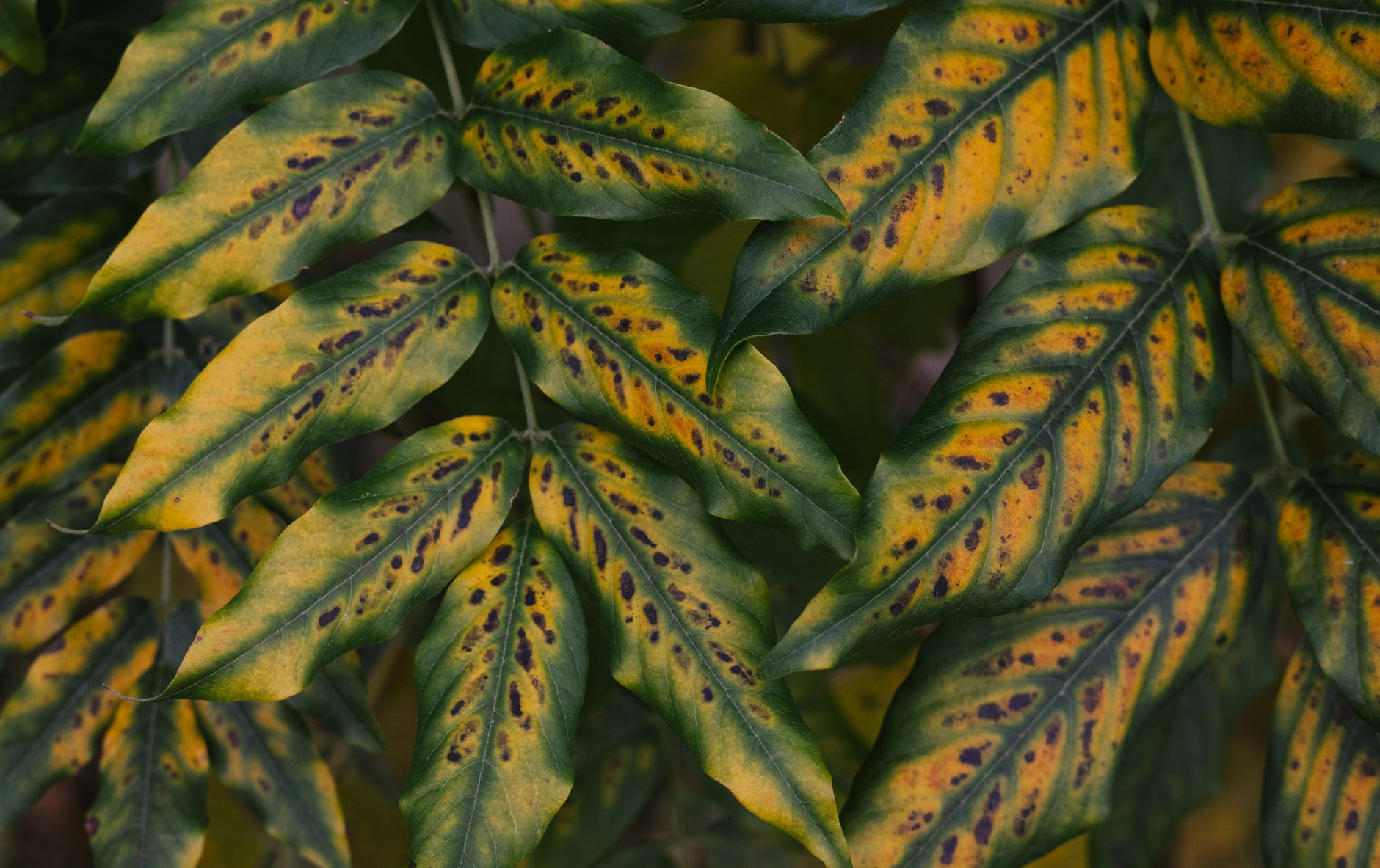
Plants showing clear signs of fungal disease, bacterial infection, or viral infection are best excluded from home compost, since typical backyard pile temperatures may not consistently reach the level needed to reliably destroy these pathogens.
Using compost containing surviving plant pathogens can potentially reintroduce the same disease problems into your garden soil once you apply the finished compost, essentially undoing the season's disease management efforts.
Heavily pest-infested plants, particularly those with insect eggs or larvae present, similarly risk reintroducing pest problems if the compost doesn't reach temperatures sufficient to destroy these life stages.
Dispose of diseased or heavily infested plant material through municipal yard waste programs (which often use industrial composting reaching more reliably high temperatures) or, for severe cases, regular trash disposal.
This precaution matters most for the specific diseased or infested plant, not your entire garden; healthy plant material from the same general area, without signs of the specific problem, can still be composted normally.
Avoid Pet Waste from Carnivorous Animals
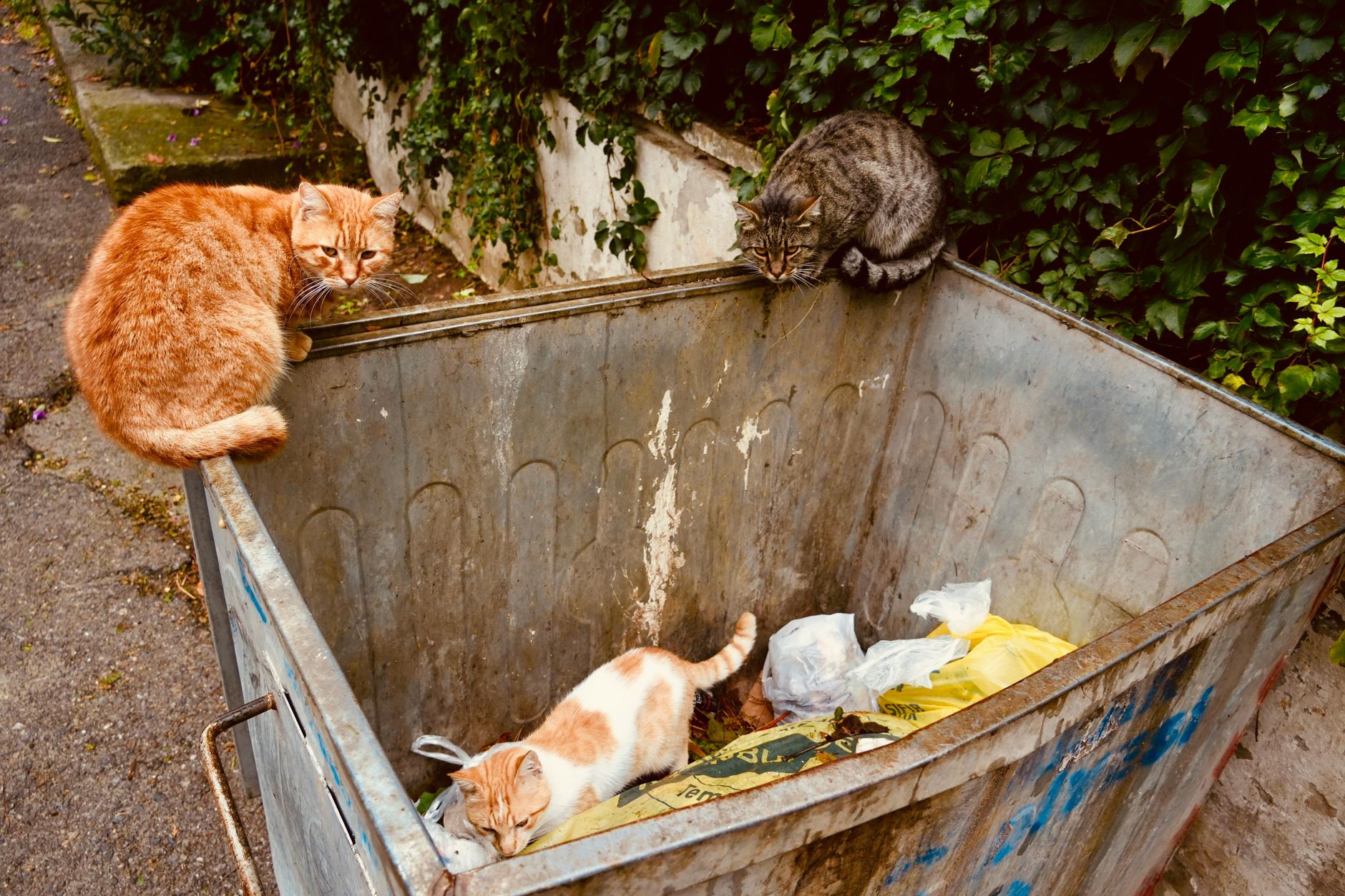
Waste from dogs, cats, and other carnivorous pets can carry parasites and pathogens like toxoplasmosis or various bacteria that pose genuine health risks to humans, particularly relevant if the finished compost will be used around food crops.
Typical home composting temperatures aren't reliably sufficient to destroy these specific pathogens, unlike some other materials where adequate hot composting can address safety concerns more effectively.
Herbivore pet waste, such as from rabbits or guinea pigs, generally composts more safely than carnivore waste, given the different pathogen risk profile associated with these animals' diet and digestive processes.
If you specifically want to compost dog or cat waste, dedicated pet waste composting systems exist that are separate from your regular garden compost, specifically designed and managed for this different material category with appropriate safety protocols.
Dispose of dog and cat waste through regular trash collection or a dedicated pet waste disposal system rather than your regular garden compost pile, particularly if that compost will ultimately be used around edible plants.
Avoid Chemically Treated Materials
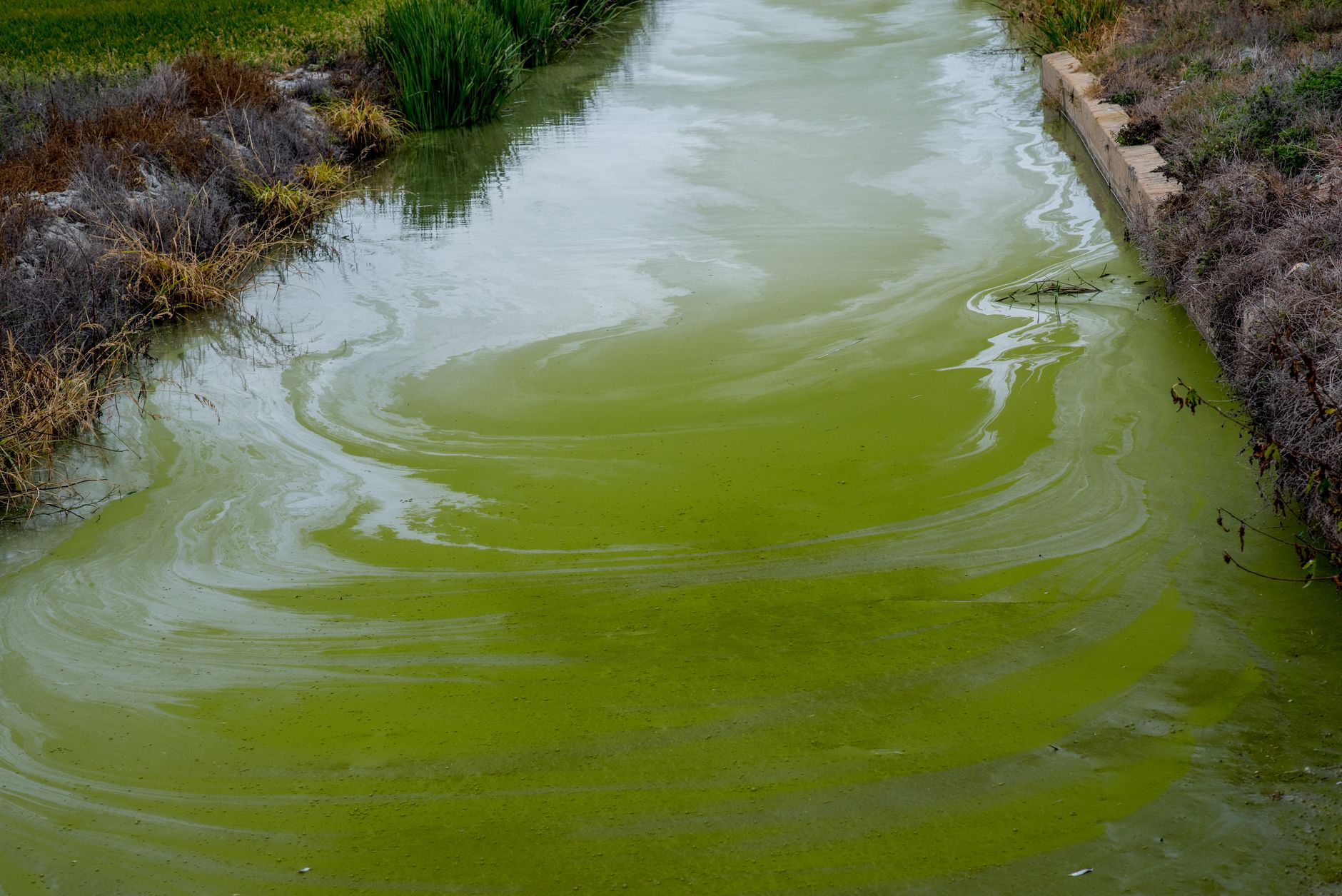
Chemically treated or pressure-treated wood, particularly older material that may contain now-restricted preservatives like chromated copper arsenate, shouldn't be composted, since these chemicals can persist and contaminate your finished compost.
Sawdust or wood chips from unknown sources carry similar uncertainty, so unless you're confident the wood was untreated, it's safer to exclude it from compost intended for food garden use.
Coal ash, distinct from wood ash, contains heavy metals and other contaminants unsuitable for garden compost, unlike ash from genuinely untreated natural wood, which can be composted in moderation.
Grass clippings or plant material from lawns or gardens recently treated with herbicides or pesticides should be avoided or given adequate time to break down chemical residue before composting, since these substances can affect plant growth if concentrated in finished compost.
When uncertain about a specific material's treatment history, err toward exclusion from compost intended for food gardens, since the potential contamination risk generally outweighs the modest benefit any single questionable material would provide.
Avoid Certain Paper Products
Glossy magazine pages, heavily coated catalog paper, and similar materials contain coatings and inks that don't break down as cleanly as plain paper, potentially introducing unwanted substances into your finished compost.
Heavily colored printed materials, particularly older items that may have used less environmentally friendly inks, present similar concerns compared to plain black-and-white newsprint or simple printer paper.
Receipts, particularly older thermal paper receipts, often contain BPA or similar chemicals and should be excluded from compost, unlike standard printed paper.
Plain, unwaxed cardboard, standard newspaper, and plain printer paper remain genuinely compostable and don't fall into this exclusion category, so this restriction applies specifically to the more processed, coated, or chemically treated paper subtypes.
When uncertain whether a specific paper product is appropriate for composting, the general guideline of favoring plain, minimally processed paper over glossy, heavily coated, or colored alternatives provides a reasonable, practical decision-making shortcut.
Avoid Synthetic Materials and Invasive Plant Seeds
Synthetic fabrics, plastic-lined products (like some tea bags or coffee cups), and anything containing plastic components don't break down and will persist as unwanted debris in your finished compost, undermining its overall usability.
Produce stickers, twist ties, and rubber bands on kitchen scraps should be removed before composting, since these small synthetic items easily go unnoticed but remain intact indefinitely within otherwise fully decomposed compost.
Seeds from aggressive or invasive plant species deserve particular caution, since even properly managed hot composting sometimes doesn't reach temperatures sufficient to destroy every seed, and invasive species seeds can create significant, hard-to-reverse problems if spread through finished compost.
When clearing invasive plants from your property, consider disposal methods beyond composting, such as municipal yard waste programs specifically equipped to handle this material more thoroughly, or, for smaller quantities, sealed bagging for regular trash disposal.
Common problems and fixes
| Problem | Likely cause | What to do |
|---|---|---|
| Compost pile attracts rodents or other pests | Meat, dairy, or oily food waste was inadvertently added to the pile. | Remove any problematic materials found, and be more vigilant about excluding these items in future additions. |
| Garden problems recur after using homemade compost | Diseased plant material or pest-infested debris was composted without adequate pathogen-destroying heat. | Avoid composting diseased or infested plants in future batches, disposing of them through separate channels instead. |
Gardener's checklist
Test what you learned
Why should meat and dairy be avoided in typical home composting?
Answer: They decompose poorly and attract pests in typical home conditions
Why should diseased plant material generally be excluded from home compost?
Answer: Typical home compost temperatures may not reliably destroy pathogens
Why should pet waste from dogs and cats be excluded from garden compost?
Answer: It can carry pathogens harmful to humans, especially relevant for food gardens
Common questions
Can I compost bread or grains?
Yes, in moderate quantities, though bury them well within the pile rather than leaving them exposed on the surface, since they can attract pests more readily than typical fruit and vegetable scraps.
Is it safe to compost weeds?
Generally yes, as long as they haven't gone to seed, since typical home compost may not reach temperatures high enough to reliably destroy weed seeds, potentially spreading them when you use the finished compost.
Can I compost citrus peels or onion skins?
Yes, despite some persistent myths suggesting otherwise; citrus and onion compost fine in moderate quantities, though very large amounts of any single ingredient can occasionally slow overall decomposition balance.
What should I do with materials I can't compost?
Regular trash collection handles most excluded materials, though check whether your municipality offers specialized programs for food waste, used cooking oil, or other specific categories that might otherwise go in general trash.
Can I compost eggshells even though they're technically not plant material?
Yes, eggshells are fine to compost, contributing calcium as they slowly break down; they fall into a different category than the true exclusions covered here, since they don't cause the odor, pest, or pathogen concerns associated with meat, dairy, or diseased material.
Is it okay to compost small amounts of questionable material occasionally?
Very small, incidental amounts (like a few crumbs on a paper towel) generally cause minimal issues, but consistently or intentionally adding excluded categories like meat, dairy, or diseased plants creates cumulative problems worth avoiding as a regular practice.
Knowing what to exclude from your compost pile is just as important as knowing what to include, and avoiding meat, dairy, diseased plants, pet waste, and treated materials protects both your compost's quality and the safety of the garden soil it eventually becomes.
Frequently asked questions
How often should a vegetable garden be watered?
Frequency depends on weather, soil and plant size. Check the soil rather than watering on a rigid schedule.
Is compost enough fertilizer?
Compost improves soil and provides nutrients slowly. Heavy-feeding crops may still need additional feeding.

The Sproutstead Editorial Team
We create clear, practical gardening and homesteading guides designed for real homes and beginner growers.
View author profile →

