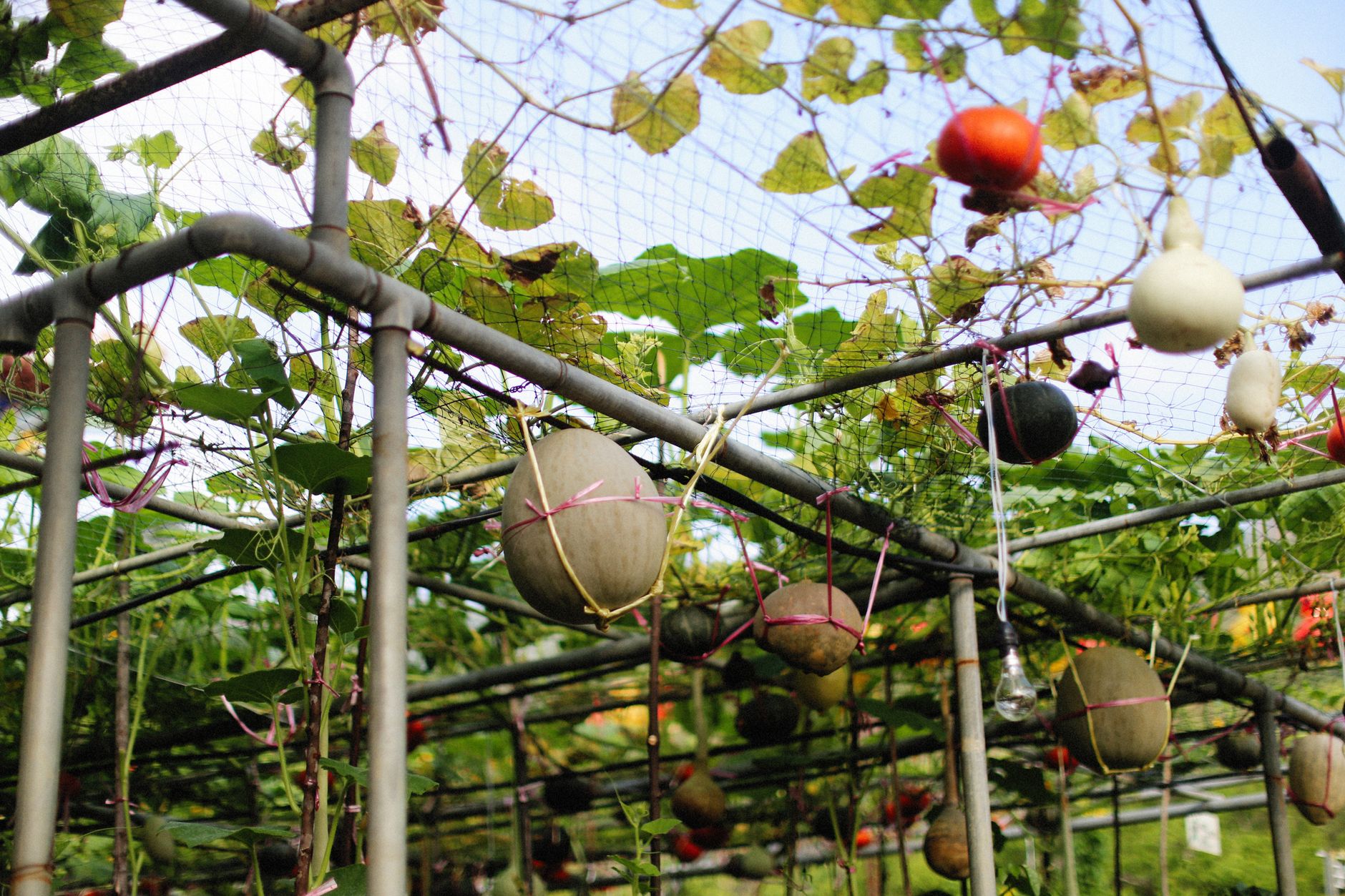
A vertical vegetable garden uses trellises, cages, netting, or A-frame structures to train climbing crops like pole beans, cucumbers, peas, and small squash upward instead of sprawling across the ground. This technique can double or triple usable growing space in a small garden, improves airflow to reduce disease, and makes harvesting easier since fruit hangs at eye level. Position structures on the north side of beds to avoid shading shorter neighboring plants.
What you will need
Choose the Right Trellis Type for Your Crops

A-frame trellises, made from two panels leaned together at the top, work exceptionally well for cucumbers and small squash, creating a tent-like structure that also provides some shade for cooler-loving plants underneath.
Cattle panels, sturdy galvanized wire panels typically 16 feet long and 4-5 feet tall, offer one of the most durable, reusable trellis options, easily bent into an arch or used flat against a fence for heavy climbers like squash or melons.
Simple netting stretched between two posts works well for lighter climbers like peas and pole beans, offering an affordable, easy-to-install option that can be taken down and stored between seasons.
Teepee structures made from 3-4 tall stakes or bamboo poles tied together at the top are a traditional, low-cost option particularly well suited to pole beans, creating a distinctive vertical growing point in a garden bed.
Wall-mounted or fence-attached trellises make efficient use of existing structures, particularly valuable in small gardens where freestanding trellis footprint would otherwise consume growing space.
Choose Crops Suited to Vertical Growing

Pole beans are among the most naturally suited crops for vertical growing, since they're genetically inclined to climb and will readily wrap around any available support without much intervention needed.
Cucumbers grow well vertically and often produce straighter, cleaner fruit when trained up rather than left to sprawl on the ground, where developing cucumbers can develop flat or curved spots from ground contact.
Peas, similar to pole beans, climb naturally using tendrils and work particularly well on netting or a simple trellis, especially valuable in cool-season gardens where space is at a premium during spring planting.
Smaller squash and melon varieties can be trained vertically with additional support (slings made from cloth or mesh) for the developing fruit, though larger varieties genuinely need ground space and aren't good vertical candidates.
Indeterminate tomatoes, while not naturally climbing plants, can be trained up a sturdy trellis or stake system with regular tying, effectively using vertical space even though they don't climb independently like true vining crops.
Install Structures Before Planting

Install your chosen trellis or support structure before planting seeds or transplants, since adding support later risks damaging the root systems climbing plants develop quickly once established.
Drive stakes or posts deep enough into the ground to remain stable once plants add significant weight and wind catches their foliage; a general rule is burying at least one-third of a stake's total length.
For cattle panel arches, secure both ends firmly into the ground with stakes or by attaching to sturdy end posts, since a full panel loaded with mature squash or cucumber vines carries substantial weight.
Position structures on the north side of your garden bed or layout, following the same orientation logic used for any tall garden element, to avoid shading shorter companion plants growing nearby.
Test structural stability by pushing firmly against the installed trellis before planting, catching any wobbliness or insufficient anchoring while it's still easy to address without disturbing establishing plants.
Train Plants as They Grow

Gently guide young vines toward the trellis structure as soon as they're tall enough to reach it, since plants sometimes need initial direction before their natural climbing mechanisms take over.
Use soft garden twine or plant ties to secure indeterminate tomatoes and other non-naturally-climbing crops to their support, checking every week or two as the plant grows to add new ties along the developing stem.
Avoid tying too tightly, which can constrict the stem as it thickens through the season; leave enough slack for continued growth while still providing adequate support against wind and weight.
For naturally climbing crops like beans, peas, and cucumbers, minimal intervention is usually needed beyond initial guidance, since their tendrils will actively seek out and wrap around available support on their own.
Check plants weekly during peak growing season, redirecting any wayward growth back toward the structure before it wanders off and becomes tangled with neighboring plants or falls to the ground.
Support Heavy Developing Fruit

For squash, melons, or other heavier fruit grown vertically, create simple slings from cloth strips, mesh produce bags, or old pantyhose, tying each end to the trellis structure on either side of the developing fruit.
Install slings once fruit reaches about the size of a golf ball, giving it support before it becomes heavy enough to risk snapping the vine or pulling away from the plant prematurely.
Check slings periodically as fruit continues to grow, adjusting for size and ensuring the support material isn't cutting into the fruit's skin as it expands.
Lighter crops like cucumbers and most pole bean varieties typically don't need this additional support, since their fruit weight is manageable for the vine and structure to handle without extra intervention.
Harvest and Maintain Your Vertical Garden

Harvest regularly, checking your vertical structures every 1-2 days during peak season, since fruit hanging at eye level is often easier to spot and reach than produce hidden in ground-level foliage.
Remove spent or diseased foliage as the season progresses, which improves airflow through the vertical structure and reduces the fungal disease pressure that dense foliage can otherwise encourage.
At the end of the season, remove plant debris from trellises and clean structures if disease was present, storing removable trellis elements like netting in a dry location over winter to extend their usable lifespan.
Rotate which crops use which trellis location each year, following the same crop rotation principles that apply to any garden bed, to reduce pest and disease buildup specific to particular plant families.
Adapt Vertical Growing for Containers and Small Spaces

Insert a compact trellis, tomato cage, or bundle of stakes directly into a large container alongside a climbing crop, bringing the same space-saving principles used in ground beds to balconies, patios, and other container-only spaces.
Choose smaller-scale climbing varieties specifically bred for container growing where available, since these tend to have more manageable vine length suited to a confined root system and modest trellis size.
Secure container trellises extra firmly, since container plants lack the stabilizing effect of surrounding garden soil and can be more prone to toppling in wind, especially once loaded with mature vine growth.
Wall-mounted trellis panels work particularly well for container vertical gardens positioned against a house wall or fence, borrowing structural support from the existing surface rather than relying solely on the container itself for stability.
Common problems and fixes
| Problem | Likely cause | What to do |
|---|---|---|
| Trellis structure leans or becomes unstable | Insufficient anchoring depth or inadequate structural strength for the eventual plant weight. | Reinforce anchoring with additional stakes, or upgrade to a sturdier structure like cattle panel for heavy-fruiting crops. |
| Developing fruit snaps off the vine | Insufficient support for the fruit's weight as it grew. | Add cloth or mesh slings for future heavy fruit, installing them while fruit is still small rather than after significant weight has developed. |
Gardener's checklist
Test what you learned
Why should trellis structures be installed before planting?
Answer: Adding support later risks damaging developing root systems
Where should tall trellis structures be positioned in a garden layout?
Answer: North side
What technique helps support heavy fruit like squash grown vertically?
Answer: Cloth or mesh slings
Common questions
How much space can vertical gardening save?
Vertical growing can double or even triple the usable growing area in a small garden, since climbing crops that would otherwise sprawl across several square feet of ground instead occupy a much smaller footprint while growing upward.
What vegetables grow best vertically?
Pole beans, cucumbers, and peas are among the most naturally suited crops, since they climb readily on their own. Indeterminate tomatoes and smaller squash or melon varieties can also be trained vertically with additional support.
Do I need special tools to build a vertical garden trellis?
Basic structures require minimal tools; a simple teepee needs only stakes and twine, while more durable options like cattle panel arches need wire cutters or pliers and sturdy anchoring stakes.
Does vertical gardening reduce disease problems?
Yes, training plants vertically improves airflow around the foliage compared to ground-level sprawling growth, which helps reduce the humid, still conditions that favor many common fungal diseases.
Can vertical gardens be used in containers?
Yes, a trellis or stake can be inserted directly into a large container alongside a climbing crop, effectively bringing vertical growing techniques to balconies and patios where ground space isn't available at all.
How tall should a vegetable garden trellis be?
Most trellis structures range from 5-8 feet tall, sufficient for pole beans, cucumbers, and indeterminate tomatoes, though particularly vigorous climbers may benefit from taller structures if space and stability allow.
Vertical vegetable gardening turns limited ground space into significantly greater growing capacity, and choosing naturally climbing crops paired with a sturdy, properly positioned trellis makes this technique accessible to gardens of any size.
Frequently asked questions
How often should a vegetable garden be watered?
Frequency depends on weather, soil and plant size. Check the soil rather than watering on a rigid schedule.
Is compost enough fertilizer?
Compost improves soil and provides nutrients slowly. Heavy-feeding crops may still need additional feeding.

The Sproutstead Editorial Team
We create clear, practical gardening and homesteading guides designed for real homes and beginner growers.
View author profile →

