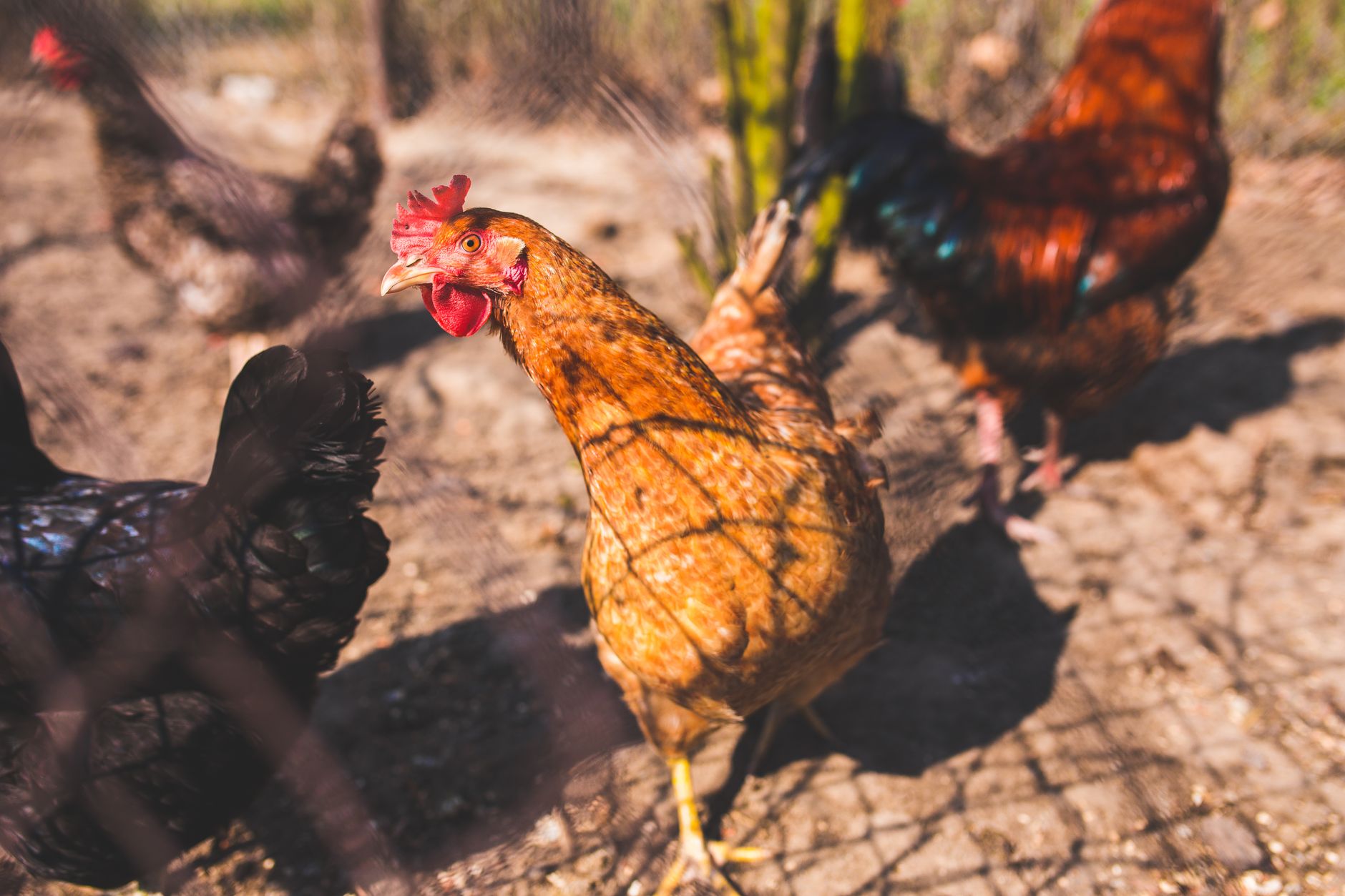
The best chicken breeds for beginners are those that are friendly, hardy, good layers, and easy to care for. Top recommendations include: Rhode Island Red (hardy, friendly, 200-280 eggs/year), Australorp (gentle, excellent layers, 250-300 eggs/year), Plymouth Rock (docile, reliable, 200-250 eggs/year), Orpington (fluffy, friendly, 200-250 eggs/year), and ISA Brown (extremely friendly, top producer, 300+ eggs/year). These breeds are adaptable, don't require special care, and are forgiving of beginner mistakes. Start with 3-6 hens of one or two breeds and enjoy the experience.
What you will need
Understand What Makes a Breed 'Beginner-Friendly'
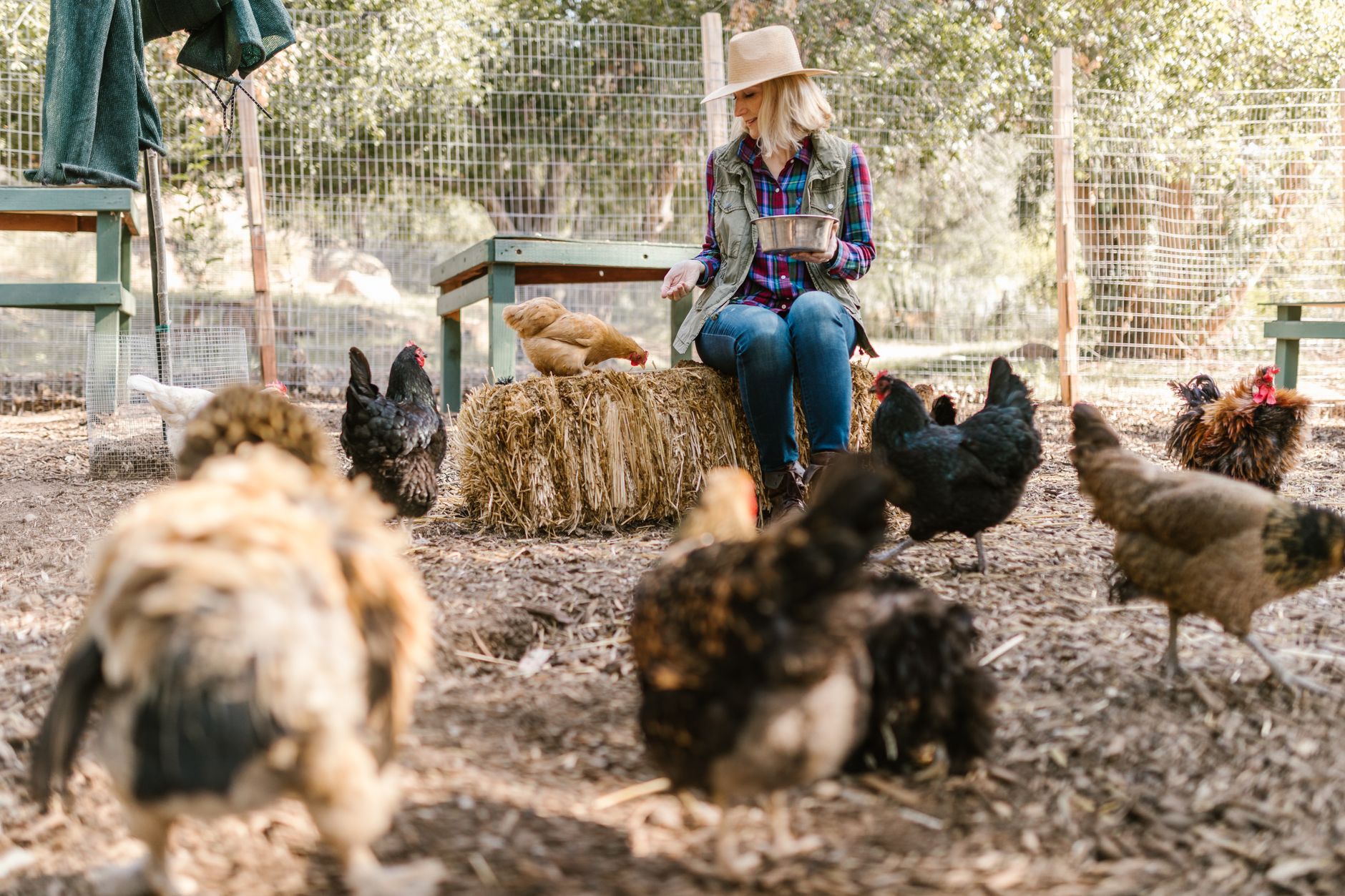
Temperament: A friendly, calm, and docile breed is essential for beginners. You'll be handling, feeding, and collecting eggs—a flighty or aggressive breed makes the experience stressful.
Hardiness: Beginner-friendly breeds are adaptable to different climates and resistant to common diseases. They're forgiving if you make minor mistakes in care.
Egg production: Look for breeds that are consistent layers (200-300 eggs/year). Beginner-friendly breeds should be reliable so you get the reward of fresh eggs.
Broodiness: Some breeds go broody (sit on eggs to hatch them). For beginners, a breed that rarely goes broody (like Leghorns) is easier to manage, as you don't have to deal with breaking broodiness.
Foraging ability: Good foragers reduce feed costs and keep themselves entertained. This is a great trait for beginners.
Rhode Island Red — The All-Around Champion
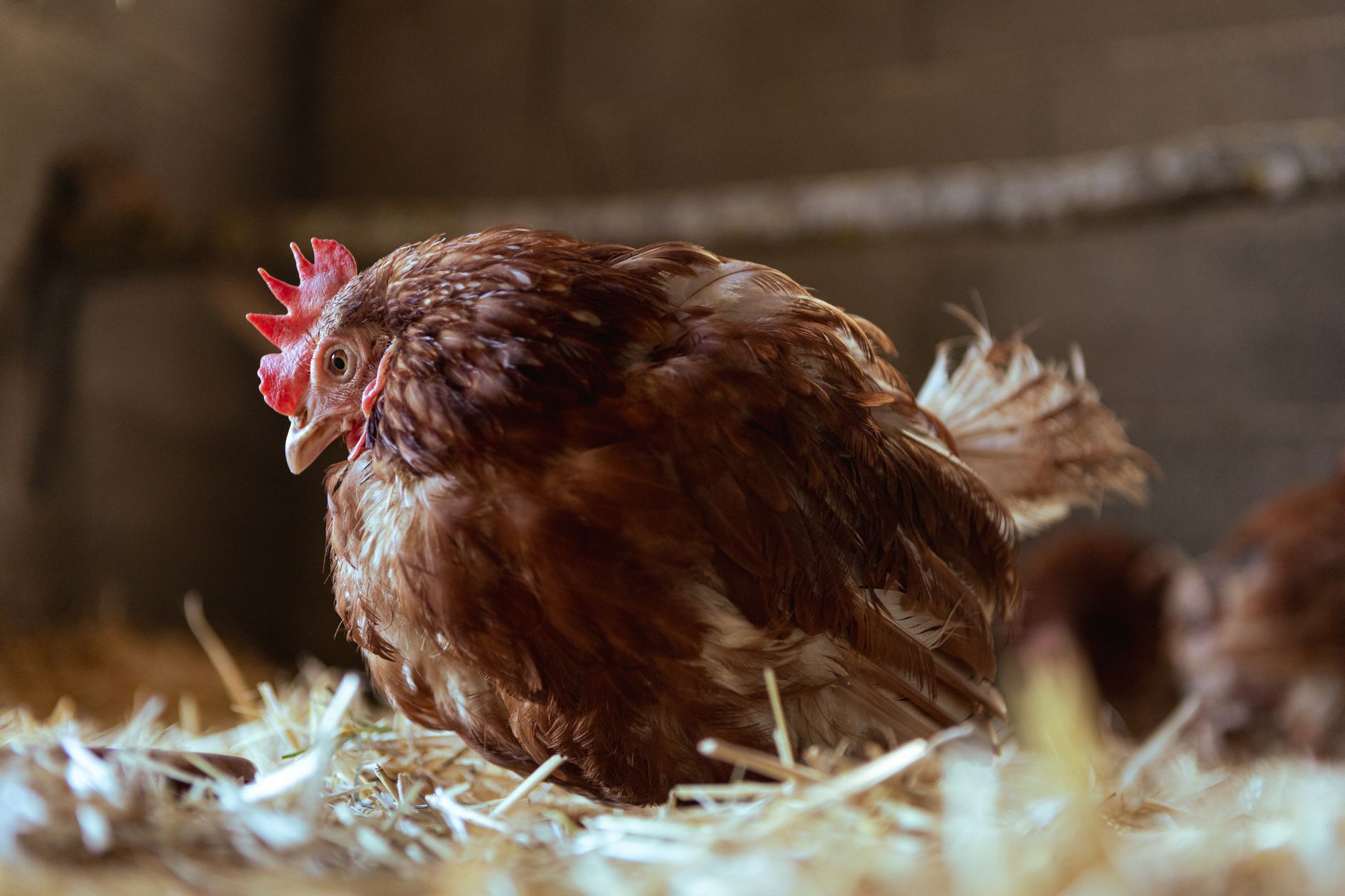
Egg production: 200-280 eggs per year. Large brown eggs.
Temperament: Friendly, hardy, and adaptable. Good with children. Generally calm but can be assertive.
Hardiness: Excellent in cold climates. Dense feathers and a small comb protect against frostbite.
Size: 6.5-7.5 lbs (standard). Dual-purpose (good for meat too).
Why it's great for beginners: Hardy, reliable, adaptable to most climates, and a consistent layer. Forgiving of beginner mistakes.
Downsides: Can be slightly more assertive than other breeds, but generally friendly.
Best for: All beginners, especially those in colder climates.
Australorp — The Gentle Giant Layer
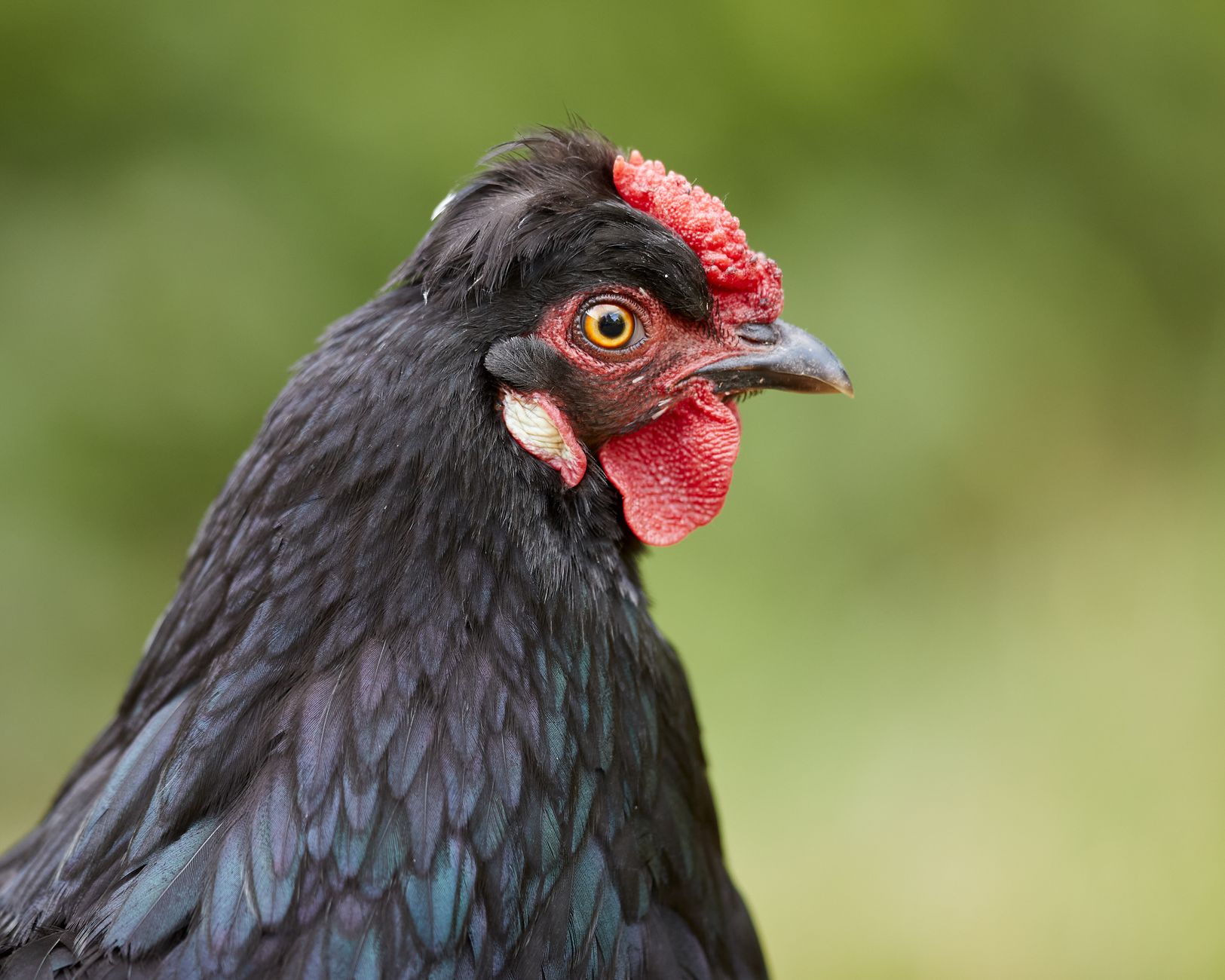
Egg production: 250-300 eggs per year. Large brown eggs. Holds the world record for most eggs laid in a year (364!).
Temperament: Gentle, calm, and friendly. Excellent with children. Loves human interaction.
Hardiness: Very cold-hardy with dense black feathers. Adaptable to most climates.
Size: 6-8 lbs. Dual-purpose.
Why it's great for beginners: Extremely friendly, a great layer, and very forgiving. They're calm and easy to handle.
Downsides: They may go broody occasionally (though less than some other breeds).
Best for: Families with children, first-time chicken keepers.
Plymouth Rock (Barred Rock) — The Reliable Family Bird
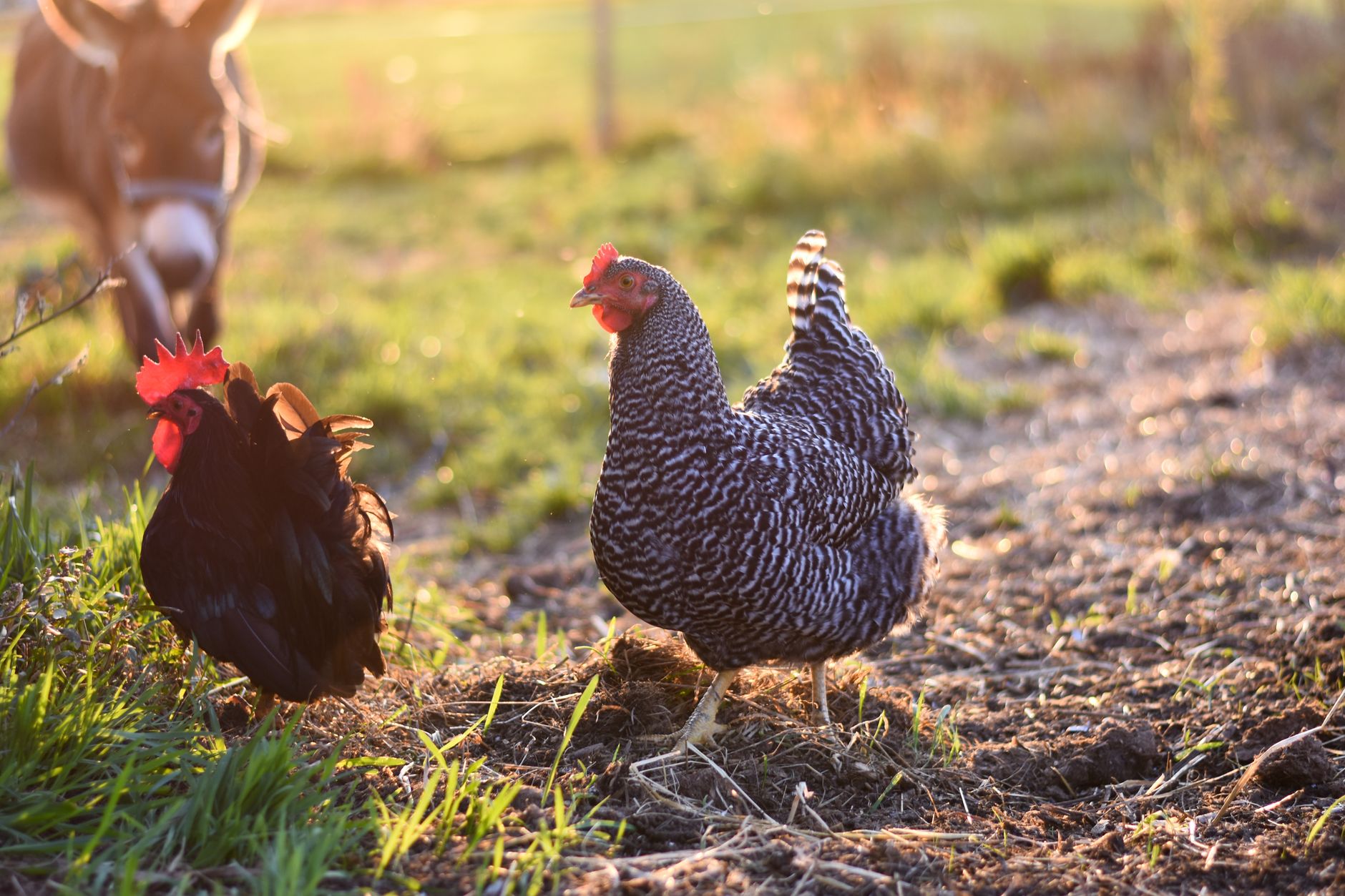
Egg production: 200-250 eggs per year. Large brown eggs.
Temperament: Very friendly, calm, and docile. Good with children and other animals.
Hardiness: Cold-hardy, adaptable, and disease-resistant. A great all-around breed.
Size: 6-7.5 lbs. Dual-purpose.
Why it's great for beginners: Reliable layers, friendly, and hardy. They're forgiving and a joy to be around.
Downsides: Can be slightly broody, but manageable.
Best for: Families, beginners in moderate to cold climates.
Orpington — The Fluffy, Friendly Family Favorite
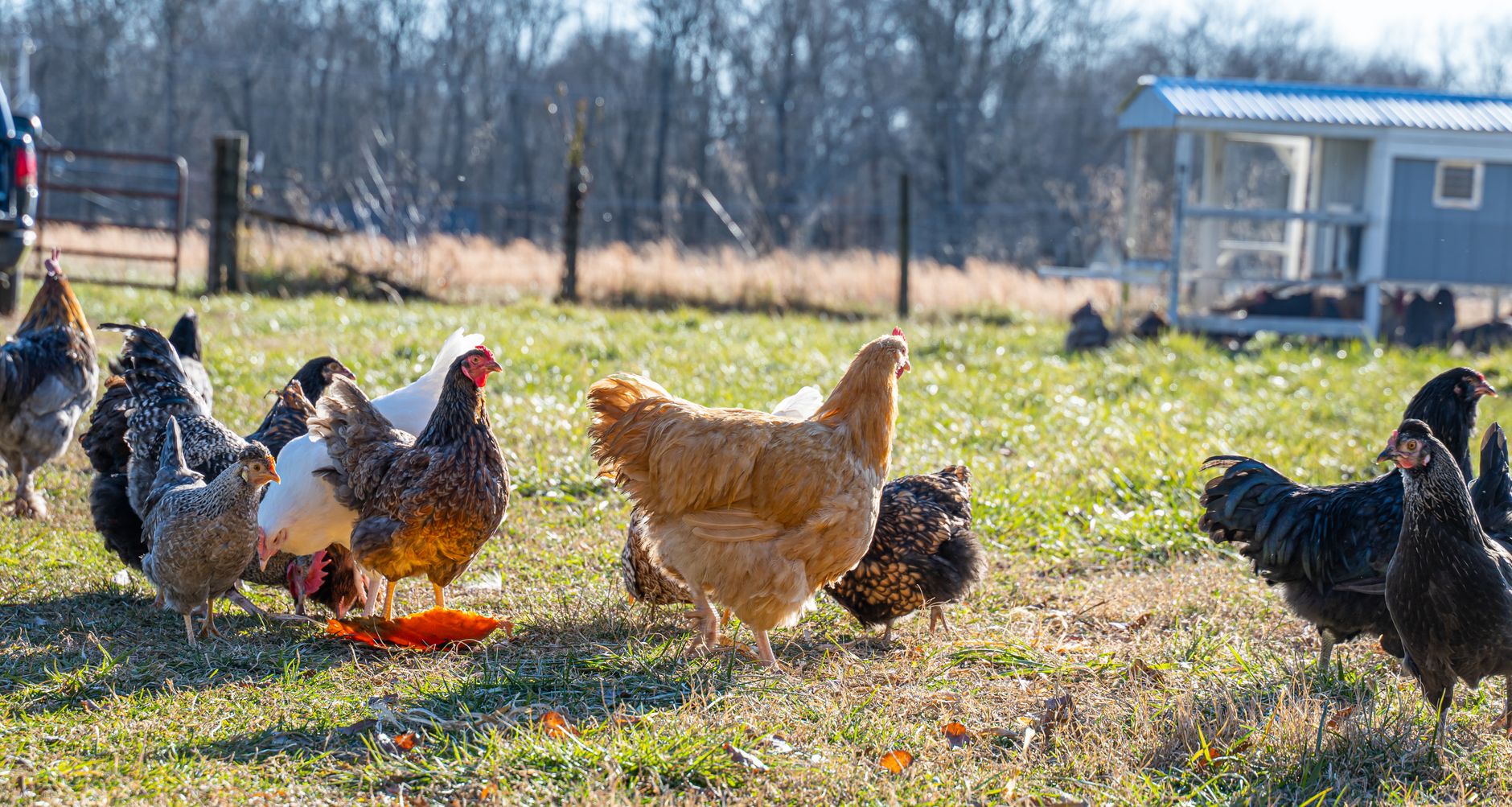
Egg production: 200-250 eggs per year. Large brown eggs.
Temperament: Extremely docile, friendly, and calm. Excellent with children. Known for being 'lap chickens.'
Hardiness: Very cold-hardy with dense, fluffy feathers. Adaptable to most climates.
Size: 7-8.5 lbs. Dual-purpose.
Why it's great for beginners: Very friendly, easy to handle, and forgiving. Great for families and children.
Downsides: They can be broody. Their fluffy feathers can make them more prone to heat stress in hot climates (provide shade).
Best for: Families with children, cold climates, anyone wanting a friendly, fluffy bird.
ISA Brown — The Super Layer
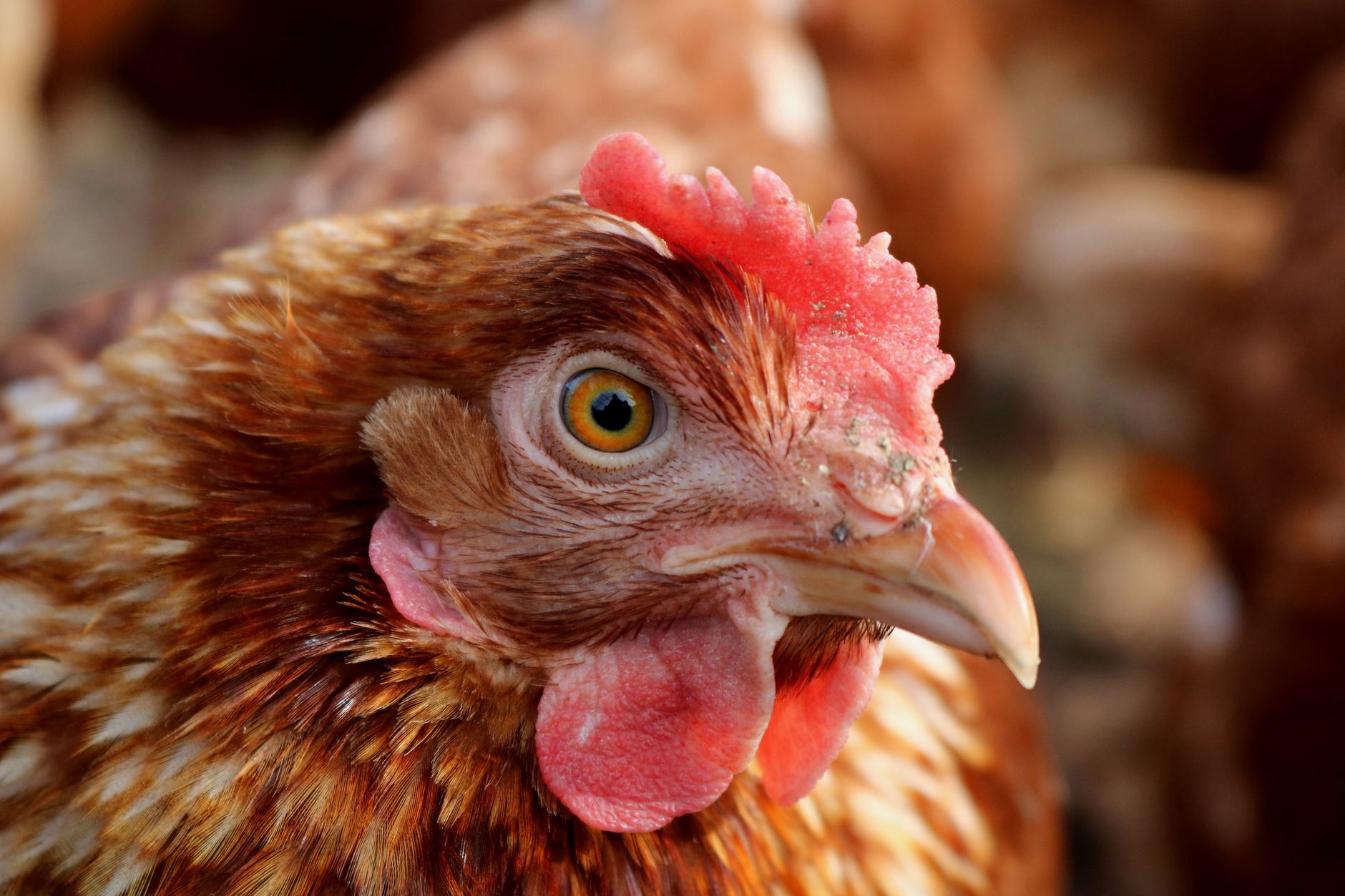
Egg production: 300+ eggs per year. Large brown eggs. One of the highest-producing breeds.
Temperament: Extremely friendly and docile. Easy to handle. Great for families.
Hardiness: Good heat tolerance. Moderately cold-hardy (not as cold-hardy as Orpingtons).
Size: 5-6 lbs. Egg-laying breed (not dual-purpose).
Why it's great for beginners: Very friendly, incredible egg production, and easy care. Great for first-time keepers.
Downsides: Shorter productive life (2-3 years of peak production). Less cold-hardy than some other breeds.
Best for: Beginners who want maximum egg production, warmer climates.
Other Good Beginner Breeds to Consider
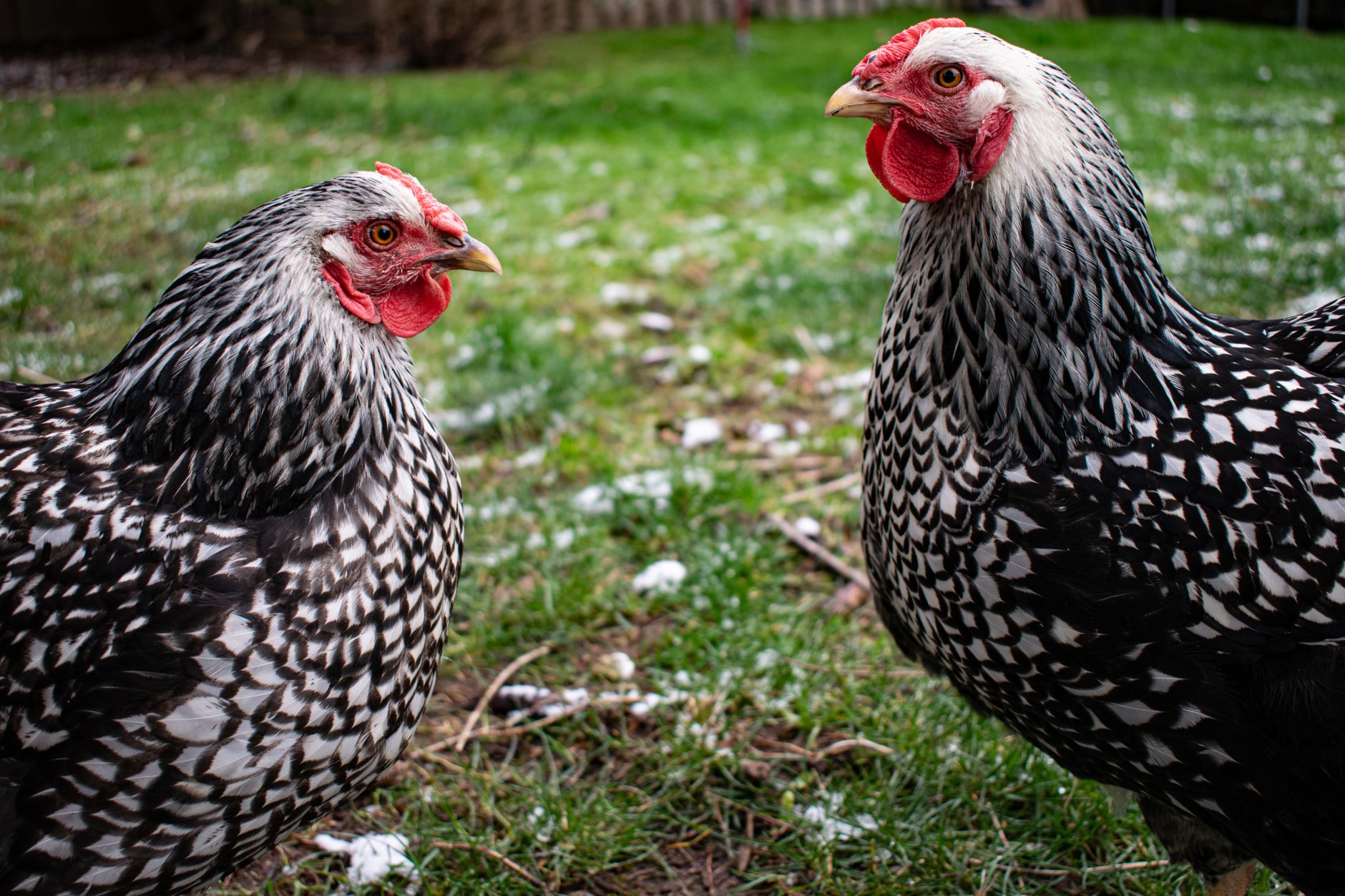
Wyandotte: Cold-hardy, friendly, beautiful laced feathers, 200-240 eggs/year. Good for cold climates.
Sussex: Friendly, calm, good layers (250-280 eggs/year), dual-purpose. Good for beginners who want a friendly bird.
Leghorn: Excellent layer (250-300 white eggs/year), heat-tolerant, but flighty. Only for beginners who don't mind a less friendly bird.
Easter Egger: Friendly, lays blue/green eggs (200-250/year), colorful, good for families.
Silkie: Very friendly, fluffy, good mothers, but lower egg production (120-150 eggs/year). Good for families, children, and ornamental purposes.
Make Your Final Breed Selection
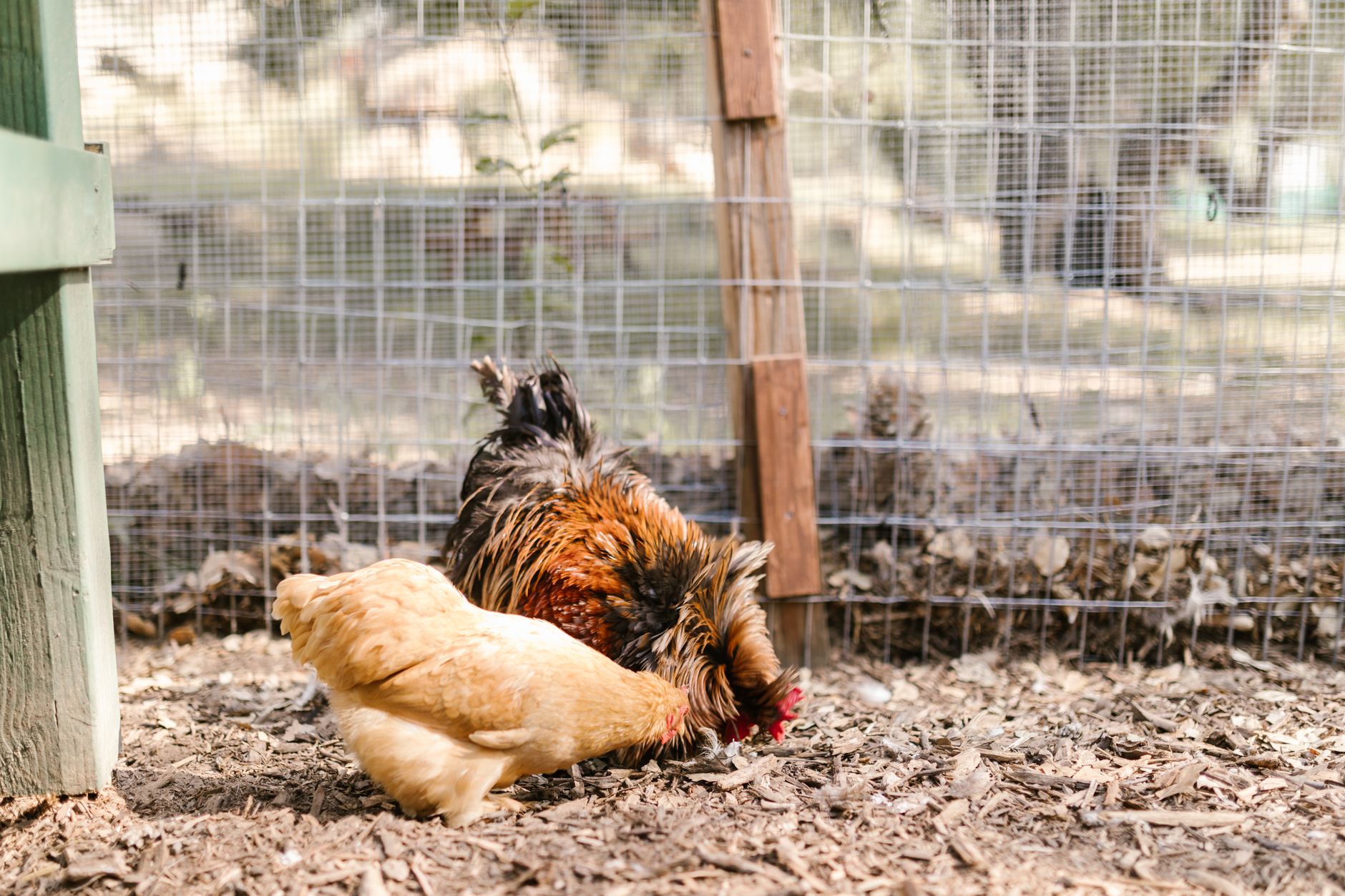
If you want maximum eggs: ISA Brown or Leghorn (if you can handle flighty behavior).
If you want friendly family birds: Australorp, Orpington, or Plymouth Rock.
If you live in a cold climate: Rhode Island Red, Australorp, Orpington, or Wyandotte.
If you live in a hot climate: ISA Brown, Leghorn, or Mediterranean breeds.
If you want colorful eggs: Easter Egger (blue/green eggs).
If you want a mixed flock: Consider 2-3 different breeds for variety and interest.
Tip for beginners: Start with 3-6 hens of one or two breeds. Adding more breeds later is easier than starting with too many breeds at once.
Common problems and fixes
| Problem | Likely cause | What to do |
|---|---|---|
| Hens are not laying eggs | Age (pullets start at 16-24 weeks), molt (fall), stress, or poor nutrition. | Check age, provide 14-16 hours of light, ensure proper nutrition, and reduce stress. |
| Hens are aggressive or pecking each other | Overcrowding, boredom, or stress. | Add more space, provide enrichment, and ensure adequate feed and water. |
| Hens are broody (sitting on eggs) | Natural instinct in some breeds. | Collect eggs frequently, remove from nesting box, or break broodiness by placing in a wire-bottom cage. |
| Hens are losing feathers | Molting (fall) or feather pecking from overcrowding. | Molting is normal—increase protein. For feather pecking, add more space and enrichment. |
Gardener's checklist
Test what you learned
Which breed is known for holding the world record for egg production?
Answer: Australorp
Which breed is best for families with children?
Answer: Australorp
Which breed produces the most eggs per year?
Answer: ISA Brown
Which breed is best for cold climates?
Answer: Rhode Island Red
Common questions
What is the easiest chicken breed to care for?
Rhode Island Reds, Australorps, and Plymouth Rocks are among the easiest. They're hardy, friendly, good layers, and forgiving of beginner mistakes.
Can I mix different breeds?
Yes! Most breeds get along well, especially when raised together from chicks. A mixed flock is more interesting and can provide different egg colors.
What breed lays the most eggs?
ISA Brown holds the record among common breeds, with 300+ eggs per year. Among heritage breeds, Australorps are top producers.
Which breed is friendliest?
Orpingtons, Australorps, and ISA Browns are among the friendliest. They're calm, docile, and enjoy human interaction.
How many chickens should a beginner start with?
3-6 hens is ideal. This is enough to have a flock but small enough to manage easily. It also provides a good number of eggs for a family.
Choosing the right breed is the first and most important step in your chicken-keeping journey. For beginners, focus on breeds that are friendly, hardy, and good layers—Rhode Island Red, Australorp, Plymouth Rock, Orpington, and ISA Brown are all excellent choices. Consider your climate, space, and personal goals (eggs, pets, or a mix). Start with 3-6 hens of one or two breeds, and you'll be well on your way to enjoying fresh eggs and the companionship of backyard chickens.
Frequently asked questions
How often should a vegetable garden be watered?
Frequency depends on weather, soil and plant size. Check the soil rather than watering on a rigid schedule.
Is compost enough fertilizer?
Compost improves soil and provides nutrients slowly. Heavy-feeding crops may still need additional feeding.

The Sproutstead Editorial Team
We create clear, practical gardening and homesteading guides designed for real homes and beginner growers.
View author profile →