Self-pollinating fruit trees do not require a second tree for pollination—they can produce fruit on their own. This makes them perfect for small gardens, urban spaces, and home orchards where you only have room for one tree. Most peach, nectarine, apricot, and citrus trees are self-pollinating. Some apples and pears have self-pollinating varieties (like 'Anna' apple and 'Kieffer' pear). A few plum varieties are also self-fertile (like 'Methley' and 'Santa Rosa'). While self-pollinating trees can produce fruit alone, they often produce larger and more abundant crops when cross-pollinated. For the best results, choose self-fertile varieties and plant flowers nearby to attract bees and other pollinators.
What you will need
Understand Pollination Basics

What is self-pollination? A tree is self-pollinating (self-fertile) if it can produce fruit with pollen from the same tree. It doesn't need a second tree nearby.
What is cross-pollination? Some trees require pollen from a different variety of the same fruit to produce fruit. These are called cross-pollinating trees.
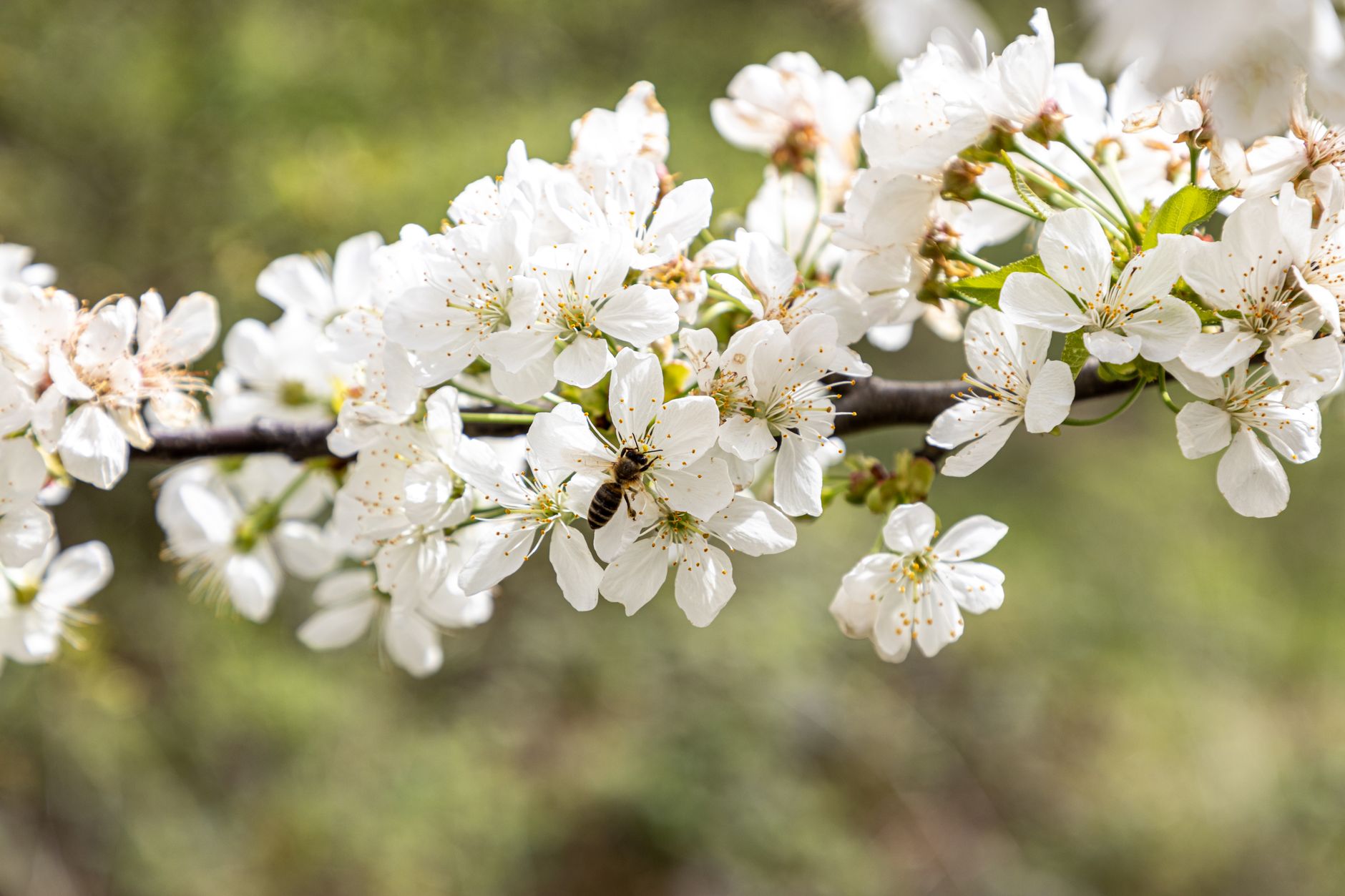
Pollinators: Bees, butterflies, and other insects are essential for pollination—even for self-pollinating trees.
Why self-pollinating matters: You can grow fruit in small spaces, you only need one tree, and you don't need to worry about whether your neighbor has a compatible variety.
Know Which Fruits Are Self-Pollinating

Fully Self-Pollinating: Peaches, nectarines, apricots, citrus (lemons, limes, oranges), figs, and most tart cherries.
Partially Self-Pollinating: Some apples (Anna, Golden Delicious, Granny Smith), some pears (Kieffer, Seckel, Hardy), some plums (Methley, Santa Rosa, Beauty).
Need Cross-Pollination: Most apples, most pears, sweet cherries, and most plums. These require a second compatible variety nearby.
Why it matters: If you only have space for one tree, choose a self-pollinating variety to ensure fruit production.
Choose the Best Self-Pollinating Varieties

Apples (Self-Pollinating): Anna (low-chill, good for warm climates), Golden Delicious (classic, reliable), Granny Smith (tart, good for warm climates), Fuji (partially self-fertile).
Pears (Self-Pollinating): Kieffer (hardy, productive), Seckel (small, sweet), Hardy (cold-hardy).
Plums (Self-Pollinating): Methley (early, sweet), Santa Rosa (most popular, partially self-fertile), Beauty (good for warm climates).
Peaches/Nectarines: All peach and nectarine varieties are self-pollinating. Choose based on your climate.
Apricots: Most apricots are self-pollinating. Choose varieties suited to your climate.
Citrus: All citrus (lemons, limes, oranges, grapefruit) are self-pollinating.
Plant Your Tree Correctly

When to plant: Plant in early spring or fall. In colder climates, spring planting is best.
Sunlight: Self-pollinating fruit trees need 6-8 hours of direct sunlight daily.
Soil: Well-draining, fertile soil with a pH of 6.0-7.0 is ideal for most fruit trees.
Spacing: Even for self-pollinating trees, give them space to grow. Standard trees need 15-20 feet; dwarf trees need 8-12 feet.
Planting depth: Plant at the same depth as the nursery pot. The graft union should be 2-3 inches above the soil.
Attract Pollinators

Plant flowers: Plant pollinator-friendly flowers near your fruit trees. Lavender, sunflowers, bee balm, and wildflowers are excellent choices.
Avoid pesticides: Avoid using pesticides during flowering—they can harm bees and other pollinators.
Natural pollination: Self-pollinating trees still benefit from the natural movement of bees and wind. More pollination = better fruit set.
Manual pollination: If your tree isn't setting fruit, you can help by hand-pollinating with a small brush.
Multiple trees: Even self-pollinating trees produce more fruit when cross-pollinated. If you have space, plant two varieties for better yields.
Prune and Maintain

When to prune: Prune in late winter (February-March) while the tree is dormant.
What to prune: Remove dead, diseased, and crossing branches. Thin out the center to improve air circulation.
Fruiting spurs: Leave short, stubby branches—these are fruiting spurs that produce fruit.
Young trees: For the first 2-3 years, focus on shaping the tree. Remove weak or upright branches.
Mature trees: Remove 10-20% of the canopy each year to encourage new growth.
Water and Fertilize

Water: Water deeply when the top 2-3 inches of soil are dry. Young trees need more frequent watering.
Mulch: Apply 2-3 inches of mulch around the base (but not touching the trunk). Retains moisture and suppresses weeds.
Fertilizer: Apply a balanced fruit tree fertilizer in early spring. Follow package instructions.
Organic options: Compost, aged manure, or fish emulsion are excellent alternatives.
Signs of nutrient deficiency: Yellow leaves, poor growth, or reduced fruit production.
Harvest and Enjoy

When to harvest: Fruit is ready when it's fully colored, fragrant, and comes off the tree easily.
How to pick: Gently twist or cut the fruit from the tree, leaving a short stem.
Yield: A mature self-pollinating tree produces the same amount of fruit as a cross-pollinating tree.
Storage: Store fruit in a cool, dry place. Some fruits (like apples and pears) store for months.
Common problems and fixes
| Problem | Likely cause | What to do |
|---|---|---|
| No fruit despite flowers | Lack of pollinators, late frost, or poor nutrition. | Attract bees, protect from frost, and fertilize properly. |
| Small fruit | Lack of water, poor nutrition, or overcrowded branches. | Water deeply, fertilize, and thin branches. |
| Leaves yellowing | Nutrient deficiency or overwatering. | Apply balanced fertilizer and check drainage. |
| Poor fruit set | Insufficient pollination or tree stress. | Attract pollinators and reduce stress (consistent watering, proper nutrition). |
Gardener's checklist
Test what you learned
Which fruit is fully self-pollinating?
Answer: Peach
Which apple variety is self-pollinating?
Answer: Anna
Do self-pollinating trees still need bees?
Answer: Yes
What is the best self-pollinating pear variety?
Answer: Kieffer
Why choose self-pollinating fruit trees?
Answer: They don't need a second tree for pollination
Common questions
What is the easiest self-pollinating fruit tree to grow?
Peaches and nectarines are the easiest self-pollinating fruit trees. They produce fruit reliably and don't require a second tree.
Can I grow a self-pollinating apple tree by itself?
Yes, if you choose a self-pollinating variety like 'Anna' or 'Golden Delicious'. Most apple varieties need cross-pollination, so always check the variety.
Do self-pollinating trees produce less fruit?
Self-pollinating trees produce about the same amount of fruit as cross-pollinating trees. However, cross-pollination can sometimes increase fruit size and yield.
Can I hand-pollinate a self-pollinating tree?
Yes, hand-pollination can increase fruit set. Use a small brush to transfer pollen between flowers. This is especially helpful for trees that don't attract enough bees.
What is the best self-pollinating plum variety?
'Methley' and 'Santa Rosa' are excellent self-pollinating plum varieties. They're reliable and produce sweet, juicy fruit.
Self-pollinating fruit trees are the perfect solution for small gardens, urban spaces, and home orchards where you only have room for one tree. Choose self-fertile varieties like peaches, nectarines, apricots, and citrus for guaranteed fruit. Even self-pollinating trees produce more with cross-pollination and the help of bees, so plant flowers nearby to attract pollinators. With proper care, you'll enjoy fresh fruit from your own tree for years to come.
Frequently asked questions
How often should a vegetable garden be watered?
Frequency depends on weather, soil and plant size. Check the soil rather than watering on a rigid schedule.
Is compost enough fertilizer?
Compost improves soil and provides nutrients slowly. Heavy-feeding crops may still need additional feeding.

The Sproutstead Editorial Team
We create clear, practical gardening and homesteading guides designed for real homes and beginner growers.
View author profile →