Blackberries are vigorous, fast-growing perennials that produce delicious fruit for 15-20 years. Choose the right variety: erect (upright, no trellis needed), semi-erect (needs support), or trailing (needs trellis). Plant in full sun (6-8 hours) with well-draining soil (pH 5.5-7.0). Space erect varieties 3-4 feet apart, trailing varieties 4-6 feet apart. Install a trellis for trailing or semi-erect varieties. Water deeply (1-2 inches per week), mulch to suppress weeds, and fertilize in spring. Prune floricanes (old canes) after fruiting—blackberries produce fruit on second-year canes. Protect from birds with netting. Blackberries are easy to grow, produce in the second year, and are perfect for fresh eating, jam, and baking.
What you will need
Choose the Right Blackberry Variety
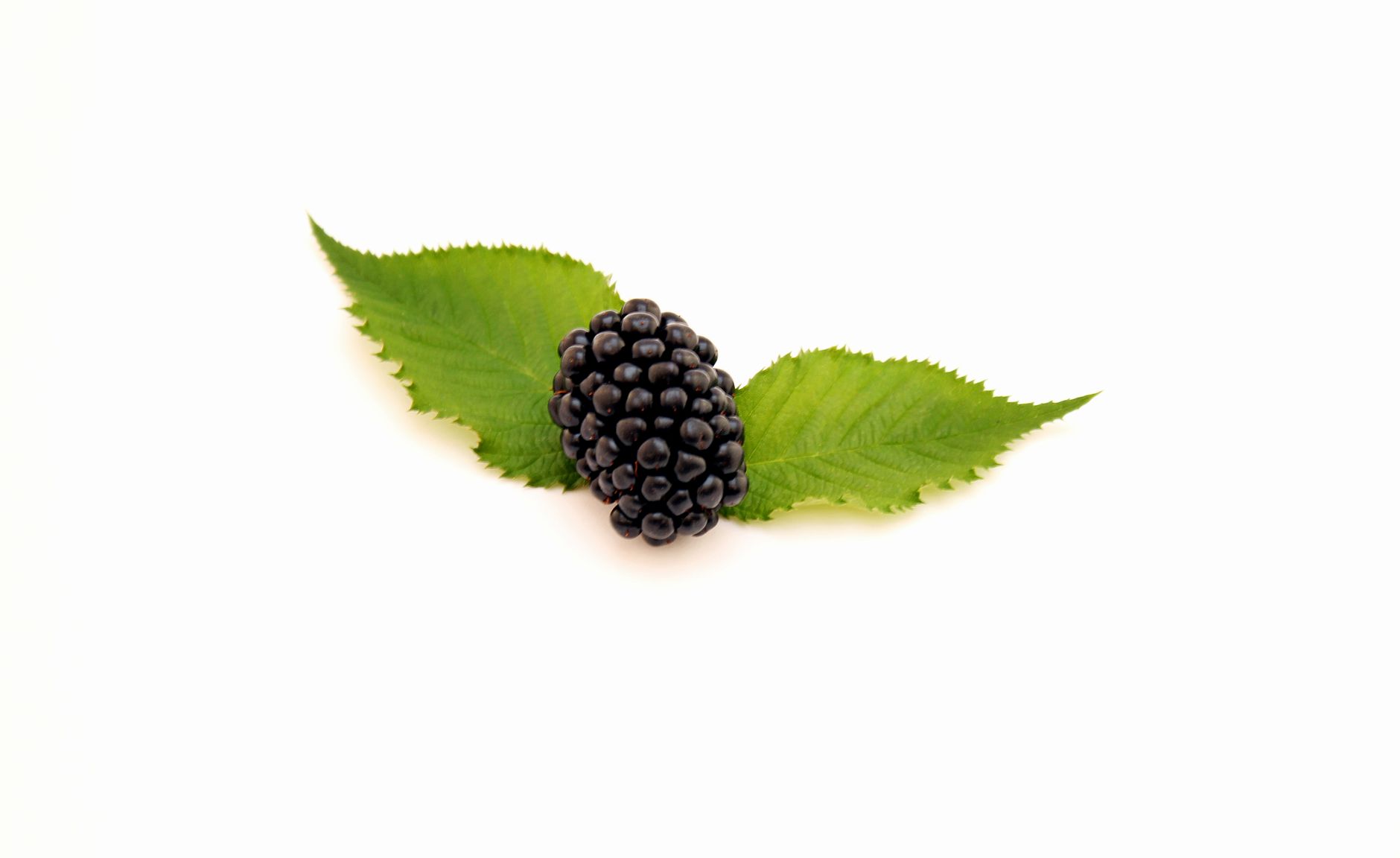
Thornless Varieties: The easiest and most popular for home gardens. No sharp thorns to deal with. Produces large, sweet berries. Popular: Apache, Navaho, Triple Crown, Ouachita.
Thorny Varieties: More vigorous and often produce larger berries. Require careful handling. Popular: Kiowa (very large berries), Cheyenne, Brazos.
Erect Varieties: Grow upright without support. Easier to manage and prune. Good for small gardens. Popular: Navaho, Apache, Ouachita, Cherokee.
Semi-Erect Varieties: Need some support but are easier to manage than trailing types. Popular: Triple Crown, Chester.
Trailing Varieties: Need a trellis or support. Spread vigorously. Produce large, flavorful berries. Popular: Loganberry, Boysenberry, Marionberry.
Which is best? For beginners: Thornless erect varieties like Apache or Navaho—they're easy to grow, thornless, and produce excellent fruit.
Select the Best Planting Site
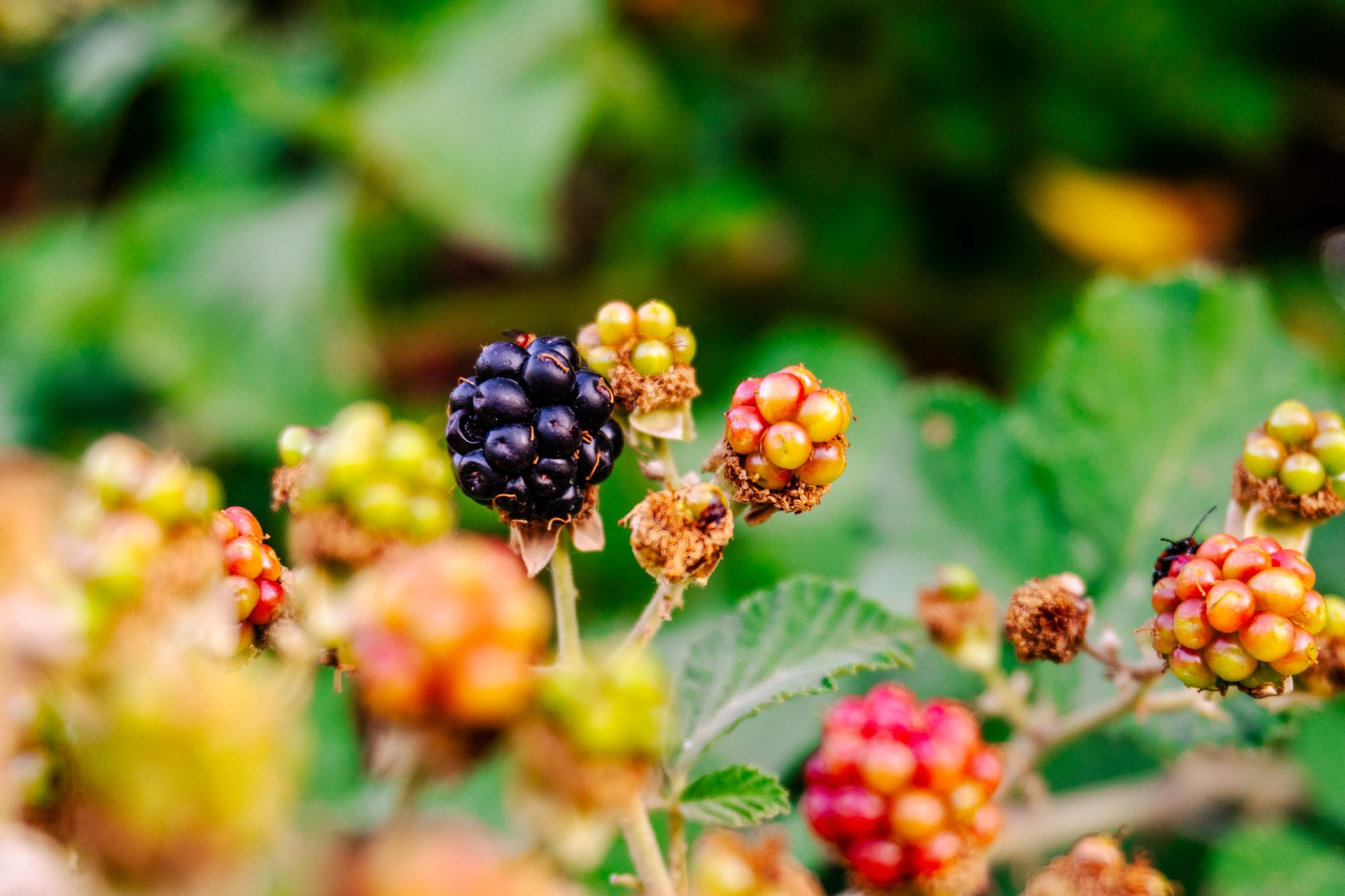
Sunlight: Blackberries need 6-8 hours of direct sunlight daily. More sun = sweeter berries.
Soil: Blackberries prefer well-draining, loamy soil with a pH of 5.5-7.0. Add compost or aged manure to improve drainage.
Drainage: Good drainage is critical—blackberry roots rot in wet soil. If you have heavy clay, plant on raised beds.
Air circulation: Good airflow prevents fungal diseases. Space plants to allow air movement.
Avoid: Don't plant where tomatoes, potatoes, or peppers grew in the last 3 years (share diseases).
Plant Blackberries Correctly

When to plant: Plant in early spring (as soon as the ground can be worked) or fall. Bare-root plants are planted in spring.
Planting depth: Dig a hole twice as wide as the root ball and the same depth. Place the plant in the hole at the same depth as it was in the nursery pot.
Spacing: Erect varieties: 3-4 feet apart, rows 6-8 feet apart. Trailing varieties: 4-6 feet apart, rows 6-8 feet apart.
Soil preparation: Mix compost or aged manure into the planting hole. Blackberries benefit from organic matter.
Watering after planting: Water deeply to settle the soil around the roots. Keep the soil moist for the first few weeks.
Install a Trellis System

Why a trellis: Trailing and semi-erect varieties need support. Trellises keep canes off the ground, improving air circulation and fruit quality.
The T-trellis: The most common system. Install posts at each end of the row, with a crossbar at the top. Run wires at 3 and 6 feet.
Simple trellis: Install sturdy posts (4x4 or metal) at the ends of each row. Attach wires at 3 and 6 feet.
Erect varieties: Can be grown without a trellis but still benefit from a simple wire support to keep canes upright.
Training: Train new canes (primocanes) along the lower wire. In spring, these will produce fruit (floricanes) on the upper wires.
Water and Mulch
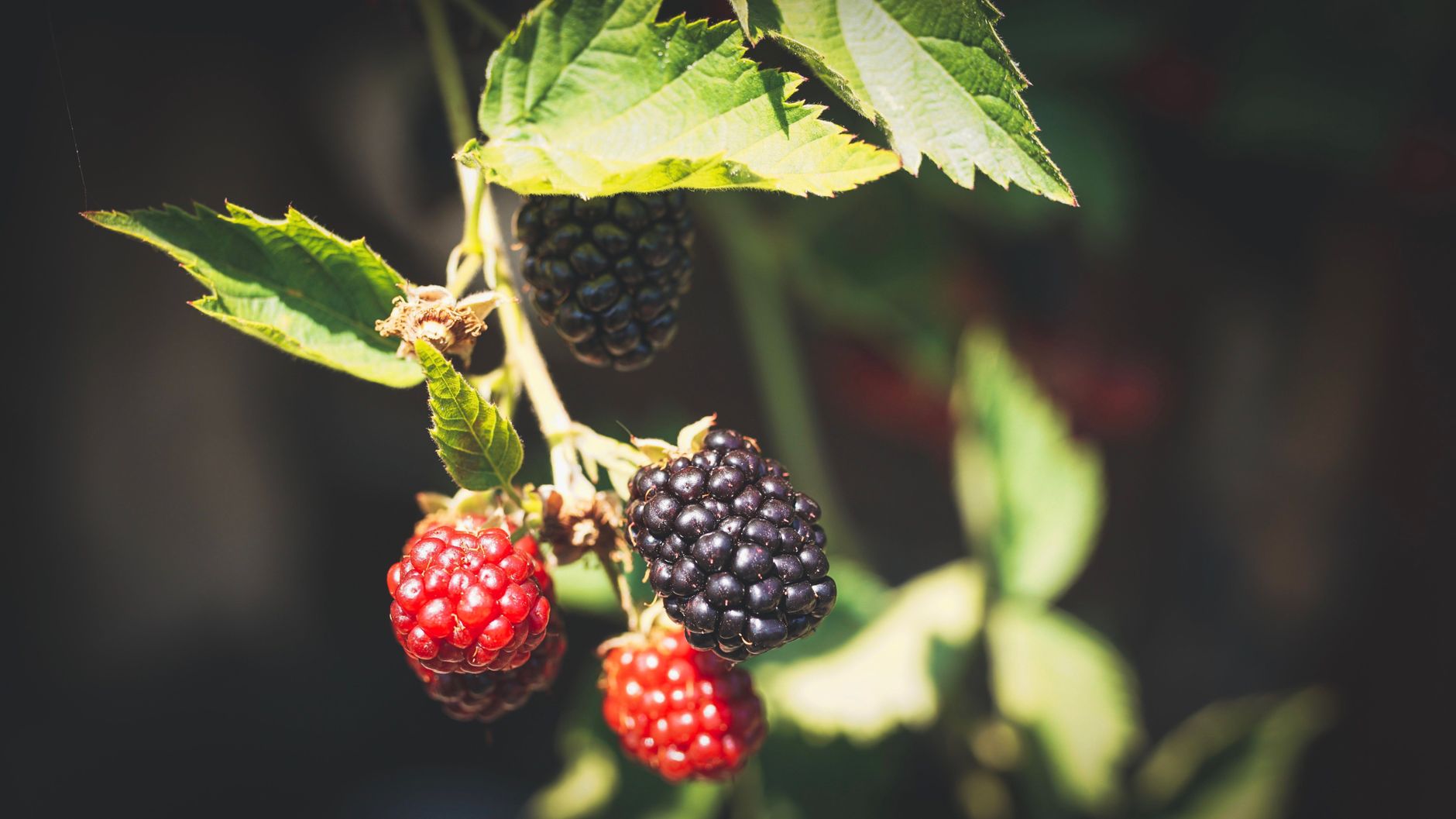
Water: Blackberries need 1-2 inches of water per week, especially during fruit development. Use drip irrigation to water deeply.
Mulch: Apply 3-4 inches of mulch (straw, wood chips, or pine bark) around the plants. Mulch suppresses weeds, retains moisture, and moderates soil temperature.
Keep away from canes: Don't pile mulch directly against the canes. Leave a 2-inch gap to prevent rot.
Weed control: Blackberries are shallow-rooted. Hand-pull weeds near the plants to avoid root damage.
Fertilize Properly
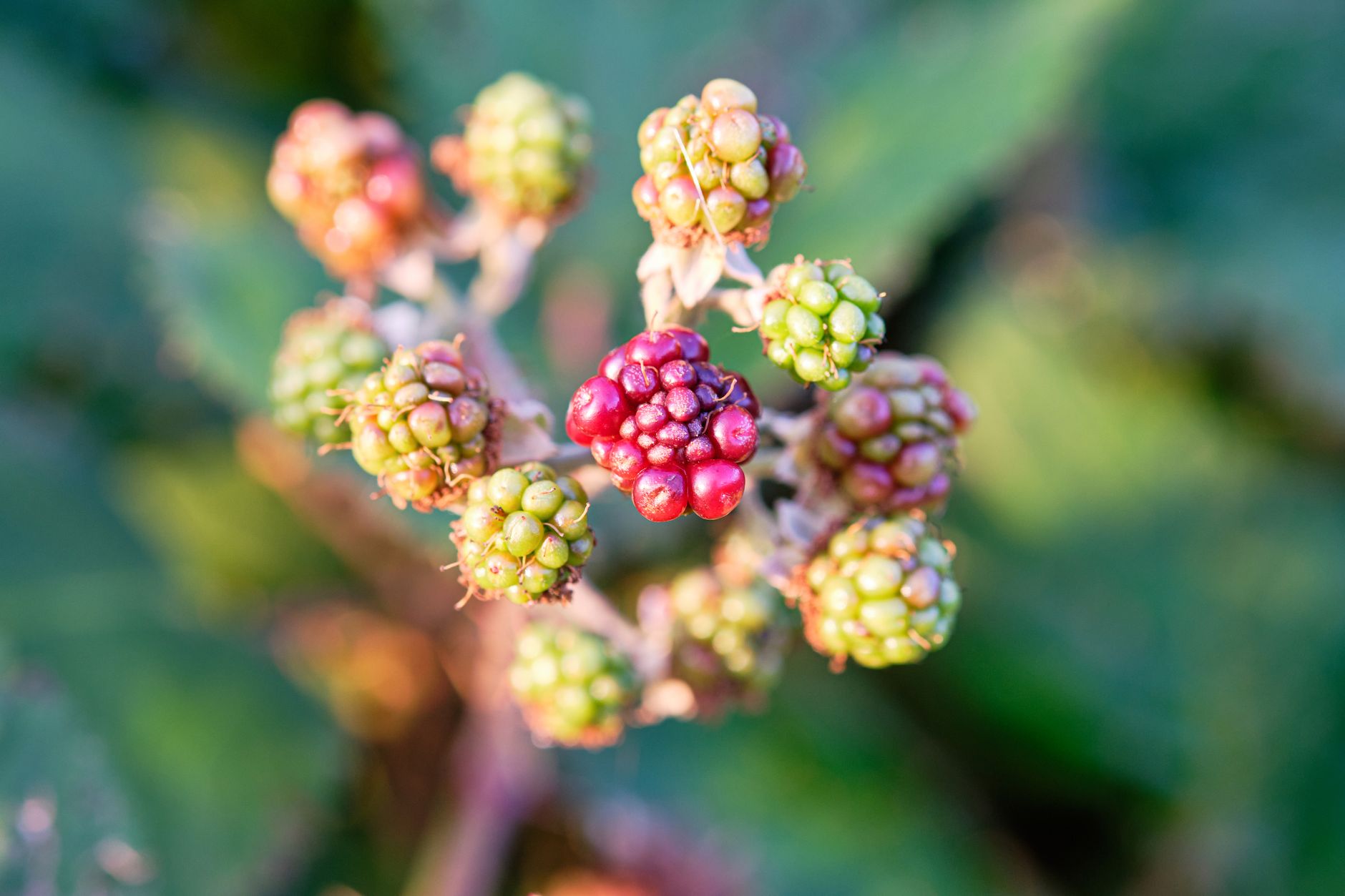
When to fertilize: Apply fertilizer in early spring before new growth starts. Also apply after harvest to support next year's growth.
What to use: Use a balanced fertilizer (10-10-10). Apply 1/2 to 1 cup per plant in spring.
Organic options: Compost, aged manure, fish emulsion, or blood meal are excellent alternatives.
How much: Don't over-fertilize. Too much nitrogen promotes leafy growth at the expense of fruit.
Signs of nutrient deficiency: Yellowing leaves (nitrogen), purple leaves (phosphorus), or brown edges (potassium).
Prune Blackberries

Understanding growth: Blackberries have two types of canes: primocanes (first-year growth) and floricanes (second-year growth). Fruit is produced on floricanes.
When to prune: Prune in late winter (February-March) while canes are dormant. Remove dead, diseased, or crossing canes.
Summer pruning: Tip-prune primocanes in summer at 3-4 feet to encourage branching. This increases fruit production.
After harvest: Remove spent floricanes (they won't fruit again) at ground level. This clears space for new growth.
Renovation: Thin canes to 4-6 strong canes per plant for the best fruit size.
Protect from Pests and Birds
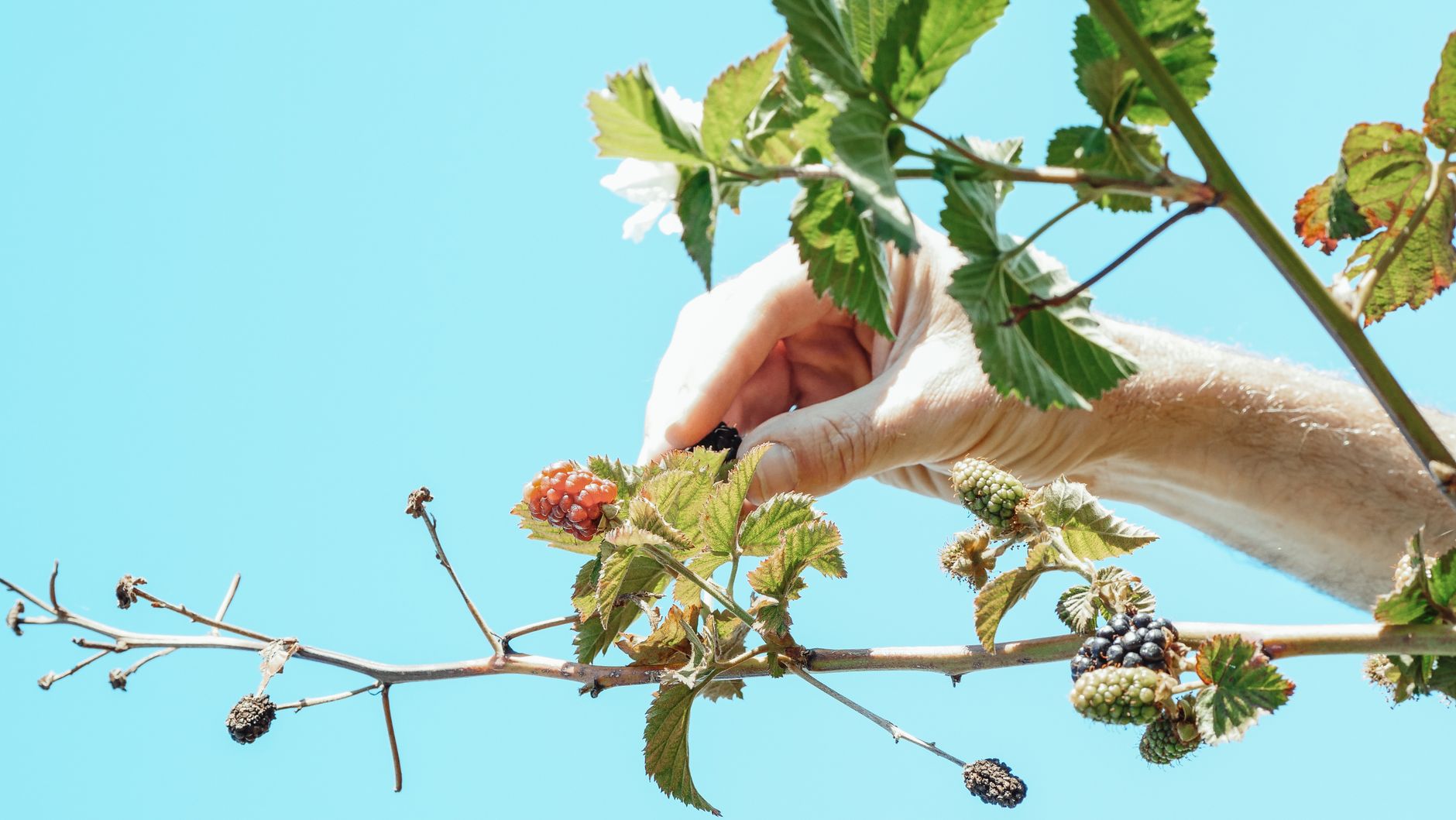
Birds: The biggest threat. Use bird netting over the plants when berries start to ripen. Prop the netting up so it doesn't touch the fruit.
Spotted wing drosophila: A vinegar fly that attacks ripening berries. Remove fallen fruit and use traps.
Aphids: Spray with insecticidal soap or neem oil. Encourage beneficial insects.
Japanese beetles: Hand-pick or use traps. They can defoliate plants.
Disease: Blackberries are generally disease-resistant. Prune for good air circulation to prevent fungal diseases.
Common problems and fixes
| Problem | Likely cause | What to do |
|---|---|---|
| No fruit despite flowers | Lack of pollinators, late frost, or pruning at the wrong time. | Attract bees, protect from frost, and prune correctly. |
| Small berries | Lack of water, poor nutrition, or overcrowding. | Water deeply, fertilize, and thin canes. |
| Canes drying or dying | Cane blight or root rot. | Remove affected canes and improve drainage. |
| Leaves yellowing | Nutrient deficiency or overwatering. | Apply balanced fertilizer and check drainage. |
Gardener's checklist
Test what you learned
What type of blackberry is easiest for beginners?
Answer: Thornless erect
How much sun do blackberries need daily?
Answer: 6-8 hours
On what type of canes do blackberries produce fruit?
Answer: Floricanes (second-year)
When should spent floricanes be removed?
Answer: After harvest
What is the biggest threat to blackberries?
Answer: Birds
Common questions
Do blackberries grow back every year?
Yes, blackberries are perennials that grow back every year. The canes live for two years (biennial)—primocanes grow in year 1, floricanes produce fruit and die in year 2.
How long do blackberries take to produce fruit?
Blackberries produce fruit in the second year after planting. They reach full production in 3-4 years and can produce for 15-20 years.
Can I grow blackberries in containers?
Yes, but choose compact varieties and use a large pot (18-24 inches wide). Water regularly and provide a small trellis.
Do blackberries need cross-pollination?
Most blackberry varieties are self-pollinating. However, some trailing varieties benefit from cross-pollination for better fruit set.
How do I keep birds from eating my blackberries?
Use bird netting over the plants when berries start to ripen. Prop the netting up so it doesn't touch the fruit. Scare tape, reflective tape, or decoy predators can also help.
Blackberries are one of the easiest and most rewarding fruit crops for home gardeners. Choose thornless varieties for easy harvesting, plant in full sun, water consistently, and prune correctly. Blackberries produce fruit on second-year canes (floricanes)—remove spent canes after harvest to make room for new growth. With proper care, a blackberry patch will produce sweet, juicy berries for 15-20 years. Whether you eat them fresh, make jam, or bake them into pies, homegrown blackberries are a true summer treat.
Frequently asked questions
How often should a vegetable garden be watered?
Frequency depends on weather, soil and plant size. Check the soil rather than watering on a rigid schedule.
Is compost enough fertilizer?
Compost improves soil and provides nutrients slowly. Heavy-feeding crops may still need additional feeding.

The Sproutstead Editorial Team
We create clear, practical gardening and homesteading guides designed for real homes and beginner growers.
View author profile →