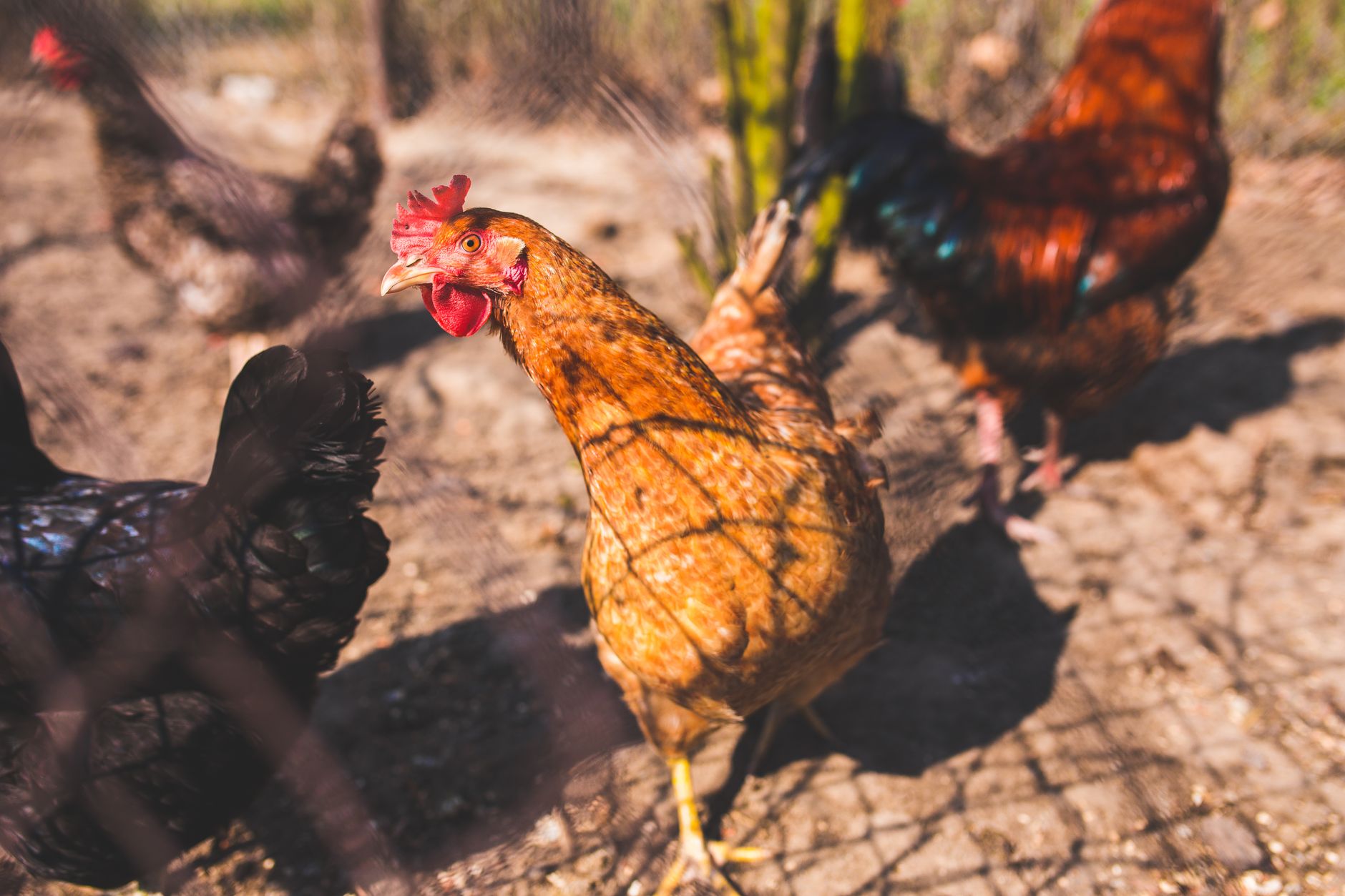
Raising chickens starts with choosing a beginner-friendly breed (Rhode Island Red, Australorp, Plymouth Rock), building or buying a secure coop (3-4 sq ft per bird inside, 8-10 sq ft in the run), providing 16-18% protein layer feed and fresh water, and collecting eggs daily. Start with 3-6 hens, keep them safe from predators, and enjoy fresh eggs in about 4-6 months. Regular cleaning, predator protection, and daily observation are key to a healthy, happy flock. Chickens are low-maintenance, entertaining, and one of the most rewarding homesteading animals.
What you will need
Choose the Right Chicken Breed for You

Rhode Island Red: Hardy, friendly, 200-280 eggs/year. Excellent for beginners.
Australorp: Gentle, great layers (250-300 eggs/year), cold-hardy. Very beginner-friendly.
Plymouth Rock (Barred Rock): Docile, reliable (200-250 eggs/year), good with children.
Orpington: Fluffy, very friendly, good layers (200-250 eggs/year).
ISA Brown: Extremely friendly, top producer (300+ eggs/year).
Easter Egger: Friendly, lays blue/green eggs (200-250/year).
Start with 3-6 hens: A manageable number for beginners. Enough for a daily egg supply but small enough to handle easily.
Set Up a Secure Coop and Run
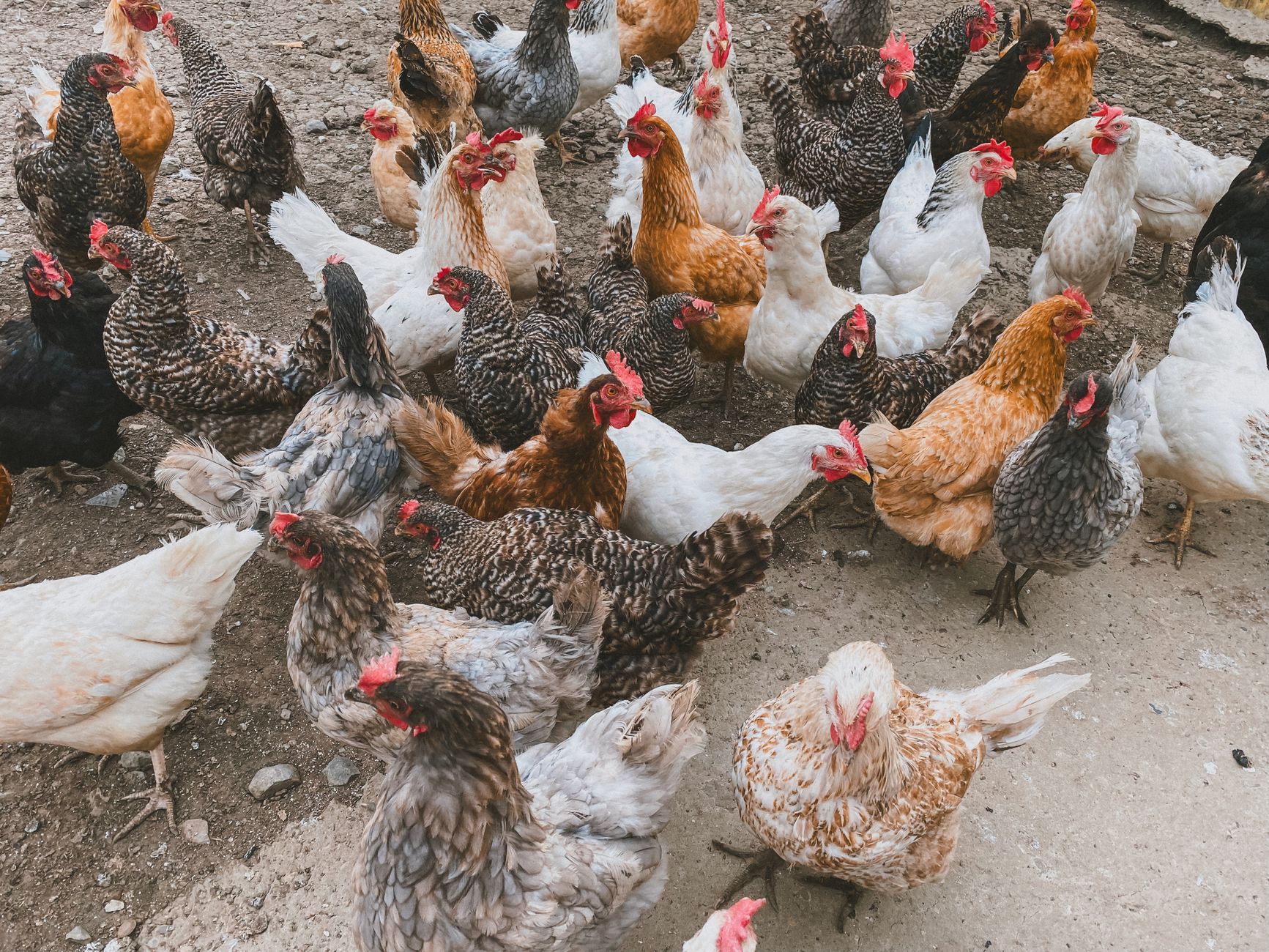
Space: Provide 3-4 square feet per chicken inside the coop and 8-10 square feet in the run. For 6 chickens, that's 18-24 sq ft inside and 48-60 sq ft in the run.
Predator protection: Use 1/2-inch hardware cloth (not chicken wire) on all openings. Bury it 12 inches deep or use an apron.
Nesting boxes: Provide 1 box per 3-4 hens (12x12x12 inches). Place them 18-24 inches off the ground.
Roosting bars: Provide 8-10 inches of roosting space per bird. Use 2x4s with the wide side up.
Ventilation: Install vents above the roosts to allow moisture and ammonia to escape.
Location: Place the coop in a sunny, well-drained area away from property lines.
Understand Chicken Nutrition

Layer feed (16-18% protein): For hens 18 weeks and older. Provides the right balance for egg production.
Starter/grower feed (18-20% protein): For chicks up to 18 weeks.
Calcium: Provide oyster shells separately for laying hens.
Grit: Offer grit if your chickens eat whole grains or treats.
Water: Fresh, clean water 24/7. Chickens drink about 1 pint per day.
Treats: Limit to 10% of diet—too many treats reduce egg production.
Avoid: Chocolate, avocado, raw beans, and moldy food.
Set Up Your Daily Routine

Morning: Open the coop door, check water, add feed, collect eggs.
Midday: Check water (especially in hot weather). Observe flock behavior.
Evening: Close the coop door (keep them safe from predators). Collect eggs again.
Weekly: Change bedding, clean feeders and waterers, clean nesting boxes.
Monthly: Check for parasites, trim nails if needed, inspect the coop for damage.
Seasonally: Deep clean the coop (spring and fall), prepare for winter/summer.
Keep Chickens Healthy

Signs of illness: Lethargy, loss of appetite, sneezing, discharge from eyes/nose, diarrhea, missing feathers, or abnormal behavior.
Parasites: Check for mites and lice under wings and around the vent. Dust with poultry dust as needed.
Molt: Chickens lose and regrow feathers in fall. They stop laying during this time.
Frostbite: Apply petroleum jelly to combs in extreme cold.
Heat stress: Provide shade and fresh water in hot weather.
When to call a vet: If a chicken is seriously ill, not eating, or has a high fever.
Manage Egg Laying
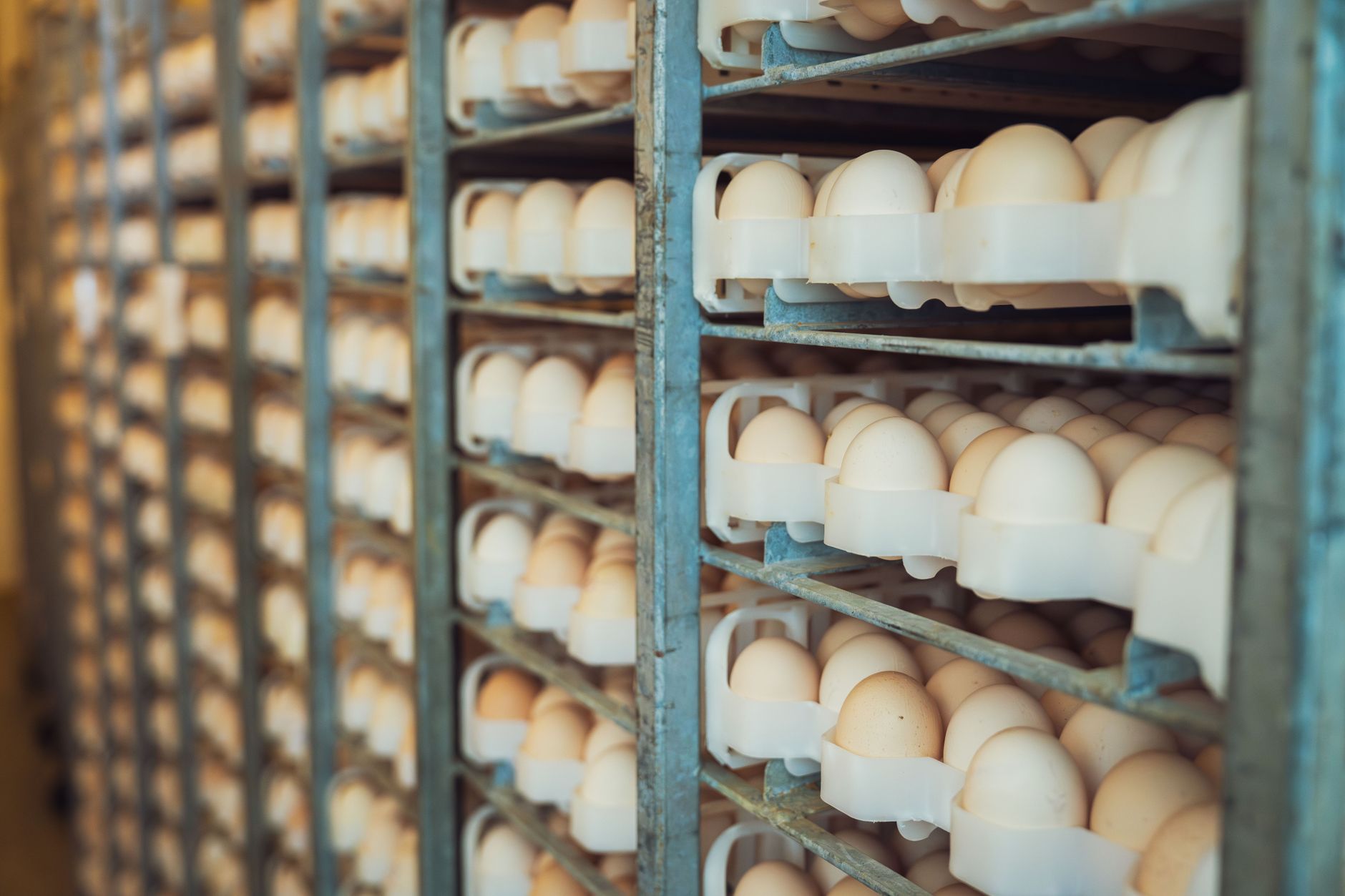
When they start: Hens begin laying at 4-6 months (depending on breed).
How often: Most hens lay 5-6 eggs per week at peak production.
Factors: Egg production depends on breed, age, lighting (14-16 hours), nutrition, and stress.
Collecting: Collect eggs daily (twice in hot weather).
Storing: Refrigerate fresh eggs. They last 3-5 weeks.
Why they stop: Molting (fall), winter (shorter days), stress, illness, or age.
Handle Common Chicken Problems

Broodiness: A hen that stays on the nest to hatch eggs. Break broodiness by removing her daily.
Egg eating: Prevent by collecting eggs frequently and providing oyster shells.
Feather pecking: Add more space, provide enrichment, and ensure adequate nutrition.
Flystrike: Keep the coop clean and dry. Use fly traps if needed.
Aggression: Often caused by overcrowding. Add more space or separate aggressive birds.
Predators: Secure the coop and run. Lock chickens in at night.
Prepare for Seasonal Changes

Winter: Keep the coop dry and draft-free. Provide extra bedding. Ensure water doesn't freeze (use heated waterers). Increase feed to help generate body heat.
Summer: Provide shade and fresh water. Add electrolytes to water if needed. Offer frozen treats (watermelon). Ensure adequate ventilation.
Spring: Deep clean the coop. Prepare for chicks if breeding. Watch for predators.
Fall: Prepare for winter. Stock up on bedding and feed. Watch for molting.
Common problems and fixes
| Problem | Likely cause | What to do |
|---|---|---|
| Chickens are not laying eggs | Molting, reduced daylight, poor nutrition, stress, or age. | Check for molting signs, add supplemental light (14-16 hours), ensure proper nutrition, reduce stress. |
| Chickens are aggressive or feather pecking | Overcrowding, boredom, or stress. | Add more space, provide enrichment, and ensure adequate feed and water. |
| Chickens are eating eggs | Calcium deficiency, boredom, or eggs were cracked. | Provide oyster shells (calcium). Collect eggs frequently. Use roll-away boxes. |
| Chickens are losing feathers | Molting (fall) or feather pecking. | Molting is normal—increase protein. For feather pecking, add more space. |
Gardener's checklist
Test what you learned
How many chickens should a beginner start with?
Answer: 3-6
How much space does a chicken need inside the coop?
Answer: 3-4 sq ft
What protein percentage should layer feed contain?
Answer: 16-18%
What is the #1 threat to backyard chickens?
Answer: Predators
Common questions
How long does it take for chicks to start laying eggs?
Chicks start laying at 4-6 months, depending on the breed. Some breeds (like Leghorns) start as early as 4 months, while others (like Orpingtons) may take 6 months.
Do I need a rooster for my hens to lay eggs?
No. Hens lay eggs entirely on their own—a rooster is only needed if you want fertilized eggs to hatch chicks.
How long do chickens live?
Chickens live 5-10 years, but egg production declines after 2-3 years. Many backyard keepers keep older hens for companionship.
What do chickens eat?
Chickens eat layer feed (16-18% protein), plus treats like vegetables, fruits, and scratch grains. They also eat insects and grass if free-ranging.
Can I keep chickens in my backyard?
Yes, in most places. Check local zoning laws—some areas allow hens but prohibit roosters. Always check with your city or county before getting chickens.
Raising chickens is one of the most rewarding homesteading experiences. Start with 3-6 beginner-friendly hens, build a secure coop, provide proper nutrition (16-18% protein layer feed with calcium), collect eggs daily, and keep the coop clean. Chickens are entertaining, provide fresh eggs, and are wonderful companions. With consistent care and predator protection, your flock will thrive, and you'll enjoy the many rewards of keeping backyard chickens.
Frequently asked questions
How often should a vegetable garden be watered?
Frequency depends on weather, soil and plant size. Check the soil rather than watering on a rigid schedule.
Is compost enough fertilizer?
Compost improves soil and provides nutrients slowly. Heavy-feeding crops may still need additional feeding.

The Sproutstead Editorial Team
We create clear, practical gardening and homesteading guides designed for real homes and beginner growers.
View author profile →