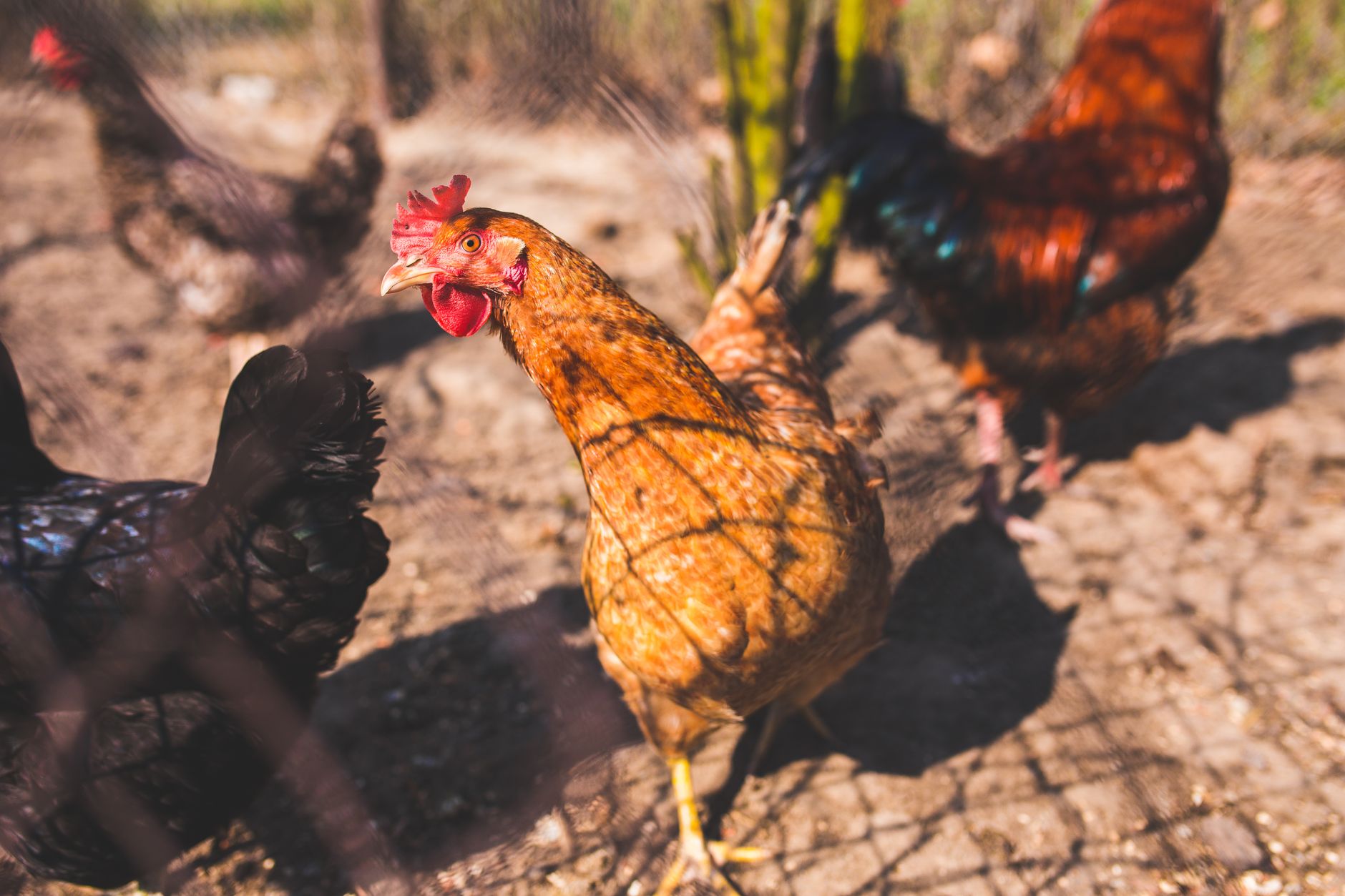
The best chicken coop design balances space, ventilation, predator protection, and ease of cleaning. Plan for 3-4 square feet per chicken inside the coop and 8-10 square feet per chicken in the run. Include roosting bars (8-10 inches per bird), nesting boxes (one per 3-4 hens), good ventilation (above the roosts), and predator-proof hardware cloth (not chicken wire). Consider your climate, budget, and flock size when choosing between a stationary coop, portable tractor, or converted shed.
What you will need
Determine Your Coop Size Based on Flock Count
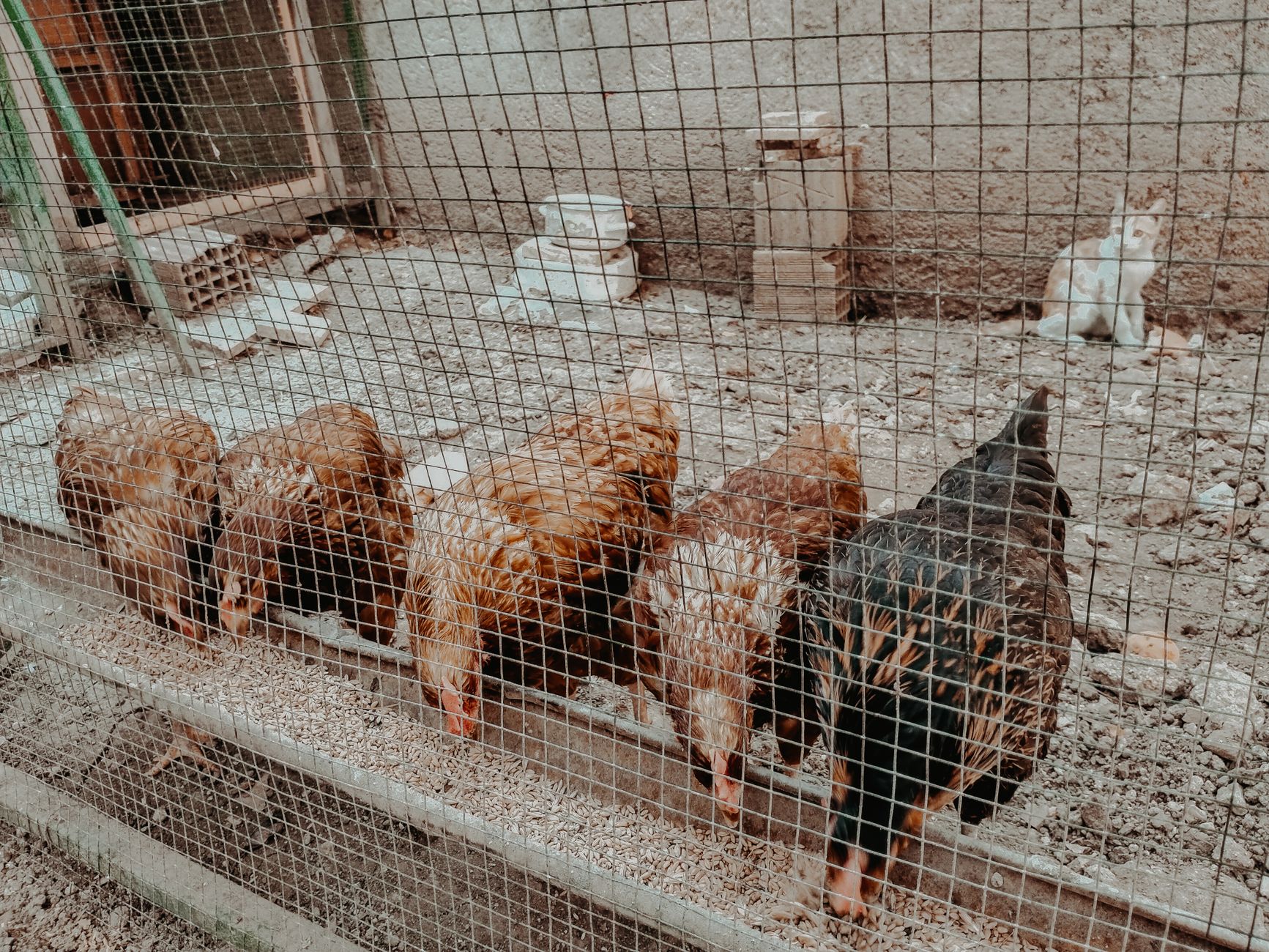
Calculate your coop size: allow 3-4 square feet per standard chicken inside the coop and 8-10 square feet per chicken in the outdoor run. For bantams, you can reduce slightly (2-3 square feet inside).
For a flock of 6 chickens: you need at least 18-24 square feet inside the coop (about 4x6 feet) and 48-60 square feet in the run (about 6x8 feet or 8x8 feet).
For 12 chickens: 36-48 square feet inside (6x8 feet) and 96-120 square feet in the run (8x12 feet or 10x12 feet).
Always round up—more space prevents behavior problems and makes cleaning easier. A spacious coop means healthier, happier chickens.
If you plan to expand your flock later, build bigger now. It's cheaper to build one large coop than to add on later.
Choose the Right Location
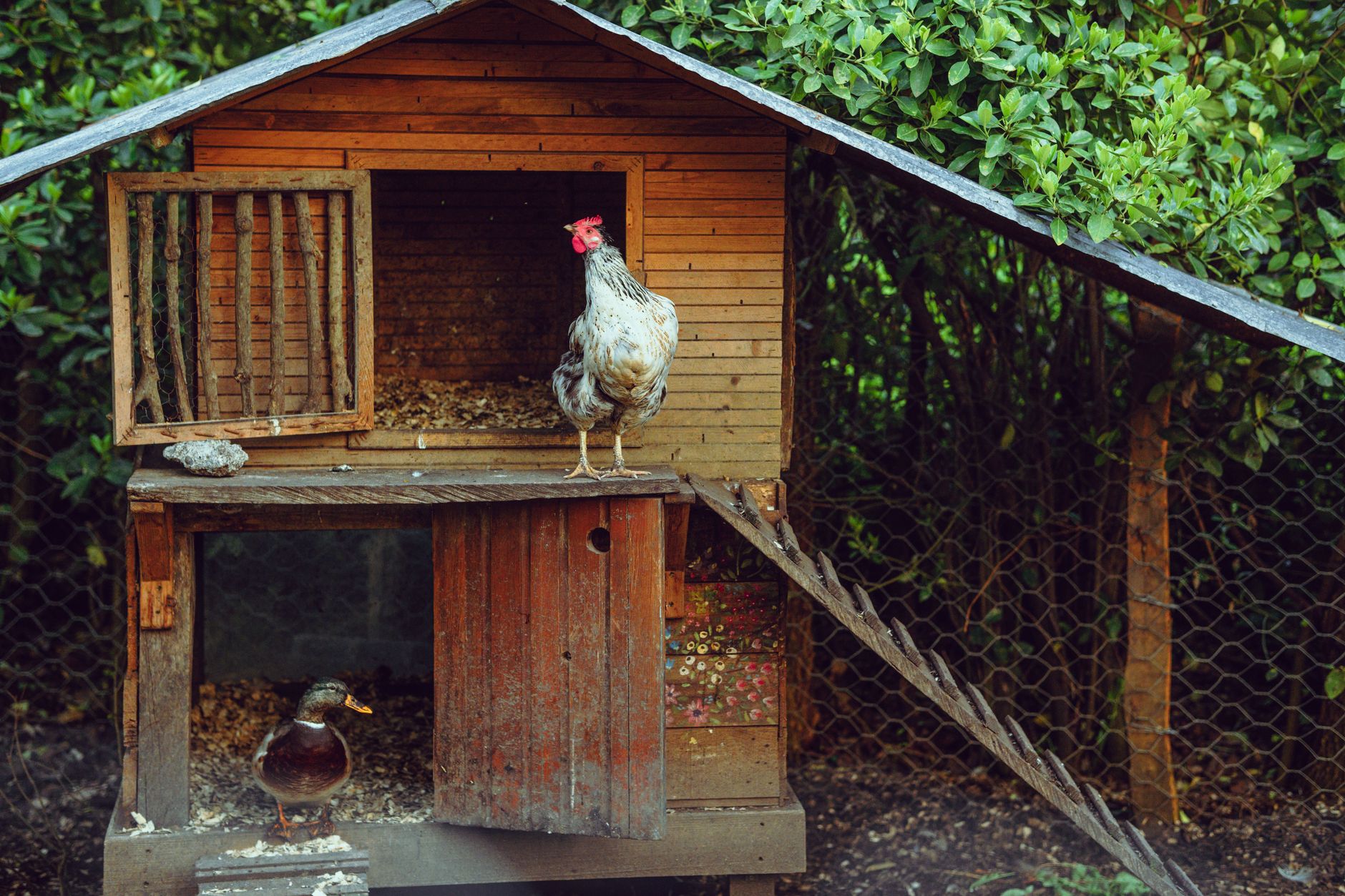
Place the coop on well-drained, slightly elevated ground to prevent flooding. Chickens hate mud and wet feet, which can lead to disease.
Orient the coop so the largest side faces south (in the northern hemisphere) to maximize winter sunlight and warmth while providing summer shade.
Keep the coop away from property lines and neighbor's windows to avoid complaints about noise and odor. Most towns have setback requirements.
Position the coop where you can easily access it for daily feeding, egg collection, and cleaning. A path that stays mud-free makes chores easier.
Consider wind protection—shelter the coop from prevailing winter winds using trees, fences, or buildings.
Select Your Coop Style

Stationary Barn-Style Coop: The most common design. Walk-in or crawl-in style with a run attached. Easy to clean and provides protection from weather. Best for permanent flocks.
A-Frame Coop: Simple, economical, and mobile. Smaller flocks (3-5 birds) can be housed in these. Good for temporary or seasonal use.
Chicken Tractor: A portable, floorless coop and run combination. Moved daily to fresh grass, reducing parasites and fertilizing the lawn. Best for 6-12 birds.
Upcycled Shed: Convert an old garden shed, playhouse, or doghouse. Cost-effective and often already has a solid structure. Ensure good ventilation.
Pallet Coop: Built from reclaimed wooden pallets. Inexpensive and eco-friendly. Check pallets are heat-treated (HT) and not chemically treated.
Design the Coop Interior

Roosting bars: Use 2x4s with the wide side facing up (rounded edges). Provide 8-10 inches of roost space per bird. Place roosts higher than nesting boxes to discourage sleeping in the nest boxes.
Nesting boxes: Build 12x12x12 inch boxes (larger for bigger breeds). Place them 18-24 inches off the ground. Provide one box for every 3-4 hens. Use a sloped roof on the boxes to prevent roosting on top.
Ventilation: The most overlooked aspect of coops. Install vent openings at the top of the walls, above roosting height. This allows warm, moist air (and ammonia) to escape without creating drafts on the birds.
Droppings board: Install a board under the roost to catch manure, making cleanup easier. You can slide out the board for quick cleaning rather than cleaning the whole floor.
Feeder and waterer: Hang feeders and waterers at the height of your chickens' backs to reduce waste and contamination. Treadle feeders (step-on) keep feed rat-proof.
Plan for Predator Protection
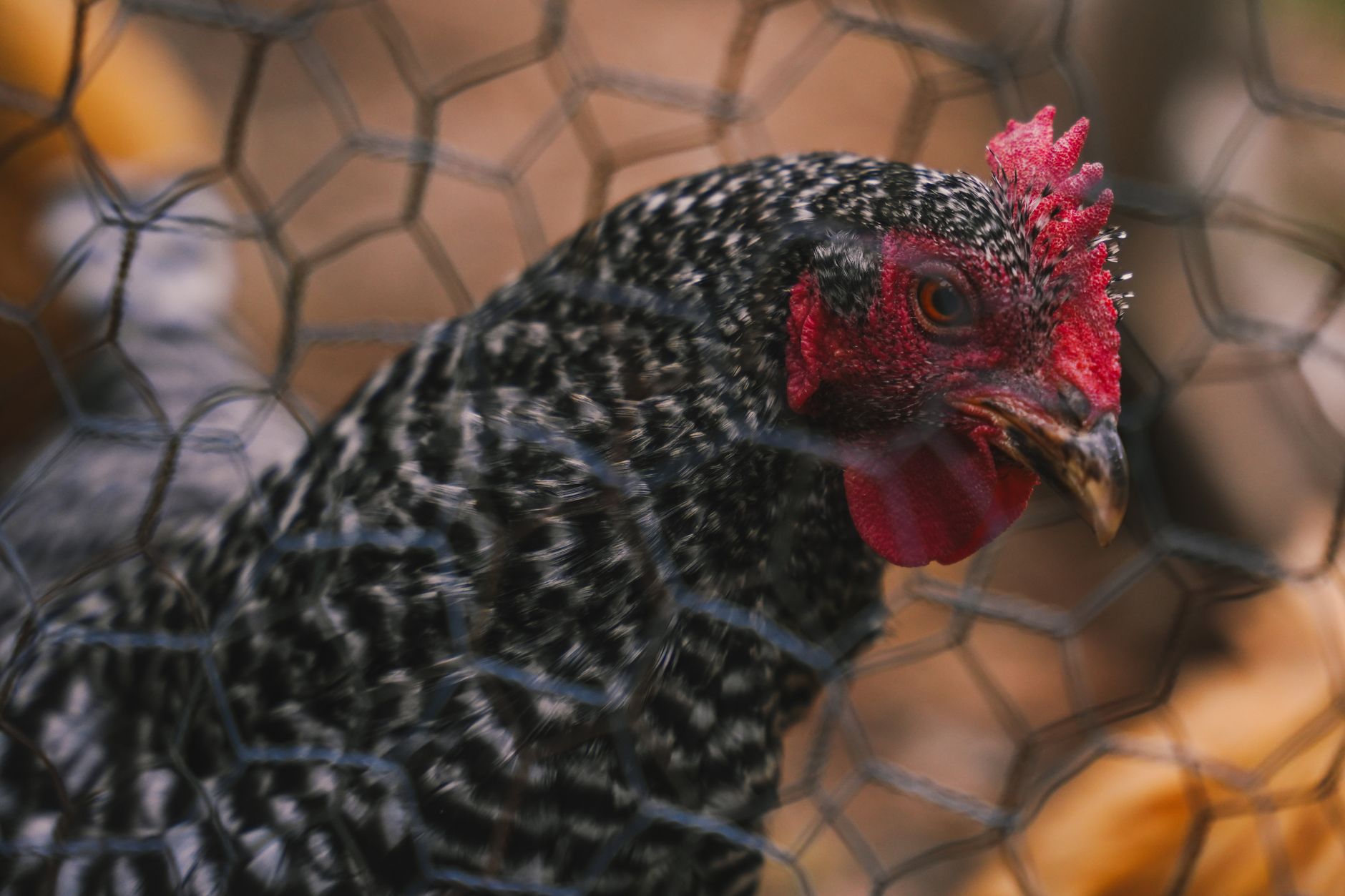
Use 1/2-inch hardware cloth (not chicken wire) for all openings. Chicken wire keeps chickens IN, but it does NOT keep predators OUT—raccoons can reach through and grab birds.
Bury hardware cloth 12 inches deep around the perimeter of the run, or lay it flat and extend it outward 18 inches to prevent digging predators.
Secure all doors with raccoon-proof latches. Raccoons have dexterous paws and can open simple hooks and hasps.
Cover the top of the run with netting or hardware cloth to protect from aerial predators (hawks, owls).
Use a solid floor in the coop (wood or concrete) or bury hardware cloth under the floor to prevent burrowing predators like rats and weasels.
Add a Run for Outdoor Time
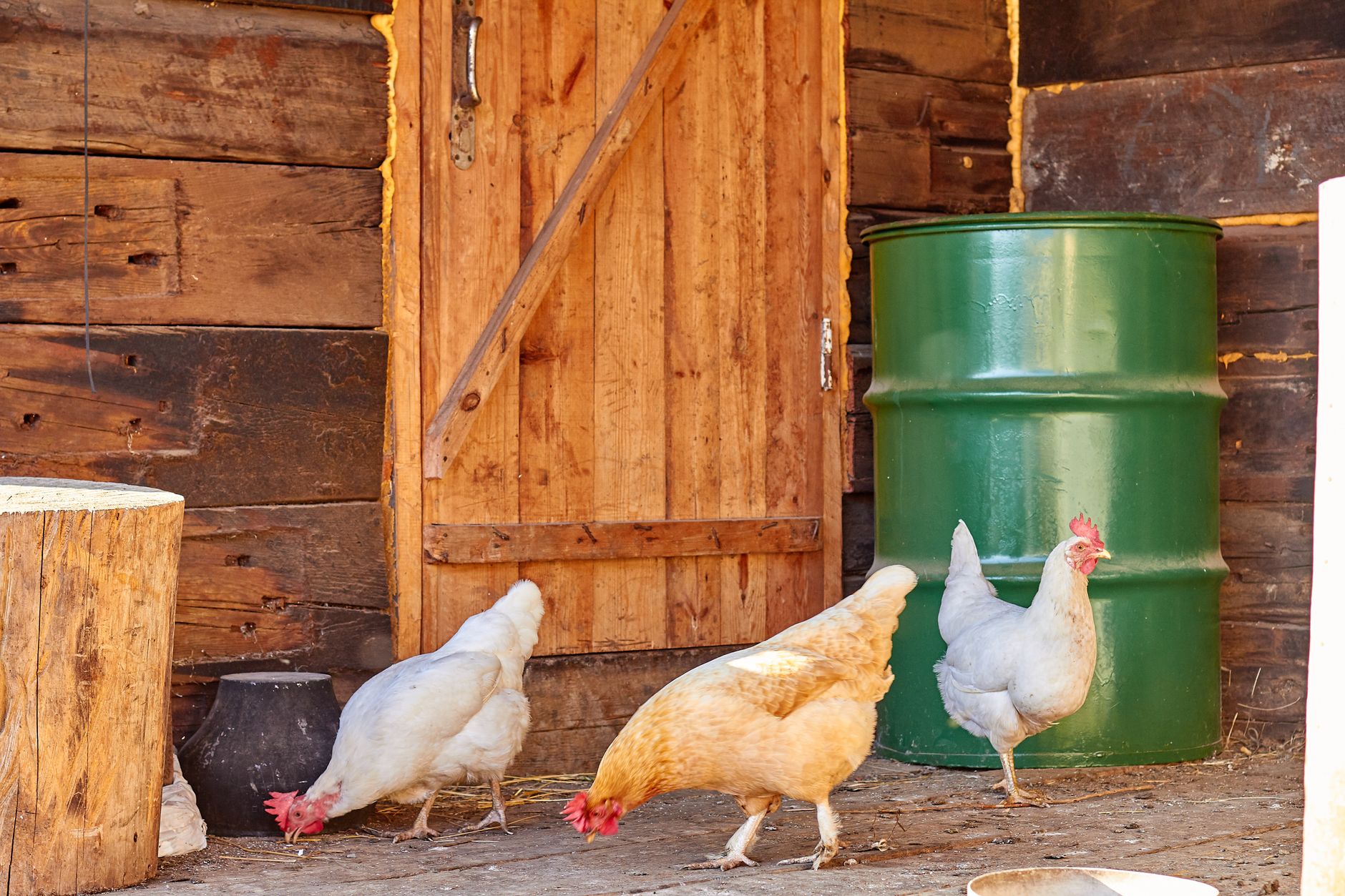
Build a run that is at least 8-10 square feet per chicken. If you free-range part-time, the run can be smaller, but chickens need outdoor time.
Use 6-foot tall fencing to prevent chickens from flying over. Clip their wing feathers (one wing only) if they're persistent fliers.
Cover the run with poultry netting or hardware cloth to protect from aerial predators. This also keeps the chickens in.
Provide shade in the run—trees, shade cloth, or a covered section protects chickens from summer heat.
Incorporate a dust bath area (a shallow tub with sand, wood ash, and diatomaceous earth) in the run. Chickens love to bathe and this helps control external parasites.
Consider Climate and Weather Protection

For cold climates: Insulate the coop (but not too much—ventilation is still essential). Use a deep litter method for heat generation. Ensure waterers don't freeze using heated bases or daily replacement.
For hot climates: Provide shade, excellent ventilation, and consider a misting system. Run fans if power is available. Offer frozen treats (watermelon, ice blocks) to help chickens cool down.
Waterproof roof: Use metal roofing, shingles, or corrugated plastic. A roof that doesn't leak keeps bedding dry and prevents disease.
Wind protection: Block prevailing winter winds with solid walls or windbreaks. The north wall can be solid; other walls should have ventilation.
Summer ventilation: Open up walls with hardware cloth to allow cross-breeze. Heat stroke kills chickens faster than cold.
Incorporate Easy Cleaning Features
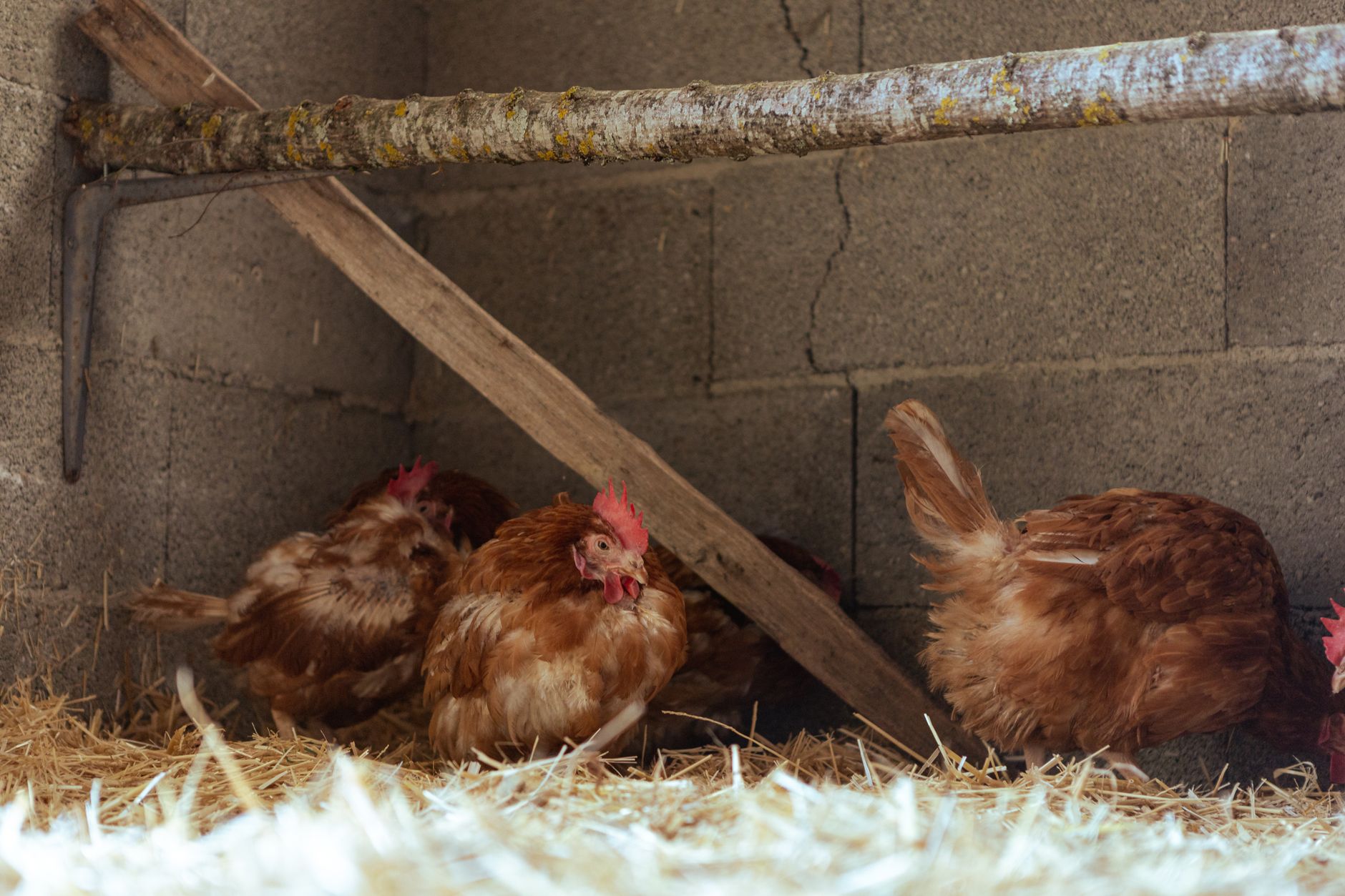
Include a pop door that can be opened and closed from the outside. This makes daily let-out and lock-up faster.
Install clean-out doors that open fully for easy access to the interior. Being able to stand inside (or reach all areas) makes cleaning much easier.
Use a droppings board under the roost. Pull it out daily to scrape manure—this keeps the rest of the coop clean and reduces ammonia odor.
Choose flooring materials that can be deep-cleaned. Concrete or linoleum are easiest. Wood floors can absorb moisture and odors.
Build the coop with a sloped floor (slightly) to drain water out if you need to hose it down. A 1-inch slope per 4 feet works well.
Common problems and fixes
| Problem | Likely cause | What to do |
|---|---|---|
| Chickens sleeping in nesting boxes | Nesting boxes are positioned higher than roosts, or there aren't enough roost spaces. | Ensure roosts are the highest point and provide 8-10 inches per bird. Also, close nesting boxes at night to discourage sleeping. |
| Eggs getting dirty or broken | Nesting boxes are too small, too few, or not enough bedding. | Use 12x12x12 inch boxes. Add deep, clean bedding (straw or shavings). Collect eggs daily. |
| Coop smells strongly of ammonia | Poor ventilation or not cleaning droppings boards regularly. | Increase ventilation and clean droppings boards daily or weekly. Consider the deep litter method to manage odors. |
| Predator attacks despite hardware cloth | Bury depth insufficient, or doors not secured with predator-proof latches. | Ensure hardware cloth is buried 12 inches deep. Use spring-loaded latches with a locking pin. |
Gardener's checklist
Test what you learned
How much space does a chicken need inside the coop?
Answer: 3-4 square feet
What wire should you use to predator-proof your coop?
Answer: 1/2-inch hardware cloth
How many nesting boxes do you need for 6 hens?
Answer: 2
Why is ventilation important in a chicken coop?
Answer: It removes moisture and ammonia
Common questions
Can I use chicken wire for predator protection?
No. Chicken wire is only effective at keeping chickens in—it is NOT predator-proof. Raccoons, foxes, and dogs can easily tear through it. Use 1/2-inch hardware cloth instead.
Do I need to insulate my chicken coop?
Chickens tolerate cold well, but insulation helps maintain a stable temperature and prevents moisture problems. Focus more on ventilation than insulation—moisture and ammonia cause more issues than cold.
How often should I clean the chicken coop?
Clean the droppings board (if you have one) daily. Replace bedding in nesting boxes as needed and do a full deep clean every 3-6 months. The deep litter method requires less frequent full clean-outs.
What's the best material for chicken coop floors?
Concrete is the easiest to clean and most predator-proof. Wood is popular but can harbor pests and bacteria over time. If using wood, seal it and use a deep litter method.
Can I convert a garden shed into a chicken coop?
Yes! Many people convert old sheds into coops. Add ventilation windows, hardware cloth, a run attached, and roosting bars. Make sure it's in a sunny, well-drained area.
A great chicken coop is a balance of practical design, predator protection, and your flock's comfort. Start with the right size for your birds, add ventilation (above the roost), secure with hardware cloth, and include features that make cleaning easy. The best coop is one you'll actually maintain—so build for convenience as much as for your chickens. Start with the basics, and over time, you'll refine your design based on what works best for your flock and your environment.
Frequently asked questions
How often should a vegetable garden be watered?
Frequency depends on weather, soil and plant size. Check the soil rather than watering on a rigid schedule.
Is compost enough fertilizer?
Compost improves soil and provides nutrients slowly. Heavy-feeding crops may still need additional feeding.

The Sproutstead Editorial Team
We create clear, practical gardening and homesteading guides designed for real homes and beginner growers.
View author profile →