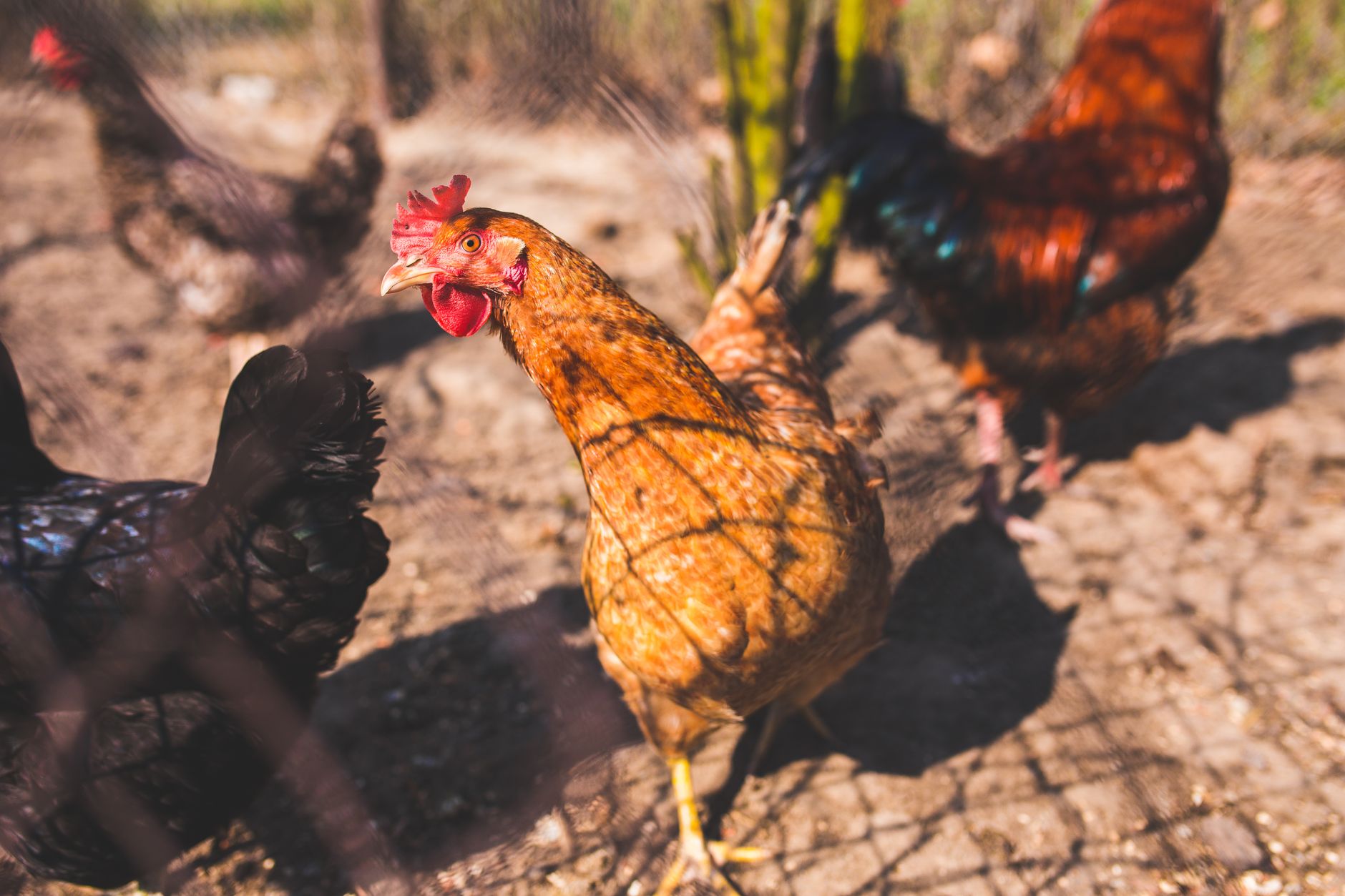
To raise chickens for eggs, choose high-producing breeds like ISA Brown (300+ eggs/year), Leghorn (250-300 eggs/year), or Australorp (250-300 eggs/year). Feed layer feed (16-18% protein) and provide oyster shells for calcium. Ensure 14-16 hours of light daily to maintain winter production. Collect eggs daily, keep nesting boxes clean, and minimize stress. Most hens peak at 1-2 years of age. With proper care, a flock of 6 hens can produce 20-30 eggs per week—enough for most families. The key factors are breed choice, nutrition, light, and stress reduction.
What you will need
Choose High-Producing Breeds

ISA Brown: The best layer—300+ eggs per year. Friendly, docile, and easy to manage. Great for beginners.
White Leghorn: 250-300 white eggs per year. Heat-tolerant and efficient. Good for warm climates.
Australorp: 250-300 brown eggs per year. Friendly, cold-hardy, and holds the world record for most eggs laid in a year.
Rhode Island Red: 200-280 brown eggs per year. Hardy, adaptable, and friendly. Good for all climates.
Plymouth Rock: 200-250 brown eggs per year. Friendly, cold-hardy, and reliable.
Orpington: 200-250 brown eggs per year. Friendly, fluffy, and cold-hardy.
Easter Egger: 200-250 blue/green eggs per year. Friendly and colorful.
Tip: Hybrids like ISA Brown are the best for maximum production. Heritage breeds are great, but hybrids produce more eggs.
Feed Properly for Egg Production

Layer feed (16-18% protein): This is the foundation of egg production. Feed layer feed (not starter or grower) once hens are 18+ weeks old.
Calcium: Provide oyster shells in a separate container. Laying hens need 3-4% calcium for strong eggshells.
Grit: Offer grit separately if your hens eat whole grains or treats. It helps them digest food.
Water: Fresh, clean water 24/7. Chickens drink about 1 pint per day. Dehydration stops egg production.
Treats: Limit treats to 10% of the diet. Too many treats reduce protein intake and egg production.
Avoid: Never feed moldy food, avocado, chocolate, or raw beans. These can be toxic.
Provide 14-16 Hours of Light
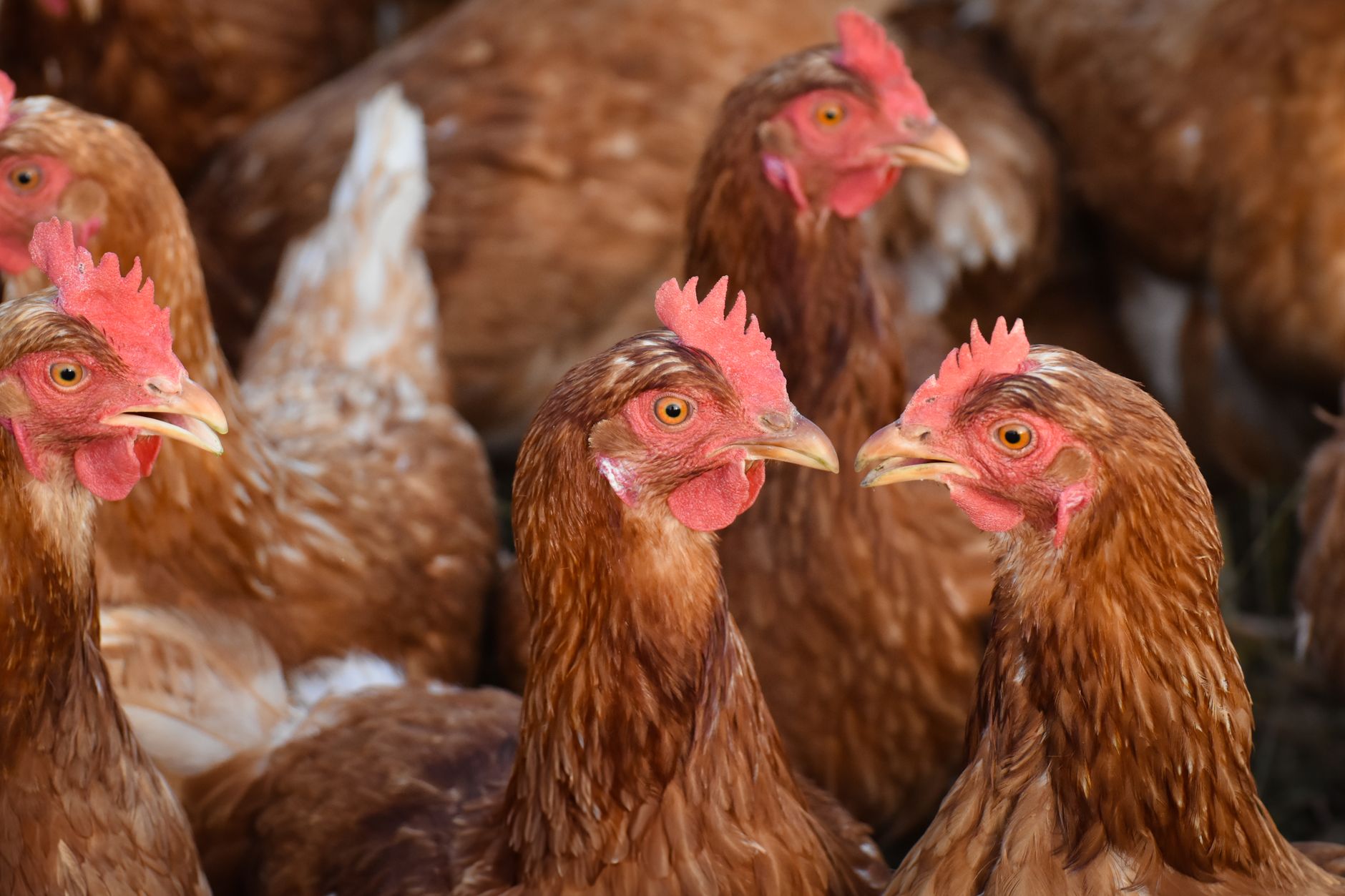
How light affects laying: Hens need 14-16 hours of light daily to stimulate the hormones that trigger egg production.
Winter drop: As days get shorter in winter, egg production naturally declines. This is normal—but you can maintain production with supplemental light.
How to add light: Use a 40-60 watt LED bulb on a timer. Provide light in the early morning (not evening) to extend the day.
Timing: Start adding light in early fall to maintain production through winter.
Safety: Use a timer, and ensure light fixtures are safe and not near flammable materials.
Keep Nesting Boxes Clean and Inviting

How many: Provide 1 nesting box per 3-4 hens.
Size: 12x12x12 inches for standard hens, 14x14x14 for large breeds.
Location: Place boxes 18-24 inches off the ground, in a dark, quiet corner of the coop.
Bedding: Use 2-3 inches of clean bedding (straw or wood shavings). Change when soiled.
Clean: Clean nesting boxes weekly. Remove droppings and soiled bedding.
Discourage sleeping: Place boxes below roosting bars to prevent hens from sleeping in them.
Collect Eggs Daily

When to collect: Hens typically lay in the morning. Collect eggs in the morning and again in the afternoon.
Why: Daily collection prevents eggs from getting dirty, broken, or eaten by the hens.
Cleaning: Wipe off dirt with a dry cloth. Don't wash eggs—washing removes the protective bloom.
Storage: Refrigerate eggs. They last 3-5 weeks.
Egg eating: If a hen starts eating eggs, collect them more frequently and ensure they have enough calcium (oyster shells).
Reduce Stress

Predator protection: Ensure the coop and run are secure. Even the sight of a predator can stress chickens.
Space: Provide enough space (3-4 sq ft inside, 8-10 sq ft in the run). Overcrowding causes stress.
Routine: Chickens thrive on routine—feed and let them out at the same time daily.
Handling: Handle chickens gently. Rough handling causes stress.
New birds: Introducing new birds is stressful. Quarantine them before adding them to the flock.
Manage Molting

What is molting: Annual feather loss in fall. Hens stop laying during molting to conserve energy for feather growth.
How long: Molting lasts 4-12 weeks. During this time, egg production stops.
What to do: Increase protein (18-20%) to help feathers grow back. Provide extra feed.
Reduce stress: During molting, hens are sensitive. Minimize handling and stress.
Patience: Molting is natural and necessary. Egg production will resume when the molt is complete.
Keep Hens Healthy

Daily observation: Watch for signs of illness—lethargy, loss of appetite, sneezing, diarrhea.
Parasites: Check for mites and lice regularly. Treat with poultry dust if needed.
Vaccinations: Vaccinate for Marek's disease and other diseases if needed.
Clean coop: A clean coop prevents disease. Spot clean daily, change bedding weekly, deep clean every 3-6 months.
When to cull: If a hen stops laying due to age or illness, consider culling to maintain flock productivity.
Common problems and fixes
| Problem | Likely cause | What to do |
|---|---|---|
| Hens are not laying eggs | Molting, winter (short days), poor nutrition, stress, or age. | Check for molting signs, add light (14-16 hours), improve nutrition, reduce stress. |
| Eggs have thin shells or are missing shells | Calcium deficiency. | Provide oyster shells (calcium) separately. |
| Hens are eating their eggs | Calcium deficiency, boredom, or eggs were broken. | Provide oyster shells. Collect eggs frequently. Use roll-away boxes. |
| Low egg production in winter | Short daylight hours. | Add supplemental light (14-16 hours). |
Gardener's checklist
Test what you learned
What breed produces the most eggs per year?
Answer: ISA Brown
How many hours of light do hens need for egg production?
Answer: 14-16 hours
What is the most common cause of thin-shelled eggs?
Answer: Calcium deficiency
How many nesting boxes do you need for 6 hens?
Answer: 2
Common questions
How many eggs does a hen lay per day?
A hen lays about one egg per day at peak production (5-6 eggs per week). Some days they may not lay at all.
How long do hens lay eggs?
Hens are most productive at 1-2 years of age. They continue laying for 3-5 years, but production declines after 2 years.
Can I make hens lay more eggs?
You can maximize egg production by: choosing high-producing breeds, feeding layer feed (16-18% protein), providing calcium, ensuring 14-16 hours of light, and reducing stress.
Do hens lay eggs in winter?
Egg production naturally declines in winter due to shorter days. Adding supplemental light (14-16 hours) can maintain production.
Why are my hens laying soft-shelled eggs?
This is usually a calcium deficiency. Provide oyster shells (calcium supplement) separately.
Raising chickens for eggs is all about the right choices: breed selection, nutrition, lighting, and stress reduction. Choose high-producing breeds like ISA Brown, Leghorn, or Australorp. Feed layer feed (16-18% protein) and provide oyster shells for calcium. Ensure 14-16 hours of light daily, collect eggs daily, and keep nesting boxes clean. Most importantly, minimize stress—a calm, comfortable flock is a productive flock. With proper care, a small flock of hens will reward you with a steady supply of fresh, nutritious eggs.
Frequently asked questions
How often should a vegetable garden be watered?
Frequency depends on weather, soil and plant size. Check the soil rather than watering on a rigid schedule.
Is compost enough fertilizer?
Compost improves soil and provides nutrients slowly. Heavy-feeding crops may still need additional feeding.

The Sproutstead Editorial Team
We create clear, practical gardening and homesteading guides designed for real homes and beginner growers.
View author profile →