
An indoor herb garden allows you to grow fresh herbs year-round, right in your kitchen or windowsill. Choose a sunny spot with 6-8 hours of light, or use grow lights. The best herbs for indoors include basil, chives, mint, parsley, cilantro, thyme, rosemary, and oregano. Use containers with drainage holes and well-draining potting mix. Water when the top inch of soil feels dry. Harvest leaves regularly to encourage growth. With proper care, you can have fresh herbs for cooking every day.
What you will need
Choose the Best Herbs for Indoors

Basil is one of the easiest herbs to grow indoors. It needs plenty of light (6-8 hours) and warm temperatures. Basil grows quickly and produces abundant leaves for pesto, salads, and Italian dishes. Pinch back regularly to encourage bushy growth.
Chives are excellent for indoor growing. They are compact, low-maintenance, and produce onion-flavored leaves that are perfect for soups, salads, and garnishes. Chives grow well in small containers on a sunny windowsill.
Mint is a fast-growing herb that thrives indoors. It is vigorous and can quickly fill a container. Mint is perfect for teas, cocktails, and desserts. Keep mint in its own container because it spreads aggressively.
Parsley is a biennial that grows well indoors. It needs bright light and consistent moisture. Flat-leaf (Italian) parsley has more flavor than curly parsley. It is excellent for cooking and garnishing.
Cilantro grows quickly indoors but bolts (goes to seed) in warm temperatures. It does best in cooler indoor conditions (60-65°F). Succession planting every 2-3 weeks provides continuous harvests.
Thyme is a low-growing herb that thrives in dry indoor conditions. It needs bright light and well-draining soil. Thyme is perfect for cooking and adds a savory flavor to many dishes.
Rosemary can be grown indoors but needs plenty of light and well-draining soil. It prefers drier conditions and does not like overwatering. Rosemary is a woody herb that is excellent for Mediterranean cuisine.
Oregano is easy to grow indoors. It needs bright light and well-draining soil. Oregano is perfect for Italian and Greek dishes, and its flavor intensifies when dried.
Select the Right Location
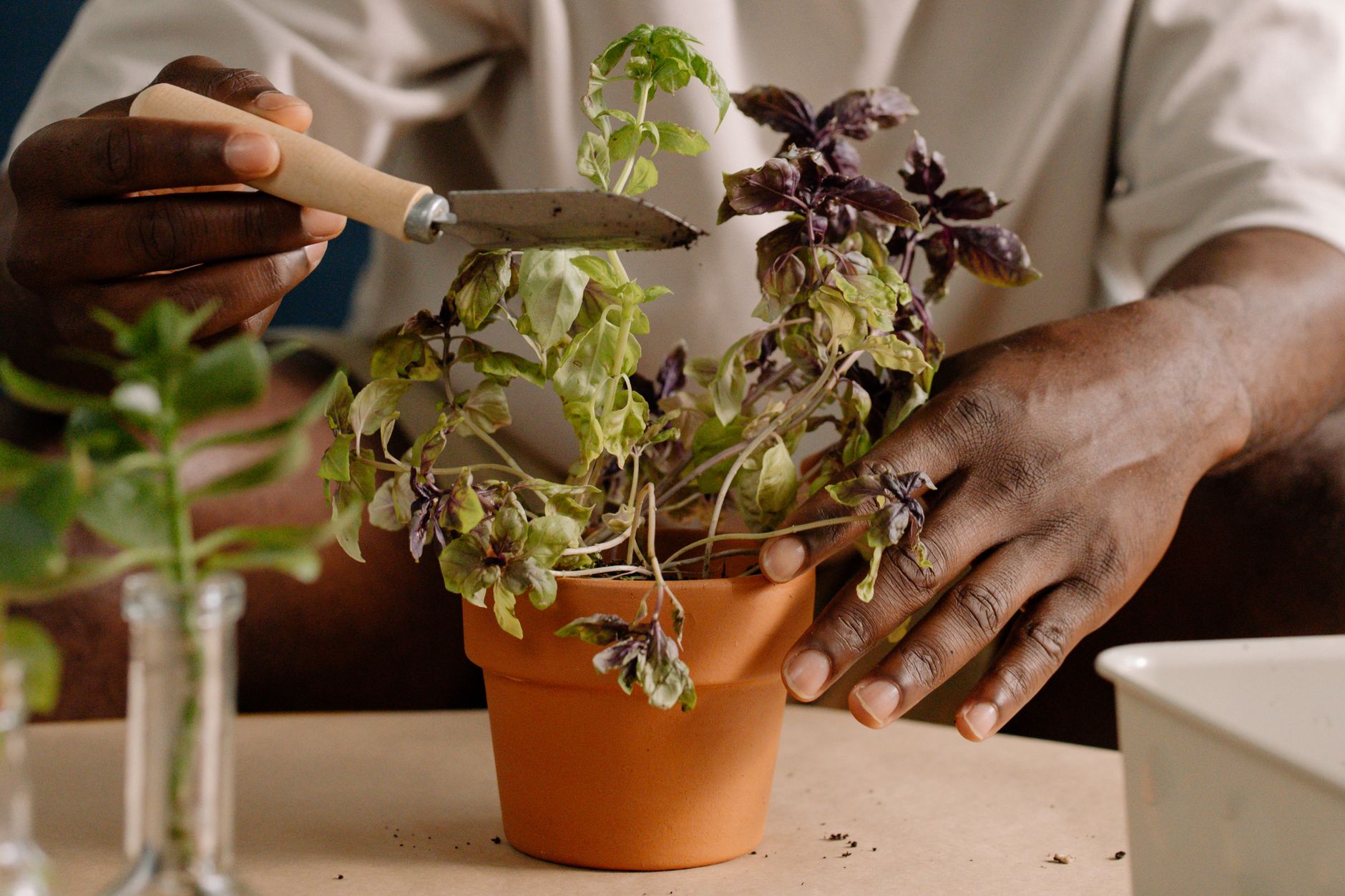
Place your indoor herb garden in a location that receives at least 6-8 hours of bright, indirect sunlight daily. A south-facing window is ideal because it receives the most light throughout the day.
East-facing windows provide good morning light and are suitable for most herbs. West-facing windows provide strong afternoon light and can be too intense for some herbs in summer.
North-facing windows receive the least light and are generally not suitable for herbs. If you have a north-facing window, you will need to supplement with grow lights.
If natural light is insufficient, use grow lights. Place them 6-12 inches above the plants and keep them on for 12-16 hours per day. LED grow lights are energy-efficient and produce less heat.
Avoid placing herbs near heating vents, air conditioners, or drafty windows. Herbs prefer consistent temperatures between 60-70°F. Temperature fluctuations can stress the plants and reduce growth.
Choose the Right Containers
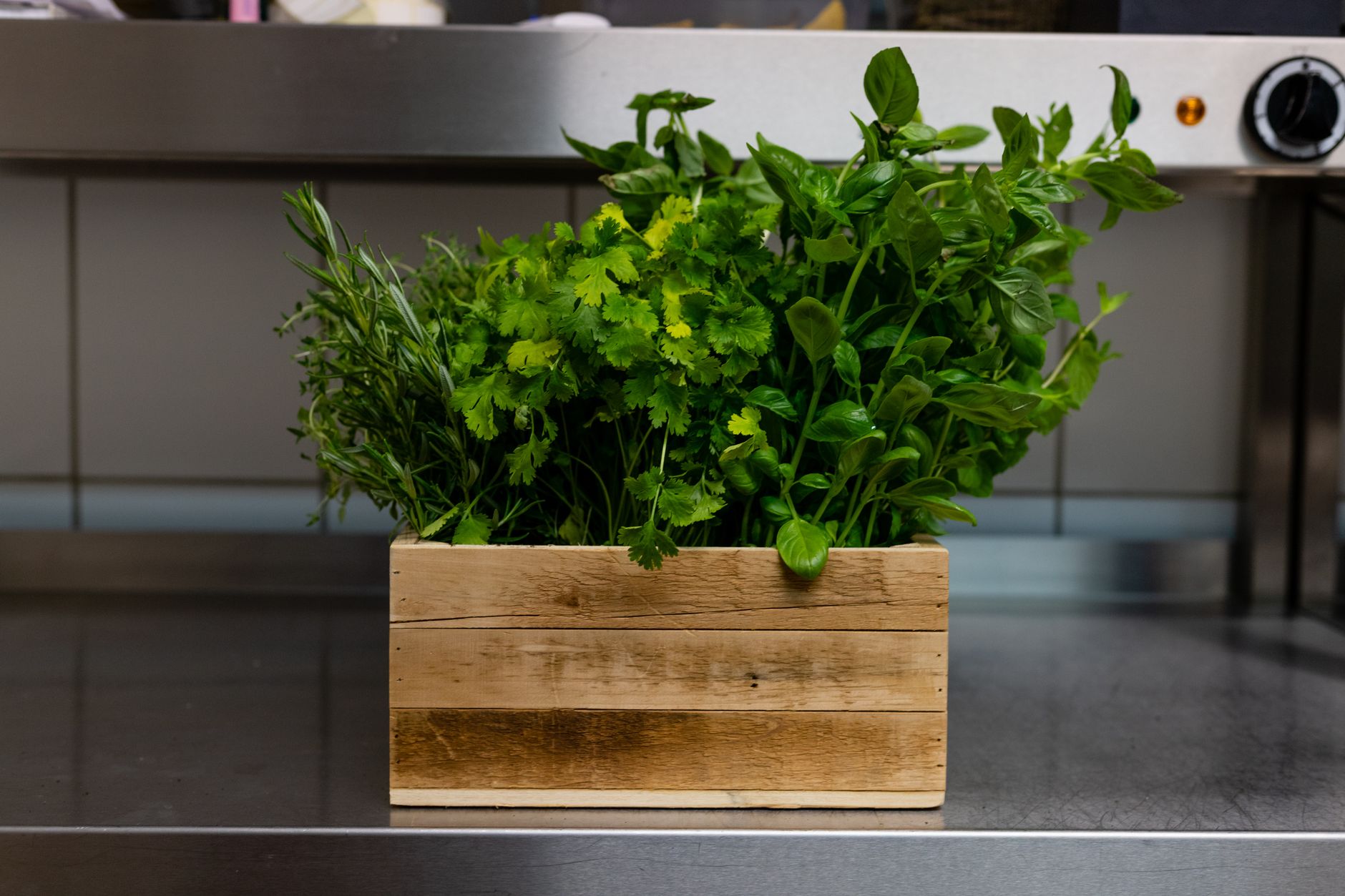
Terracotta pots are classic and porous, allowing soil to breathe and excess moisture to evaporate. They are excellent for herbs that prefer drier conditions like rosemary and thyme. However, they dry out faster and need more frequent watering.
Ceramic pots are attractive and come in many colors and styles. They retain moisture well and are suitable for herbs that prefer consistent moisture like basil and parsley. Ensure they have drainage holes.
Plastic pots are lightweight, inexpensive, and retain moisture well. They are a good choice for beginners. Look for pots with drainage holes to prevent root rot.
Self-watering containers have a reservoir that provides consistent moisture. They are ideal for herbs that like consistent moisture and for gardeners who may forget to water.
Container size matters. Small herbs like chives and thyme need 4-6 inch pots. Larger herbs like basil and parsley need 8-12 inch pots. Herbs grow best when their roots have room to spread.
Always choose containers with drainage holes. Without drainage, water accumulates at the bottom and causes root rot. Use a saucer or tray to catch excess water.
Use the Right Soil

Use a high-quality, well-draining potting mix for indoor herbs. Do not use garden soil because it is too heavy, compacts in containers, and may contain pests or diseases.
A good potting mix for herbs contains peat moss or coconut coir for moisture retention, perlite or vermiculite for drainage and aeration, and compost for nutrients.
For herbs that prefer drier conditions like rosemary and thyme, add extra perlite or coarse sand to the potting mix to improve drainage.
For herbs that prefer consistent moisture like basil and parsley, choose a mix with more moisture-holding ingredients like peat moss or coconut coir.
Do not use soil that is too rich or heavy. Herbs grown in rich soil can become leggy and have less flavor. A lean, well-draining mix produces the best-tasting herbs.
Plant and Care for Your Herbs

Fill the container with potting mix, leaving about 1 inch of space at the top for watering. Plant herbs at the same depth as they were in their nursery pots.
Water thoroughly after planting to settle the soil around the roots. Allow excess water to drain away.
Place the container in its permanent location with the right light conditions.
Water when the top inch of soil feels dry. Insert your finger into the soil to check moisture. Water thoroughly until water drains from the bottom.
Fertilize every 4-6 weeks with a diluted liquid fertilizer or slow-release organic fertilizer. Do not over-fertilize because this can cause leggy growth and affect flavor.
Harvest leaves regularly to encourage new growth. Never harvest more than one-third of the plant at a time.
Water Indoor Herbs Correctly

Overwatering is the most common mistake in indoor herb gardens. Water only when the top inch of soil feels dry to the touch.
Water thoroughly until water runs out of the drainage holes. This ensures the entire root ball is moistened.
Empty the saucer or tray after 30 minutes. Do not let herbs sit in standing water because this can cause root rot.
In winter, herbs need less water because growth slows down. Reduce watering frequency in the colder months.
Use room temperature water. Cold water can shock the roots and cause leaf drop.
Harvest Herbs Correctly

Harvest herbs when they have enough leaves to sustain growth. For most herbs, you can start harvesting when the plant has 6-8 leaves.
Cut leaves from the top of the plant. This encourages the plant to become bushier and produce more leaves.
Use sharp scissors or pruning shears to make clean cuts. Avoid tearing or pulling leaves because this can damage the plant.
Never harvest more than one-third of the plant at a time. This allows the plant to recover and continue growing.
Harvest herbs in the morning when the essential oils are at their peak. This is when the flavor is strongest.
Troubleshoot Common Problems
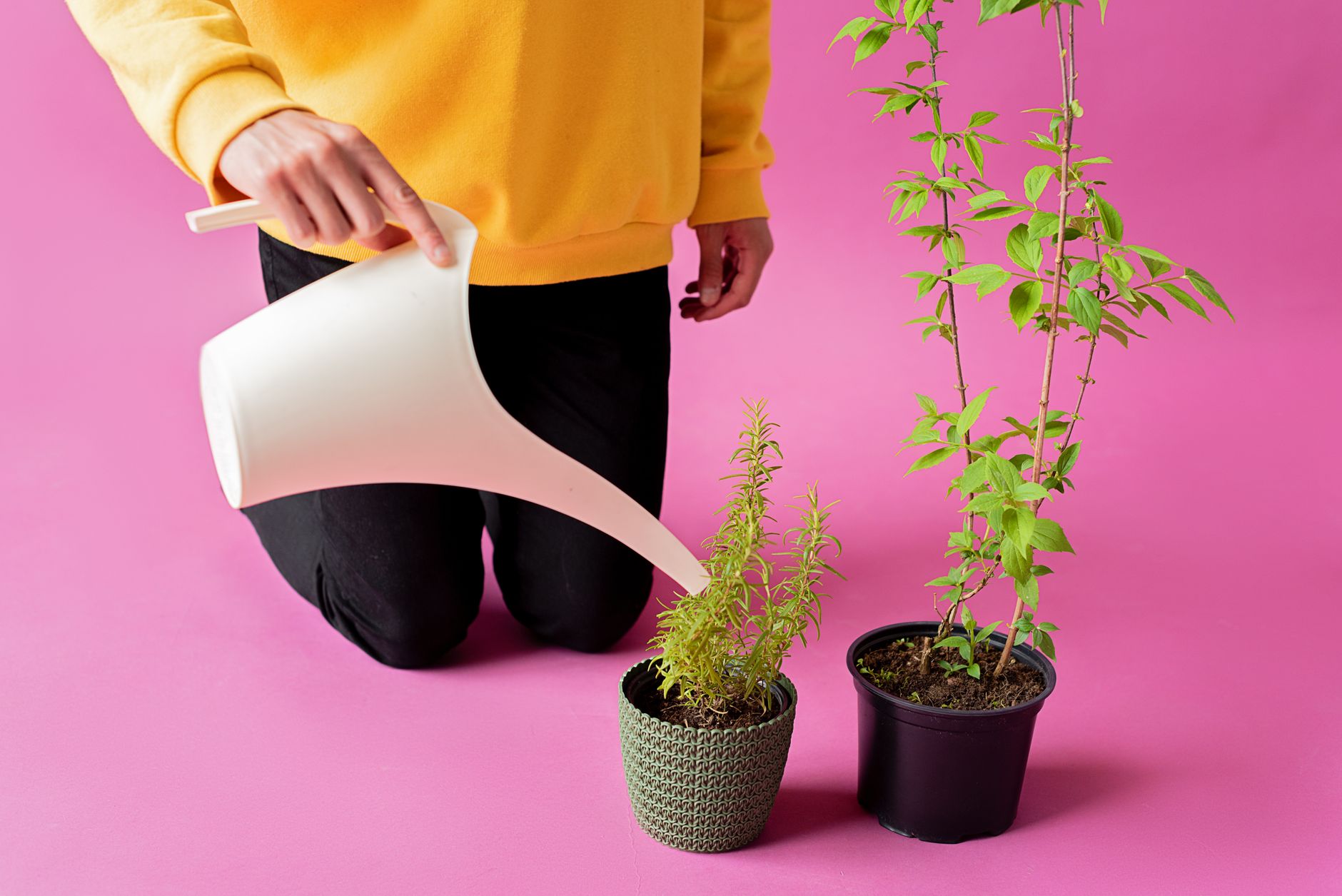
Leggy herbs with long, thin stems and few leaves usually indicate insufficient light. Move the herbs to a brighter location or use grow lights.
Yellowing leaves can indicate overwatering, underwatering, or nutrient deficiency. Check the soil moisture and adjust watering. Apply a balanced fertilizer if needed.
Wilting herbs need water. Check the soil moisture and water if dry. If the soil is wet and the plant is wilting, the roots may be rotting.
Brown leaf tips indicate dry air, underwatering, or fertilizer burn. Mist the leaves regularly, water consistently, and reduce fertilizer.
Pests like aphids, spider mites, and fungus gnats can affect indoor herbs. Use insecticidal soap, neem oil, or sticky traps to control them.
Common problems and fixes
| Problem | Likely cause | What to do |
|---|---|---|
| Herbs are leggy and sparse. | Insufficient light. | Move to a brighter location or use grow lights for 12-16 hours daily. |
| Leaves are yellowing. | Overwatering or nutrient deficiency. | Reduce watering. Apply balanced fertilizer. |
| Leaves have brown tips. | Dry air, underwatering, or fertilizer burn. | Mist leaves regularly. Water consistently. Reduce fertilizer. |
| Small flies around plants. | Fungus gnats from overwatering. | Allow soil to dry between waterings. Use sticky traps. |
Gardener's checklist
Test what you learned
Which of these is the best herb for indoor growing?
Answer: Basil
How many hours of light do indoor herbs need?
Answer: Both B and C
When should you water indoor herbs?
Answer: When the top inch of soil feels dry
What is the most common mistake in indoor herb gardening?
Answer: Overwatering
Common questions
Can I grow herbs indoors without a sunny window?
Yes. Use grow lights to provide the light herbs need. LED grow lights are energy-efficient and can be placed close to the plants. Keep lights on for 12-16 hours per day.
How often should I water indoor herbs?
Water when the top inch of soil feels dry. Check the soil moisture by inserting your finger into the soil. In general, this is every 3-7 days depending on the herb, pot size, and indoor conditions.
Can I grow different herbs in the same container?
Yes, but choose herbs with similar water and light needs. For example, basil, parsley, and chives all like consistent moisture and can be grown together. Rosemary and thyme prefer drier conditions and should be grown separately.
How do I keep my indoor herb garden from getting leggy?
Provide enough light (6-8 hours natural or 12-16 hours with grow lights). Pinch back growing tips to encourage bushy growth. Harvest regularly.
Can I grow herbs indoors in winter?
Yes. Herbs can be grown indoors all year with proper light. In winter, natural light is reduced, so you may need to use grow lights to provide 12-16 hours of light daily.
An indoor herb garden brings fresh, flavorful herbs right to your kitchen all year round. Choose herbs that you use most in cooking, provide them with plenty of light (6-8 hours natural or 12-16 hours with grow lights), and use containers with drainage holes and well-draining potting mix. Water when the top inch of soil feels dry, and harvest leaves regularly to encourage bushy growth. With the right care, your indoor herb garden will provide fresh herbs for cooking, teas, and garnishes every day.
Frequently asked questions
How often should a vegetable garden be watered?
Frequency depends on weather, soil and plant size. Check the soil rather than watering on a rigid schedule.
Is compost enough fertilizer?
Compost improves soil and provides nutrients slowly. Heavy-feeding crops may still need additional feeding.

The Sproutstead Editorial Team
We create clear, practical gardening and homesteading guides designed for real homes and beginner growers.
View author profile →

