
Spider plants are among the easiest houseplants to care for. They thrive in bright, indirect light but tolerate low light. Water when the top inch of soil feels dry. They are drought-tolerant and bounce back quickly if underwatered. Use well-draining potting mix and a pot with drainage holes. Spider plants produce baby plants (spiderettes) that can be propagated easily. They are excellent air purifiers, removing formaldehyde and xylene. Spider plants are non-toxic to pets, making them pet-friendly. With minimal care, spider plants grow quickly and produce many baby plants.
What you will need
Understand Spider Plant Basics

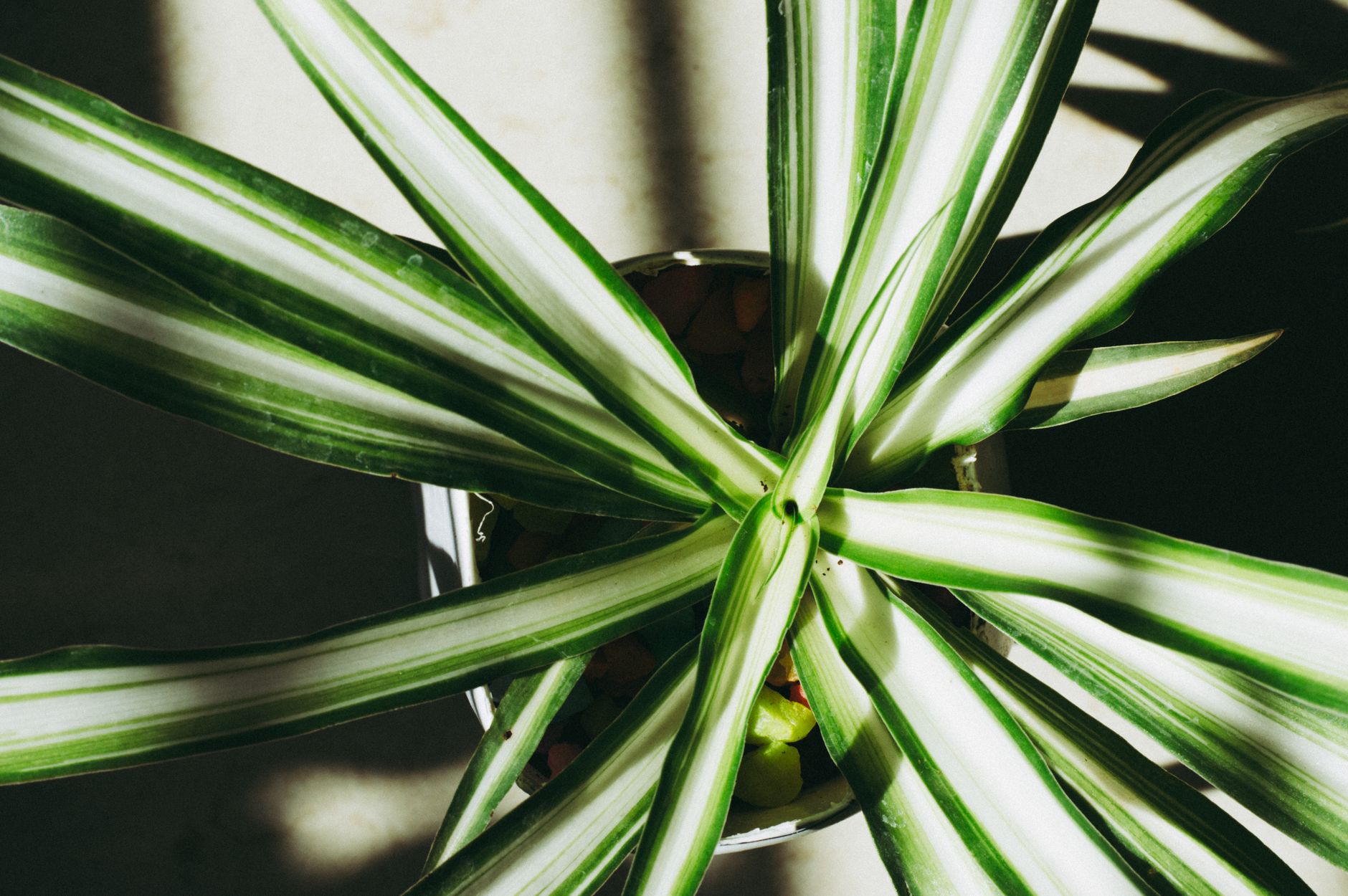
Spider plants are native to South Africa. They are known for their long, arching leaves that are green or variegated with white or yellow stripes.
Spider plants produce long stems with small white flowers that develop into baby spider plants (spiderettes). These can be propagated to grow new plants.
Spider plants are excellent air purifiers. They remove formaldehyde, xylene, and other toxins from the air.
Spider plants are non-toxic to cats and dogs, making them a safe choice for pet-friendly homes.
Spider plants are fast-growing and can be grown in hanging baskets, pots, or as ground cover in tropical gardens.
Provide the Right Light
Spider plants prefer bright, indirect light. A north- or east-facing window is ideal. They can tolerate some direct morning sun but avoid harsh afternoon sun.
Spider plants can also tolerate low light. In low light, they may not produce as many baby plants, but they will remain healthy.
If the leaves start to lose their variegation (become solid green), the plant may be getting too much shade. Move it to a brighter location.
If the leaves develop brown spots or tips, it may be getting too much direct sun. Move it to a location with indirect light.
Rotate the plant occasionally to ensure even growth on all sides.
Water Correctly
Water spider plants when the top inch of soil feels dry. Insert your finger into the soil to check moisture.
Water thoroughly until water drains from the bottom of the pot. Allow the water to drain completely.
Spider plants are drought-tolerant and can survive occasional dry periods. They bounce back quickly after watering.
Do not overwater. Overwatering can cause root rot and brown leaf tips. It is better to underwater than overwater.
Use room temperature water. Cold water can shock the roots.
Reduce watering in winter when growth slows down.
Use the Right Soil and Pot
Use a well-draining potting mix. A general-purpose potting mix works well. Add perlite or sand to improve drainage if needed.
Always use a pot with drainage holes. Spider plants do not tolerate standing water and will develop root rot if water accumulates.
Spider plants grow fast and may become root-bound quickly. Check the roots annually and repot if needed.
Choose a pot that is slightly larger than the root ball. Spider plants like to be slightly root-bound but need room to grow.
Fertilize Spider Plants
Fertilize spider plants every 4-6 weeks during spring and summer. Use a balanced liquid fertilizer diluted to half strength.
Do not fertilize in winter when growth slows down. The plant is dormant and does not need extra nutrients.
Over-fertilizing can cause brown leaf tips and salt buildup in the soil. If you see brown tips, reduce or stop fertilizing.
If your spider plant is in fresh potting mix, it may not need fertilizer for the first few months. The soil already contains nutrients.
Propagate Spider Plants

Spider plants produce baby plants (spiderettes) on long stems. These can be propagated to grow new plants.
Water propagation: Cut the spiderette from the parent plant. Place the base of the spiderette in a glass of water. Roots will form in 1-2 weeks. Once roots are 1-2 inches long, plant in soil.
Soil propagation: Place the spiderette on top of moist potting mix while it is still attached to the parent plant. Roots will form in 2-3 weeks. Cut the stem and the new plant is ready.
Propagation is easiest in spring and summer when the plant is actively growing.
Spider plants produce many spiderettes, making them easy to share with friends and family.
Clean and Maintain Spider Plants
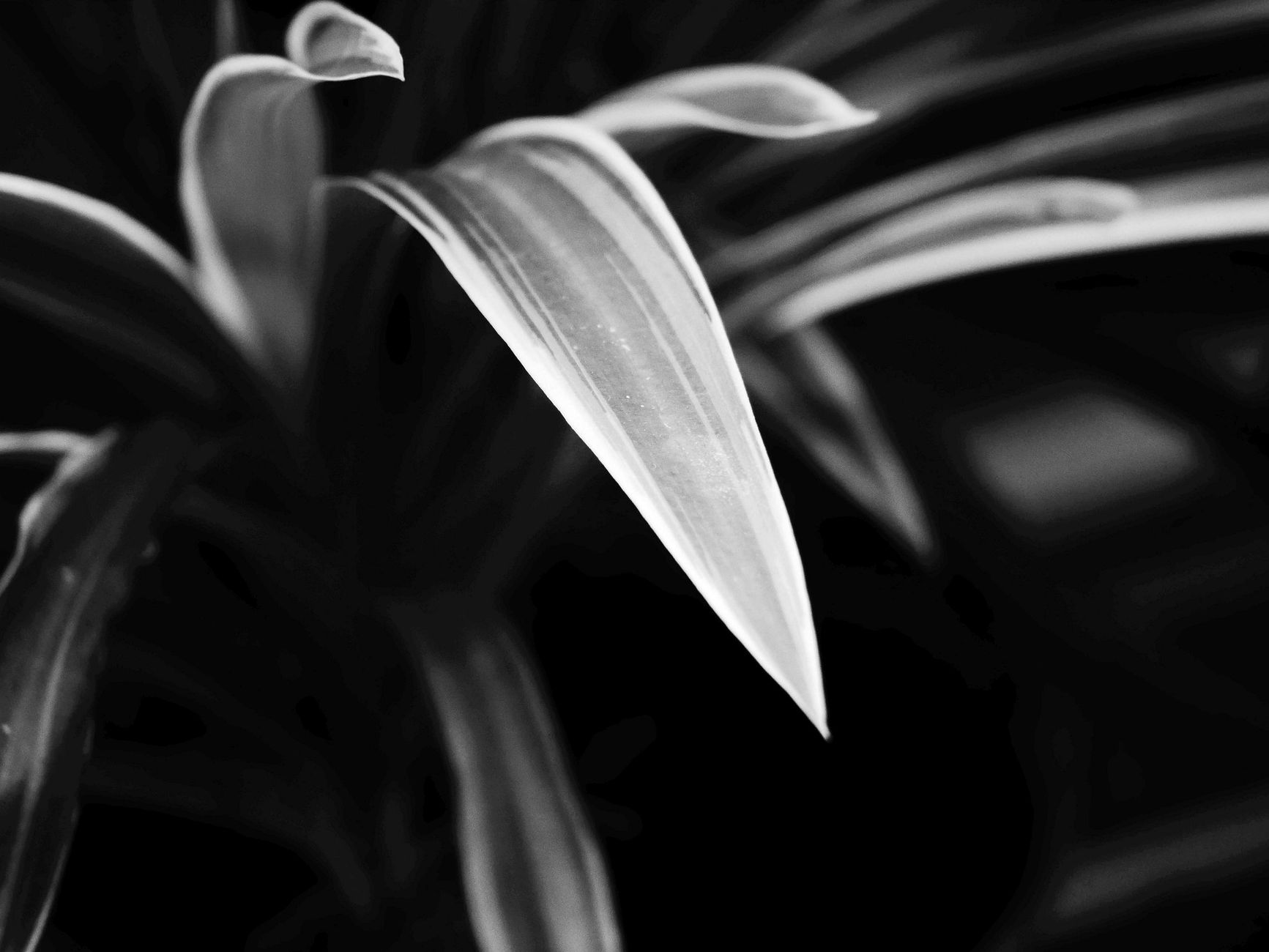
Dust leaves regularly with a soft cloth or use a damp cloth to wipe them. Dust blocks light and can reduce photosynthesis.
Remove dead or yellowing leaves by cutting them at the base. This improves the plant's appearance and prevents disease.
Trim brown leaf tips with sharp scissors. Brown tips are common and do not harm the plant. Trimming improves the plant's appearance.
Check for pests regularly. Spider plants are generally pest-resistant, but aphids, spider mites, and mealybugs can appear. Wipe leaves with rubbing alcohol or use insecticidal soap if pests appear.
Troubleshoot Common Problems

Brown leaf tips are common and can be caused by low humidity, dry soil, fluoride in tap water, or over-fertilizing. Increase humidity, water consistently, use filtered water, and reduce fertilizer.
Leaves turning yellow are a sign of overwatering. Reduce watering and let the soil dry out.
Wilting leaves are a sign of underwatering. Water thoroughly and consistently.
Leggy growth is a sign of insufficient light. Move the plant to a brighter location.
Lack of baby plants can be caused by too little light or the plant being too young. Move to a brighter location and wait.
Common problems and fixes
| Problem | Likely cause | What to do |
|---|---|---|
| Brown leaf tips. | Low humidity, dry soil, fluoride in tap water, or over-fertilizing. | Increase humidity. Water consistently. Use filtered water. Reduce fertilizer. |
| Leaves turning yellow. | Overwatering. | Reduce watering. Let the soil dry out. |
| No baby plants (spiderettes). | Too little light or plant is too young. | Move to brighter location. Be patient; spider plants produce spiderettes when mature. |
| Wilting leaves. | Underwatering. | Water thoroughly. Water more consistently. |
Gardener's checklist
Test what you learned
When should you water a spider plant?
Answer: When the top inch of soil feels dry
What type of light do spider plants prefer?
Answer: Bright, indirect light
How do you propagate spider plants?
Answer: From spiderettes (baby plants)
Are spider plants toxic to pets?
Answer: No, non-toxic
Common questions
How often should I water my spider plant?
Water when the top inch of soil feels dry. This is typically every 1-2 weeks, depending on the temperature, humidity, and pot size.
Why are my spider plant leaves turning brown?
Brown tips are common and can be caused by low humidity, dry soil, fluoride in tap water, or over-fertilizing. Increase humidity, water consistently, use filtered water, and reduce fertilizer.
How do I get my spider plant to produce baby plants?
Spider plants produce baby plants (spiderettes) when they are mature and get enough light. Move the plant to a brighter location and be patient.
Can spider plants grow in low light?
Yes. Spider plants can tolerate low light, but they grow best in bright, indirect light. In low light, they may not produce as many baby plants.
Are spider plants safe for cats and dogs?
Yes. Spider plants are non-toxic to cats and dogs. They are a pet-friendly houseplant choice.
Spider plants are among the easiest houseplants to care for. They thrive in bright, indirect light and tolerate low light. Water when the top inch of soil feels dry. They are drought-tolerant and bounce back quickly if underwatered. Use well-draining potting mix and a pot with drainage holes. Spider plants produce baby plants (spiderettes) that can be propagated easily. They are excellent air purifiers and are non-toxic to pets, making them a safe choice for pet-friendly homes. With minimal care, spider plants grow quickly and produce many baby plants, bringing greenery and joy to any space.
Frequently asked questions
How often should a vegetable garden be watered?
Frequency depends on weather, soil and plant size. Check the soil rather than watering on a rigid schedule.
Is compost enough fertilizer?
Compost improves soil and provides nutrients slowly. Heavy-feeding crops may still need additional feeding.

The Sproutstead Editorial Team
We create clear, practical gardening and homesteading guides designed for real homes and beginner growers.
View author profile →

