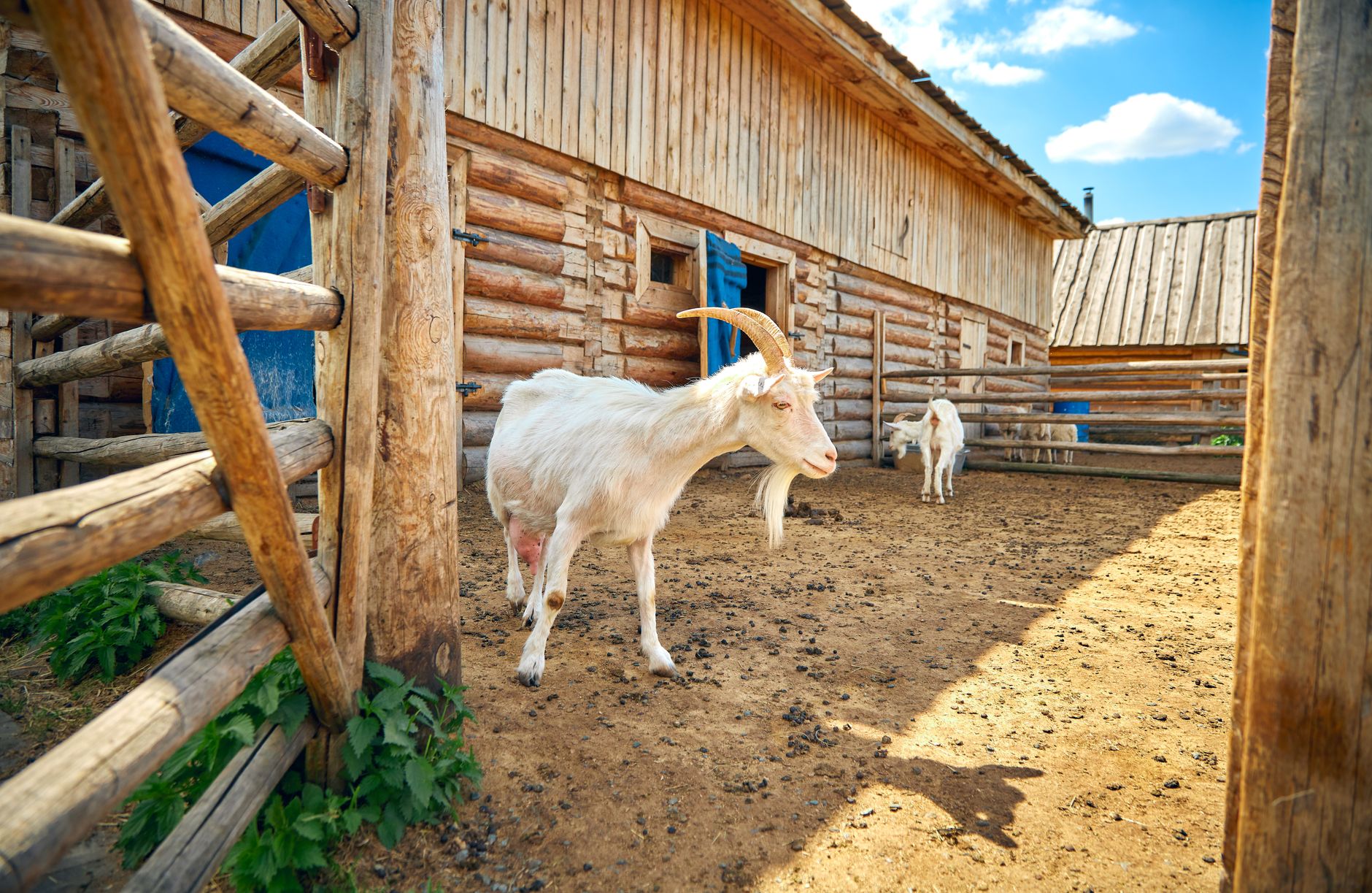
To milk a goat, you need a clean, calm doe (female goat) that has recently kidded, a clean milking stand, a stainless steel bucket, and milk filters. Start by washing the udder with warm water and a mild soap, then dry thoroughly. Squeeze a few squirts from each teat to check for mastitis. Use a gentle squeezing motion (not pulling) to milk the teat from top to bottom. Work steadily to fill the bucket, filter the milk, and immediately chill it. Always milk at the same time each day, keep everything clean, and be patient—goats can be sensitive to rough handling.
What you will need
Prepare Your Equipment and Environment
Sanitize equipment: Wash the milking bucket, strainer, and storage containers with hot, soapy water. Rinse well. Sanitize with a food-grade sanitizer (like a bleach solution or commercial dairy sanitizer).
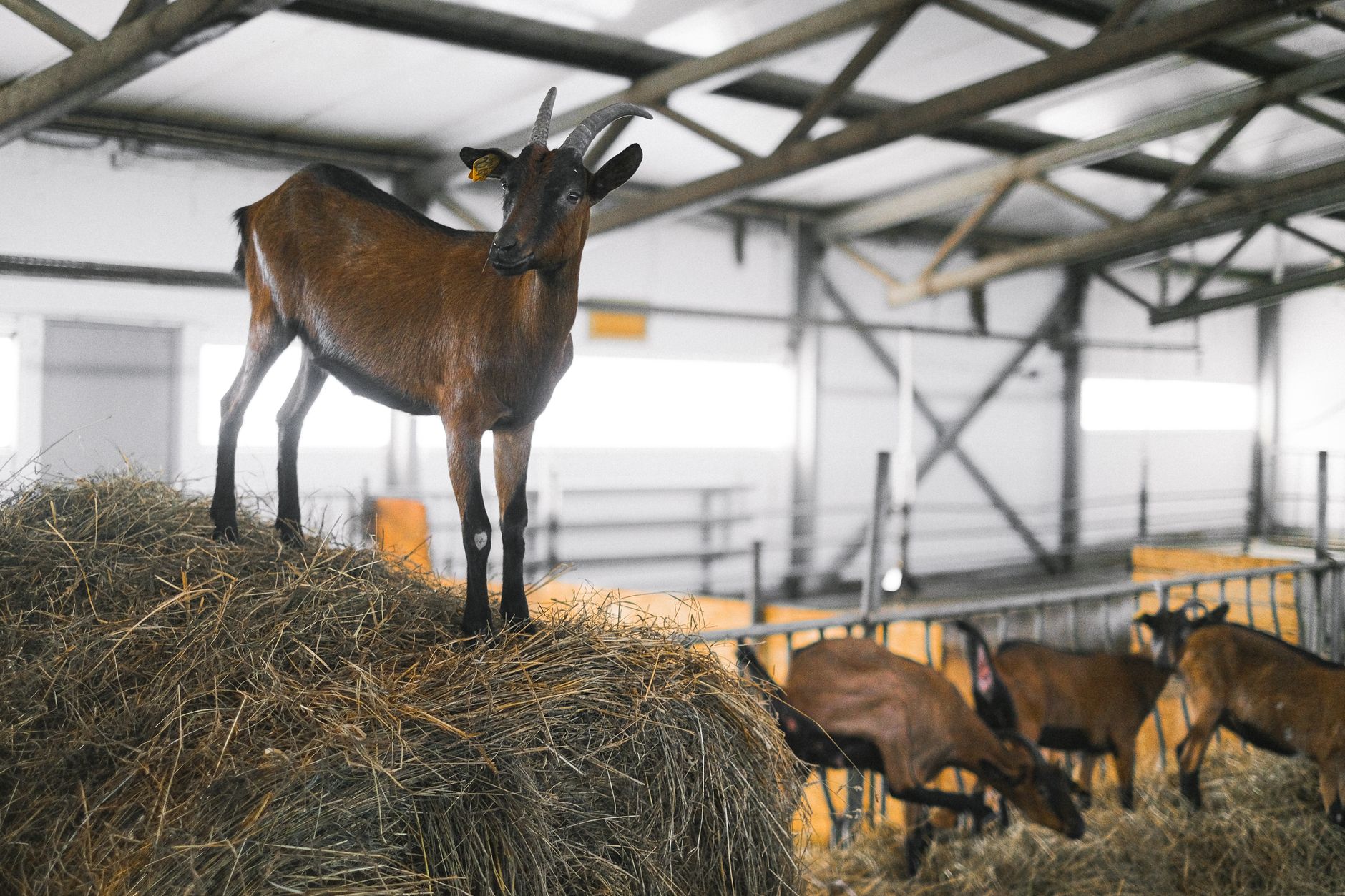
Milking stand: Secure the goat on a milking stand (a raised platform with a head gate). This keeps her calm and in the correct position. If you don't have a stand, tie her securely with a short lead.
Prepare the area: Choose a clean, calm environment. Avoid loud noises, dogs, or anything that could startle the goat.
Warm water: Prepare warm water for udder washing. Not too hot—just warm to the touch. Keep clean cloths or paper towels within reach.
Check the udder: Before starting, check the udder for any signs of injury, heat, swelling, or abnormal color.
Understand Goat Behavior and Handling

Build trust: Spend time with your goat before attempting to milk. Handle her gently, talk to her softly, and offer treats. A goat that trusts you is easier to milk.
Routine: Goats thrive on routine. Milk at the same time each day (usually morning and evening). They learn the routine and will be more cooperative.
Calm demeanor: Stay calm and relaxed. Goats are sensitive to your energy—if you're stressed or rushed, they will be too.
Positive reinforcement: Offer a small treat (grain, hay, or a handful of grain) during milking. This creates a positive association with the process.
What to avoid: Never yell at, hit, or roughly handle a goat during milking. This breaks trust and can make her difficult to milk.
Prepare the Goat's Udder
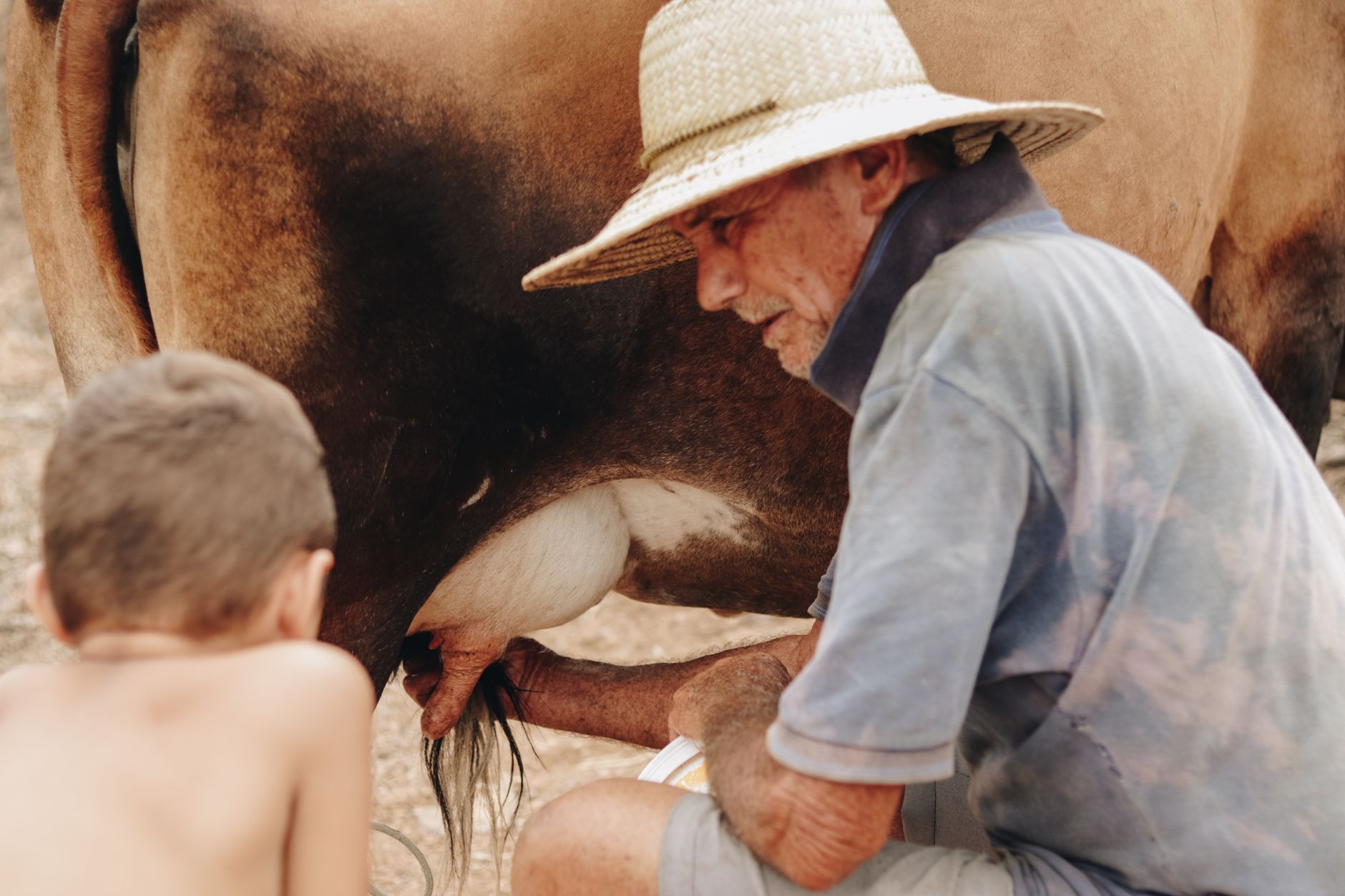
Wash the udder: Use warm water (not hot) and a mild, food-safe soap. Wet the udder and teats thoroughly. Wipe gently with a clean cloth or paper towel to remove dirt, hair, and debris.
Dry thoroughly: Dry the udder completely with a clean, dry cloth. Don't rush this step—remaining moisture can cause bacteria growth.
Strip a few squirts: Squeeze a few squirts of milk from each teat into a separate container (not the main bucket). This helps clear any bacteria from the teat canal.
Check for mastitis: Examine the strips for any signs of mastitis: clots, strings, flakes, or discoloration. If you see these, don't use the milk—treat the doe.
Disinfect teats (optional): Some farmers dip teats in a mild iodine solution before milking to further reduce bacteria.
Use Proper Milking Technique

Hand position: Grasp the teat between your thumb and index finger at the very top (where the teat meets the udder). Use your middle, ring, and pinky fingers to squeeze downward.
Squeezing motion: Squeeze gently but firmly, pinching the top to trap the milk, then squeezing the rest of your fingers downward. This should be a smooth, continuous squeezing motion—not a tugging or pulling action.
The squeeze: Imagine you're squeezing the milk down the teat. The milk should come out in a steady stream. If you hear a squirt, you're doing it right.
Don't pull: Never pull on the teats. Pulling can damage the udder and cause pain. The motion is purely a squeeze, not a pull.
Rhythm: Find a rhythm that's steady and comfortable for both you and the goat. Most goats like a steady, consistent rhythm.
Bucket position: Hold the bucket under the udder with the rim against the goat's side to catch the milk. Some people place the bucket on the milking stand floor.
Troubleshoot Common Milking Issues
Goat won't stand still: Use a milking stand or tie her securely. Offer grain or hay to keep her occupied. Stay calm—she'll sense your frustration.
Goat kicks or dances: She may be uncomfortable (hoof issues, udder soreness, or skin irritation). Check her udder for heat or swelling. If the udder is healthy, she may just be sensitive—be patient.
Milk flow stops mid-milking: This is common, especially if the goat is nervous. Gentle massage of the udder can stimulate milk letdown. Hum or talk softly—the vibration often helps.
Blood in the milk: This can be normal in the first few days after kidding (capillaries burst in the udder). If it continues or is heavy, consult a vet.
Milk tastes off: This can be caused by diet (onions, wild garlic, or other strong-smelling plants) or improper storage (not cooling fast enough).
Finish the Milking and Care for the Udder

Check for completeness: Gently squeeze each teat to ensure you've removed all the milk. If there's no milk left, she's done.
Apply udder balm: Many goat owners apply a thin layer of udder balm or coconut oil to the teats after milking. This keeps the skin soft and prevents chapping.
Dip the teats: Some farmers dip teats in a post-milking dip (iodine-based) to further prevent mastitis. This is especially important if you're milking in a warm climate.
Release the goat: Once milking is complete, give her some hay or grain as a reward. This reinforces positive behavior.
Clean up: Clean all milking equipment immediately after use. Warm water and a brush are essential—dried milk is hard to remove.
Filter and Store the Milk
Filter immediately: Pour the milk through a milk filter or several layers of cheesecloth into a clean container. This removes any debris, hair, or dirt that may have fallen in.
Cool quickly: Place the filtered milk in the refrigerator immediately. For best results, use a metal container (plastic or glass can be placed in an ice bath first to speed cooling).
Ideal temperature: The milk should reach 40°F or below within 2 hours of milking. Rapid cooling preserves flavor and quality.
Storage containers: Use glass jars (canning jars work well) or food-grade plastic containers. Avoid storing milk in thin plastic bags—they can impart flavors.
Label and date: Always label your milk with the date it was collected. Fresh goat milk lasts 5-7 days in the refrigerator.
Understand Goat Milk Quality and Safety
Raw vs. Pasteurized: Raw goat milk is legal in some states and illegal in others. Check local laws. Pasteurization (heating to 145°F for 30 minutes) kills harmful bacteria.
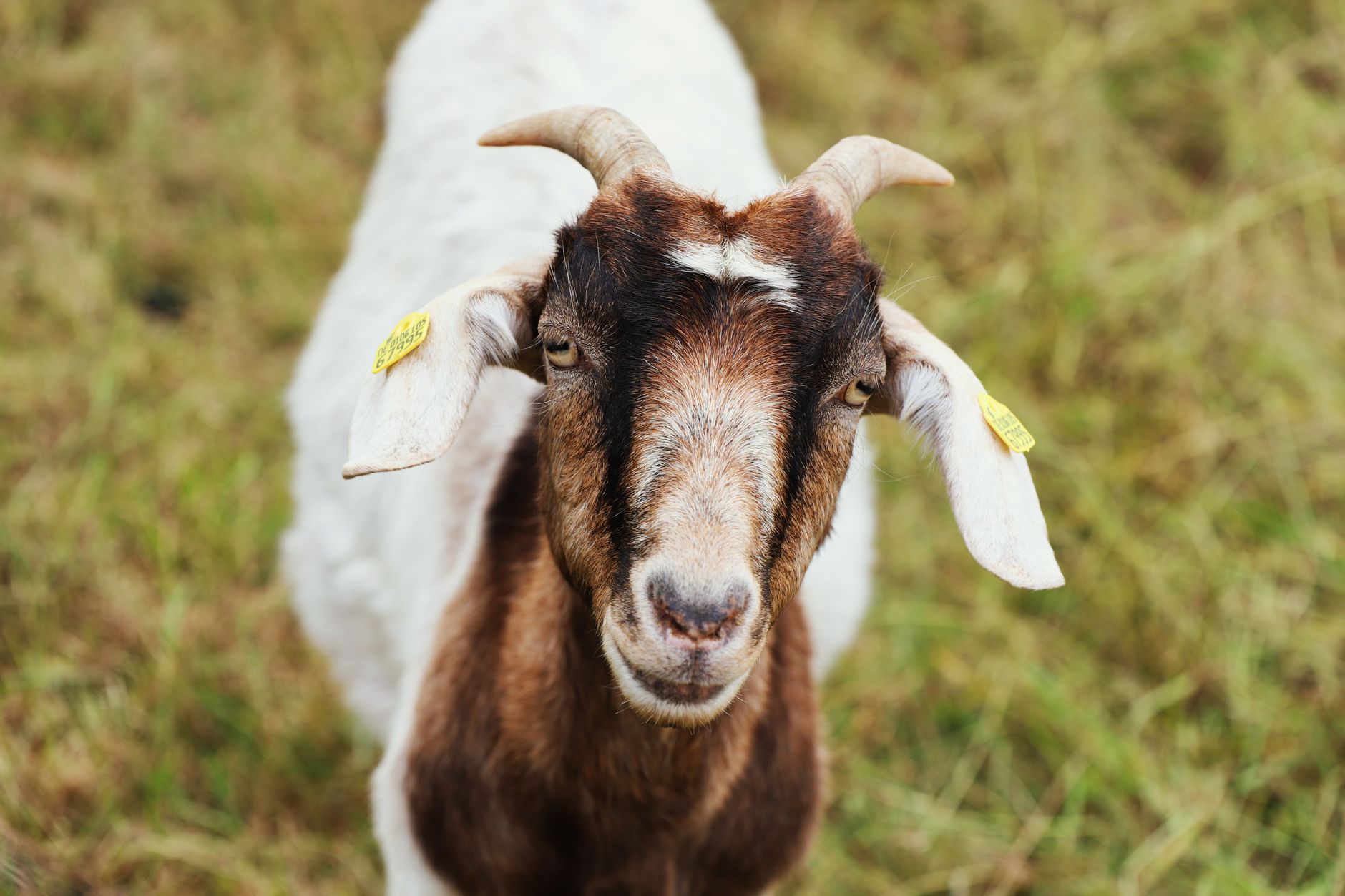
Taste: Fresh goat milk should taste clean, mild, and sweet. It should not taste sour, 'goaty,' or off. A 'goaty' taste is often caused by an intact buck (male) near the doe.
Color: Goat milk is naturally white because goats convert beta-carotene to vitamin A. A slight yellow tint may indicate the doe has eaten beta-carotene-rich feed (like alfalfa).
Mastitis prevention: The #1 way to prevent mastitis is to keep the udder clean, milk at the same time each day, and not leave milk in the udder for extended periods.
When in doubt: If the milk smells sour, has lumps, or you're uncertain, discard it. It's not worth risking illness.
Common problems and fixes
| Problem | Likely cause | What to do |
|---|---|---|
| Goat won't let down milk (no flow) | Stress, discomfort, or unfamiliar environment. | Stay calm, talk softly, and massage the udder gently. If she's new, she may need time to trust you. |
| Milk tastes bad or 'goaty' | The doe was near a buck (male), or she ate strong-flavored plants (onions, garlic, wild mustard). | Keep bucks away from does. Separate them at least 2-3 weeks before milking. Avoid pasture with strong-flavored plants. |
| Milk is clumpy or has flakes | Mastitis (udder infection). | Check for signs of heat, swelling, or pain. Treat with mastitis medication (consult a vet). Discard milk from that doe. |
| Udder is hot or swollen | Mastitis or a clogged milk duct. | Massage gently to clear the duct. If fever or swelling persists, consult a vet. |
Gardener's checklist
Test what you learned
What is the proper milking technique?
Answer: Squeezing from top to bottom
How often should you milk a dairy goat?
Answer: Twice daily
What should you do before milking?
Answer: Wash the udder
How long does fresh goat milk last in the refrigerator?
Answer: 5-7 days
Common questions
How much milk does a goat produce per day?
A dairy goat produces 1-3 quarts per day, depending on breed (Nubian = 1-2 quarts, Saanen = 2-3 quarts, Alpine = 2-3 quarts). Some top producers can produce a gallon or more daily.
Can any goat be milked?
Any female goat (doe) that has kidded and is lactating can be milked. However, dairy breeds (Nubian, Saanen, Alpine, Oberhasli, LaMancha) produce more milk and are easier to handle.
How long does a goat lactate?
A goat produces milk for 10-12 months after kidding. This is called a lactation period. She needs to be bred again to produce milk the following season.
Is goat milk good for you?
Yes! Goat milk is more digestible than cow milk (smaller fat globules), has similar nutritional content, and is often tolerated by people with cow milk sensitivities.
Can I milk a goat without a milking stand?
Yes, but it's much harder. You can tie the goat securely to a fence post, but a milking stand is recommended—it keeps her calm, raises her to a comfortable height, and makes the process easier for both of you.
Milking a goat is a skill that improves with practice. Start with a calm, well-tempered doe, use a milking stand, and always prioritize cleanliness—clean udder, clean equipment, and clean hands. Use a gentle squeezing motion (never pulling), milk at the same time each day, and cool the milk immediately after filtering. With patience and consistency, you'll produce fresh, delicious goat milk that's perfect for drinking, making cheese, or feeding to other animals. The bond you build with your goat through daily milking is one of the most rewarding aspects of keeping dairy goats.
Frequently asked questions
How often should a vegetable garden be watered?
Frequency depends on weather, soil and plant size. Check the soil rather than watering on a rigid schedule.
Is compost enough fertilizer?
Compost improves soil and provides nutrients slowly. Heavy-feeding crops may still need additional feeding.

The Sproutstead Editorial Team
We create clear, practical gardening and homesteading guides designed for real homes and beginner growers.
View author profile →