
Pruning basil is essential for bushy, productive plants. Start pruning when the plant reaches 6-8 inches tall. Use sharp scissors or pruning shears to cut just above a leaf node (where leaves meet the stem). Always cut above a set of leaves, leaving 2-3 leaves on each stem. Do not cut into the woody part of the stem. Pinch off flower buds as soon as they appear. Regular pruning encourages branching and more leaves. Never remove more than one-third of the plant at a time. With proper pruning, basil produces abundant leaves all season long.
What you will need
Understand Why Pruning Basil is Important
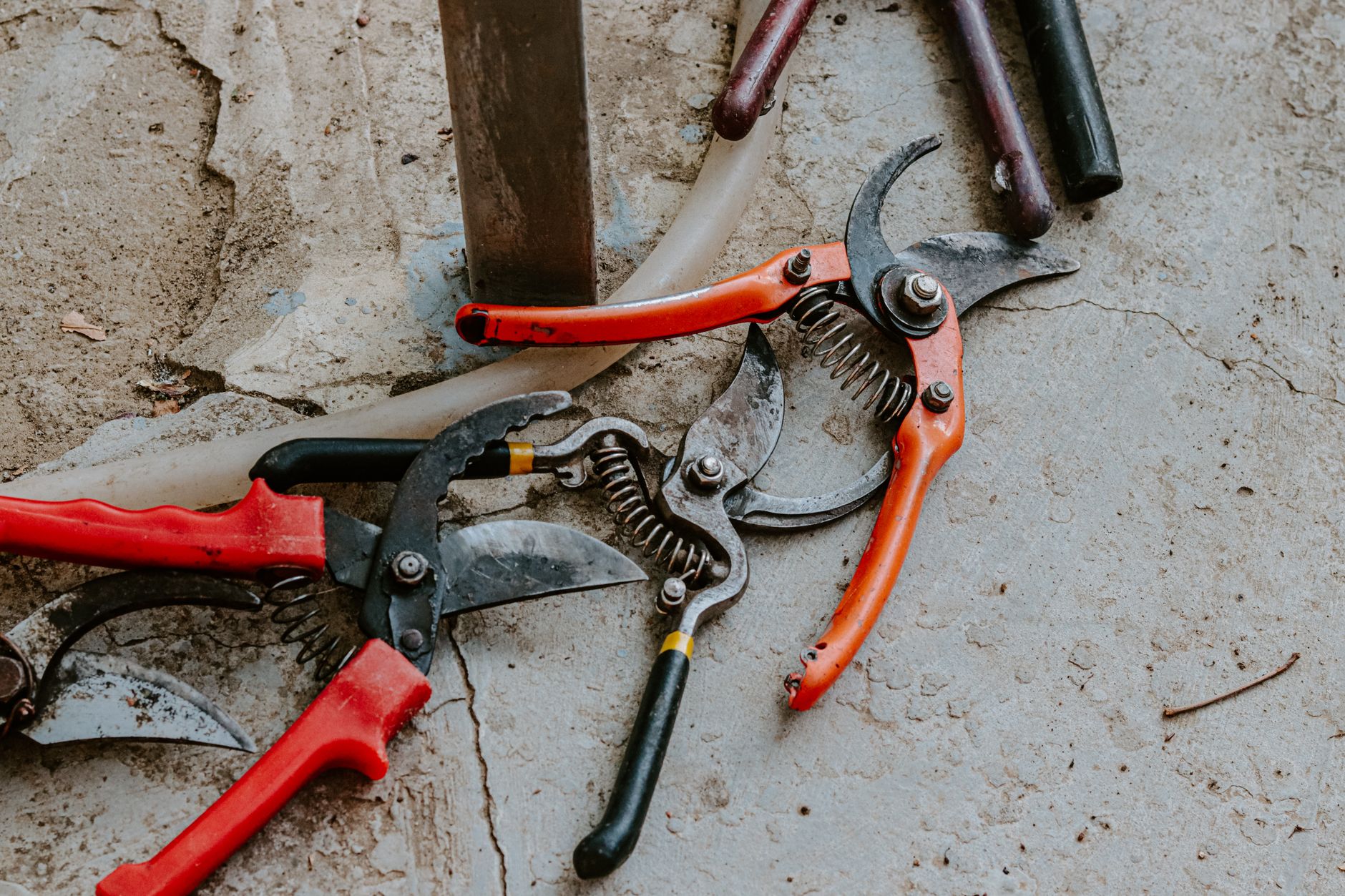
Pruning basil encourages bushy growth. When you cut the main stem, the plant produces two new branches from the cut point. This doubles the number of leaves and creates a fuller, bushier plant.
Pruning prevents basil from flowering. Basil leaves become bitter and the plant stops producing new leaves when it flowers. Regular pruning prevents flowering and keeps the plant productive.
Pruning keeps the plant compact. Without pruning, basil grows tall and leggy with fewer leaves. Pruning maintains a compact, attractive shape.
Pruning increases yield. A bushy plant produces more leaves than a tall, leggy plant. Regular pruning means more basil for cooking.
Pruning promotes air circulation. A bushier plant with good airflow is less prone to fungal diseases.
Know When to Start Pruning
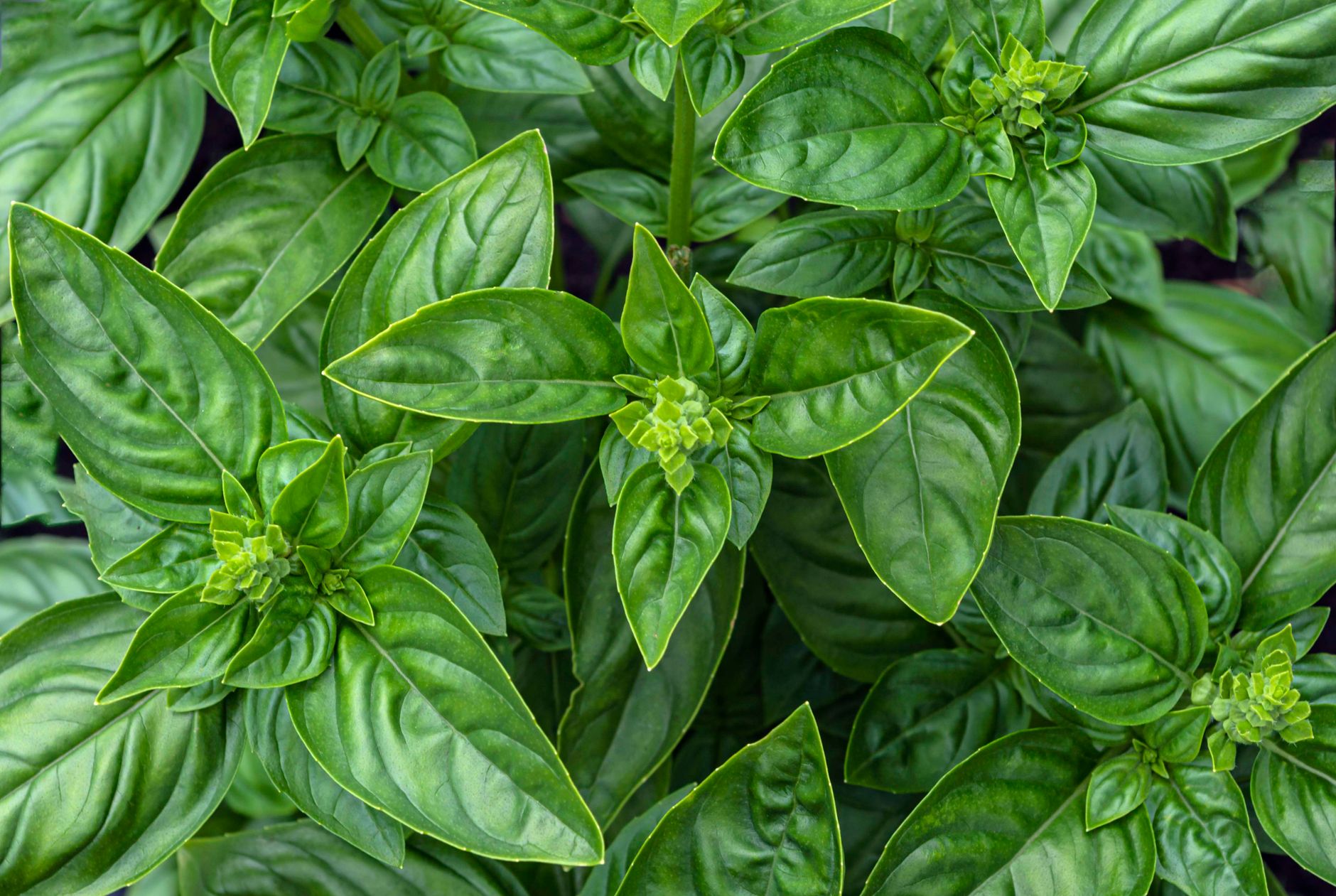
Start pruning basil when the plant reaches 6-8 inches tall. At this size, the plant has enough leaves to support regrowth.
Do not prune basil that is too small. Seedlings need time to establish before pruning. Wait until the plant has at least 6-8 leaves.
The first pruning is important. It sets the shape of the plant and encourages branching from the start.
Continue pruning every 1-2 weeks during the growing season. Regular pruning keeps the plant productive and bushy.
Stop pruning in late summer if you want the plant to flower and go to seed. However, most gardeners prefer to keep pruning for continuous leaf production.
Select the Right Tools
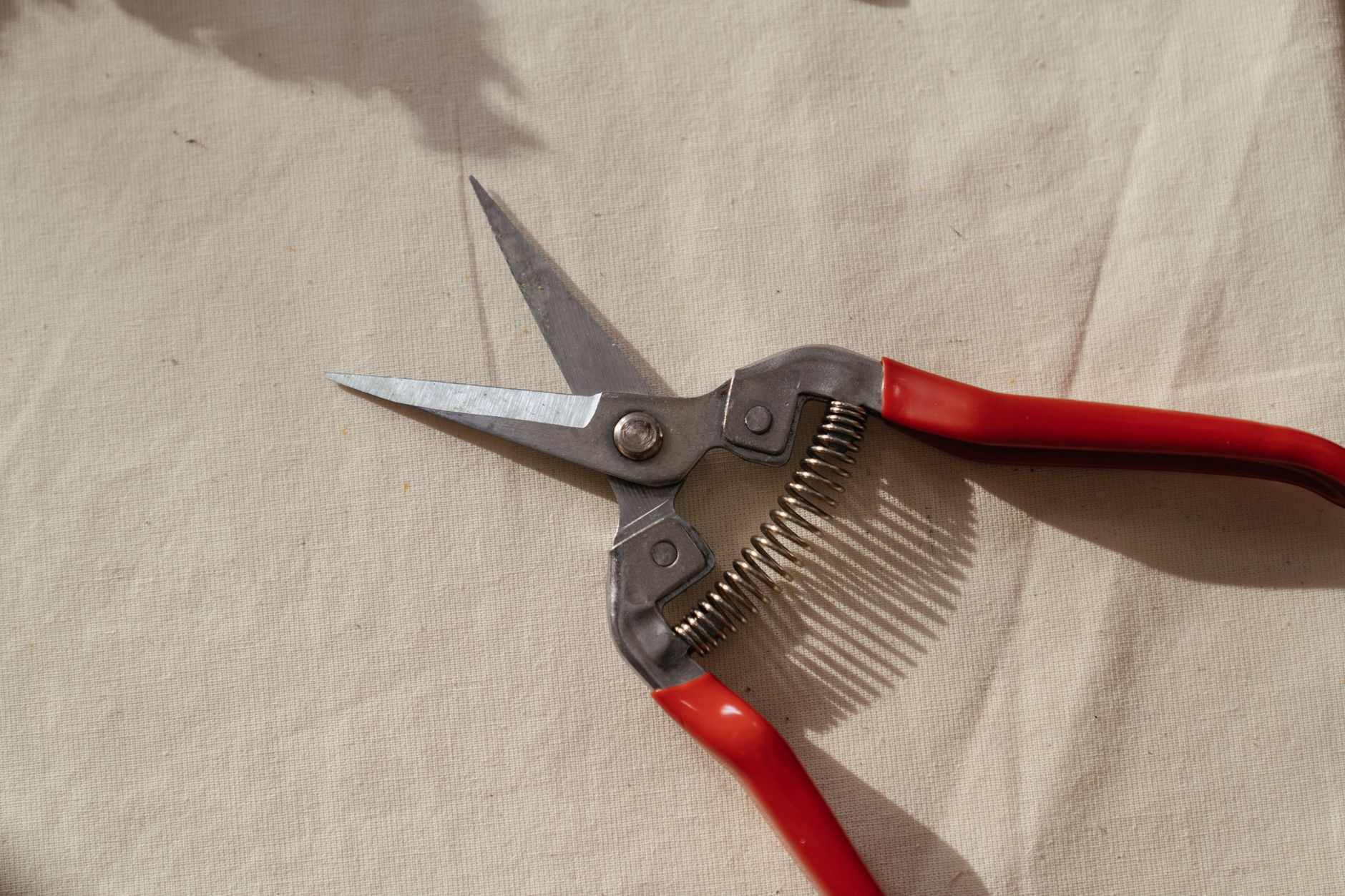
Use sharp scissors or pruning shears for clean cuts. Dull tools crush the stems and can damage the plant. Sharp tools make clean cuts that heal quickly.
Sterilize your tools before pruning. Dip the blades in rubbing alcohol to prevent the spread of disease. Clean tools between plants if you have multiple basil plants.
Small, precise scissors are ideal for basil. They allow you to make precise cuts just above leaf nodes without damaging the plant.
If you are harvesting leaves for cooking, you can use your fingers to pinch off leaves. However, scissors give a cleaner cut and are recommended for larger pruning jobs.
Keep a small container nearby to collect cuttings. You can use the pruned leaves for cooking or propagating new plants.
Make the Right Cut
Cut just above a leaf node. The leaf node is the point where leaves emerge from the stem. When you cut above a node, the plant produces two new branches from that node.
The cut should be clean and straight. Do not tear or rip the stem. Use sharp scissors for a clean cut.
Cut about 1/4 inch above the node. Cutting too close to the node can damage it. Cutting too far above leaves a long stub that can die back.
Always leave at least 2-3 leaves on each stem. The plant needs leaves to photosynthesize and produce energy for regrowth.
Do not cut into the woody part of the stem. Basil stems become woody at the base. New growth does not emerge from woody stems. Always cut above the woody section.
Pinch Off Flower Buds
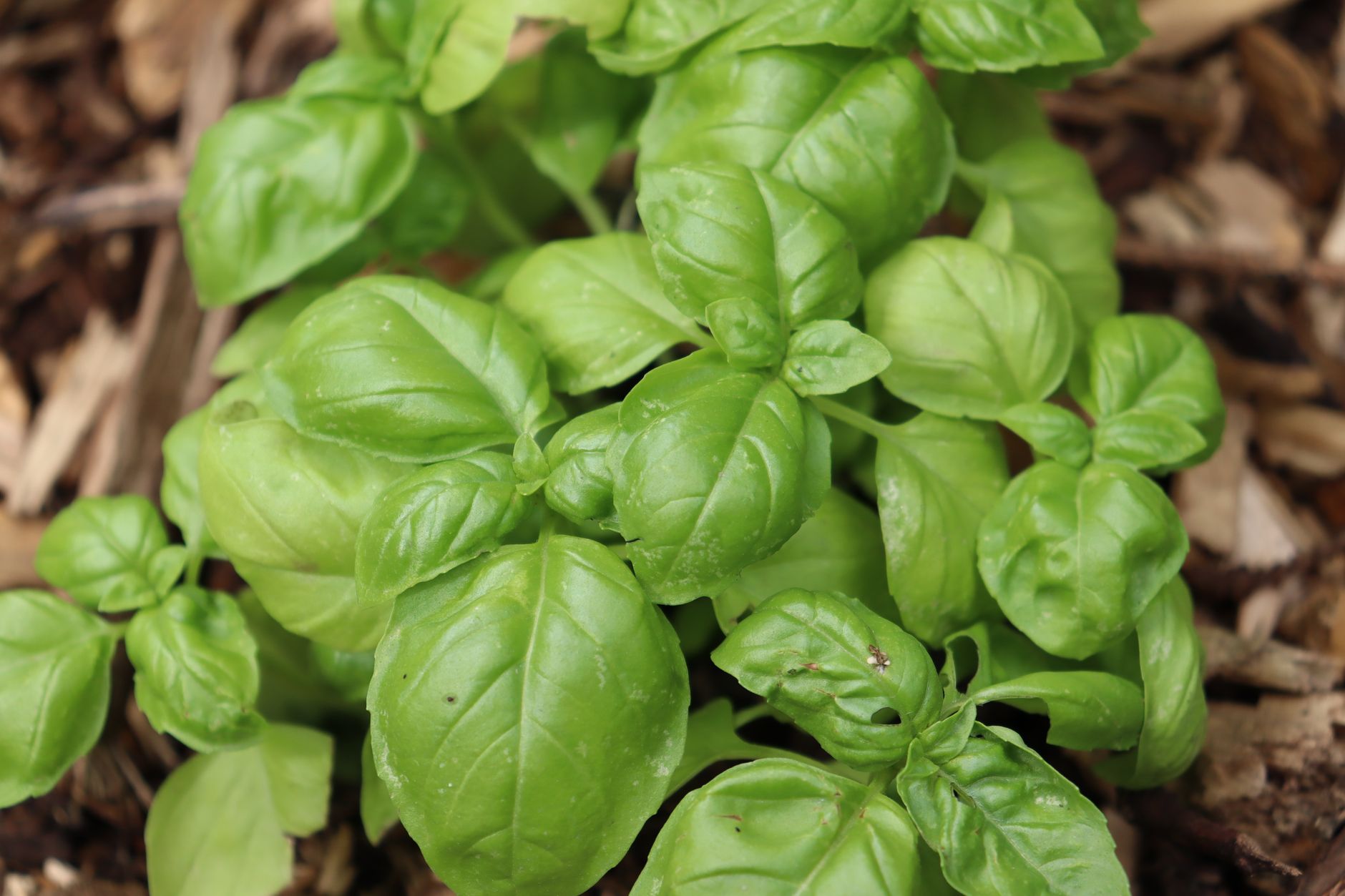
Flower buds appear at the top of the stem as small clusters. Pinch them off as soon as you see them.
When basil flowers, the leaves become smaller, tougher, and more bitter. The plant stops producing new leaves.
Removing flower buds redirects the plant's energy from reproduction to leaf production. This keeps the plant productive.
Do not let basil flower unless you want to collect seeds. If you let it flower, the plant will go to seed and die.
Regular pruning prevents flowering because you are constantly removing the growing tips.
Follow the One-Third Rule
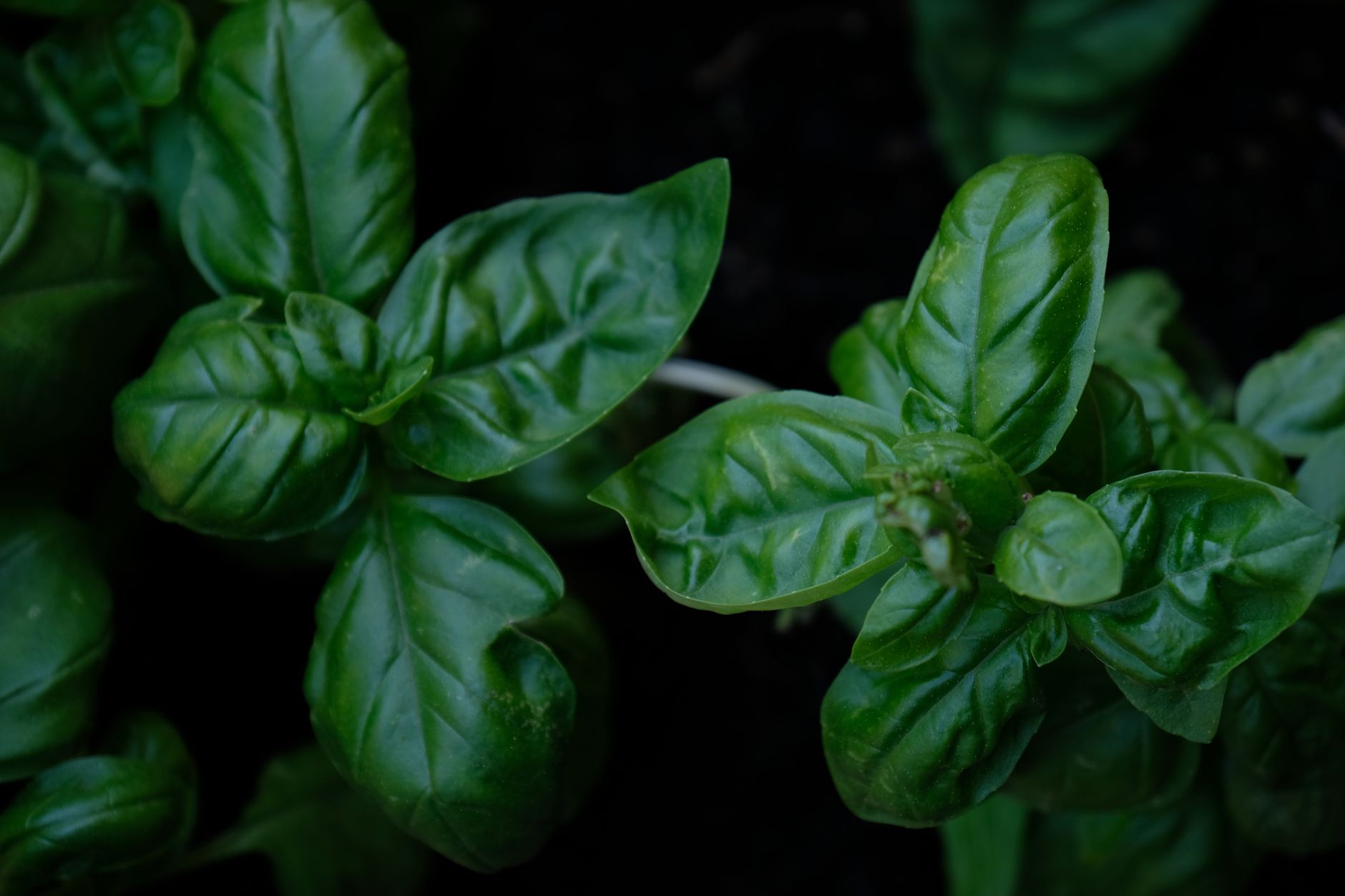
Never remove more than one-third of the plant at a time. Removing too much can stress the plant and slow growth.
If your basil is tall and overgrown, prune it back gradually over several weeks. Do not cut it all the way back at once.
Pruning one-third of the plant allows the plant to recover quickly and continue growing.
For regular maintenance, pinch off individual leaves or small branches. This keeps the plant productive without removing large sections.
Prune for Shape and Size
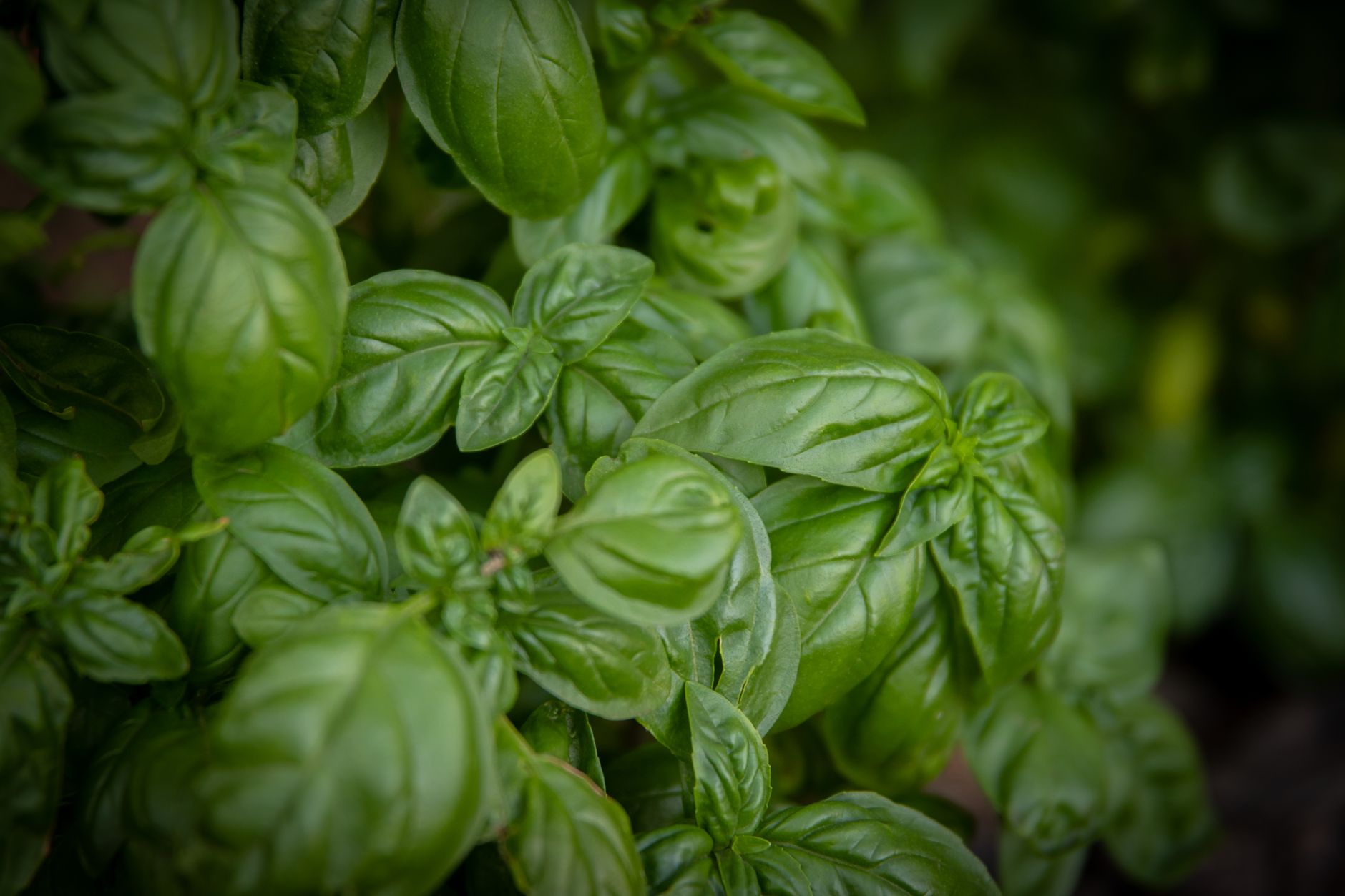
Basil should have a compact, bushy shape. This allows light to reach all parts of the plant and promotes even growth.
If your basil is growing tall and leggy, prune the main stem back to a lower node. This encourages branching and a bushier shape.
If your basil is leaning to one side, prune the longer side to create a balanced shape.
A balanced plant with even branching produces the most leaves.
Regular pruning every 1-2 weeks maintains the desired shape and size.
Use Pruned Basil

Use fresh basil leaves immediately for the best flavor. Add them to salads, pasta, pesto, and sauces.
Store fresh basil in a glass of water on the counter like cut flowers. It will last 5-7 days.
Preserve extra basil by freezing. Chop and freeze in olive oil in ice cube trays.
Dry basil by hanging sprigs upside down in a cool, dark, well-ventilated area. Store in airtight containers.
Use pruned stems to propagate new basil plants. Place them in water until roots form, then plant in soil.
Common problems and fixes
| Problem | Likely cause | What to do |
|---|---|---|
| Basil is growing tall and leggy. | Not pruning or pruning too late. | Prune the main stem back to a lower node to encourage branching. |
| Basil is flowering. | Flower buds were not pinched off. | Pinch off flowers immediately. The leaves may still be usable. |
| Basil is not growing after pruning. | Pruned too much or cut into woody stems. | Wait. The plant may recover. Do not prune again until it has new growth. |
| Basil leaves are small and sparse. | Not enough light or nutrients. | Ensure 6-8 hours of sun. Fertilize with a balanced fertilizer. |
Gardener's checklist
Test what you learned
When should you start pruning basil?
Answer: When it is 6-8 inches tall
Where should you cut when pruning basil?
Answer: Just above a leaf node
How much can you prune from basil at one time?
Answer: One-third
What should you do with flower buds on basil?
Answer: Pinch them off
Common questions
How often should I prune basil?
Prune basil every 1-2 weeks during the growing season. Regular pruning encourages bushy growth and prevents flowering.
Can I prune basil with my fingers?
Yes, for small harvests. Pinch off individual leaves or small stems with your fingers. For larger pruning jobs, use sharp scissors for clean cuts.
What happens if I don't prune basil?
Basil grows tall and leggy with fewer leaves. It will eventually flower, and the leaves will become bitter and the plant will stop producing.
Can I eat the leaves I prune?
Yes. Pruned leaves are perfectly edible and flavorful. Use them fresh or preserve them for later use.
Will basil regrow after pruning?
Yes. When you cut just above a leaf node, the plant produces two new branches from that node. The plant regrows quickly and becomes bushier.
Pruning basil is essential for bushy, productive plants. Start pruning when the plant reaches 6-8 inches tall. Use sharp scissors to cut just above a leaf node, leaving 2-3 leaves on each stem. Pinch off flower buds as soon as they appear. Never remove more than one-third of the plant at a time. Prune every 1-2 weeks during the growing season. Regular pruning encourages branching, prevents flowering, and ensures a steady supply of fresh, flavorful leaves all season long.
Frequently asked questions
How often should a vegetable garden be watered?
Frequency depends on weather, soil and plant size. Check the soil rather than watering on a rigid schedule.
Is compost enough fertilizer?
Compost improves soil and provides nutrients slowly. Heavy-feeding crops may still need additional feeding.

The Sproutstead Editorial Team
We create clear, practical gardening and homesteading guides designed for real homes and beginner growers.
View author profile →

