
Monsteras are iconic houseplants with large, split leaves that add a tropical feel to any room. They thrive in bright, indirect light (4-6 hours). Water when the top 1-2 inches of soil feel dry. Use well-draining potting mix and a pot with drainage holes. Monsteras prefer temperatures between 65-80°F and moderate humidity. Fertilize every 4-6 weeks during spring and summer. Prune to maintain shape and encourage bushy growth. Monsteras are climbers and benefit from a moss pole or trellis. They are toxic to pets. With proper care, monsteras grow into stunning, large specimens with beautiful fenestrated leaves.
What you will need
Understand Monstera Basics
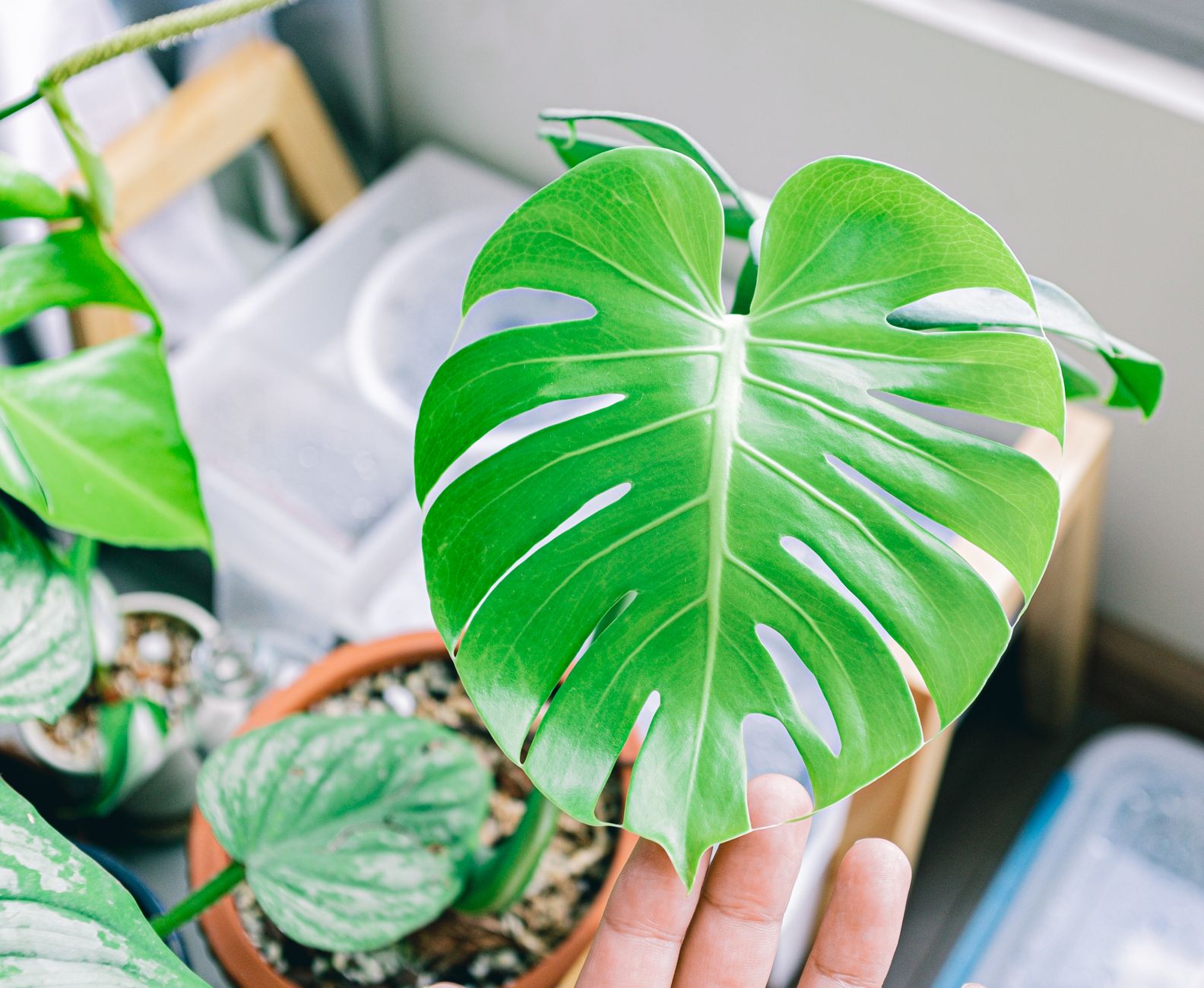
Monsteras are native to tropical rainforests of Central and South America. They are climbing plants that grow on trees in their natural habitat. They are known for their large, heart-shaped leaves with distinctive holes and splits, which is why they are called Swiss cheese plants.
The holes and splits in monstera leaves are called fenestrations. They develop as the plant matures. Young monstera leaves do not have fenestrations. As the plant grows, the leaves develop more splits and holes.
Monsteras are fast-growing plants. With proper care, they can grow several feet in a single year. They can reach 6-10 feet tall indoors.
Monsteras are excellent air purifiers. They remove toxins from the air.
Monsteras are toxic to cats and dogs if ingested. Keep them out of reach of pets.
Provide the Right Light
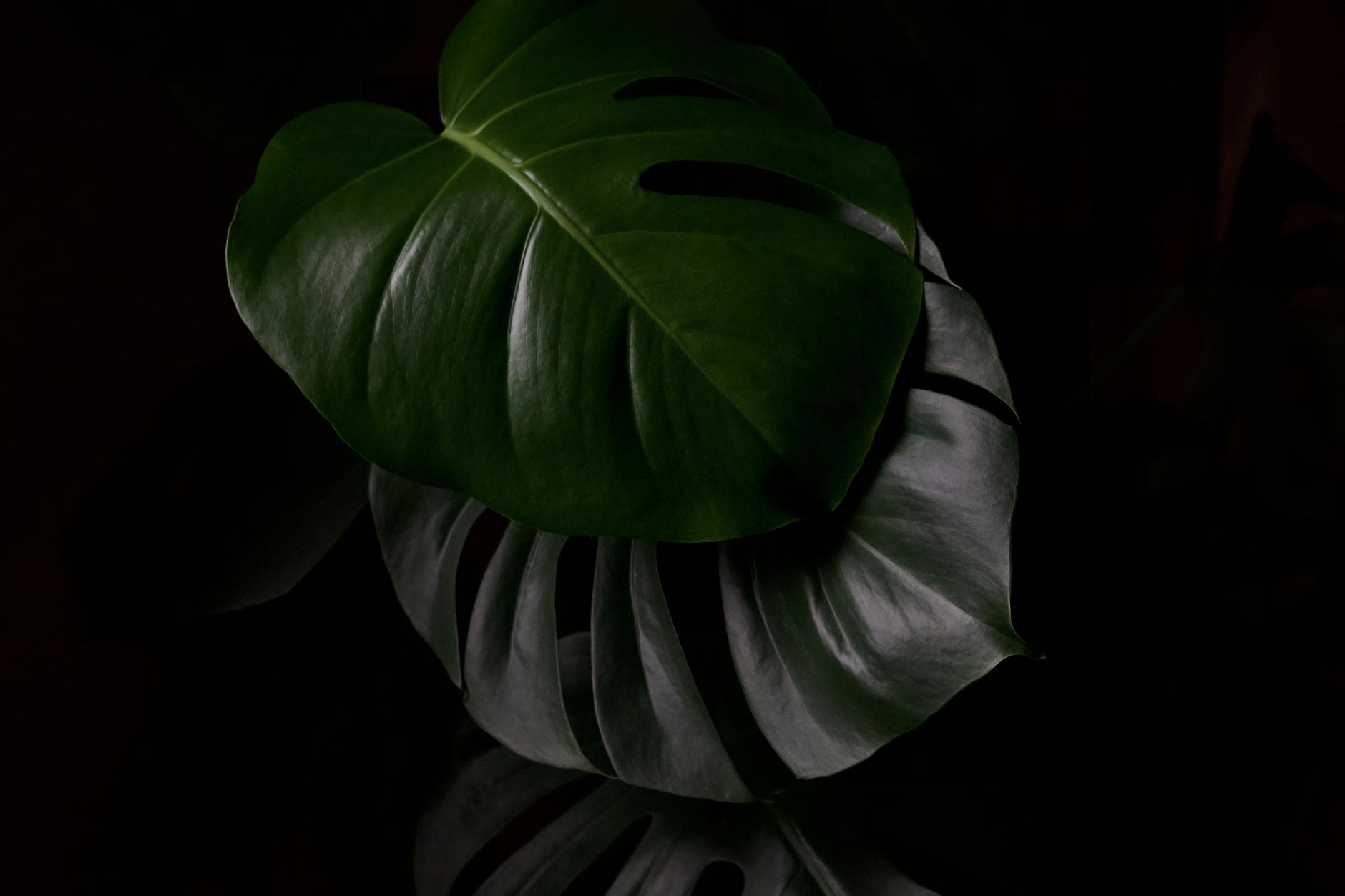
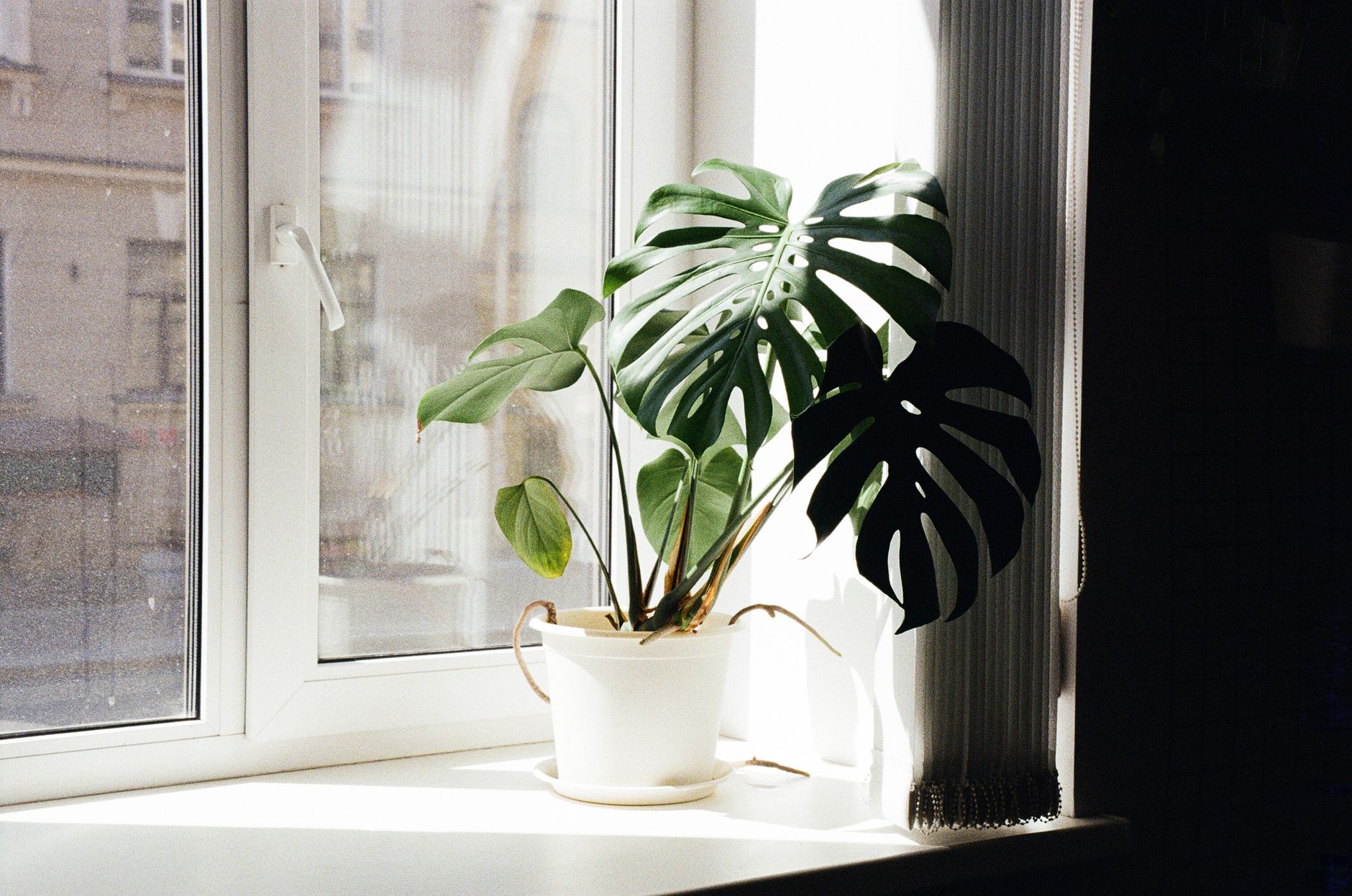
Monsteras need bright, indirect light. A south- or east-facing window is ideal. They need at least 4-6 hours of bright, filtered light daily.
Insufficient light causes leggy growth, smaller leaves, and fewer fenestrations. If your plant is not getting enough light, move it closer to a window or use grow lights.
Too much direct sunlight can scorch the leaves, causing brown spots and burned edges. In very hot climates, provide some protection from harsh afternoon sun.
Monsteras can tolerate some direct morning sun, but avoid intense afternoon sun.
If you move your monstera to a new location, do it gradually. Sudden changes in light can stress the plant.
Water Correctly

Water monsteras when the top 1-2 inches of soil feel dry. Insert your finger into the soil to check moisture.
Water thoroughly until water drains from the bottom of the pot. Allow the water to drain completely. Do not let the plant sit in standing water.
Monsteras prefer consistent moisture but do not like soggy soil. Overwatering is the most common cause of problems.
Reduce watering in winter when growth slows down. The plant uses less water in cooler months.
Signs of overwatering include yellowing leaves, brown spots, and leaf drop. If you see these signs, reduce watering.
Signs of underwatering include wilting leaves and brown, crispy edges.
Use the Right Soil and Pot

Use a well-draining potting mix. A mix of potting soil, perlite, and peat moss works well. The soil should retain some moisture but drain quickly.
Always use a pot with drainage holes. Monsteras do not tolerate standing water and will develop root rot if water accumulates.
Choose a pot that is 2-4 inches larger in diameter than the root ball. A pot that is too large holds excess moisture and can cause root rot.
Repot every 1-2 years in spring when the plant outgrows its pot. Use fresh potting mix.
Terracotta pots are a good choice because they are porous and allow soil to dry out faster.
Provide Support for Climbing

Monsteras are natural climbers. In their native habitat, they climb trees. Providing support encourages larger leaves with more fenestrations.
Use a moss pole, trellis, or stake for support. Moss poles are the most popular option because monsteras can attach their aerial roots to them.
Place the moss pole in the pot when planting or repotting. Gently tie the stem to the pole with soft twine.
As the plant grows, continue to tie it to the pole. Mist the moss pole regularly to encourage aerial roots to attach.
If the plant becomes too tall, you can prune it to maintain size. The pruned cuttings can be propagated to grow new plants.
Fertilize Monsteras
Fertilize monsteras every 4-6 weeks during spring and summer. Use a balanced liquid fertilizer (20-20-20) diluted to half strength.
Do not fertilize in winter when growth slows down. The plant is dormant and does not need extra nutrients.
Over-fertilizing can cause brown spots and leaf burn. If you see these signs, reduce or stop fertilizing.
Monsteras can also benefit from slow-release fertilizer pellets placed in the soil in spring.
If your plant is in fresh potting mix, it may not need fertilizer for the first few months because the soil already contains nutrients.
Prune and Propagate
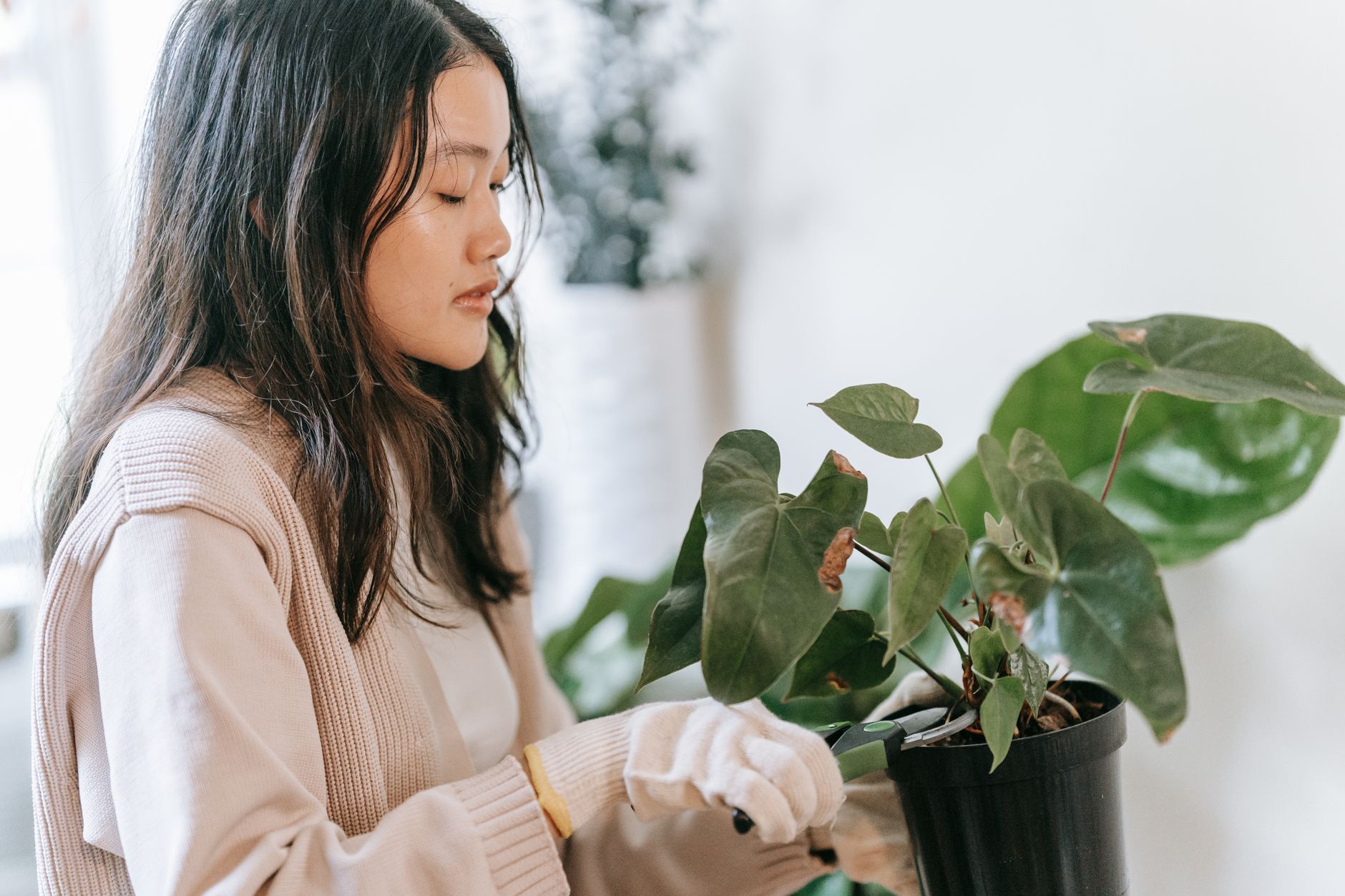
Prune monsteras in spring to maintain shape and encourage bushy growth. Remove dead, damaged, or crossing branches.
To encourage branching, cut just above a leaf node. The plant will produce new growth from that point.
Monsteras can be pruned to control height. Cut the main stem at the desired height.
Propagate monstera from stem cuttings. Cut a stem with 1-2 nodes and a leaf. Place the cutting in water until roots form (2-4 weeks). Once roots are 1-2 inches long, plant in soil.
Use sharp, clean pruning shears for clean cuts. Sterilize tools with rubbing alcohol to prevent disease spread.
Troubleshoot Common Problems

Brown spots on leaves are often caused by overwatering or fungal disease. Reduce watering and ensure good drainage. If spots are widespread, remove affected leaves.
Yellowing leaves can be caused by overwatering or nutrient deficiency. Check soil moisture and adjust watering. Apply fertilizer if needed.
Leggy growth is a sign of insufficient light. Move the plant to a brighter location.
Lack of fenestrations (splits in leaves) is a sign that the plant is not getting enough light. Move it to a brighter location.
Pests like spider mites, mealybugs, and scale can attack monsteras. Wipe leaves with rubbing alcohol or use insecticidal soap.
Common problems and fixes
| Problem | Likely cause | What to do |
|---|---|---|
| Brown spots on leaves. | Overwatering or fungal disease. | Reduce watering. Ensure good drainage. Remove affected leaves. |
| Leaves turning yellow. | Overwatering or nutrient deficiency. | Reduce watering. Apply balanced fertilizer. |
| No fenestrations (splits) in leaves. | Insufficient light. | Move to a brighter location with bright, indirect light. |
| Leggy growth. | Insufficient light. | Move to a brighter location. |
Gardener's checklist
Test what you learned
When should you water a monstera?
Answer: When the top 1-2 inches of soil feel dry
What type of light do monsteras need?
Answer: Bright, indirect light
What are the splits in monstera leaves called?
Answer: Fenestrations
Are monsteras toxic to pets?
Answer: Yes
Common questions
How often should I water my monstera?
Water when the top 1-2 inches of soil feel dry. This is typically every 1-2 weeks, depending on the temperature, humidity, and pot size. Always check the soil moisture before watering.
Why are my monstera leaves not splitting?
Lack of fenestrations (splits) is a sign that the plant is not getting enough light. Move it to a brighter location with bright, indirect light. Young leaves also do not have splits; they develop as the plant matures.
How do I make my monstera grow bigger leaves?
Provide bright, indirect light, water correctly, fertilize regularly, and provide a moss pole for climbing support. Monsteras grow larger leaves when they can climb.
Can monsteras grow in low light?
Monsteras can tolerate low light but prefer bright, indirect light. In low light, they grow slower and may not develop fenestrations. For the best growth, place them in a bright location.
How do I propagate a monstera?
Take a stem cutting with 1-2 nodes and a leaf. Place the cutting in water. Roots will form in 2-4 weeks. Once roots are 1-2 inches long, plant in soil. Keep the soil moist until the plant is established.
Monsteras are iconic houseplants with large, split leaves that add a tropical feel to any space. They thrive in bright, indirect light and need consistent but careful watering. Water when the top 1-2 inches of soil feel dry, use well-draining potting mix, and provide a moss pole for climbing support. Fertilize every 4-6 weeks in spring and summer. Dust leaves regularly and prune to maintain shape. Monsteras are toxic to pets, so keep them out of reach. With proper care, your monstera will grow into a stunning, large specimen with beautiful fenestrated leaves that are the highlight of any room.
Frequently asked questions
How often should a vegetable garden be watered?
Frequency depends on weather, soil and plant size. Check the soil rather than watering on a rigid schedule.
Is compost enough fertilizer?
Compost improves soil and provides nutrients slowly. Heavy-feeding crops may still need additional feeding.

The Sproutstead Editorial Team
We create clear, practical gardening and homesteading guides designed for real homes and beginner growers.
View author profile →

