
Aloe vera is easiest to propagate by separating the pups (offsets) that grow around the base of the mother plant. Gently remove the mother plant from its pot, brush off excess soil, and carefully separate the pups with their own root systems. Pot each pup in well-draining cactus/succulent soil, water lightly, and place in bright, indirect light. Pups typically root in 2-4 weeks. You can also propagate aloe from leaf cuttings, but this method has a lower success rate (40-60%) and is slower—it can take 4-8 weeks for roots to appear. The key to success is using healthy pups with roots, well-draining soil, and avoiding overwatering. Aloe vera propagation is best done in spring or early summer.
What you will need
Understand the Two Propagation Methods

Pup Separation (Offsets): This is the easiest and most reliable method. Aloe vera produces baby plants (pups) around the base of the mother plant. Each pup can be separated and potted as its own plant. This method has a 90%+ success rate.
Leaf Cuttings: You can propagate aloe from a single leaf, but it's slower and less reliable (40-60% success rate). Cut a healthy leaf, allow it to callus, then plant it in well-draining soil. New plantlets may appear at the base of the leaf.
Which method is best? For beginners, pup separation is highly recommended. It's fast, reliable, and produces established plants quickly. Leaf cuttings are a fun experiment but not as dependable.
When to propagate: Spring to early summer is ideal. The plant is actively growing and will root fastest. You can propagate in other seasons, but rooting will be slower.
How many pups: A mature aloe can produce 3-10+ pups. You can separate them all or leave some to grow with the mother.
Identify When Pups Are Ready

Minimum size: Pups should be at least 4-5 inches tall and have 3-4 leaves. Smaller pups may not have enough stored energy to survive on their own.
Roots: Check that the pup has its own root system. Gently brush away some soil at the base to see if roots are present. Pups without roots can still root, but they take longer and have a lower success rate.
Number of leaves: 3-4 leaves indicates the pup is mature enough to survive independently.
Best time to separate: When you're repotting the mother plant is the ideal time to separate pups. This minimizes disturbance to the plant.
If you're unsure: Leave the pup attached to the mother for another month or two. It will continue to grow stronger.
Remove the Mother Plant and Separate Pups
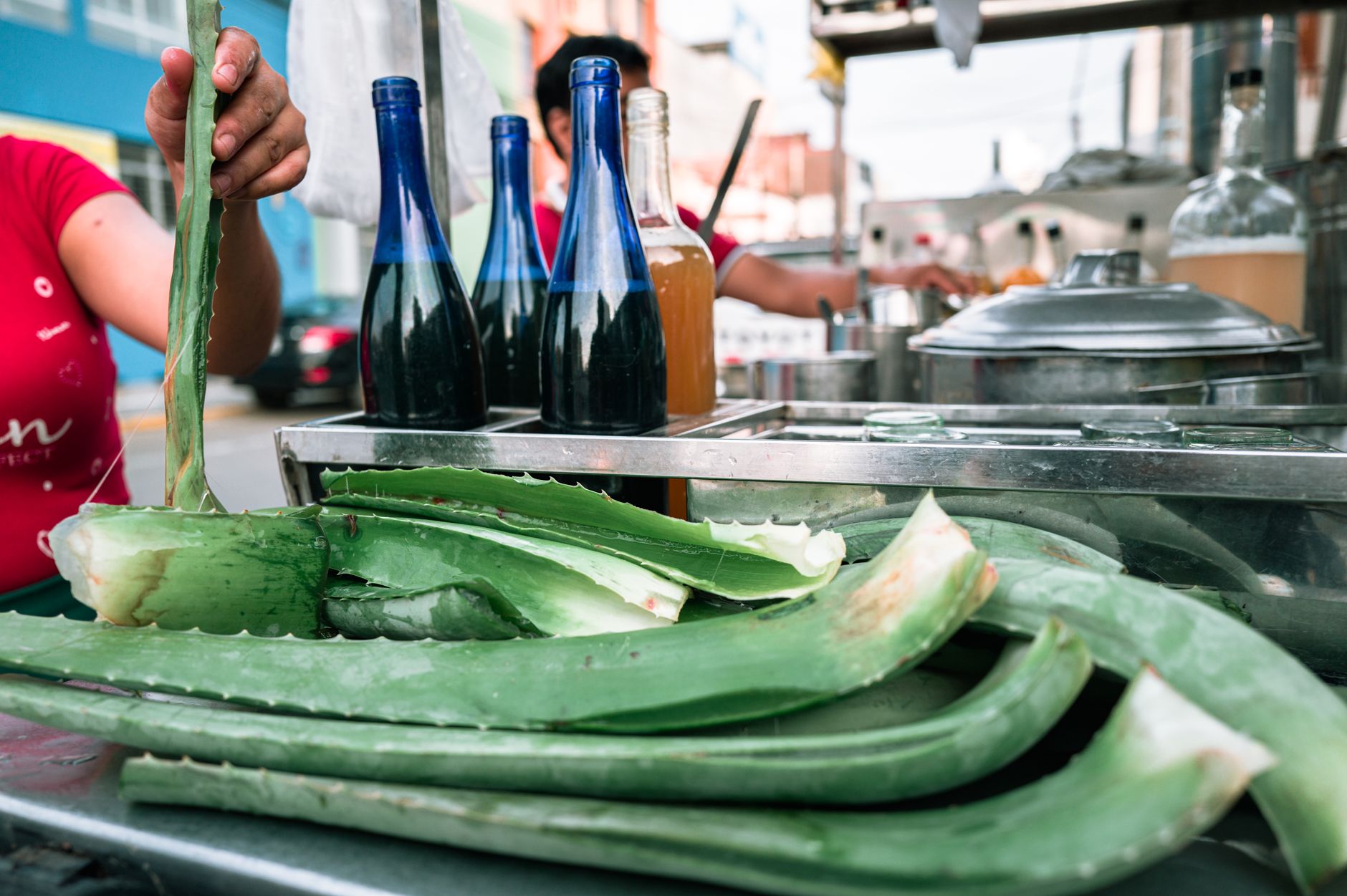
Step 1: Water the mother plant 1-2 days before separating pups. This makes the soil easier to work with and reduces stress on the plant.
Step 2: Gently remove the mother plant from its pot. Tap the sides of the pot to loosen the soil, then carefully slide the plant out.
Step 3: Brush away excess soil to expose the root system and the pups. Take your time to see where each pup connects to the mother.
Step 4: Using your hands or a clean, sterilized knife, gently separate the pups from the mother. Each pup should have its own root system. If a pup is stubbornly attached, use the knife to carefully cut it away.
Step 5: Handle the roots gently—they're delicate and can break easily.
Step 6: If a pup comes off without roots, don't discard it! It can still root, but it will take longer.
Allow Pup Cuts to Callus
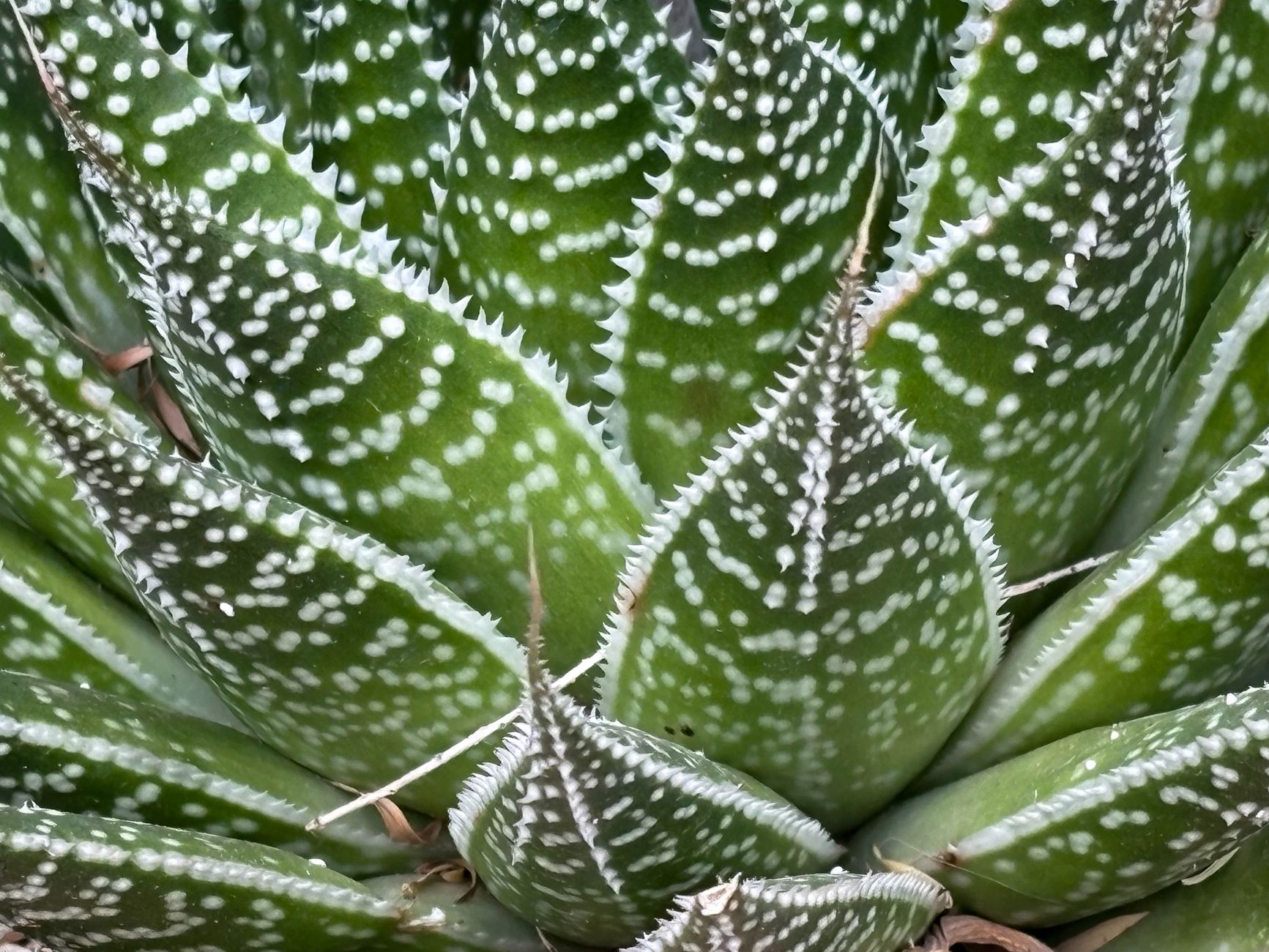
What is callusing: Callusing is when the cut end dries and forms a protective layer. This prevents bacteria from entering and causing rot.
For pups with roots: If you separated pups with intact roots, you can plant them immediately. No callusing is required.
For pups without roots: If you cut a pup off without roots, let the cut end callus for 1-2 days before planting. This prevents rot.
For leaf cuttings: Leaf cuttings MUST callus for 3-5 days before planting. Aloe leaves are full of moisture—planting them directly in soil causes rot.
How to callus: Place the cut ends on a paper towel in a warm, dry place out of direct sunlight. Wait 1-2 days (or 3-5 days for leaf cuttings).
Pot the Pups in Well-Draining Soil
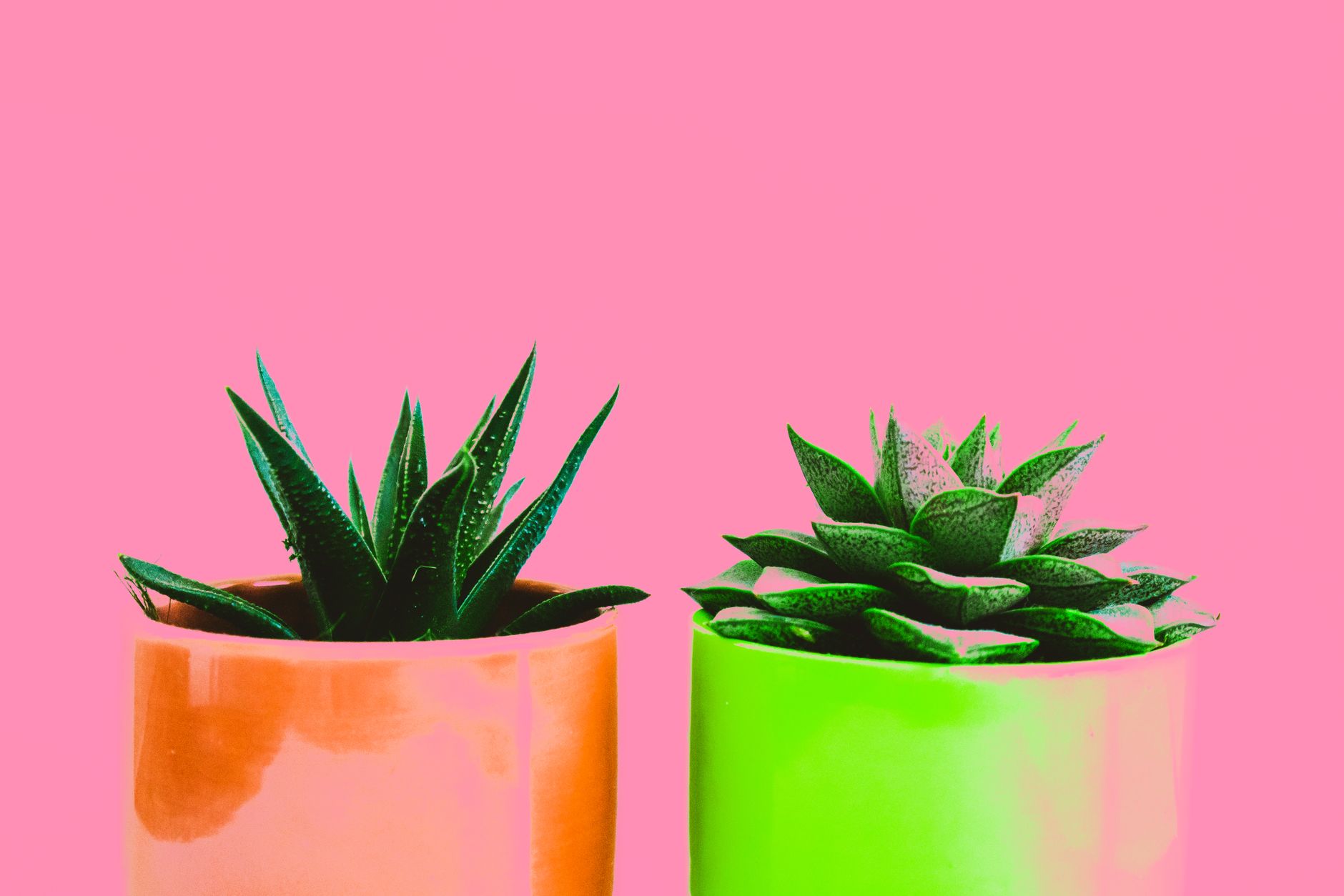
Choose the right pot: Use a small pot (3-4 inches) with drainage holes. Aloe roots need good drainage—they rot in waterlogged soil.
Prepare the soil: Use well-draining cactus/succulent soil. A mix of 50% cactus soil and 50% perlite is ideal. Regular potting soil holds too much moisture.
Planting depth: Plant the pup at the same depth it was growing in the mother pot. The top of the root ball should be level with the soil surface.
Gently firm the soil: Press the soil gently around the roots to eliminate air pockets. Don't pack it too tightly—aloe roots need room to breathe.
Add a top layer: Some gardeners add a thin layer of fine gravel or pumice on top to prevent soil from splashing onto the leaves.
Water and Care for New Pups

First watering: Water lightly after potting. The soil should be slightly moist, not wet. Allow excess water to drain out.
Subsequent watering: Let the soil dry out completely between waterings. Water when the top 1-2 inches of soil feel dry (usually every 1-2 weeks).
Light: Place pups in bright, indirect light. A windowsill with filtered light is ideal. Avoid direct sunlight—it can burn tender new leaves.
Temperature: 60-75°F (15-24°C) is ideal. Protect from cold drafts and temperatures below 50°F.
Misting: Mist the leaves lightly every few days for the first 2 weeks to help the plant adjust. After that, water only at the soil level.
Root establishment: In 2-4 weeks, the pup will establish new roots. You'll know it's successful when you see new growth at the center of the plant.
Leaf Cuttings (Alternative Method)

Why try leaf cuttings: It's a fun experiment and a way to propagate if you don't have pups. However, success rates are lower (40-60%).
How to take a leaf cutting: Use a sharp, sterilized knife to cut a healthy leaf from the outer edge of the mother plant. Cut as close to the base as possible.
Callus: This step is critical. Place the leaf on a paper towel and let the cut end callus for 3-5 days. Aloe leaves have high moisture content—planting too early causes rot.
Plant: Insert the callused end of the leaf into well-draining soil, about 1-2 inches deep. Use a pencil to make a hole first to avoid damaging the leaf.
Water sparingly: Water very lightly and let the soil dry completely between waterings.
Wait: Roots appear in 4-8 weeks. New plantlets appear at the base of the leaf in 8-12 weeks.
Patience: Leaf propagation is slow. Don't give up if you don't see growth for several months.
Troubleshoot Common Aloe Propagation Problems
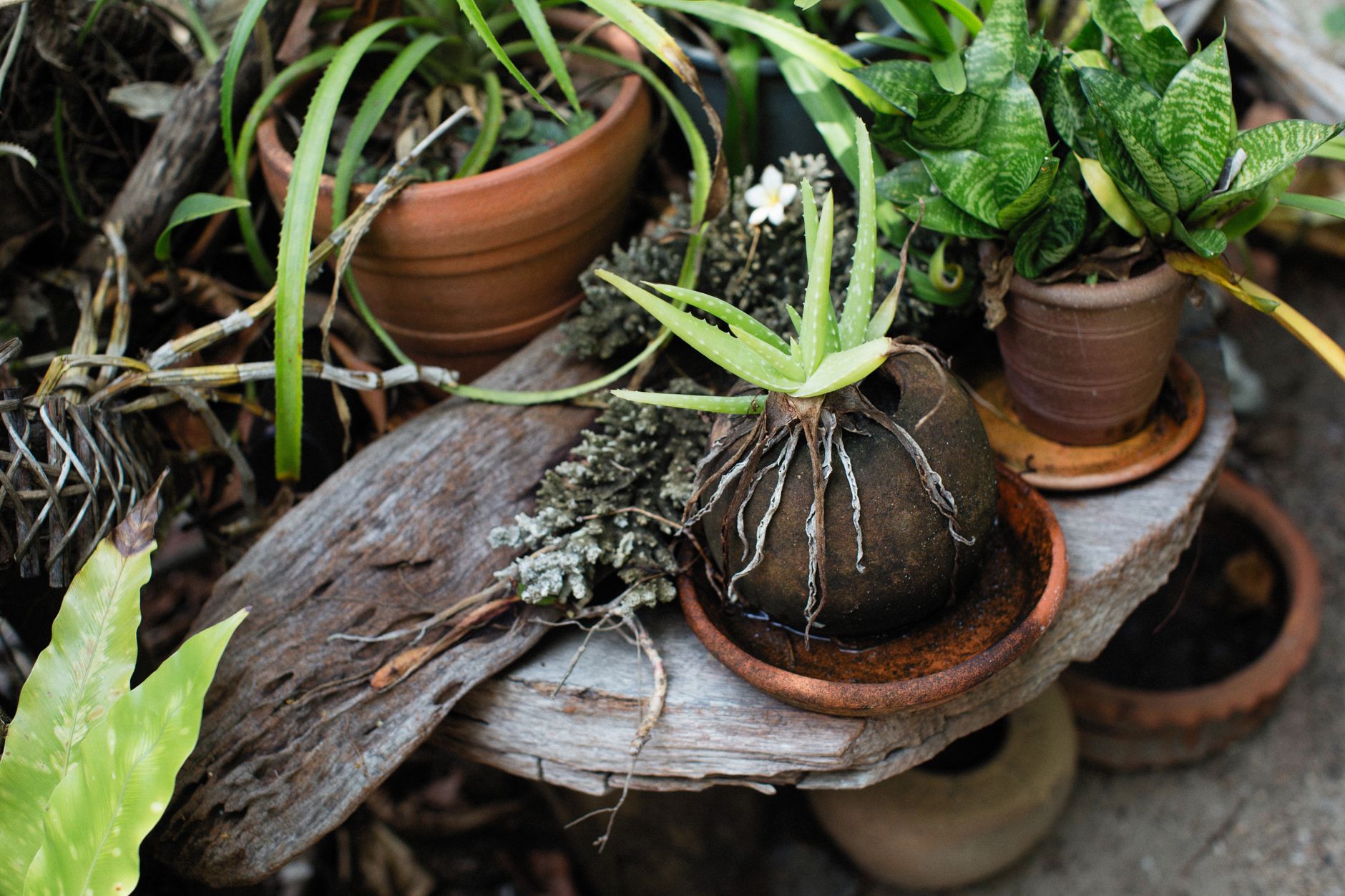
Problem: Pup turns brown and mushy. Overwatering or poor drainage. Remove the affected pup. Let others dry out. Use well-draining soil and water less frequently.
Problem: Leaves turning yellow. Overwatering or too much direct sun. Reduce watering. Move to indirect light.
Problem: Pup is wilting or shriveling. Underwatering or the pup doesn't have enough roots. Water lightly if soil is dry. If no roots, the pup may not survive.
Problem: No roots after 8 weeks (leaf cutting). Not enough light, too cold, or the leaf didn't callus properly. Move to a warmer, brighter spot. Try again with a fresh leaf.
Problem: Pups not growing after 3 months. Not enough light or nutrients. Move to brighter spot. If established, start fertilizing with a diluted succulent fertilizer.
Common problems and fixes
| Problem | Likely cause | What to do |
|---|---|---|
| Pup turns brown and mushy | Overwatering or poor drainage. | Remove affected pup. Let others dry out. Use well-draining soil. Water less frequently. |
| Pup is wilting | Underwatering or no roots. | Water lightly if soil is dry. If no roots, the pup may not survive—try again with a larger pup. |
| No roots after 8 weeks (leaf cutting) | Not enough light, too cold, or no callus. | Move to warmer, brighter spot. Ensure callusing for 3-5 days. Try again with a fresh leaf. |
| Pup not growing after 3 months | Not enough light or nutrients. | Move to brighter spot. If established, start fertilizing with diluted succulent fertilizer. |
Gardener's checklist
Test what you learned
What is the easiest and most reliable way to propagate aloe vera?
Answer: Pup separation
What size should aloe pups be before separating them?
Answer: 4-5 inches with 3-4 leaves
How long should aloe leaf cuttings callus before planting?
Answer: 3-5 days
What is the most common cause of aloe pup failure?
Answer: Overwatering
Common questions
Can you propagate aloe vera from a single leaf?
Yes, but it's less reliable than pup separation. Leaf cuttings have a 40-60% success rate and take longer to root. Allow the cut end to callus for 3-5 days before planting.
How long does it take for aloe vera pups to grow roots?
Pups typically establish roots in 2-4 weeks. You'll see new growth at the center of the plant when roots are established (4-8 weeks).
Can I propagate aloe in water?
Aloe vera does not propagate well in water. The leaves and stems are prone to rot. Soil propagation is recommended.
Why are my aloe pups turning brown and soft?
This is a sign of overwatering. Aloe roots rot in waterlogged soil. Reduce watering and ensure your pot has drainage holes.
How often should I water newly separated aloe pups?
Water lightly after potting, then let the soil dry completely before watering again. In most conditions, this means watering every 1-2 weeks.
Aloe vera propagation is easiest through pups—the baby plants that grow around the base of the mother. With just a few simple steps—separating pups, potting them in well-draining soil, and watering sparingly—you can multiply your aloe collection in no time. Pups typically root in 2-4 weeks and start showing new growth in 4-8 weeks. Leaf cuttings are a fun alternative but have a lower success rate. The most important rule is to avoid overwatering—aloe is a succulent that thrives on neglect. With patience and proper care, your new aloe plants will grow into beautiful, mature plants in 1-2 years.
Frequently asked questions
How often should a vegetable garden be watered?
Frequency depends on weather, soil and plant size. Check the soil rather than watering on a rigid schedule.
Is compost enough fertilizer?
Compost improves soil and provides nutrients slowly. Heavy-feeding crops may still need additional feeding.

The Sproutstead Editorial Team
We create clear, practical gardening and homesteading guides designed for real homes and beginner growers.
View author profile →

