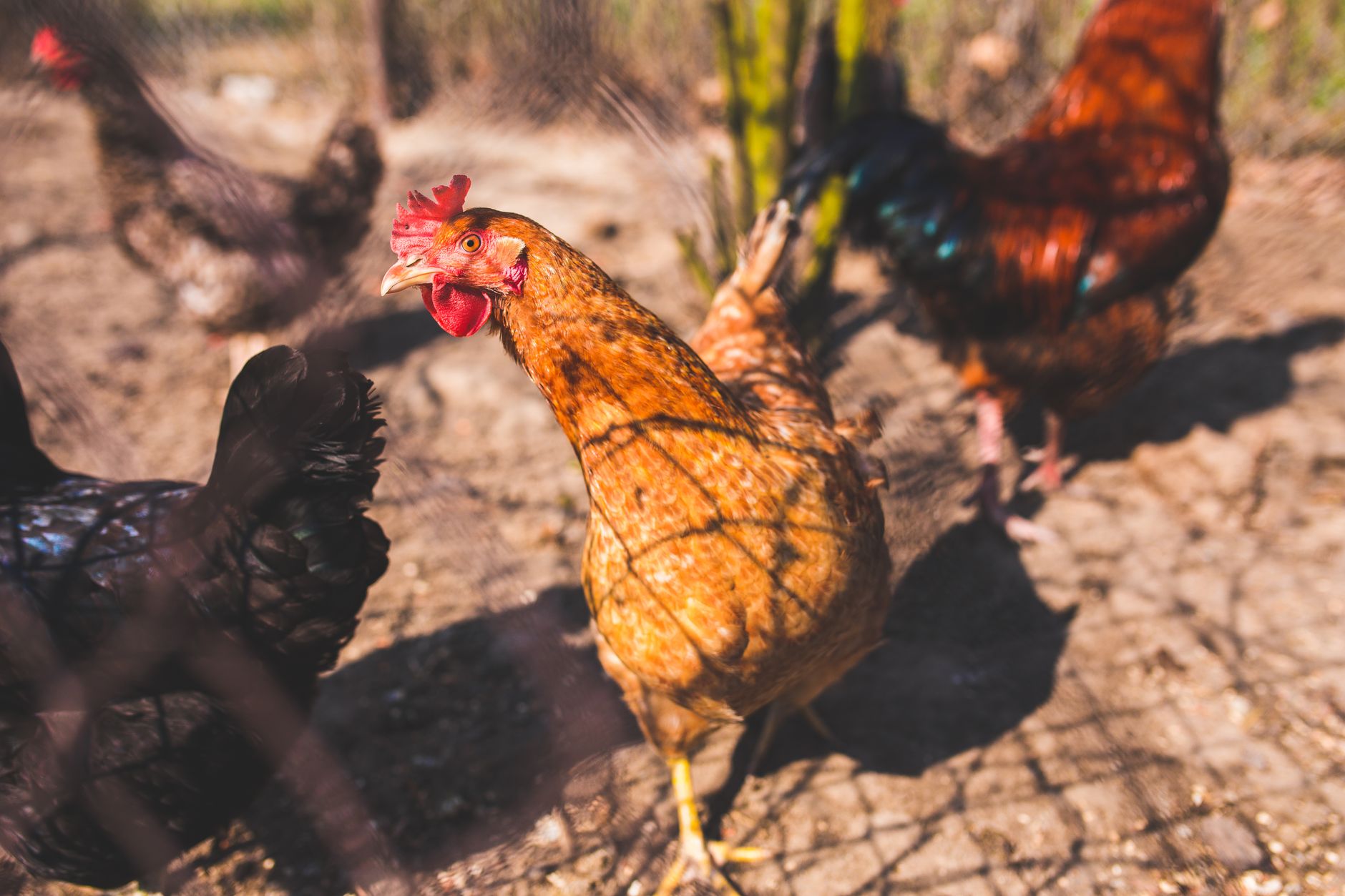
Chickens are surprisingly cold-hardy and can tolerate temperatures well below freezing with proper care. Focus on: 1) keeping the coop dry and draft-free (but ventilated), 2) preventing frostbite on combs and wattles with petroleum jelly, 3) ensuring water doesn't freeze (use heated waterers or change water frequently), 4) providing extra calories (scratch grains before bedtime), and 5) using the deep litter method for natural heat generation. Avoid using heat lamps—they're fire hazards and prevent chickens from acclimating to cold.
What you will need
Keep the Coop Dry (Not Cold)
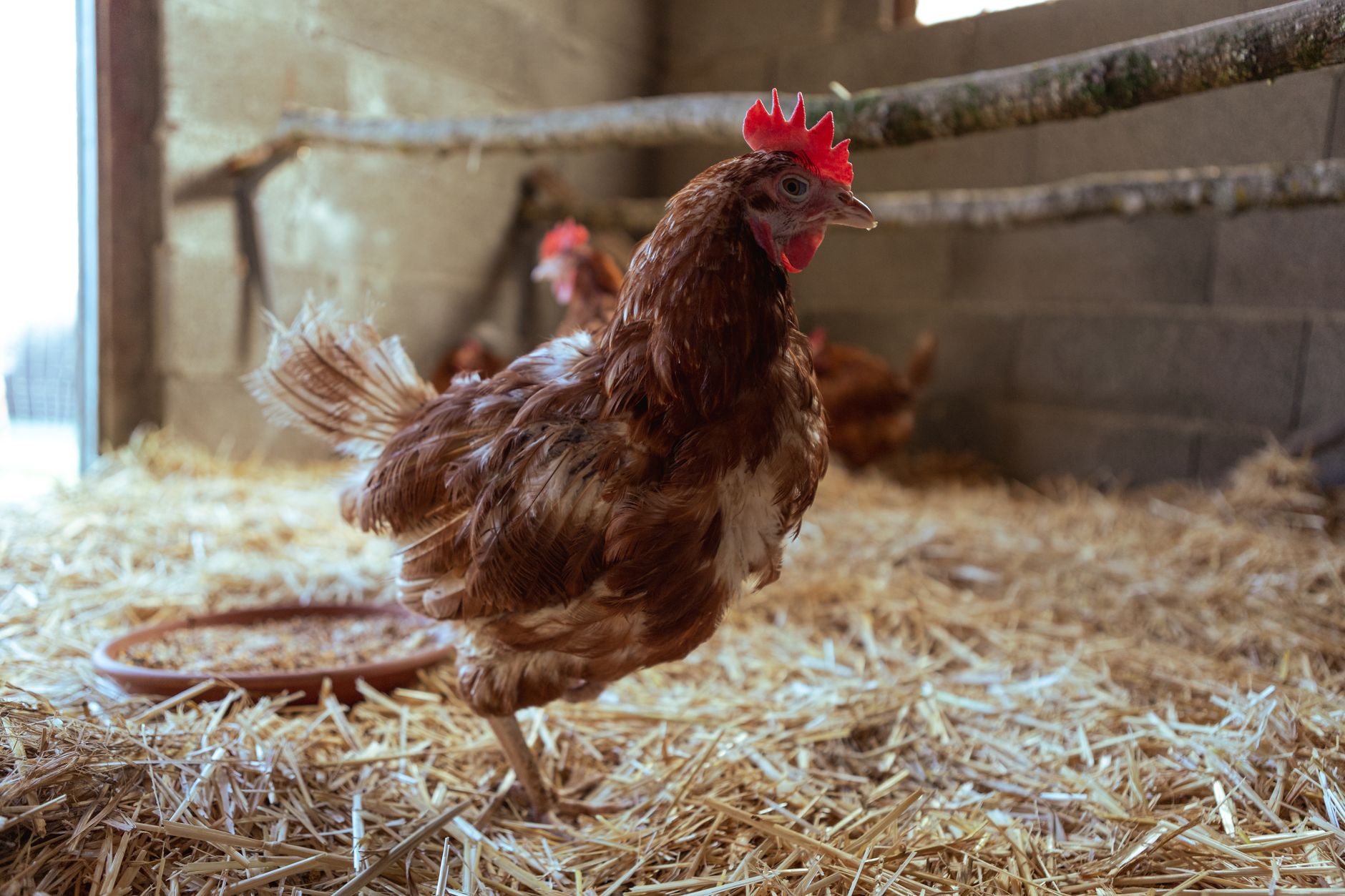
Moisture is the enemy: Cold air alone doesn't harm chickens—cold, moist air does. A dry coop prevents frostbite and respiratory disease.
Deep litter method: Add 6-12 inches of dry bedding (wood shavings, straw, or leaves). As the bedding breaks down, it generates heat (composting) and keeps the coop dry.
Avoid wet bedding: Clean up spilled water and remove wet bedding immediately. Wet bedding increases humidity and cold stress.
Roof condition: Ensure the coop roof doesn't leak. A leaky roof adds moisture and drops temperatures significantly.
Why dry matters: Chickens have natural insulation (feathers). They can tolerate cold, but wet feathers lose insulation and lead to hypothermia.
Provide Ventilation (Without Drafts)

Ventilation vs. drafts: Ventilation removes moisture and ammonia. Drafts are cold air blowing directly on chickens. Keep vents above the roosting height.
Open at the top: Vents at the top of the walls or the peak of the roof allow moist air to escape. Warm, moist air rises—so vents at the top are effective.
Avoid sealing the coop: Many people make the mistake of sealing the coop completely. This traps moisture and ammonia, leading to respiratory disease and frostbite.
How to check: If the coop is sealed, you'll notice frost on the walls or ceiling, a strong ammonia smell, or wet bedding. These are signs of poor ventilation.
Ideal setup: Install vents above the roosts that can be opened in winter (just slightly) to allow moisture to escape without causing drafts.
Prevent Frostbite on Combs and Wattles

What is frostbite: Frozen tissue on the tips of combs and wattles. It appears as black or white patches on the comb. In severe cases, parts of the comb can fall off.
Prevention: Apply a thin layer of petroleum jelly (Vaseline) or bag balm to combs and wattles on very cold days (below 10-15°F). This acts as a barrier against moisture and cold.
Why it happens: Moisture on the comb freezes in cold temperatures. Large combs are especially vulnerable—breeds like Leghorns, Minorcas, and Andalusians are more susceptible.
What to do if frostbite occurs: Do not rub or break blisters. They will heal naturally and may turn black and fall off. Keep the chicken in a warm area if severe.
Preventive breeds: If you live in a very cold climate, choose breeds with smaller combs (like Wyandottes, Orpingtons, or Brahmas) that are less susceptible.
Keep Water from Freezing

Heated waterers: The best solution. They have a heating element that keeps water above freezing. Available at feed stores.
Heated bases: Place a heating base under a regular waterer. This is a cheaper option than buying a heated waterer.
Change water frequently: If you don't have heated waterers, change water 2-3 times daily. Bring water out fresh and warm.
Use black rubber bowls: Black rubber bowls absorb sunlight during the day and stay a few degrees warmer. They also flex, making ice easier to remove.
Avoid metal: Metal waterers freeze faster and can be licked by chickens' tongues (causing injury). Use plastic or rubber.
Placement: Keep waterers out of the wind and in a sunny spot. Wind exposure accelerates freezing.
Feed Extra Calories and Scratch Grains

Increase feed: Chickens need more calories in winter to maintain body temperature. Increase feed by 10-20%.
Scratch grains before bed: Offer 1-2 tablespoons of scratch grains (cracked corn, wheat, oats) per chicken before roosting. This provides digestible energy that generates heat through the night.
Why scratch grains: Corn, wheat, and oats are high in carbohydrates, which are quickly converted to body heat. They're like 'fuel' for chickens.
Don't overdo it: Scratch grains are not a complete feed—they lack the protein and nutrients of layer feed. Limit to 10-15% of total diet.
Warm water: Offer warm water (not boiling) in the morning. This helps chickens stay hydrated and warm.
Block Wind with Windbreaks

Why windbreaks: Wind chill can make a 20°F day feel like 0°F. Blocking wind reduces heat loss and prevents frostbite.
What to use: Tarps, plastic sheeting, plywood, hay bales, or even evergreen branches. Place them on the prevailing wind side of the coop.
How to install: Attach tarps to the outside of the run to block wind while still allowing light and airflow. Leave the top and south side open for ventilation and sunlight.
The run: Windbreaks in the run provide chickens with a sheltered area to spend time outdoors. They'll still want to come out during the day, even in cold weather.
Straw bales: Stacking straw bales around the coop provides excellent insulation and wind protection. They're also compostable in spring.
Use the Deep Litter Method for Natural Heat

What is it: Instead of cleaning the coop completely, add fresh bedding on top of the old. Over time, the bedding layers break down, composting and generating heat.
How it works: As chicken manure and bedding decompose, beneficial bacteria create heat. This can raise the coop temperature by 10-15°F.
How to start: Begin with 6-8 inches of dry bedding (wood shavings, straw, or dried leaves). Add fresh bedding every 1-2 weeks, stirring slightly to aerate.
What not to use: Avoid cedar shavings—they can cause respiratory issues. Use pine shavings, straw, or dry leaves.
Maintenance: Stir the bedding every few days to aerate and keep the composting process active. Add more bedding as needed. Do a full clean-out in spring.
Common problems and fixes
| Problem | Likely cause | What to do |
|---|---|---|
| Water keeps freezing | Not using heated waterers or not changing water frequently enough. | Invest in a heated waterer or heated base. Check water 2-3 times daily. |
| Frostbite on combs/wattles | Moisture on combs in freezing temperatures. | Apply petroleum jelly on very cold days. Ensure good ventilation to reduce moisture. |
| Chickens are lethargic or huddled | Too cold or not enough food. | Check coop temperature, ensure bedding is dry, and increase feed and scratch grains. |
| Bedding is wet and smelly | Not enough ventilation or too much moisture. | Add more dry bedding, open vents slightly, and clean out wet areas. |
Gardener's checklist
Test what you learned
What is the most important factor for winter chicken care?
Answer: Dryness
Why are heat lamps discouraged in chicken coops?
Answer: They are fire hazards
What helps prevent frostbite on combs?
Answer: Petroleum jelly
How much extra feed do chickens need in winter?
Answer: 10-20%
Common questions
Can chickens freeze to death?
Yes, in extreme conditions (well below 0°F) without shelter. However, chickens are surprisingly cold-hardy. With a dry, draft-free coop and proper care, they can withstand temperatures well below freezing.
Do chickens need a heater in the coop?
No. Heaters are generally unnecessary and can be dangerous. Chickens have feathers and generate their own heat. Focus on keeping the coop dry, draft-free, and ventilated.
How cold is too cold for chickens?
Chickens can tolerate temperatures down to 0°F with proper care. Below 0°F, frostbite risk increases significantly, and you should take extra precautions like applying petroleum jelly and ensuring water doesn't freeze.
Can chickens go outside in winter?
Yes! Chickens enjoy being outdoors even in winter. Clear snow from the run and provide wind protection. They'll come out during the day and return to the coop at night.
Will chickens stop laying eggs in winter?
Yes, egg production naturally declines in winter due to shorter daylight hours. Providing 14-16 hours of artificial light can maintain production, but many people allow hens to have a natural break from laying.
Keeping chickens warm in winter is about preparation, not panic. Focus on keeping the coop dry, well-ventilated, and draft-free. Use the deep litter method for natural heat, ensure water doesn't freeze, and increase feed to provide extra calories. Avoid heat lamps—they're dangerous and unnecessary. With proper care, your chickens can happily thrive in winter, and you'll enjoy fresh eggs even on the coldest days.
Frequently asked questions
How often should a vegetable garden be watered?
Frequency depends on weather, soil and plant size. Check the soil rather than watering on a rigid schedule.
Is compost enough fertilizer?
Compost improves soil and provides nutrients slowly. Heavy-feeding crops may still need additional feeding.

The Sproutstead Editorial Team
We create clear, practical gardening and homesteading guides designed for real homes and beginner growers.
View author profile →