
Geraniums are colorful, easy-care annuals that bloom from spring to frost. They are grown as annuals in most climates but are tender perennials in warm regions. Plant geraniums in spring after the last frost. Choose a location with full sun to part shade (4-6 hours of sun) and well-draining soil. Plant at the same depth as the pot, spacing 12-18 inches apart. Water deeply once a week at the base, and fertilize with a balanced fertilizer every 4-6 weeks. Deadhead spent flowers for continuous blooms. Geraniums are excellent for containers, hanging baskets, and garden beds. In cold climates, bring them indoors before frost to overwinter.
What you will need
Choose the Right Geranium Varieties

Zonal geraniums are the most common type, with large, rounded leaves and clusters of flowers in red, pink, white, orange, and bicolors. They grow 12-24 inches tall. Popular varieties include Patriot and Maverick.
Ivy geraniums have trailing, ivy-like leaves and cascading flowers. They are excellent for hanging baskets, window boxes, and containers. They are more heat-tolerant than zonal geraniums.
Scented geraniums are grown for their fragrant leaves. They have small, delicate flowers and come in a range of scents including rose, lemon, mint, and chocolate.
Regal geraniums produce large, showy flowers in purple, pink, and white. They bloom in spring and early summer and need cooler temperatures.
Choose based on your space, whether you want trailing or upright plants, and your color preferences.
Select the Perfect Planting Location
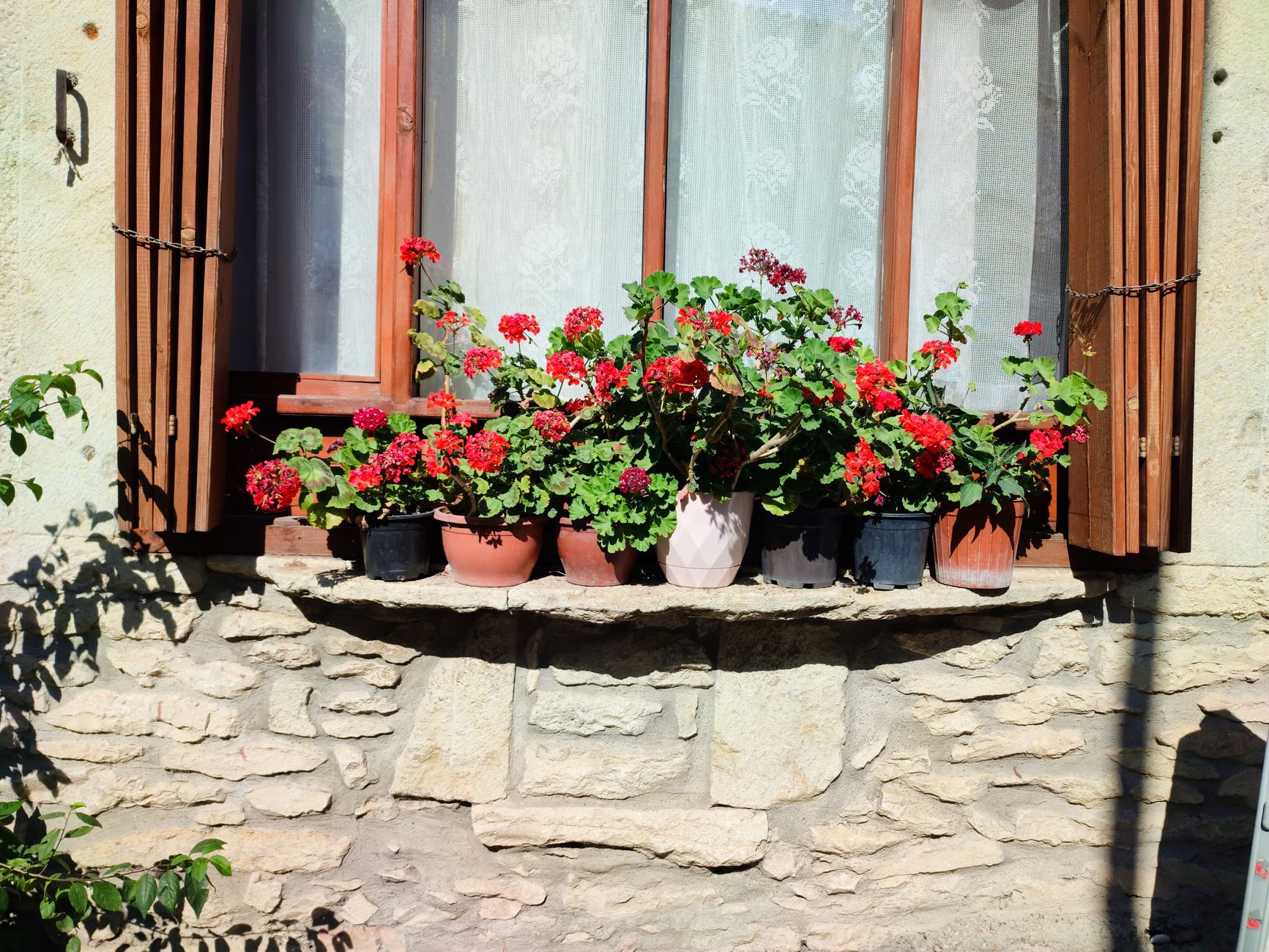
Geraniums prefer full sun to part shade. They need at least 4-6 hours of direct sunlight daily for the best blooms.
In hot climates, afternoon shade helps protect the flowers and extend the blooming period.
Good drainage is essential. Geraniums do not like wet feet and can develop root rot in poorly drained soil.
They are adaptable to a wide range of soil types but prefer average, well-draining soil with moderate fertility.
Geraniums are excellent for containers, hanging baskets, window boxes, and garden beds.
Plant Geraniums at the Right Time and Depth
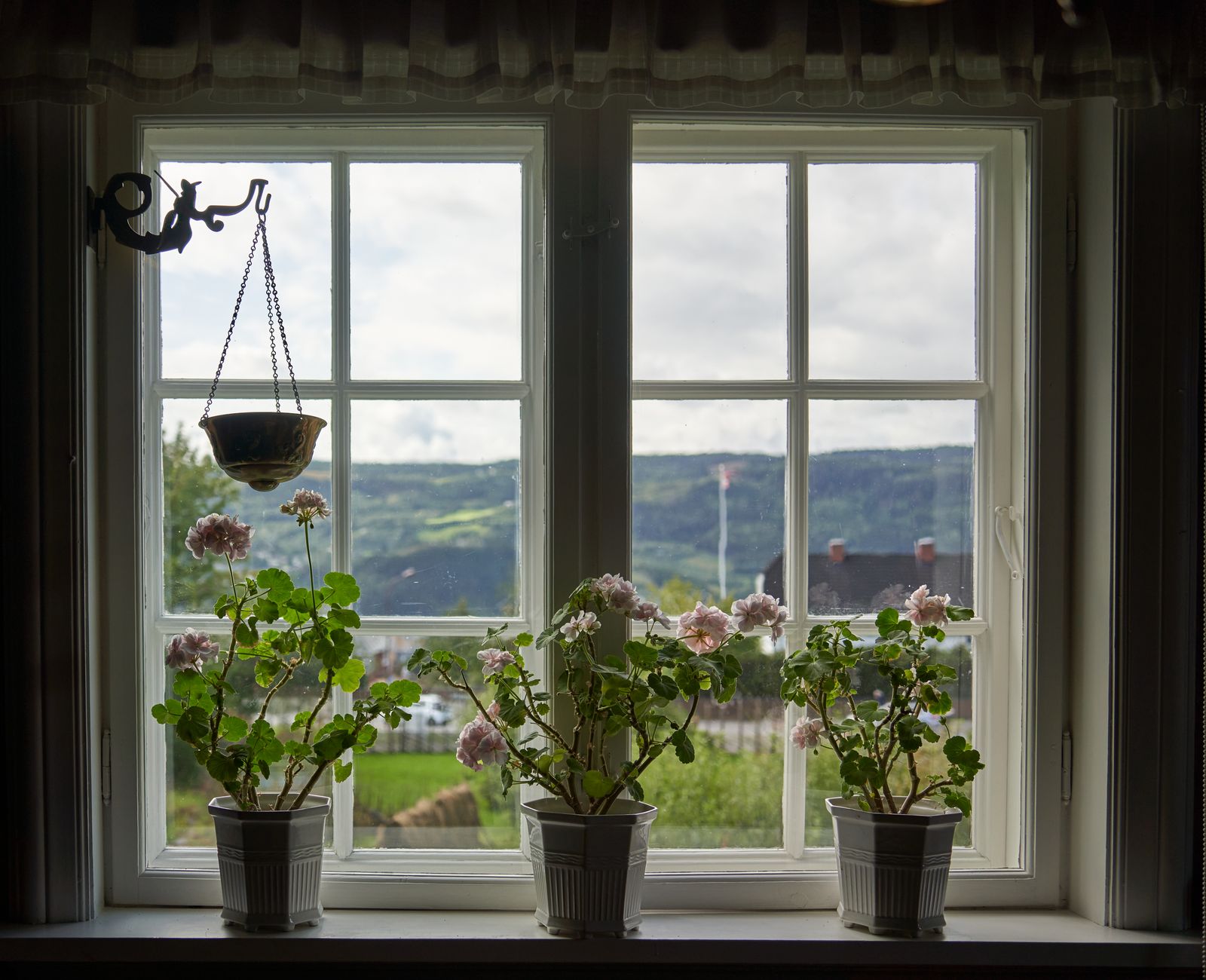
Plant geraniums in spring after the last frost. The soil should be at least 60°F.
Plant at the same depth as the pot. The crown should be at soil level.
Dig a hole twice as wide and the same depth as the root ball. Place the plant in the hole, backfill, firm gently, and water deeply.
Space plants 12-18 inches apart. Good air circulation prevents disease.
For containers, use pots with drainage holes and well-draining potting mix.
Water and Mulch Geraniums
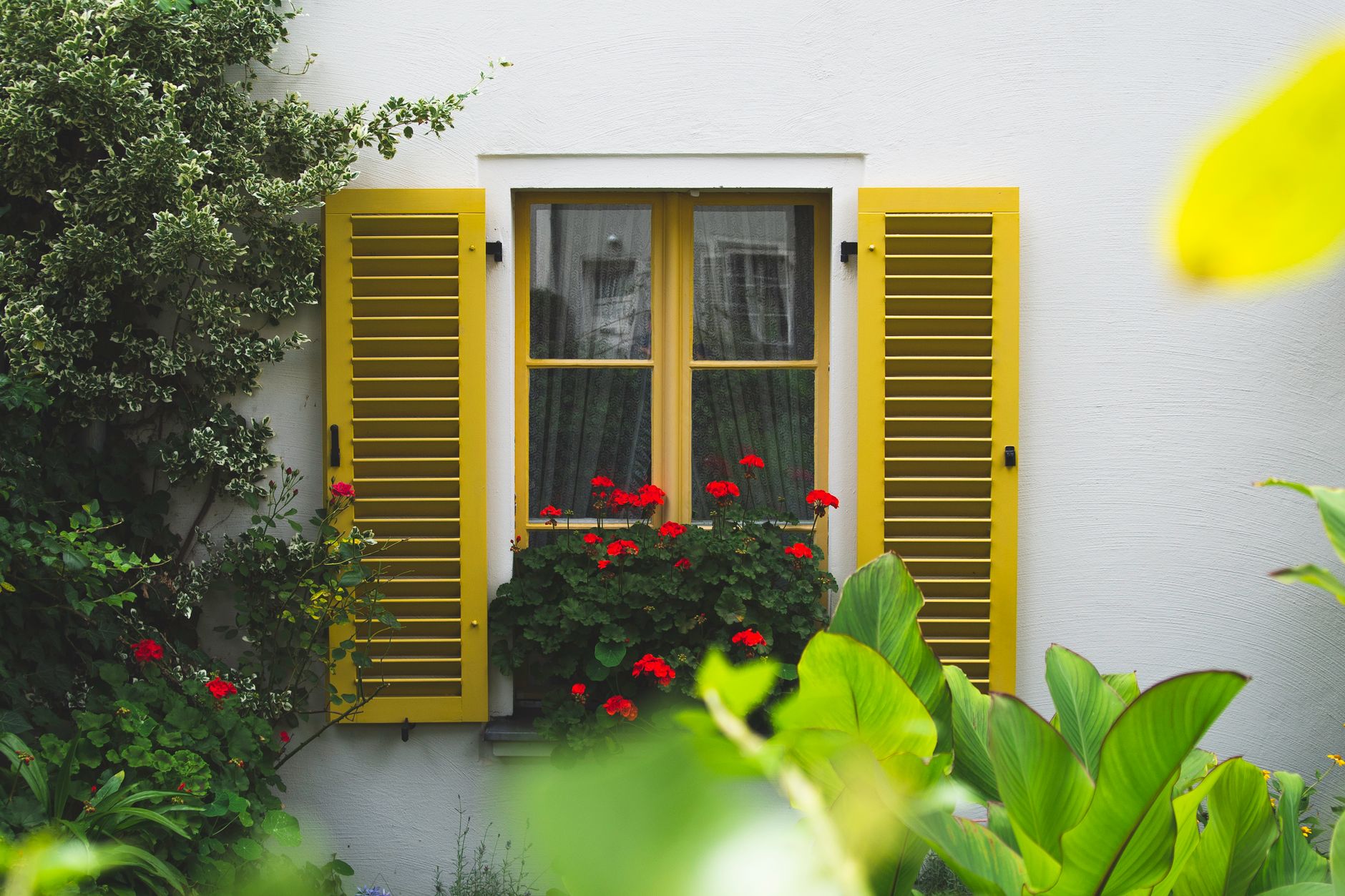
Water geraniums deeply once a week, providing about 1 inch of water. In hot, dry weather, water twice a week.
Water at the base of the plant, not overhead, to prevent fungal diseases.
Geraniums prefer consistent moisture but do not like soggy soil. They will wilt in dry conditions and rot in wet soil.
Apply a 2-inch layer of mulch around the plants. This keeps roots cool, retains moisture, and suppresses weeds.
Fertilize Geraniums
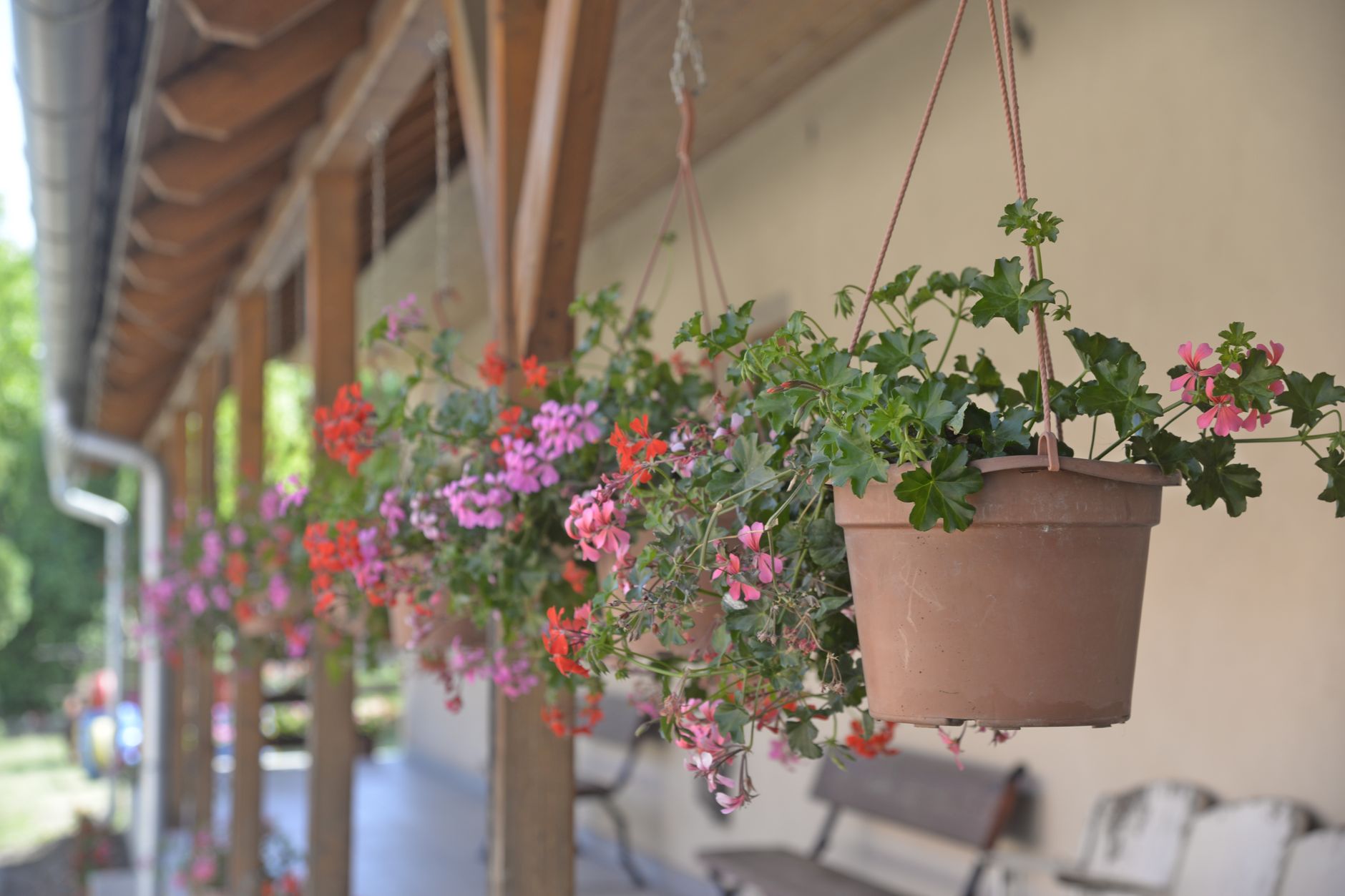
Fertilize geraniums with a balanced fertilizer like 10-10-10 every 4-6 weeks during the growing season.
For container plants, fertilize more frequently because nutrients are washed out with watering.
Apply fertilizer according to package instructions. For liquid fertilizers, dilute to half strength to avoid burning.
Avoid high-nitrogen fertilizers. Too much nitrogen causes lush foliage at the expense of flowers.
Deadhead and Prune Geraniums

Deadhead spent flowers regularly. Remove the faded flower stem, cutting it back to the nearest set of leaves or side shoot.
Deadheading redirects energy from seed production to flower production, resulting in more blooms.
If the plant becomes leggy in mid-summer, cut it back by one-third. It will regrow and produce more flowers.
Remove yellowing or damaged leaves to keep the plant healthy and tidy.
Overwinter Geraniums
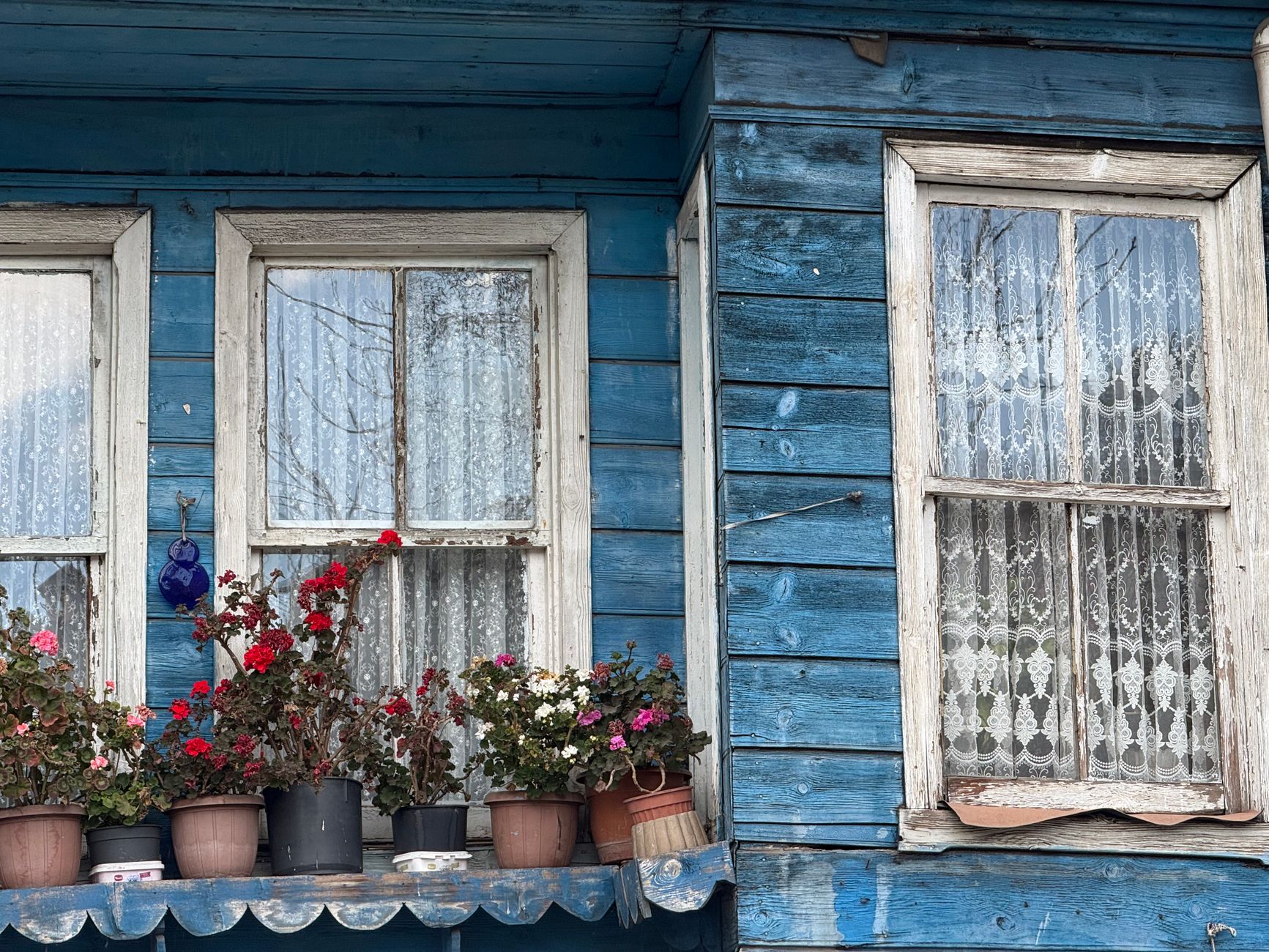
Geraniums are not hardy in freezing climates. In Zones 3-8, bring them indoors before the first frost.
Option 1: Dig up the plants, pot them, and bring them indoors to a sunny window. Water sparingly through winter.
Option 2: Take cuttings in late summer, root them in water or potting mix, and grow them indoors over winter.
Option 3: Dig up the plants, shake off the soil, and hang them upside down in a cool (45-50°F), dark location. In spring, cut back the dead parts, pot them up, and water.
In spring, after the last frost, move the plants back outdoors.
Prevent and Manage Common Problems
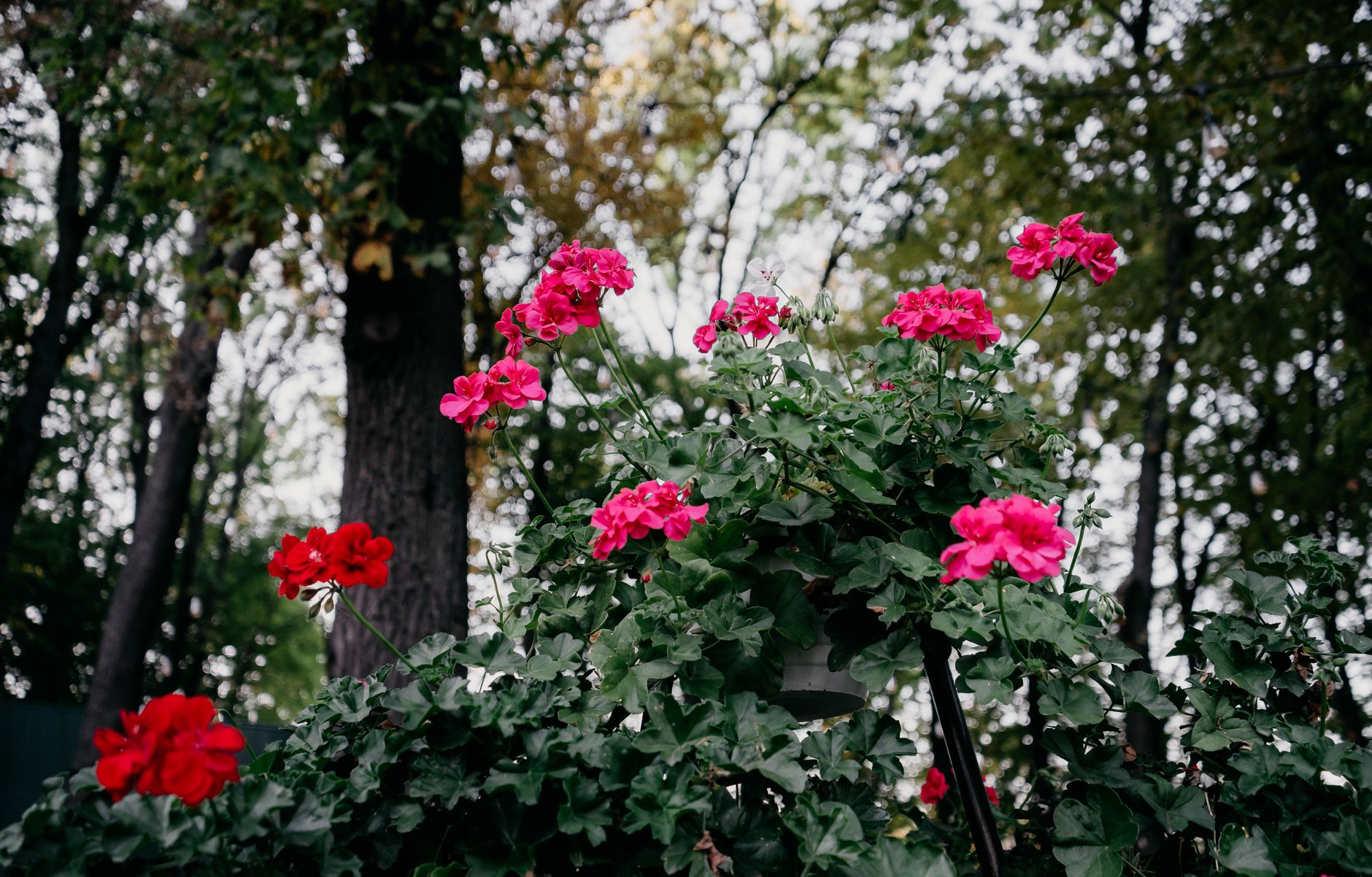
Botrytis blight (gray mold) can affect geraniums in humid conditions. Remove affected parts and improve air circulation.
Root rot occurs in poorly drained soil. Ensure good drainage and do not overwater.
Aphids and spider mites can attack geraniums. Use insecticidal soap or neem oil to control them.
Whiteflies can be a problem on indoor geraniums. Use yellow sticky traps or insecticidal soap.
Rust appears as orange-brown spots on leaves. Remove infected leaves and apply fungicide if needed.
To prevent disease, avoid overhead watering and provide good air circulation.
Common problems and fixes
| Problem | Likely cause | What to do |
|---|---|---|
| Leaves are yellowing and dropping. | Overwatering or poor drainage. | Reduce watering. Improve drainage. Repot in fresh, well-draining soil. |
| Flowers are small and faded. | Not enough sun or nutrients. | Provide 4-6 hours of sun. Fertilize with a balanced fertilizer. |
| Gray mold on flowers and leaves. | Botrytis blight from humidity. | Remove affected parts. Improve air circulation. Avoid overhead watering. |
| Plants are leggy with few flowers. | Too much shade or over-fertilizing with nitrogen. | Move to a sunnier location. Reduce nitrogen fertilizer. Cut back leggy plants. |
Gardener's checklist
Test what you learned
How much sun do geraniums need?
Answer: 4-6 hours
When should you plant geraniums?
Answer: Spring after last frost
What is the most common mistake with geraniums?
Answer: Overwatering
How should you overwinter geraniums?
Answer: Bring indoors before frost
Common questions
Are geraniums annuals or perennials?
Geraniums are tender perennials in warm climates (Zones 9-11). In colder climates, they are grown as annuals. They can be overwintered indoors to return the following year.
How long do geraniums bloom?
Geraniums bloom from spring until the first frost. With regular deadheading and fertilizing, they will keep producing flowers for 6-8 months.
Can I grow geraniums in containers?
Yes. Geraniums are excellent for containers, hanging baskets, and window boxes. Use containers with drainage holes and well-draining potting mix. Water and fertilize regularly.
How do I overwinter geraniums?
Bring them indoors before the first frost. You can keep them as houseplants, take cuttings, or store them in a cool, dark location. In spring, move them back outdoors after the last frost.
Why are my geranium leaves turning yellow?
Yellow leaves can indicate overwatering, poor drainage, or nutrient deficiency. Check the soil moisture, improve drainage, and apply a balanced fertilizer.
Geraniums are colorful, easy-care annuals that provide non-stop blooms from spring to frost. They thrive in full sun to part shade with well-draining soil. Water at the base, fertilize every 4-6 weeks, and deadhead spent flowers for continuous blooms. Geraniums are excellent for containers, hanging baskets, window boxes, and garden beds. In cold climates, bring them indoors before the first frost to overwinter. With proper care, geraniums will reward you with months of vibrant color and are perfect for gardeners of all skill levels.
Frequently asked questions
How often should a vegetable garden be watered?
Frequency depends on weather, soil and plant size. Check the soil rather than watering on a rigid schedule.
Is compost enough fertilizer?
Compost improves soil and provides nutrients slowly. Heavy-feeding crops may still need additional feeding.

The Sproutstead Editorial Team
We create clear, practical gardening and homesteading guides designed for real homes and beginner growers.
View author profile →

