Scale insects are small, sap-sucking pests that attach to stems and leaves, causing yellowing, wilting, and sticky honeydew. To get rid of scale, start by scraping them off with your fingernail or a soft brush. Apply horticultural oil or neem oil to suffocate them (spray every 7-10 days). Use insecticidal soap for nymphs (crawlers). For heavy infestations, use systemic insecticides (like imidacloprid). Introduce beneficial insects like ladybugs or parasitic wasps. Prevention is key: inspect new plants, prune infested branches, and maintain plant health. Scale insects are difficult to eliminate, so persistence is essential.
What you will need
Identify Scale Insects and Signs of Infestation

What they look like: Small, oval bumps (1/16 to 1/4 inch) on stems and leaves. Colors range from brown, black, white, or pink. They look like tiny shells or scales.
Types: Soft scale (produces honeydew) and armored scale (doesn't produce honeydew).
Signs of infestation: Brown bumps on stems and leaves, sticky honeydew (sooty mold), yellowing leaves, wilting, and reduced growth.
Common hosts: Houseplants (ficus, citrus, orchids), fruit trees, roses, and ornamentals.
Why they're a problem: They feed on plant sap, weakening plants, causing leaf drop, and spreading diseases.
Scrape Scale Insects Off

How it works: Scraping removes scale insects from the plant surface.
How to do it: Gently scrape off scale insects with your fingernail, a soft brush, or a cloth.
Best for: Small infestations and houseplants.
Frequency: Check plants weekly and remove any new scale.
Tip: For heavy infestations, prune and discard heavily infested branches.
Apply Horticultural Oil

How it works: Horticultural oil suffocates scale insects by blocking their breathing pores.
When to use: Apply in the dormant season (dormant oil) or during the growing season (summer oil).
How to use: Spray thoroughly on all plant surfaces, covering stems and leaves.
Application: Follow label instructions. Apply when temperatures are 40-85°F.
Caution: Avoid applying in hot, sunny conditions—it can burn leaves.
Apply Neem Oil
How it works: Neem oil contains azadirachtin, which disrupts scale insects' feeding and reproduction. It also suffocates them on contact.
How to use: Mix 1-2 teaspoons of cold-pressed neem oil with 1 quart of warm water and a few drops of mild soap. Spray thoroughly on affected plants.
Application: Apply every 7-14 days for prevention, every 5-7 days for active infestations.
Benefits: Neem oil also works as a fungicide and is safe for beneficial insects when applied correctly.
Tip: Spray in the evening to avoid burning leaves.
Apply Insecticidal Soap

How it works: Insecticidal soap suffocates scale insects on contact.
How to use: Spray directly on scale insects, covering all plant surfaces.
Application: Apply every 5-7 days during the crawler stage (when nymphs are active).
Homemade recipe: 1 tablespoon of mild liquid soap (like Castile soap) per quart of water.
Important: Always test on a small area first and avoid spraying during hot, sunny conditions.
Use Systemic Insecticides
How it works: Systemic insecticides are absorbed by the plant and move through the sap. Scale insects that feed on the sap are killed.
When to use: Use for heavy infestations or when other methods have failed.
What to use: Products containing imidacloprid or acetamiprid are effective.
Application: Follow label instructions. Apply as a soil drench or spray.
Caution: Systemic insecticides can harm beneficial insects and pollinators. Use sparingly.
Introduce Beneficial Insects
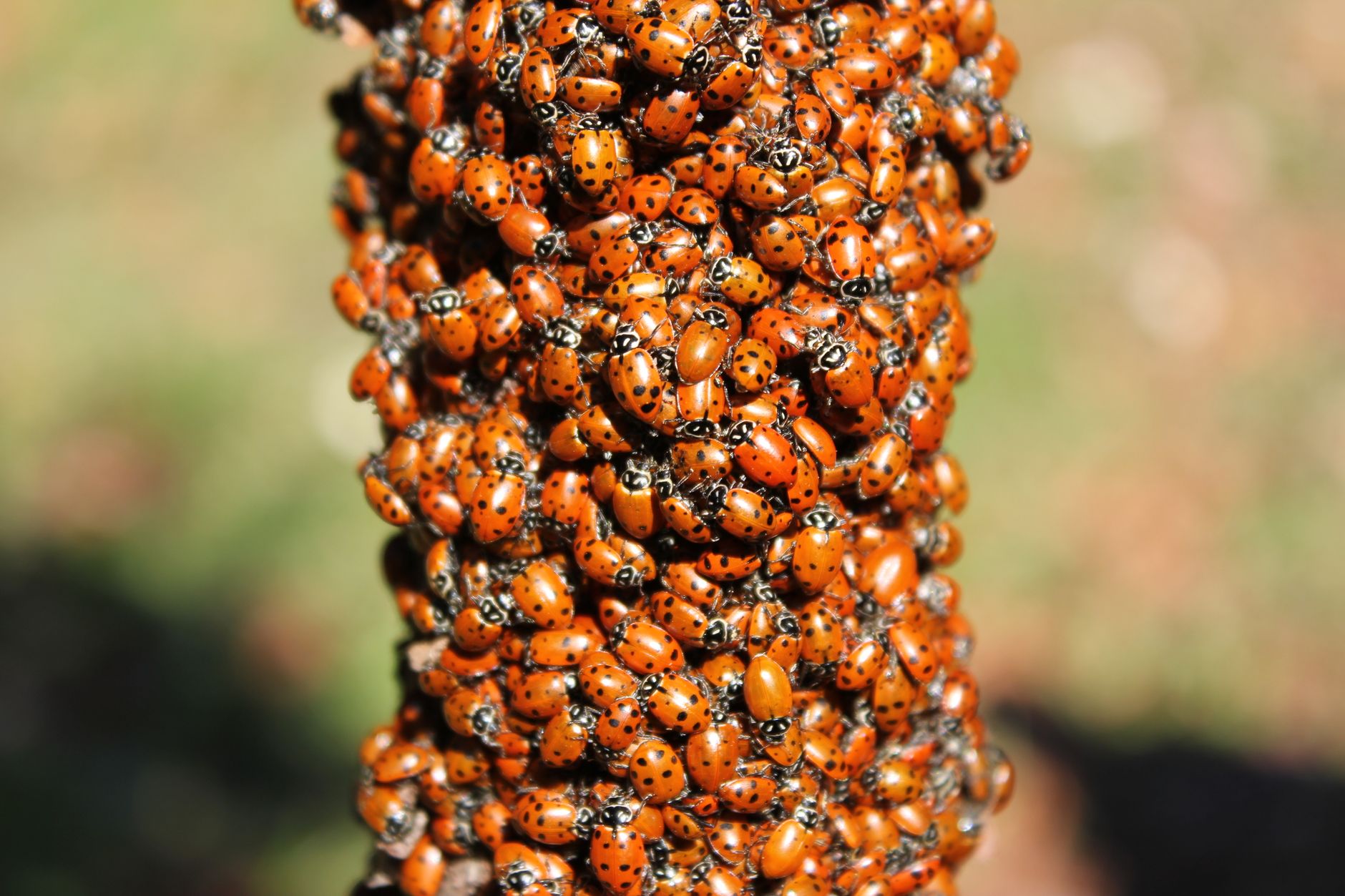
Ladybugs: Ladybugs feed on scale insects and their eggs.
Parasitic wasps: Tiny wasps that lay eggs inside scale insects, killing them.
How to use: Release beneficial insects in the evening.
Benefits: They provide long-term, sustainable control.
Attracting: Plant flowers like dill, fennel, and yarrow to attract beneficial insects.
Prevent Future Scale Infestations

Quarantine new plants: Isolate new plants for 2-3 weeks before introducing them.
Inspect regularly: Check plants regularly for signs of scale.
Prune infested branches: Remove and discard heavily infested branches.
Maintain plant health: Healthy plants are less susceptible to scale.
Clean tools: Sterilize pruning tools after handling infested plants.
Common problems and fixes
| Problem | Likely cause | What to do |
|---|---|---|
| Scale returning quickly | Not treating crawlers or re-infestation from nearby plants. | Treat during the crawler stage. Treat all nearby plants. |
| Leaf burn after treatment | Sprayed in hot, sunny weather or too high concentration. | Spray in the evening. Reduce concentration. |
| Treatment not working | Resistance or wrong treatment. | Rotate treatments (oil, soap, neem oil). |
| Scale on houseplants | Infested plants brought indoors. | Quarantine new plants. Scrape and treat with neem oil. |
Gardener's checklist
Test what you learned
What do scale insects look like?
Answer: Small, brown bumps on stems and leaves
What is the simplest method for small scale infestations?
Answer: Scraping them off
What oil suffocates scale insects?
Answer: Horticultural oil
What stage of scale is easiest to control?
Answer: Crawler (nymph)
What is a natural predator of scale insects?
Answer: Ladybugs
Common questions
Can scale insects kill plants?
Yes, a severe infestation can weaken plants, cause leaf drop, and eventually kill them.
Do scale insects fly?
Adult female scale insects don't fly. Male scale insects have wings and can fly.
Does neem oil kill scale insects?
Yes, neem oil is effective against scale insects. It suffocates them and disrupts their feeding and reproduction.
How do I prevent scale on houseplants?
Quarantine new plants, inspect plants regularly, and maintain good plant health.
Can I use rubbing alcohol to kill scale?
Yes, rubbing alcohol can kill scale on contact. Use a cotton swab dipped in 70% isopropyl alcohol to apply directly to scale insects.
Scale insects are persistent pests that can damage a wide range of plants, but you can control them with a combination of methods. Start by scraping them off with your fingernail or a soft brush. Apply horticultural oil or neem oil to suffocate them. Use insecticidal soap during the crawler stage for effective control. For heavy infestations, use systemic insecticides (like imidacloprid). Introduce beneficial insects like ladybugs or parasitic wasps for long-term control. Prevention is essential: quarantine new plants, inspect regularly, and prune infested branches. With persistence and a multi-method approach, you can eliminate scale and keep your plants healthy.
Frequently asked questions
How often should a vegetable garden be watered?
Frequency depends on weather, soil and plant size. Check the soil rather than watering on a rigid schedule.
Is compost enough fertilizer?
Compost improves soil and provides nutrients slowly. Heavy-feeding crops may still need additional feeding.

The Sproutstead Editorial Team
We create clear, practical gardening and homesteading guides designed for real homes and beginner growers.
View author profile →