Squash bugs are destructive pests that feed on squash, pumpkins, and other cucurbits, causing wilting, yellowing, and plant death. To control squash bugs naturally, hand-pick adults and eggs (scrape off egg clusters and drop bugs in soapy water). Use floating row covers to protect young plants. Apply neem oil or insecticidal soap to kill nymphs. Introduce beneficial insects like tachinid flies and parasitic wasps. Use trap crops (Blue Hubbard squash) to lure bugs away. For severe infestations, use pyrethrin-based insecticides. Prevention is key: remove plant debris in fall, rotate crops, and use resistant varieties.
What you will need
Identify Squash Bugs and Signs of Damage
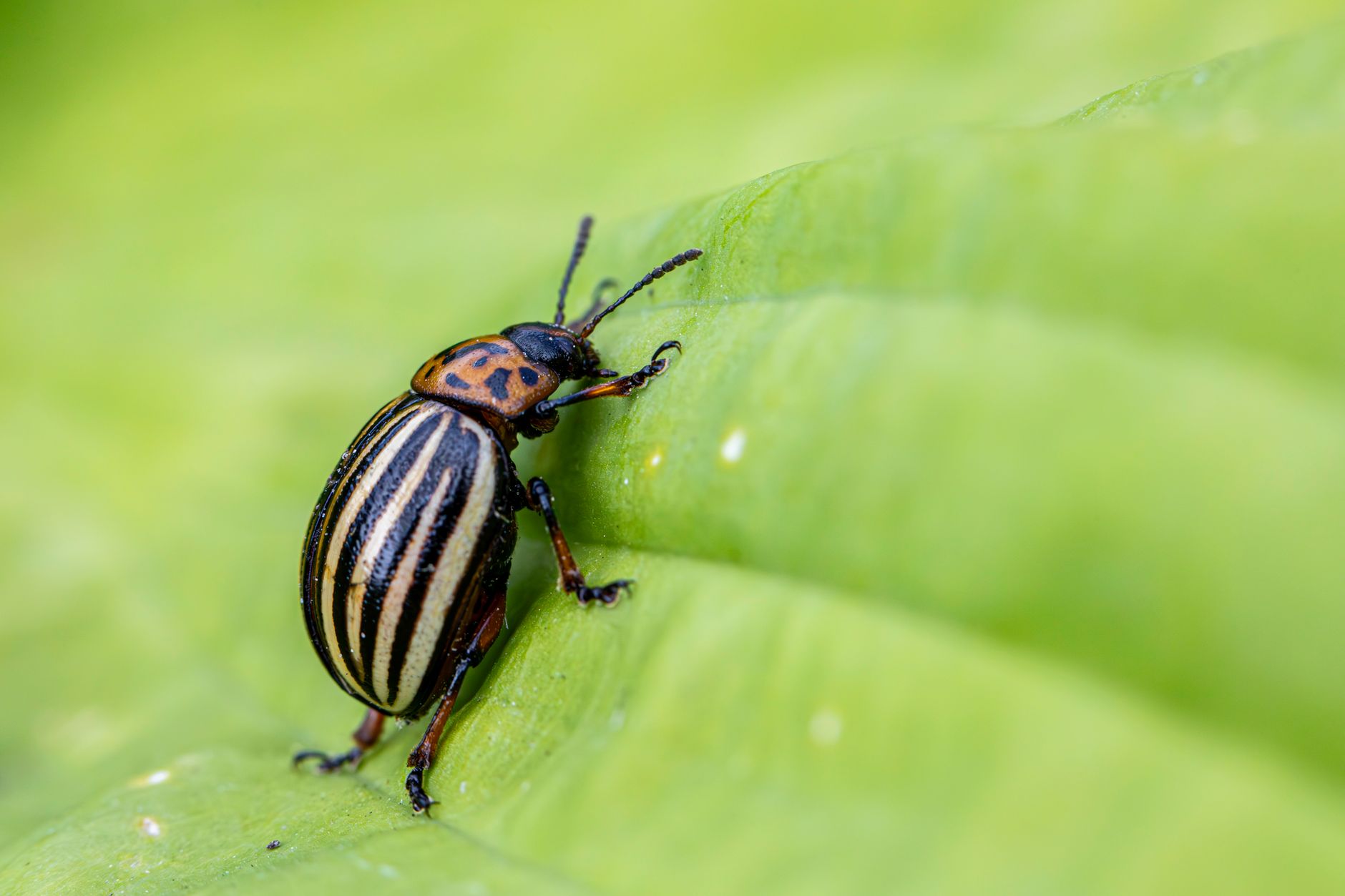
What they look like: Adults are 1/2 to 3/4 inch long, brownish-gray with flat, shield-shaped bodies. Nymphs are smaller, light gray with black legs.
Eggs: Bronze-colored, laid in clusters on the undersides of leaves.
Where to find them: On squash, pumpkin, cucumber, and melon plants. They hide under leaves and at the base of plants.
Signs of damage: Wilting, yellowing, and collapse of plants. Leaves may show yellow spots that turn brown.
Why they're a problem: They feed on plant sap, inject toxins that cause wilting, and can kill plants quickly.
Hand-Pick Adults and Remove Eggs
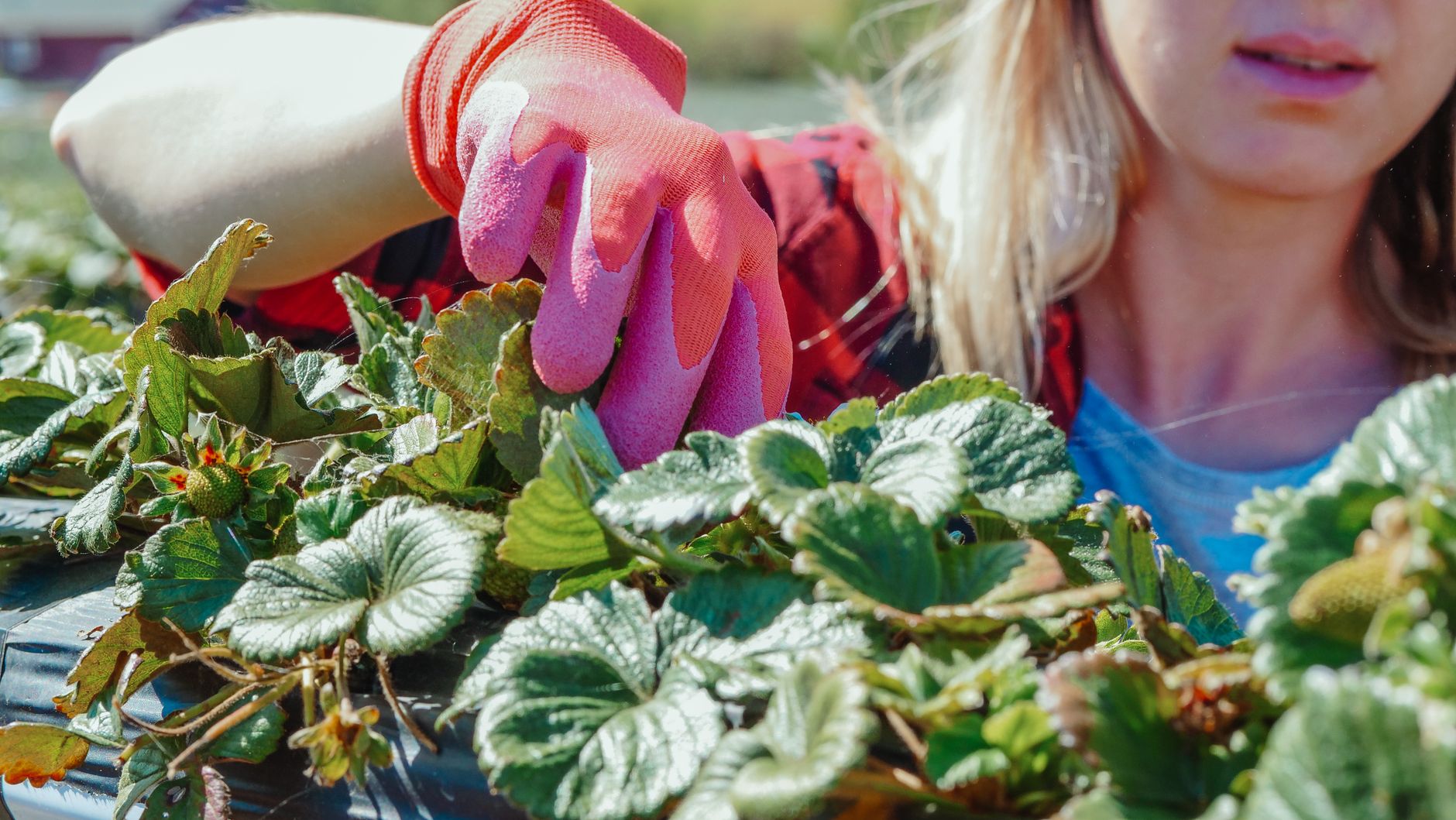
How it works: Hand-picking removes bugs and eggs from plants, reducing the population.
How to do it: Scrape egg clusters off leaves with your fingernail or duct tape. Drop adults and nymphs into a bucket of soapy water.
Best time: Early morning or evening when bugs are less active.
Frequency: Check plants daily during the growing season.
Tip: Look for eggs on the undersides of leaves—they're the easiest to miss.
Use Floating Row Covers
How it works: Row covers create a physical barrier that prevents squash bugs from reaching plants.
How to use: Drape row covers over plants and secure the edges with soil or rocks.
Best for: Young plants and early in the season.
Removal: Remove covers when plants start to flower for pollination.
Benefits: Row covers also protect from other pests and frost.
Use Trap Crops
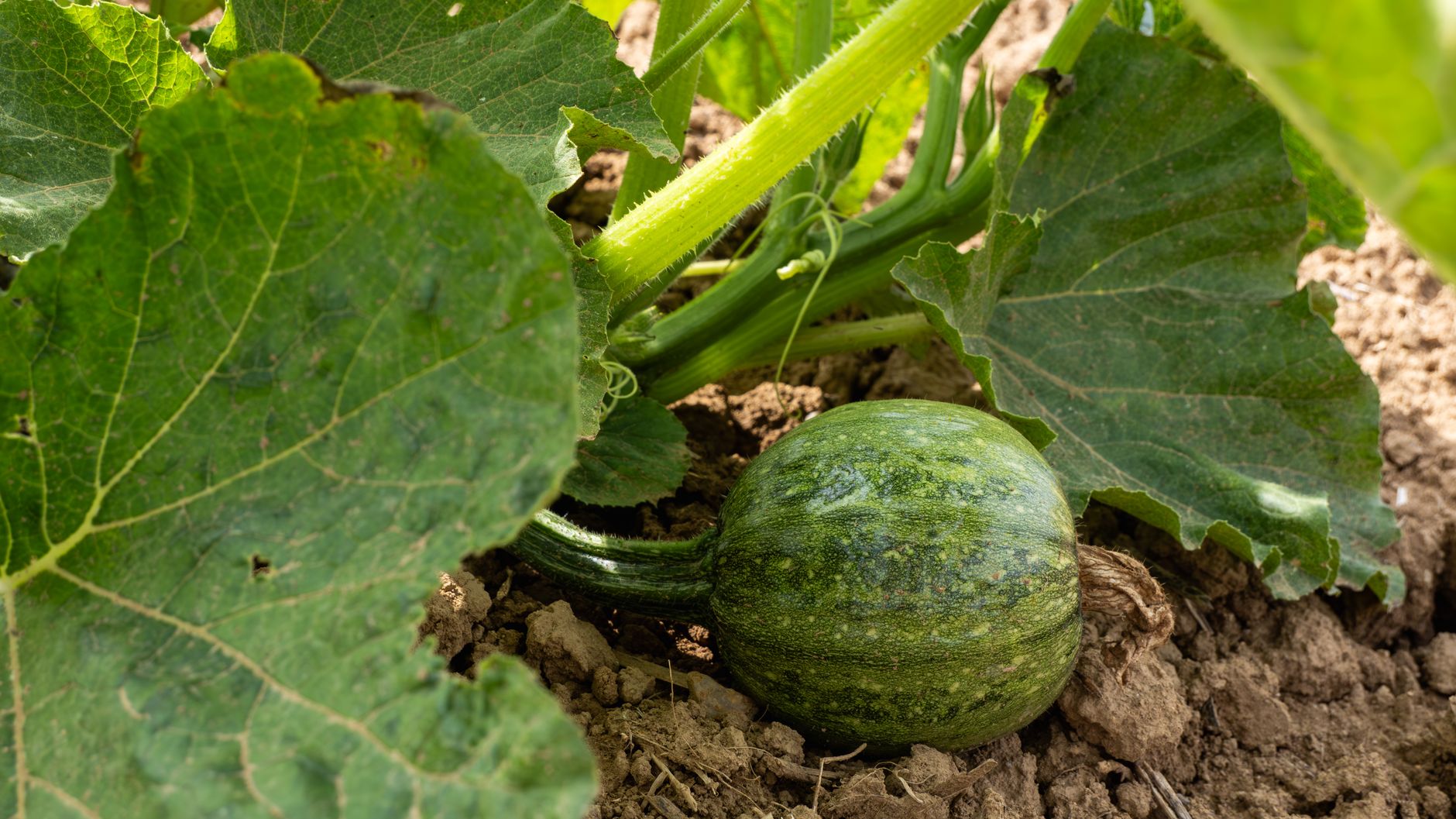
How it works: Trap crops are plants that are more attractive to pests than your main crop. Squash bugs prefer Blue Hubbard squash.
How to use: Plant Blue Hubbard squash around the perimeter of your garden. Monitor and remove bugs from the trap crop.
Best for: Large gardens and farms.
Benefits: It reduces the pest pressure on your main crop.
Maintenance: Check the trap crop regularly and remove bugs.
Apply Neem Oil or Insecticidal Soap
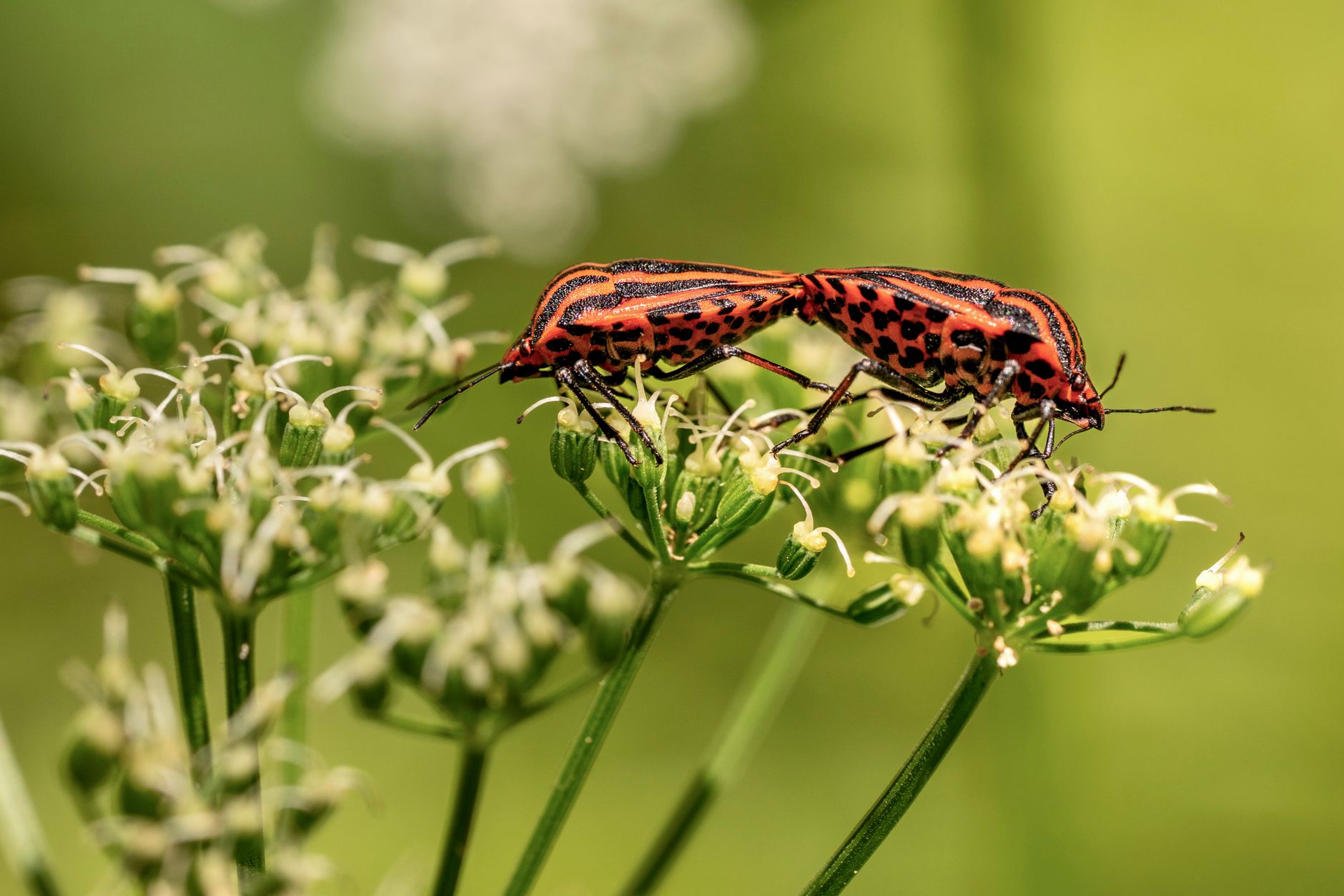
How it works: Neem oil and insecticidal soap kill squash bug nymphs on contact. They're less effective on adults.
How to use: Spray on nymphs and eggs, covering all leaf surfaces (especially undersides).
Application: Apply every 5-7 days until the infestation is gone.
Best time: Spray in the evening to avoid burning leaves.
Important: Always test on a small area first.
Encourage Natural Predators
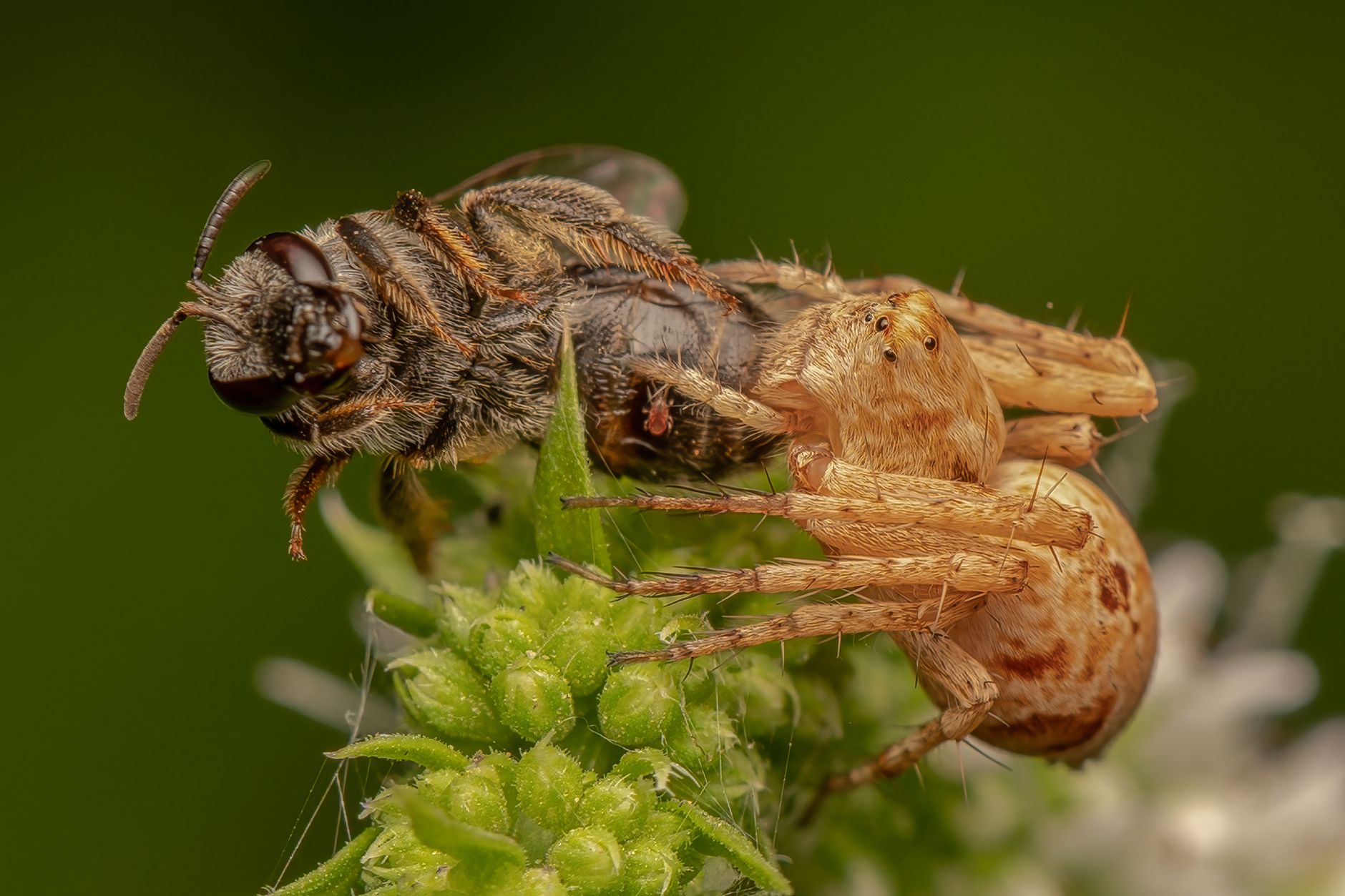
Tachinid flies: Lay eggs on squash bugs. The larvae burrow into the bugs and kill them.
Parasitic wasps: Wasps parasitize squash bug eggs.
How to attract: Plant flowers like dill, fennel, and yarrow to attract beneficial insects.
Benefits: They provide long-term, sustainable control.
Avoid pesticides: Avoid broad-spectrum pesticides that kill beneficial insects.
Use Pyrethrin-Based Insecticides
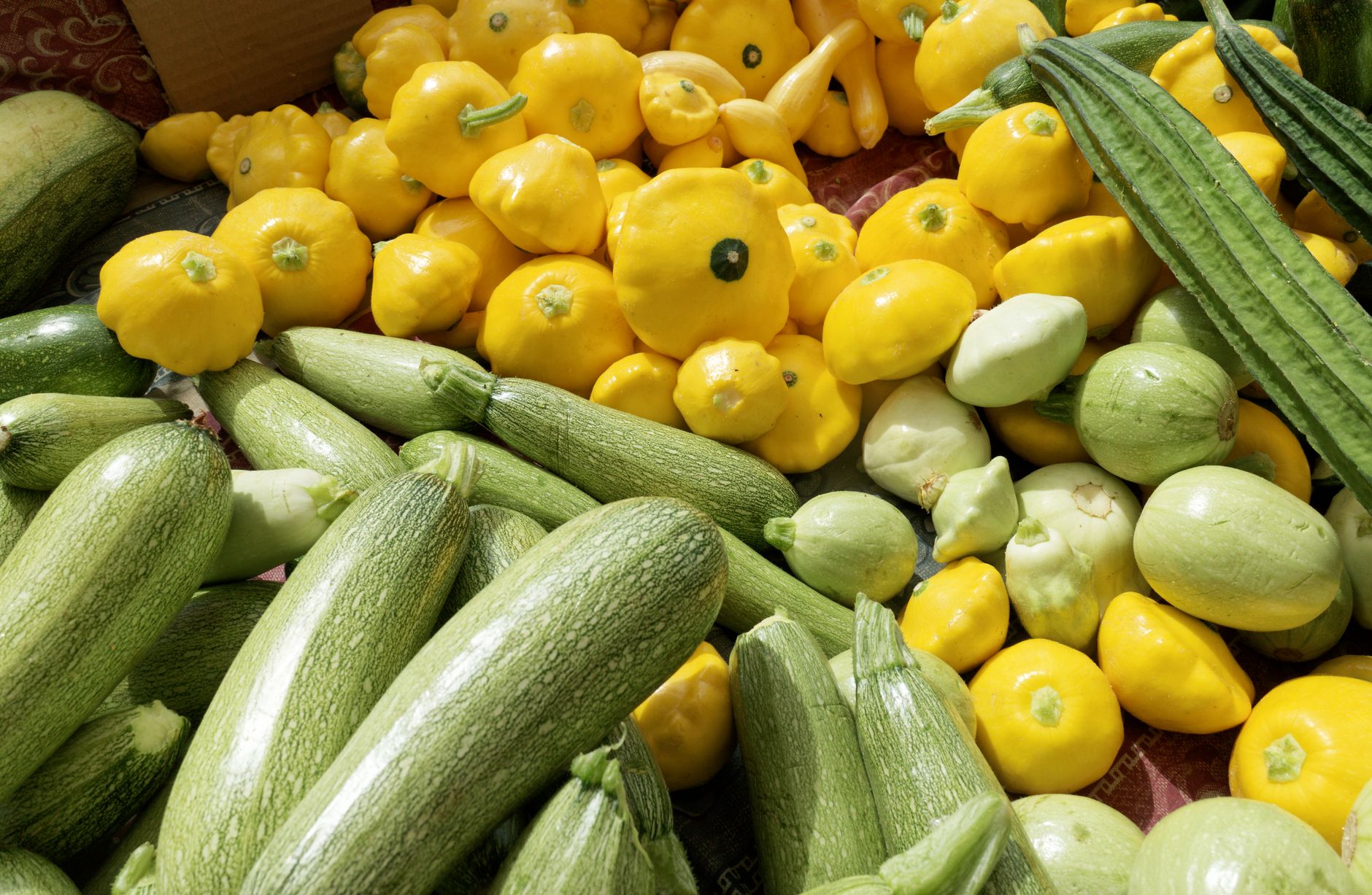
How it works: Pyrethrin is a natural insecticide derived from chrysanthemums. It kills squash bugs on contact.
When to use: Use for severe infestations or when other methods haven't worked.
Application: Spray directly on bugs in the evening. Follow label instructions.
Caution: Pyrethrin is toxic to bees and beneficial insects. Use sparingly.
Safety: Wear gloves and protective clothing when applying.
Prevent Future Infestations

Remove plant debris: Squash bugs overwinter in plant debris. Remove and destroy plant material in fall.
Rotate crops: Don't plant cucurbits in the same spot for 2-3 years.
Resistant varieties: Some squash varieties are more resistant to squash bugs.
Clean tools: Clean tools after working with infested plants.
Monitor: Check plants regularly for early signs of infestation.
Common problems and fixes
| Problem | Likely cause | What to do |
|---|---|---|
| Squash bugs returning quickly | Eggs hatching or re-infestation from nearby plants. | Check and remove eggs daily. Treat nymphs with neem oil. |
| Neem oil not working | Applied too late or not enough coverage. | Apply to nymphs and eggs. Spray thoroughly on undersides of leaves. |
| Plants wilting despite treatment | Bugs already injected toxins or root damage. | Remove severely infested plants. Focus on saving healthy ones. |
| Trap crop attracting more bugs | Trap crop not managed properly. | Check trap crop regularly and remove bugs. Remove trap crop at end of season. |
Gardener's checklist
Test what you learned
What do squash bug eggs look like?
Answer: Bronze-colored clusters
What is the most effective natural control method for squash bugs?
Answer: Hand-picking and removing eggs
What plant is a good trap crop for squash bugs?
Answer: Blue Hubbard squash
What is a natural predator of squash bugs?
Answer: Tachinid flies
What should you do in fall to prevent squash bugs?
Answer: Remove plant debris
Common questions
Can squash bugs kill plants?
Yes, squash bugs can kill plants by feeding on sap and injecting toxins that cause wilting and collapse.
Do squash bugs bite humans?
Squash bugs don't bite humans. They feed only on plants.
How do squash bugs overwinter?
Squash bugs overwinter as adults in plant debris, under rocks, and in protected areas.
Do squash bugs affect all cucurbits?
They prefer squash and pumpkins but can also affect cucumbers, melons, and other cucurbits.
Are there resistant squash varieties?
Some varieties, like Butternut squash, are more resistant to squash bugs than others.
Squash bugs can devastate squash, pumpkin, and cucumber plants, but you can control them with a combination of methods. Hand-picking adults and removing egg clusters is the most effective natural control. Use floating row covers to protect young plants and plant trap crops (Blue Hubbard squash) to lure bugs away. Apply neem oil or insecticidal soap to kill nymphs. Encourage natural predators like tachinid flies and parasitic wasps. In fall, remove plant debris and rotate crops to prevent overwintering. With persistence and a multi-method approach, you can keep squash bugs from damaging your garden.
Frequently asked questions
How often should a vegetable garden be watered?
Frequency depends on weather, soil and plant size. Check the soil rather than watering on a rigid schedule.
Is compost enough fertilizer?
Compost improves soil and provides nutrients slowly. Heavy-feeding crops may still need additional feeding.

The Sproutstead Editorial Team
We create clear, practical gardening and homesteading guides designed for real homes and beginner growers.
View author profile →