Nutsedge (also called nutgrass) is a persistent perennial weed that looks like grass but grows faster and has triangular stems and yellow-green leaves. The most effective control is a selective herbicide containing halosulfuron (Sedgehammer) or sulfosulfuron (Certainty). Apply in spring or early summer when nutsedge is actively growing. For natural control, improve lawn health (mow high, water deeply) to encourage grass competition, and manually remove plants (including tubers) when the soil is moist. Corn gluten meal is not effective on nutsedge. Prevention is key: avoid overwatering and maintain a dense, healthy lawn.
What you will need
Identify Nutsedge

What it looks like: Grass-like plant with triangular stems (not round like grass). Leaves are yellow-green and glossy. Grows faster than lawn grass.
Where it grows: In lawns, gardens, and moist areas. Thrives in poorly drained soil.
How it spreads: By underground tubers (nutlets) and seeds. Tubers can survive for years in the soil.
Why it's a problem: It's aggressive, grows faster than grass, and is difficult to control due to its tubers.
Best time to control: Spring to early summer when nutsedge is actively growing.
Use Selective Herbicides

What to use: Use a selective herbicide containing halosulfuron (Sedgehammer) or sulfosulfuron (Certainty). These are specifically for nutsedge and sedges.
When to apply: Apply in spring or early summer when nutsedge is actively growing (3-4 leaf stage).
How to apply: Follow label instructions. Apply as a spray or granular product.
Reapplication: A second application 3-4 weeks later may be needed for full control.
Caution: These herbicides are safe for most lawn grasses but follow label instructions carefully.
Improve Lawn Health

Mow high: Keep grass at 3-4 inches to shade the soil and reduce nutsedge growth.
Water properly: Nutsedge thrives in moist soil. Water deeply but infrequently (1 inch per week).
Fertilize: Use a balanced fertilizer to promote grass growth. Healthy grass outcompetes weeds.
Aerate: Aerate the lawn to reduce compaction and improve drainage.
Overseed: Fill bare patches with grass seed in fall to prevent nutsedge.
Avoid Overwatering
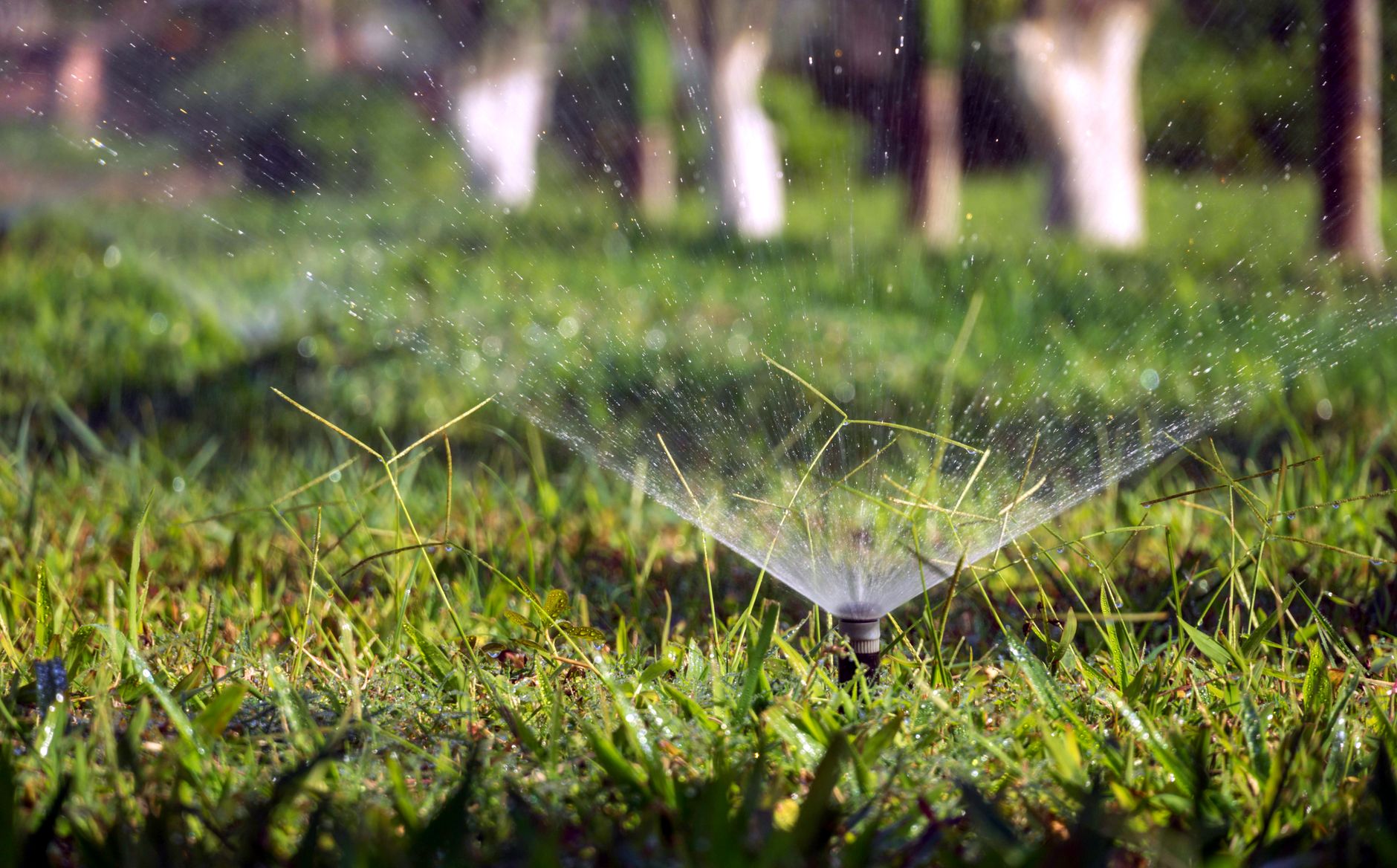
Why it matters: Nutsedge thrives in wet, poorly drained soil. Reducing moisture discourages its growth.
How to do it: Water deeply and infrequently (1 inch per week). Allow the soil to dry between waterings.
Improve drainage: Improve soil drainage by aerating and adding organic matter.
Monitor: Check soil moisture before watering—don't water if the soil is still moist.
Benefits: Proper watering also promotes deep root growth in grass.
Hand Removal (With Caution)

When to pull: Pull nutsedge when the soil is moist (after rain or watering).
How to do it: Grasp the plant at the base and pull firmly. Try to remove the entire root system, including tubers.
Challenges: If you leave tubers behind, the plant will regrow. Pulling is most effective for small infestations.
Frequency: Remove new growth as soon as you see it.
Disposal: Bag pulled nutsedge and throw it away—don't compost it.
Use Solarization

How it works: Solarization uses the sun's heat to kill weeds and their seeds.
How to do it: Cover the infested area with clear plastic in summer. Leave it for 4-6 weeks.
Best for: Garden beds and areas where you want to kill nutsedge before planting.
Benefits: It's chemical-free and effective against tubers.
Limitations: Requires warm weather and isn't practical for large lawns.
Apply Organic Mulch
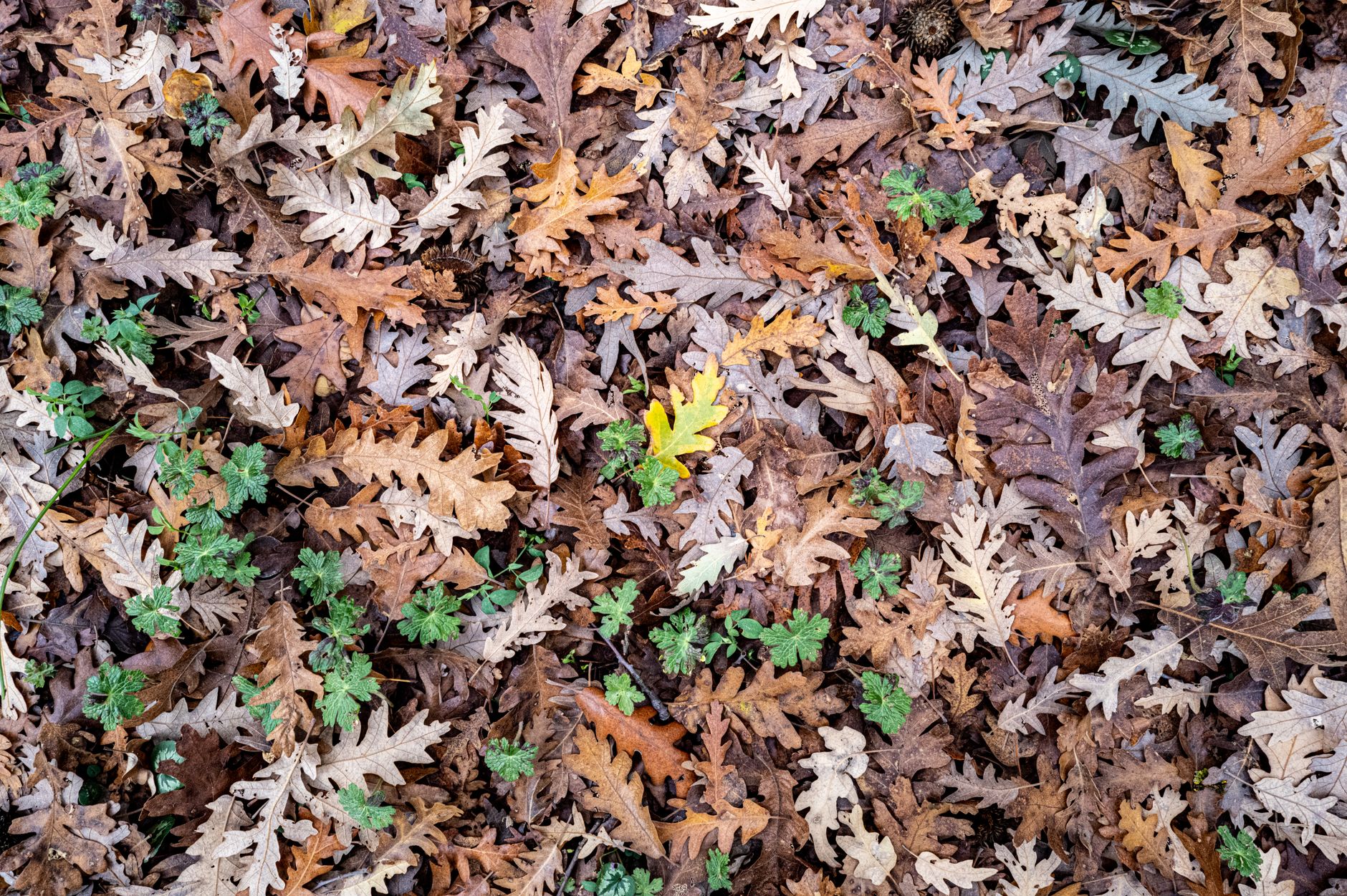
How it works: Mulch blocks sunlight and suppresses nutsedge growth.
How to use: Apply 3-4 inches of mulch (wood chips, straw, or bark) in garden beds.
Best for: Garden beds and landscaped areas.
Benefits: Mulch also retains soil moisture and improves soil health.
Limitations: Not practical for entire lawns.
Prevent Future Nutsedge Problems
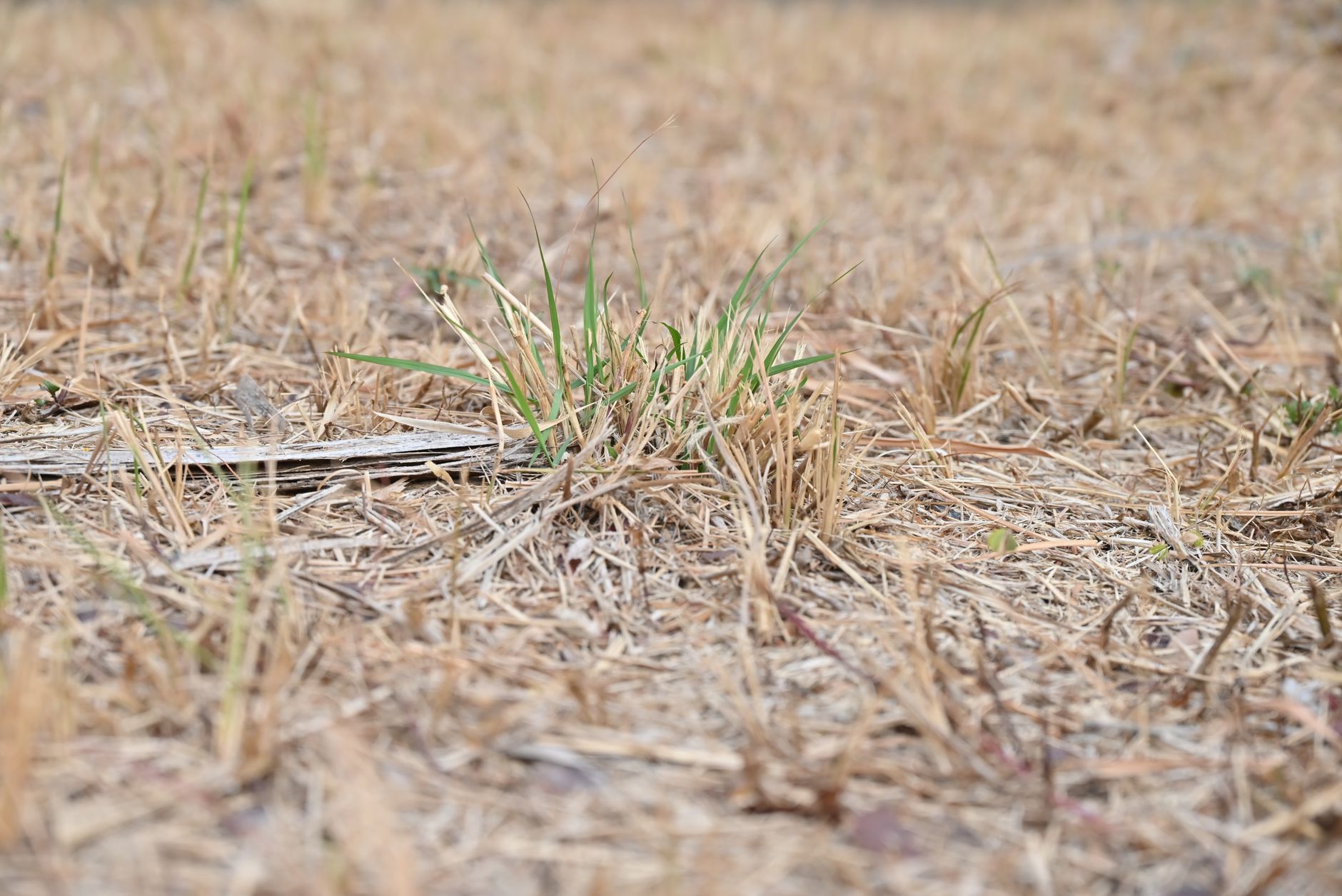
Maintain a healthy lawn: A thick, dense lawn crowds out nutsedge.
Avoid overwatering: Nutsedge thrives in wet soil. Water deeply but infrequently.
Mow high: Keep grass at 3-4 inches to shade the soil.
Improve drainage: Aerate and amend soil to improve drainage.
Monitor: Check your lawn regularly for signs of nutsedge.
Common problems and fixes
| Problem | Likely cause | What to do |
|---|---|---|
| Nutsedge keeps returning | Tubers left in the soil or overwatering. | Use selective herbicide and improve drainage. |
| Herbicide not working | Applied too late or incorrect product. | Apply in spring when nutsedge is actively growing. Use halosulfuron. |
| Nutsedge in garden beds | Tubers brought in or poor drainage. | Apply mulch and improve drainage. Use solarization. |
| Hand-pulling not effective | Not removing tubers. | Remove all tubers and apply herbicide to regrowth. |
Gardener's checklist
Test what you learned
What is the most effective herbicide for nutsedge?
Answer: Halosulfuron (Sedgehammer)
What is the identifying feature of nutsedge?
Answer: Triangular stems
What condition does nutsedge thrive in?
Answer: Wet soil
What mowing height helps prevent nutsedge?
Answer: 3-4 inches
How should you water to prevent nutsedge?
Answer: Deep, infrequent watering
Common questions
Is nutsedge a grass or a weed?
Nutsedge is a sedge, not a grass. It's a persistent perennial weed that's difficult to control.
Can I use vinegar to kill nutsedge?
Vinegar may kill the top growth but won't kill the tubers. It's not effective for long-term control.
Does nutsedge have seeds?
Yes, nutsedge produces seeds, but it spreads primarily through underground tubers.
How long do nutsedge tubers survive?
Nutsedge tubers can survive for several years in the soil, making it difficult to control.
Can I use corn gluten meal for nutsedge?
Corn gluten meal is not effective for nutsedge. Use a selective herbicide like halosulfuron.
Nutsedge is one of the most persistent lawn weeds, but it can be controlled with the right methods. Use a selective herbicide like halosulfuron (Sedgehammer) in spring or early summer for effective control. Maintain a healthy lawn by mowing high, watering deeply but infrequently, and fertilizing properly—a thick lawn is the best defense. Avoid overwatering, as nutsedge thrives in wet soil. Hand-pull nutsedge when the soil is moist, but ensure you remove all tubers. With consistent care and the right approach, you can keep your lawn nutsedge-free.
Frequently asked questions
How often should a vegetable garden be watered?
Frequency depends on weather, soil and plant size. Check the soil rather than watering on a rigid schedule.
Is compost enough fertilizer?
Compost improves soil and provides nutrients slowly. Heavy-feeding crops may still need additional feeding.

The Sproutstead Editorial Team
We create clear, practical gardening and homesteading guides designed for real homes and beginner growers.
View author profile →