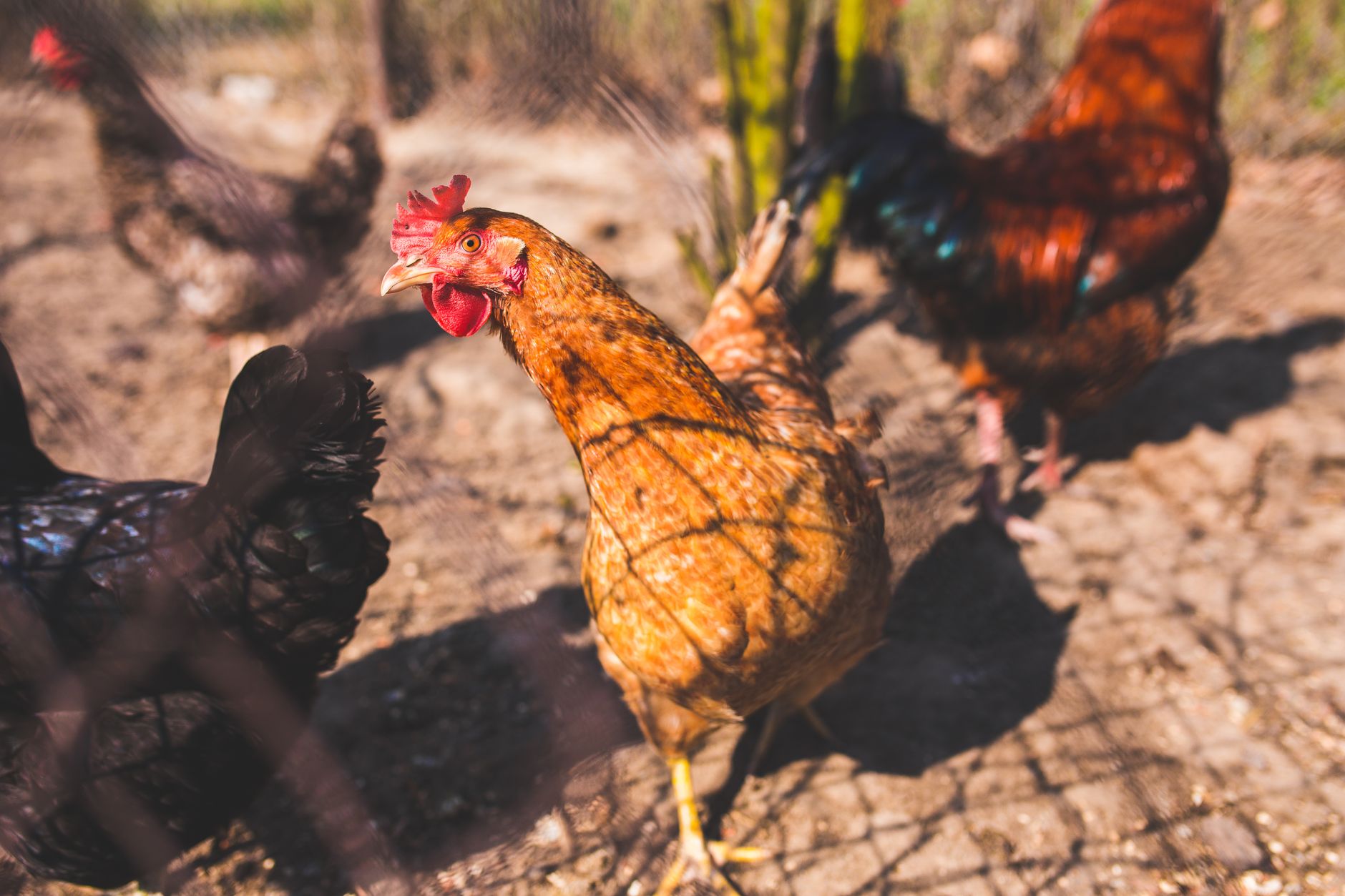
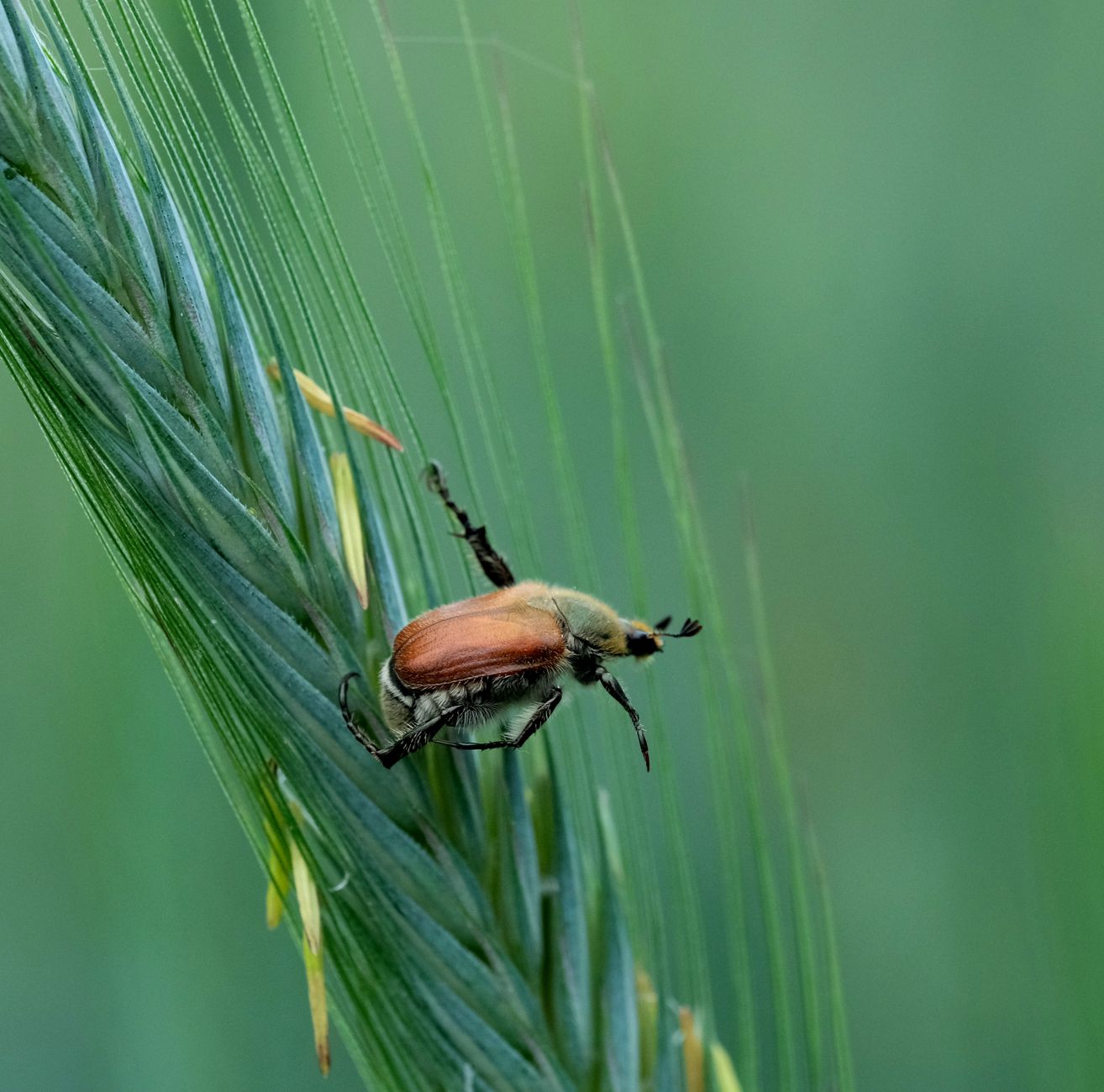
Grubs are the larval stage of beetles (Japanese beetles, June bugs, chafers) that feed on grass roots, causing brown patches and lawn damage. To control grubs naturally, introduce beneficial nematodes (Heterorhabditis bacteriophora) in late summer—they infect and kill grubs. Apply milky spore (Bacillus popilliae) for long-term control of Japanese beetle grubs. Use chemical controls (imidacloprid or chlorantraniliprole) for severe infestations. Prevention is key: maintain a healthy lawn (mow high, water deeply), remove thatch, and overseed. Grubs are most active in late summer and fall, so apply treatments then. A healthy lawn can tolerate some grubs without treatment—sampling can help determine if control is needed.
What you will need
Identify Grubs and Signs of Damage

What they look like: White, C-shaped grubs (1/2-1 inch long) with brown heads and six legs. They're the larvae of beetles (Japanese beetles, June bugs, chafers).
Where they live: In the soil, feeding on grass roots. They're most active 2-4 inches below the surface.
Signs of damage: Brown or dead patches of grass that pull up easily (like carpet), spongy turf, and animals (raccoons, skunks, birds) digging for grubs.
When they're active: Grubs feed in late summer to fall (August-November) and again in spring. The most damage occurs in late summer.
Sampling: Cut a 1x1 foot square of sod (3-4 inches deep). Count the grubs. 5+ grubs per square foot may require treatment.
Introduce Beneficial Nematodes
How it works: Nematodes (Heterorhabditis bacteriophora) infect and kill grubs in the soil. They enter the grub and release bacteria that kill it.
When to apply: Apply in late summer (August-September) when grubs are actively feeding and the soil temperature is 55-90°F.
How to apply: Follow package instructions. Mix with water and apply to the lawn using a sprayer or hose-end sprayer.
Water: Water the lawn before and after application to help nematodes move into the soil.
Benefits: Nematodes are safe for pets, wildlife, and beneficial insects.
Apply Milky Spore
How it works: Milky spore (Bacillus popilliae) is a bacterium that infects and kills Japanese beetle grubs. It's safe for pets, wildlife, and beneficial insects.
When to apply: Apply in spring or fall. It's most effective when soil temperatures are 60-85°F.
How to apply: Apply as a powder or granular product. Follow package instructions.
Long-term control: Once established, milky spore can persist in the soil for 10+ years.
Patience: It takes 2-3 years to build up effective levels in the soil.
Use Chemical Grub Control
When to use: Use chemical controls for severe infestations (10+ grubs per square foot) or when other methods have failed.
What to use: Products containing imidacloprid (curative) or chlorantraniliprole (preventive) are effective.
Timing: Apply imidacloprid in spring or fall. Apply chlorantraniliprole in spring (prevents grubs all season).
How to apply: Follow label instructions. Apply as a granular or liquid product and water in.
Caution: Chemical controls can harm beneficial insects and soil organisms. Use sparingly and follow label instructions.
Maintain a Healthy Lawn
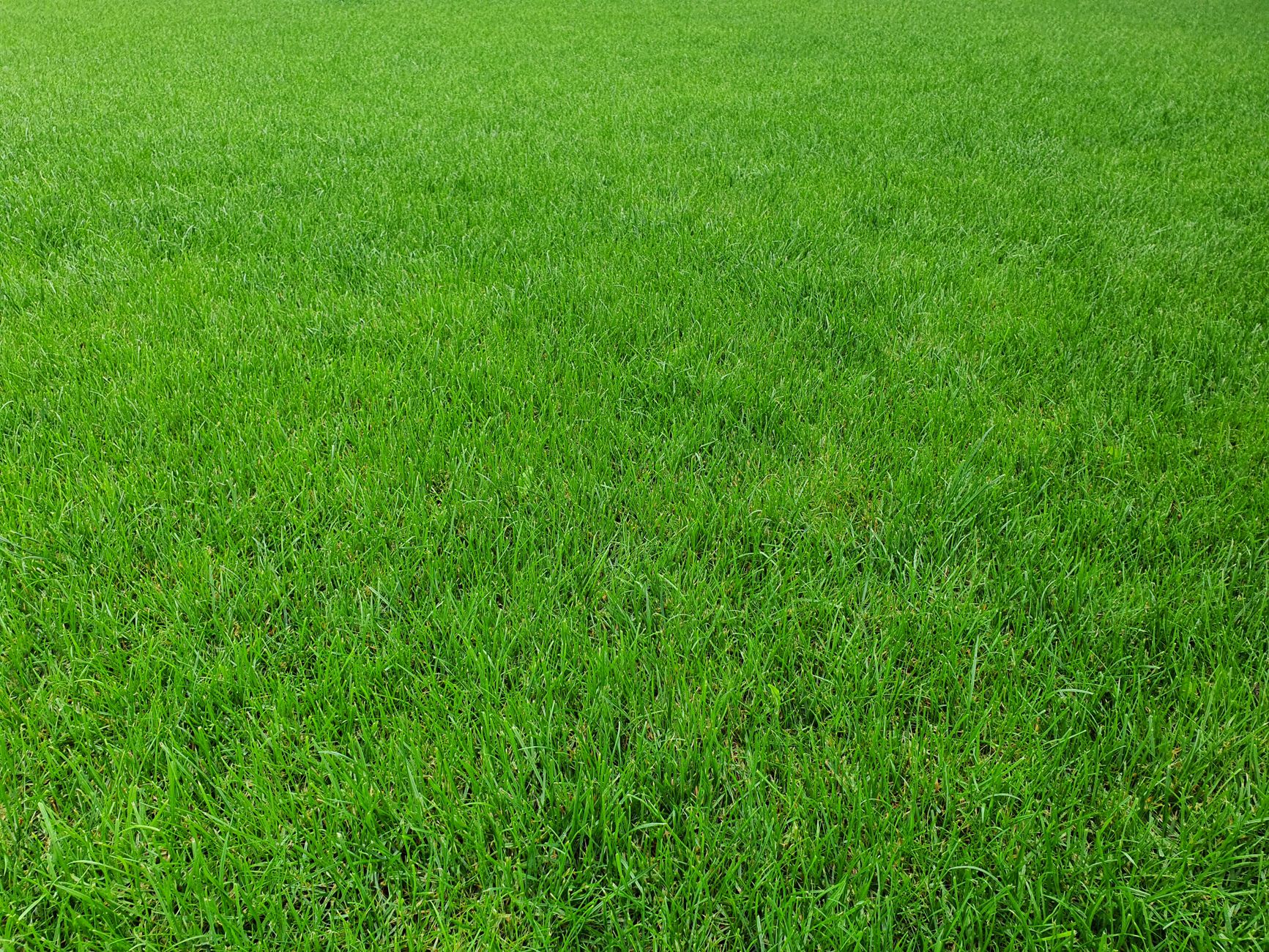
Mow high: Keep grass at 3-4 inches to promote deep root growth.
Water deeply: Water 1 inch per week, deeply and infrequently. Deep watering encourages deep roots.
Fertilize properly: Use a balanced fertilizer in spring and fall. Healthy grass can tolerate some grub feeding.
Remove thatch: Thatch is a layer of dead grass between the soil and grass. Remove thatch if it's more than 1/2 inch thick.
Overseed: Fill bare patches with grass seed in fall to thicken the lawn.
Encourage Natural Predators
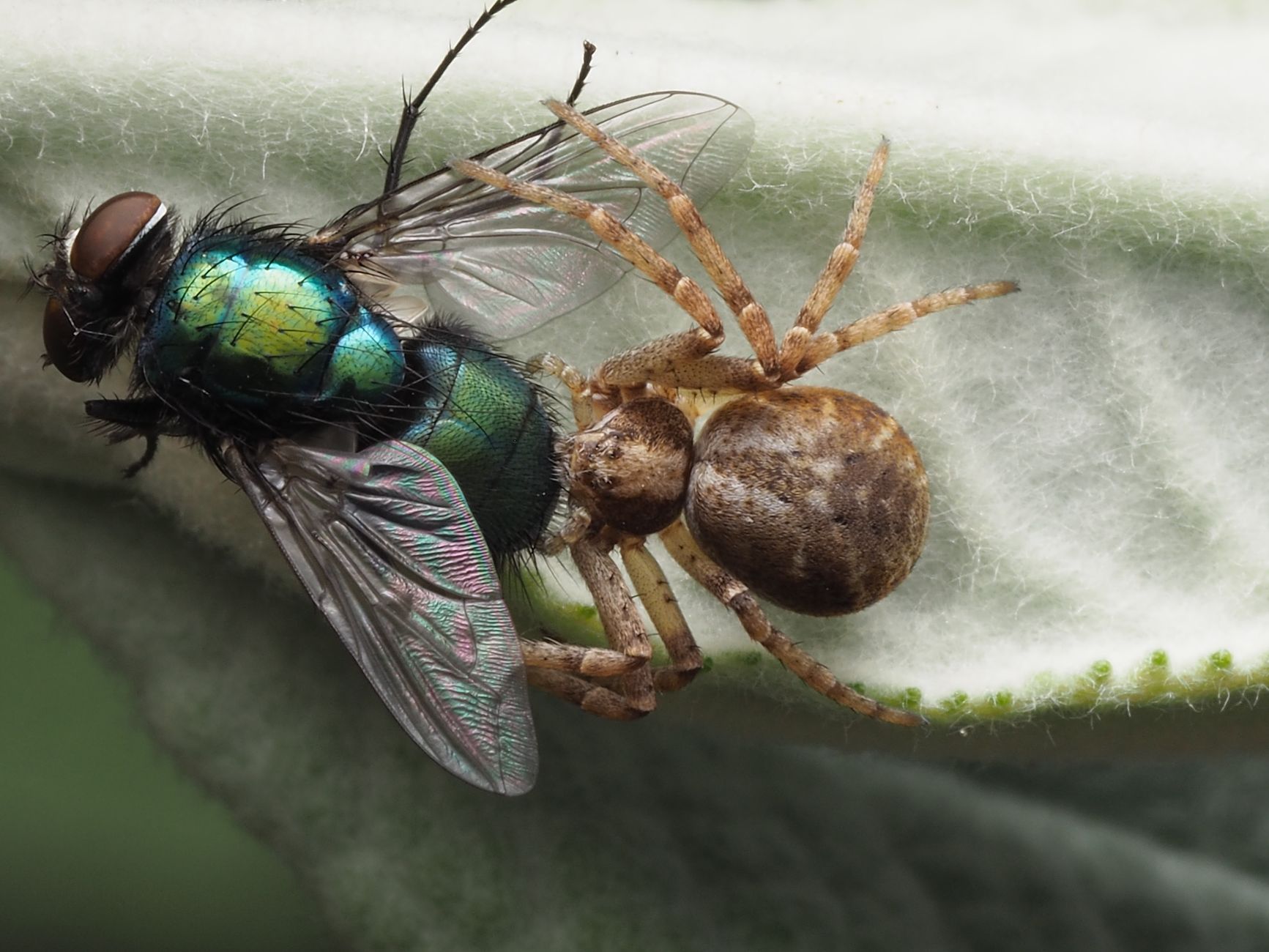
Birds: Robins, starlings, and crows eat grubs. Attract them with bird feeders and birdbaths.
Ground beetles: These beetles eat grubs and other pests. Plant ground cover to attract them.
Parasitic wasps: Some wasps parasitize grubs. Plant flowers to attract them.
Toads: Toads eat grubs. Provide shallow water and shelter.
Nematodes: Apply beneficial nematodes for natural control.
Remove Thatch
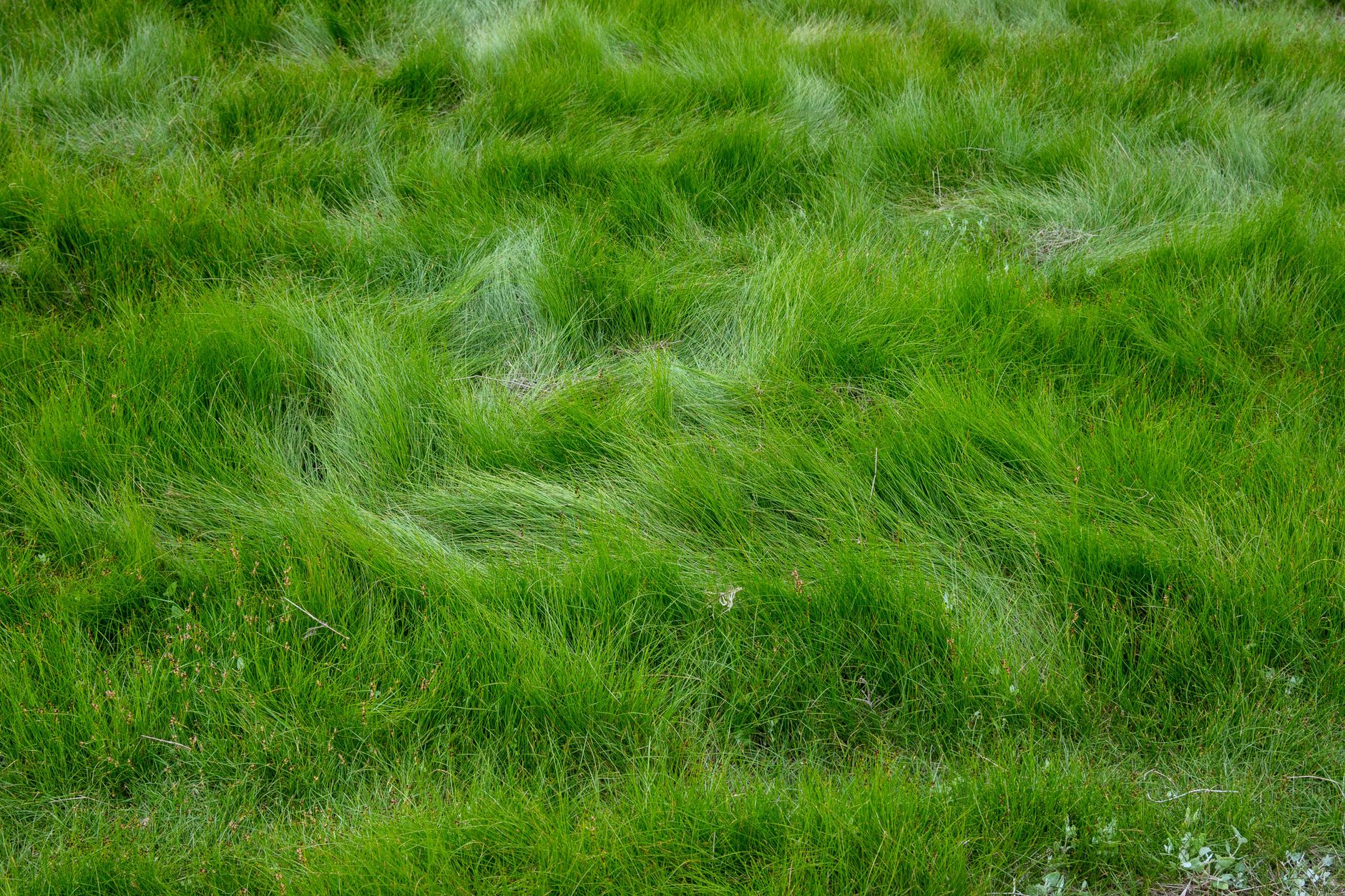
What is thatch: Thatch is a layer of dead grass, stems, and roots between the soil and grass.
Why it's a problem: Thatch provides habitat for grubs and beetles. It also prevents water and nutrients from reaching the soil.
How to remove: Dethatch in spring or fall using a dethatching rake or power dethatcher.
Maintenance: Regular mowing and aeration help prevent thatch buildup.
Aerate: Aerate the lawn to improve soil drainage and reduce compaction.
Prevent Future Grub Problems
Maintain healthy lawn: A thick, healthy lawn resists grub damage.
Apply preventive controls: Apply chlorantraniliprole in spring to prevent grubs.
Remove thatch: Regular dethatching removes grub habitat.
Monitor: Check your lawn regularly for signs of grub damage.
Overseed: Fill bare patches in fall to thicken the lawn.
Common problems and fixes
| Problem | Likely cause | What to do |
|---|---|---|
| Grubs returning quickly | Beetles laying eggs again or not treating all areas. | Apply preventive controls (chlorantraniliprole) in spring. |
| Treatment not working | Wrong timing or wrong product. | Apply in late summer. Use nematodes, milky spore, or imidacloprid. |
| Animals digging up lawn | Grubs present (animals are foraging). | Control grubs to stop animals from digging. |
| Brown patches in lawn | Grub damage or other lawn issues. | Check for grubs by sampling the lawn. Treat if 5+ grubs per square foot. |
Gardener's checklist
Test what you learned
What is the most effective natural grub control?
Answer: Beneficial nematodes
How many grubs per square foot requires treatment?
Answer: 5+
When should you apply grub treatments?
Answer: Late summer
What does milky spore control?
Answer: Japanese beetle grubs only
What lawn care practice prevents grubs?
Answer: Mowing high and watering deeply
Common questions
Can grubs kill my lawn?
Yes, grubs can kill large areas of lawn by feeding on grass roots. The grass turns brown and can be pulled up like carpet.
What do grubs turn into?
Grubs are the larvae of beetles. They turn into Japanese beetles, June bugs, or chafers.
How long do grubs live?
Grubs live 1-3 years, depending on the species. Most grubs are in the larval stage for 9-12 months.
Are nematodes safe for pets?
Yes, beneficial nematodes are safe for pets, wildlife, and humans. They only infect and kill grubs and other soil-dwelling pests.
Can I treat grubs in spring?
Yes, spring treatments are effective for grubs. Apply in late spring (May-June) for best results. Fall is also effective.
Grubs can damage lawns by feeding on grass roots, but you can control them with a combination of methods. Introduce beneficial nematodes in late summer for effective natural control. Apply milky spore for long-term control of Japanese beetle grubs. Use chemical controls (imidacloprid or chlorantraniliprole) for severe infestations. Maintain a healthy lawn by mowing high, watering deeply, and removing thatch. Monitor your lawn regularly and treat when necessary. With persistence and a multi-method approach, you can keep grubs from damaging your lawn.
Frequently asked questions
How often should a vegetable garden be watered?
Frequency depends on weather, soil and plant size. Check the soil rather than watering on a rigid schedule.
Is compost enough fertilizer?
Compost improves soil and provides nutrients slowly. Heavy-feeding crops may still need additional feeding.

The Sproutstead Editorial Team
We create clear, practical gardening and homesteading guides designed for real homes and beginner growers.
View author profile →