Bindweed (field bindweed) is a persistent perennial vine that spreads by deep roots and seeds. It's one of the most difficult weeds to control. To get rid of bindweed, use a combination of methods: repeated hand-pulling (weaken the root system), smothering with cardboard and thick mulch (blocks light), and using systemic herbicides (glyphosate) applied to new growth. Solarization (clear plastic in summer) can kill roots. Prevention is key: remove bindweed before it flowers and sets seed, and maintain a dense garden that outcompetes it. Bindweed requires persistence—it may take 2-3 years to fully eliminate.
What you will need
Identify Bindweed

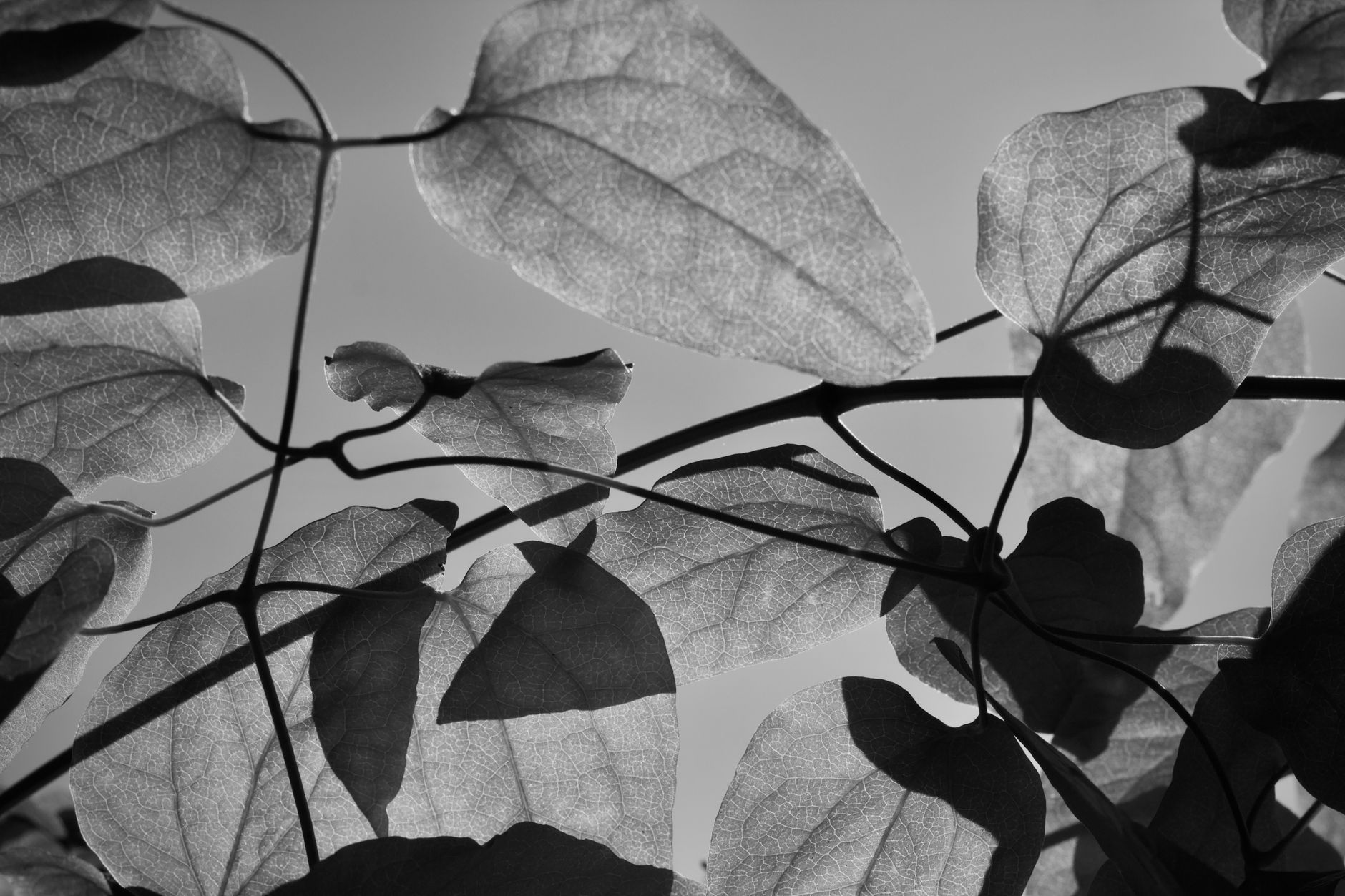
What it looks like: A creeping vine with arrowhead-shaped leaves and white or pink trumpet-shaped flowers (morning glory-like).
How it spreads: By deep roots (10-15 feet deep) and seeds. Roots can spread 10 feet per year.
Why it's a problem: It's one of the most persistent weeds. It outcompetes garden plants and is extremely difficult to eliminate.
When it's active: Grows in spring to fall. Flowers in summer.
Where it grows: Gardens, lawns, fields, and disturbed areas.
Pull Bindweed Repeatedly

How it works: Pulling removes the top growth. Repeated pulling starves the roots, eventually killing the plant.
How to do it: Pull bindweed as soon as you see it. Remove as much of the root as possible.
Frequency: Pull every 1-2 weeks during the growing season.
Best for: Small infestations and garden beds.
Important: Be persistent—it may take 2-3 years to fully eliminate bindweed by pulling.
Smother Bindweed

How it works: Smothering blocks sunlight, preventing bindweed from photosynthesizing and eventually killing the roots.
How to do it: Cover the area with layers of cardboard or newspaper (6-8 sheets). Wet it down. Cover with 4-6 inches of mulch (wood chips, straw).
Best for: Large areas and garden beds.
Duration: Leave the covering in place for at least 1-2 growing seasons.
Benefits: It's chemical-free and improves soil health.
Use Solarization
How it works: Solarization uses the sun's heat to kill weeds and their seeds.
How to do it: Cover the infested area with clear plastic in summer. Leave it for 4-6 weeks.
Best for: Garden beds and areas where you want to kill bindweed before planting.
Benefits: It's chemical-free and effective against roots and seeds.
Limitations: Requires warm weather and isn't practical for large lawns.
Apply Systemic Herbicide

How it works: Systemic herbicides (like glyphosate) are absorbed by the leaves and travel to the roots, killing the entire plant.
When to apply: Apply in summer (June-August) when bindweed is actively growing and flowering.
How to apply: Follow label instructions. Apply to the leaves on a calm, sunny day.
Reapplication: A second application 2-3 weeks later may be needed.
Caution: Glyphosate is non-selective—it can harm any plant it touches. Use a shield or apply carefully.
Use Paint-on Method for Herbicides

How it works: The paint-on method applies herbicide directly to bindweed leaves, avoiding nearby plants.
How to do it: Mix herbicide according to the instructions. Use a small brush or sponge to paint it on bindweed leaves.
Best for: Bindweed growing among desirable plants.
When to apply: Apply in summer when bindweed is actively growing.
Benefits: It's precise and protects desirable plants.
Prevent Bindweed from Going to Seed

How it works: Bindweed seeds can remain viable for 20-50 years. Preventing seed production is essential.
How to do it: Remove bindweed before it flowers and sets seed. Pull or cut the vines before flowering.
Timing: Act in spring and early summer before flowering.
Disposal: Dispose of pulled bindweed in the trash (not compost).
Benefits: Prevents the spread of seeds.
Prevent Future Bindweed Problems

Maintain a dense garden: A dense, healthy garden outcompetes bindweed.
Mulch: Apply thick mulch (4-6 inches) to suppress new growth.
Monitor: Check your garden regularly for new bindweed shoots.
Remove promptly: Pull bindweed as soon as you see it.
Avoid disturbed soil: Bindweed thrives in disturbed soil—keep soil covered.
Common problems and fixes
| Problem | Likely cause | What to do |
|---|---|---|
| Bindweed returning quickly | Roots not fully killed or new seeds germinating. | Use smothering or systemic herbicides. Remove before flowering. |
| Smothering not working | Not enough mulch or gaps in coverage. | Use 4-6 inches of mulch and ensure complete coverage. |
| Herbicide not working | Applied at the wrong time or wrong concentration. | Apply in summer when bindweed is actively growing. |
| Bindweed in lawn | Bindweed invading from nearby areas. | Use a selective broadleaf herbicide for lawns or spot-treat. |
Gardener's checklist
Test what you learned
What does bindweed look like?
Answer: Arrowhead-shaped leaves, white trumpet flowers
How deep can bindweed roots grow?
Answer: 10-15 feet
What is the most effective chemical-free method for bindweed?
Answer: Smothering with cardboard and mulch
When should you apply herbicide to bindweed?
Answer: Summer (actively growing)
How long can bindweed seeds remain viable?
Answer: 20-50 years
Common questions
Can bindweed be killed permanently?
Yes, but it requires persistence. It may take 2-3 years of consistent effort to fully eliminate bindweed.
Does vinegar kill bindweed?
Vinegar may kill the top growth but won't kill the deep roots. It's not effective for long-term control.
Can I compost bindweed?
No, bindweed roots and seeds can survive composting. Dispose of bindweed in the trash.
Does bindweed spread by seeds?
Yes, bindweed spreads by both deep roots and seeds. Seeds can remain viable in the soil for decades.
How do I prevent bindweed in my garden?
Maintain a dense, healthy garden, use thick mulch, monitor regularly, and remove bindweed as soon as you see it.
Bindweed is one of the most persistent weeds, but it can be eliminated with persistence and a combination of methods. Remove bindweed before it flowers to prevent seed production. Pull it regularly to weaken the root system. Smother it with cardboard and thick mulch (4-6 inches) for chemical-free control. Apply systemic herbicides (like glyphosate) in summer when it's actively growing. Remember, it may take 2-3 years of consistent effort to fully eliminate bindweed from your garden.
Frequently asked questions
How often should a vegetable garden be watered?
Frequency depends on weather, soil and plant size. Check the soil rather than watering on a rigid schedule.
Is compost enough fertilizer?
Compost improves soil and provides nutrients slowly. Heavy-feeding crops may still need additional feeding.

The Sproutstead Editorial Team
We create clear, practical gardening and homesteading guides designed for real homes and beginner growers.
View author profile →