Aphids are small, soft-bodied insects that feed on plant sap, causing distorted growth, yellowing leaves, and sticky honeydew. To get rid of them, start with a strong blast of water to knock them off plants. Then use insecticidal soap, neem oil, or introduce beneficial insects like ladybugs and lacewings. For severe infestations, use horticultural oil or pyrethrin-based sprays. Prevention is key: monitor plants regularly, attract beneficial insects, and avoid over-fertilizing (which promotes soft, aphid-friendly growth). Aphids reproduce quickly, so act fast when you see them.
What you will need
Identify Aphids and Signs of Infestation
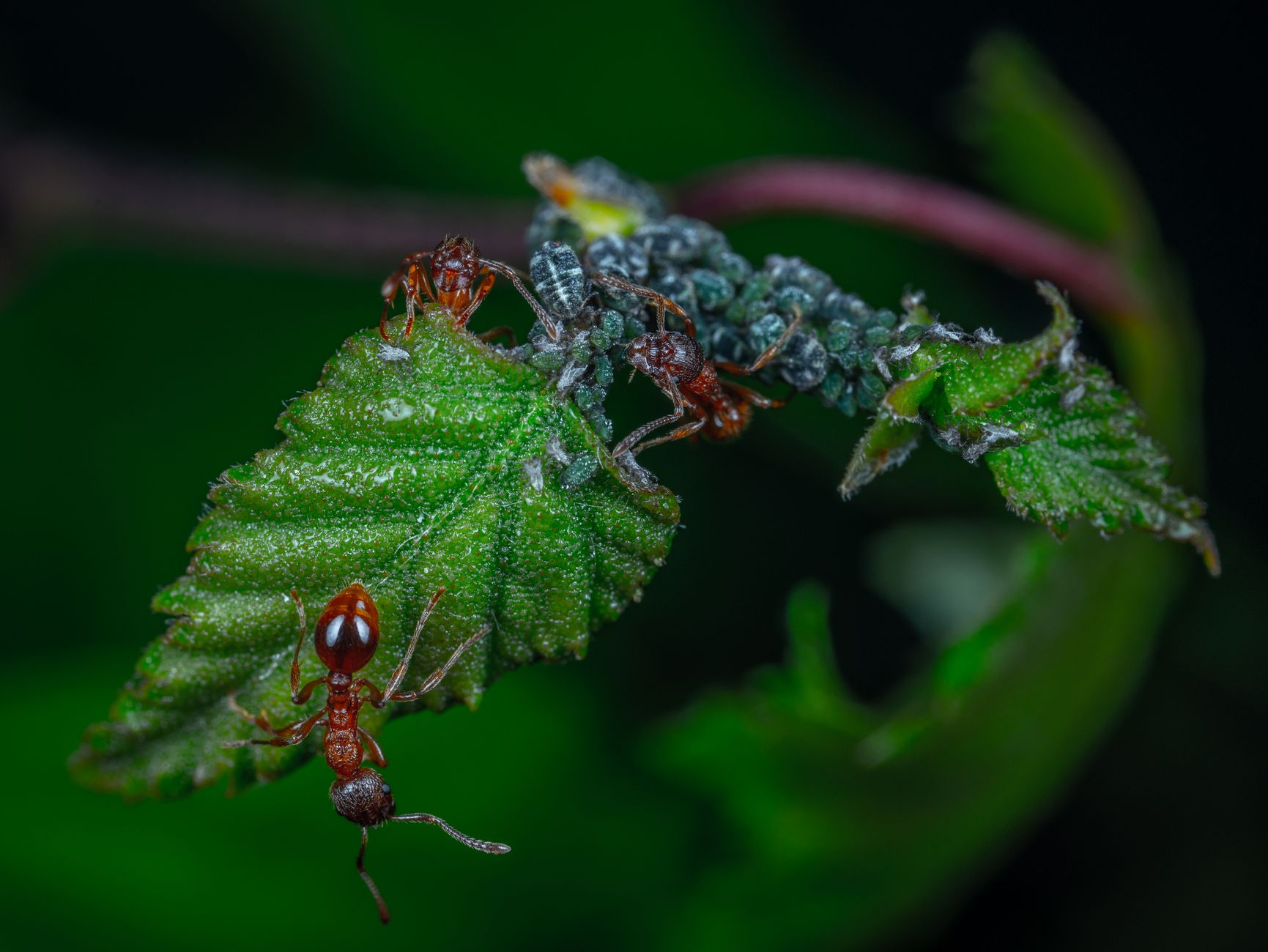
What they look like: Small, pear-shaped insects (1-4 mm). Usually green, but can be black, brown, yellow, red, or pink. Some have wings.
Where to find them: On new growth, undersides of leaves, stems, and buds. They feed on plant sap.
Signs of infestation: Curled or distorted leaves, yellowing, sticky honeydew on leaves (often leading to black sooty mold), and the presence of ants (they farm aphids for honeydew).
Why they're a problem: They weaken plants, transmit diseases, and can cause significant damage to crops and ornamental plants.
Act fast: Aphids reproduce quickly—a single aphid can produce 80 offspring in a week.
Blast Them Off with Water
How it works: A strong stream of water knocks aphids off the plant. They can't climb back up.
How to do it: Use a garden hose with a spray nozzle. Spray the undersides of leaves and new growth where aphids hide.
When to do it: Do this in the morning so plants can dry during the day.
Repeat: Repeat every few days until aphids are gone. It's safe for plants and doesn't harm beneficial insects.
Tip: Use a sprayer with an adjustable nozzle—start with a gentle spray and increase pressure as needed.
Apply Insecticidal Soap

What it is: A specially formulated soap that kills soft-bodied insects like aphids on contact. Safe for plants and the environment.
How to use: Spray directly on aphids, covering all leaf surfaces. The soap disrupts the insects' cell membranes, causing them to dehydrate and die.
Application: Apply every 5-7 days until the infestation is gone. Spray in the evening to avoid leaf burn.
Homemade recipe: 1 tablespoon of mild liquid soap (like Castile soap) per quart of water. Use a gentle, unscented soap.
Important: Always test on a small area first and avoid spraying during hot, sunny conditions.
Use Neem Oil

How it works: Neem oil contains azadirachtin, which disrupts aphids' feeding and reproduction. It works as a contact spray and a systemic treatment.
How to use: Mix 1-2 teaspoons of cold-pressed neem oil with 1 quart of warm water and a few drops of mild soap. Spray thoroughly on affected plants.
Application: Apply every 7-14 days for prevention, every 5-7 days for active infestations.
Benefits: Neem oil also works as a fungicide and is safe for beneficial insects when applied correctly.
Tip: Spray in the evening to avoid burning leaves and protect pollinators.
Introduce Beneficial Insects

Ladybugs (Ladybird beetles): One of the most effective natural predators. A single ladybug can eat up to 50 aphids per day.
Lacewings: Lacewing larvae (aphid lions) are voracious aphid eaters. They can consume hundreds of aphids during their development.
Hoverflies: Hoverfly larvae feed on aphids. Their larvae are small, legless maggots that eat aphids on contact.
Parasitic wasps: Tiny wasps that lay eggs inside aphids, killing them. They're highly effective and breed quickly.
How to attract: Plant flowers like dill, fennel, yarrow, and marigolds to attract beneficial insects. Release purchased ladybugs in the evening.
Use Reflective Mulch

How it works: Reflective mulch (silver or aluminum) disorients aphids. They can't see the plant and are less likely to land on it.
How to use: Lay reflective mulch around your plants. It also warms the soil and reduces weeds.
Best for: Vegetable gardens, especially tomatoes, peppers, and cucumbers.
Alternative: You can also use aluminum foil or reflective tape to create a similar effect.
Benefits: It's a non-toxic, long-lasting solution that doesn't require spraying.
Prune Infested Growth

How it works: Remove heavily infested leaves, shoots, and buds. This reduces the aphid population and prevents them from spreading.
When to prune: Prune as soon as you notice heavy infestation. Don't prune more than 20-30% of the plant at once.
What to do with pruned material: Dispose of infested material in the trash (not the compost bin).
Best for: Plants with localized infestations. It's a quick and effective way to reduce aphid numbers.
After pruning: Monitor the plant and continue treatment if needed.
Use Horticultural Oil

What it is: Horticultural oil (dormant oil or summer oil) is a refined petroleum or plant-based oil that suffocates insects.
How to use: Apply in early spring (dormant season) to kill overwintering eggs. Summer oil can be used during the growing season but follow label instructions.
Application: Spray thoroughly on all plant surfaces, covering the undersides of leaves.
Safety: It's non-toxic to humans and pets but can burn leaves if applied in hot weather.
When to use: Use for severe infestations or when other methods haven't worked.
Common problems and fixes
| Problem | Likely cause | What to do |
|---|---|---|
| Aphids returning quickly | Not enough coverage or re-infestation from nearby plants. | Spray more thoroughly and repeat every 5-7 days. Treat all nearby plants. |
| Ants protecting aphids | Ants farm aphids for honeydew. | Control ants with bait or sticky barriers around the plant base. |
| Leaf burn after spraying | Sprayed in hot, sunny weather or too much soap/oil. | Spray in the evening. Use the correct concentration. |
| Aphids on houseplants | Infested plants brought indoors or open windows. | Use insecticidal soap or neem oil. Isolate infested plants. |
Gardener's checklist
Test what you learned
What is the simplest way to get rid of aphids?
Answer: Blast with water
What insect is a natural predator of aphids?
Answer: Ladybugs
What is the sticky substance aphids produce called?
Answer: Honeydew
How often should you apply insecticidal soap for aphids?
Answer: Every 5-7 days
What should you avoid to prevent aphid infestations?
Answer: Over-fertilizing
Common questions
Are aphids harmful to plants?
Yes, aphids feed on plant sap, weakening plants, causing distorted growth, and transmitting diseases. A heavy infestation can kill small plants.
Can aphids kill plants?
Yes, a severe infestation can kill plants by weakening them and spreading diseases. Young seedlings and small plants are especially vulnerable.
Does neem oil kill aphids?
Yes, neem oil is effective against aphids. It disrupts their feeding and reproduction. Use cold-pressed neem oil for best results.
How do I prevent aphids?
Monitor plants regularly, attract beneficial insects (ladybugs, lacewings), avoid over-fertilizing, and use reflective mulch. Healthy plants are less susceptible.
Can I use dish soap to kill aphids?
Yes, mix 1 tablespoon of mild liquid soap per quart of water. Spray directly on aphids. Use unscented soap and test on a small area first.
Aphids are common garden pests, but they're easy to control with the right methods. Start with a strong blast of water to knock them off plants. Use insecticidal soap or neem oil for persistent infestations. Attract beneficial insects like ladybugs and lacewings to keep aphids in check. Control ants, monitor your plants regularly, and avoid over-fertilizing to prevent future infestations. With these strategies, you can keep your plants aphid-free naturally.
Frequently asked questions
How often should a vegetable garden be watered?
Frequency depends on weather, soil and plant size. Check the soil rather than watering on a rigid schedule.
Is compost enough fertilizer?
Compost improves soil and provides nutrients slowly. Heavy-feeding crops may still need additional feeding.

The Sproutstead Editorial Team
We create clear, practical gardening and homesteading guides designed for real homes and beginner growers.
View author profile →