Chipmunks are cute but can cause significant damage to gardens, foundations, and structures. To get rid of chipmunks humanely, start with exclusion: seal all entry points around your home and garden. Use live traps baited with sunflower seeds, peanut butter, or nuts, and relocate chipmunks at least 5 miles away. Apply natural repellents like castor oil, predator urine, or garlic spray. Remove food sources (bird feeders, fallen fruit) and eliminate hiding places (woodpiles, rock piles, dense shrubs). For persistent problems, consider professional wildlife removal. Never use poison—it's inhumane and dangerous to other animals.
What you will need
Identify Chipmunk Activity
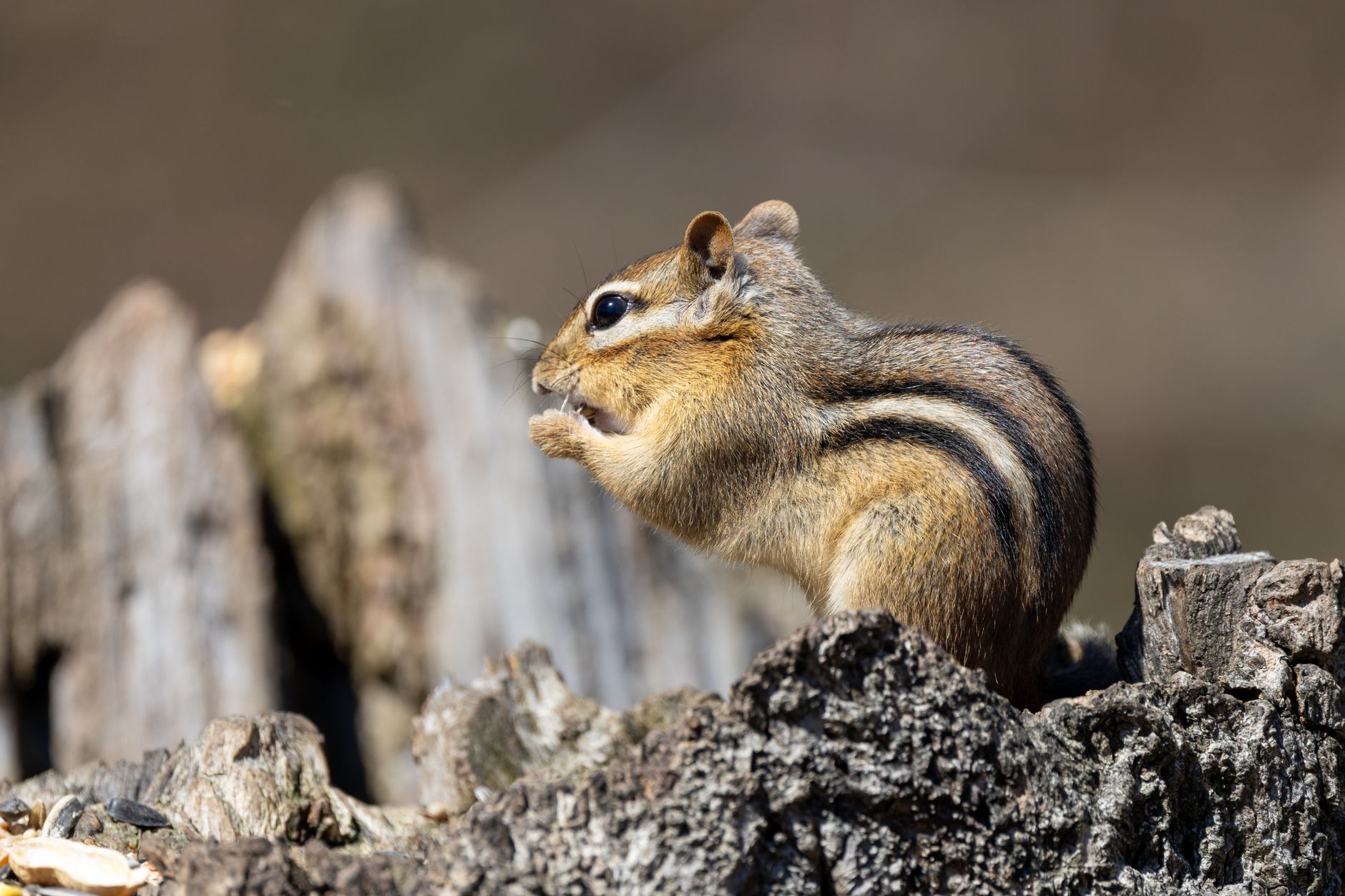
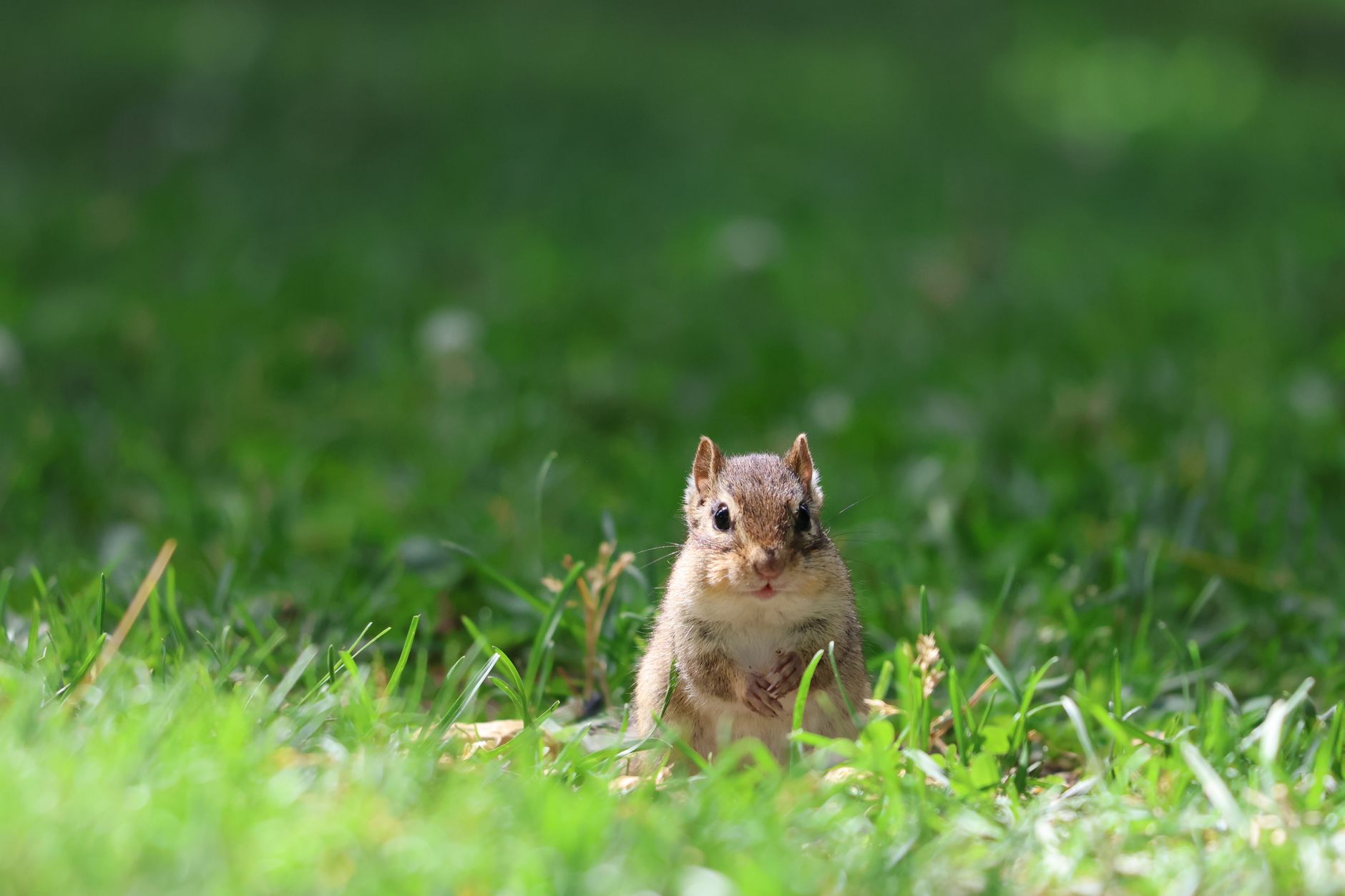
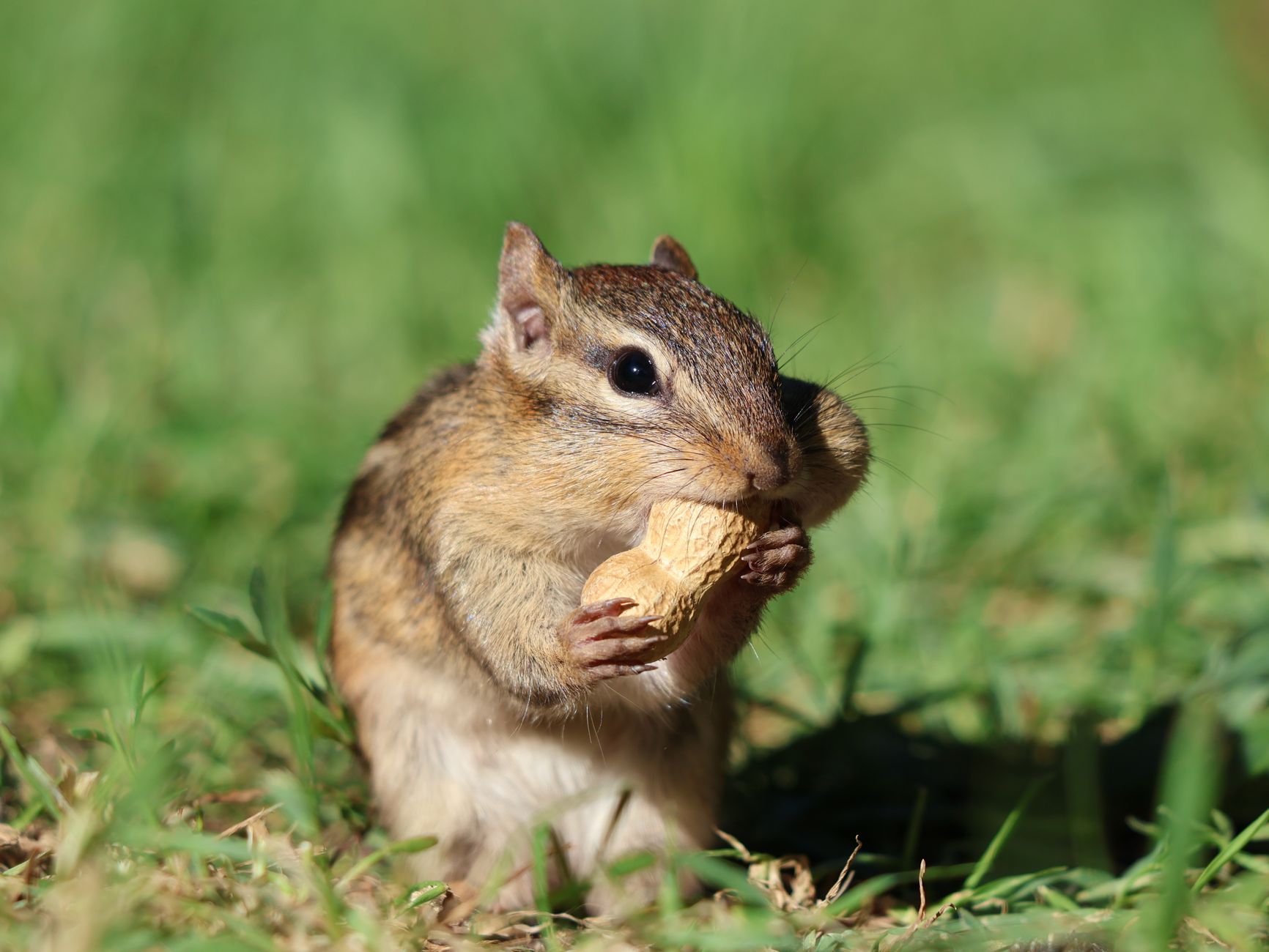
What they look like: Small, striped rodents (5-6 inches long) with bushy tails. Brownish with dark and light stripes on their back and face.
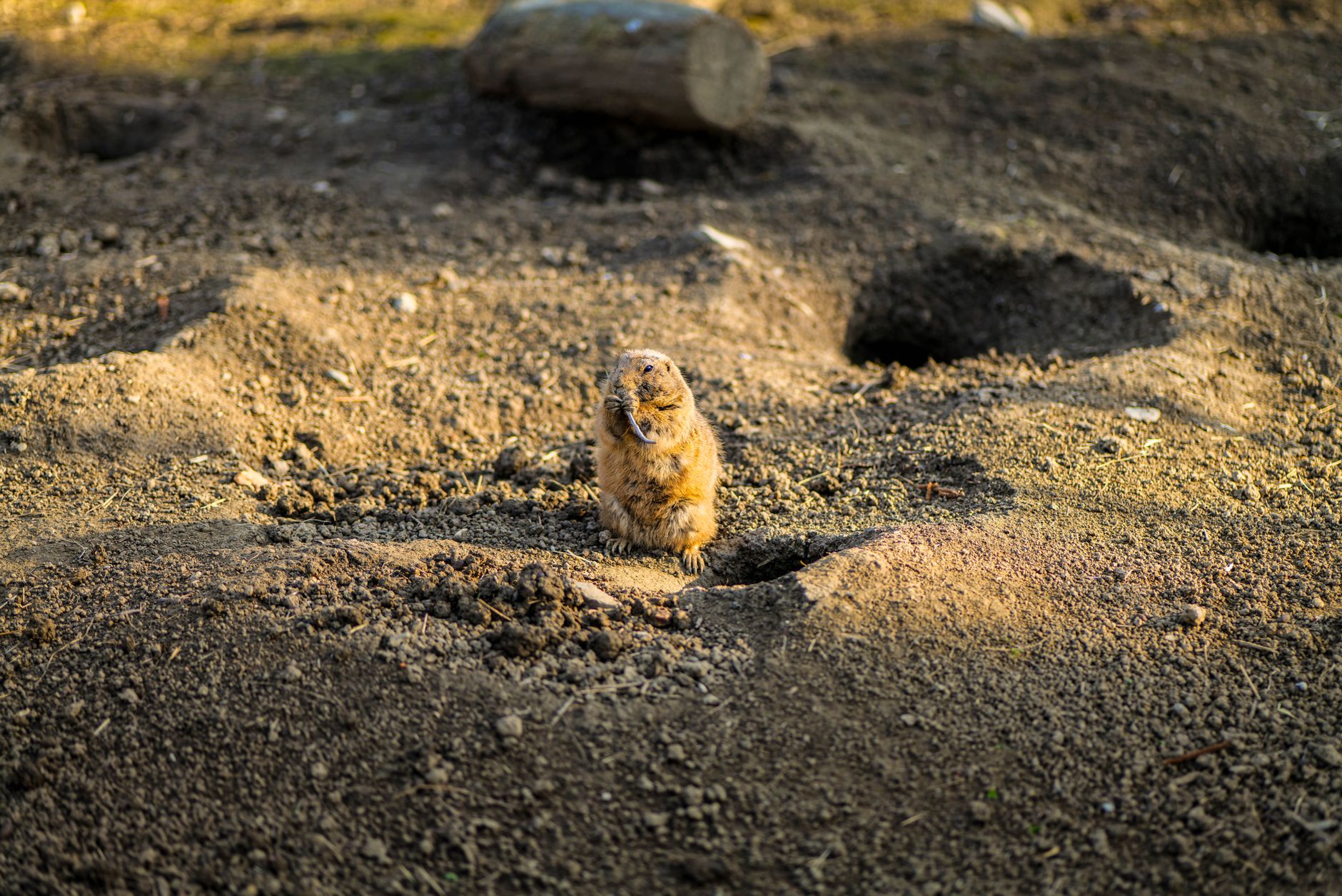
Where they live: They dig burrows under foundations, rock piles, woodpiles, and shrubs. Burrows have a main entrance (2 inches wide) and several escape holes.
Signs of activity: Small holes in the ground (2 inches wide), piles of dirt near holes, chewed plants and bulbs, bird feeders emptied, and dug-up garden beds.
When they're active: Chipmunks are diurnal (active during the day). They're most active in spring and fall.
Why they're a problem: They eat bulbs, seeds, and seedlings. They dig up gardens and damage foundations. They can also carry diseases.
Use Live Traps Humanely
Best traps: Use small live traps designed for chipmunks and squirrels (Havahart size 1020).
Bait: Use peanut butter, sunflower seeds, nuts, or birdseed. Peanut butter is especially effective.
Placement: Place traps along walls, fences, or near burrow entrances. Set traps where you've seen chipmunk activity.
Checking: Check traps frequently (at least twice daily). Chipmunks can die quickly in hot or cold weather.
Relocation: Relocate chipmunks at least 5 miles away in a suitable habitat (wooded area with water). Check local regulations before relocating.
Important: Never use glue traps or poison—they're inhumane and can harm other animals.
Apply Natural Repellents
Castor oil: Mix 2 tablespoons of castor oil with 1 gallon of water and spray on plants and around burrows. Chipmunks dislike the smell.
Predator urine: Fox, coyote, or bobcat urine is available at garden centers. Sprinkle around the garden to deter chipmunks.
Garlic spray: Blend 5-6 cloves of garlic with water and strain. Spray around plants and burrows.
Peppermint oil: Soak cotton balls in peppermint oil and place them near burrow entrances.
Cayenne pepper: Sprinkle cayenne pepper around plants and garden beds. Reapply after rain.
Reapplication: Repellents need to be reapplied after rain and every 1-2 weeks.
Exclude Chipmunks from Your Garden
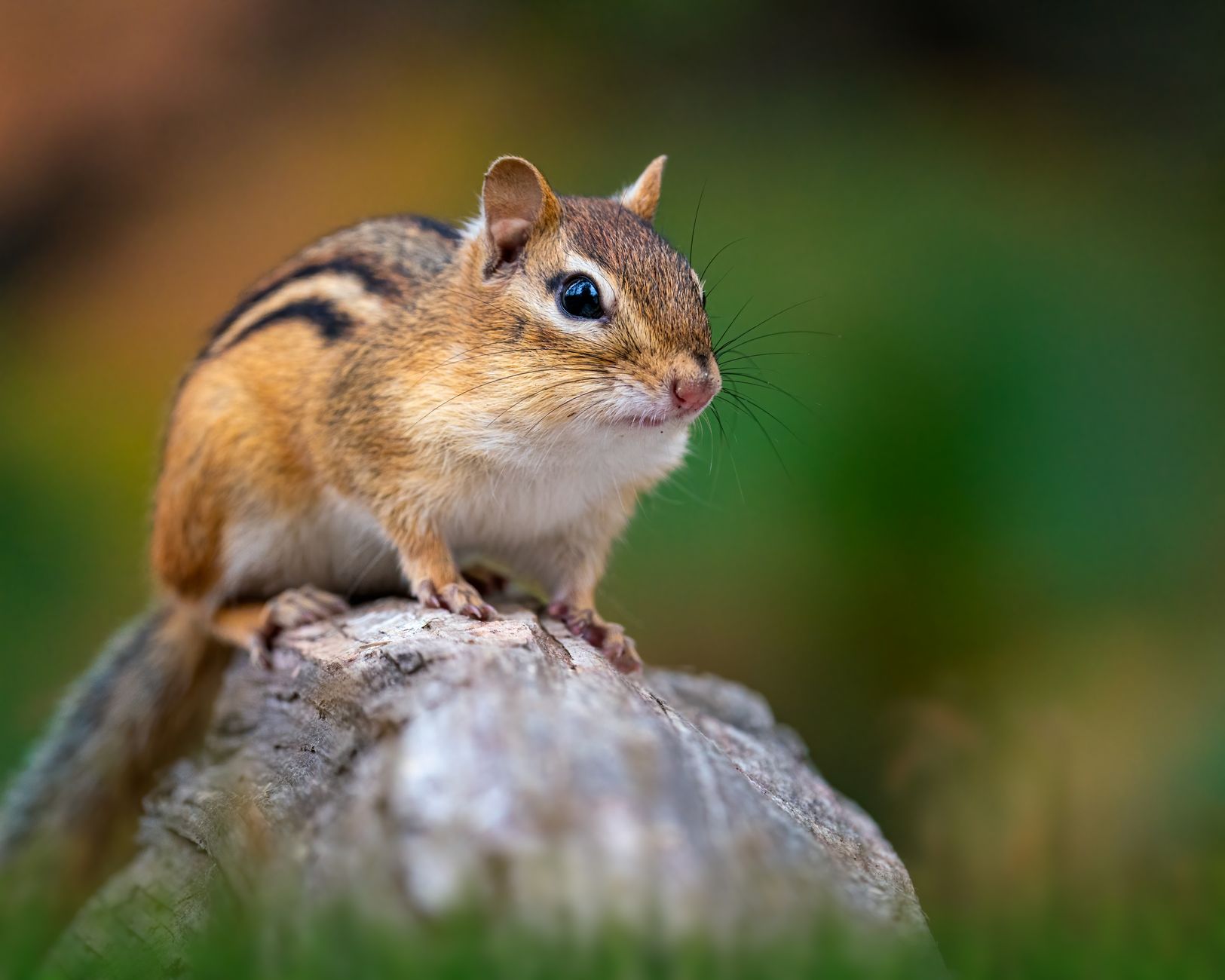
Hardware cloth: Use 1/4-inch hardware cloth to protect vulnerable plants. Bury it 6-8 inches deep to prevent digging.
Fencing: Use chicken wire or hardware cloth around garden beds. Bury the bottom 6 inches deep and bend it outward (L-shape).
Bulb cages: Plant bulbs in wire cages to prevent chipmunks from digging them up.
Seal entry points: Seal gaps around foundations, sheds, and porches with steel wool or hardware cloth.
Tree guards: Install metal guards around tree trunks to prevent chipmunks from climbing.
Remove Food Sources
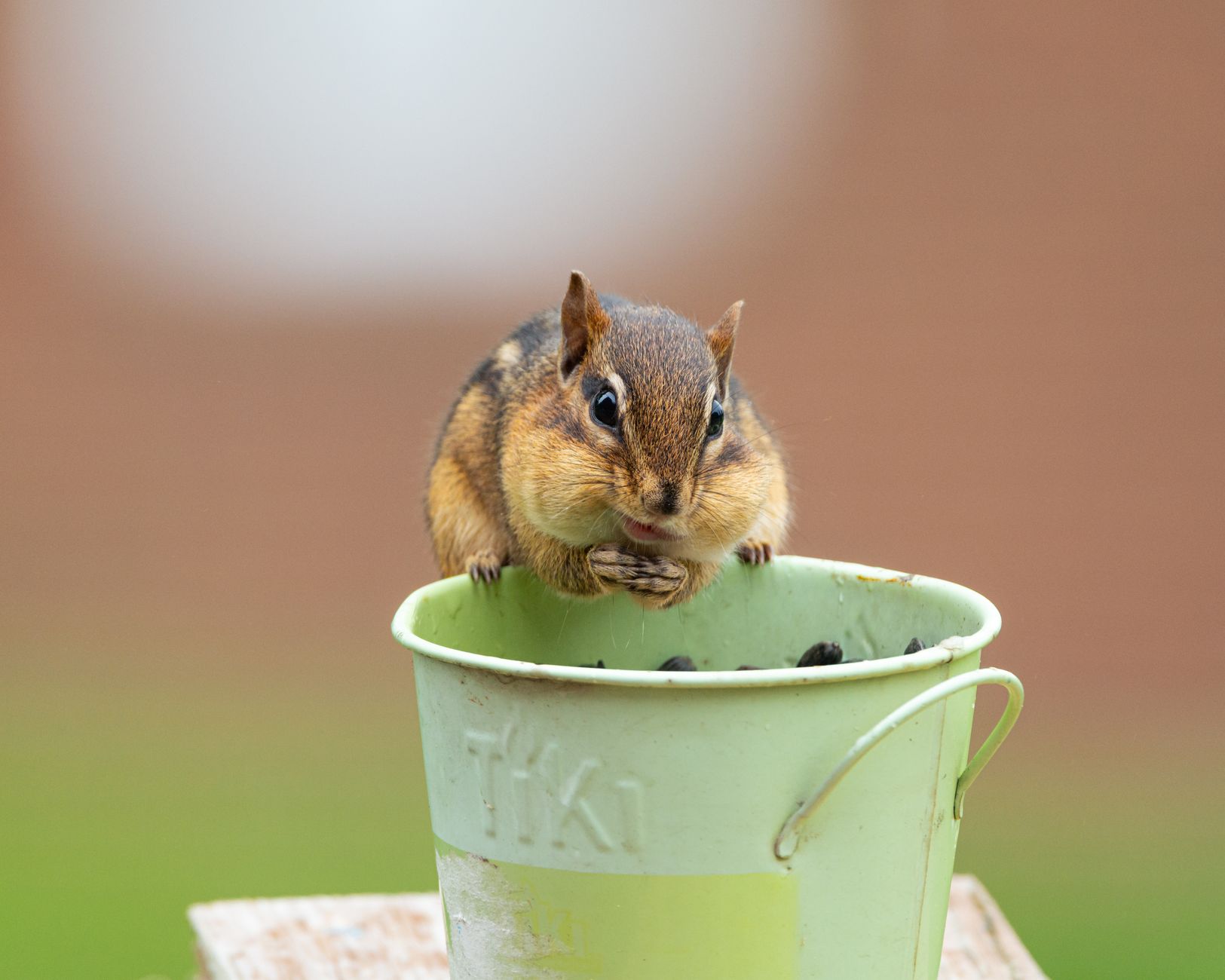
Bird feeders: Chipmunks love birdseed. Use squirrel-proof feeders or remove feeders temporarily.
Fallen fruit: Pick up fallen fruit from trees—it's a prime food source.
Pet food: Don't leave pet food outside. Feed pets indoors or pick up food after feeding.
Gardens: Protect vegetable gardens with fencing. Harvest vegetables promptly.
Compost: Keep compost bins covered and don't compost meat or dairy products.
Eliminate Hiding Places
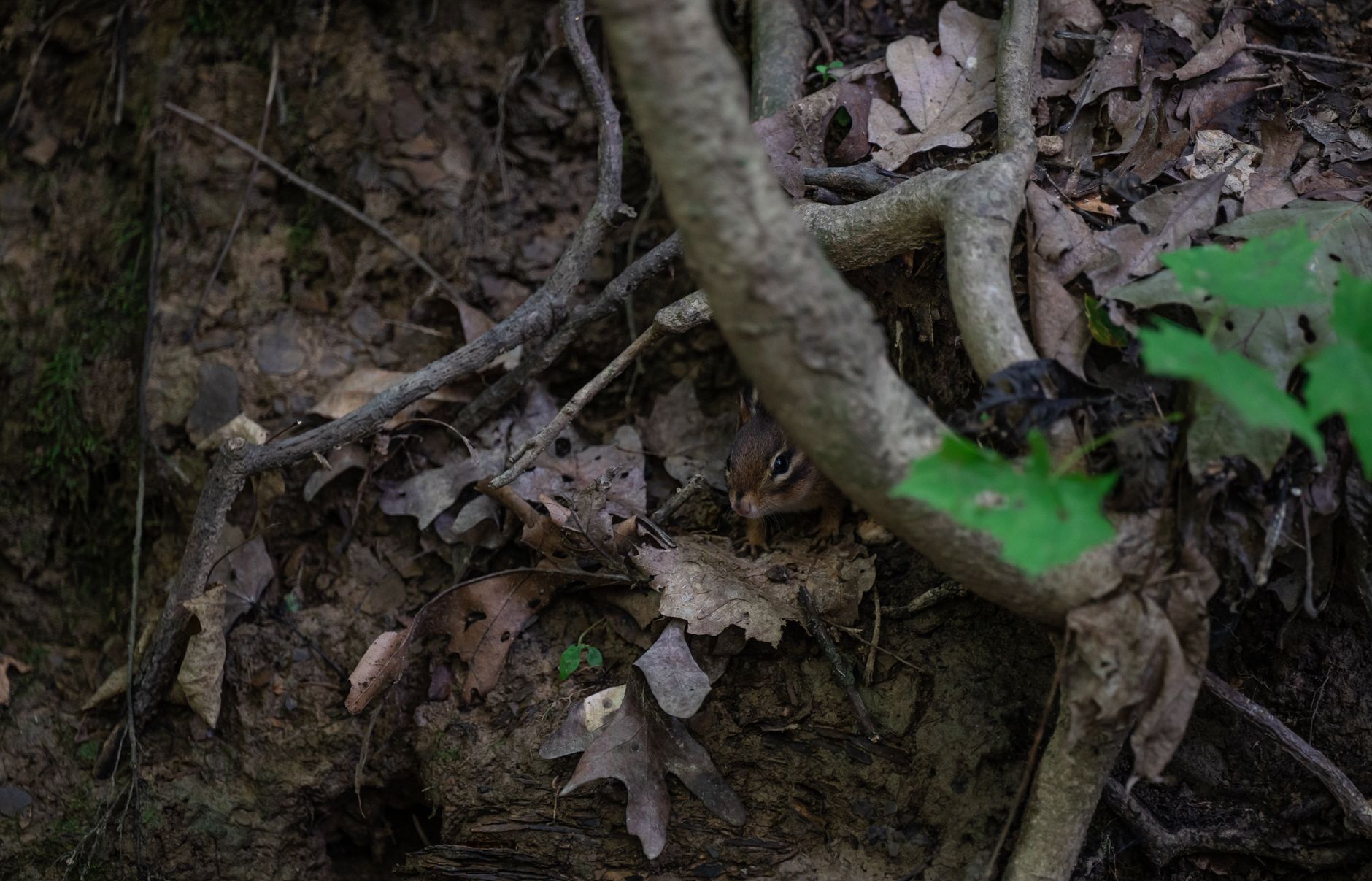
Woodpiles: Store firewood away from the house and off the ground.
Rock piles: Remove rock piles and stone walls that provide shelter.
Dense shrubs: Trim shrubs to eliminate hiding places. Keep grass short.
Debris: Remove piles of leaves, brush, and other debris.
Foundation: Keep the area around the foundation clear of vegetation.
Fill and Seal Burrows
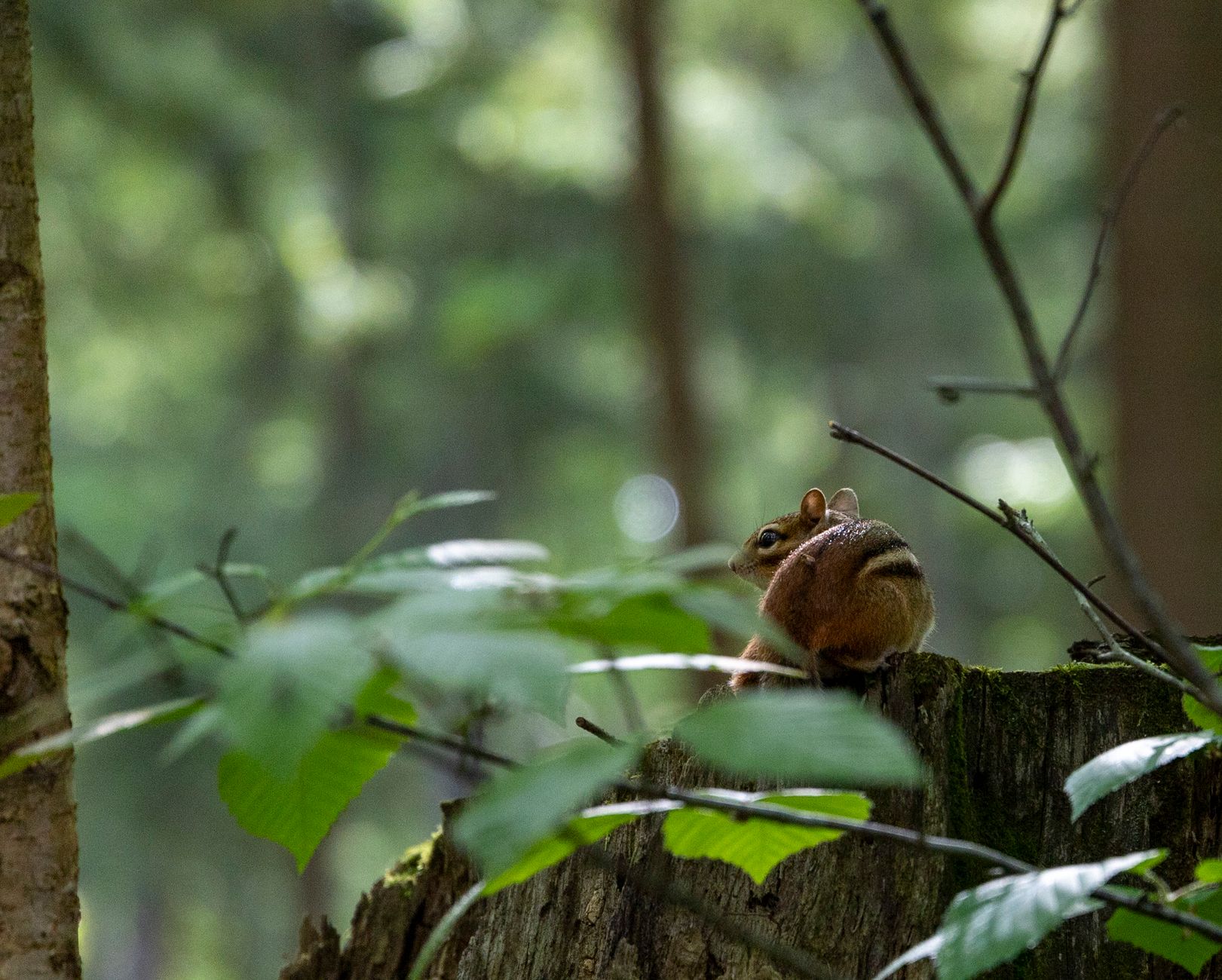
When to fill: After you've removed chipmunks (or confirmed they're not inside), fill burrows.
What to use: Use gravel, rocks, or soil to fill burrows. Pack it firmly.
Prevent re-digging: Place hardware cloth or wire mesh over the filled hole.
Deterrent: Fill the hole with used cat litter or predator urine to deter chipmunks from re-digging.
Monitor: Check filled burrows regularly—chipmunks may dig new holes nearby.
Consider Professional Help
When to call: If you've tried DIY methods and chipmunks persist, or if they're causing significant damage.
What they do: Professionals use humane trapping and exclusion methods. They can also locate and seal entry points.
Cost: Professional wildlife removal costs $150-$500 depending on the extent of the problem.
What to look for: Choose a licensed, insured wildlife control professional. Look for humane methods.
Long-term solutions: Professionals can provide long-term solutions, including exclusion and habitat modification.
Common problems and fixes
| Problem | Likely cause | What to do |
|---|---|---|
| Chipmunks returning after relocation | Not relocated far enough or new chipmunks moving in. | Relocate at least 5 miles away. Remove food sources and seal entry points. |
| Traps not catching chipmunks | Wrong bait or trap placement. | Use peanut butter or sunflower seeds. Place traps along walls and near burrows. |
| Chipmunks digging under fencing | Fencing not buried deep enough. | Bury fencing 6-8 inches deep and bend it outward (L-shape). |
| Chipmunks in the house | Open gaps or holes in the foundation. | Seal all gaps with hardware cloth or steel wool. Call a professional if needed. |
Gardener's checklist
Test what you learned
What is the most humane way to remove chipmunks?
Answer: Live traps
How far should you relocate chipmunks?
Answer: 5 miles
What is the best bait for chipmunk traps?
Answer: Peanut butter
What material is best for sealing entry points?
Answer: Hardware cloth
What is a natural repellent for chipmunks?
Answer: Castor oil
Common questions
Can chipmunks damage my house?
Yes, chipmunks can damage foundations, porches, and walkways by burrowing underneath them. They can also chew through wires and insulation.
Are chipmunks dangerous?
Chipmunks are generally not dangerous but can carry diseases (like Lyme disease and rabies). They can also cause allergic reactions through their droppings.
Do chipmunks eat garden vegetables?
Yes, chipmunks eat seeds, bulbs, seedlings, and vegetables. They also eat fruits, nuts, and berries.
How many chipmunks live in a burrow?
Each chipmunk has its own burrow. They are solitary animals except during mating season.
Can I use mothballs to repel chipmunks?
Mothballs are not recommended—they contain chemicals that are toxic and can harm people, pets, and other animals.
Chipmunks can be cute but destructive pests. The most effective and humane approach is a combination of exclusion, trapping, and habitat modification. Use live traps with peanut butter or sunflower seeds, relocate chipmunks at least 5 miles away, and seal entry points with hardware cloth. Remove food sources (bird feeders, fallen fruit) and eliminate hiding places. Natural repellents like castor oil and garlic spray can help deter them. If DIY methods fail, call a professional wildlife control service. With persistence, you can keep chipmunks out of your garden and home.
Frequently asked questions
How often should a vegetable garden be watered?
Frequency depends on weather, soil and plant size. Check the soil rather than watering on a rigid schedule.
Is compost enough fertilizer?
Compost improves soil and provides nutrients slowly. Heavy-feeding crops may still need additional feeding.

The Sproutstead Editorial Team
We create clear, practical gardening and homesteading guides designed for real homes and beginner growers.
View author profile →