
Catnip is a fragrant, easy-to-grow herb that cats love. It is a member of the mint family and grows quickly in gardens and containers. Plant catnip seeds or transplants in spring after the last frost. Choose a location with full sun to part shade (4-6 hours) and well-draining soil. Plant seeds 1/4 inch deep and space plants 12-18 inches apart. Water regularly but allow the soil to dry between waterings. Catnip is drought-tolerant once established. Harvest leaves and flowers when the plant is in full bloom. Dry leaves for long-term storage. Catnip is a perennial that comes back year after year. It also attracts beneficial insects and is deer-resistant.
What you will need
Choose the Right Catnip Variety

Common catnip is the most well-known variety. It has gray-green leaves and produces white or purple flowers. It is the variety that most cats are attracted to. It grows 2-3 feet tall.
Catmint is a related plant that also attracts cats. It has blue-purple flowers and is more ornamental than common catnip. It grows 1-2 feet tall and is excellent for borders and rock gardens.
Lemon catnip has a lemony scent and is attractive to cats. It is a hybrid that combines the scent of catnip with the citrusy aroma of lemon balm.
Catnip comes in many varieties. Choose based on your garden space and whether you want the plant for cats or for ornamental purposes.
All varieties are easy to grow and attractive to cats.
Select the Perfect Planting Location
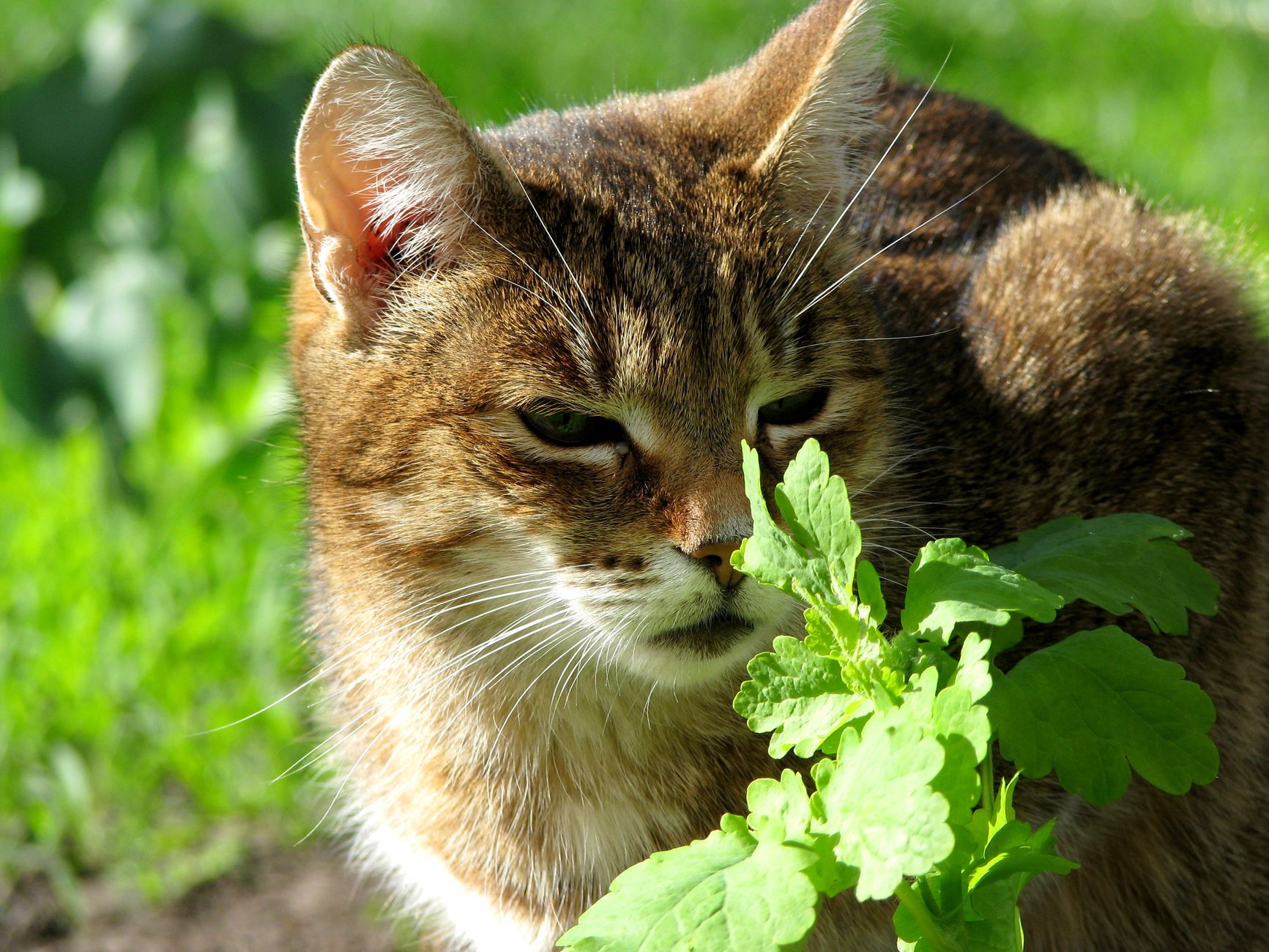
Catnip prefers full sun to part shade. It needs at least 4-6 hours of direct sunlight daily for the best growth.
Well-draining soil is essential. Catnip does not like wet feet and can develop root rot in poorly drained soil.
Catnip is adaptable to a wide range of soil types but prefers well-draining, average soil. It does not need rich soil.
Catnip is a member of the mint family and can spread aggressively. Plant it in a container or in a location where it can be contained.
Catnip is excellent for herb gardens, containers, and pollinator gardens. It attracts bees and butterflies.
Plant Catnip at the Right Time

Plant catnip seeds or transplants in spring after the last frost. Seeds germinate in 7-14 days at 60-70°F.
Start seeds indoors 4-6 weeks before the last frost for earlier harvest.
Transplants are the easiest option and establish quickly.
Catnip is a perennial that comes back year after year. Once established, it will return each spring.
For continuous harvest, plant seeds every few weeks for a steady supply of fresh leaves.
Plant Seeds at the Correct Depth and Spacing

Plant catnip seeds 1/4 inch deep. Do not plant deeper than 1/2 inch.
Space plants 12-18 inches apart. If planting in rows, space rows 18-24 inches apart.
Plant 2-3 seeds per hole and thin to the strongest seedling when they are 2-3 inches tall.
For transplants, plant at the same depth as the pot. Space 12-18 inches apart.
Water gently after planting to settle the soil around the roots.
Water and Care for Catnip

Water catnip regularly until established. After that, it is drought-tolerant and needs water only during extended dry periods.
Water at the base of the plant, not overhead, to prevent fungal diseases.
Apply a 2-inch layer of mulch around the plants. This retains moisture, keeps roots cool, and suppresses weeds.
Catnip does not need much fertilizer. Too much fertilizer causes lush foliage but can reduce the potency of the plant's scent.
If the soil is poor, apply a light application of balanced fertilizer at planting time.
Prune and Maintain Catnip
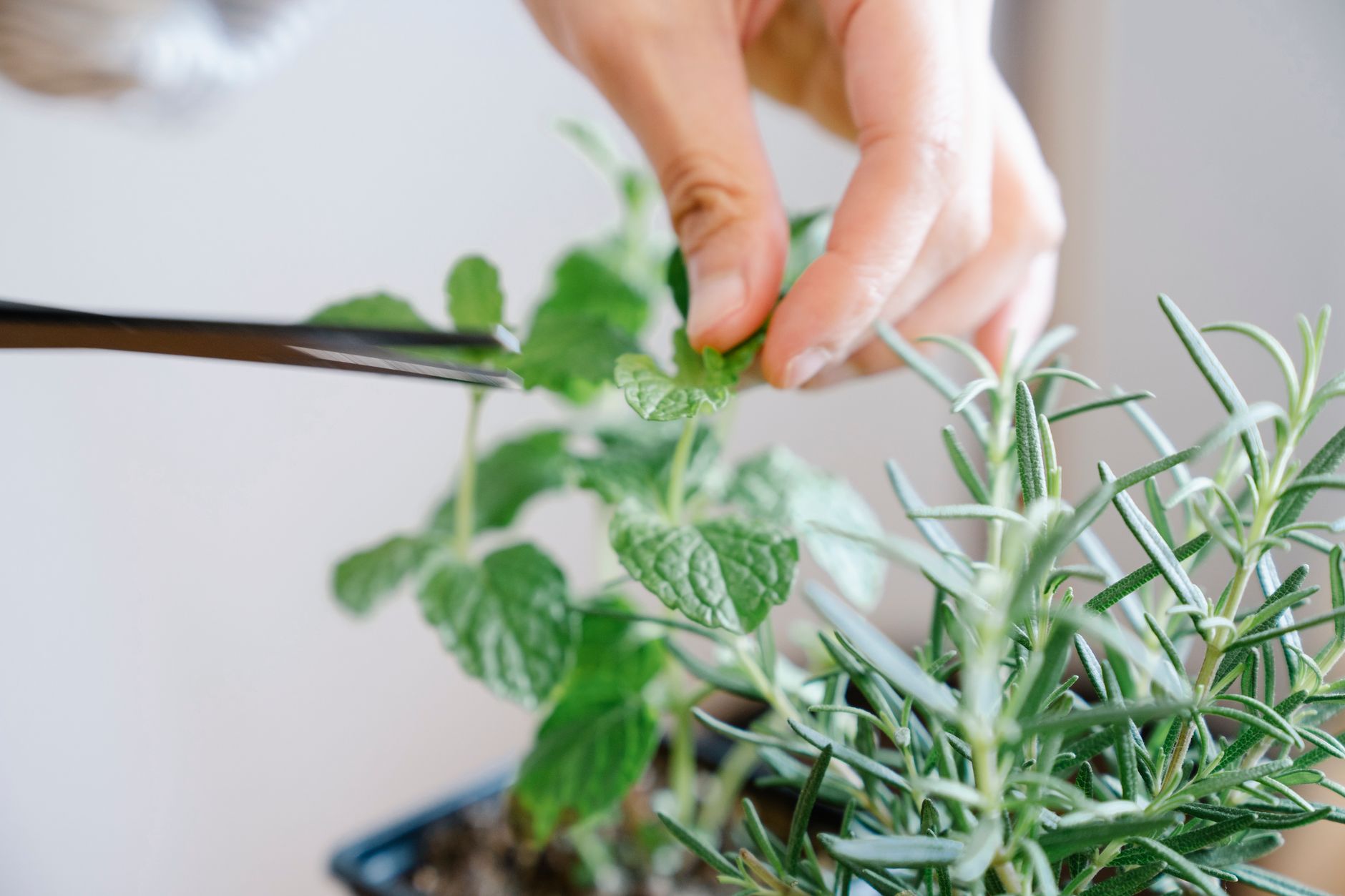
Pinch back catnip when the plant reaches 6-8 inches tall. This encourages branching and bushy growth.
Cut back plants after flowering to encourage a second flush of growth and prevent self-seeding.
Catnip can spread aggressively. Regular pruning and deadheading prevent it from taking over the garden.
If you want to prevent self-seeding, remove flowers before they go to seed.
In fall, cut back the plant to the ground. It will come back in spring.
Harvest and Dry Catnip

Harvest catnip when the plant is in full bloom, usually in mid to late summer. This is when the essential oils are at their peak.
Cut the stems in the morning after the dew has dried. This is when the essential oils are most concentrated.
Use sharp pruning shears to cut stems. Cut just above a leaf node to encourage branching.
Do not harvest more than one-third of the plant at a time. This allows the plant to recover.
To dry catnip, hang bundles of stems upside down in a cool, dark, well-ventilated area. Alternatively, dry leaves on a screen or paper towels.
Store dried catnip in an airtight container in a cool, dark place to preserve potency.
Avoid Common Catnip Problems
Aphids can attack catnip. Use insecticidal soap or a strong spray of water to control them.
Powdery mildew can appear in humid conditions. Prevent it by providing good air circulation and watering at the base.
Root rot occurs in poorly drained soil. Ensure good drainage and do not overwater.
Catnip can spread aggressively. Regular pruning and deadheading prevent it from taking over.
Cats may eat or roll on the plant. This is normal and does not harm the plant.
Common problems and fixes
| Problem | Likely cause | What to do |
|---|---|---|
| Leaves are turning yellow. | Overwatering or nutrient deficiency. | Reduce watering. Apply a balanced fertilizer. |
| Leaves have white powdery spots. | Powdery mildew from humidity. | Improve air circulation. Water at the base. Apply fungicide if needed. |
| Catnip is spreading aggressively. | Plant is growing in favorable conditions and self-seeding. | Prune regularly. Remove flowers before they go to seed. Plant in containers. |
| Cats are eating the plant. | Cats love catnip. This is normal and does not harm the plant. | Protect the plant with a cage if you want to preserve it. Otherwise, let the cats enjoy it. |
Gardener's checklist
Test what you learned
What type of light does catnip prefer?
Answer: Full sun to part shade (4-6 hours)
Is catnip a perennial or annual?
Answer: Perennial
What is the best time to harvest catnip?
Answer: When the plant is in full bloom
Why should you plant catnip in a container?
Answer: To prevent it from spreading aggressively
Common questions
How long does catnip take to grow?
Catnip is ready to harvest in 70-90 days from planting. The plant reaches full size in about 2-3 months.
Can I grow catnip indoors?
Yes. Choose a container with drainage holes and well-draining potting mix. Place in a sunny window with 4-6 hours of light. Water consistently.
Does catnip grow back every year?
Yes. Catnip is a perennial that comes back year after year in most climates (Zones 3-9). Cut it back in fall and it will return in spring.
How do I store dried catnip?
Store dried catnip in an airtight container in a cool, dark place. This preserves the essential oils and keeps the catnip potent for months.
Can I grow catnip for my cat indoors?
Yes. You can grow catnip in containers indoors. Place it in a sunny window and keep the plant away from cats until it is established.
Catnip is a fragrant, easy-to-grow herb that cats love. It is a member of the mint family and grows quickly in gardens and containers. Plant seeds or transplants in spring after the last frost in a location with full sun to part shade and well-draining soil. Water regularly but allow the soil to dry between waterings. Harvest leaves and flowers when the plant is in full bloom for the best potency. Dry leaves for long-term storage. Catnip is a perennial that comes back year after year with minimal care. It also attracts beneficial insects and is deer-resistant. With proper care, catnip will provide you with a steady supply of fresh and dried leaves for your furry friends.
Frequently asked questions
How often should a vegetable garden be watered?
Frequency depends on weather, soil and plant size. Check the soil rather than watering on a rigid schedule.
Is compost enough fertilizer?
Compost improves soil and provides nutrients slowly. Heavy-feeding crops may still need additional feeding.

The Sproutstead Editorial Team
We create clear, practical gardening and homesteading guides designed for real homes and beginner growers.
View author profile →

