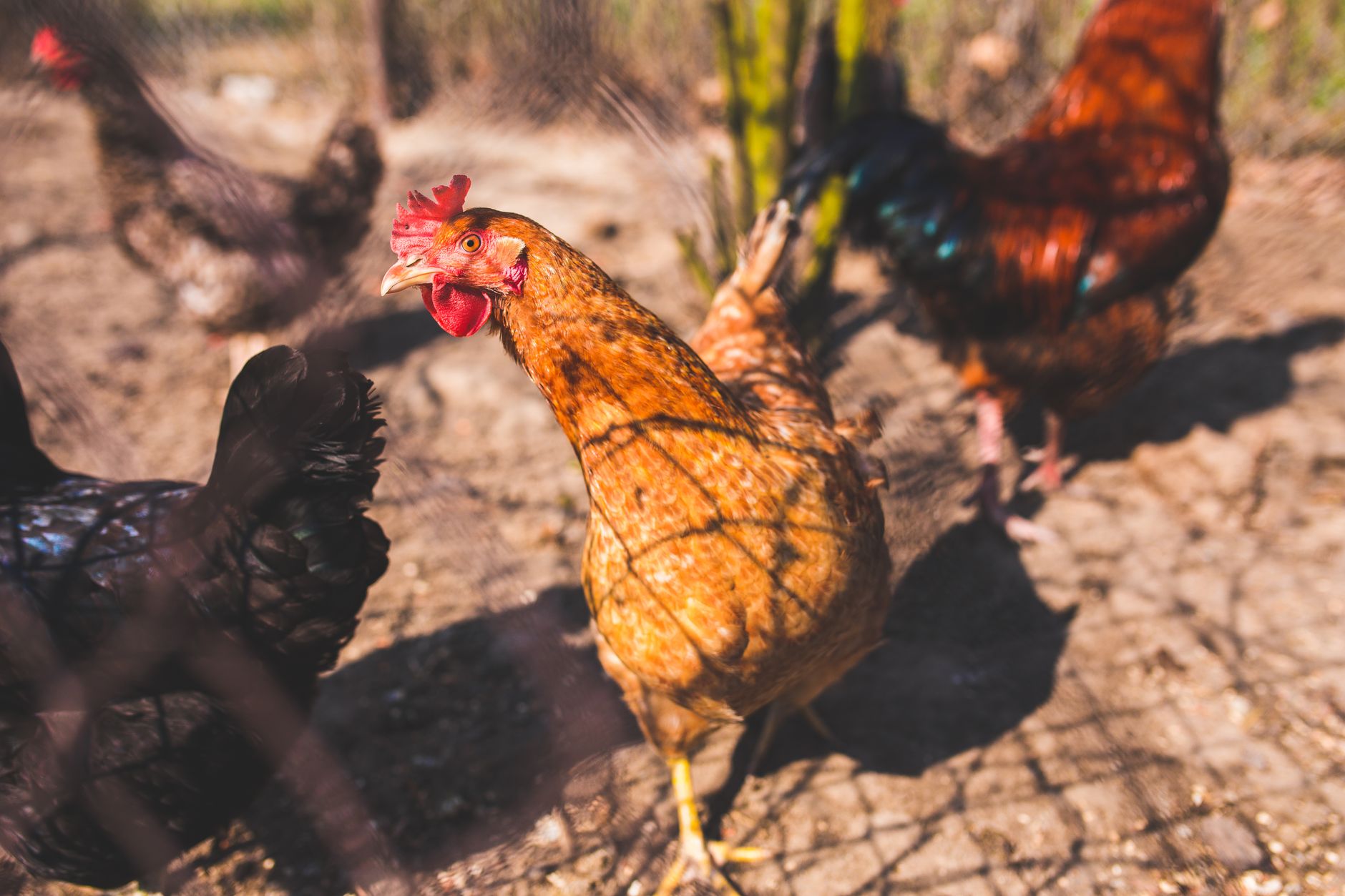
Chickens need 3-4 square feet of space inside the coop per chicken and 8-10 square feet in the run per chicken. For roosting bars, provide 8-10 inches per bird. Nesting boxes need one box per 3-4 hens, each at least 12x12x12 inches. Larger breeds need more space; bantams need less. Overcrowding leads to stress, feather pecking, disease, and reduced egg production. Always round up—more space is always better for your flock.
What you will need
Calculate Coop Space Requirements

Standard chickens (like Leghorns, Orpingtons): Need 3-4 square feet of floor space inside the coop per chicken. For 6 chickens, that's 18-24 square feet (about 4x6 feet).
Bantam chickens: Need 2-3 square feet per chicken. They're smaller and require less space.
Large breeds (like Brahmas, Jersey Giants): Need 4-5 square feet per chicken. These birds are larger and need more room to move comfortably.
Calculating total square feet: Multiply the length by the width. A 4x6 foot coop has 24 square feet—enough for 6-8 standard chickens.
Always round up: If you're unsure, add more space. Chickens that are overcrowded become stressed, aggressive, and more prone to disease.
Calculate Run Space Requirements

Standard chickens: Need 8-10 square feet of run space per chicken. For 6 chickens, that's 48-60 square feet (about 6x8 feet or 8x8 feet).
Bantam chickens: Need 6-8 square feet per chicken. They need less room but still appreciate space to roam.
Large breeds: Need 10+ square feet per chicken. These big birds need room to stretch and move.
Free-ranging: If your chickens free-range part-time, the run can be smaller. However, they still need a run for days when they can't be outside.
More is better: The more space you can provide in the run, the happier and healthier your chickens will be. A spacious run reduces stress and feather pecking.
Calculate Roosting Bar Space

Space per bird: Provide 8-10 inches of roosting bar length per chicken. For 6 chickens, you need 48-60 inches (4-5 feet) of roosting space.
Multiple bars: If you have 6 chickens, you could have two 2.5-foot roosting bars or one 5-foot bar. Multiple bars allow chickens to choose their preferred spot.
Spacing: Place roosting bars 12-18 inches apart horizontally. This prevents chickens from bumping into each other.
Height: Install roosting bars 18-24 inches off the ground (or higher). Ensure they're above the nesting boxes to discourage sleeping in the boxes.
Bar shape: Use 2x4s with the wide side up (not round poles). This allows chickens to rest their feet flat and prevents foot problems.
Calculate Nesting Box Space

Number of nesting boxes: One box for every 3-4 hens. For 6 hens, you need 1-2 nesting boxes. For 12 hens, 3-4 boxes.
Box size: Standard size is 12x12x12 inches. For large breeds, go 14x14x14 inches. Bantams can use 10x10x10 inch boxes.
Height: Place nesting boxes 18-24 inches off the ground. This is high enough to feel secure but low enough for chickens to reach easily.
Position: Place nesting boxes below the roosting bars. Chickens naturally roost at the highest point—keeping them below the roosts prevents sleeping in the boxes.
Bedding: Add 2-3 inches of clean bedding (straw, wood shavings) to each box. Replace regularly.
Consider Space Factors by Breed

Large breeds (Brahma, Jersey Giant, Cochin): Need 4-5 square feet in the coop and 10+ square feet in the run. These big birds need room to move and have large feathering.
Standard breeds (Orpington, Rhode Island Red, Leghorn): Need 3-4 square feet in the coop and 8-10 square feet in the run. This is the standard recommendation for most backyard flocks.
Bantam breeds (Silkie, D'Uccle): Need 2-3 square feet in the coop and 6-8 square feet in the run. Bantams are small and agile—they need less space.
Meat breeds (Cornish Cross): Need 4+ square feet in the coop and 10+ square feet in the run. Meat birds are heavy and less active but need room to move.
If you have a mixed flock: Base your space calculations on the largest breed you have. If you have 6 chickens with 2 large Brahmas and 4 standard Orpingtons, plan for the Brahmas' space requirements.
Understand the Consequences of Overcrowding

Stress: Overcrowding causes chronic stress in chickens. Stressed chickens are more prone to disease, have weakened immune systems, and are less productive.
Feather pecking: Chickens that don't have enough space often start pecking at each other's feathers—a behavior called feather pecking. This can escalate to cannibalism.
Disease: Overcrowded coops have high ammonia levels, damp bedding, and poor air quality. This creates the perfect environment for respiratory disease and other infections.
Reduced egg production: Stressed chickens lay fewer eggs. Overcrowding can cause a significant drop in egg production.
Feeding issues: Dominant chickens may prevent others from eating and drinking, leading to malnutrition and starvation.
Apply the More Space Is Better Rule

Always round up: If the math suggests a 4x6 foot coop for 6 chickens, consider 5x6 or 4x8 feet. The extra space is worth it.
Overestimate your flock size: Build for 25% more chickens than you have. This gives you room to expand and prevents overcrowding if you decide to add more birds.
More space = fewer problems: A spacious coop reduces stress, feather pecking, disease, and aggression. It also makes cleaning easier and the coop more pleasant to be in.
Think about vertical space: If you can't expand horizontally, add roosts at different heights. This allows more birds to perch comfortably in the same footprint.
Extra run space: If you can't build a larger run, add enrichment (perches, logs, dust bath) to make the space more engaging. Rotate the run area if possible.
Sample Space Calculations for Common Flock Sizes

4 Chickens: Coop: 12-16 sq ft (3x4 or 4x4 ft), Run: 32-40 sq ft (4x8 or 5x8 ft), Roosting: 32-40 inches
6 Chickens: Coop: 18-24 sq ft (4x5 or 4x6 ft), Run: 48-60 sq ft (6x8 or 8x8 ft), Roosting: 48-60 inches
8 Chickens: Coop: 24-32 sq ft (4x8 or 5x6 ft), Run: 64-80 sq ft (8x10 ft), Roosting: 64-80 inches
10 Chickens: Coop: 30-40 sq ft (5x8 or 6x7 ft), Run: 80-100 sq ft (8x10 or 10x10 ft), Roosting: 80-100 inches
12 Chickens: Coop: 36-48 sq ft (6x8 ft), Run: 96-120 sq ft (8x12 or 10x12 ft), Roosting: 96-120 inches
Remember: These are minimums. Always add 10-20% more space for comfort and expansion.
Common problems and fixes
| Problem | Likely cause | What to do |
|---|---|---|
| Chickens are pecking each other's feathers | Overcrowding, boredom, or stress. | Increase space if possible. Add enrichment (perches, dust bath, foraging toys). Ensure adequate roosting space. |
| Chickens are fighting over roosting spots | Not enough roosting space. | Add more roosting bars or increase their length. Ensure 8-10 inches per bird. |
| Chickens seem stressed or lethargic | Overcrowding, poor ventilation, or heat stress. | Check space, ventilation, and temperature. Add more space if possible and ensure proper airflow. |
| Egg production has dropped suddenly | Overcrowding-related stress, molting, or lighting issues. | Check space and add more if needed. Ensure chickens are getting 14-16 hours of light. Reduce stress. |
Gardener's checklist
Test what you learned
How much space does a standard chicken need in the coop?
Answer: 3-4 square feet
How much run space does a chicken need?
Answer: 8-10 square feet
How many nesting boxes are needed for 6 hens?
Answer: 2
How much roosting bar space is needed per chicken?
Answer: 8-10 inches
Common questions
Can chickens have too much space?
No, more space is always better for chickens. The only downside is that larger coops cost more to build and heat, but chickens thrive with more space.
What if I don't have enough space for a run?
If you can't build a large run, ensure chickens get daily supervised free-range time. Even 30-60 minutes of free-ranging can significantly improve their well-being.
Can I have chickens without a run?
It's not recommended. Chickens need outdoor space for exercise, foraging, and dust bathing. If you can't provide a run, consider a chicken tractor (portable run) that you move around your yard.
Do smaller breeds need less space?
Yes. Bantams need 2-3 square feet in the coop and 6-8 square feet in the run. However, they still appreciate as much space as you can provide.
What is the best way to add space to an existing coop?
If your coop is too small, you can: 1) Add an attached run for more space, 2) Raise the coop off the ground and add a lower-level run, 3) Build a second coop, or 4) Reduce flock size.
Providing adequate space is one of the most important aspects of chicken keeping. Chickens that have enough space are healthier, happier, and more productive. Follow the 3-4 square foot rule for the coop and 8-10 square foot rule for the run, adjust for breed size, and always round up. Remember: more space means fewer problems. When planning your coop and run, build for the flock you'll have in 2-3 years, not the flock you have today. Your chickens will thank you with years of eggs and companionship.
Frequently asked questions
How often should a vegetable garden be watered?
Frequency depends on weather, soil and plant size. Check the soil rather than watering on a rigid schedule.
Is compost enough fertilizer?
Compost improves soil and provides nutrients slowly. Heavy-feeding crops may still need additional feeding.

The Sproutstead Editorial Team
We create clear, practical gardening and homesteading guides designed for real homes and beginner growers.
View author profile →