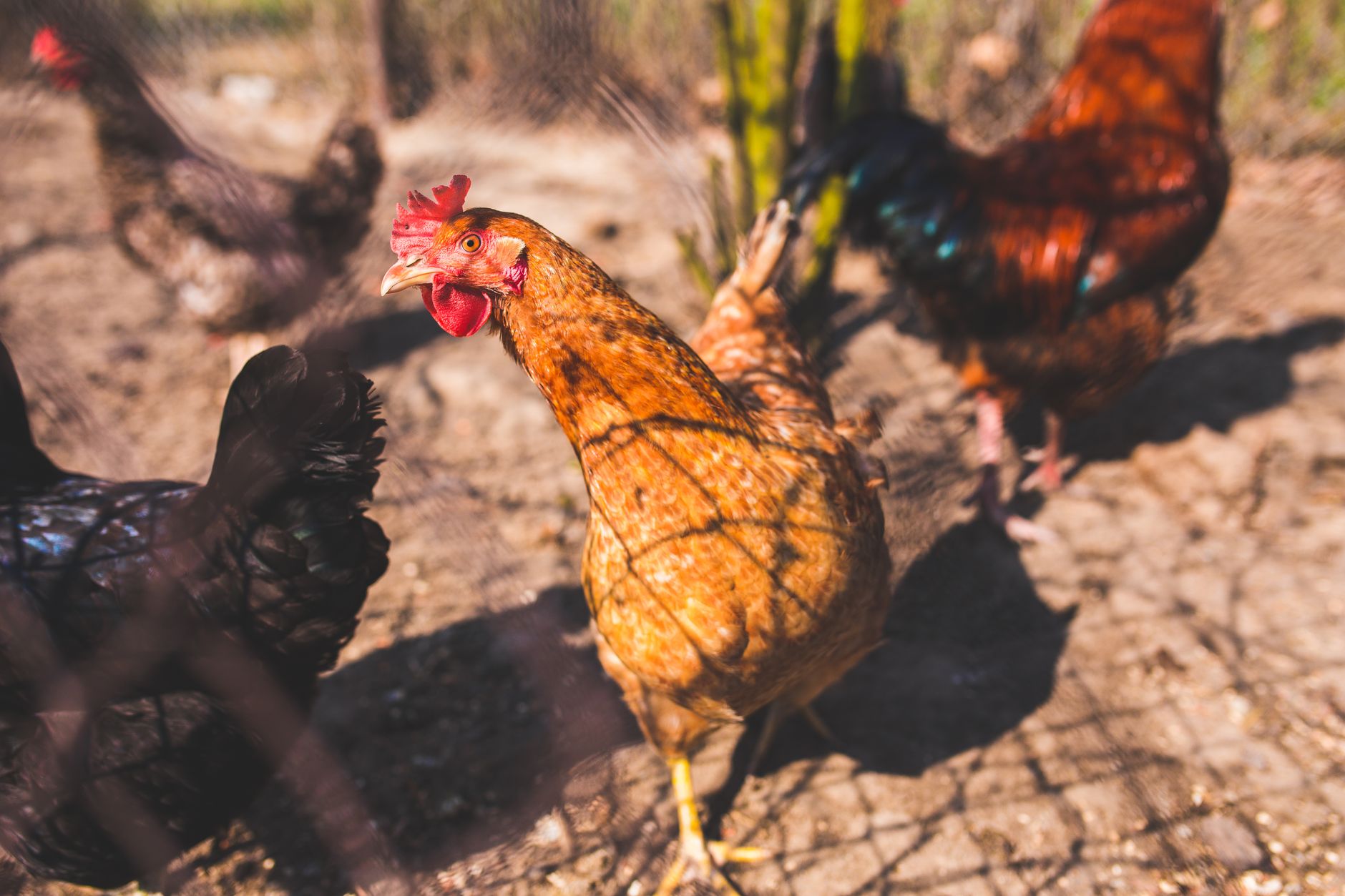
Sexing chicks (determining if they're male or female) can be done using several methods: feather sexing (for certain breeds where males and females have different feather growth rates), vent sexing (examining the chick's vent, best done by professionals), and observation of behavior and physical traits as they grow. For most backyard chicken keepers, the easiest method is to wait until the chicks are 6-8 weeks old—by then, males typically develop larger combs and wattles, more upright posture, and different feather patterns. Some breeds are auto-sexing (different colors at hatch), while sex-linked breeds can be identified by color at day old.
What you will need
Understand the Challenges of Sexing Chicks
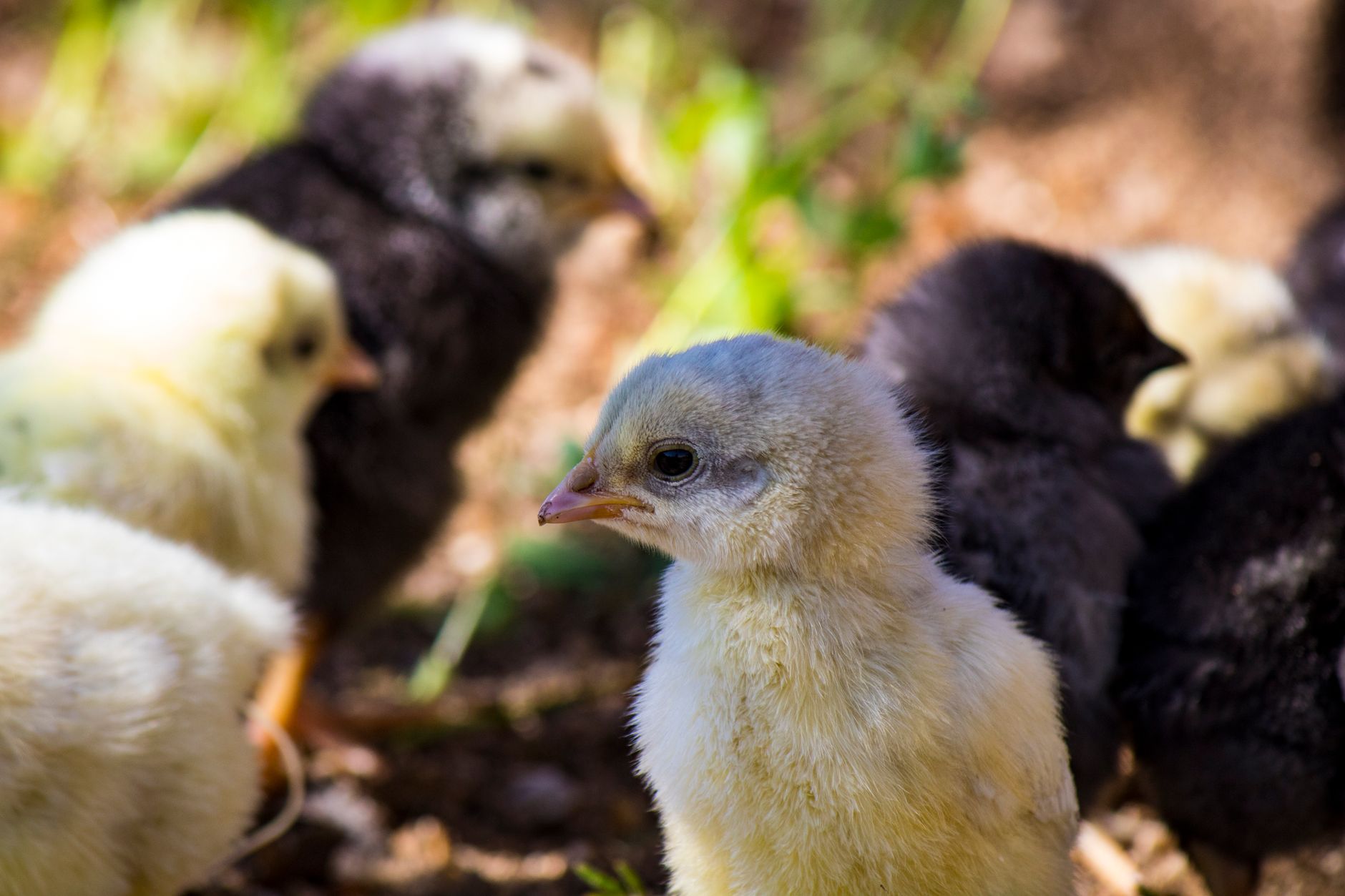
Why it's hard: Male and female chicks look nearly identical at hatch. Differences take weeks to develop.
Accuracy rates: Vent sexing (professional method) is about 90-95% accurate. Feather sexing and visual sexing are less accurate—often 50-80%.
Why it matters: If you're raising chickens for eggs, you want hens. If you accidentally end up with roosters (in areas where they're not allowed), it can be a problem.
Best approach: If you need to know for sure, buy sexed pullets from a reputable hatchery. These are chicks that have been professionally sexed and have a 90%+ chance of being female.
If you buy 'straight-run' chicks: You'll get a mix of males and females (about 50/50). This is the cheapest option but requires identifying males as they grow.
Use Feather Sexing (For Certain Breeds)
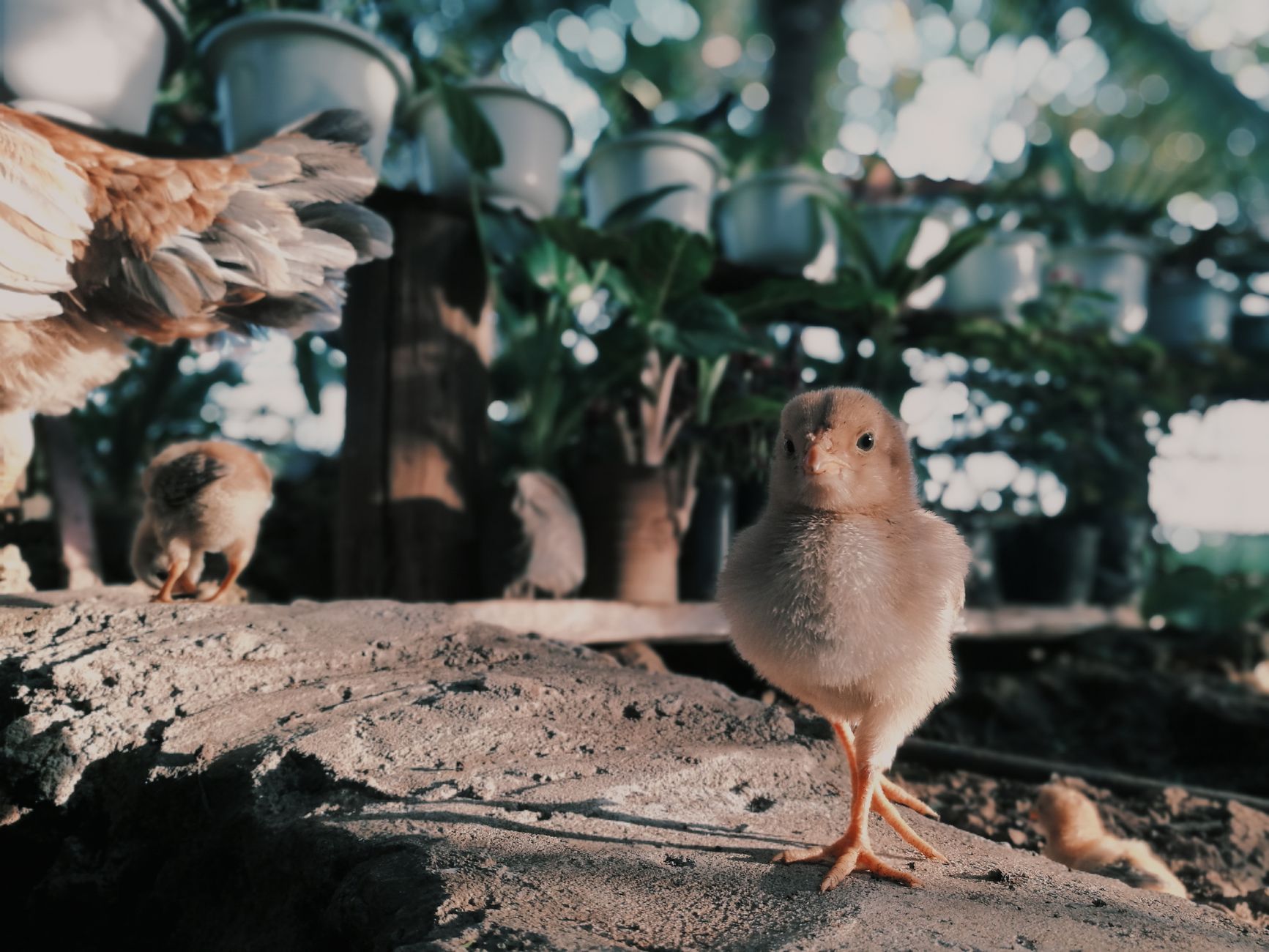
How it works: In some breeds, female chicks grow feathers faster than males. At 1-3 days old, females have longer wing feathers, while males have shorter, more uneven feathers.
Which breeds: Feather sexing works for purebred breeds like: Brahmas, Cochins, Silkies, and some Polish. It also works for many crossbreeds (sex-linked).
How to check: Gently spread the chick's wing. Look at the primary flight feathers. If they're longer and more developed, it's likely female. If they're shorter or absent, likely male.
Limitations: This method is only accurate for specific breeds. It doesn't work for Leghorns, Orpingtons, or many commercial breeds.
Practice: The more chicks you examine, the better you get at seeing the subtle differences. It takes practice.
Recognize Auto-Sexing and Sex-Linked Breeds
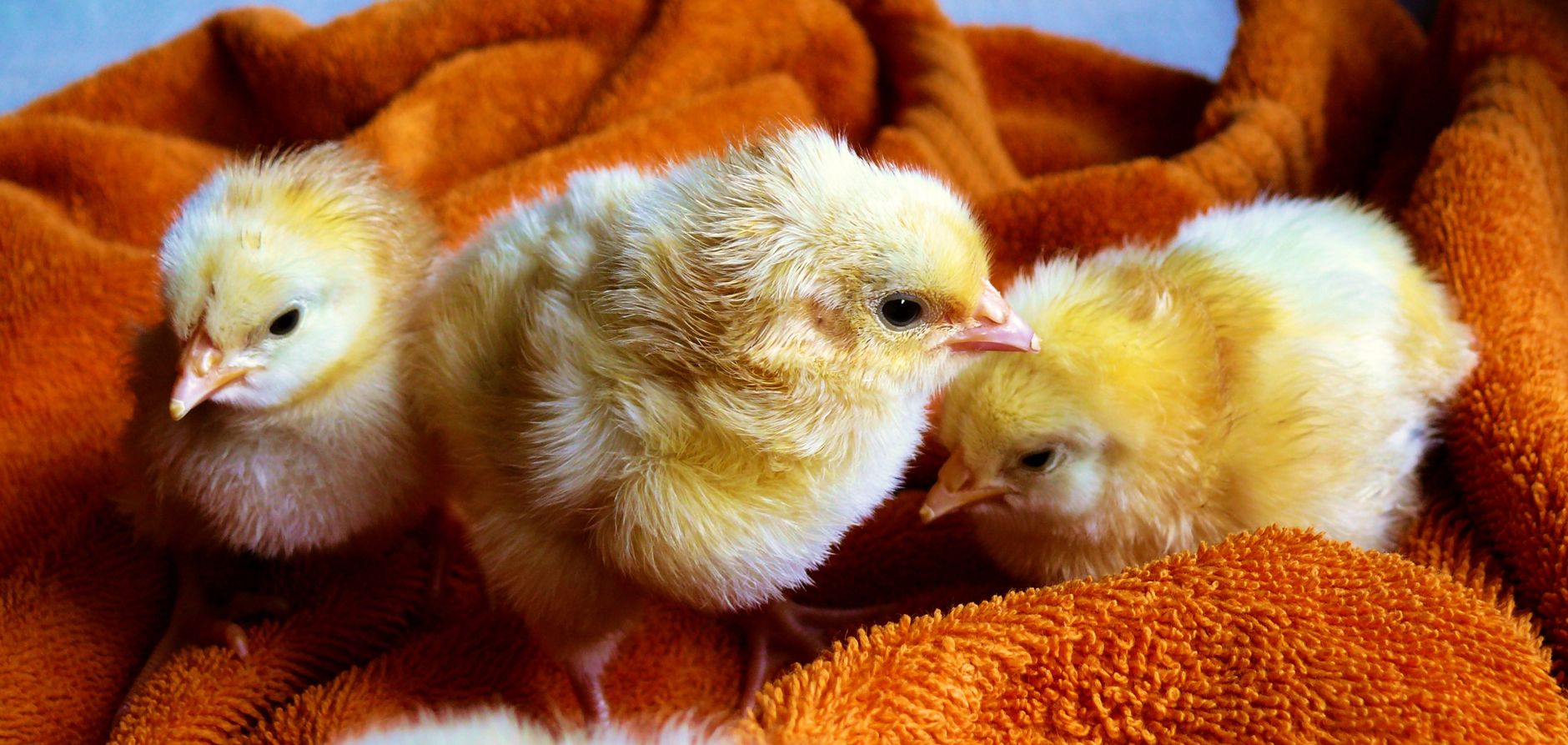
Auto-sexing breeds: These breeds have different colors or patterns at hatch, making sexing possible immediately. Examples: Cream Legbar (males are lighter, females darker), Welsummer (males have a lighter spot on their head).
Sex-linked breeds: These are crossbreeds where males and females have distinct colors. The most common is the red sex-link (ISA Brown, Golden Comet)—males are lighter, females are darker.
How to identify: The hatchery should tell you the sex-linked characteristics. If you have a sex-linked breed, sexing is straightforward.
Limitations: These are specific breeds/crosses. If you have mixed-breed or heritage chickens, these methods don't apply.
Best for beginners: If you need to know gender early, choose a sex-linked breed from a hatchery. They're easy to sex and reliably female (if you buy pullets).
Observe Comb and Wattle Development (6-12 Weeks)
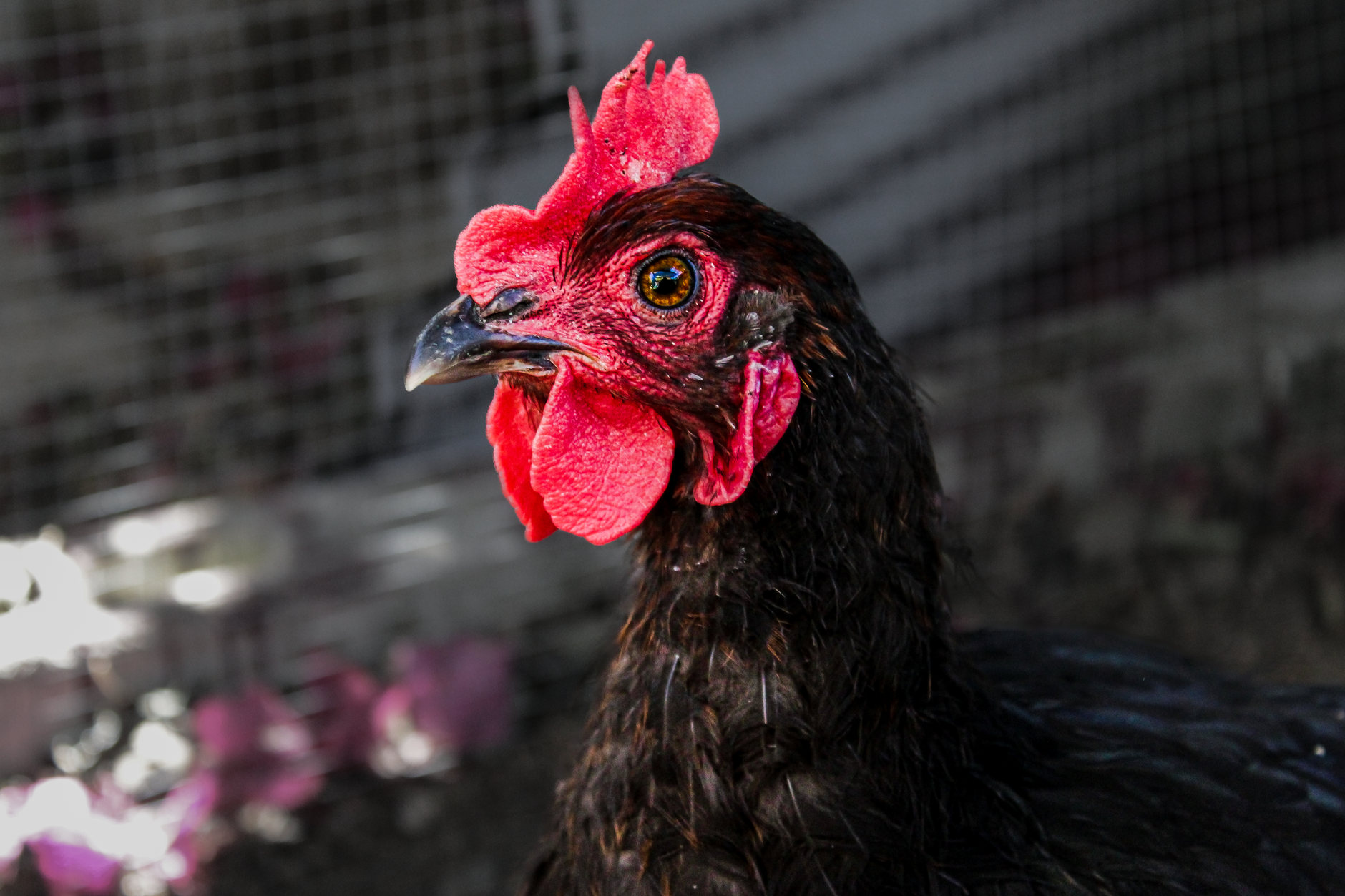
When to look: Between 6-12 weeks of age, male chicks start developing larger, more prominent combs and wattles. Female chicks' combs remain smaller and paler.
Color: Males often develop a reddish-pink comb earlier than females. Females stay pale pink or yellowish longer.
Size: The male's comb will be noticeably larger and more upright. The female's comb remains smaller and flatter against the head.
Breeds matter: This method works for most breeds. However, some breeds (like Polish, Silkies) have small combs regardless of gender, making this method less reliable.
Compare siblings: If you have multiple chicks, compare them. The chick with the most developed comb is likely male.
Watch for Behavior Differences
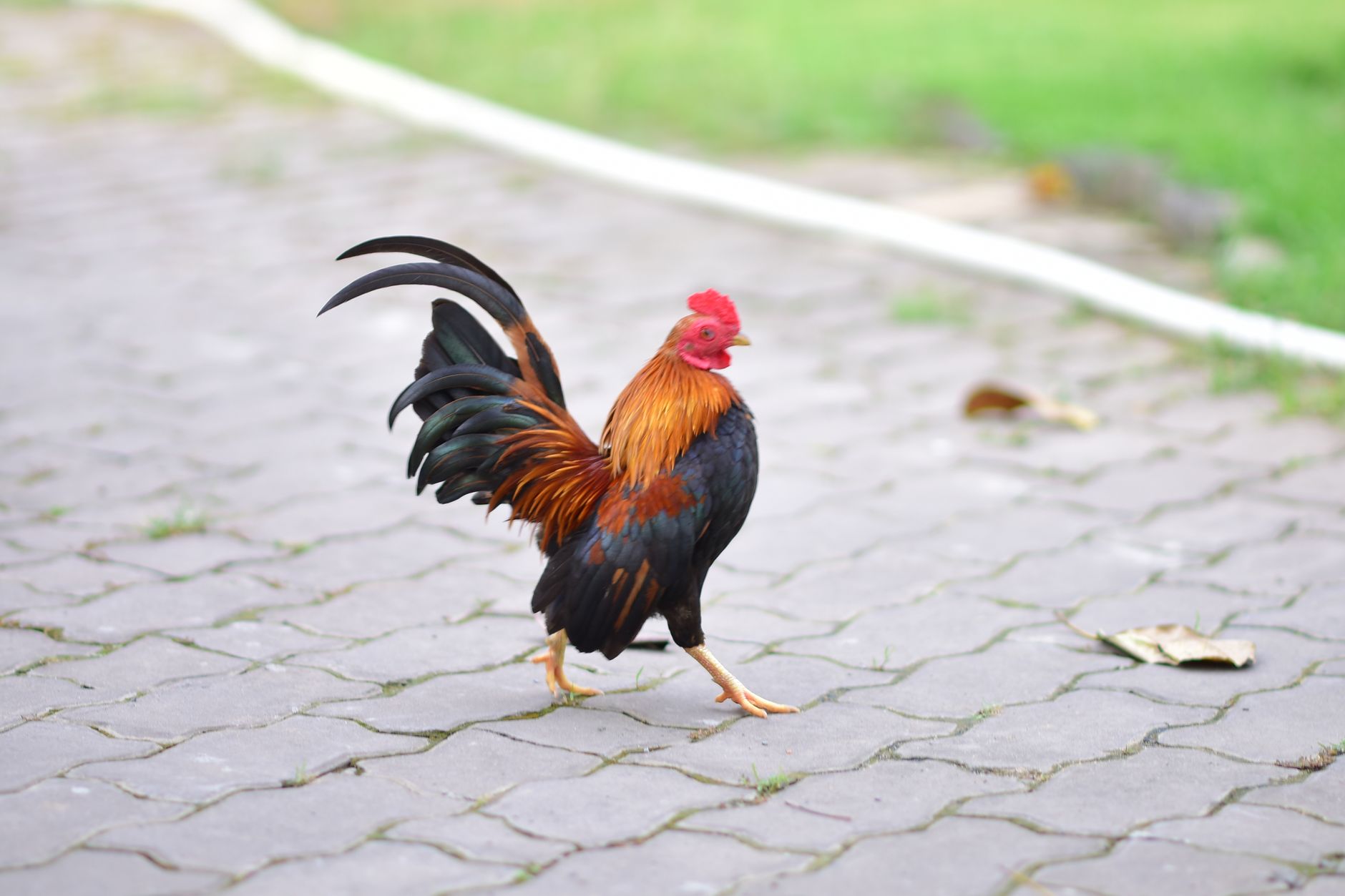
Posture: Male chicks often stand taller and more upright. They hold their necks more erect. Females tend to be more horizontal and squat.
Confidence: Males are often more curious and assertive. They may approach new objects first and are less easily frightened.
Crowing: Around 6-8 weeks, you might hear the first attempts at crowing. These are often weak, squeaky sounds, but they indicate a male.
Aggression: Males may start displaying aggressive behaviors like pecking or sparring with siblings. This is more common in males.
Hen behavior: Female chicks may start squatting when approached (a submissive behavior) as they approach laying age (4-5 months).
Examine Leg and Feather Development
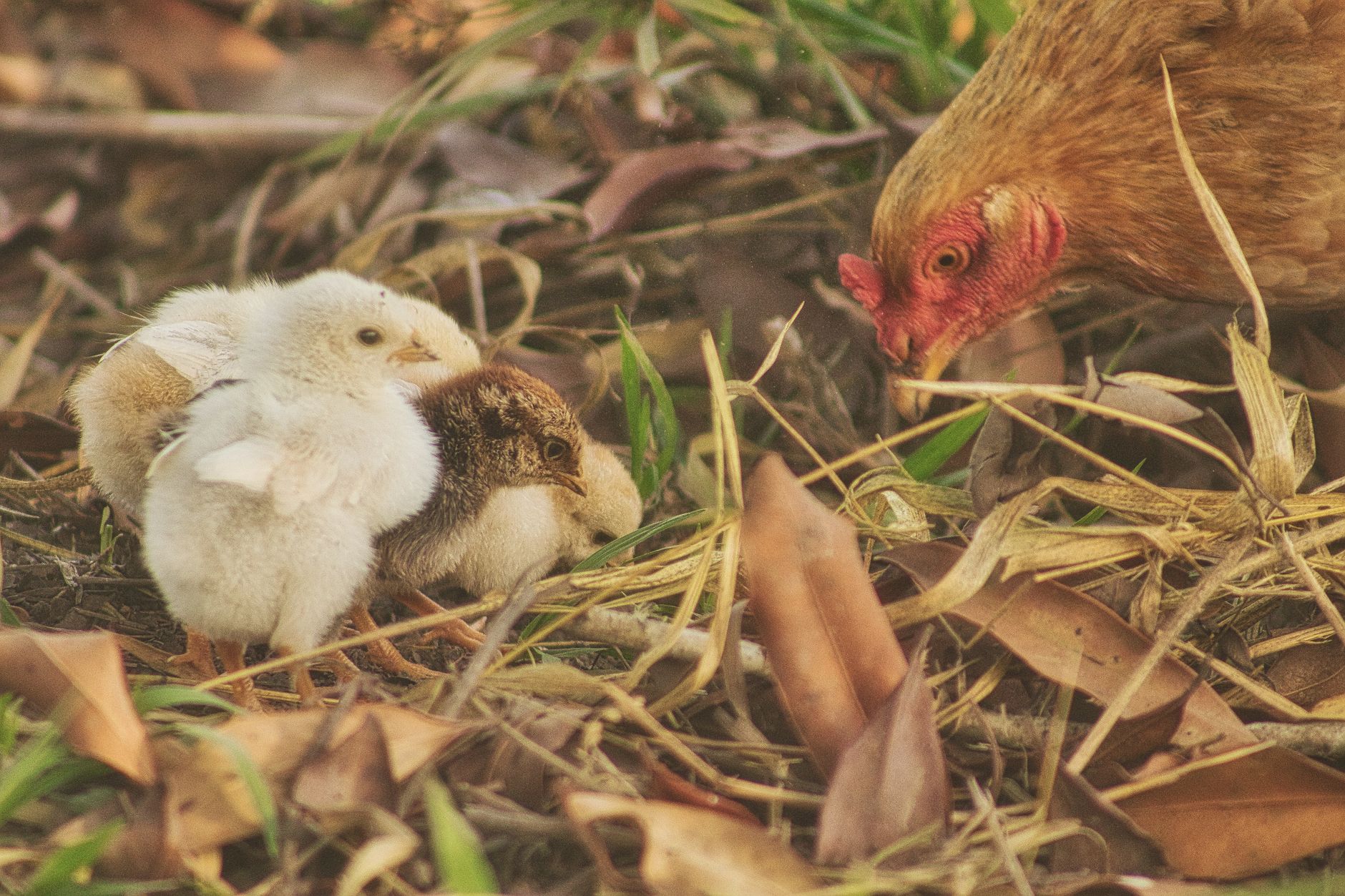
Leg size: Male chicks often have thicker, sturdier legs. Female legs are more slender and delicate.
Foot size: Males tend to have larger, wider feet. This becomes more noticeable as they grow.
Feather development: In some breeds, males have a different feather pattern. For example, roosters often develop pointed hackle and saddle feathers (around the neck and back) while hens have rounded feathers.
Tail feathers: Males' tail feathers often become more upright and prominent, while females' tails are rounder.
When to check: These differences are best observed at 3-4 months of age when adult feathers start coming in.
Professional Method: Vent Sexing
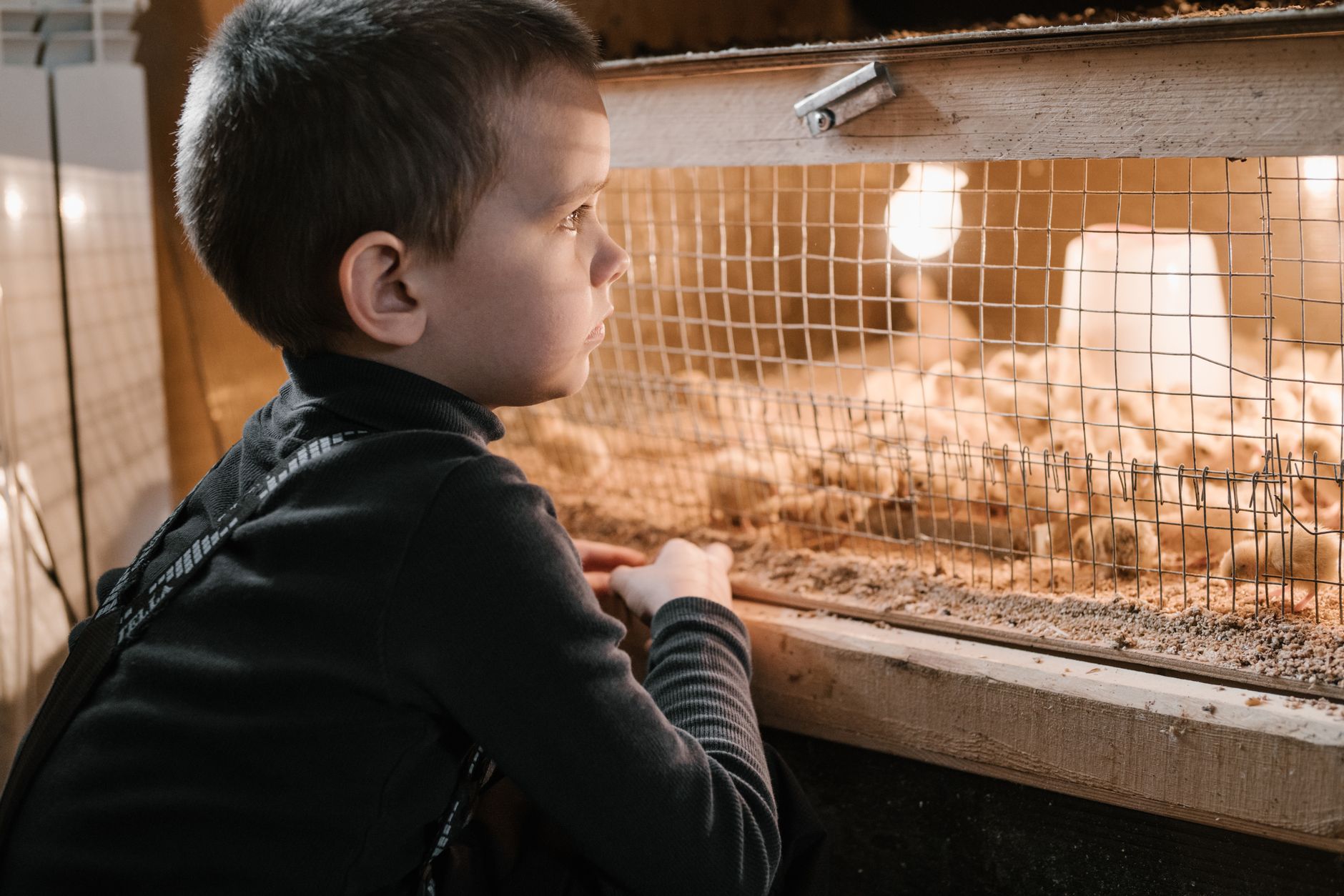
What it is: Examining the chick's vent (cloaca) to identify the presence or absence of a small genital bump. Males have a tiny bump; females don't.
When it's done: Day 1-3 after hatch. After that, the genitalia become less visible as the chick grows.
Who does it: Hatchery professionals are trained in vent sexing. It requires steady hands, good lighting, and practice.
Risks: If done incorrectly, the chick can be injured or killed. This is why it's best left to professionals.
Accuracy: Professional vent sexing is 90-95% accurate. Some extremely skilled sexers can achieve 98%.
For beginners: Don't attempt vent sexing unless you've been trained. It's not worth the risk.
Wait Until Adult Feathers Develop (3-5 Months)
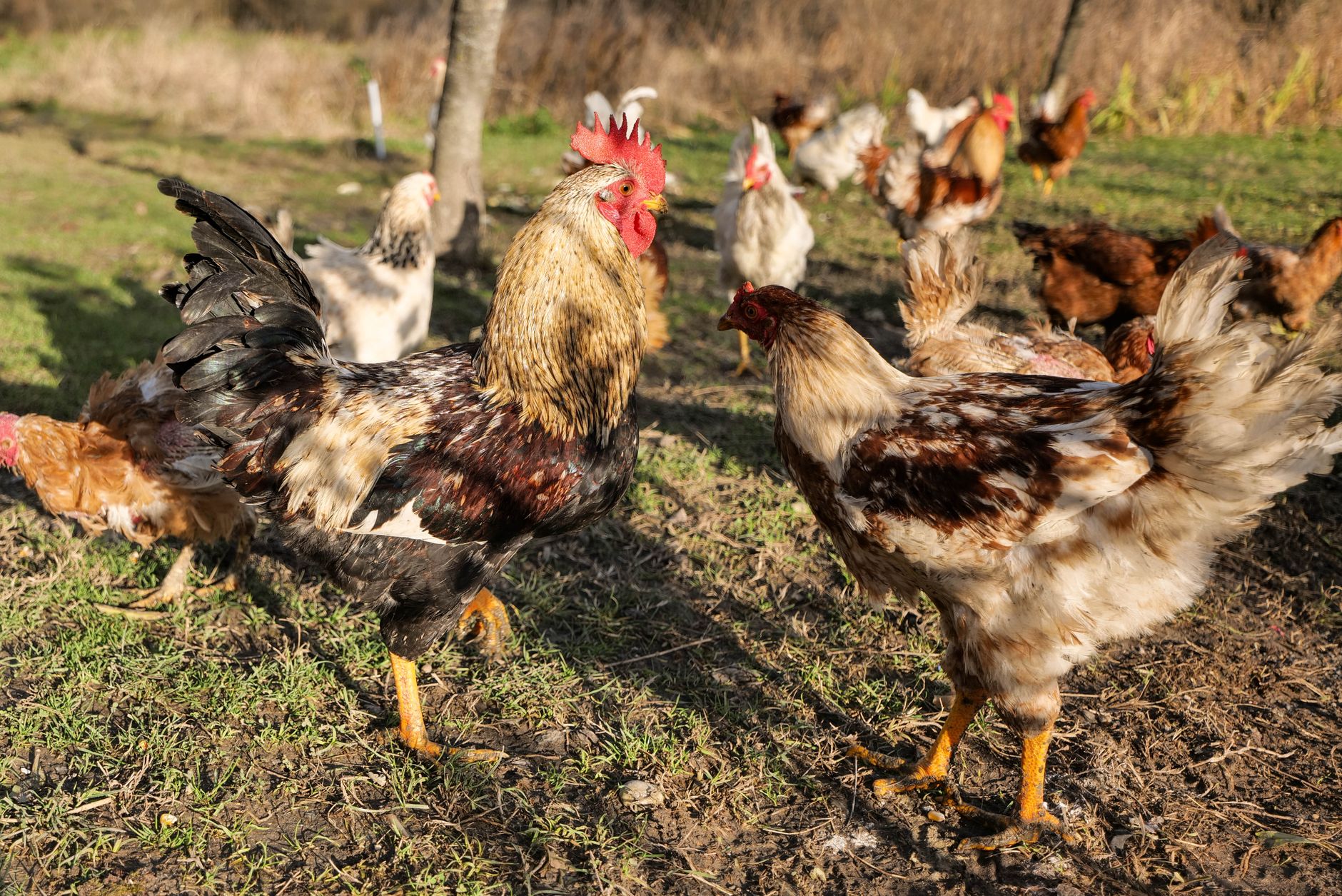
Saddle feathers: Roosters develop long, pointed, and shiny saddle feathers (on the back just above the tail). Hens have rounded, shorter feathers.
Hackle feathers: Roosters have long, pointed neck feathers (hackles). Hens have shorter, rounded neck feathers.
Tail feathers: Roosters have long, sweeping, often curved tail feathers. Hens have shorter, upright tails.
Comb and wattles: Roosters have larger, brighter combs and wattles that continue to grow. Hens have smaller combs.
Behavior: By this age, roosters will be crowing confidently and attempting to mate. Hens may start squatting when approached.
The answer: At 4-5 months, even a beginner can confidently identify males and females. Patience is the most reliable method.
Common problems and fixes
| Problem | Likely cause | What to do |
|---|---|---|
| All chicks look identical, even at 6 weeks | You have a breed that's slow to develop secondary sexual characteristics (like Silkies). | Be patient. Wait until 4-5 months. Some breeds take time to show differences. |
| You have a chick you think is a rooster but aren't sure | Comb development may be early, or the chick is an early-maturing breed. | Wait for crowing (starts around 6-8 weeks). Check for saddle feathers (3-5 months). If still unsure, wait. |
| You ended up with an unexpected rooster in an area where they're not allowed | Bought straight-run or the hatchery made a mistake. | Rehome him responsibly. Local chicken groups, feed stores, and farm sanctuaries often take roosters. |
| You have a breed with small combs (like Silkies) and can't tell | Some breeds have naturally small combs, making comb-based sexing unreliable. | Wait for behavior (crowing, mating) or feather differences (saddle feathers). Some Silkie breeders use a slightly different method—look for wider vent areas in females. |
Gardener's checklist
Test what you learned
What is the most reliable sexing method for beginners?
Answer: Waiting until 4-5 months
Which breeds are auto-sexing?
Answer: Cream Legbar
At what age do male chicks typically start developing larger combs?
Answer: 6-12 weeks
What is a key behavioral difference between male and female chicks?
Answer: Males are more upright and confident
Common questions
Can I sex a chick by looking at its vent?
Yes, but it's a professional skill called vent sexing. It's done at 1-3 days old and requires training and practice. It's not recommended for beginners—you could injure the chick.
Are roosters always noisier than hens?
Yes, roosters crow loudly, starting around 6-8 weeks. Hens can be noisy too, but roosters are unmistakably loud and persistent in their crowing.
How accurate is feather sexing?
It depends on the breed. For breeds where it works (like Brahmas and Cochins), it's about 80-90% accurate. For breeds where it doesn't work, it's 0% accurate—don't use it.
Can hens have larger combs like roosters?
Yes, some hens develop larger combs, especially high-production layers (like Leghorns). However, the comb of a rooster is typically more upright and redder, and continues to grow larger.
What should I do if I accidentally get a rooster?
If roosters aren't allowed in your area, rehome him. Many people are looking for roosters for breeding or protection. Check online forums, feed stores, or local farm sanctuaries.
Sexing chicks is one of the most challenging skills in backyard chicken keeping. While professionals can sex day-old chicks with 90-95% accuracy, the best approach for most beginners is patience. Wait until your chicks are 6-8 weeks old to see comb and wattle differences, and 4-5 months for definitive male and female characteristics. If you need absolute certainty, buy sexed pullets from a reputable hatchery. And remember: even experts make mistakes, so have a plan for unexpected roosters.
Frequently asked questions
How often should a vegetable garden be watered?
Frequency depends on weather, soil and plant size. Check the soil rather than watering on a rigid schedule.
Is compost enough fertilizer?
Compost improves soil and provides nutrients slowly. Heavy-feeding crops may still need additional feeding.

The Sproutstead Editorial Team
We create clear, practical gardening and homesteading guides designed for real homes and beginner growers.
View author profile →