
Start container gardening with pots that have drainage holes, sized appropriately to your chosen plant (larger for tomatoes and peppers, smaller for herbs and lettuce), filled with quality potting mix rather than garden soil. Place containers where they get adequate sunlight for your chosen crops, water when the top inch of soil feels dry, and feed every 2-3 weeks during the growing season. Herbs, lettuce, cherry tomatoes, and peppers are among the most forgiving crops for first-time container gardeners.
What you will need
Choose Containers with Proper Drainage
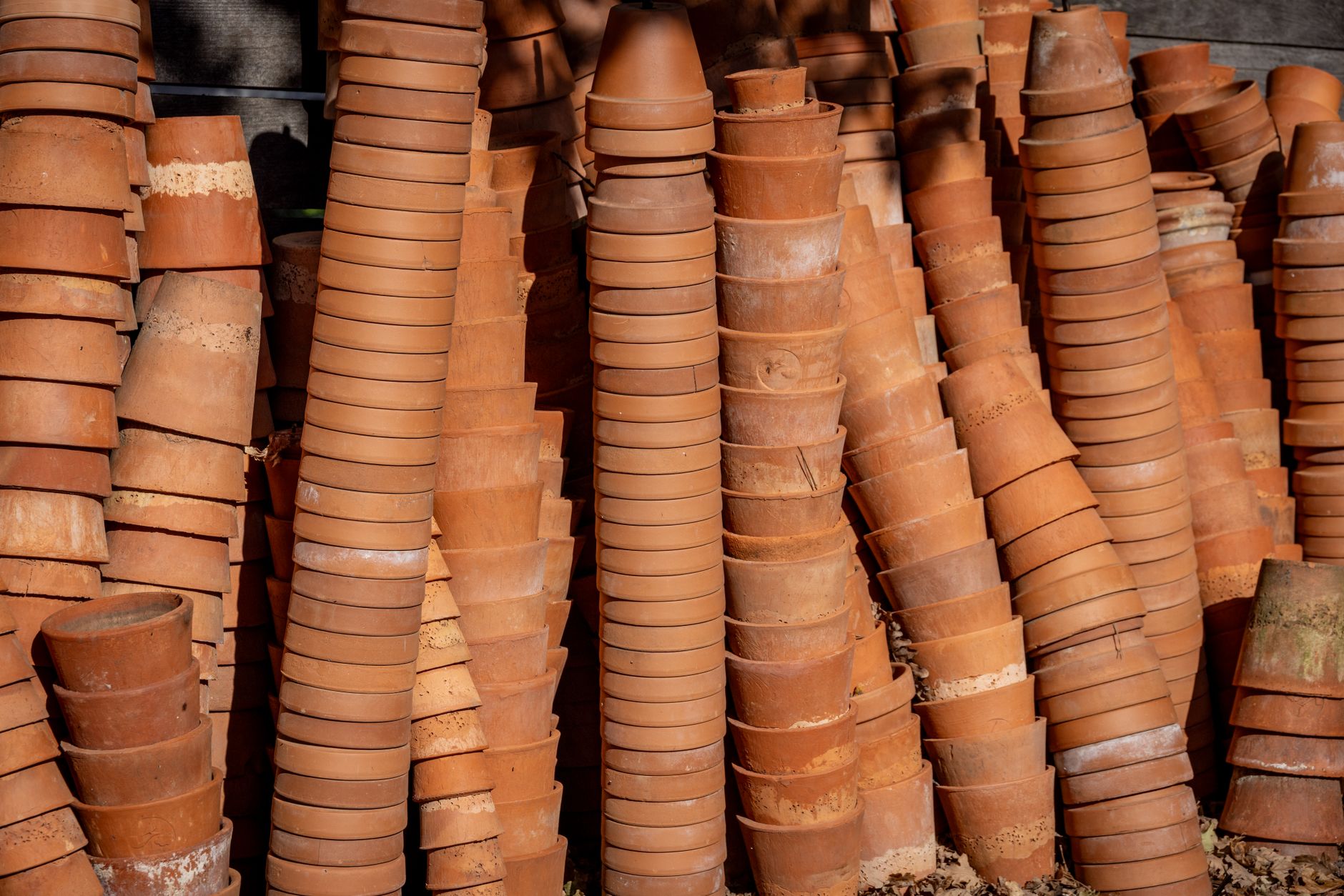
Every container needs drainage holes in the base; without them, excess water has nowhere to go, quickly leading to waterlogged soil and root rot that can kill even otherwise healthy plants within days.
If you've found or want to use a decorative container without drainage holes, drill several yourself if the material allows (many plastics and some ceramics can be drilled), or use it purely as a decorative outer sleeve around a properly draining inner pot.
Material choice affects both weight and watering frequency: terracotta is porous and dries out faster but looks classic; plastic is lightweight and retains moisture longer; fabric grow bags offer excellent root health but need more frequent watering.
For beginners, plastic containers or basic nursery pots are often the most forgiving choice, since they're inexpensive, lightweight, and retain moisture more evenly than porous materials like unglazed terracotta.
Avoid containers that previously held chemicals, pesticides, or other non-food substances, since residues can potentially leach into soil and affect edible plants grown in them.
Size Containers to Match Your Plants
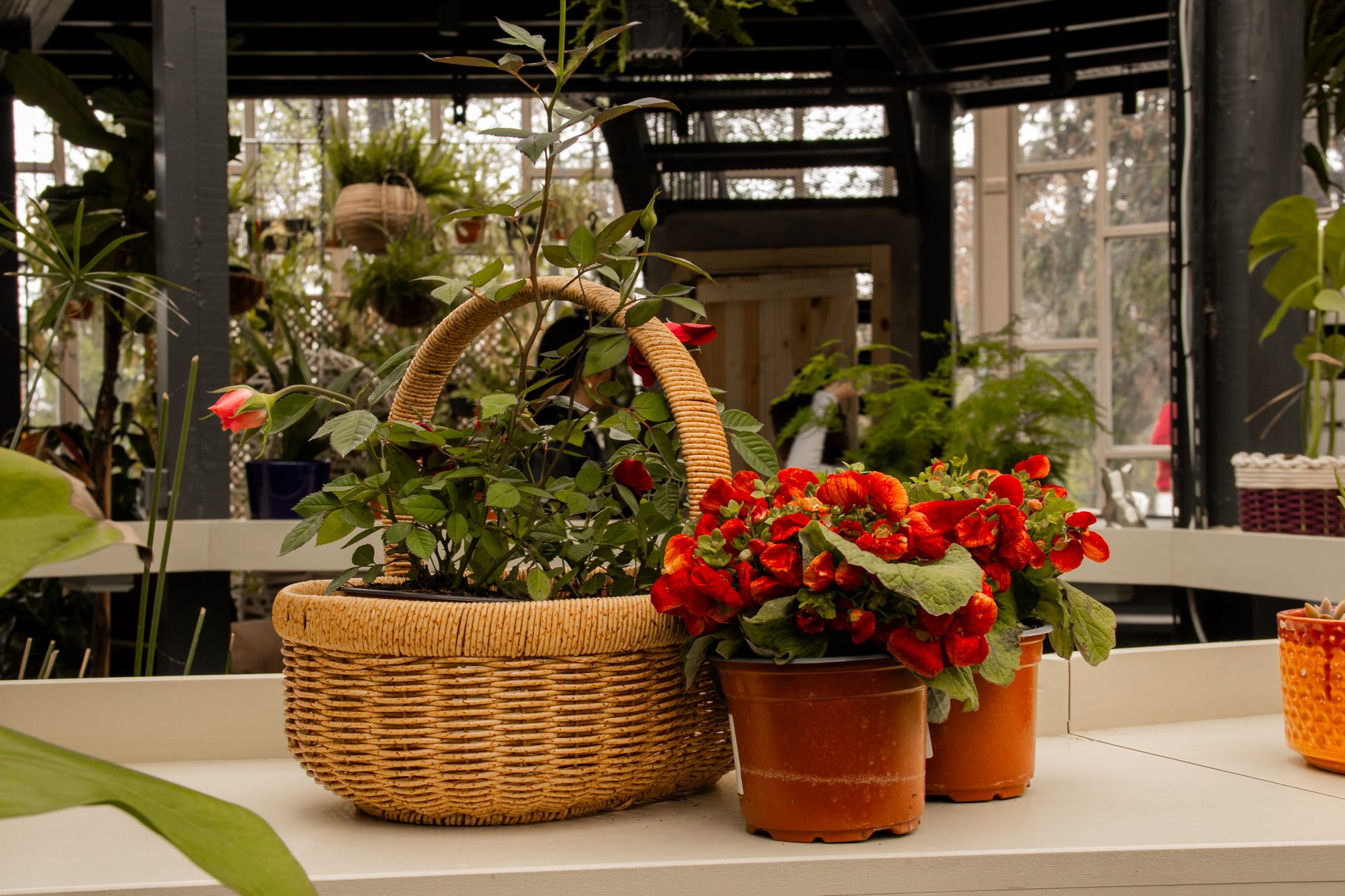
Herbs, lettuce, and other shallow-rooted plants do well in containers as small as 1-3 gallons, making them an accessible, low-commitment starting point for a first container garden.
Tomatoes, peppers, and eggplant need considerably more room, with a minimum of 5 gallons for compact varieties and 10-20+ gallons for full-size indeterminate tomatoes to reach their genuine productive potential.
When in doubt, size up rather than down; an oversized container rarely causes problems, while an undersized one reliably leads to stunted growth, more frequent watering needs, and reduced yields.
One plant per container is generally the safest approach for beginners, since crowding multiple plants into a single pot, even a large one, creates competition for water and nutrients that can be tricky to manage while you're still learning the basics.
Check the mature size information on seed packets or plant tags before purchasing, which typically gives a good indication of the root system size and corresponding container needs for that specific variety.
Use Quality Potting Mix
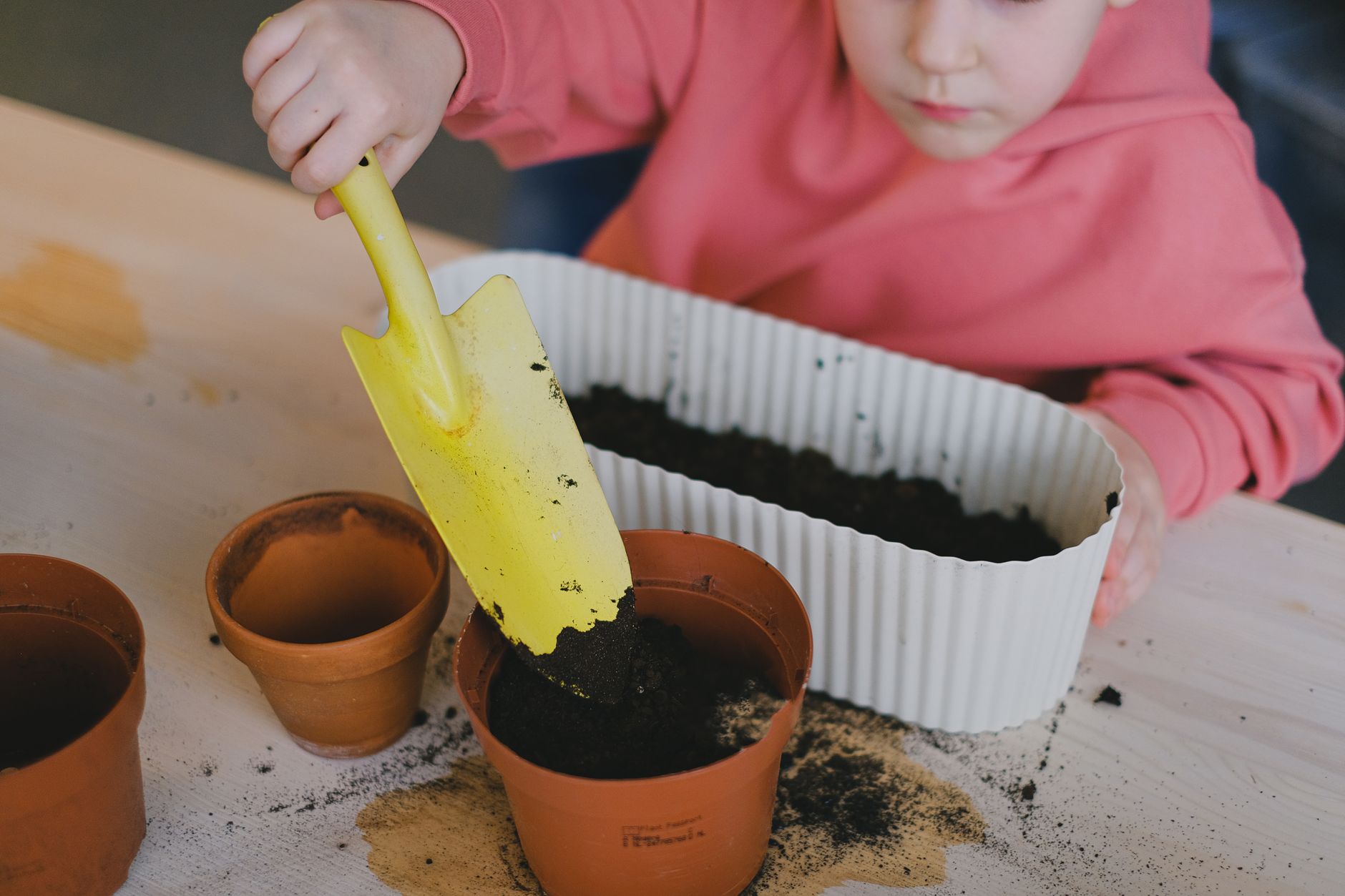
Never fill containers with soil dug from your yard or garden, which compacts significantly once confined, restricting oxygen to roots and draining poorly compared to how it behaved in open ground.
Purchase a bagged potting mix labeled for containers or vegetables specifically, which is formulated with the right blend of ingredients (typically including peat or coco coir, perlite, and some compost) to drain well while retaining adequate moisture.
Avoid the cheapest, most generic potting soil options if possible, since quality genuinely varies, and a mix that's too dense or lacks adequate aeration material can cause the same drainage problems as garden soil.
Fill containers to within an inch or two of the rim, leaving enough room for watering without soil washing over the edges every time you water.
You don't need to add fertilizer to your potting mix immediately if the bag already includes a starter fertilizer (check the label), though you'll still need to begin regular feeding within a few weeks as that initial nutrition depletes.
Find the Right Light for Your Space
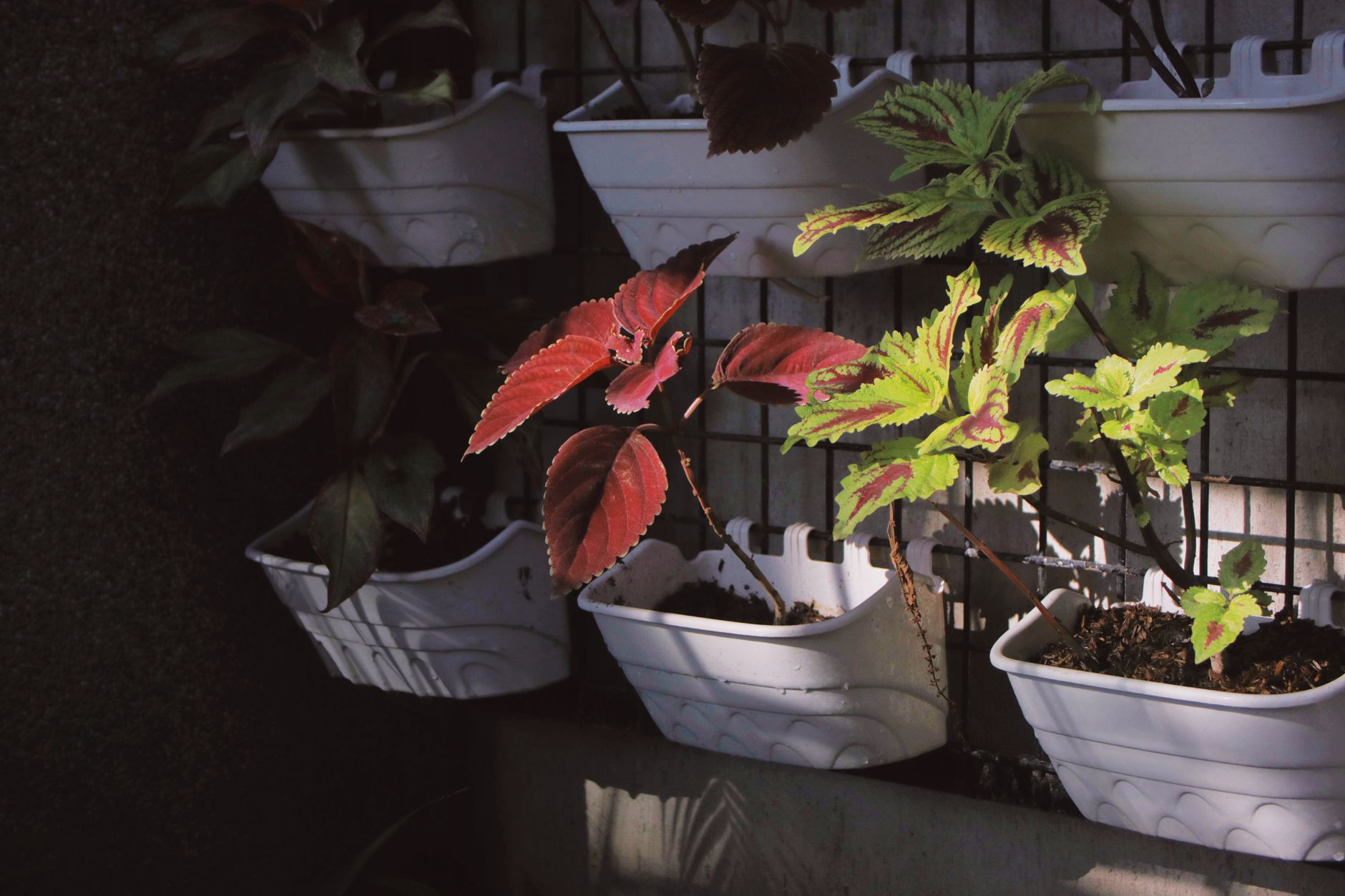
Track how many hours of direct sunlight your intended growing space receives over a full day, since this single factor determines which plants can realistically succeed there more than almost anything else.
Fruiting vegetables like tomatoes, peppers, and cucumbers genuinely need 6-8 hours of direct sun daily to produce well; less light typically means fewer, smaller fruits even with otherwise excellent care.
Leafy greens and most herbs tolerate significantly less light, often thriving with just 3-4 hours of direct sun, making them a much better match for partially shaded spaces like an east-facing porch or a spot beneath a tree canopy.
One genuine advantage of containers for beginners is mobility; if your first location doesn't seem to be working well, you can simply move the pot to test a different spot rather than being stuck with an in-ground planting decision.
Don't assume a spot that looks bright is automatically getting enough direct sun; bright, indirect light (like near a window but not directly hit by sun rays) is quite different from true direct sunlight for plant growth purposes.
Water Consistently and Correctly
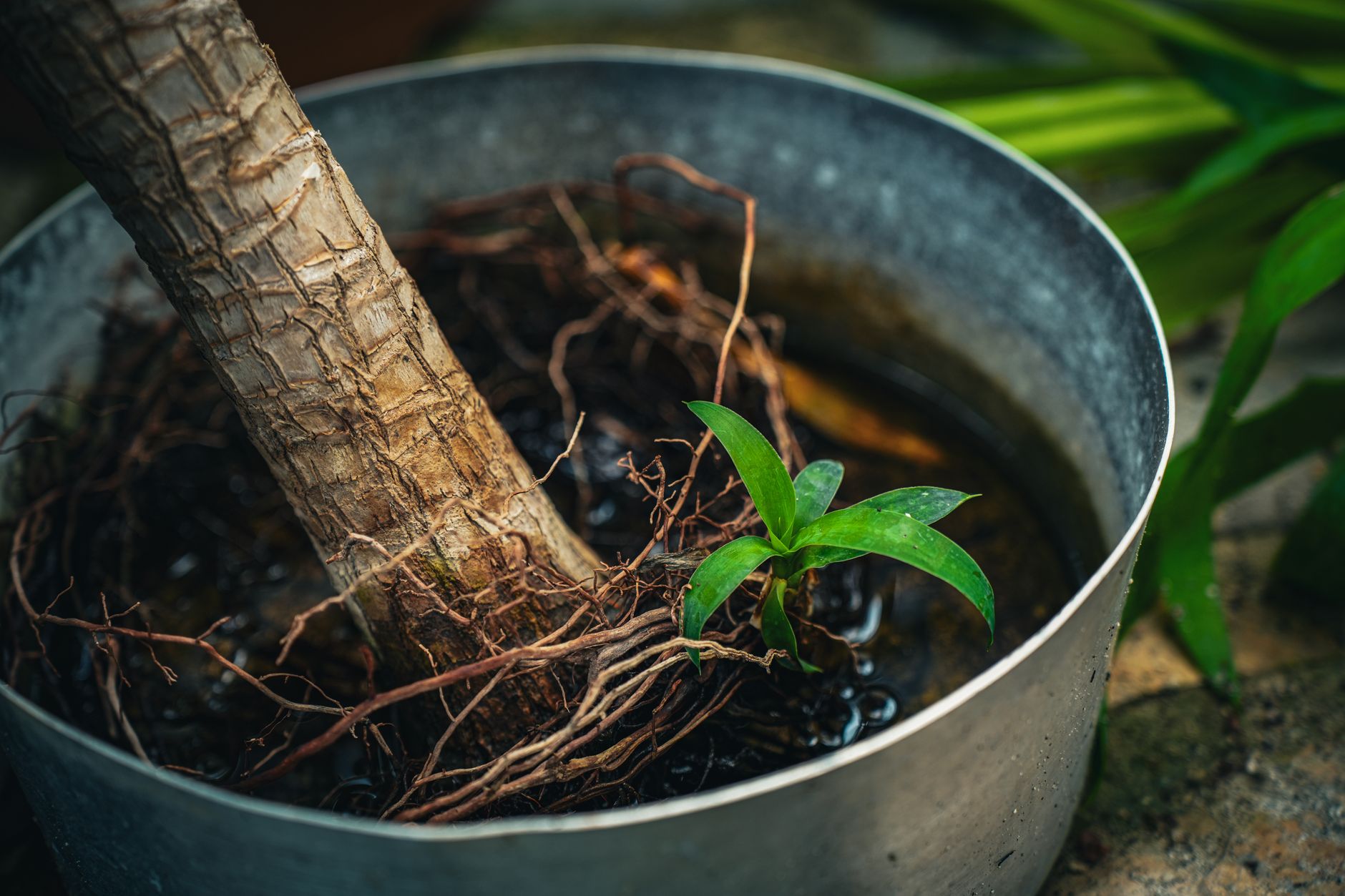
Check soil moisture by inserting a finger about an inch into the soil; water when it feels dry at that depth, rather than watering on a fixed daily or weekly schedule that doesn't account for actual conditions.
Water thoroughly until it drains from the bottom holes, which ensures the whole root ball receives moisture rather than just wetting the surface layer while leaving deeper roots dry.
Containers dry out considerably faster than garden beds, especially in hot weather or with smaller pots, so expect to check moisture daily during the growing season, sometimes needing to water once or even twice a day in peak summer heat.
Overwatering is a common beginner mistake, often mistaken for underwatering since wilting can result from both too much and too little water; always check actual soil moisture before assuming a wilting plant simply needs more water.
Consider a simple moisture meter if you're having trouble judging soil moisture by touch alone, which takes some of the guesswork out of this skill while you're still building experience and confidence.
Feed Your Plants Regularly
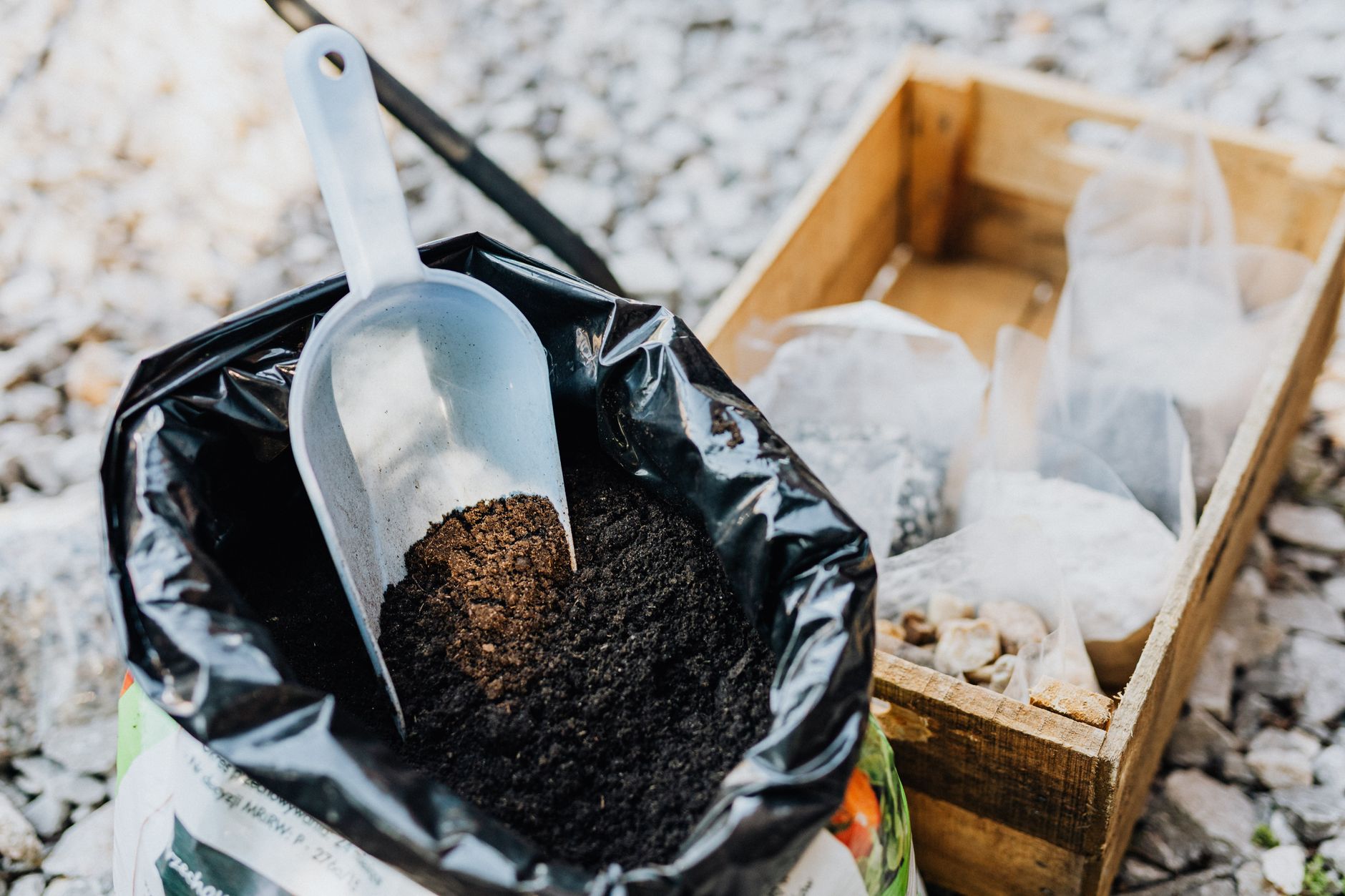
Begin regular feeding about 2-4 weeks after planting (or sooner if your potting mix didn't include starter fertilizer), since the frequent watering containers need also washes nutrients out of the soil faster than garden beds lose them.
A balanced liquid fertilizer, diluted and applied every 2-3 weeks according to package directions, works well for most beginner container gardens without requiring you to learn complex feeding schedules.
Watch for pale or yellowing leaves as a sign your plants might need feeding sooner than your regular schedule, a helpful visual cue while you're still developing a feel for your specific containers' needs.
Don't overcompensate by feeding too heavily, since excess fertilizer, particularly nitrogen, can actually harm plants or push excessive leafy growth at the expense of the flowers and fruit you're actually hoping to harvest.
Start with Forgiving, Beginner-Friendly Crops
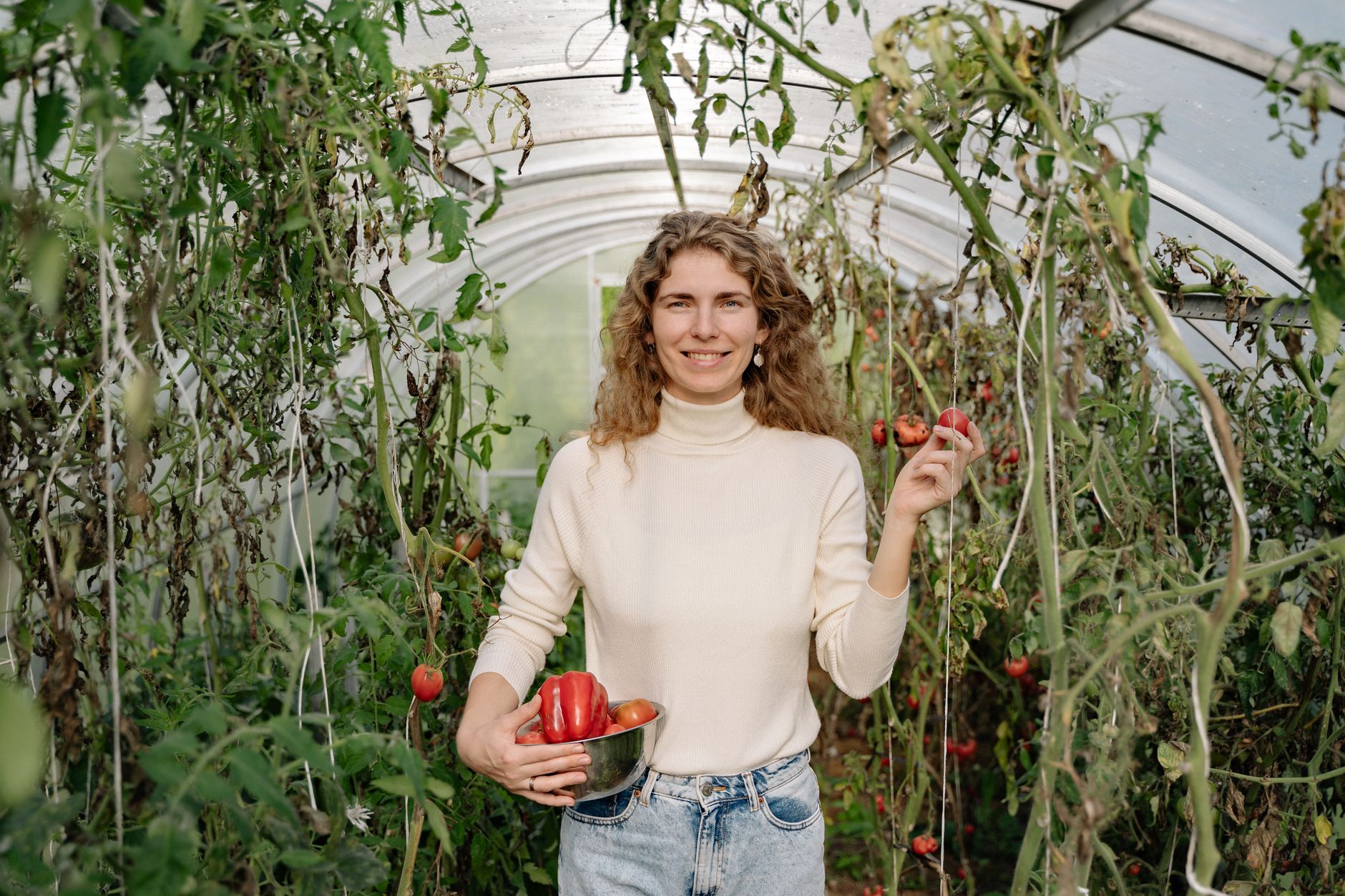
Herbs like basil, mint (contained separately, since it spreads aggressively), chives, and parsley are among the most forgiving container plants, tolerating minor watering inconsistencies while still producing a useful, satisfying harvest.
Lettuce and other leafy greens grow quickly, often ready to harvest within a month, giving beginners fast, encouraging feedback that more slowly maturing crops can't provide during that crucial first season of learning.
Cherry and grape tomatoes are considerably more forgiving than full-size beefsteak varieties, tolerating container life well while still producing an abundant, reliable harvest even with some care mistakes along the way.
Compact pepper varieties similarly tolerate container conditions well and reward consistent (though not perfect) care with a steady summer harvest.
Avoid particularly demanding or slow-maturing crops for your first attempt, such as large melons, extensive root vegetables, or plants requiring very specific care like blueberries, saving these for once you've built confidence with more forgiving options.
Common problems and fixes
| Problem | Likely cause | What to do |
|---|---|---|
| Plant wilts despite what seems like regular watering | Either overwatering (root rot preventing water uptake) or underwatering; both cause similar wilting symptoms. | Check actual soil moisture by touch before assuming more water is needed, since overwatering is a common and less obvious cause of wilting. |
| Plant grows slowly and produces little despite adequate light and water | Container too small for the plant, or insufficient feeding as nutrients deplete. | Confirm your container meets minimum size guidelines for that crop, and begin or increase regular liquid feeding. |
Gardener's checklist
Test what you learned
Why are drainage holes essential in containers?
Answer: Without them, waterlogged soil leads to root rot
What is the best way to determine when to water a container plant?
Answer: Check soil moisture by touch before watering
Which crops are generally most forgiving for beginner container gardeners?
Answer: Herbs, lettuce, and cherry tomatoes
Common questions
What is the easiest vegetable to grow in a container for beginners?
Lettuce and other leafy greens are often considered easiest, since they grow quickly (ready to harvest within a month), tolerate minor care inconsistencies, and provide fast, encouraging feedback for new gardeners.
How often should I water container plants?
Rather than a fixed schedule, check soil moisture daily during the growing season by inserting a finger about an inch into the soil, watering thoroughly whenever it feels dry at that depth.
Can I reuse potting soil from a previous container garden?
It's best to refresh at least half the potting mix each new season, since nutrients deplete and soil structure breaks down over a growing season, though soil from a healthy plant can be blended with fresh material rather than fully discarded.
Do I need to fertilize container plants?
Yes, regular feeding is more important in containers than in-ground gardens, since frequent watering washes nutrients out of the confined soil volume faster than they deplete from garden beds.
Container gardening rewards beginners with a low-commitment, flexible way to start growing food, and success comes down to a few consistent fundamentals: proper drainage, appropriate sizing, quality potting mix, and learning to read your plants' actual moisture and light needs rather than following rigid rules.
Frequently asked questions
How often should a vegetable garden be watered?
Frequency depends on weather, soil and plant size. Check the soil rather than watering on a rigid schedule.
Is compost enough fertilizer?
Compost improves soil and provides nutrients slowly. Heavy-feeding crops may still need additional feeding.

The Sproutstead Editorial Team
We create clear, practical gardening and homesteading guides designed for real homes and beginner growers.
View author profile →

