
Fabric grow bags are breathable, felt-like containers that promote healthy root development through 'air pruning,' preventing the circling roots common in plastic pots. Size bags to your crop: 3-5 gallons for herbs and lettuce, 7-10 gallons for peppers and dwarf tomatoes, 15-20+ gallons for full-size tomatoes and potatoes. They dry out faster than plastic pots, requiring daily watering in hot weather, but fold flat for easy off-season storage.
What you will need
Understand How Grow Bags Benefit Root Health
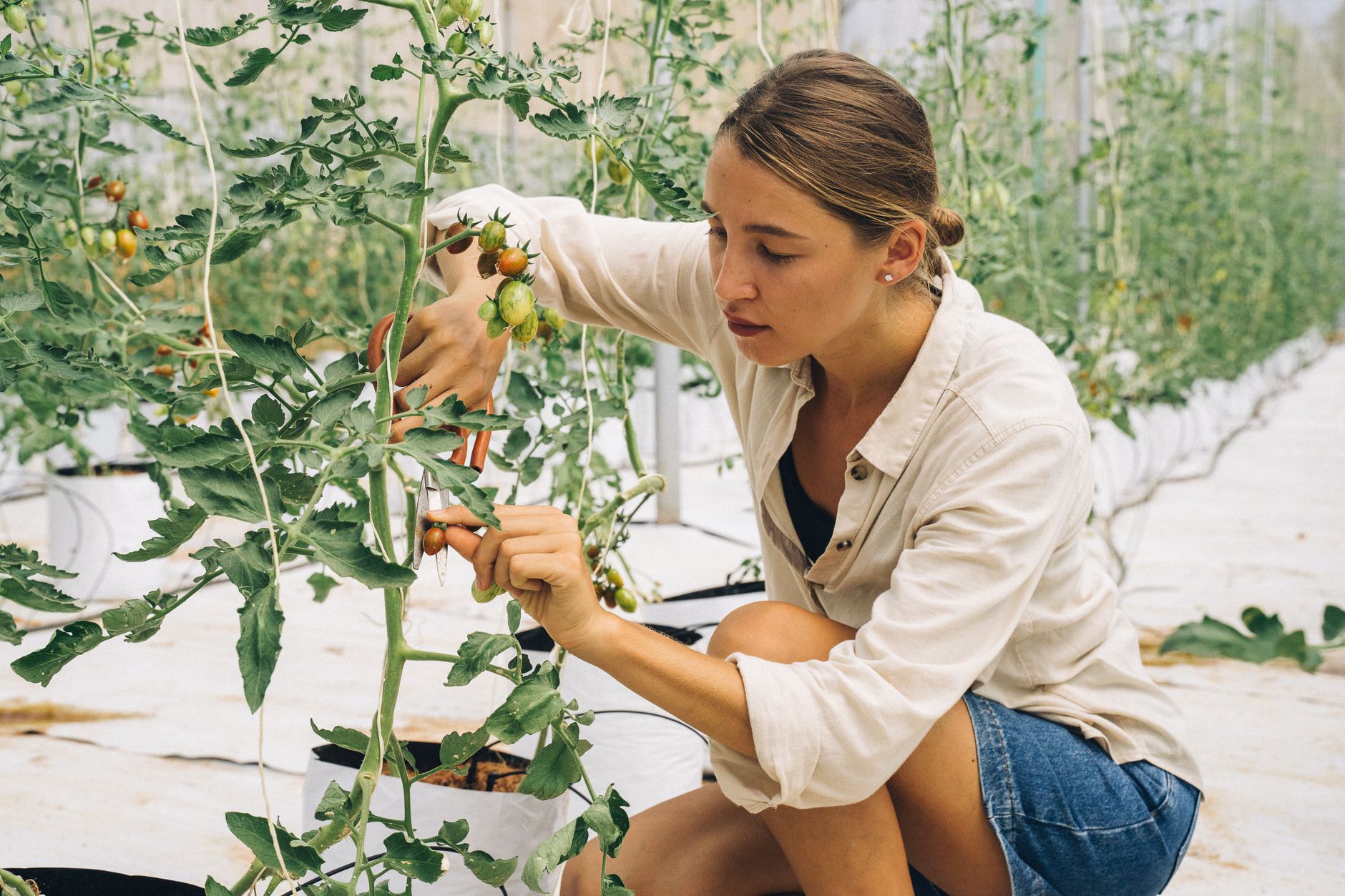
Unlike solid plastic pots, where roots often hit the container wall and begin circling around the inside in a tangled mass, fabric grow bags allow air to reach roots as they approach the fabric surface, causing the root tip to naturally stop growing, a process called air pruning.
This air pruning effect encourages the plant to develop a denser, more branched root system throughout the container rather than a few long roots circling uselessly at the edges, generally resulting in healthier, more vigorous plants with better overall nutrient uptake.
The breathable fabric also improves oxygen exchange to the entire root zone, reducing the risk of the waterlogged, oxygen-poor conditions that can develop in solid containers with poor drainage, particularly after heavy rain or overwatering.
This combination of better root branching and oxygen availability is why many experienced container gardeners report noticeably better yields from grow bags compared to equivalent-sized plastic pots, especially for heavy feeders like tomatoes.
The improved root structure also tends to make transplanting easier if you ever need to move a plant, since the root ball holds together well without the tangled, circling mass that often needs cutting or unwinding from a plastic pot.
Choose the Right Bag Size for Your Crop

For herbs, lettuce, and other shallow-rooted greens, 3-5 gallon bags provide adequate room without wasting soil and space on more root volume than these compact plants genuinely need to thrive.
For peppers, eggplant, and dwarf or determinate tomato varieties, 7-10 gallon bags offer a good balance of adequate root space without being unwieldy to move or water throughout the season.
For full-size indeterminate tomatoes, potatoes, and other larger crops, use 15-20 gallon or larger bags, since these plants genuinely need substantial root volume to reach their full productive potential over a long growing season.
Potato-specific grow bags, often with a flap or window near the base for easy harvesting, are a particularly popular application of this format, letting you harvest without disturbing the entire plant or digging through a full container of soil.
For very small spaces like a narrow windowsill or balcony rail, even smaller 1-2 gallon bags can work for individual herb plants, though these dry out even more quickly than their larger counterparts and need especially attentive watering.
Fill with Quality Potting Mix

Use a quality potting mix rather than garden soil, following the same principles as any container gardening, since garden soil compacts and drains poorly when confined, an effect that's even more pronounced in a fabric bag's flexible walls.
Mix in a slow-release balanced fertilizer at filling time, or plan to begin regular liquid feeding within a few weeks of planting, since the same nutrient-leaching concerns that affect plastic containers apply to grow bags as well.
Fill bags to within 2-3 inches of the top rim, leaving room for watering without soil overflowing the edges, particularly important since grow bags' flexible sides can make overflow messier than with a rigid pot.
For potato grow bags specifically, many gardeners start with only a partial fill and add more soil progressively as the plants grow, a technique called 'hilling' that encourages additional tuber formation along the buried stem.
Given fabric bags' generally faster drying tendency, consider working in a water-retention amendment like coco coir alongside your standard potting mix, which can help buffer against the more rapid moisture loss compared to a solid container.
Water More Frequently Than Plastic Containers

Fabric grow bags dry out noticeably faster than solid plastic pots, since moisture evaporates through the porous fabric walls in addition to the soil surface, sometimes requiring watering as much as twice as often as an equivalent plastic container.
Check soil moisture daily during the growing season, and expect to water grow bags more frequently than equivalent-sized plastic containers, often daily during hot summer weather, and potentially twice daily during extreme heat waves.
Mulching the soil surface with straw or shredded leaves helps slow this faster moisture loss somewhat, though grow bags will still generally need more frequent attention than solid containers regardless of mulching.
Consider drip irrigation on a timer for multiple grow bags, which significantly reduces the daily manual watering burden while still meeting the bags' higher moisture needs consistently throughout the season.
Position bags where they'll get some relief from the most intense afternoon sun in hot climates if possible, which can meaningfully reduce how quickly they dry out compared to a spot in full, unrelenting sun all day.
Position and Support Bags Properly

Place grow bags on a surface that allows water to drain away freely, such as a tray with gravel, pot feet, or directly on soil or gravel rather than a completely flat, non-absorbent surface where drainage water can pool underneath.
For taller varieties in larger bags, provide the same staking or caging support you'd use for an in-ground or plastic-container plant, since fabric bags don't offer the rigid structure a hard-sided pot does to help anchor a tall plant against wind.
Handle filled bags carefully when moving them, using both handles if your bag design includes them, since a fully filled large bag can be quite heavy and awkward without proper support, potentially straining the fabric seams if lifted improperly.
Group multiple grow bags together if space allows, which can help create a slightly more humid microclimate that reduces water loss compared to widely scattered individual bags spaced far apart.
Avoid placing grow bags directly on wood decking without a protective tray underneath, since the consistent moisture at the base can eventually stain or slightly degrade the wood surface over a full growing season.
Feed on a Regular Schedule
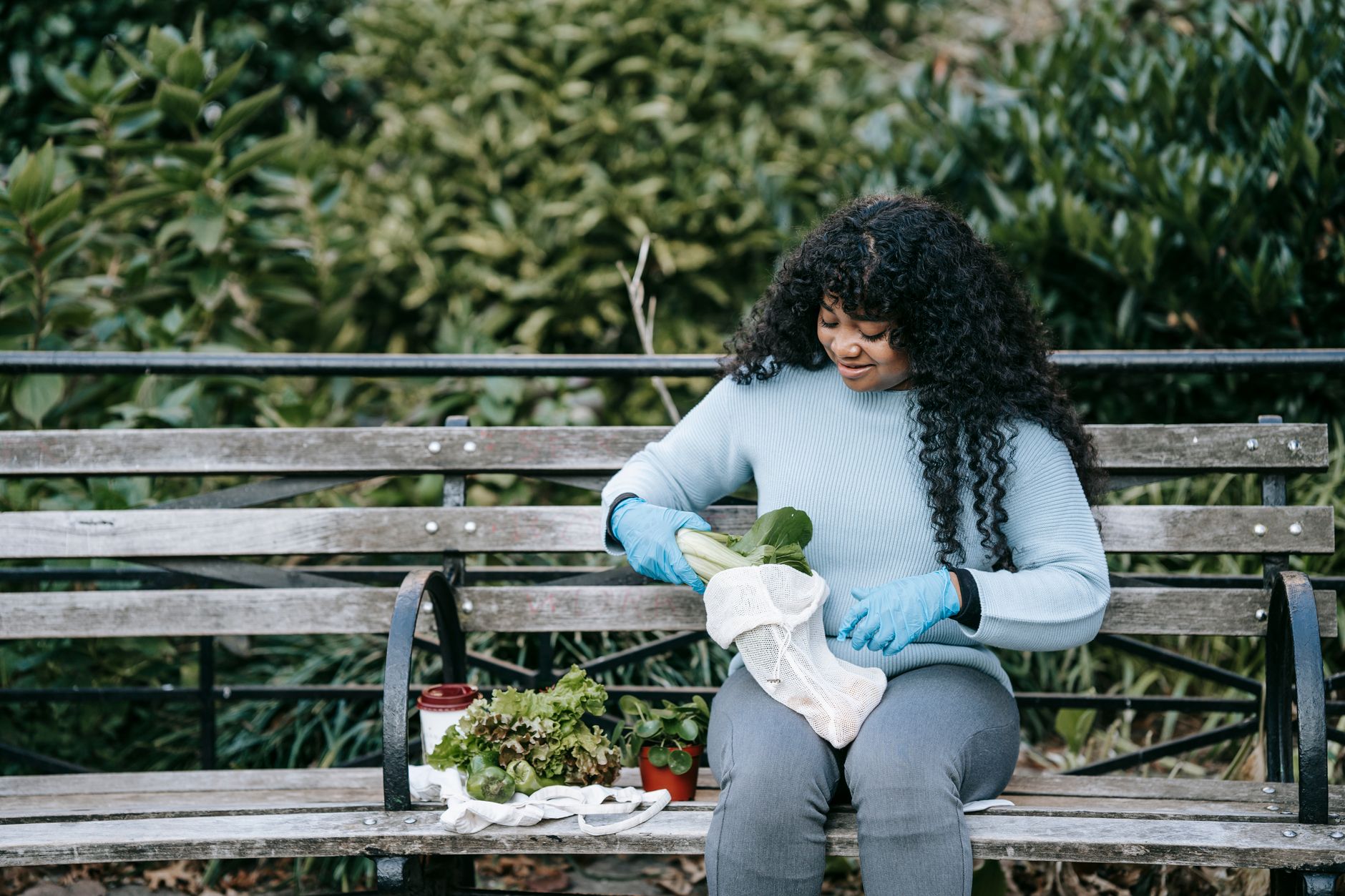
Feed every 2-3 weeks with a balanced liquid fertilizer throughout the growing season, since the more frequent watering grow bags require also washes nutrients out of the potting mix faster than less frequently watered containers.
Switch to a lower-nitrogen, higher-potassium formula once flowering and fruiting begins for crops like tomatoes and peppers, favoring fruit production over continued leafy growth.
Watch for pale, yellowing lower leaves between scheduled feedings, which can signal that nutrients are depleting faster than your current schedule replaces them, particularly likely given grow bags' higher watering frequency.
Consider incorporating a slow-release granular fertilizer at planting time in addition to regular liquid feeding, which provides a more consistent baseline of nutrition between your scheduled feeding sessions.
Store and Reuse Bags Between Seasons

At the end of the growing season, empty the bag, shake out or compost the old potting mix, and let the fabric dry thoroughly before folding for storage, since storing damp fabric risks mold or mildew developing over winter.
Unlike rigid plastic or ceramic pots, empty fabric grow bags fold flat, taking up minimal storage space over winter compared to stacks of bulky containers that consume significant garage or shed space.
Wash bags with mild soap and water if they held a diseased plant, and let them dry completely before storing, to reduce the risk of carrying pathogens into the next season's planting.
Quality fabric grow bags typically last several seasons with proper care, though the fabric will eventually show wear and may need replacement after 3-5 years of regular use, particularly with intense UV exposure that gradually breaks down synthetic fabrics.
Label bags by size if you have multiple different sizes in storage, which saves time sorting through them again when planning next season's planting layout.
Common problems and fixes
| Problem | Likely cause | What to do |
|---|---|---|
| Plants wilt quickly despite regular watering | Grow bags dry out faster than expected, especially in hot, sunny locations. | Increase watering frequency, potentially to twice daily in extreme heat, and consider mulching the soil surface to slow moisture loss. |
| Bag fabric shows significant wear after one season | Lower-quality fabric material, or exposure to intense UV sun over an extended period. | Invest in a higher-quality, UV-resistant fabric bag for future seasons, and store bags out of direct sun when not in use. |
| Nutrient deficiency symptoms despite regular fertilizing | The more frequent watering grow bags need is washing nutrients out faster than the current feeding schedule replaces them. | Increase feeding frequency slightly, or add a slow-release granular fertilizer at planting for a more consistent baseline of nutrition. |
Gardener's checklist
Test what you learned
What is 'air pruning' in the context of fabric grow bags?
Answer: Root tips naturally stopping growth when they reach the breathable fabric
What is the main trade-off of fabric grow bags compared to plastic pots?
Answer: They dry out faster and need more frequent watering
What size grow bag is recommended for full-size tomatoes?
Answer: 15-20+ gallons
Common questions
Are fabric grow bags better than plastic pots?
They offer a genuine root health advantage through air pruning, which prevents the circling roots common in plastic pots, but they require more frequent watering since moisture escapes through the breathable fabric walls. Which is 'better' depends on whether you can commit to that extra watering attention.
Can fabric grow bags be reused year after year?
Yes, quality fabric grow bags typically last 3-5 years or more with proper care, including emptying, cleaning, and thoroughly drying them before flat storage between seasons.
Do fabric grow bags work for potatoes?
Yes, they're particularly popular for potatoes, since many designs include a flap or window near the base for easy harvesting without disturbing the whole plant, and the hilling technique works especially well in this flexible format.
What size grow bag should I use for a single tomato plant?
For dwarf or determinate varieties, a 7-10 gallon bag works well. For full-size indeterminate tomatoes, use a 15-20 gallon or larger bag to provide adequate root room for the plant's full growing season.
Do fabric grow bags need drainage holes?
No, unlike solid plastic pots, fabric grow bags don't need punched drainage holes, since the porous fabric material itself allows excess water to drain through naturally across the entire surface area.
Fabric grow bags offer a genuine root-health advantage and space-saving storage convenience, making them an excellent flexible option for patios and small gardens, as long as you're prepared to water more frequently than you would with a solid plastic container.
Frequently asked questions
How often should a vegetable garden be watered?
Frequency depends on weather, soil and plant size. Check the soil rather than watering on a rigid schedule.
Is compost enough fertilizer?
Compost improves soil and provides nutrients slowly. Heavy-feeding crops may still need additional feeding.

The Sproutstead Editorial Team
We create clear, practical gardening and homesteading guides designed for real homes and beginner growers.
View author profile →

