
Galvanized raised garden beds are steel beds coated with zinc for rust resistance, typically lasting 15-20+ years compared to 5-10 years for untreated wood. Choose a bed at least 12 inches deep for most vegetables, 18+ inches for root crops, and fill with a mix of quality topsoil, compost, and aeration material. They work in any USDA zone and are especially useful where wood rot, termites, or long-term durability are concerns, though they need some heat management in hot climates.
What you will need
Understand the Pros and Cons of Galvanized Beds
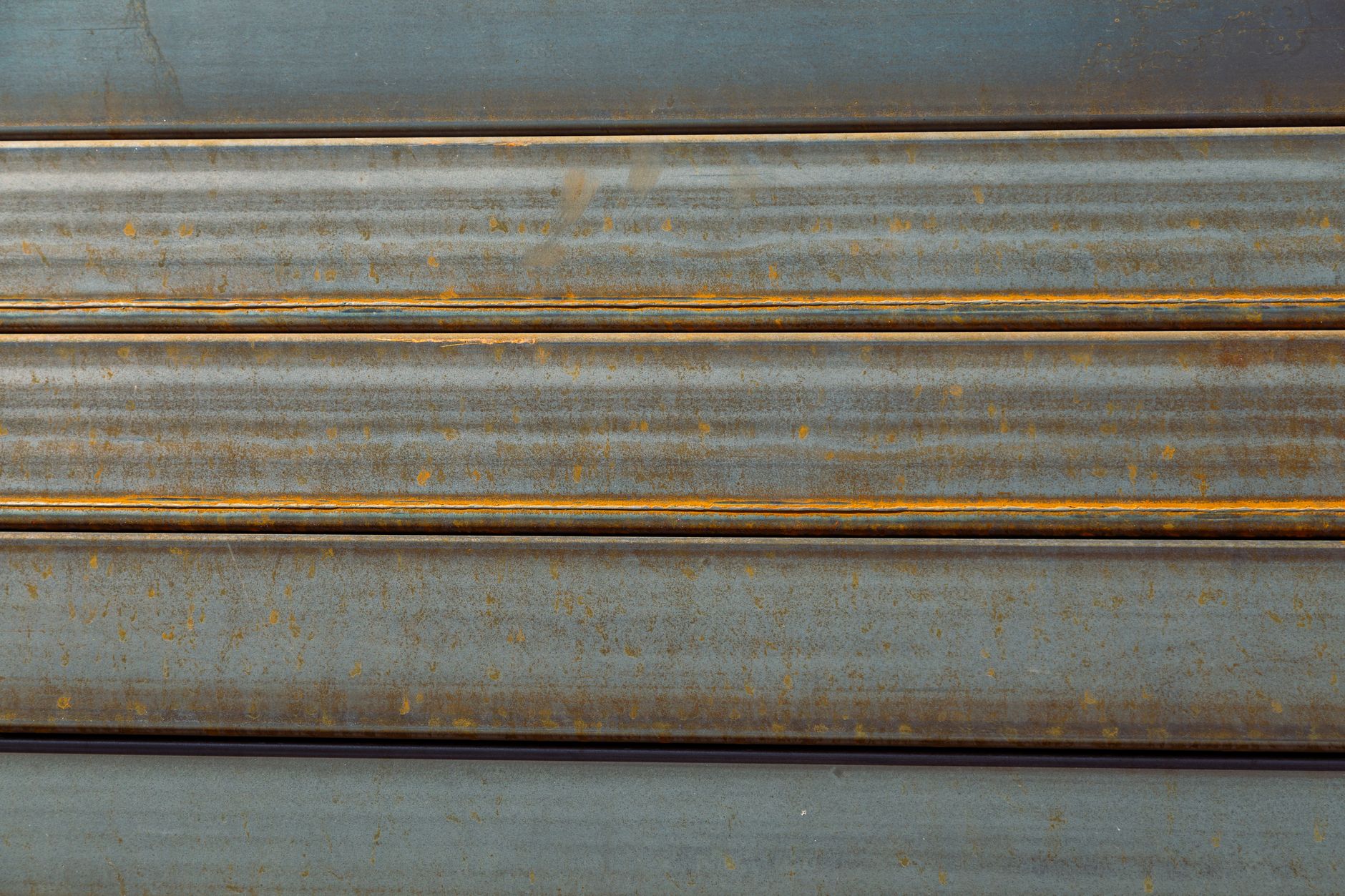
Galvanized steel beds significantly outlast wood, typically lasting 15-20 years or more without rotting, warping, or needing replacement, compared to 5-10 years for most untreated wood beds exposed to regular watering and weather.
They resist pests like termites and carpenter ants that can damage wood beds over time, and they don't require the periodic sealing or staining wood sometimes benefits from to maintain its appearance and structural integrity.
The main trade-off is heat: metal beds warm up faster in spring, which can be an advantage for early planting and extending your growing season, but they can also get quite hot in direct summer sun, potentially stressing roots near the metal walls in extreme heat.
Galvanized beds are also typically more expensive upfront than basic wood beds, though the extended lifespan often makes them more cost-effective over a decade or more of use, especially when factoring in the labor and cost of rebuilding a shorter-lived wood bed multiple times.
Some gardeners also appreciate the modern, clean aesthetic galvanized beds provide, which can be a meaningful factor for front-yard or highly visible garden installations where appearance matters alongside function.
Choose the Right Size and Depth
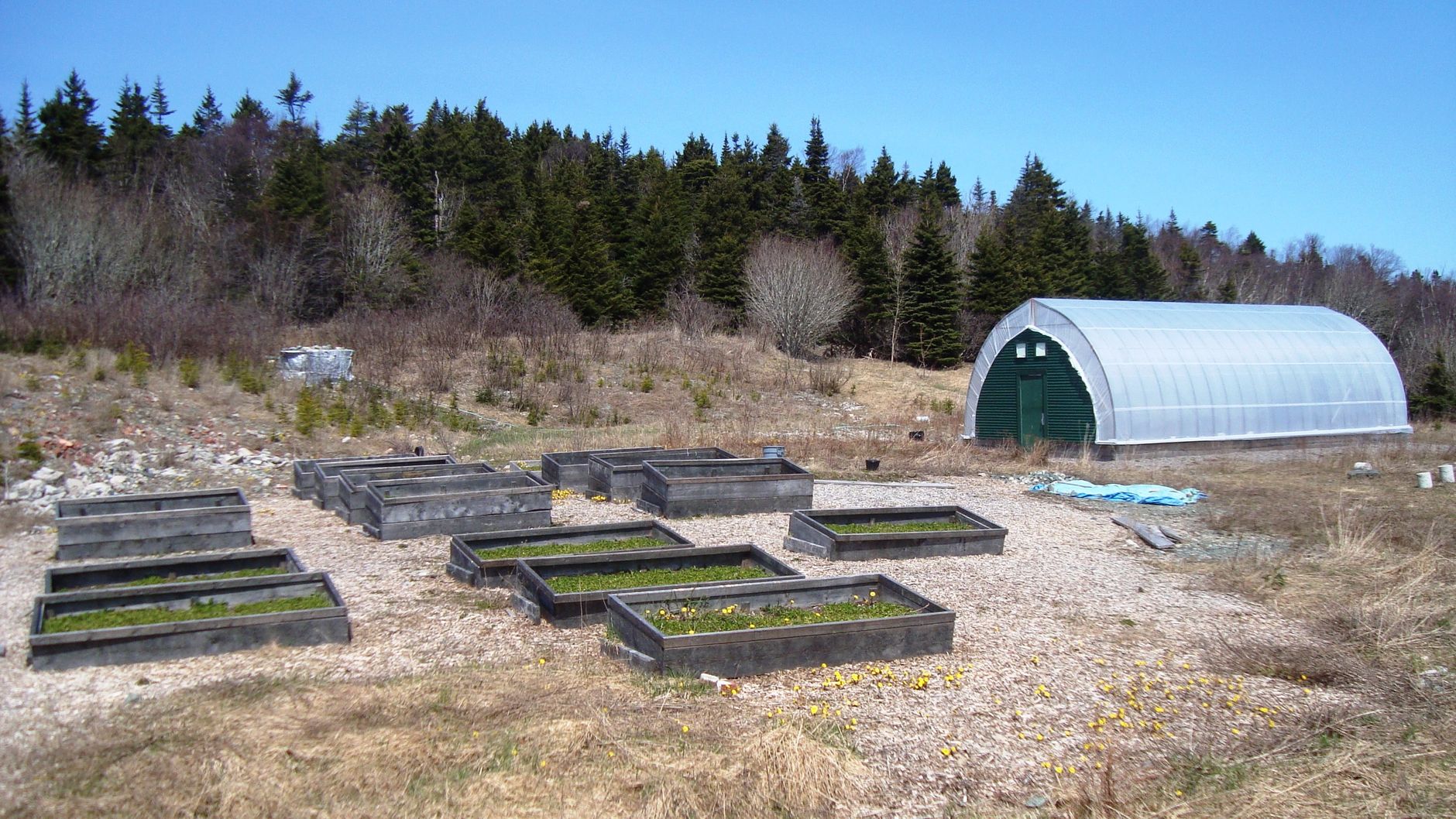
For most vegetables, including tomatoes, peppers, and leafy greens, a bed depth of 12 inches provides adequate room for healthy root development throughout a full growing season.
For root vegetables like carrots, parsnips, and long beets, choose a bed at least 18 inches deep, since shallower beds can cause forked, stunted, or misshapen roots as they hit the bottom of the growing space.
Standard widths of 3-4 feet allow you to reach the center from either side without stepping into the growing area, similar to the guidance for any raised bed material regardless of what it's made from.
Consider your physical accessibility needs as well; taller galvanized beds (24-30 inches) reduce the need to bend or kneel, which many gardeners find valuable regardless of the specific material, particularly for those with mobility limitations or back concerns.
Length is far more flexible than width or depth; galvanized beds commonly come in modular sections that can be combined for longer runs, letting you customize the overall footprint to fit your available space.
Prepare the Site and Assemble the Bed
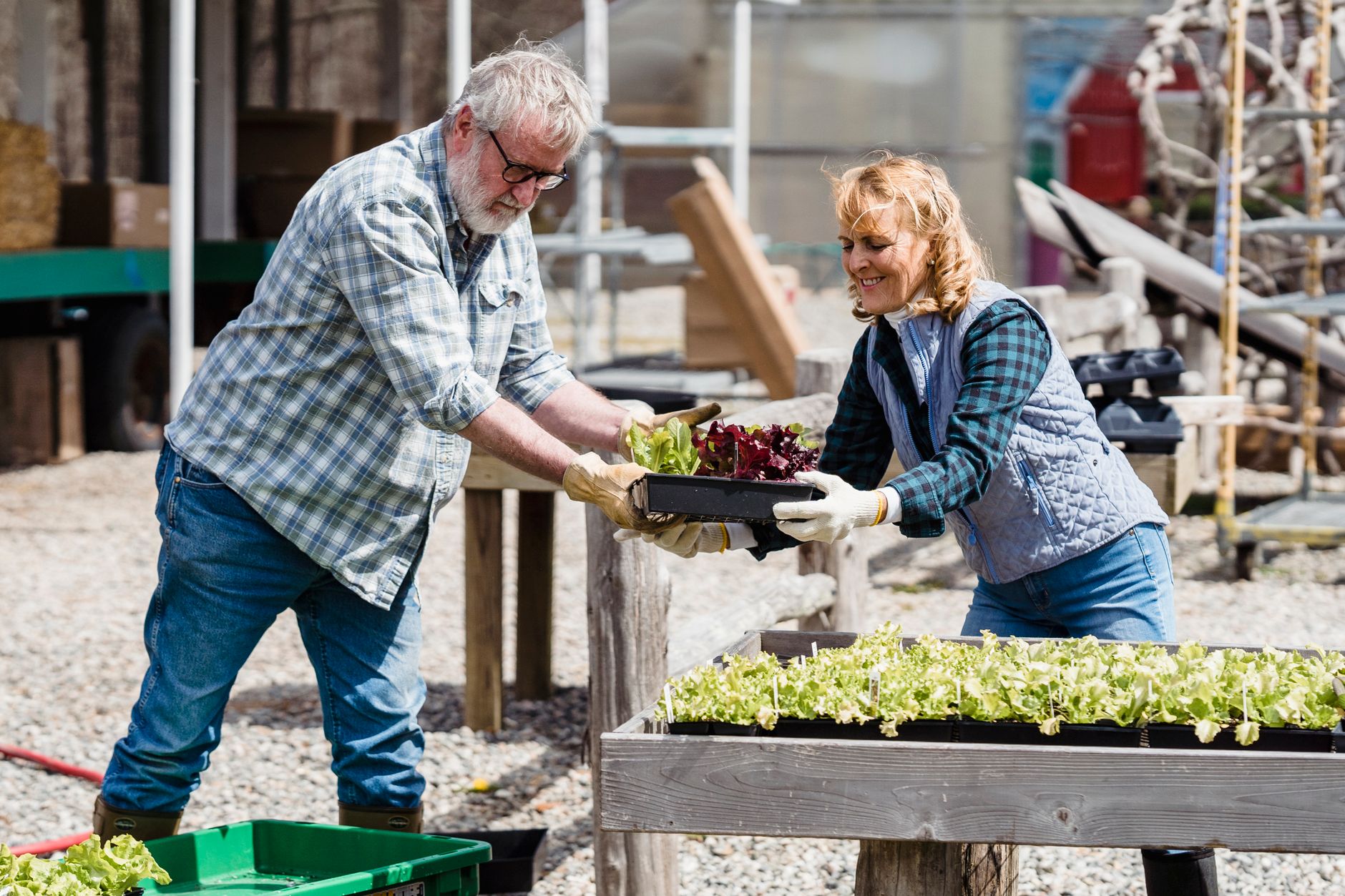
Choose a level site receiving at least 6-8 hours of direct sunlight daily, clearing away grass and weeds before placing the bed, since uneven ground can affect the structural integrity of the assembled panels over time.
Most galvanized bed kits assemble with simple bolted or clipped panel connections; follow the manufacturer's specific instructions carefully, since designs and assembly methods vary meaningfully between brands.
Use a level to confirm the bed sits evenly, adjusting the ground beneath if needed, since an uneven bed can affect both water drainage and long-term structural stability, sometimes causing panels to separate slightly at the seams.
Consider laying landscape fabric or cardboard at the base before filling if you're placing the bed over grass, which helps suppress weeds from growing up into the new soil without needing to fully remove existing sod first.
If assembling multiple connected bed sections, double-check that all connection points are secure before filling with soil, since the weight of filled soil makes later adjustments considerably more difficult.
Fill with Quality Soil
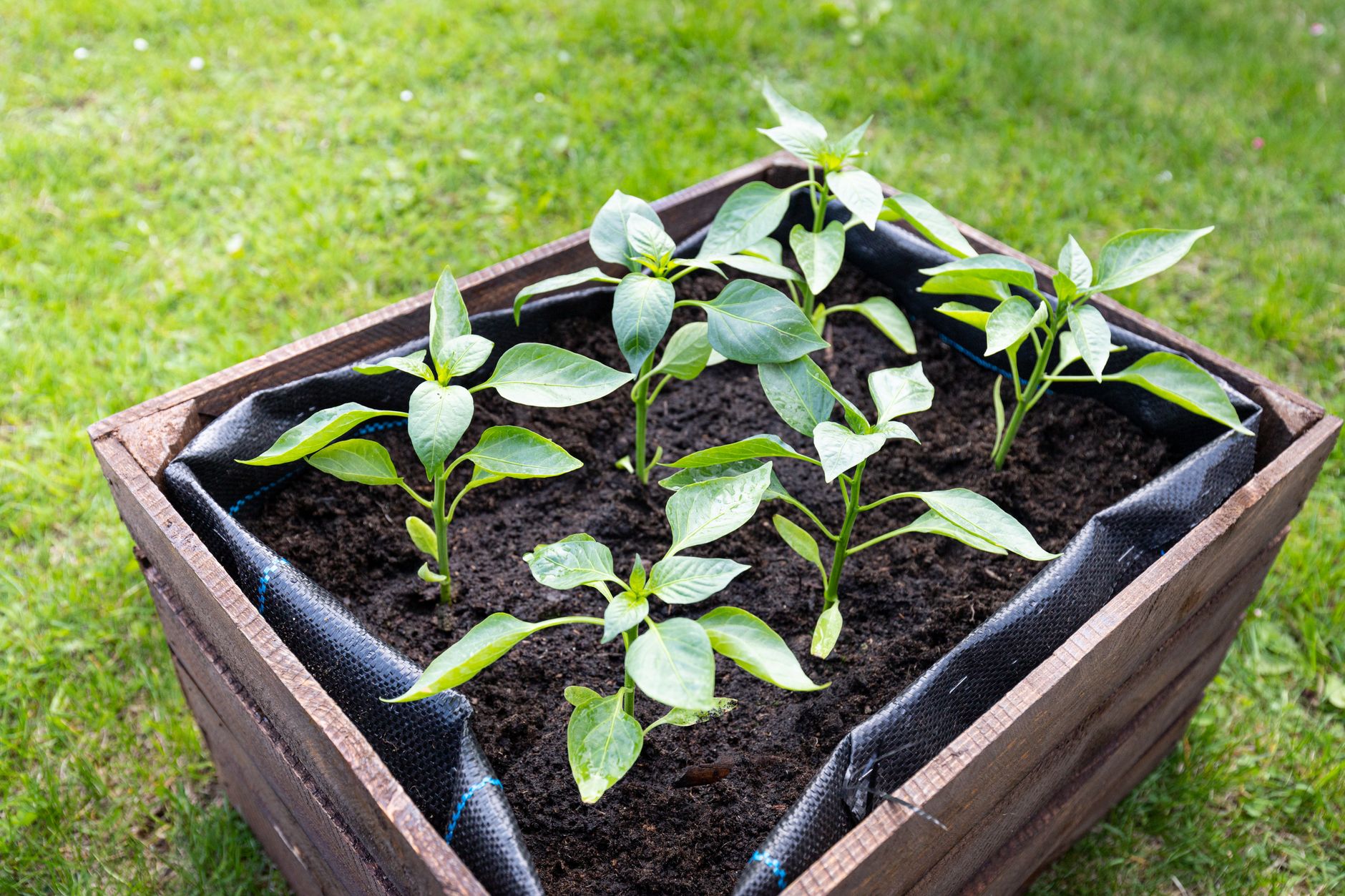
Fill the bed with a mix of roughly 60% quality topsoil, 30% compost, and 10% aeration material like perlite or coarse sand, which provides good fertility while still draining well throughout the growing season.
For deeper beds (18+ inches), some gardeners use the 'hugelkultur' technique of filling the bottom third with logs, branches, or other coarse organic material before topping with soil, which reduces the total amount of purchased soil needed while still providing good drainage and gradually improving fertility as the wood decomposes.
Avoid filling entirely with bagged garden soil alone, which often compacts over time even in a well-designed bed; blending in compost and aeration material maintains better long-term soil structure and root-friendly conditions.
Top off the bed with an inch or two of mulch after planting, which helps retain moisture and moderate the soil temperature swings that metal beds can experience more than wood or plastic alternatives.
Calculate the volume needed by multiplying length x width x depth in feet, and plan to fill slightly above the rim initially, since soil settles by roughly 10-15% over the following weeks.
Manage Heat in Hot Climates
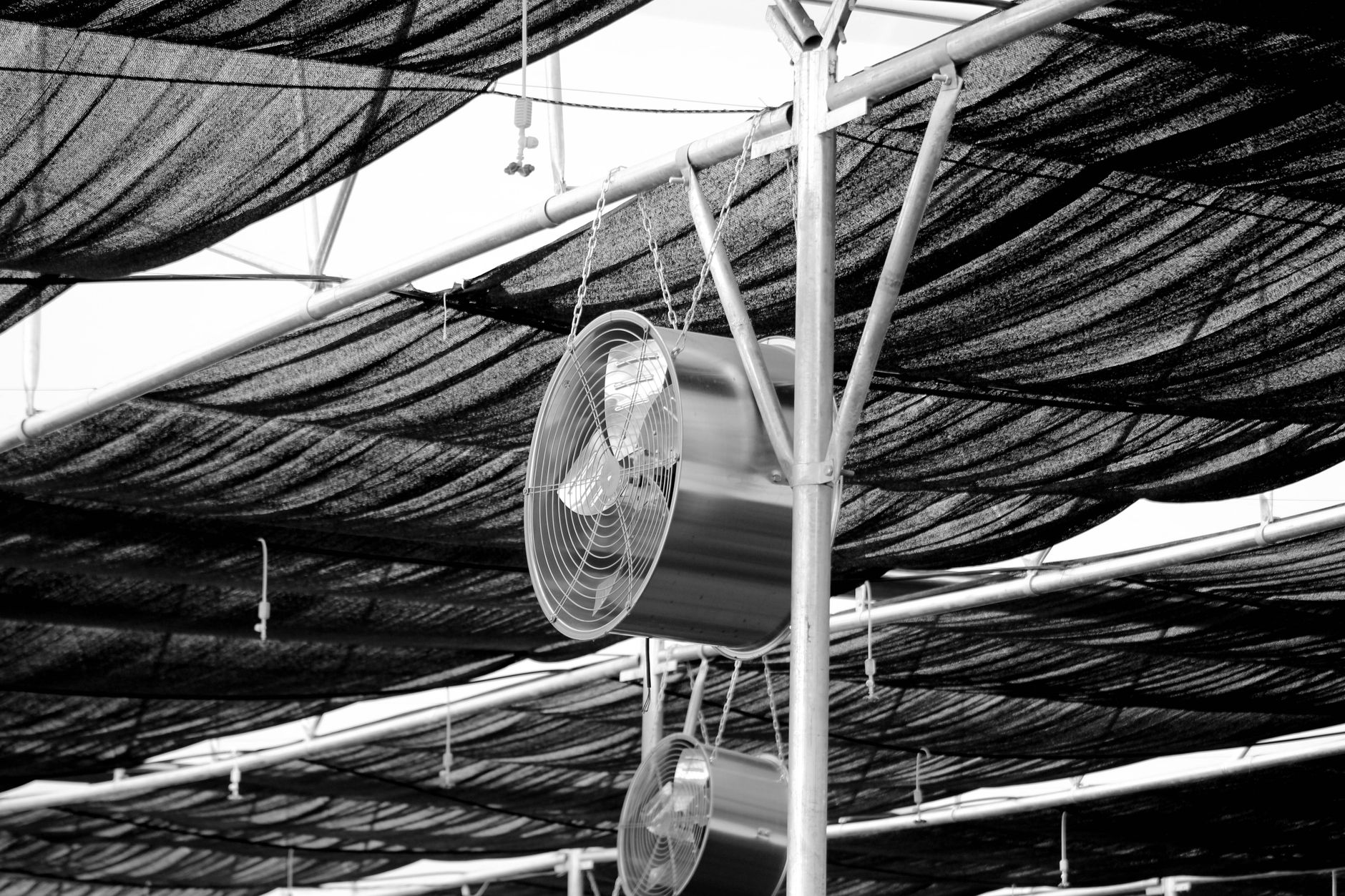
In USDA zones with intense summer heat (8-11), galvanized beds can absorb significant heat through their metal walls, potentially stressing roots growing close to the edges, particularly in beds facing full, direct afternoon sun.
Mulching heavily helps insulate the soil from this heat transfer, and choosing heat-tolerant crops for the hottest months reduces stress-related problems considerably compared to attempting cool-season crops during peak summer.
Some gardeners in very hot climates add a layer of shade cloth over the bed during the most intense summer stretch, or position beds where they receive some afternoon shade from nearby structures, trees, or taller companion plantings.
Painting the exterior of the metal a lighter color, if the bed isn't pre-finished, can help reflect some heat rather than absorbing it, similar to the principle behind light-colored roofing in hot climates.
This heat consideration is genuinely the main trade-off of galvanized beds compared to wood, though it's manageable with these simple adjustments in most climates, and the same metal that absorbs heat in summer offers a real advantage warming soil faster in spring.
Maintain the Bed for Long-Term Use
Unlike wood, galvanized beds don't need periodic sealing, staining, or replacement of rotting boards, making long-term maintenance considerably simpler and less time-consuming across the bed's decade-plus lifespan.
Top up soil levels annually, since soil naturally settles and compacts over a growing season, adding fresh compost each spring before planting to replenish both volume and fertility.
Inspect the zinc coating periodically for any scratches or damage, particularly near ground level where the bed contacts soil, though minor surface wear generally doesn't significantly affect the bed's overall lifespan or safety.
Practice crop rotation within the bed just as you would in any garden setup, since the raised bed format doesn't eliminate the pest and disease buildup that rotation is specifically designed to address.
Check that connection points and seams remain secure each spring, since repeated freeze-thaw cycles or soil settling can occasionally loosen fasteners over many years of use, though this is generally a minor, easily addressed maintenance item.
Compare Galvanized Beds to Other Common Materials

Compared to cedar or redwood, galvanized steel typically lasts longer (15-20+ years versus 10-15 years) but costs more upfront, and lacks wood's natural insulating properties that keep soil temperatures somewhat more stable through seasonal swings.
Compared to basic pine or fir, galvanized steel is a clear upgrade in longevity, since untreated softwood typically only lasts 3-6 years before requiring replacement, making the higher initial cost of metal beds pay off within just a few years of avoided rebuilding.
Compared to plastic or composite raised beds, galvanized steel generally offers better structural rigidity for taller beds and doesn't become brittle or discolored from UV exposure the way some plastics can over many years in full sun.
For gardeners prioritizing the absolute lowest long-term cost and minimal maintenance over decades of use, galvanized steel is often the strongest overall choice, provided the heat management considerations in hot climates are addressed.
Common problems and fixes
| Problem | Likely cause | What to do |
|---|---|---|
| Plants near the edges of the bed seem stressed in summer | Heat absorbed through the metal walls affecting nearby roots. | Mulch heavily around the edges and consider partial shade cloth during the most intense summer heat. |
| Soil level drops noticeably over the season | Normal settling and compaction, along with organic matter breaking down. | Top up with fresh compost or soil annually, ideally each spring before planting. |
| Panel seams seem loose or slightly separated | Soil settling unevenly or the bed originally assembled on uneven ground. | Check and tighten fasteners, and confirm the site is genuinely level before making further adjustments. |
Gardener's checklist
Test what you learned
What is the typical lifespan of a galvanized raised bed compared to untreated wood?
Answer: 15-20+ years versus 5-10 years for wood
What is the main trade-off of galvanized beds compared to wood?
Answer: They can absorb more heat in summer
What minimum depth is recommended for growing root vegetables?
Answer: 18+ inches
Common questions
Are galvanized raised beds safe for growing food?
Yes, the zinc coating used in galvanization is generally considered safe for food gardening and doesn't leach into soil in meaningful amounts under normal conditions, making galvanized beds a widely used and trusted option.
How much more expensive are galvanized beds compared to wood?
Galvanized beds typically cost more upfront than basic wood beds, but given their 15-20+ year lifespan compared to 5-10 years for wood, they often work out more cost-effective over the long term.
Do galvanized beds need a liner?
A liner isn't strictly necessary given the zinc coating's rust resistance, though some gardeners add a landscape fabric liner along the walls specifically to reduce heat transfer to the soil in very hot climates.
Can galvanized beds be used in any USDA zone?
Yes, galvanized beds work in any USDA zone, though gardeners in hot zones (8-11) should pay extra attention to heat management through mulching, while gardeners in cold zones may actually benefit from the faster spring soil warming metal provides.
Do galvanized beds rust over time?
The zinc coating is specifically designed to prevent rust, and quality galvanized beds should resist rusting for their full 15-20+ year expected lifespan, though minor surface scratches that expose bare steel can eventually show small rust spots without significantly affecting overall durability.
Galvanized raised beds offer genuine long-term value through their exceptional durability, and with proper depth selection and some attention to heat management in hot climates, they perform reliably for well over a decade of growing seasons.
Frequently asked questions
How often should a vegetable garden be watered?
Frequency depends on weather, soil and plant size. Check the soil rather than watering on a rigid schedule.
Is compost enough fertilizer?
Compost improves soil and provides nutrients slowly. Heavy-feeding crops may still need additional feeding.

The Sproutstead Editorial Team
We create clear, practical gardening and homesteading guides designed for real homes and beginner growers.
View author profile →

