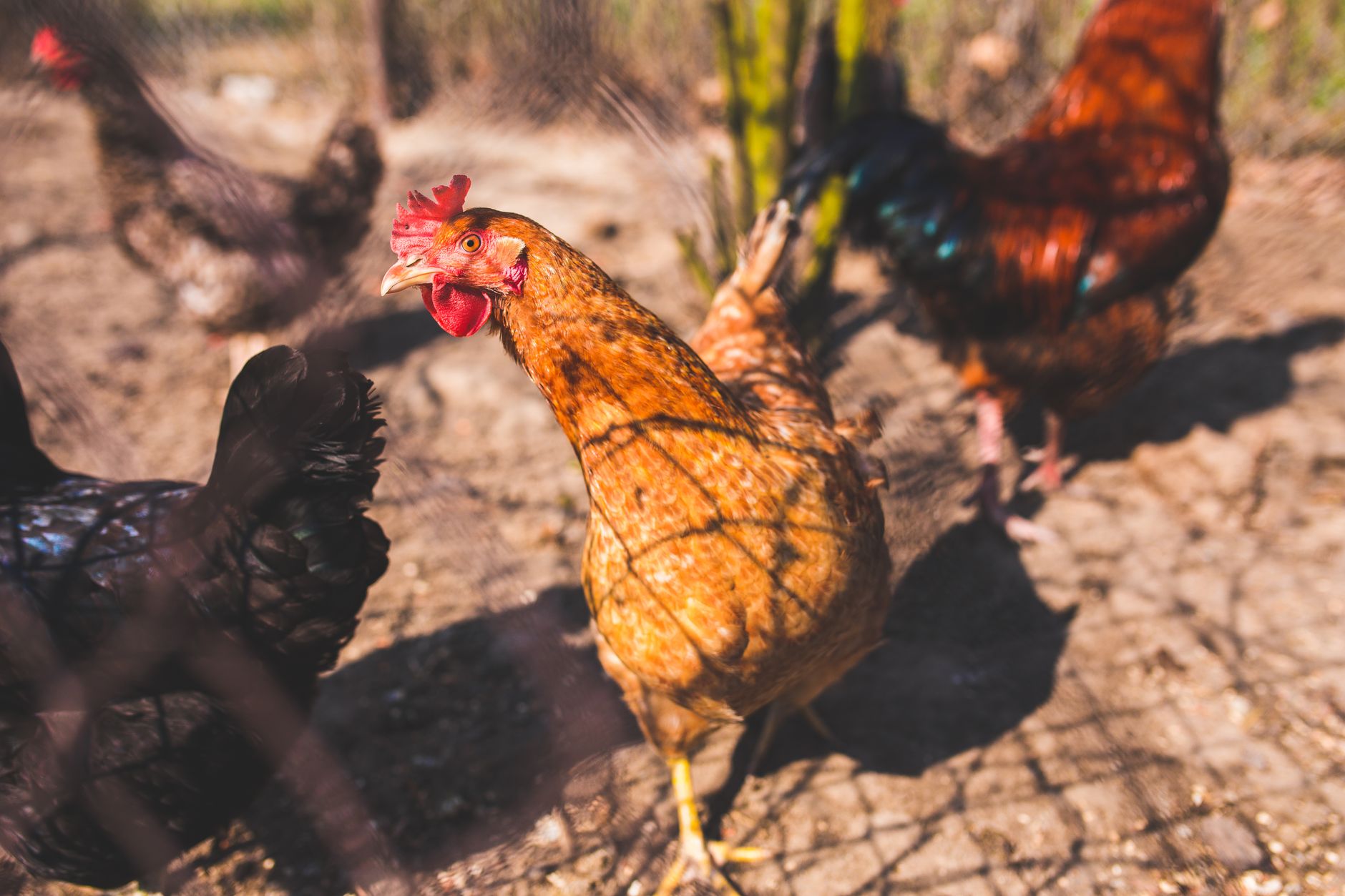
The best egg-laying chicken breeds include White Leghorn (250-300 eggs/year, white eggs), Rhode Island Red (200-280, brown), Australorp (250-300, brown), ISA Brown (300+ eggs/year, brown), and Plymouth Rock (200-250, brown). For colored eggs, choose Ameraucana or Easter Egger (blue/green eggs). The best breed for you depends on your climate, space, and whether you want maximum production or a friendly backyard pet that also lays well.
What you will need
Understand the Differences: Hybrid vs. Heritage

Hybrid Breeds: These are crosses between different breeds, specifically bred for high egg production. Examples: ISA Brown, Golden Comet, Red Star. They produce 280-320+ eggs per year. They're friendly, efficient, and start laying early (16-18 weeks). However, they don't live as long (3-4 years) and egg production drops significantly after the first 2 years.
Heritage Breeds: These are purebred chickens that have been bred for generations. Examples: Rhode Island Red, Australorp, Plymouth Rock, Leghorn. They produce 200-280 eggs per year and lay for 4-6 years with a slower decline. They have longer lifespans (5-8+ years) and better foraging abilities.
Which is better? If you want maximum eggs and have the space to replace birds every few years, choose hybrids. If you want long-term chickens that will lay well for years and you value breed preservation, choose heritage breeds.
Cost: Hybrid chicks are often cheaper because hatcheries produce them in large numbers. Heritage breeds may cost more but offer breeding opportunities and show-quality birds.
Temperament: Many hybrids are very docile and friendly. Heritage breeds vary widely in temperament—some are friendly, others are skittish or aggressive.
Top White Egg Layers

White Leghorn: The undisputed champion of white egg layers. Produces 250-300 eggs per year. White eggs, small to medium size. Excellent heat tolerance. Flighty and alert—not the most cuddly breed but very efficient.
Minorca: A heritage breed that produces 150-200 large white eggs per year. Heat tolerant, active, and good foragers. Can be skittish but beautiful with large combs.
Ancona: Produces 200-220 white eggs per year. Active, excellent foragers, heat tolerant. Black with white mottling, beautiful birds.
Andalusian: Produces 150-200 white eggs per year. Attractive blue-grey color. Active and heat tolerant. Not as prolific as Leghorns but charming.
Best choice for beginners: White Leghorn is the most reliable white egg layer. Start with them if you want maximum production.
Top Brown Egg Layers

ISA Brown: The top brown egg producer, producing 300+ eggs per year. Red-brown feathers. Extremely friendly and docile. Excellent for beginners. Produces large brown eggs. Short productive life (2-3 years of peak production).
Australorp: Australian breed producing 250-300 brown eggs per year. Black or white feathers. Docile, friendly, and cold-hardy. Excellent beginner breed. Holds world record for most eggs laid in a year (364).
Rhode Island Red: Classic American breed producing 200-280 brown eggs per year. Dark red feathers. Cold-hardy, adaptable, and friendly. Dual-purpose (also good meat bird). One of the best all-around breeds.
Plymouth Rock (Barred Rock): Produces 200-250 brown eggs per year. Black and white striped feathers. Friendly, cold-hardy, and good foragers. Excellent beginner breed.
Orpington: Produces 200-250 brown eggs per year. Large, fluffy, friendly, and cold-hardy. Available in buff, black, blue, and white. Great for families and cold climates.
Best choice for beginners: Rhode Island Red or Australorp are excellent choices—friendly, productive, and adaptable.
Top Blue and Green Egg Layers

Ameraucana: A purebred breed that lays 200-250 blue eggs per year. Friendly, cold-hardy, and has a distinctive beard and muff (feathered cheeks). Available in many colors. Recognized by the APA (American Poultry Association).
Easter Egger: A mixed breed that lays blue, green, or pink eggs. Produces 200-250 eggs per year. Friendly, colorful, and variable in appearance. Not a standardized breed but very popular for egg color. Also has beards and muffs.
Cream Legbar: A rare breed that lays 200-230 blue eggs per year. Cream-colored feathers with a small crest. Friendly and active. Auto-sexing (males and females can be identified at hatch). Good foragers.
Araucana: A unique breed that lays blue eggs and has a distinctive rumpless (no tail) trait. Produces 180-200 eggs per year. Friendly but rare. Not as common as Ameraucanas.
Best choice for beginners: Easter Eggers are the most affordable and widely available. They're friendly, colorful, and produce a rainbow of egg colors.
Best Cold Climate Egg Layers

Rhode Island Red: Excellent cold-hardy breed. Produces 200-280 brown eggs/year. Dense feathers, small to medium comb, adaptable. Continues laying well through winter.
Australorp: Very cold-hardy with dense black feathers. Produces 250-300 brown eggs/year. Friendly and calm. Good winter production.
Orpington: Extremely cold-hardy with dense, fluffy feathers. Produces 200-250 brown eggs/year. Docile and friendly. Excellent winter layers.
Wyandotte: Very cold-hardy with rose comb (small and flat). Produces 200-240 brown eggs/year. Beautiful laced feather patterns. Friendly and adaptable.
Plymouth Rock: Cold-hardy with small to medium comb. Produces 200-250 brown eggs/year. Friendly and calm. Good winter production.
Cold climate tip: Look for breeds with small combs (rose combs or pea combs) that are less prone to frostbite. Dense feathering is also important for warmth.
Best Hot Climate Egg Layers

White Leghorn: Excellent heat tolerance. Produces 250-300 white eggs/year. Large comb helps cool the bird. Active and adaptable. Lays well through summer heat.
Minorca: Very heat tolerant. Produces 150-200 large white eggs/year. Large comb, active, and good foragers. Beautiful birds.
Andalusian: Heat tolerant with blue-grey feathers. Produces 150-200 white eggs/year. Active, good foragers, and heat hardy.
Ancona: Heat tolerant with black and white mottling. Produces 200-220 white eggs/year. Excellent foragers and heat hardy.
Phoenix: A heat-tolerant breed that lays 200-250 white eggs/year. Long tail feathers, active, and heat hardy. Not as common but good for hot climates.
Hot climate tip: Provide plenty of shade, fresh water, and ventilation in hot climates. Breeds with large combs and light feathering handle heat better.
Best Friendly Egg Layers for Families

Australorp: Extremely friendly, calm, and gentle. Produces 250-300 brown eggs/year. Loves human interaction. Excellent for families.
Orpington: Docile, friendly, and very calm. Produces 200-250 brown eggs/year.
Plymouth Rock: Very friendly and calm. Produces 200-250 brown eggs/year. Easy to handle and good with children.
ISA Brown: Extremely friendly and docile. Produces 300+ brown eggs/year. Very easy to handle. Excellent for beginners and families.
Easter Egger: Friendly and curious. Produces 200-250 blue/green eggs/year. Colorful and enjoyable for children. Good for families.
Family tip: Choose breeds known for docility. Avoid flighty breeds like Leghorns or Minorcas if you have young children.
Make Your Final Breed Selection

For maximum eggs: ISA Brown, White Leghorn, or Australorp. These breeds produce 280-300+ eggs per year.
For beginner families: Australorp, Orpington, Plymouth Rock, or ISA Brown. Friendly, docile, and productive.
For cold climates: Rhode Island Red, Australorp, Orpington, Wyandotte, or Plymouth Rock. Cold-hardy and good winter layers.
For hot climates: White Leghorn, Minorca, Andalusian, or Ancona. Heat-tolerant with large combs.
For colored eggs: Ameraucana, Easter Egger, or Cream Legbar. Blue, green, and pink eggs are a fun addition.
For dual-purpose (eggs + meat): Rhode Island Red, Plymouth Rock, Orpington. Good egg production and decent meat yield.
Recommendation: Start with a mixed flock. Try 2-3 of the top breeds and see what works best for you.
Common problems and fixes
| Problem | Likely cause | What to do |
|---|---|---|
| Hens are not laying eggs | Age (pullets start laying at 16-24 weeks), molt (fall), stress, poor nutrition, or lack of light. | Check age, provide 14-16 hours of light, ensure proper nutrition, reduce stress, and wait out the molt. |
| Eggs are small or have thin shells | Calcium deficiency, young hen, or stress. | Provide oyster shells for calcium. Young hens often lay small eggs initially. Reduce stress. |
| Hens are aggressive or pecking each other | Overcrowding, boredom, or stress. | Add more space, provide enrichment (perches, dust bath), and ensure adequate feed and water. |
| Hens are broody (not laying) | Broodiness is a natural instinct in some breeds. | Collect eggs frequently, remove from nesting box, or place in a wire-bottom cage for a few days to break broodiness. |
Gardener's checklist
Test what you learned
Which breed produces the most eggs per year?
Answer: ISA Brown
Which breed lays blue eggs?
Answer: Ameraucana
Which breed is best for cold climates?
Answer: Rhode Island Red
Which breed is best for hot climates?
Answer: White Leghorn
Which breed is most friendly for families?
Answer: Australorp
Common questions
What breed of chicken lays the most eggs?
Hybrid breeds like the ISA Brown hold the record, with up to 300-320 eggs per year. Among heritage breeds, Australorps and Leghorns are top producers.
Which chicken breed lays colorful eggs?
Ameraucana and Easter Egger lay blue or green eggs. Cream Legbar also lays blue eggs. Marans lay dark chocolate brown eggs. The choice depends on color preference.
Do different breeds lay different colored eggs?
Yes! White Leghorn (white), Rhode Island Red (brown), Ameraucana (blue), Easter Egger (blue/green/pink), Marans (dark chocolate), and Olive Eggers (olive green) are among the most colorful.
Which breed is best for beginners?
Rhode Island Red, Australorp, Plymouth Rock, and ISA Brown are all excellent for beginners. They're friendly, productive, and adaptable to most climates.
Can I mix different breeds in one flock?
Yes! Many backyard flocks have multiple breeds. They often get along well, especially if raised together from chicks. A mixed flock can provide a colorful egg basket with different colors.
Choosing the best chicken breed for eggs is about matching a breed's characteristics to your specific needs. Consider your climate, space, egg preferences, and temperament requirements. For maximum egg production, choose hybrids like ISA Brown. For colorful eggs, choose Ameraucana or Easter Egger. For cold climates, choose cold-hardy breeds like Rhode Island Red or Australorp. And for families, choose docile breeds like Orpington or Plymouth Rock. Start with 2-3 breeds to find what works best for you, and enjoy the rainbow of fresh eggs your backyard flock will provide.
Frequently asked questions
How often should a vegetable garden be watered?
Frequency depends on weather, soil and plant size. Check the soil rather than watering on a rigid schedule.
Is compost enough fertilizer?
Compost improves soil and provides nutrients slowly. Heavy-feeding crops may still need additional feeding.

The Sproutstead Editorial Team
We create clear, practical gardening and homesteading guides designed for real homes and beginner growers.
View author profile →