
Bone meal is a slow-release organic fertilizer made from ground animal bones, providing significant phosphorus (typically 10-20% by weight) along with some calcium, making it particularly valuable for root development, flowering, and fruiting. It works best in slightly acidic to neutral soil, since phosphorus becomes less available in alkaline conditions. Apply at planting time by mixing into the planting hole, since phosphorus doesn't move well through soil and needs root-zone placement.
What you will need
Understand What Bone Meal Provides
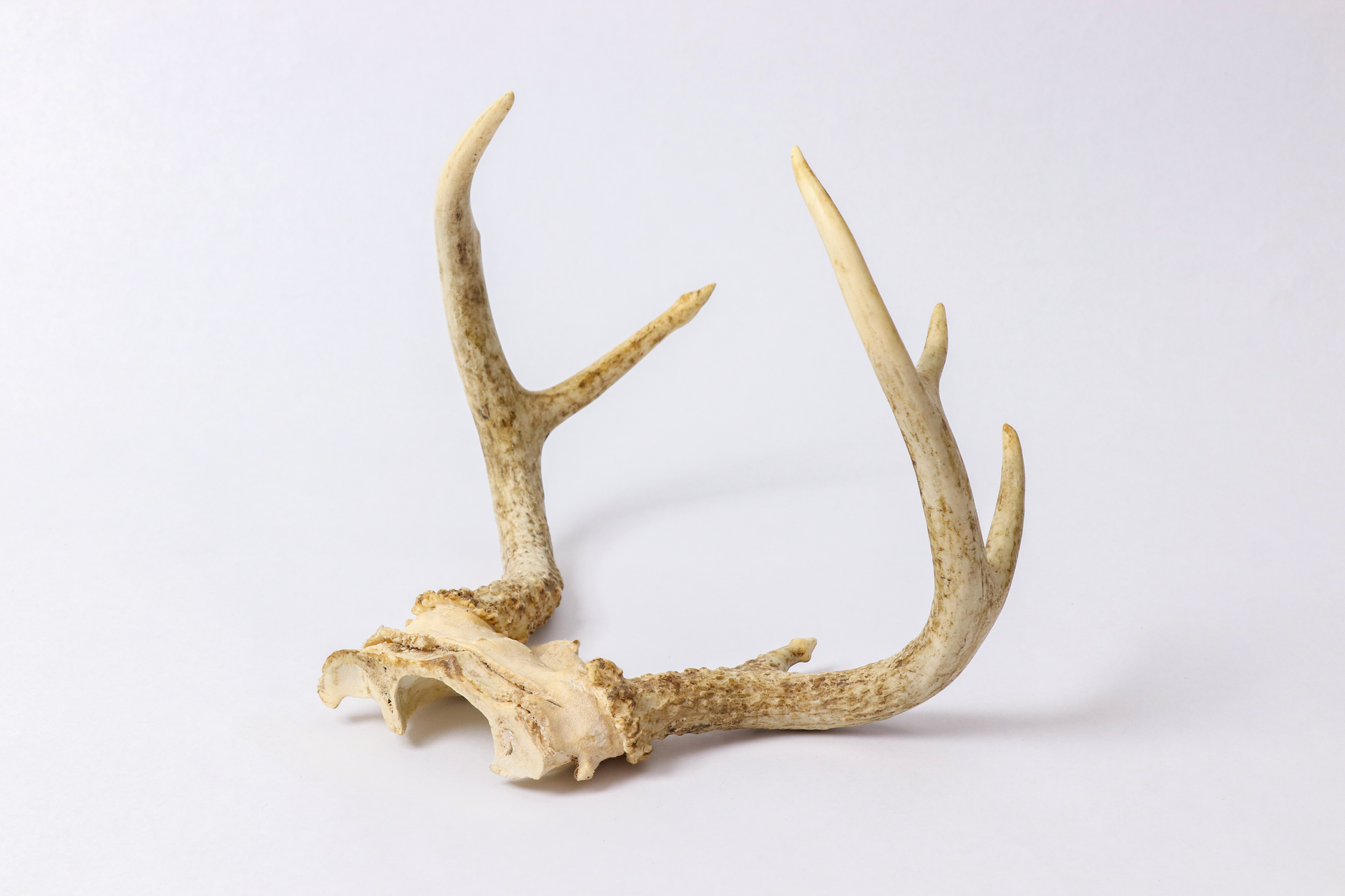
Bone meal is made from ground, steamed animal bones (typically cattle), providing a concentrated source of phosphorus, usually 10-20% by weight, along with meaningful calcium content and only trace nitrogen.
Phosphorus plays a critical role in root development, flowering, and fruit or seed production, making bone meal particularly valued for bulbs, root vegetables, and flowering plants where these processes matter most.
Unlike synthetic phosphorus fertilizers that release nutrients quickly, bone meal breaks down gradually over months, providing a sustained, slow-release phosphorus source rather than an immediate nutrient boost.
Because bone meal contains minimal nitrogen and no potassium, it's not a complete, balanced fertilizer on its own and works best as a targeted supplement addressing specifically phosphorus-related needs rather than general plant nutrition.
Check the specific N-P-K ratio on your particular bone meal product, since formulations vary somewhat between brands, though phosphorus remains the dominant nutrient across virtually all bone meal products.
Confirm Your Soil's pH Suits Bone Meal
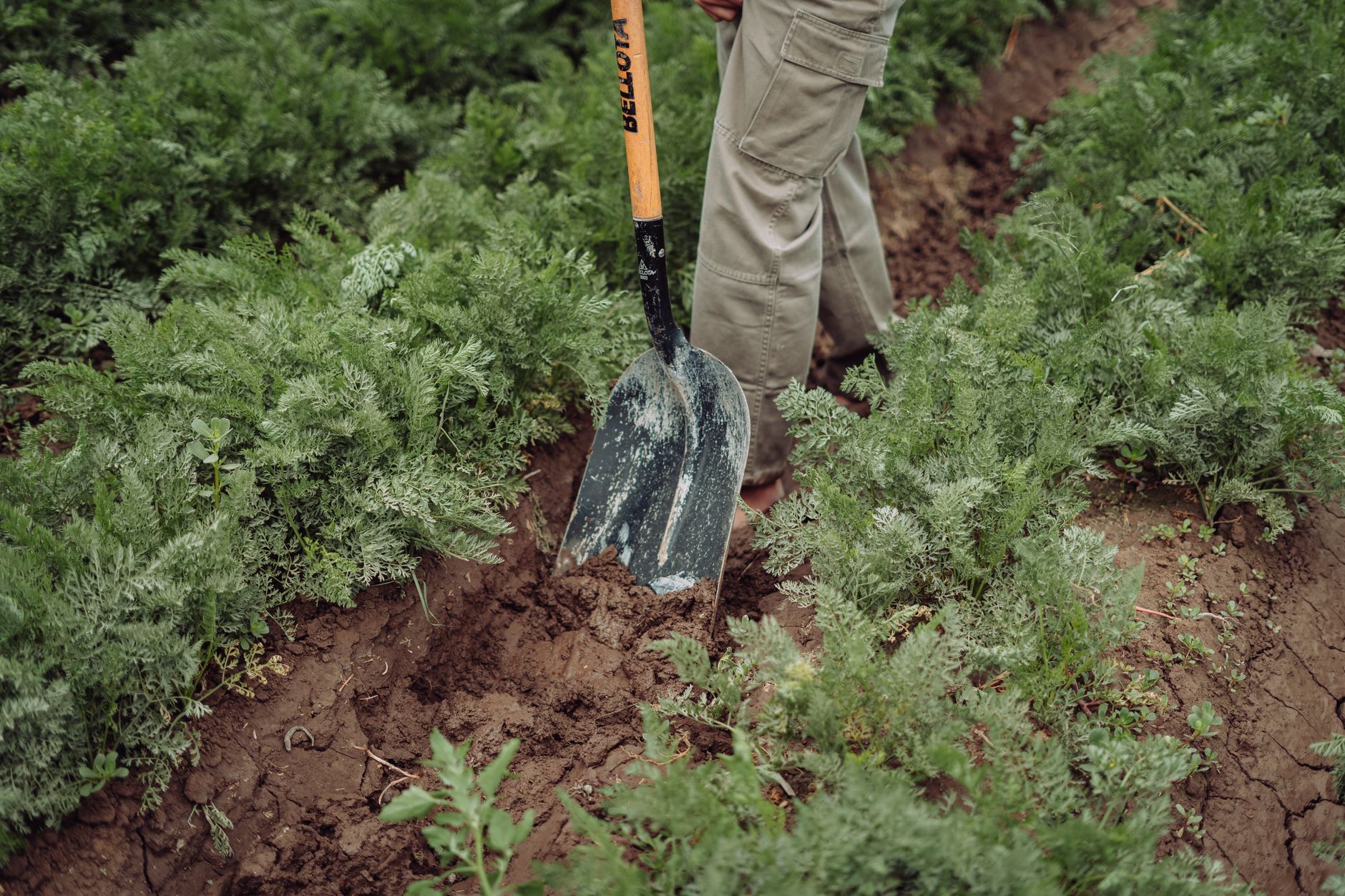
Bone meal's phosphorus is most available to plants in slightly acidic to neutral soil, roughly pH 6.0-7.0, since phosphorus becomes chemically bound and less accessible to roots in alkaline soil above pH 7.0.
If your soil tests significantly alkaline, bone meal application may provide considerably less practical benefit than in appropriately acidic conditions, since the phosphorus becomes locked up rather than genuinely available for plant uptake.
Test your soil's pH before relying heavily on bone meal, particularly if you're gardening in a region known for alkaline soil, such as many areas in the southwestern United States, where this consideration matters more than in naturally acidic regions.
If your soil is alkaline, consider working in some acidifying organic matter alongside bone meal application, or choose a different phosphorus source specifically formulated to remain available across a broader pH range.
This pH consideration is one of the most commonly overlooked factors affecting bone meal's actual effectiveness, explaining why some gardeners report disappointing results despite following standard application guidance.
Apply at Planting Time for Best Results
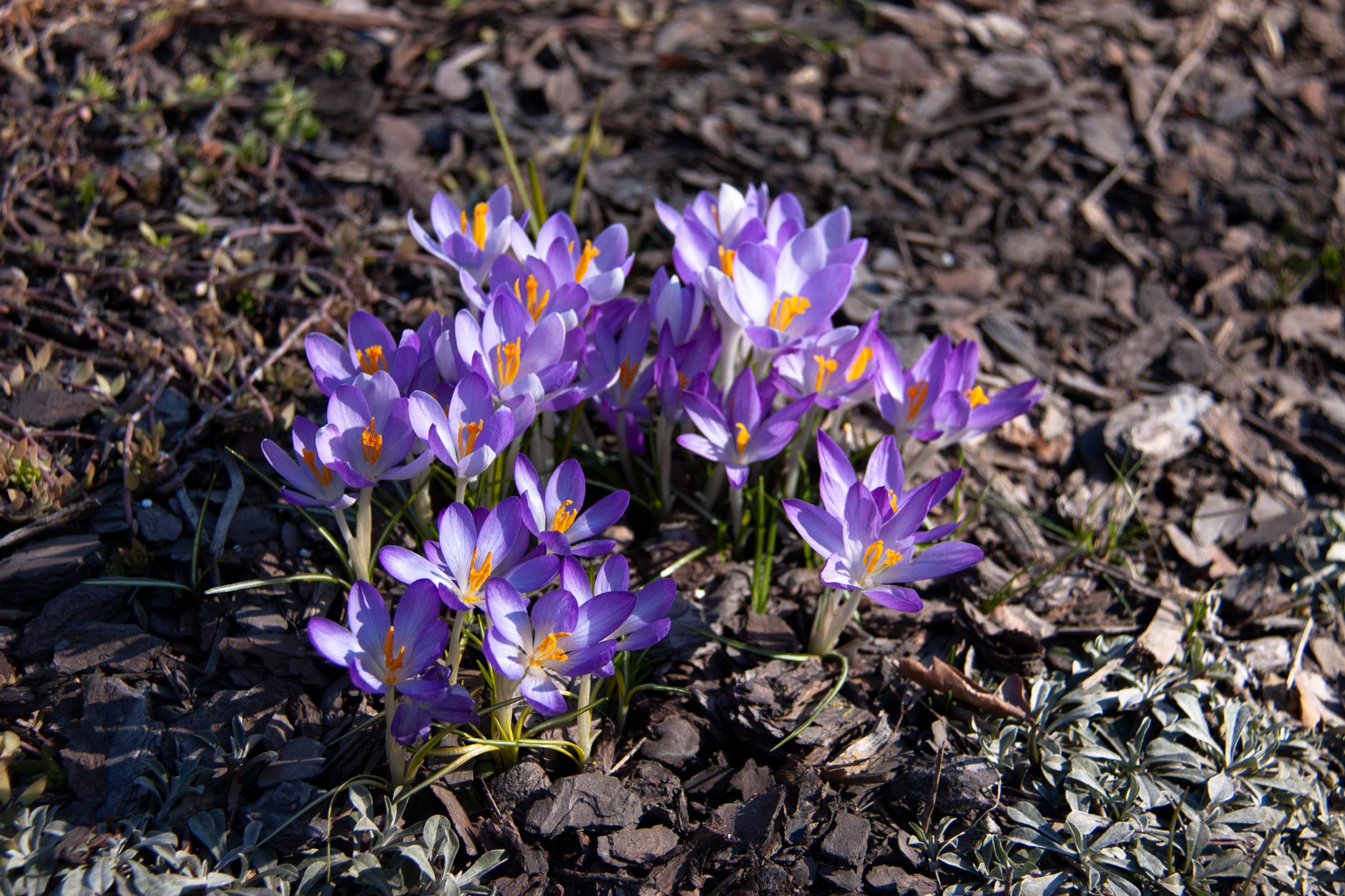
Mix bone meal directly into the planting hole or surrounding soil at planting time, since phosphorus doesn't move readily through soil the way nitrogen does, meaning surface application reaches roots far more slowly than direct root-zone placement.
For bulbs, work bone meal into the soil at the bottom of the planting hole before placing the bulb, following package directions for the specific quantity recommended per bulb or per square foot of planting area.
For transplants and new plantings generally, mix bone meal thoroughly into the soil that will surround the root ball, rather than simply sprinkling it on the surface after planting, which would leave it largely inaccessible to roots for an extended period.
Fall planting of spring-flowering bulbs is a particularly common and effective use case for bone meal, since the slow-release phosphorus becomes available gradually through the dormant winter period, supporting strong root development before spring growth begins.
For established plants rather than new plantings, work bone meal into the soil surface near the root zone and water in well, understanding this surface application will take longer to become available than direct root-zone placement at planting time.
Use for Root Vegetables and Flowering Plants Specifically
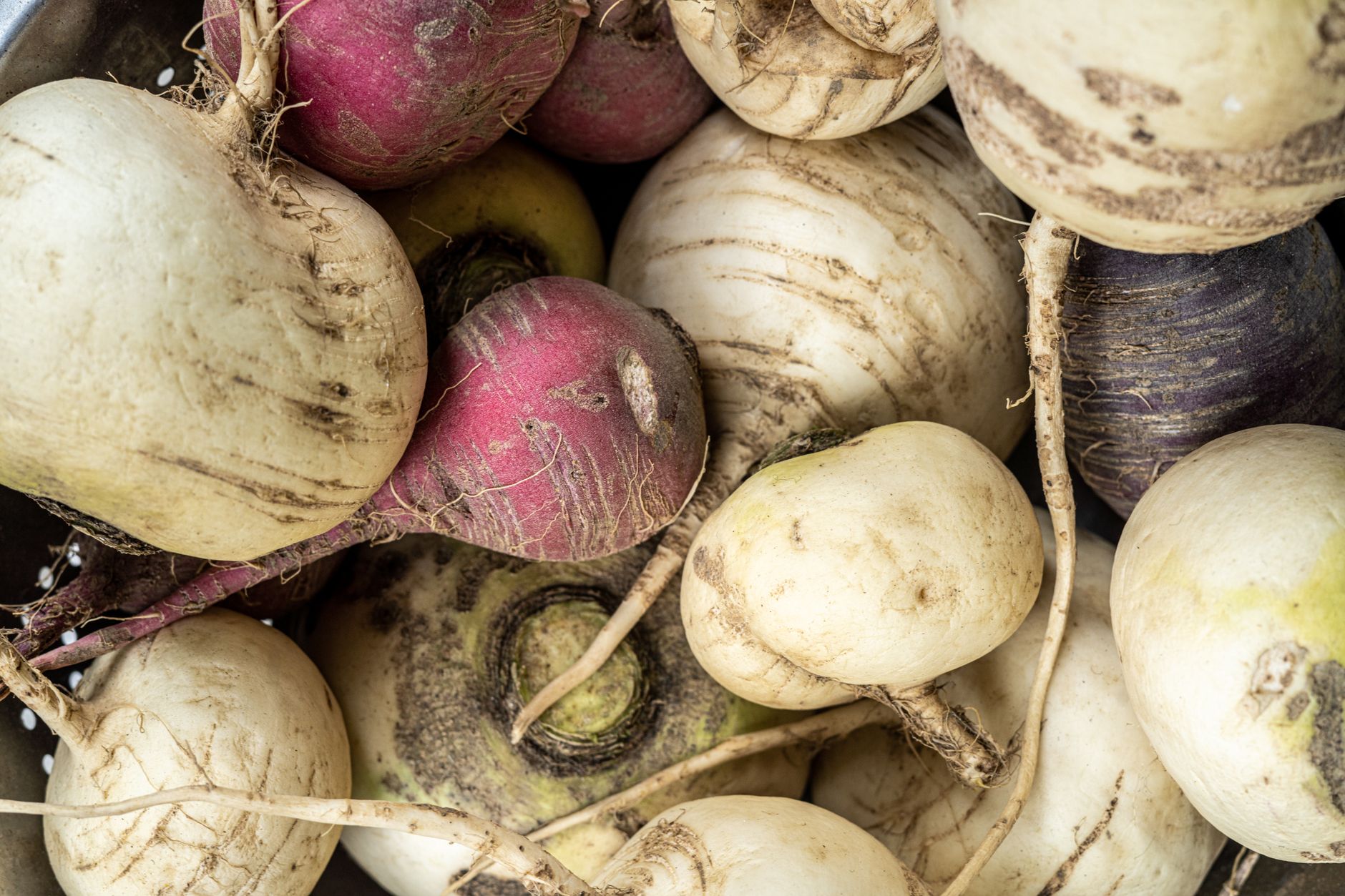
Root vegetables like carrots, beets, and potatoes benefit from bone meal's phosphorus content, which supports the root development these crops are specifically grown for, making it a reasonable addition at planting time for these specific crops.
Flowering bulbs including tulips, daffodils, and lilies are among the most classic and well-supported uses for bone meal, since phosphorus directly supports the bulb energy storage and flower development these plants rely on.
Roses and other flowering perennials often benefit from bone meal application at planting time, supporting both root establishment and the plant's later flowering performance throughout subsequent growing seasons.
Fruiting vegetables like tomatoes and peppers can benefit from bone meal at planting, though a more balanced fertilizer typically serves better throughout the full growing season, given these crops' broader nutrient needs beyond just phosphorus.
Leafy greens and plants grown primarily for foliage rather than roots, flowers, or fruit generally benefit less from bone meal's phosphorus focus, since their growth needs lean more heavily toward nitrogen instead.
Keep Bone Meal Away from Pets
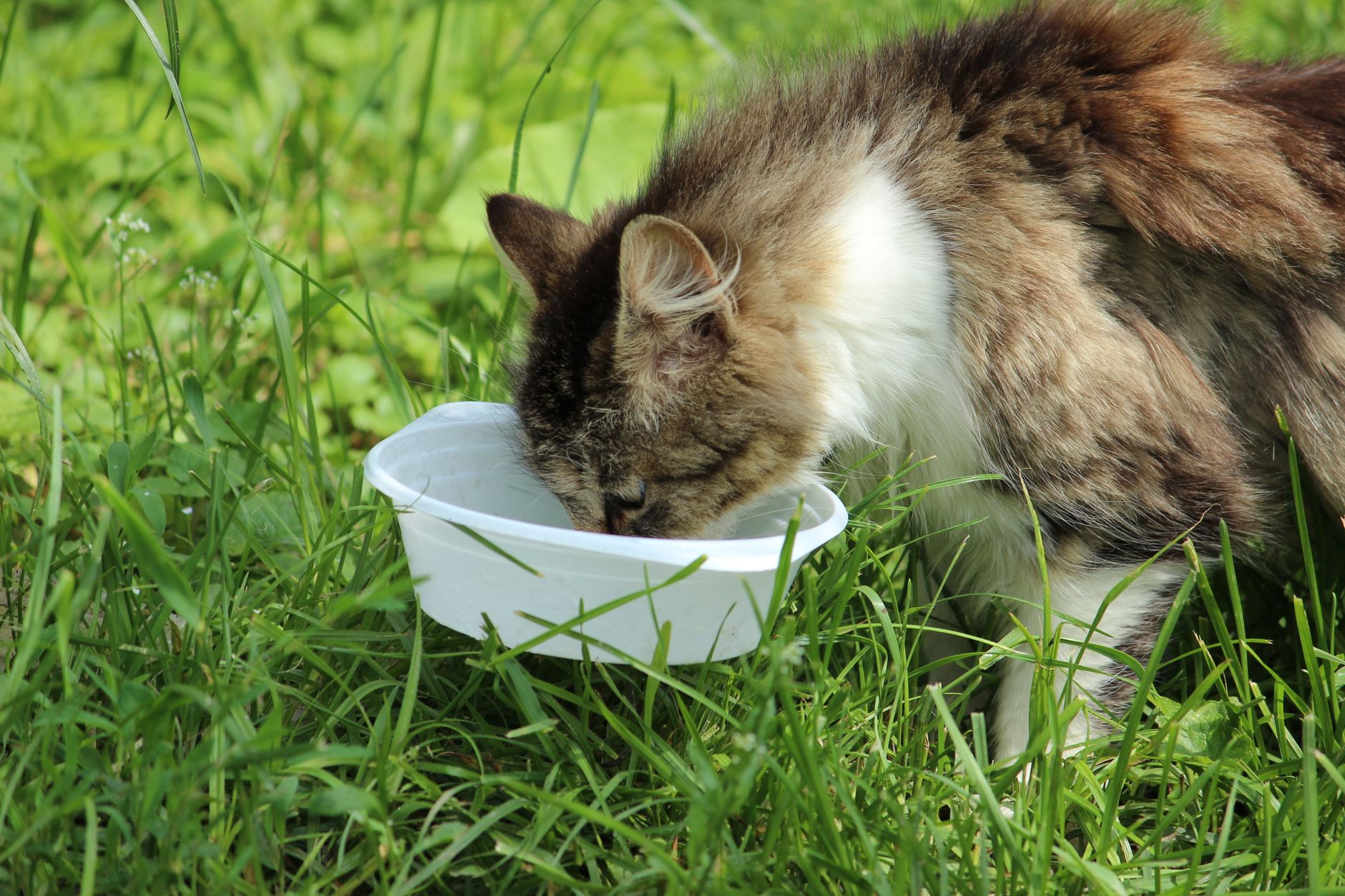
Bone meal's smell is often quite attractive to dogs, and ingestion of significant quantities can cause digestive blockages or pancreatitis, making this a genuine safety consideration for households with dogs who might dig in treated soil.
Work bone meal thoroughly into the soil rather than leaving it exposed on the surface, both for better plant uptake and to reduce the temptation and accessibility for curious pets.
Store unused bone meal securely in a sealed container in a location pets can't access, similar to how you'd store any product that could be harmful if consumed in quantity.
If you have a dog known to dig in garden beds, consider whether bone meal is the right choice for that specific area, or take extra precautions like covering freshly treated soil until it's been watered in and settled.
Watch for signs of digestive upset in pets after any suspected ingestion of bone meal or freshly treated soil, and contact a veterinarian promptly if you have genuine concerns about a significant exposure.
Store and Reapply Appropriately
Store bone meal in a sealed, airtight container in a cool, dry location, since moisture exposure can affect its texture and potentially attract pests if left in its original, sometimes less secure packaging.
Bone meal doesn't spoil quickly given proper dry storage, remaining usable for an extended period, though checking for any unusual odor or moisture damage before use is a reasonable precaution.
Reapply bone meal for perennial plantings like established rose bushes or perennial flower beds annually or every couple of years, since the slow-release phosphorus does eventually deplete as plants use it and it moves through the soil over time.
For annual vegetable gardens, work fresh bone meal into planting holes each season rather than assuming previous applications provide adequate ongoing phosphorus for entirely new plantings.
Consider combining bone meal with a soil test every few years, confirming your phosphorus levels remain in an appropriate range rather than assuming continued application is necessary without checking actual soil conditions.
Compare Bone Meal to Other Phosphorus Sources

Rock phosphate offers a plant-based alternative to bone meal, providing similarly slow-release phosphorus without any animal-derived components, appealing to strictly vegan gardeners or those preferring purely mineral-based amendments.
Synthetic phosphorus fertilizers release nutrients faster than bone meal, useful when a quicker correction is needed, though they lack the gradual, extended release that makes bone meal particularly well-suited to long-term plantings like bulbs and perennials.
Fish bone meal, a byproduct of fish processing, offers another animal-derived alternative with a similar nutrient profile to standard bone meal, sometimes preferred by gardeners avoiding beef products specifically for various dietary or ethical reasons.
Compost, while not concentrated in phosphorus the way bone meal is, contributes some phosphorus alongside its broader range of nutrients, making it a reasonable complementary amendment alongside more targeted phosphorus sources like bone meal.
Common problems and fixes
| Problem | Likely cause | What to do |
|---|---|---|
| Bone meal doesn't seem to improve plant performance despite application | Alkaline soil pH limiting phosphorus availability, or surface application not reaching the root zone effectively. | Test soil pH and consider acidifying amendments if needed, and ensure future applications are mixed directly into planting holes. |
| A dog dug up and ate treated soil | Bone meal's attractive scent drawing pet interest. | Monitor for digestive upset and contact a veterinarian if significant quantity was consumed or symptoms develop. |
Gardener's checklist
Test what you learned
What is the primary nutrient bone meal provides?
Answer: Phosphorus
Why should bone meal be mixed into the planting hole rather than surface-applied?
Answer: Phosphorus doesn't move readily through soil
Why is bone meal a safety concern for households with dogs?
Answer: Its scent can attract dogs, and ingestion can cause digestive issues
Common questions
What plants benefit most from bone meal?
Bulbs (like tulips and daffodils), root vegetables, and flowering plants including roses benefit most, since bone meal's phosphorus focus directly supports root development and flowering, the processes these plant types most rely on.
Does bone meal work in all soil types?
It works best in slightly acidic to neutral soil (pH 6.0-7.0); in alkaline soil above pH 7.0, phosphorus becomes less chemically available to plants, reducing bone meal's practical effectiveness even when applied correctly.
How often should I apply bone meal?
For annual plantings, apply fresh at each planting; for perennials like roses or established bulb beds, reapplication annually or every couple of years is generally sufficient given its slow-release nature.
Is bone meal safe for organic gardening?
Yes, bone meal is a commonly used organic fertilizer, though it's an animal-derived product, so strictly plant-based (vegan) gardeners sometimes prefer alternative phosphorus sources like rock phosphate instead.
Can bone meal attract wildlife other than pets?
Yes, its scent can occasionally attract other animals like raccoons or squirrels who might dig in treated soil; thoroughly mixing it into the soil rather than leaving it exposed reduces this attraction for wildlife as well as pets.
How much bone meal should I use per plant?
This varies by specific product concentration, so always follow the package's recommended application rate, which typically ranges from a tablespoon or two for individual bulbs to a cup or more per larger planting hole for shrubs or trees.
Bone meal offers a genuinely effective, slow-release phosphorus source for bulbs, root vegetables, and flowering plants, and understanding its pH sensitivity and proper root-zone placement helps you get real value from this traditional organic fertilizer.
Frequently asked questions
How often should a vegetable garden be watered?
Frequency depends on weather, soil and plant size. Check the soil rather than watering on a rigid schedule.
Is compost enough fertilizer?
Compost improves soil and provides nutrients slowly. Heavy-feeding crops may still need additional feeding.

The Sproutstead Editorial Team
We create clear, practical gardening and homesteading guides designed for real homes and beginner growers.
View author profile →

